
Vending Machine Service Packages: What to Offer First
A practical U.S. planning guide for vending machine service packages: what to offer first, built for founders, buyers, and operators comparing assumptions before committing capital.


What should you offer first in a vending machine service package?
Quick answer: start with the smallest service package that matches the machine type, location traffic, and route capacity you can actually support. For many founders, the first offer is not “everything possible”; it is the bundle that can be stocked, serviced, and priced with the fewest surprises in labor, spoilage, commissions, repairs, and cash tied up in inventory.
That choice is usually driven less by product preference and more by operating reality: how far the route is, who handles restocking, how often machines need attention, and whether the location expects a commission or other terms. A strong first package should be simple enough to explain to a location partner and disciplined enough to model in a financial plan.
The right answer also depends on local verification. Machine availability, vendor terms, landlord expectations, utility access, and site-specific restrictions can change the economics quickly, so the offer should be tested against current local inputs before you commit.
| What the reader is deciding | What must be verified locally |
|---|---|
| Which service bundle to launch first | Machine mix, route distance, location traffic, and service frequency |
| How broad the product menu should be | Customer segment, site rules, storage limits, and shrink or spoilage exposure |
| Whether the package is financially workable | Inventory costs, repair expectations, commissions, and working capital needs |
- Lease/buildout: whether the site supports placement, access, power, and service logistics.
- Equipment: machine type, condition, replacement parts, and setup requirements.
- Labor: who restocks, counts cash, cleans, and responds to breakdowns.
- Menu economics: product margin, spoilage risk, and item turnover by location.
- Permits: any local requirements tied to placement, sales, or food handling.
- Working capital: cash needed for inventory, repairs, deposits, and early route gaps.
- Funding readiness: whether the package can be explained clearly in a business plan or pitch deck.
In practice, the first package should be the one that creates a clean operating test: simple enough to run, specific enough to price, and narrow enough to verify before you expand the menu or add more machine types.
Next, the framework turns that decision into a practical set of planning choices so you can compare package scope against route economics, service load, and margin pressure.
What should a vending machine founder decide first about service packages?
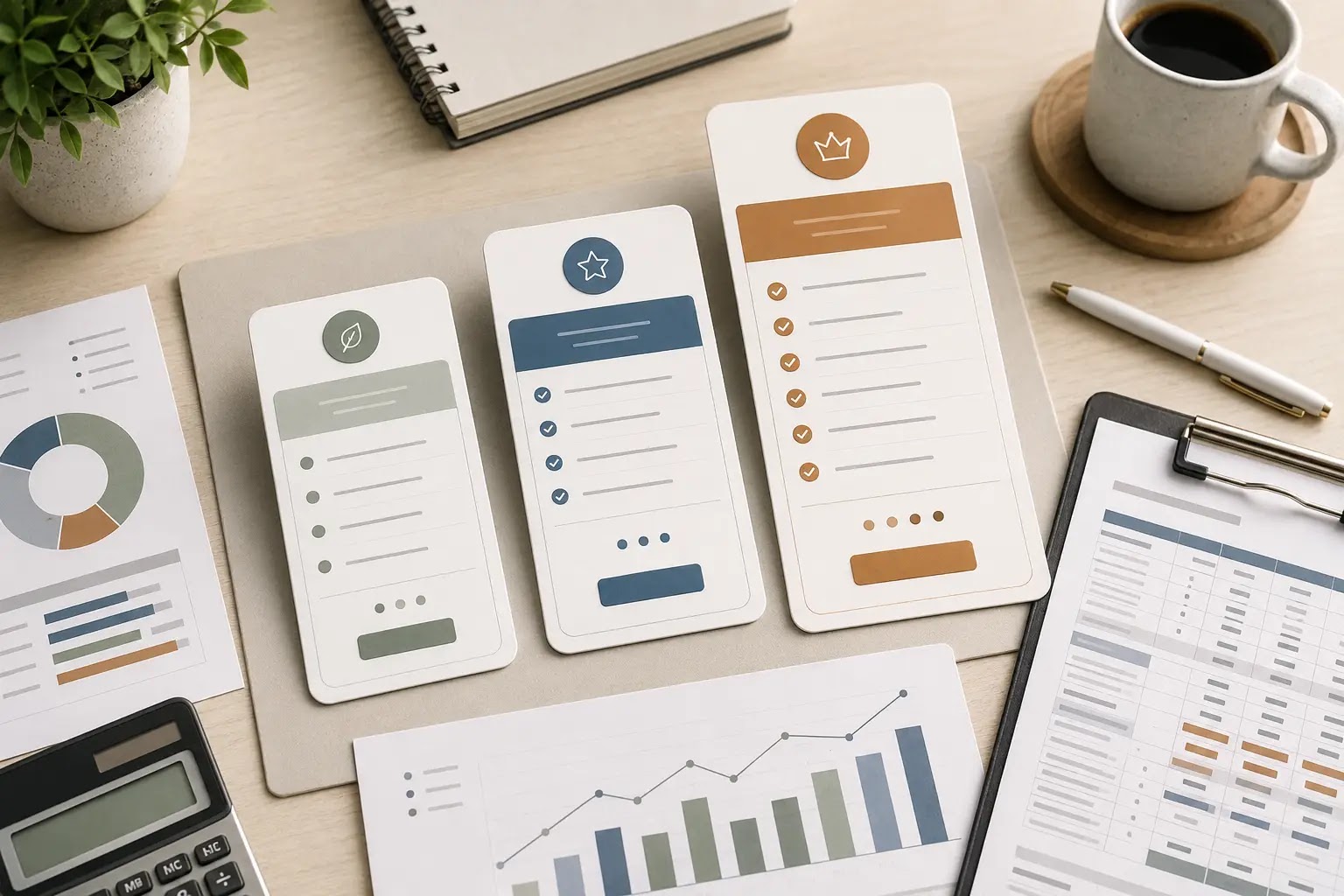
For a vending machine business, the first package should be built around the location type, the product mix, the service cadence, and the pricing logic that keeps the route workable. The goal is not to list every possible add-on; it is to define a narrow, documentable offer that matches machine demand, refill frequency, and operating effort.
Which package variables change the offer first?
The first planning pass should separate what the customer is buying from what the operator must deliver. That usually means deciding whether the package is centered on snacks, beverages, mixed assortment, or a more specialized menu; then checking how that choice affects stocking, spoilage, machine wear, and route miles.
| Planning area | Question to answer | Input to collect | Model impact | Verification source |
|---|---|---|---|---|
| Location fit | What type of site is this package built for? | Site category, foot traffic pattern, access hours, customer type | Determines menu demand, visit frequency, and route efficiency | Site walkthrough, manager interview, competitor observations |
| Menu mix | Which product categories belong in the first offer? | Core snack, beverage, and specialty items under consideration | Affects inventory cost, sell-through, and restock cadence | Supplier catalogs, buyer interviews, local competitor machines |
| Package scope | What is included in the base service versus an add-on? | Installation, stocking, cleaning, cash handling, reporting, repair support | Shapes labor time, pricing structure, and service complexity | Vendor terms, service agreements, machine supplier quotes |
| Service cadence | How often does the machine need attention? | Expected refill interval, seasonal demand changes, downtime sensitivity | Drives route mileage, labor scheduling, and working capital | Operator history, location feedback, pilot route logs |
| Pricing logic | Will the package price be flat, tiered, or location-specific? | Target customer segment, service level, commission expectations | Influences gross margin and how quickly a site can cover overhead | Comparable offers, buyer discussions, proposal drafts |
| Payment and software | What technology belongs in the first package? | Cashless payment, telemetry, route software, reporting needs | Changes equipment cost, reporting quality, and maintenance needs | Hardware vendors, software demos, processor terms |
| Maintenance coverage | What repairs are included before the package changes? | Routine service tasks, emergency response expectations, parts handling | Impacts downtime, labor risk, and reserve needs | Technician quotes, machine manuals, service vendor terms |
| Inventory economics | How much stock must be held for the package? | Par levels, lead times, spoilage risk, case pack sizes | Directly affects cash tied up in inventory and replenishment timing | Supplier order terms, warehouse records, pilot purchases |
How should the first offer be documented before pricing it?
- Identify the location segment first: office, industrial, school-adjacent, apartment, hospitality, or another site type that changes buying behavior.
- Choose the initial menu family: snack-heavy, beverage-heavy, or mixed assortment, then note any specialty items that would require different stocking or temperature control.
- List the service tasks that are included in the base package, such as stocking, basic cleaning, reporting, or routine troubleshooting.
- Estimate how the package changes route needs: refill frequency, drive time, stop time, and the number of machines a route can support efficiently.
- Collect supplier terms for the products and equipment you actually plan to use, including minimum orders, lead times, and any return or replacement conditions.
- Write the assumptions into the business plan, financial model, and pitch deck so the same package definition is used across lender, landlord, and partner discussions.
- Mark which items are still variable by market, because local pricing, commissions, and vendor terms can change the package materially.
Verification note: Before you finalize a package, confirm current vendor terms, site expectations, equipment availability, and local pricing with live sources. The right first offer in one market may be too broad or too thin in another.
Once these assumptions are documented, Block 3 can test the package choices against route economics, margin tradeoffs, and working-capital needs without forcing the analysis to guess at the menu or service scope.
How do package choices change break-even and cash needs?
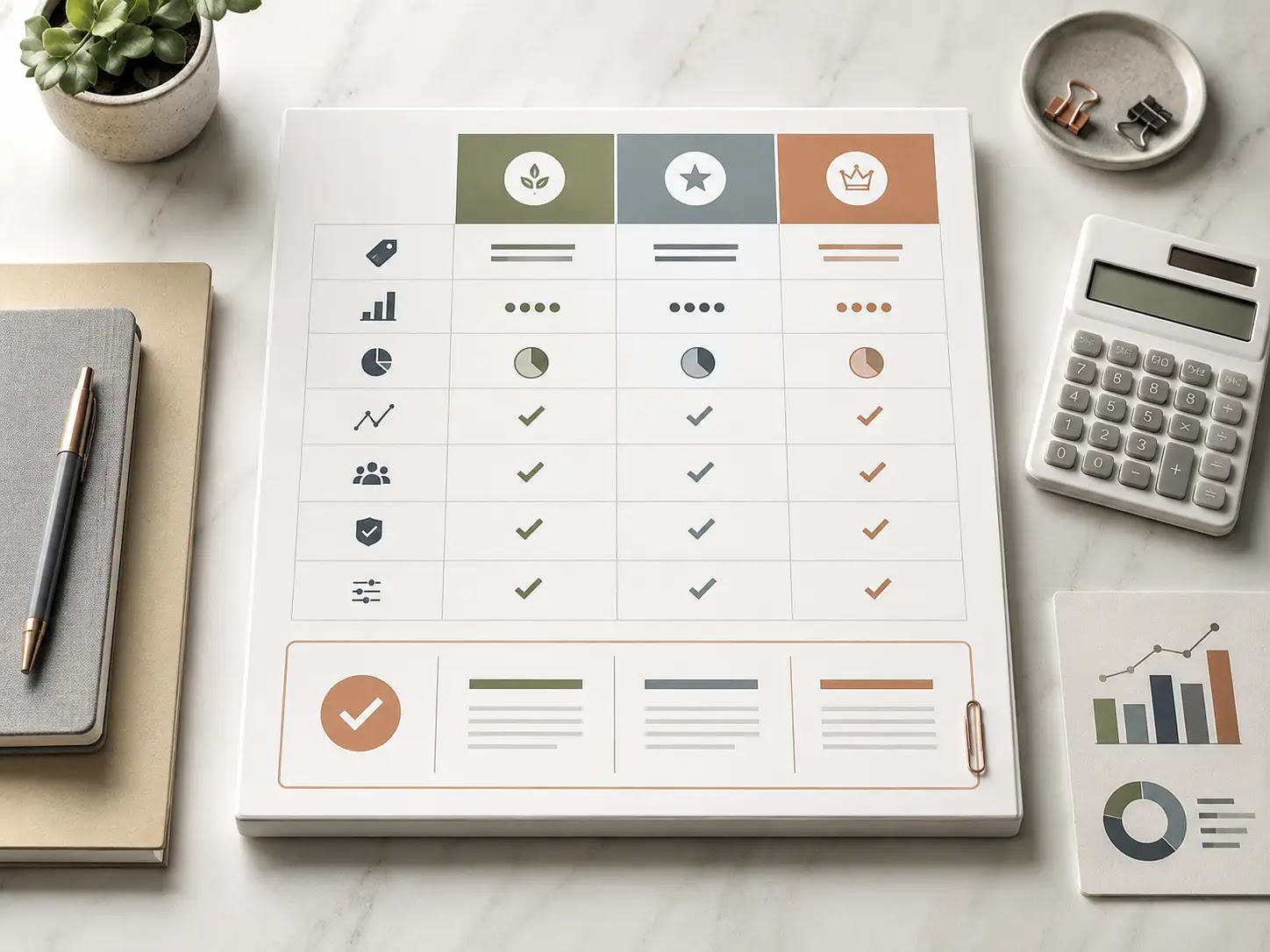
For a vending machine business, service-package design changes the model in a few direct ways: how often you restock, how much driving you do, how much inventory sits on hand, and how quickly commissions, repairs, and software fees eat into margin. A package that looks simple to sell can still be expensive to serve if the route is spread out or the product mix turns inventory quickly.
The main planning question is not just what customers may buy, but which package mix you can support with your current route density, storage, labor, and working capital.
Planning calculator: inputs to test before you lock in a package mix
| Model input | What to enter | Simple formula / planning use | Why it matters |
|---|---|---|---|
| Startup cash need | Machine purchases, initial inventory, route setup, software, vehicle prep, deposits, and working capital reserve | Sum of launch costs + reserve for early months | Shows how much funding or owner cash the package mix may require |
| Weighted package revenue | Average price across your intended service packages and customer mix | (Package price × share) added across all package types | Sets the average invoice size and helps test pricing mix |
| Weighted service cost | Labor, mileage, restocking time, spoilage, commissions, card fees, and handling costs | Average cost per package or stop | Shows whether the package mix can hold margin after direct service costs |
| Monthly fixed costs | Storage, insurance, software, admin, vehicle payment if any, and baseline overhead | Total monthly overhead | Feeds break-even and runway calculations |
| Break-even monthly sales | Your target sales volume at the chosen gross margin | Monthly fixed costs ÷ contribution margin rate | Shows the revenue level needed to cover overhead |
| Cash runway | Cash available after launch and the monthly burn rate | Available cash ÷ monthly burn | Indicates how long you can operate before needing more capital |
| Labor coverage | Route stops, service time per stop, and paid labor hours | Service demand compared with available hours | Helps test whether the package mix fits your staffing plan |
Package-mix sensitivity: what usually moves first?
| Scenario | Package mix assumption | Likely effect on cash need | Likely effect on break-even |
|---|---|---|---|
| Lean | Fewer service tiers, simpler restock schedule, lower-touch accounts | Lower startup cash and simpler inventory planning | Lower revenue per account, but easier to protect margin |
| Balanced | Core package plus a limited premium option | Moderate working-capital need | Usually the easiest case to model and operate |
| High-touch | Frequent restocking, custom assortments, and more service commitments | Higher labor and inventory pressure | Needs stronger route density or better pricing to stay viable |
Risk and assumption check
- Route mileage can erase margin if locations are too spread out.
- Commissions and location terms can change the economics of each account.
- Inventory mix affects spoilage, shrink, and cash tied up in stock.
- Machine downtime raises labor cost and may reduce customer satisfaction.
- Software, card-processing, and reporting fees can be easy to underbudget.
- Repairs and replacement parts may not track evenly from month to month.
What should you do next before you choose a vending service package?
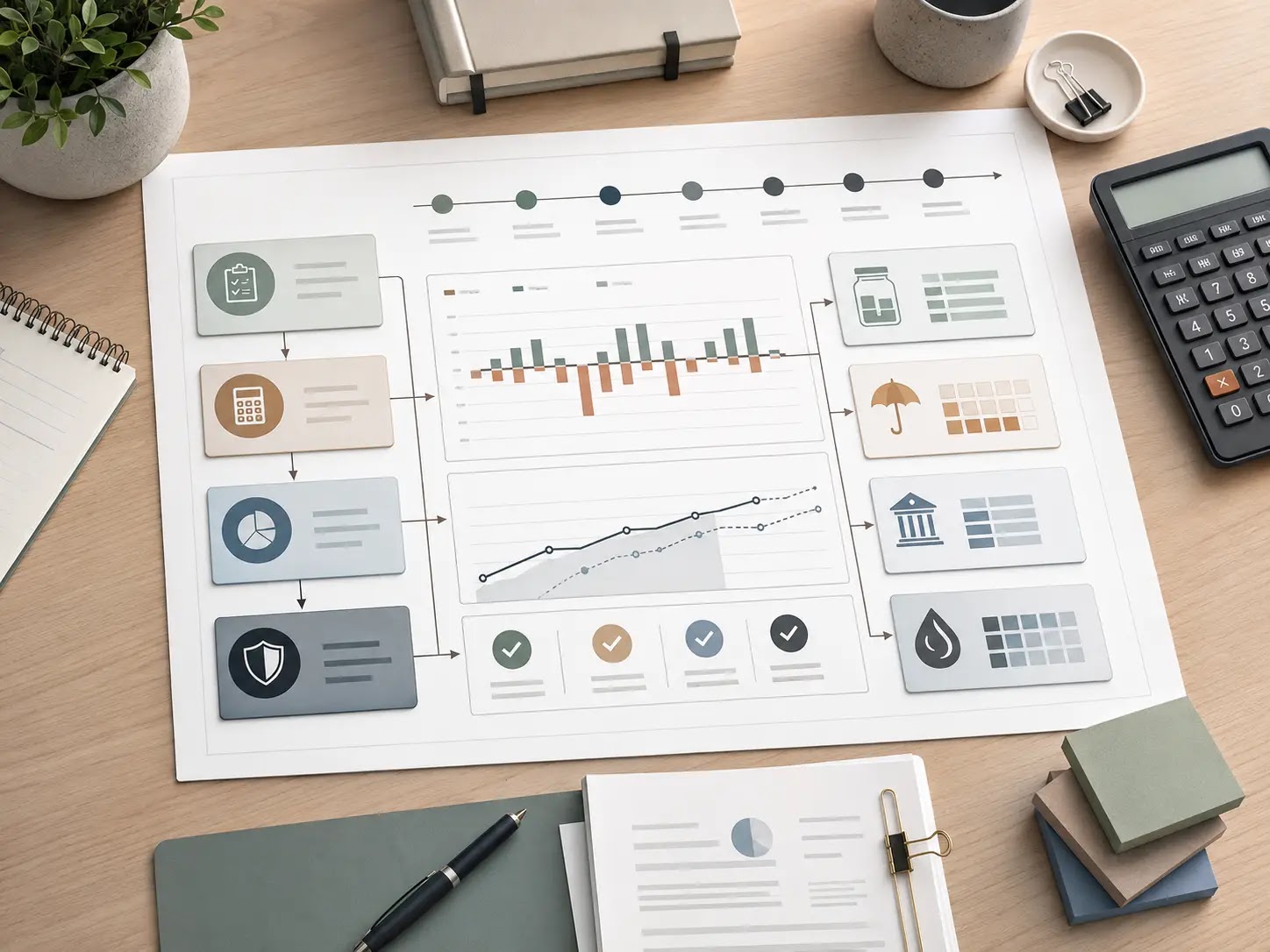
For most U.S. vending founders and buyers, the right first offer is the one that matches your machines, route density, and customer segment without stretching labor, inventory, or repair capacity. The practical decision path is simple: confirm the locations you can serve, pick the service level that fits those sites, test the impact on commissions and refill frequency, and make sure the package still works inside your cash-flow plan.
If the package looks attractive but adds too much mileage, too many SKU counts, or too much break-fix exposure, it can weaken margin before the route is fully built. Start with the offer you can operate consistently, then expand only after the numbers and route workload hold up.
Decision checklist: is the first package ready?
| Checkpoint | What to confirm | Why it matters |
|---|---|---|
| Machine mix | The package matches the equipment you actually plan to place. | A mismatched offer can create avoidable stocking and service complexity. |
| Location type | You know whether the site needs basic service, premium assortment, or frequent refreshes. | Different customer segments change labor, inventory, and commission pressure. |
| Route workload | Refill frequency, mileage, and repair time fit your operating plan. | Route inefficiency can erode margin even when sales look acceptable. |
| Vendor terms | Machine suppliers, product vendors, and location agreements are documented and current. | Terms affect startup cash needs, replacement timing, and service commitments. |
| Working capital | You have enough buffer for inventory, repairs, commissions, and early route instability. | Underfunded launches often fail on cash timing before demand becomes clear. |
Readiness scorecard
- You can name the first location type the package is meant for.
- You have a clear view of the products, refill cadence, and service response level.
- You have mapped route miles, labor time, and expected repair exposure.
- You have checked how commissions, supplier terms, and software fees affect margin.
- You have enough cash buffer to cover early operating swings.
- You have a backup package version if the first offer is too broad or too thin.
Next planning steps
- Lock the first package to one clear machine-and-location use case instead of trying to serve every site at once.
- Put the package into a simple financial model so you can compare route mileage, commission load, inventory turns, and repair reserve assumptions.
- Use a business plan or pitch deck to document why the offer fits the target customer and how it will scale.
- Review supplier quotes, location terms, and service expectations with current local sources before you commit.
- Keep a checklist or startup toolkit for launch tasks, route setup, and early performance tracking.


