
Vending Machine Concept Development: Positioning, Offer, and Target Customer
A practical U.S. planning guide for vending machine concept development: positioning, offer, and target customer, built for founders, buyers, and operators comparing assumptions before committing capital.


Is a Vending Machine Business Worth Pursuing, and What Has to Be Verified First?
For a U.S. vending machine business, the first decision is not just whether people will buy snacks or drinks—it is whether a specific location, route, or acquired machine base can support the real operating costs behind the sales. That means checking site terms, machine mix, inventory margins, servicing time, route mileage, and the amount of working capital needed to keep machines stocked and running.
If you are starting from scratch, buying a route, or evaluating a small acquisition, the concept should be tested against local assumptions before you build a pitch deck or financing package. The same business idea can look very different depending on location traffic, commission or rent structure, machine age, repair needs, and how often you must restock.
| What the reader is deciding | What must be verified locally |
|---|---|
| Whether to start, buy, or expand a vending route | Location access, site agreement terms, route density, machine condition, and transfer details |
| Whether the concept can support funding or self-funding | Inventory costs, servicing frequency, repair exposure, mileage, working capital needs, and vendor terms |
The practical question is not “Can vending work?” but “Can this version of vending work at this location with these assumptions?” That is why concept development should connect customer fit to operating economics early, especially if you need lender, partner, or buyer confidence.
- Lease or site access terms that affect placement, commissions, or removal risk
- Equipment choice, age, and expected repair or replacement exposure
- Labor and route time, including stocking, cleaning, cash handling, and service calls
- Menu economics for snacks, drinks, or specialty items, including shrink and spoilage risk
- Permits, site rules, and any local operating requirements that vary by market
- Working capital for inventory, fuel, maintenance, and slow-start periods
- Funding readiness, including whether assumptions are organized well enough for a pitch deck or buyer package
Next, the framework turns those assumptions into a practical planning view so you can compare your concept, location, and operating model before making a startup or acquisition decision.
How should a vending machine founder turn concept choices into testable assumptions?
For startup feasibility, the key question is not whether vending is “simple,” but whether your specific machine, location, product mix, and service plan can support a workable route. Concept development should translate the idea into inputs you can verify before you commit to a purchase, lease, or inventory plan.
What needs to be defined before you estimate demand or cash flow?
The concept should be narrow enough to model. A vending business serving office break rooms, gyms, apartments, schools, hospitals, laundromats, or industrial sites can look very different in placement rules, refill frequency, product turnover, commissions, and labor. Document the target customer, the type of machine, the expected product category, and how often the route will need service.
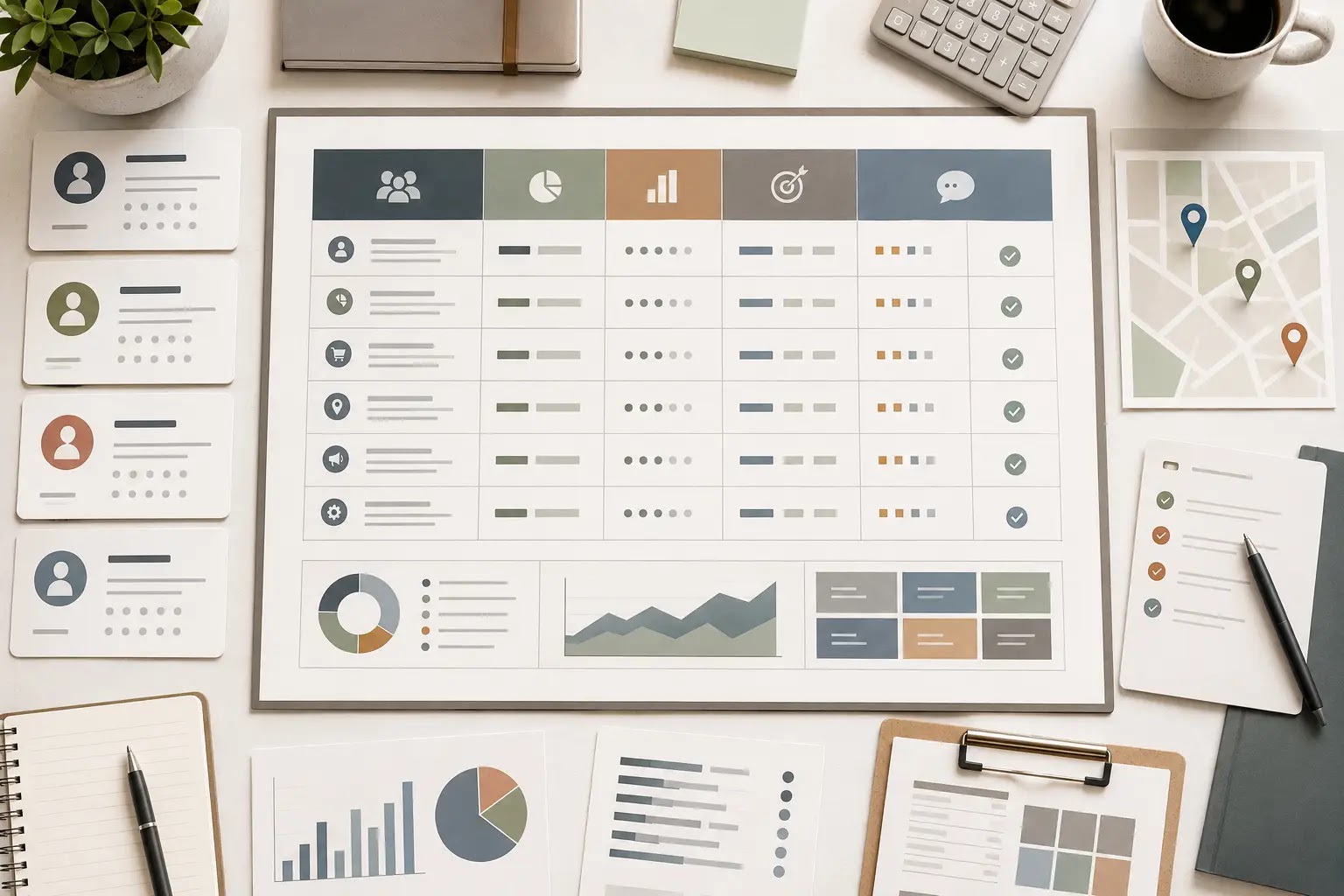
| Planning area | Question to answer | Input to collect | Model impact | Verification source |
|---|---|---|---|---|
| Target customer | Who will use the machine most often, and why will they choose it? | Site type, foot traffic pattern, user profile, purchase occasion, hours of access | Demand assumptions, product mix, restock frequency | Site walk, operator interviews, tenant or property manager discussion |
| Placement fit | Does the location support steady use, easy servicing, and secure machine access? | Visible placement options, access hours, loading path, storage room, power availability | Route time, service labor, feasibility of regular refills | On-site inspection, landlord or facility manager confirmation |
| Machine type | What equipment best matches the site and offer? | Machine category, size, cashless capability, refrigeration needs, age, condition | Purchase price, maintenance exposure, software compatibility, downtime risk | Vendor specs, inspection, used-equipment history, technician review |
| Product offer | What items are most likely to turn at that site? | Snack, beverage, cold food, healthy options, specialty items, package sizes | Inventory cost, shrink risk, refill cadence, gross margin assumptions | Competitor audits, site surveys, supplier catalogs, test placements |
| Pricing and commission | What price points and site commissions can the location support? | Local competitor prices, landlord expectations, revenue-share terms, payment mix | Net sales per vend, gross margin, location contribution | Current vendor quotes, local route benchmarking, lease or placement discussion |
| Route density and mileage | Can stops be grouped so travel and labor stay manageable? | Route map, stop count, drive time, refill time, service frequency | Fuel, labor, vehicle use, service capacity, break-even route load | Mapping review, route trial, driver logs, service schedule draft |
| Repairs and software | What will be required to keep the machine selling and reporting accurately? | Repair history, parts availability, telemetry needs, payment processing terms | Maintenance reserve, software fees, downtime allowance, reporting reliability | Technician estimate, vendor support terms, software demo, service records |
| Working capital | How much cash is needed to stock, service, and stabilize the route after launch? | Inventory cycle, service cadence, spare parts need, payment lag, launch ramp assumptions | Startup funding need, operating reserve, inventory replenishment timing | Supplier terms, launch plan, owner cash flow schedule, lender or investor draft |
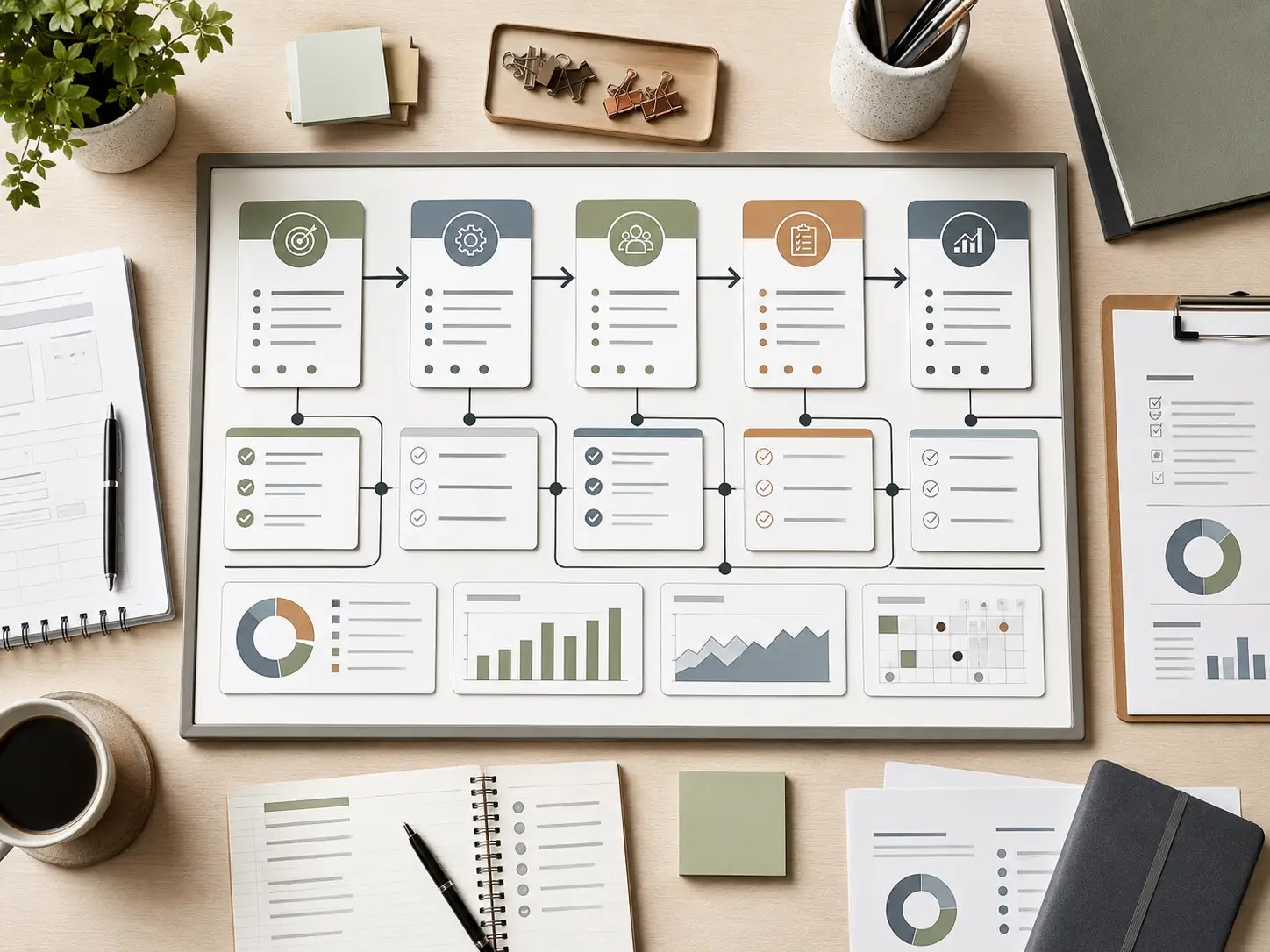
What sequence helps a founder move from idea to documented assumptions?
- Define the target site type first, because customer behavior drives machine choice, product mix, and service frequency.
- List the specific machine format needed for that site, including any cashless, refrigeration, or telemetry requirements.
- Estimate the likely assortment by category, then narrow it to items that fit shelf space, turnover, and refill practicality.
- Map the route and group locations to see whether drive time, stop time, and refill timing are realistic for one operator.
- Check whether any site commission, placement fee, or revenue-share expectation should be included in the concept.
- Document the repair and software assumptions so downtime, service calls, and reporting are not treated as afterthoughts.
- Translate the concept into a working assumption sheet for sales per location, inventory cycles, and working capital needs.
- Mark each assumption with a source and a confidence level so the model reflects verified inputs instead of guesswork.
What should be documented before the financial model is built?
By the end of concept development, the founder should have a short assumption set that names the customer, machine type, product offer, service cadence, route structure, and likely site terms. That gives the financial model something grounded to test.
Next, move into the financial model implications, tradeoffs, and risk checks so the concept can be stress-tested against sales, repairs, labor, and working capital.
What can derail a vending machine concept before launch?
For a U.S. vending machine business, the biggest planning errors usually happen before the first machine is placed: the target customer is too broad, the product mix does not match the site, or the route economics are built on assumptions that do not hold once service, spoilage, downtime, and commissions are added. Concept development is less about picking “good” products and more about proving that a specific customer, location type, and operating model fit together.
That means the real planning question is whether your offer can survive the operating load. A machine in a low-touch office building has different expectations than one in a gym, school-adjacent site, medical building, warehouse, or apartment common area. The positioning decision affects inventory variety, refill frequency, payment method mix, service intervals, and how much working capital you need to keep the route running.
Before you treat a concept as scalable, test the assumptions that influence sales per stop, route mileage, machine uptime, and replenishment cadence. If those inputs are unstable, the concept may still work, but the plan should be structured around tighter site selection, simpler assortment, and more conservative cash flow assumptions.
Scenario: broad convenience offer
Works best when the customer wants fast, familiar choices and the location has steady foot traffic. The risk is overstocking too many SKUs and carrying inventory that moves slowly.
Scenario: niche or premium offer
Can support stronger branding and better margins in the right setting, but it depends heavily on the site profile and on whether the target customer repeatedly buys the same items.
Scenario: route-built operating model
Favors operators who can cluster stops efficiently and service machines on a predictable schedule. The main risk is underestimating mileage, labor time, and maintenance disruption.
Which assumptions usually deserve the closest verification?
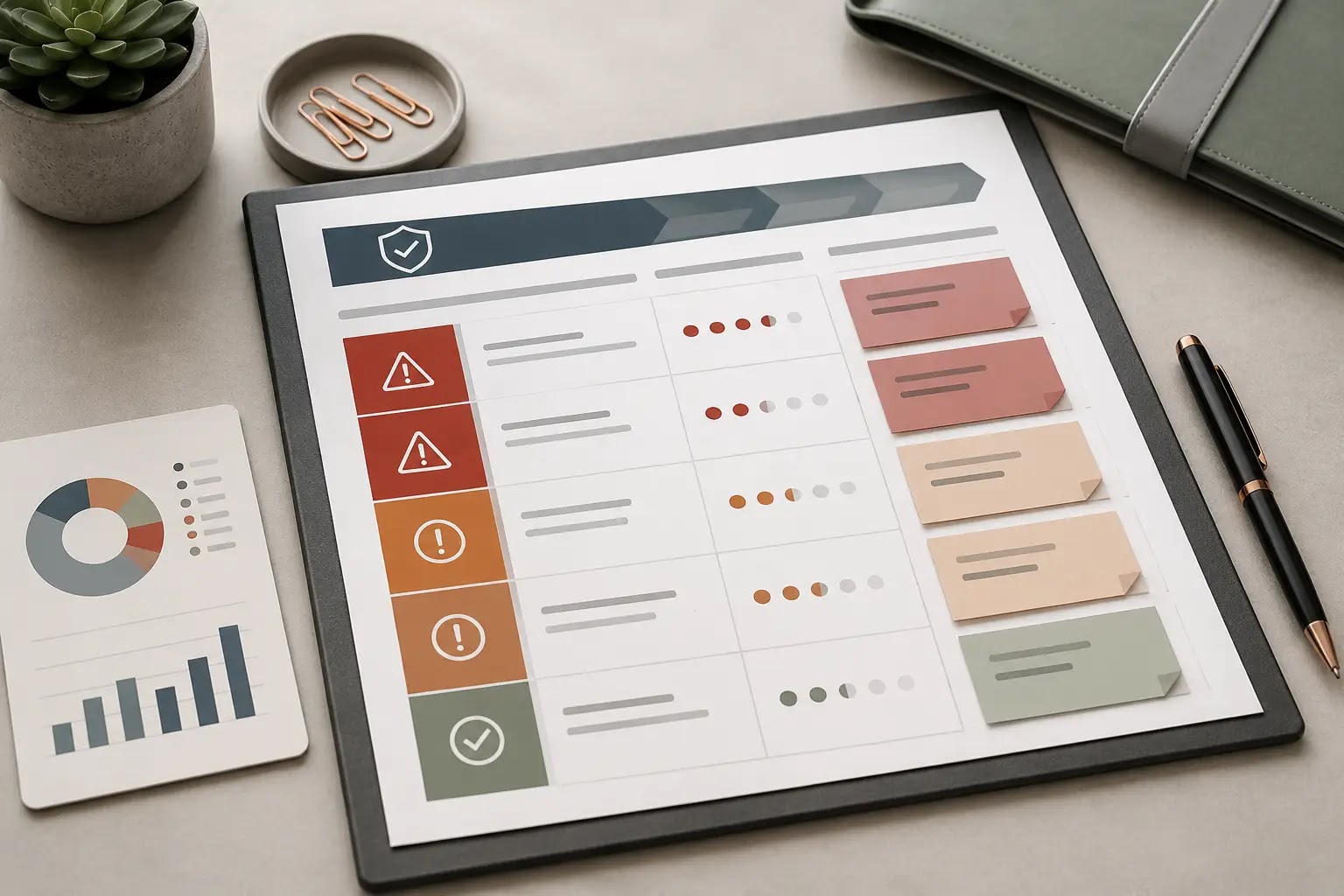
| Planning risk | Why it matters in vending | Assumption affected | How to verify |
|---|---|---|---|
| Target customer mismatch | The machine may be in the right building but still offer the wrong products for the people who actually use it. | Product mix, price sensitivity, and expected repeat purchases | Observe site traffic patterns, ask the location contact about user type, and compare to similar stops in your route plan. |
| Weak site economics | Commissions, rent, or revenue share can change whether the stop is attractive after service costs. | Net revenue per machine and payback assumptions | Request the site’s proposed terms and compare them with the full route cost structure, not just gross sales. |
| Service and repair load | Downtime reduces sales and can force extra trips, especially when payment systems or refrigeration are involved. | Maintenance reserve, labor time, and route density | Check machine condition, warranty status, service history, and access to local repair support or replacement parts. |
| Inventory movement risk | Slow-moving products tie up cash and create waste or outdated stock. | Working capital, inventory depth, and reorder cadence | Track test sales by category and confirm what products actually sell at the intended site type. |
| Payment and access friction | Cashless systems, connectivity, and site access rules can change operational complexity and vendor terms. | Software costs, setup burden, and service process | Confirm device compatibility, connectivity needs, access hours, and any operator or landlord requirements. |
For this stage, the goal is not to perfect every assumption; it is to identify which ones could change the concept itself. If your verification work shows that the target customer, offer, and site economics do not align, it is better to revise the concept now than to carry a weak model into buildout or funding conversations.
The final action checklist should turn those findings into concrete next steps: what to confirm, what to postpone, and which assumptions need to be documented in the business plan, financial model, and pitch deck.
What should you do next before launching or buying a vending route?
If your concept is clear on who you serve, where the machines will sit, and what products fit the location, the next step is to test whether the economics still work after you account for inventory, route mileage, repairs, commissions, software, and working capital. That is the real handoff from concept development to a fundable, buildable plan.
For a U.S. vending machine founder or buyer, the goal is not just “a machine that sells.” It is a concept that matches the customer, the site, and the operating model well enough to support repeat visits and realistic cash planning.
| Readiness check | What to confirm now | Why it matters |
|---|---|---|
| Target customer fit | Who uses the machine, when they buy, and what they are likely to choose | Drives product mix and expected sell-through |
| Location economics | Whether the site can support foot traffic, placement terms, and operator access | Affects commissions, routing efficiency, and uptime |
| Offer design | Which SKUs, price points, and package sizes fit the audience | Shapes inventory turns and waste risk |
| Operating load | Route mileage, refill frequency, repair exposure, and software needs | Determines labor burden and service cost |
| Capital readiness | Startup cash, spare parts, inventory, and working capital coverage | Helps avoid underfunding the first months of operation |
Final planning checklist
- Write a one-sentence positioning statement for the exact customer and site type you are targeting.
- List the product categories you would stock first, and note why each fits that location.
- Map the route assumptions: stops per trip, refill frequency, travel distance, and service time.
- Document likely site terms, including commissions, access limits, and machine placement constraints.
- Test repair and downtime assumptions so the plan reflects real operator burden, not ideal conditions.
- Estimate inventory and cash needs for launch, early restocking, and uneven first-month sales.
- Compare at least two scenarios: one with a higher-traffic site and one with more modest volume.
- Verify any local requirements, landlord rules, and vendor terms with current sources before committing.
Practical bridge: Once the concept is defined, a business plan, financial model, pitch deck, checklist, and startup toolkit can help organize assumptions, compare scenarios, and document the plan for partners, lenders, landlords, or advisors.
Bottom line: A strong vending concept is one where the customer, location, offer, and operating demands all fit together before you buy machines or sign site agreements. If those pieces are clear, you are ready to turn the idea into a location-specific plan.

