
Vending Machine Cost Breakdown: machines, inventory, route mileage, repairs, commissions, software, and working capital
A practical U.S. planning guide for vending machine cost breakdown: machines, inventory, route mileage, repairs, commissions, software, and working capital, built for founders, buyers, and operators comparing assumptions before committing capital.

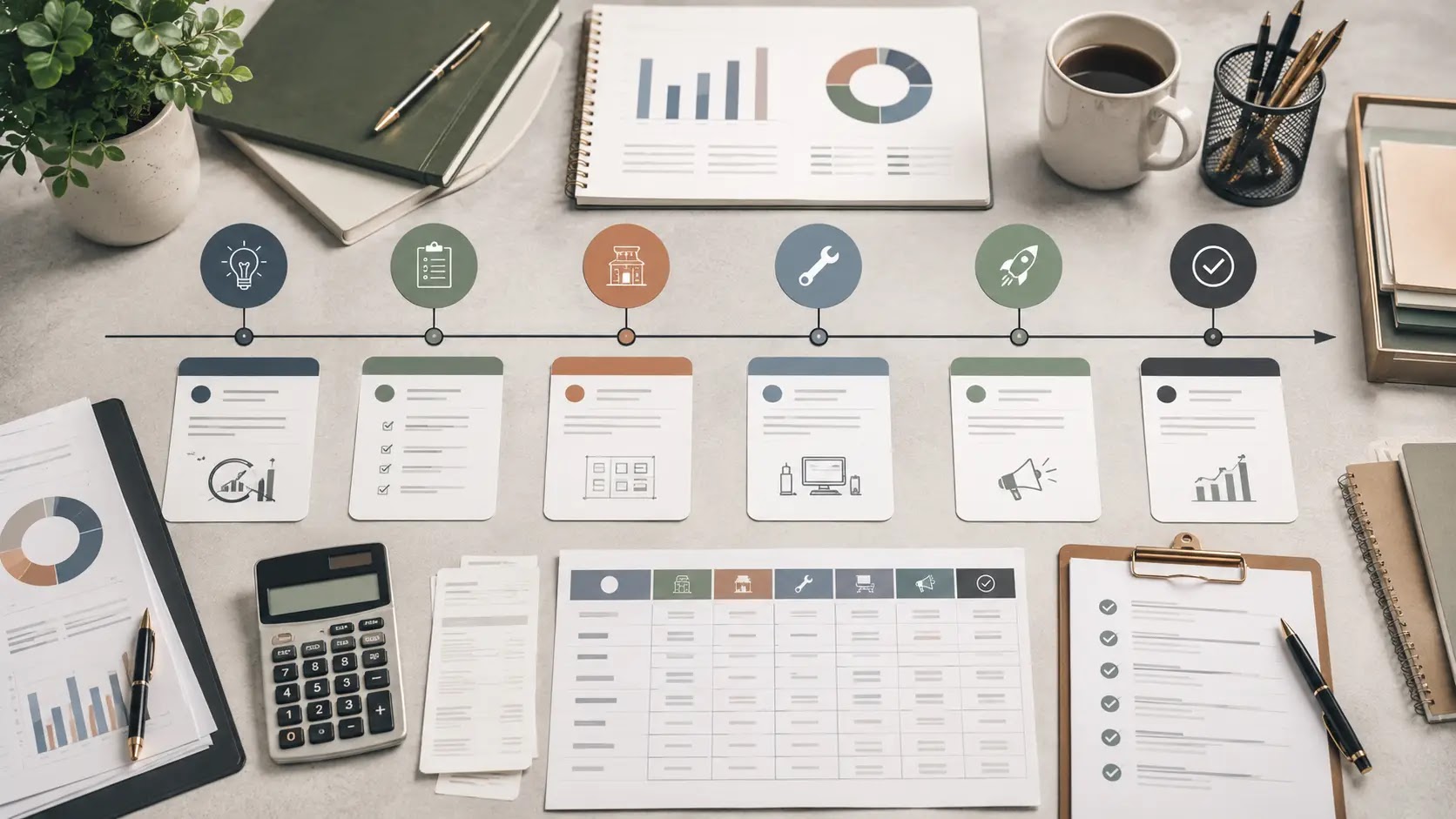
What does a vending machine cost once you include machines, inventory, route mileage, repairs, commissions, software, and working capital?
A vending machine business can look affordable at the machine level, but the real startup budget is usually broader. The decision is not just what to pay for equipment; it is whether the route, site terms, inventory turnover, and service burden can support the full cash need.
For U.S. founders and buyers, the practical question is whether you are evaluating one machine, a small route, or a larger acquisition. Each scenario changes the cost stack: placement terms, service frequency, product mix, and reserve cash can matter as much as the hardware itself.
Use this as a planning lens: estimate the full launch budget, then test the assumptions that could change it locally. That helps you avoid undercounting working capital, replacement parts, commissions, or the cash tied up in initial stock.
| What the reader is deciding | What must be verified locally |
|---|---|
| How much capital the vending business really needs to launch or buy | Machine pricing, site commission terms, delivery/setup costs, inventory costs, service expectations, and reserve cash needs in the target market |
- Lease/buildout: whether any location prep, utilities, or access constraints affect placement cost
- Equipment: new versus used machines, specialty features, and replacement parts or refurbishment needs
- Labor and servicing: route time, restocking frequency, maintenance, and emergency repair burden
- Menu economics: product cost, spoilage risk, mix, pricing power, and replenishment cadence
- Permits and site requirements: local rules, host-site expectations, and vendor documentation
- Working capital: cash buffer for slow turnover, inventory float, repairs, and delayed collections
- Funding readiness: whether your budget and assumptions are documented well enough for lenders, partners, or an acquisition review
Next, the practical framework breaks these costs into the key inputs you should verify before you build the budget.
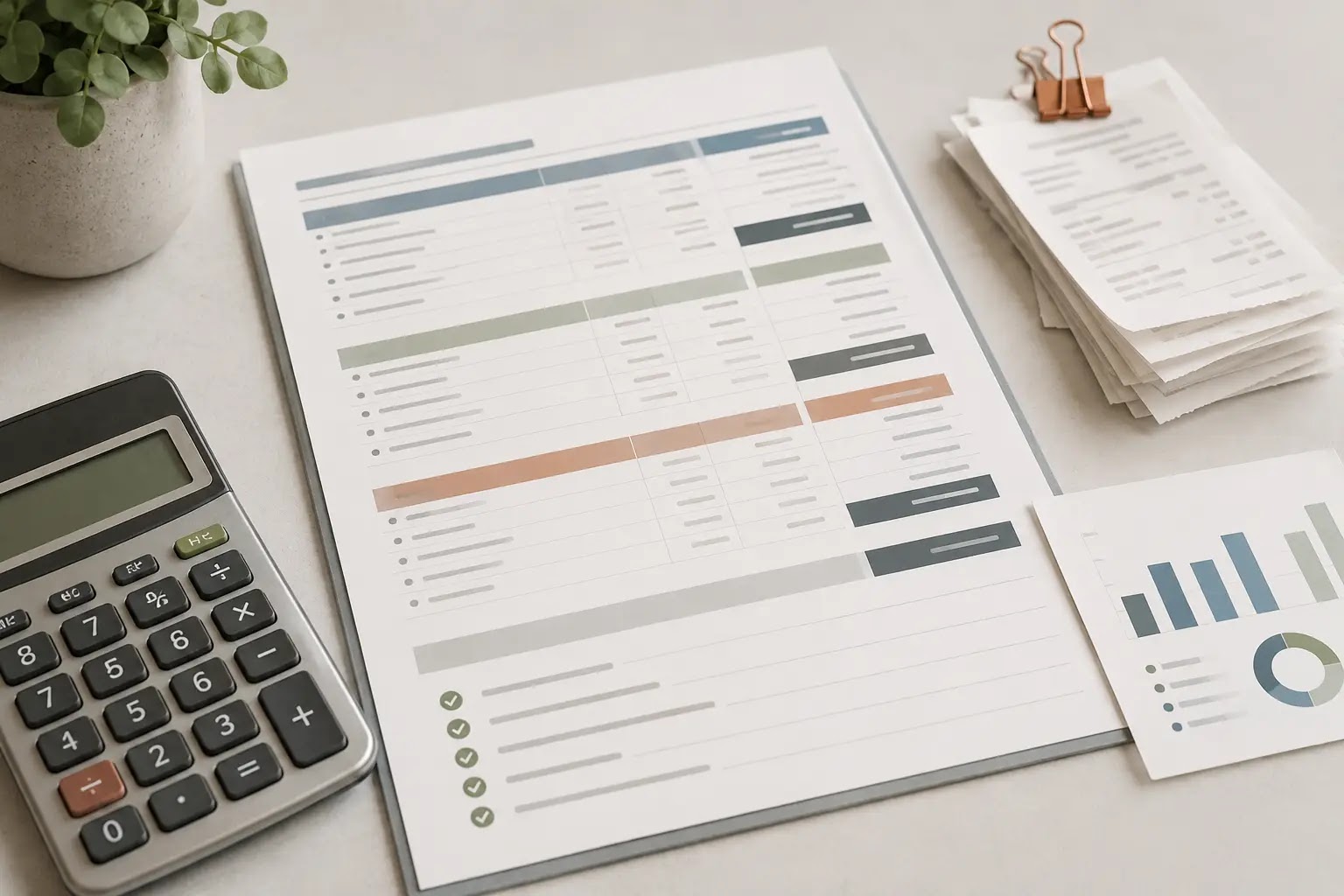
How should a vending machine founder turn cost inputs into a usable startup budget?
What belongs in the startup-cost framework?
For a U.S. vending machine business, the startup budget should separate one-time launch items from recurring operating costs. That means documenting the machine plan, initial inventory load, route mileage, repair reserve, commissions or location payments, software, and working capital as distinct assumptions rather than one blended estimate.
The goal is not a perfect forecast on day one. The goal is a defensible set of inputs you can compare across locations, machine types, and route sizes before you build the model.
| Planning area | Question to answer | Input to collect | Model impact | Verification source |
|---|---|---|---|---|
| Machine acquisition | Are you buying new, used, or leasing machines? | Vendor quote, refurbishment scope, delivery timing, payment terms | Startup cash need, depreciation or lease expense, break-even timing | Vendor proposal, seller listing, service history, inspection notes |
| Initial inventory load | How much product is needed to stock the first set of machines? | SKU mix, fill level plan, wholesale pricing, spoilage risk | Opening inventory investment and replenishment cadence | Supplier price sheet, opening plan by machine, pilot test results |
| Route mileage | How far and how often will the route be serviced? | Service frequency, miles per stop, vehicle cost inputs, fuel assumptions | Monthly operating expense and labor efficiency | Route map, driving logs, fuel receipts, dispatcher notes |
| Repairs and maintenance | What recurring repairs should be reserved for? | Service history, expected part replacement, technician rates, emergency buffer | Maintenance reserve and downtime allowance | Machine manuals, prior repair invoices, technician estimates |
| Location commissions | What does each site require in exchange for placement? | Revenue share, flat fee, minimum guarantee, payment schedule | Gross margin, site-level contribution, cash timing | Signed location agreement, operator interview, site owner quote |
| Software and telemetry | What systems are needed for sales tracking and machine oversight? | Subscription price, device fees, payment processing charges, setup costs | Recurring overhead and reporting visibility | Software pricing page, reseller quote, contract terms |
| Working capital | How much cash is needed to cover the ramp period? | Months of operating cushion, expected sales ramp, payment timing, reserve target | Cash runway and funding requirement | Cash-flow assumptions, lender requirements, owner equity plan |
How should the founder move from research to documented assumptions?
- Separate each cost bucket. List machines, inventory, mileage, repairs, commissions, software, and working capital as individual line items instead of one lump sum.
- Collect at least one real input for each line. Use vendor quotes, seller records, location terms, route maps, and supplier pricing so the budget reflects current market conditions.
- Define the operating approach behind the cost. Note whether the route uses snack, drink, or mixed machines; whether locations are high-traffic or low-traffic; and whether service is weekly, biweekly, or custom.
- Record the assumption source and date. Label each estimate with where it came from, when it was checked, and whether it is a quote, a conversation, or a historical record.
- Mark any owner-controlled inputs separately. Keep assumptions such as route density, refill frequency, and repair reserve under a different label from hard vendor pricing.
- Flag terms that affect cash timing. Track deposits, payment schedules, minimum order requirements, and commission timing because they change working capital even when the total cost looks manageable.
- Document a base case and a stress case. Save a conservative version of the assumptions so you can compare startup cash needs before moving into modeling.
Verification note: vending machine pricing, supplier minimums, location terms, route costs, software fees, and vendor service arrangements vary by market and operator profile. Verify current inputs with local vendors, site owners, and other current sources before treating any estimate as final.
What should be documented before the financial model is built?
By the end of this framework, the founder should have a source-backed list of assumptions that can be dropped into a startup-cost schedule, a cash-flow model, and a lender or partner discussion. That documentation also makes it easier to compare used machines versus new machines, single-location versus route-based launches, and owned inventory versus broader service coverage.
Next, the financial model section should translate these assumptions into scenario ranges, cash needs, and downside risk checks.
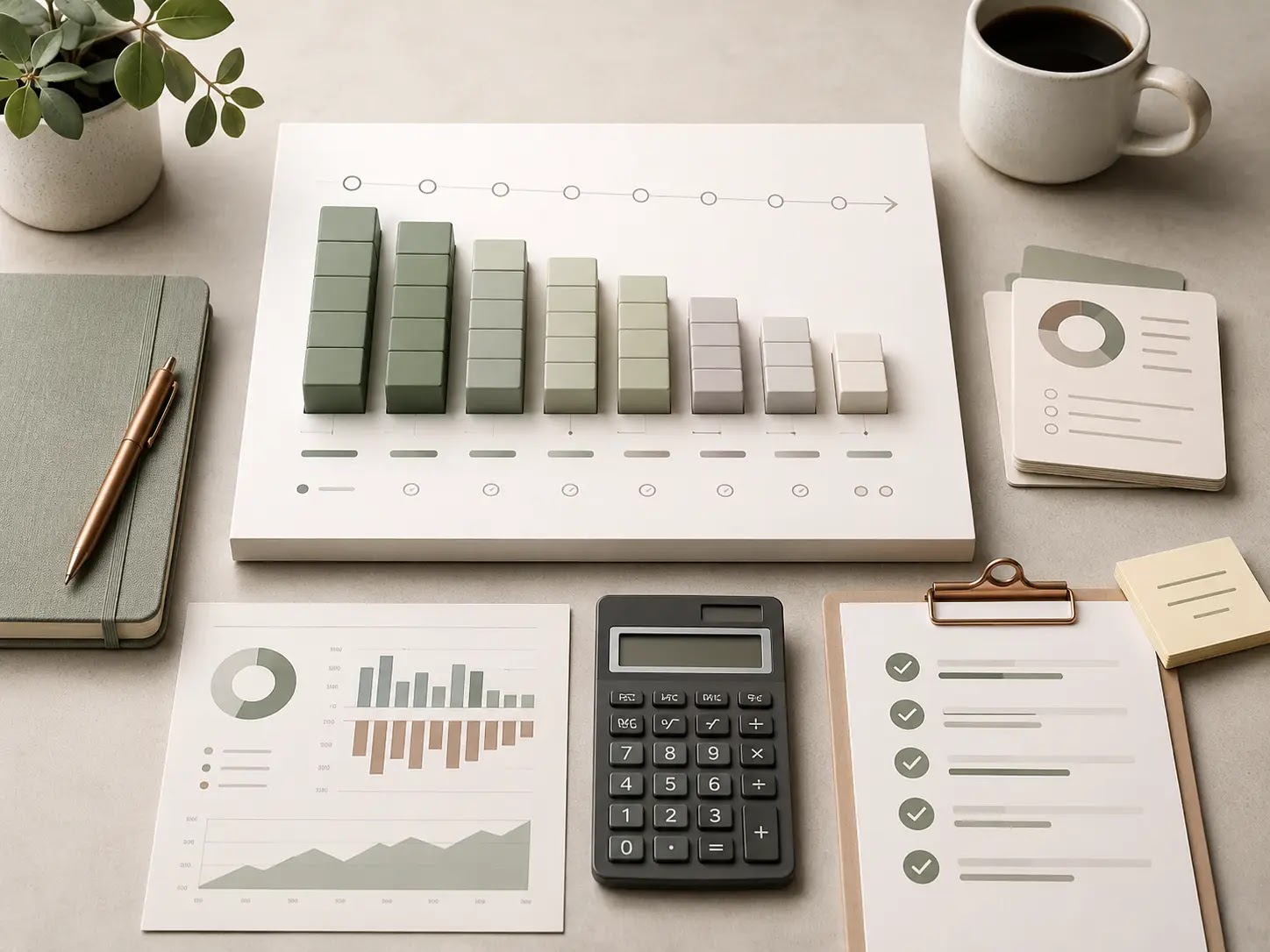
How do these cost assumptions change funding need and break-even risk?
For a vending business, the biggest planning error is treating machine purchase price as the whole budget. Cash needs also depend on opening inventory, route mileage, commissions or location fees, repairs, software, and the working capital needed to survive a slow ramp. If any one of those inputs is off, the model can look healthy on paper while cash runs tight in the real route.
Risk and assumption focus
The most sensitive assumptions are usually the ones tied to location economics and route efficiency. A short route with strong placement terms can reduce mileage and labor pressure, while a scattered route with higher commissions can raise monthly cash demand even if gross sales look similar.
- Verify whether commissions are based on gross sales, a flat fee, or a hybrid arrangement.
- Test route mileage under realistic service frequency, not just idealized stop counts.
- Separate machine purchase cost from the reserve needed for repairs and replacements.
- Check how much cash is tied up in opening inventory and in slower-moving SKUs.
- Budget software, telemetry, card processing, and any remote management tools as recurring costs.
- Include labor coverage for stocking, collections, cleaning, and troubleshooting if you are not doing all of it yourself.
Simple planning calculator
| Planning input | What to enter | Model impact | Verify with |
|---|---|---|---|
| Machine acquisition | Purchase price, lease payment, delivery, install, or refurb cost | Startup cash need | Supplier quote, seller records, or lease terms |
| Initial inventory fill | Opening stock by product mix and fill level | Startup cash need and working capital | Current wholesale quotes |
| Route mileage | Miles per service day and expected service frequency | Monthly operating cost | Route map, fuel assumptions, and drive-time review |
| Commissions / location fees | Any agreed share of sales or fixed site payment | Monthly margin and break-even sales | Signed location agreement |
| Repairs reserve | Expected maintenance, parts, and emergency service buffer | Monthly operating cost and runway | Machine age, service history, and vendor support terms |
| Software and payment tools | Route management, telemetry, payment processing, and subscriptions | Monthly fixed cost | Vendor pricing and contract terms |
| Working capital reserve | Cash buffer for slow sales, refill timing, and receivables timing | Cash runway | Conservative sales ramp assumptions |
Core formulas: startup cash need = machines + opening inventory + setup and delivery + software setup + repairs reserve + working capital reserve. Monthly cash need = inventory replenishment + route mileage + commissions + software + repairs reserve + labor coverage. Break-even sales depend on your contribution margin per sale and the size of the fixed-cost base.
| Scenario | What changes | Likely effect on cash need | Planning takeaway |
|---|---|---|---|
| Lower route density | More miles per stop, more time per refill cycle | Higher operating cash demand | Stress-test fuel, labor, and service frequency |
| Higher commission site | Location takes a larger share of sales | Lower margin and slower break-even | Model the site under conservative sales assumptions |
| Older machines | Greater repair risk and downtime | Higher reserve requirement | Confirm service history before buying used equipment |
| Broader product mix | More inventory variety and reordering complexity | More cash tied up in stock | Watch shelf life, shrink, and slow-moving items |
| Slower sales ramp | Revenue takes longer to stabilize | Longer runway needed | Build a conservative cash buffer before launch |
That assumption sheet is also the right foundation for a lender-ready business plan, a cleaner financial model, and a more defensible pitch deck.
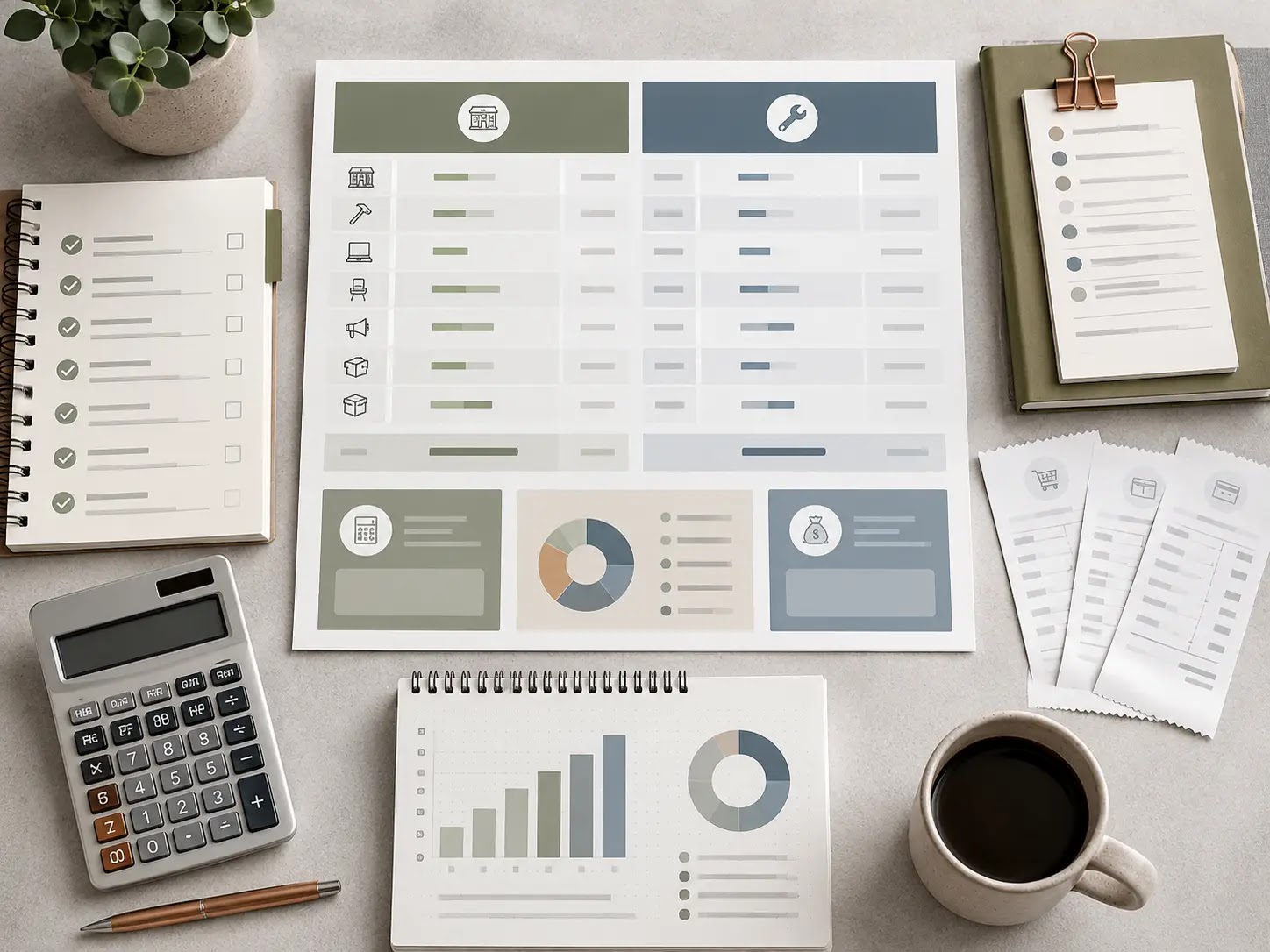
What should you do next after estimating vending machine costs?
If your estimate now includes the machine price, starting inventory, route mileage, repairs, commissions, software, and working capital, the next step is not to guess harder — it is to tighten the assumptions that will actually drive cash needs and route performance. For most U.S. vending founders and buyers, the decision comes down to whether the locations, service cadence, and margin structure still work after real vendor terms and local pricing are plugged in.
That means the cost breakdown is only useful when it leads to a launch-ready plan: verified machine quotes, realistic inventory levels, local commission expectations, route travel assumptions, and enough cash to absorb slow collections, service delays, and early repairs.
| Decision item | Ready when you can answer | Why it matters |
|---|---|---|
| Machine plan | Which machine types you will buy, lease, or acquire — and what condition they are in | Drives upfront capex, maintenance load, and repair risk |
| Inventory plan | What products will be stocked, how often they turn, and how much opening inventory is needed | Sets cash tied up in stock and replenishment timing |
| Route economics | Expected mileage, travel time, fuel cost, and number of stops per service route | Affects labor, fuel, and the time required to service the business |
| Location terms | Commission or placement terms from each host location, if any | Directly affects margin and site-level profitability |
| Operating systems | What software, telemetry, payment tools, or reporting tools you actually need | Changes recurring overhead and operational visibility |
| Working capital | How much cash is needed to cover repairs, restocks, collections delays, and uneven early sales | Helps prevent a launch from stalling after opening costs are paid |
- Collect current quotes for machines, refurbishment, and any delivery or setup charges.
- List the inventory categories you plan to carry and estimate opening stock needs by location type.
- Map each route and estimate mileage, travel time, and the number of service visits required.
- Ask hosts or brokers whether commissions, rent, or revenue-share terms apply, and verify them in writing.
- Confirm the software, payment, and monitoring tools you actually need instead of adding features by default.
- Build a repair and replacement reserve into the plan so early breakdowns do not distort the launch budget.
- Test whether the business still has enough cash after startup spending to operate through the first few replenishment cycles.
- Document the assumptions in a format you can review with a lender, landlord, partner, or advisor.
If you want to turn those inputs into a decision-ready package, a business plan, financial model, pitch deck, checklist, and startup toolkit can help organize assumptions, compare scenarios, and document the plan for partners, lenders, landlords, or advisors.
Final takeaway: for a U.S. vending machine founder or buyer, the real question is not just what a machine costs — it is whether the full stack of equipment, inventory, route costs, commissions, software, repairs, and working capital still supports a durable launch or acquisition plan.


