
Vending Machine Compliance Red Flags When Buying a Business
A practical U.S. planning guide for vending machine compliance red flags when buying a business, built for founders, buyers, and operators comparing assumptions before committing capital.


What are the compliance red flags when buying a vending machine business?
If you are buying a vending route or machine portfolio, the biggest red flags are usually not the machines themselves—they are the missing records behind them. A clean-looking route can still carry risk if permits, tax registrations, insurance, site agreements, and service histories are incomplete or cannot be transferred or renewed on acceptable terms.
For a U.S. buyer, the practical question is whether the business can keep operating after closing without surprise interruptions in locations, product sales, or coverage. That depends on what the local authority, landlord, site host, insurer, and any financing source will actually require; those rules and terms vary by market and should be verified before you commit.
| What the reader is deciding | What must be verified locally |
|---|---|
| Can this vending business be bought and kept operating without compliance gaps? | License and permit requirements, insurance expectations, site-contract transfer rules, tax registrations, and any product-specific approvals that apply to the machines and items sold. |
- Lease and location access: whether site agreements, commissions, and renewal rights are documented and transferable.
- Equipment condition: whether machine age, service records, and repair exposure match the asking price.
- Labor and route coverage: whether restocking, cleaning, and troubleshooting can be handled with available staff or contractor support.
- Menu economics: whether product mix, spoilage, shrink, and margins are supported by current sales data.
- Permits and registrations: whether the business has the local licenses, tax accounts, and any product-specific approvals it needs.
- Working capital: whether there is enough cash for inventory, fuel, repairs, commissions, and payment timing after closing.
- Funding readiness: whether the records are organized enough for a lender, landlord, or investor to review if financing is part of the plan.
The next step is to separate these assumptions into a practical buyer checklist so you can see which risks are manageable, which ones affect valuation, and which ones should stop the deal until they are verified.
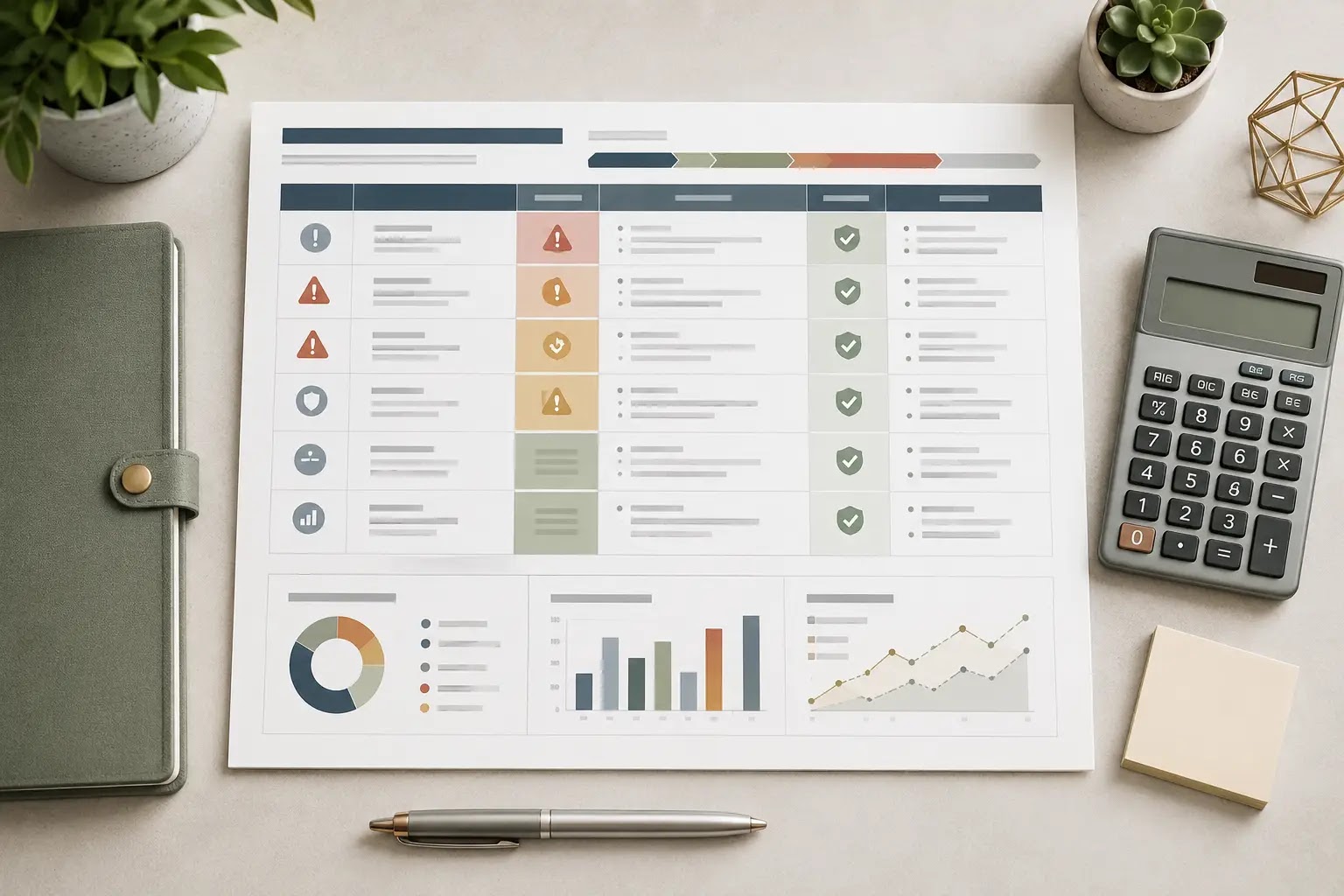
What framework should a buyer use to spot vending compliance red flags?
For a U.S. vending machine acquisition, the practical goal is not just to confirm that “paperwork exists.” You want to verify whether licenses, permits, insurance coverage, and location contracts are transferable, current, and consistent with the machines, products sold, and route footprint.
Compliance red flags usually show up when the seller cannot connect each machine and location to a current permit, insurance certificate, contract, or renewal path. Those gaps can change closing conditions, working capital needs, and the reliability of revenue assumptions.
Which inputs should a buyer collect before relying on the route?
| Planning area | Question to answer | Input to collect | Model impact | Verification source |
|---|---|---|---|---|
| Business licenses | Does the current operator hold the licenses needed to operate in the jurisdictions served? | State and local license list, renewal dates, entity names, and account numbers | Can affect closing timing, transferability, and post-close operating continuity | State licensing portal, city or county business office, seller records |
| Sales tax and product registration | Are sales tax registrations and filing responsibilities aligned with where product is sold? | Tax account status, filing cadence, jurisdictions covered, and who remits tax | Changes net revenue assumptions and post-close admin workload | State tax agency, CPA, seller filings, purchase agreement |
| Food or product handling rules | Do any machines sell items that trigger health, food safety, or storage requirements? | Product list, storage conditions, any inspection history, and required permits | May require added compliance cost, product mix changes, or machine removal | Health department, product supplier specs, inspection records |
| Location permissions | Are site agreements clear on placement, access, commission, term, and renewal? | Executed contracts, addenda, expiration dates, site contact names, access rules | Affects route stability, commission expense, and revenue durability | Lease or location agreement, landlord, property manager, site owner |
| Insurance coverage | Does current coverage match the machines, products, and location risks? | Policy declarations, limits, exclusions, deductibles, named insureds, additional insured requirements | May increase operating cost and reveal uninsured exposure | Insurance broker, carrier documents, certificate of insurance, seller binder |
| Claims and loss history | Has the route had theft, vandalism, spoilage, liability, or property claims? | Prior claims, incident reports, payout history, and corrective actions | Can affect insurance pricing, reserve needs, and route risk scoring | Carrier loss runs, seller disclosure, incident logs |
| Machine-level compliance | Do machine assets match what the documents say is operating? | Machine inventory, serial numbers, ownership status, and installed location list | Supports due diligence on asset condition, replacement timing, and coverage gaps | Seller inventory, site walk-through, service records, photos |
| Contract transfer terms | Can the licenses, permits, or insurance obligations be transferred or reissued without interruption? | Assignment language, consent requirements, notice periods, and renewal obligations | May require delay buffer, escrow, or post-close contingency planning | Attorney review, landlord consent, agency guidance, seller contracts |
How should a buyer turn these red flags into documented assumptions?
- Map each machine to a location and operating jurisdiction. Confirm where the machine sits, who controls the site, and which local rules may apply.
- Match each location to a contract and permit file. Keep the signed agreement, renewal date, access terms, and any approval or registration documents together.
- Ask the seller for insurance evidence, not just a policy name. Collect declarations pages, certificates, named insured details, exclusions, and loss history if available.
- Separate product risk from machine risk. Snack, beverage, cold product, specialty item, or money-handling exposure can change the insurance and permit profile.
- Document every gap as an assumption. If a license must be reissued, a contract must be reassigned, or a policy must be rewritten, note the expected timing and who is responsible for verification.
- Estimate the operating consequence of delay. Track whether the issue affects opening date, route coverage, revenue continuity, or required reserve funding.
- Update the diligence log after each source check. Replace seller statements with current local verification from the agency, landlord, broker, or insurer.
What should be treated as a compliance red flag during diligence?
Missing location paperwork
Machines are placed on sites, but no signed agreement or renewal path can be produced.
Insurance does not match the route
The policy exists, but the named insured, locations, or product exposure do not appear aligned.
Renewal dates are unclear
Licenses, permits, or certificates are close to renewal and the seller cannot show the current status.
Claims history is incomplete
No loss run, incident log, or corrective-action record is available for theft, spoilage, or liability issues.
Verification note: licensing, permit, insurance, and contract requirements vary by state, city, county, property type, and product mix. Use current local agency guidance, landlord documents, and carrier or broker records before treating any route as transferable.
Next step: use these verified inputs to test downside cases, reserve needs, and compliance-related cost pressure in Block 3.
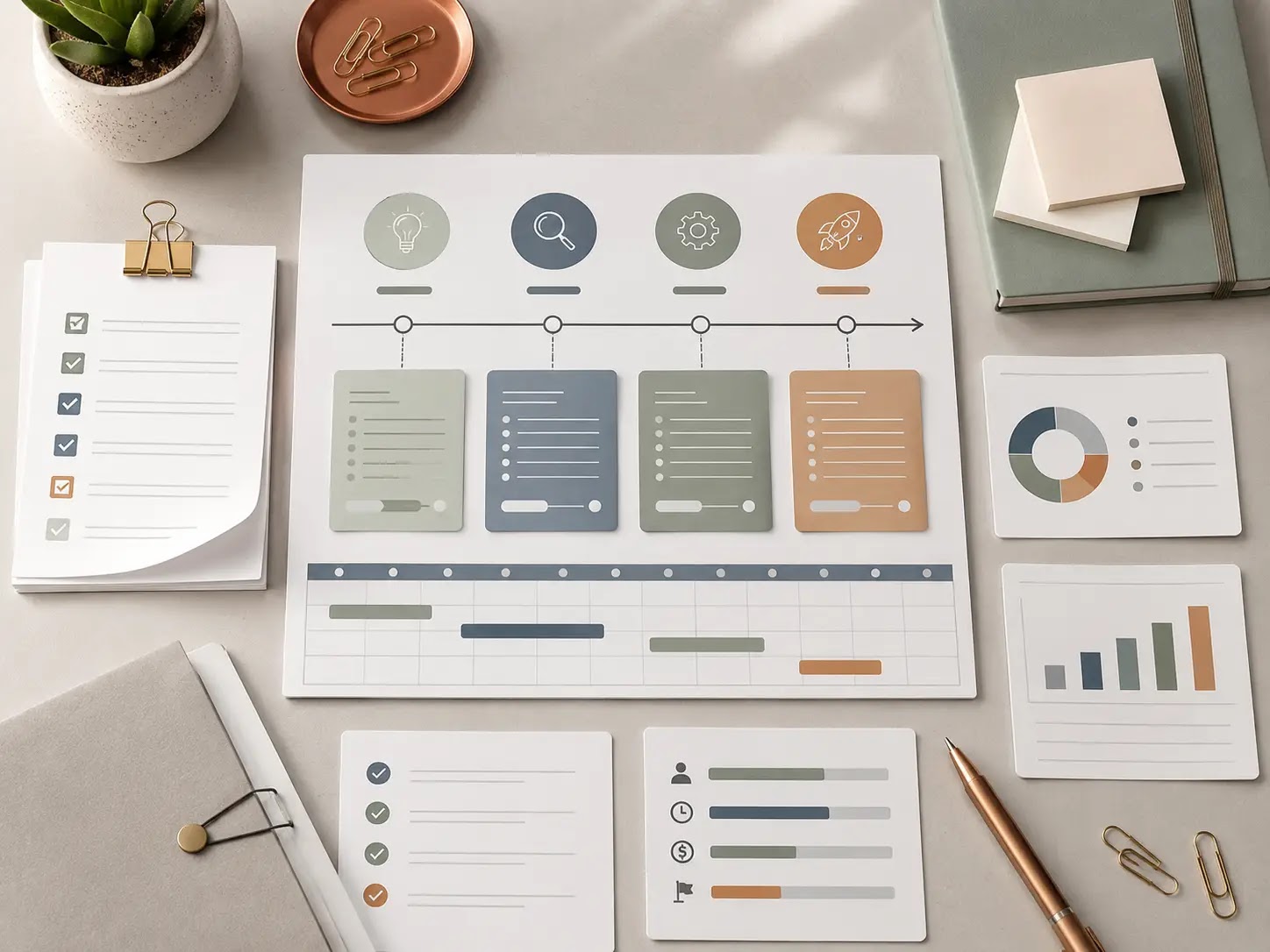
Which compliance red flags change the deal economics before you buy a vending route?
If the seller cannot clearly document licenses, permits, insurance, and location agreements, the problem is not just compliance—it is valuation. In a vending business, missing paperwork can affect whether machines can stay where they are, whether commissions were paid as claimed, and whether the route can operate without interruption after closing.
The biggest planning mistake is treating compliance as a closing task instead of a revenue assumption. A route with strong reported sales can still be fragile if the location contracts are assignable, the insurance file is incomplete, the machine ownership records are unclear, or the software and cashless payment accounts cannot be transferred cleanly. Those issues can change your working capital needs, repair exposure, and early-month cash flow.
For buyers, the right question is not only “is this legal today?” but also “what has to be verified before I can rely on the income, the route mileage, the vendor terms, and the launch timeline?” That is where the tradeoff shows up: a lower purchase price may still be expensive if you inherit avoidable contract risk, location churn, or extra setup work after closing.
Risk scenarios that change the assumption set
Scenario A: Paperwork is incomplete
Use a conservative assumption for transfer timing, machine uptime, and first-month collections until permits, insurance, and ownership records are verified.
Scenario B: Contracts are unclear
Treat location commissions, renewal rights, and assignment language as a revenue risk, not an admin issue, because they can affect route stability.
Scenario C: Operations depend on vendor access
Confirm software logins, payment processor terms, parts vendors, and service histories before assuming the route will run smoothly under new ownership.
| Risk | Why it matters in vending | Assumption affected | How to verify |
|---|---|---|---|
| Missing or unclear location agreements | Machines may not stay in place after closing, or commissions may be different from what the seller reports. | Revenue stability, route retention, closing timeline | Review signed agreements, assignment language, and location contact confirmation. |
| Incomplete insurance documentation | Coverage gaps can interrupt operations or delay a transfer with landlords, lenders, or location owners. | Working capital, close readiness, operating risk | Request current certificates, policy summaries, and any required additional-insured terms from current carriers. |
| Unverified machine ownership and service history | Repairs, replacements, and parts needs can be higher than expected if assets were not maintained consistently. | Capex reserve, repair budget, maintenance assumptions | Match serial numbers, ownership records, and maintenance logs to the asset list. |
| Software or payment account transfer issues | Cashless sales, route reporting, and remote monitoring can be disrupted if access cannot move cleanly to the buyer. | Sales reporting, labor planning, collection frequency | Confirm platform ownership, login transfer steps, processor terms, and device connectivity requirements. |
Use these red flags to decide where your assumptions need a haircut and where your diligence needs a second look. If a risk could affect route continuity, transfer timing, or first-year cash needs, it belongs in your planning model before you sign.
Next, turn those findings into a final action checklist so you can separate “acceptable to close” items from “fix before closing” items.

What should you do next before you buy?
For a vending machine acquisition, the practical path is to verify the paperwork, confirm the route economics, and decide whether the risks are fixable, priceable, or deal-breaking. If the seller cannot clearly show licenses, insurance, location agreements, machine ownership, and operating records, pause before you sign.
Readiness scorecard
| Checkpoint | What you want to see | Why it matters |
|---|---|---|
| Licenses and permits | Current documents that match the business locations and operating footprint | Missing or unclear paperwork can slow transfer, create delays, or force rework after closing |
| Insurance | Proof of coverage and a clear picture of who is covered, where, and under what terms | Coverage gaps can become a post-closing cost or a deal risk |
| Location agreements | Written terms that show placement rights, commissions, and transferability | Revenue depends on whether machines can stay in place |
| Machine ownership | Serial numbers, purchase records, lease terms, and any liens or encumbrances | You need to know exactly what is being bought |
| Operating records | Service logs, refill patterns, route mileage, repair history, and vendor invoices | These records help test whether the revenue is repeatable and the costs are real |
Next-step checklist
- Collect every license, permit, insurance certificate, and business document tied to the route.
- Confirm which locations are contracted, which are informal, and which agreements can be assigned.
- Rebuild the deal model with commissions, product costs, route mileage, repairs, software, and working capital.
- Review service history, cash handling, collection procedures, and inventory controls for gaps.
- Check whether any compliance items must be updated after closing with local agencies, landlords, or property owners.
- Decide whether the red flags call for a price change, a hold, or a walk-away.


