
Vending Machine Startup Checklist: From Idea to Launch
A practical U.S. planning guide for vending machine startup checklist: from idea to launch, built for founders, buyers, and operators comparing assumptions before committing capital.

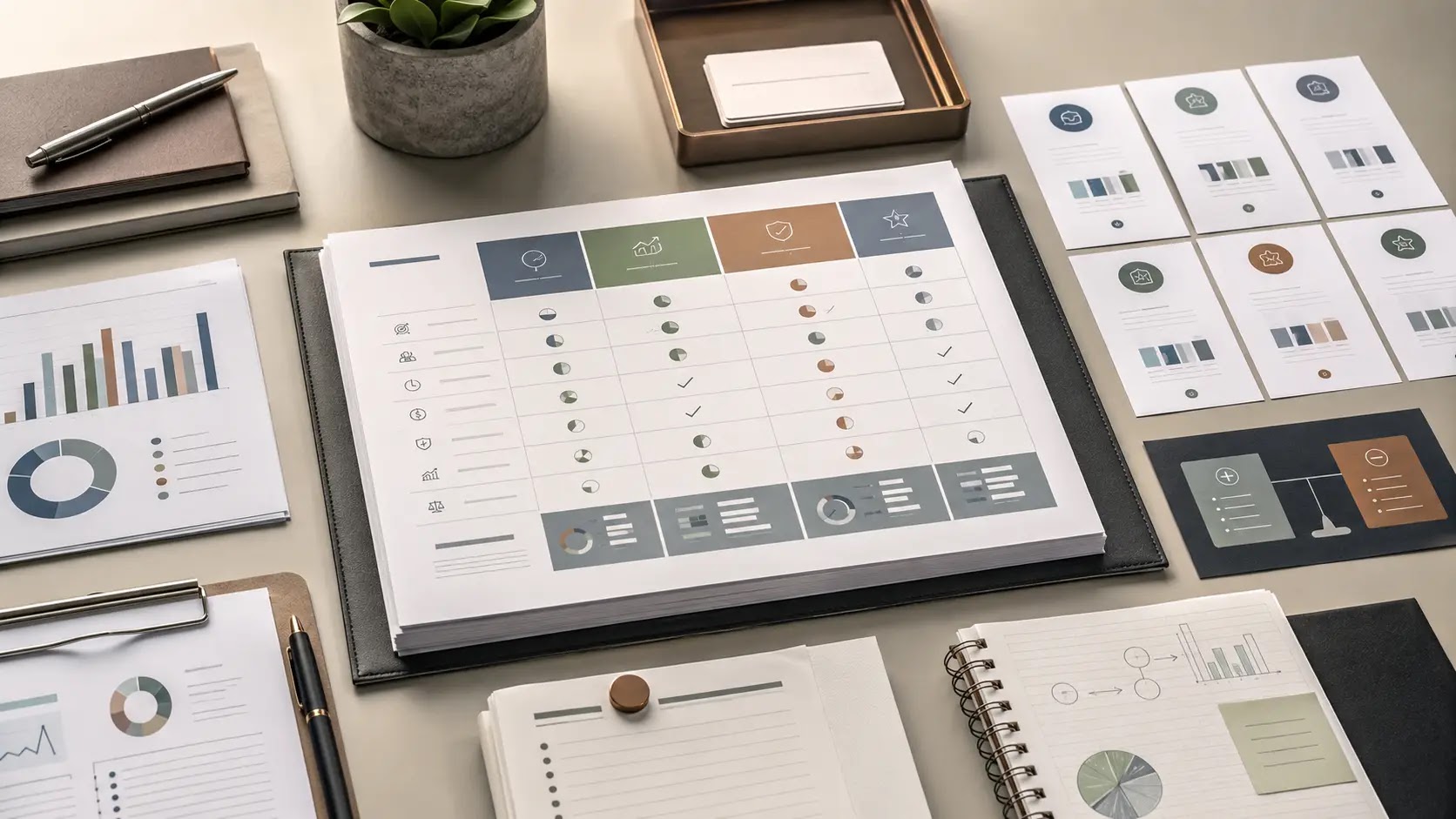
What does it really take to start a vending machine business in the United States?
If you are deciding whether to start, buy, or structure a vending machine business, the core question is not just whether machines can be profitable. It is whether the route, locations, equipment, inventory, service plan, and working capital all fit together in your local market.
A vending business can look simple from the outside, but the real planning work sits behind the machines: location access, lease or placement terms, product mix, restocking frequency, repair exposure, payment systems, and whether the route can support enough volume to justify the time and cash tied up in it.
The right first step is to verify the assumptions that change by city, property type, and vendor relationship before you commit to a purchase, lease, or buildout decision. That means checking the local economics, not relying on generic vending templates or one-size-fits-all startup estimates.
| What the reader is deciding | What must be verified locally |
|---|---|
| Whether to start from scratch or buy an existing route | Route quality, machine condition, account stability, and transfer terms |
| Whether the opportunity is financeable and operationally realistic | Local location access, route mileage, inventory needs, repair exposure, and working capital needs |
- Lease or placement terms
- Equipment condition and replacement needs
- Labor and service time per route
- Menu economics and product mix
- Permits and local operating requirements
- Working capital for inventory and repairs
- Funding readiness and documentation
With those assumptions identified, the next step is to turn them into a practical planning framework so you can compare startup, acquisition, and launch scenarios on the same basis.
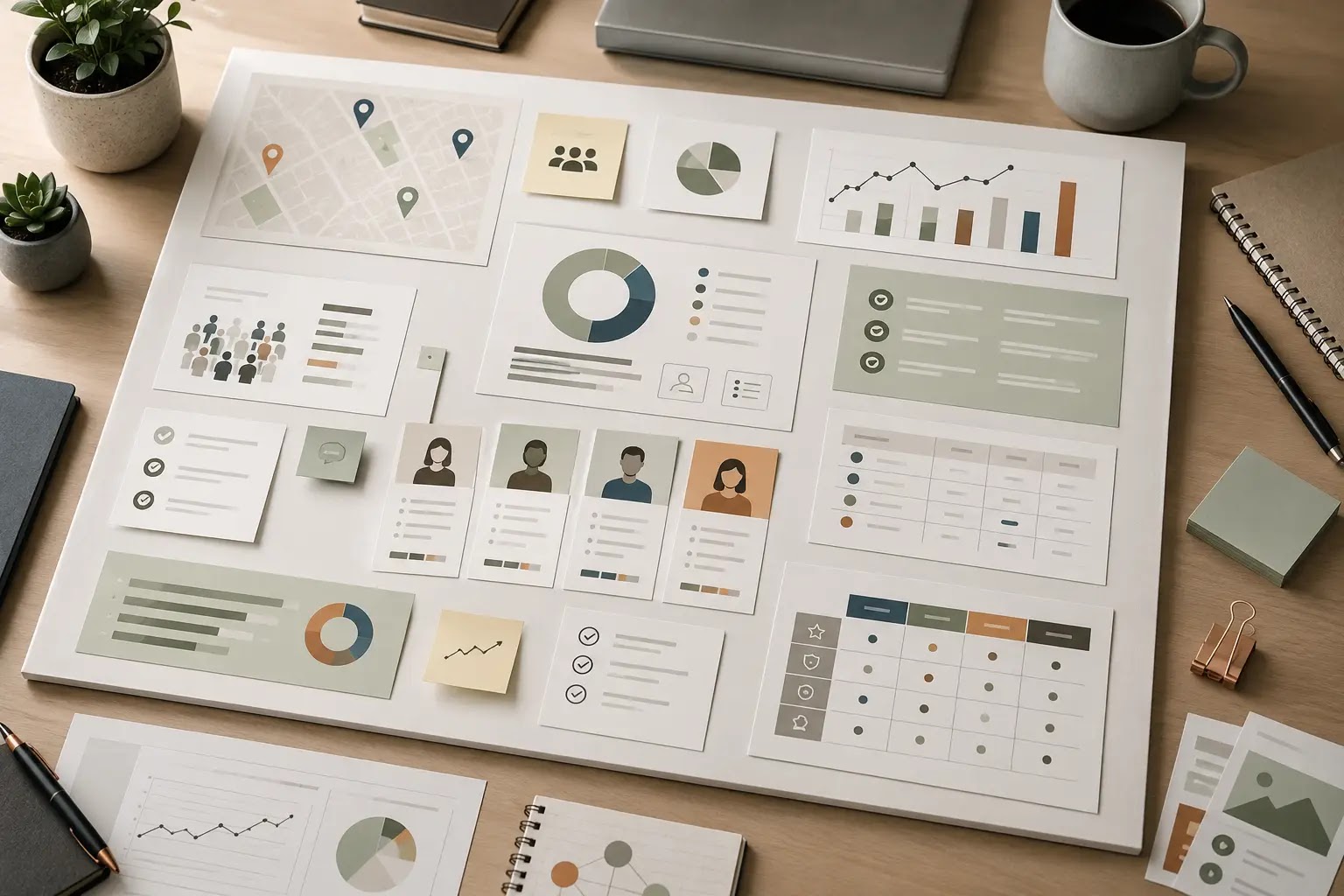
What should a vending machine founder document before committing capital?
For a U.S. vending machine startup or acquisition, the main feasibility job is not to “pick machines” first. It is to document the operating assumptions that drive route economics: site access, product mix, refill frequency, commissions, route mileage, repairs, payment processing, software, and working capital.
The framework below is designed to turn a concept into a lender-, partner-, or buyer-ready assumption set before you build the financial model.
Practical feasibility table
| Planning area | Question to answer | Input to collect | Model impact | Verification source |
|---|---|---|---|---|
| Route strategy | Are you building a new route, buying an existing route, or mixing both? | Target route type, geography, number of stops, and expansion plan | Startup capital, ramp timing, and route density assumptions | Seller information, broker materials, and your own site list |
| Machine mix | What types of machines fit the locations you can realistically place? | Machine category, age, condition, payment features, and capacity | Equipment budget, repair reserve, and refill frequency | Vendor quotes, inspection notes, and service records |
| Location access | Do you have permission, a prospect, or an active placement discussion? | Site type, decision-maker, access terms, hours, and placement constraints | Launch timing, conversion rate from leads to placements, and site risk | Signed agreements, emails, or site meeting notes |
| Commission terms | Will the location require a percentage, flat fee, or revenue share? | Proposed commission structure and any minimum payment expectation | Gross margin, break-even sales level, and site selection discipline | Location agreement and current local vendor terms |
| Inventory plan | What products will you stock and how often will you replenish them? | SKU list, case pack sizes, spoilage risk, and reorder cadence | Inventory cash tied up, product mix, and waste assumptions | Supplier quotes, sample orders, and pilot sales |
| Route mileage | How much driving is required to service the route? | Site map, drive time, fuel use, and route clustering | Labor hours, fuel expense, and service capacity per week | Route mapping, test drives, and location addresses |
| Labor model | Will the owner service the route, hire help, or use a hybrid approach? | Hours per week, wage assumptions, and training needs | Operating expense, owner draw timing, and scaling limits | Time study, wage quotes, and staffing plan |
| Repairs and maintenance | What level of service and downtime should be budgeted? | Expected repair categories, technician access, and replacement parts needs | Reserve for repairs, service reliability, and machine uptime | Machine manuals, technician estimates, and prior service history |
| Payments and software | Will you use cash-only, card readers, telemetry, or route software? | Processing fees, subscription terms, and device compatibility | Revenue mix, reporting quality, and operating overhead | Vendor proposals and platform terms |
| Working capital | How long can the business operate before site density and sales stabilize? | Cash available for inventory, fuel, commissions, repairs, and placement costs | Survivability during ramp-up and replacement timing | Startup budget, bank statements, and funding plan |
How should a founder move from research to documented assumptions?
- Map the route thesis. Decide whether the first route is built around offices, apartments, schools, gyms, hospitals, warehouses, or another site type that matches your sales plan.
- Build a site list. Record every candidate location, who controls access, the visit status, and whether the site is still only a lead or already active.
- Match machine type to site demand. Note the machine format, product category, payment method, and capacity that fit each target location.
- Collect commission and access terms. Document any proposed revenue share, flat rent, or other location terms before you assume a margin.
- Estimate refill cadence. For each site, estimate how often it must be serviced based on expected traffic, product mix, and machine size.
- Estimate route mileage and labor. Create a simple route map and time estimate so driving, restocking, and collection time are not understated.
- Price inventory and replacements. Gather supplier quotes, case-pack sizes, and any seasonal product differences that affect cash tied up in stock.
- Document repair and software inputs. Capture the assumed cost of payment devices, route software, service visits, parts, and maintenance reserves.
- Set working capital assumptions. Separate equipment purchases from cash needed to cover inventory, fuel, commissions, and early-stage operating gaps.
- Convert every assumption into a source note. Save the vendor quote, email, agreement draft, or route note behind each input so the model can be reviewed later.
What belongs in the assumption file?
- Site-by-site notes on location type, contact status, and access constraints
- Machine inventory with age, condition, feature set, and expected maintenance needs
- Commission terms or proposed location payments by site
- Route mileage estimate and a simple service schedule
- Product list with supplier references and reorder timing
- Payment processing and software vendor terms
- Repair reserve, replacement parts, and downtime assumptions
- Working capital sources and uses for the launch period
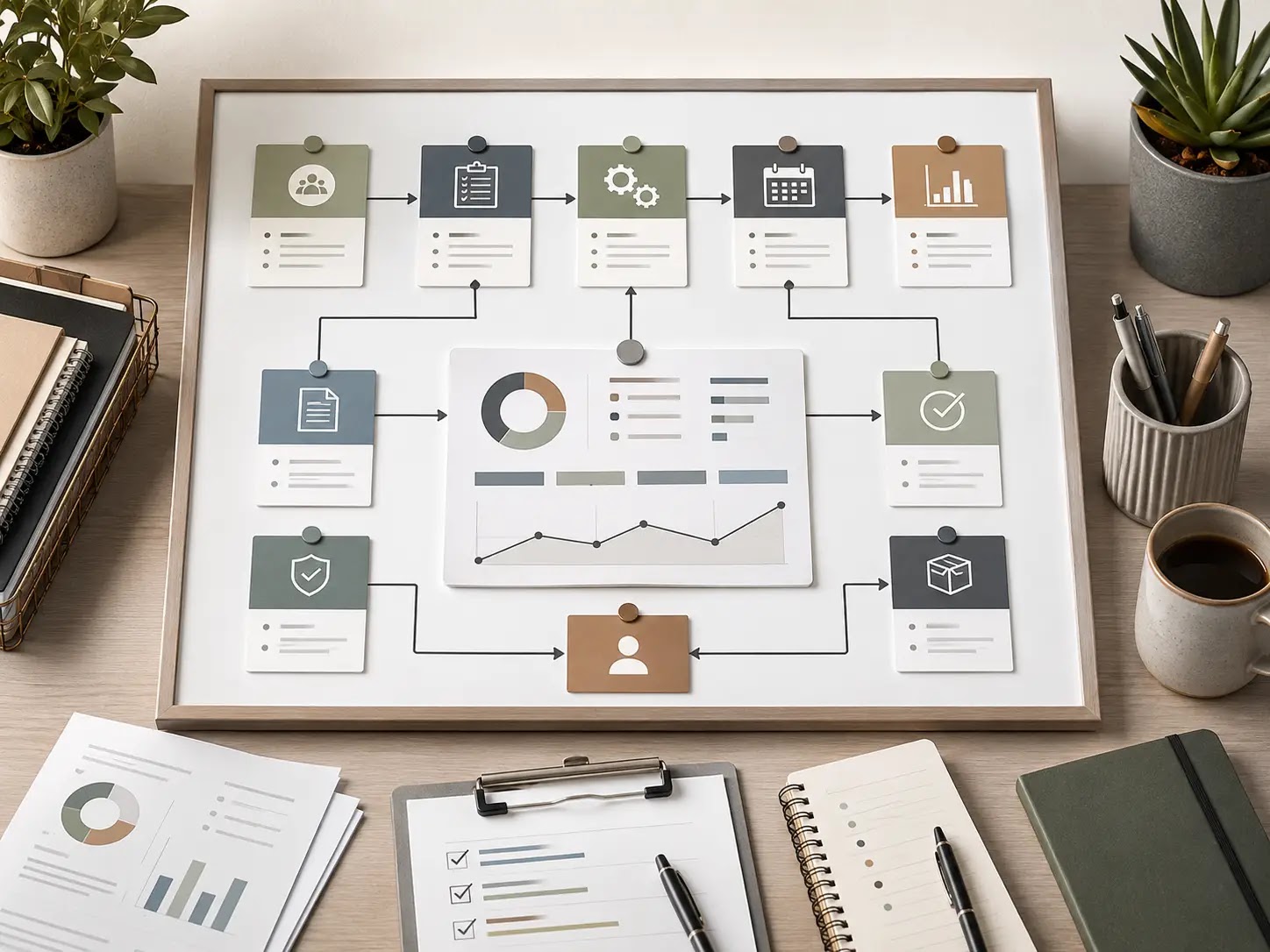
Which assumptions can make or break a vending machine launch?
The biggest planning risk in a vending machine business is not the idea itself; it is whether the route economics still work after real-world friction is added. Machine price or purchase price, restocking time, route mileage, commissions to location owners, repair downtime, payment processing, inventory shrink, and working capital all affect the cash you need and the pace at which the business can stabilize.
That is why founders and buyers should pressure-test the route before committing to a site mix or a machine count. A location that looks attractive on paper can turn weak if access is limited, product turnover is slow, or maintenance calls are frequent. Likewise, an existing route may already have revenue history, but the value depends on whether the routes, machines, and vendor terms can actually be maintained at the same level after transfer.
The goal here is not to guess a perfect outcome. It is to identify which assumptions deserve the most scrutiny so the final launch checklist can focus on the right vendor quotes, site approvals, and operating details.
Scenario: dense route with short drive times
This setup can reduce mileage and labor waste, but only if stocking frequency, product mix, and machine uptime are consistent enough to keep the route efficient.
Primary assumption: route density supports repeat service without excess travel.
Scenario: spread-out locations across a wider area
More territory can mean more accounts, but travel time, fuel, and dispatch planning can raise the effective cost of every restock and repair visit.
Primary assumption: added geography is offset by enough sales volume per stop.
Scenario: buying an existing route or machine package
A transfer may shorten the launch path, but the buyer still needs to verify machine condition, service history, site terms, and whether revenue depends on one person’s operating habits.
Primary assumption: the route can be operated at similar quality after transition.
| Planning risk | Why it matters in vending | Assumption affected | How to verify |
|---|---|---|---|
| Low-traffic location | Slower turns can leave cash tied up in inventory and machine placement without enough sales volume. | Sales per machine, refill frequency, working capital need | Review location traffic patterns, site access, and any available sales history from the owner or seller. |
| High commission or placement fee | Location payments can materially change route profitability even when gross sales look acceptable. | Gross margin, net margin, break-even timing | Request written vendor terms and confirm what is included in the placement agreement. |
| Machine breakdowns or age-related issues | Repairs, downtime, and replacement parts can interrupt sales and add unplanned expenses. | Maintenance budget, spare cash, service schedule | Inspect the machine, ask for service records, and verify parts availability before closing or ordering. |
| Wide route mileage | Travel time and fuel can make a route less efficient than the gross sales suggest. | Labor load, route coverage, delivery frequency | Map the route, estimate stop time, and compare the travel burden against expected restock cycles. |
| Weak product mix | Slow-moving items can tie up inventory and reduce cash available for better-selling products. | Inventory turnover, purchase plan, cash cycle | Match product choices to the location type and confirm what has sold well in similar sites. |
| Payment system and software costs | Cashless tools, monitoring software, or telemetry can improve control but add recurring cost and integration complexity. | Ongoing operating expense, admin workload, reporting accuracy | Get vendor quotes, review contract terms, and confirm compatibility with the machines and route workflow. |
| Insufficient launch cash | Inventory, deposits, repairs, and timing gaps can strain the business before it reaches steady service. | Startup funding need, reserve target, runway | Build a conservative cash plan using current quotes and allow for delays in collections or site approvals. |
Once these assumptions are checked, the final action checklist can turn them into a practical launch sequence: confirm the machines, confirm the locations, confirm the inventory plan, confirm the service schedule, and then lock in the first operating decisions with current quotes and written terms.
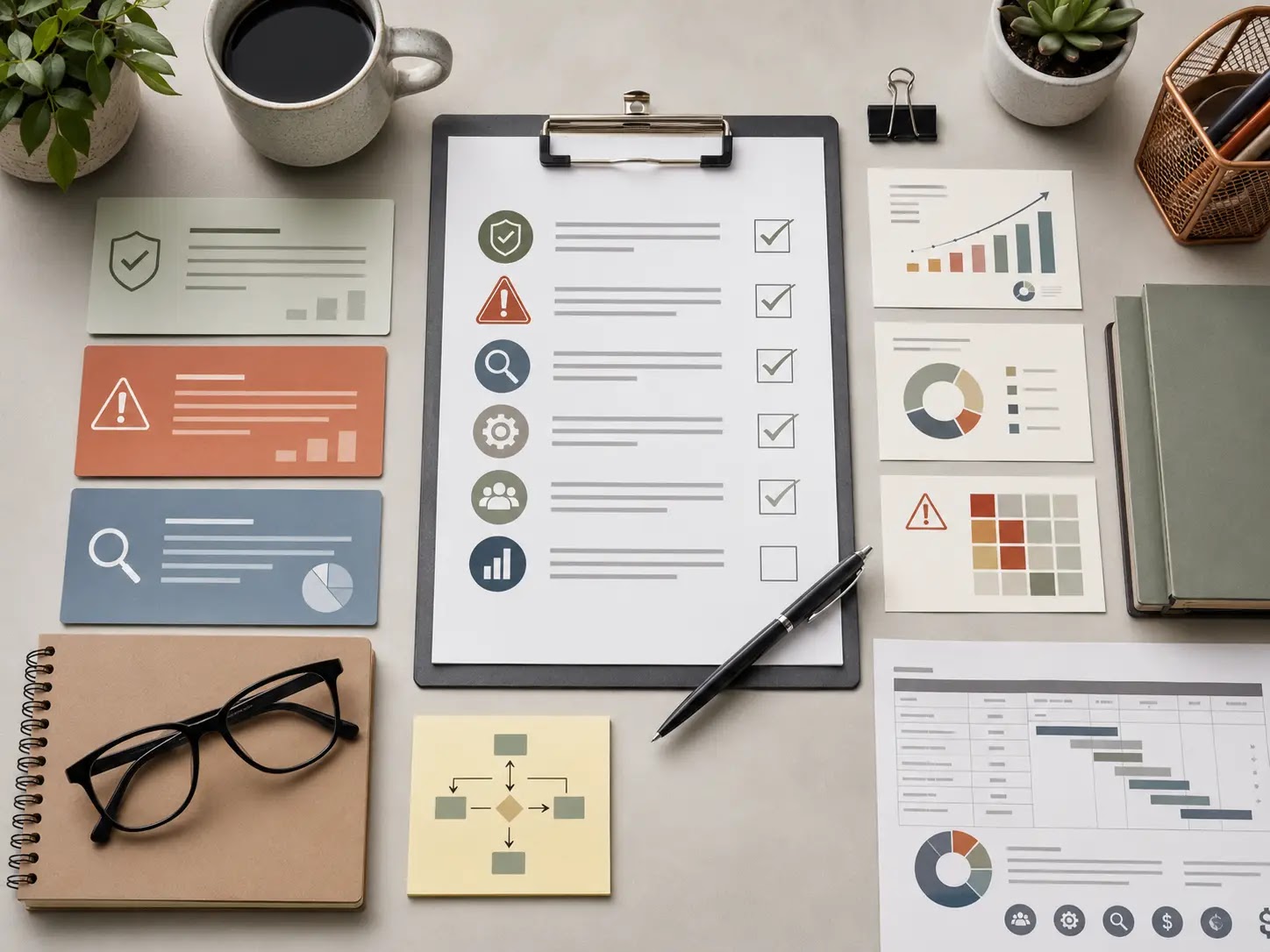
What should you verify before you launch or buy?
If the route economics, site terms, machine mix, inventory needs, and service capacity still work after you add local quotes and working-capital needs, the vending machine idea is closer to a real launch decision. If they do not, pause and rework the assumptions before you commit.
Readiness scorecard
| Check | What to confirm | Why it matters |
|---|---|---|
| Location fit | Whether the site can support the product mix and expected foot traffic | Drives sales potential and restock frequency |
| Machine and equipment cost | Quotes for new, used, or refurbished machines, plus payment and service equipment | Sets upfront capital needs and replacement reserve |
| Inventory plan | Product list, supplier terms, and how often each route must be stocked | Affects cash tied up and route efficiency |
| Route economics | Mileage, fuel, labor, and repair time for each stop cluster | Determines whether revenue can support the operating load |
| Site terms | Commission, lease, access rules, or placement agreement details | Changes net margin and operational flexibility |
| Working capital | Cash available for inventory, repairs, and slow-start periods | Protects the business while routes stabilize |
Next planning steps
- Compare startup, acquisition, and small-route purchase options using the same assumption set.
- Collect site-level quotes for machines, servicing, inventory, payment systems, and software.
- Update your financial model with base, downside, and better-case assumptions.
- Check route mileage, restock cadence, repair time, and labor needs before you commit.
- Review local permits, insurance, lease terms, and vendor contracts with current sources.
- Decide whether to launch, buy, or wait until the numbers and terms are clearer.
If you want a cleaner way to organize those inputs, a vending machine business plan, financial model, pitch deck, checklist, and startup toolkit can help you document assumptions, compare scenarios, and present the plan to partners, lenders, landlords, or advisors.
Bottom line: move forward only when the location, route math, equipment plan, and working capital all support the same decision.


