
Vending Machine Offer Roadmap for the First Year
A practical U.S. planning guide for vending machine offer roadmap for the first year, built for founders, buyers, and operators comparing assumptions before committing capital.


What should a vending machine offer roadmap cover in the first year?
If you are buying, launching, or adding vending machines in the U.S., your first-year offer roadmap is really a decision plan: which machines to place, what products to stock, how often to restock, and which locations can support your margins after commissions, route time, and spoilage are considered.
The right mix depends less on a generic “best seller” list and more on local traffic patterns, location rules, equipment condition, and the service level each site expects. A food-heavy machine at one location may work well; the same mix can underperform at another if labor, repairs, or commission terms are too high.
For founders and buyers, the practical goal is to document the assumptions behind each location and each product category before committing capital. That makes the offer plan easier to defend in a lender conversation, acquisition review, or pitch deck.
| What the reader is deciding | What must be verified locally |
|---|---|
| Which machine types and product mix fit the route | Location traffic, customer needs, machine condition, and site restrictions |
| How much margin the offer can support | Product costs, commissions, spoilage, route mileage, repair frequency, and restock labor |
| Whether the first-year plan is financeable | Working capital needs, vendor terms, equipment timing, and any lender or investor requirements |
- Lease/buildout: site access, space, power, placement rules, and any location-specific requirements
- Equipment: machine age, reliability, compatibility with the product mix, and repair exposure
- Labor: route time, stocking frequency, collection handling, and service coverage
- Menu economics: product cost, pricing flexibility, spoilage risk, and margin by category
- Permits: any local or state requirements that affect vending operations
- Working capital: cash needed for inventory, repairs, and launch ramp-up before steady sales
- Funding readiness: assumptions that may need to be organized for a lender, partner, or pitch deck
With those inputs clarified, the next step is to turn them into a practical planning framework that shows how to choose products, locations, and pricing without stretching the route beyond what the numbers can support.
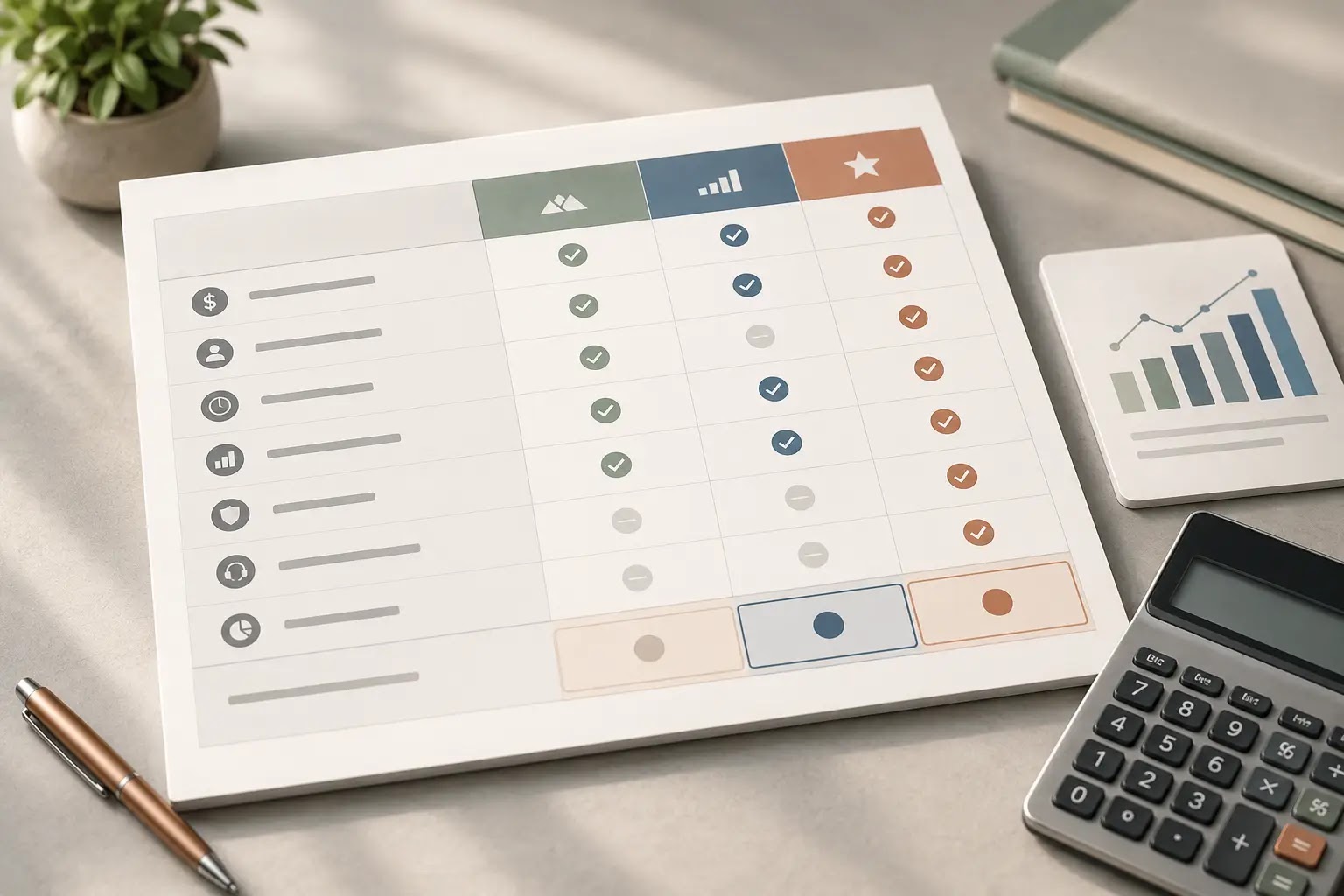
What should the first-year vending offer framework include?
For a U.S. vending machine business, the first-year offer roadmap should tie location type, customer segment, product mix, price bands, machine capacity, and service cadence into one documented assumption set. The goal is to decide which items belong in which machines, how pricing will be tested, and what facts must be verified before you scale the route.
Which planning areas should be fixed before buying inventory?
| Planning area | Question to answer | Input to collect | Model impact | Verification source |
|---|---|---|---|---|
| Location fit | What type of site and buying behavior are you serving? | Site type, hours, access rules, customer mix, machine space | Shapes product assortment, price sensitivity, and machine type | Site walk-through, tenant contact, written location notes |
| Customer segment | Who is most likely to buy at that site? | Workers, students, visitors, contractors, or travelers | Drives snack vs. beverage mix and premium vs. value offers | Observation during peak periods, site contact feedback |
| Product categories | Which categories belong in the first assortment? | Candidate SKUs, package sizes, shelf life, storage needs | Determines case buys, spoilage risk, and inventory turns | Distributor catalogs, supplier sheets, pilot sales data |
| Price bands | What price points can the location support? | Competitor prices, local willingness to pay, payment fees | Affects gross sales per vend and margin after commissions | Local competitor checks, machine telemetry, receipts |
| Machine capacity | Can the machine hold the planned mix and vend reliably? | Shelf layout, coil settings, refrigeration, cashless capability | Limits SKU count and affects refill frequency | Machine specs, technician review, test fills |
| Route economics | How often will the location need service? | Expected sales volume, route miles, restock time, labor, fuel | Influences labor hours, mileage cost, and stockout risk | Route plan, pilot data, mileage logs |
| Supplier terms | What are the real buy costs and order rules? | Case costs, delivery fees, minimum orders, payment terms | Changes working capital needs and reorder timing | Quotes, invoices, distributor terms |
| Location economics | What does the site require in commission or rent? | Commission rate, flat rent, payment timing, exclusivity terms | Directly affects net revenue and break-even sales | Signed site agreement, landlord or operator terms |
How should a founder move from research to documented assumptions?
- Map each target location to a customer segment and buying context.
- Build a starter assortment for that segment, then remove SKUs that do not fit shelf space, shelf life, or machine configuration.
- Compare candidate products against local competitor prices and the site’s commission or rent terms.
- Set an initial price band and a test assortment for each machine instead of using one universal offer.
- Document refill cadence, route mileage, and restock labor assumptions for each location type.
- Record supplier minimums, delivery timing, and payment terms so inventory buys match working capital.
- Flag every assumption that still needs local verification before purchase, lease signing, or launch.
What should stay flexible during the first year?
Keep the offer flexible where local demand is uncertain: premium snacks, beverage mix, healthier options, seasonal items, and any location-specific promotions. In vending, the strongest first-year plan is usually the one that can adjust pricing and assortment quickly without breaking route efficiency or cash flow.
Next: translate these offer choices into sales, commission, refill, and repair assumptions in Block 3 so the financial model reflects the real tradeoffs.
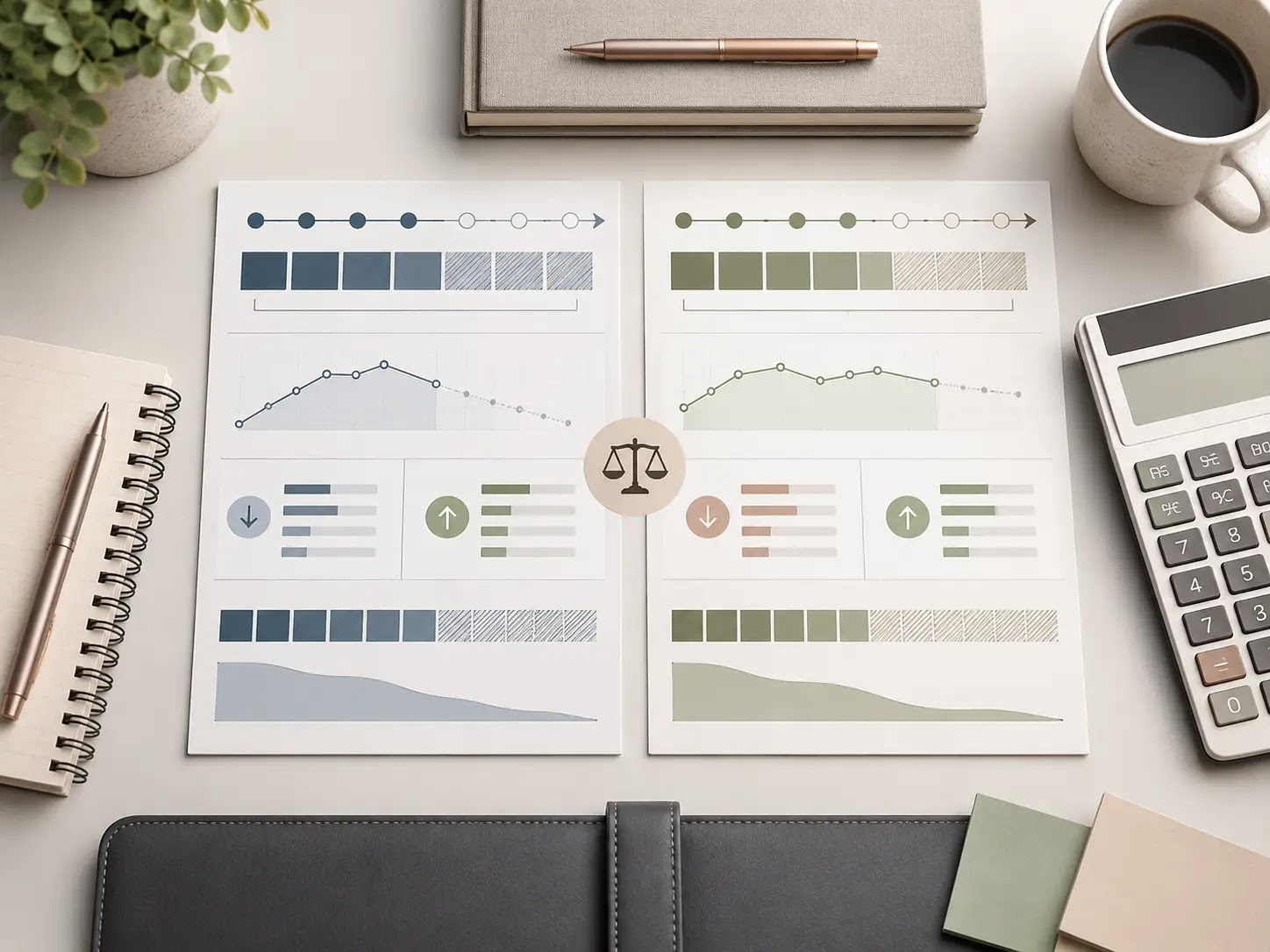
What should the first-year vending offer model assume?
For a first-year vending machine plan, the offer is rarely just “which products sell.” It is a working-capital question: how many machines you can place, how fast each location turns inventory, how much route mileage and labor each stop consumes, and whether commissions, repairs, software, and shrink push the margin down before the route stabilizes.
The practical model should treat machine mix, location quality, pricing mix, service frequency, and cash reserves as live assumptions. If any one of those is weak, the business may still be viable, but the funding need, break-even point, and runway all change.
Assumptions to keep flexible
- Startup cost by machine type, refurbishment level, and delivery/installation quote.
- Initial inventory depth and how quickly each slot is expected to sell through.
- Location commissions or revenue-share terms tied to the placement agreement.
- Route mileage, service time, and whether one person can cover the route efficiently.
- Repair reserve, software fees, and payment-processing terms.
Main tradeoff
A higher-quality location can justify better sales volume, but it may also come with a commission, tighter placement rules, or a harder route. A cheaper location can look attractive on paper and still create weak turns if the machine sits in a low-velocity spot or requires too much driving to maintain.
Calculator-style planning inputs to replace with current quotes
| Planning item | What to enter | Why it matters | Model impact |
|---|---|---|---|
| Startup cash need | Machine purchase or lease cost, refurbishment, installation, initial inventory, route setup, deposits, and contingency | Defines how much capital must be available before revenue catches up | Drives funding need and working-capital cushion |
| Monthly fixed cost base | Software, insurance, storage, vehicle costs, admin time, and minimum service overhead | These costs exist even when a location is underperforming | Sets the break-even revenue target |
| Location commission burden | Any revenue share, flat fee, or landlord/site payment tied to placement | Can materially reduce gross margin per machine | Affects per-location contribution and site selection priority |
| Pricing mix | Share of higher-margin versus lower-margin items and how often prices are adjusted | Different product mixes change margin even at the same sales volume | Influences gross margin and cash conversion |
| Route coverage | Miles per service day, stops per route, and labor time per visit | Route design can make a “good” machine unprofitable to service | Impacts labor, fuel, and capacity planning |
| Repair and downtime reserve | Expected maintenance frequency, parts access, and service response time | Machines that sit down for long periods hurt sales and customer trust | Needs a reserve in the cash plan |
How the assumptions change the first-year outlook
| Scenario | Offer profile | Likely pressure point | Planning takeaway |
|---|---|---|---|
| Conservative | More commission-heavy sites, longer drives, slower inventory turns | Cash runway and labor efficiency | Requires a larger reserve and tighter site screening |
| Base case | Mixed site quality, moderate pricing mix, manageable repair load | Working capital discipline | Needs regular review of sales by machine and route density |
| Upside | Higher-turn locations, stronger product mix, fewer service exceptions | Inventory availability and route scaling | May justify adding machines faster, but only if cash and service capacity support it |
Simple planning formulas to sanity-check the offer
- Startup cash need = equipment + setup + initial inventory + deposits + contingency.
- Monthly break-even = fixed monthly costs divided by gross margin dollars per month.
- Runway = available cash divided by monthly net cash burn.
- Funding need = startup cash need plus early operating losses, minus committed capital.
- Route efficiency check = expected sales per stop relative to service time and mileage.
If a location requires high commission, slow turns, or long drive time, the machine may still work—but the offer must be priced and funded for that reality.
Verify before you commit: machine prices, refurb costs, inventory costs, commissions, lease terms, route mileage, payment-processing terms, software fees, repair access, insurance requirements, permit rules, and financing conditions all vary by market and vendor. Replace any placeholder assumption with current quotes and local verification from the property owner, supplier, lender, insurer, and relevant local authority.
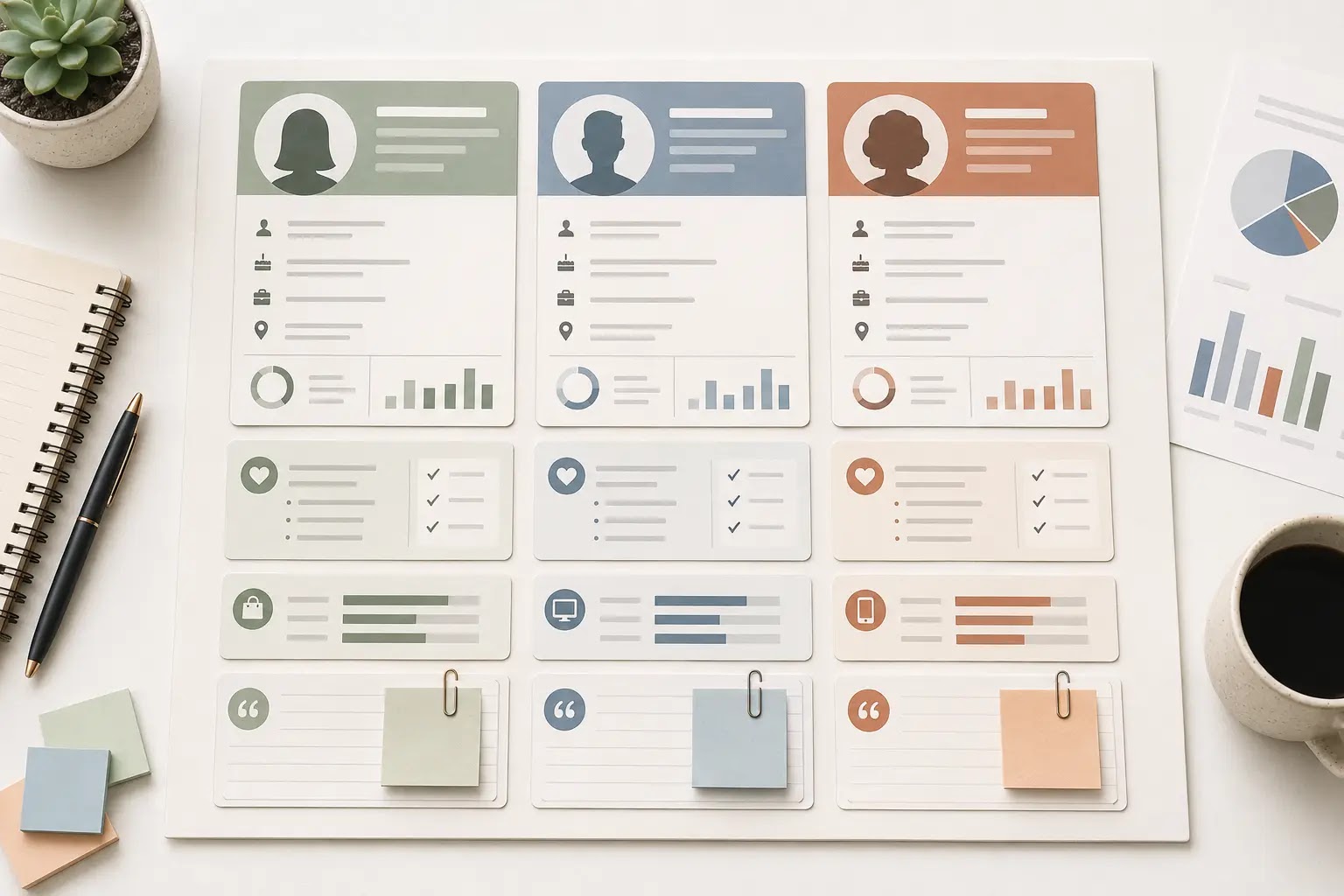
What should you do next before committing to the first-year vending offer?
The practical decision is simple: match each machine to a real location, verify the local demand drivers, and pressure-test the offer against route mileage, repairs, commissions, software, inventory turnover, and working capital. If the location economics do not support the product mix and restock cadence, change the offer before you scale it.
| Readiness item | What “ready” looks like |
|---|---|
| Location fit | You can explain why this site deserves these machines and these products. |
| Offer mix | The product mix reflects the customer segment, foot traffic pattern, and replenishment needs. |
| Pricing logic | You have a pricing approach that preserves margin after commissions, spoilage, and route costs. |
| Operating load | You know the expected restock frequency, service burden, and downtime risk. |
| Working capital | You have planned for inventory, repairs, and slower early sales without assuming immediate stability. |
| Verification file | Your assumptions are documented and ready to discuss with a landlord, lender, partner, or advisor. |
Next planning steps
- Confirm the top locations and the machine types each site can realistically support.
- Lock the first-year product categories and set a simple pricing rule for each category.
- Test the route plan for mileage, service time, and restock frequency.
- Check how commissions, rent terms, and vendor terms affect gross margin.
- Update the first-year model for inventory, repairs, software, and reserve cash.
- Review the offer after launch using actual sales, stockouts, and service calls.
Decision checklist
- Location and customer segment are clearly defined.
- Inventory mix is tied to expected demand, not guesswork.
- Pricing still works after operating costs are included.
- Service and restock assumptions are realistic for the route.
- Repair risk and spare-cash needs are documented.
- Assumptions are organized for review and revision.
Final takeaway: the best first-year vending offer is the one that fits the site, protects margin, and can survive early operating friction. Build the offer around verified local inputs, then scale only after the numbers and route realities agree.


