
Vending Machine Cost of Goods or Service Delivery Planning
A practical U.S. planning guide for vending machine cost of goods or service delivery planning, built for founders, buyers, and operators comparing assumptions before committing capital.

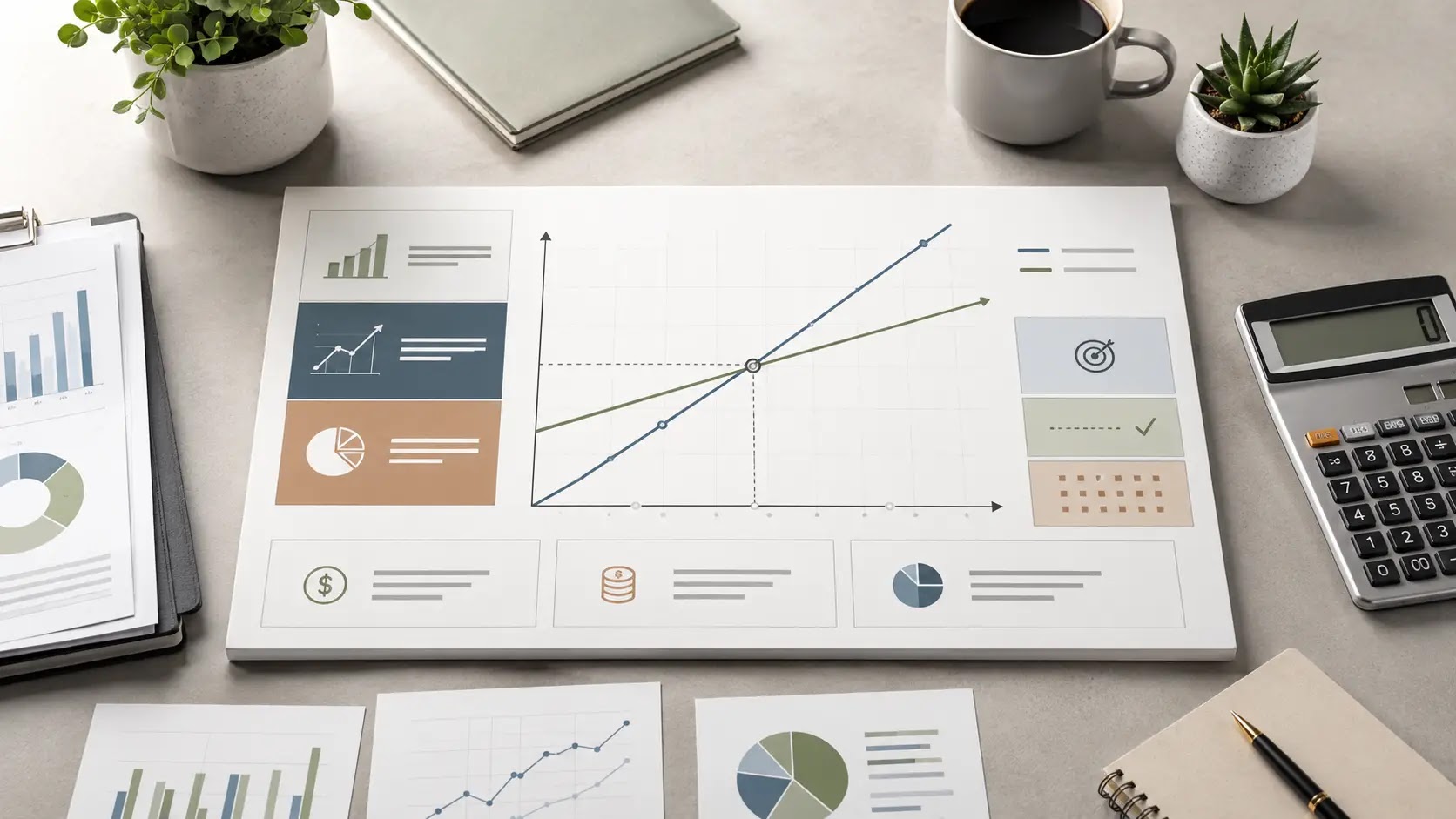
How should you plan vending machine cost of goods and service delivery?
If you are deciding whether a vending machine location, route, or product mix will actually work, the practical answer is that cost of goods is only part of the picture. You also need to plan for commissions or location fees, restocking labor, route mileage, repairs, payment processing, software, and the working capital needed to keep the machine full.
For U.S. vending machine founders and buyers, the key question is not just what each item costs to buy, but what it costs to deliver, maintain, and replenish it reliably at the locations you are targeting. That is why pricing, customer segment, and service cadence should be tested together, not treated as separate decisions.
| What the reader is deciding | What must be verified locally |
|---|---|
| Which products, price points, and machine types fit the location and service model | Location traffic, commission terms, refill frequency, route distance, labor availability, supplier pricing, repair support, and any local permit or operating requirements |
That means a good plan should test whether the margin on each product still works after delivery and service costs are included. A snack, beverage, or specialty item can look attractive on paper and still underperform if it requires frequent restocking, creates spoilage risk, or depends on a location with weak throughput.
- Lease or placement terms: commission, revenue share, access limits, and service hours.
- Equipment: machine purchase or lease, installation needs, payment hardware, and repair exposure.
- Labor: stocking time, route scheduling, and any outsourced service support.
- Menu economics: wholesale cost, spoilage, package size, price point, and mix by location.
- Permits and local requirements: any city, county, or site-specific rules that affect operation.
- Working capital: inventory float, cash for refills, maintenance, and early-stage slippage.
- Funding readiness: whether the plan is documented well enough for lenders, partners, or investors to review.
Next, the practical framework turns those assumptions into a location-by-location planning process you can use to compare menu, pricing, and service delivery choices.
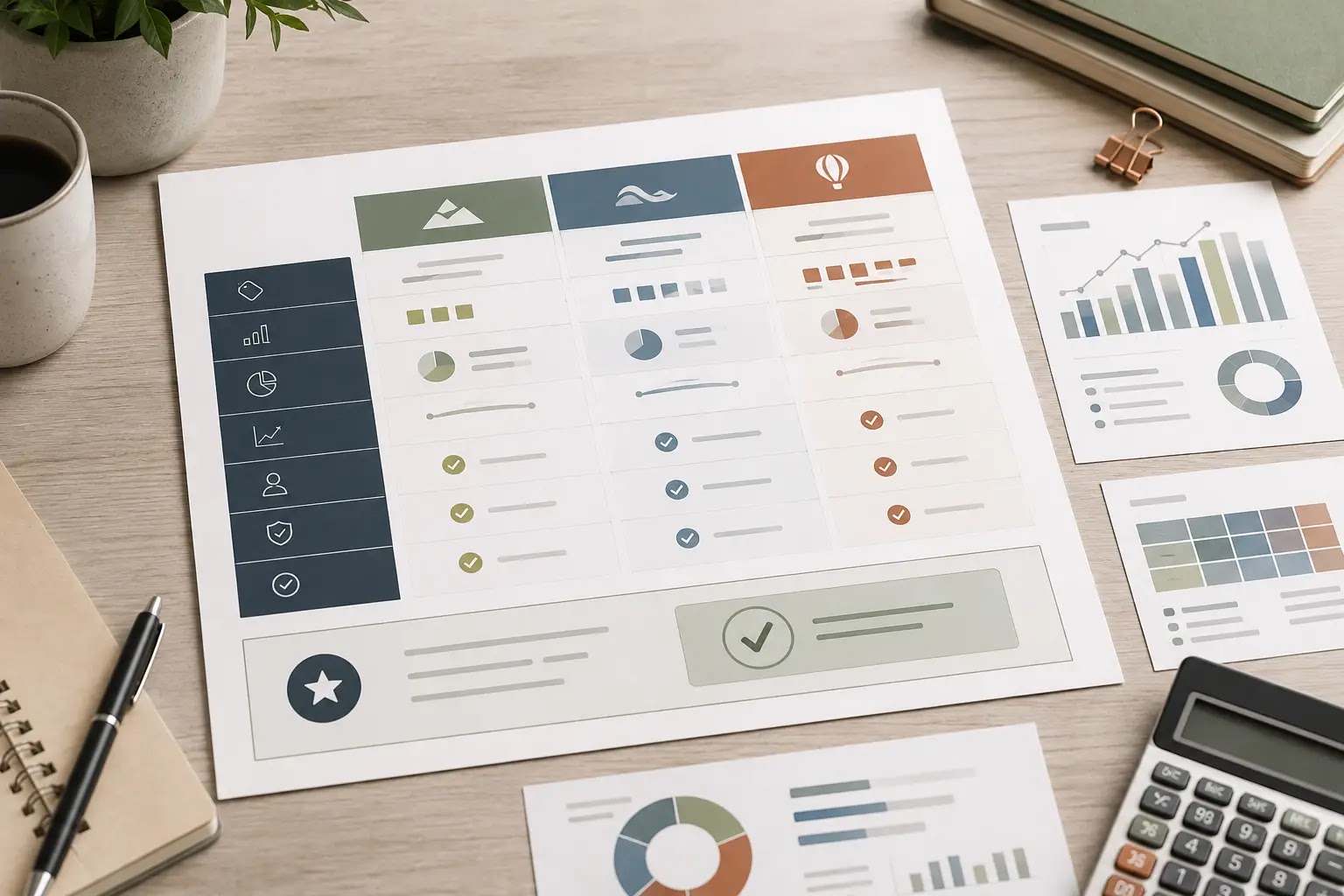
How should a vending machine founder build the product and pricing framework?
For a U.S. vending machine business, the product and pricing framework should connect what is stocked, where it is stocked, how often it is serviced, and what each stop must earn after product cost, commissions, spoilage, payment processing, mileage, and maintenance. The goal is not to pick a “best” price in isolation; it is to document the assumptions that make a location or route workable.
What needs to be pinned down before pricing the route?
The right inputs usually vary by market, machine type, and location agreement, so the founder should verify each one with current local sources, supplier quotes, and location terms before relying on the numbers in a plan or pitch deck.
| Planning area | Question to answer | Input to collect | Model impact | Verification source |
|---|---|---|---|---|
| Product mix | Which snacks, drinks, or specialty items will actually move in this location? | SKU list, package size, freshness window, and expected sell-through by location type | Affects inventory turns, spoilage, and working capital tied up in stock | Supplier catalog, location observations, pilot sales, and route-level sales history |
| Price points | What price can the customer segment accept at this site? | Planned retail price by SKU and any location-specific premium or discount | Drives gross margin per vend and total revenue per machine | Competitive scan, site type, customer traffic, and location manager feedback |
| Cost of goods | What is the landed cost of each item after supplier terms and freight? | Unit purchase cost, case pack, freight, minimum order size, and any rebates or allowances | Sets unit margin and the break-even price floor | Distributor quotes, invoices, and supplier terms |
| Machine capacity | How many facings and what mix will fit the machine without hurting variety or cash flow? | Machine layout, shelf count, item dimensions, and capacity by SKU | Determines how much inventory each stop requires and how often restocking is needed | Machine spec sheet and actual shelf measurements |
| Service frequency | How often does the machine need to be visited to stay stocked and functional? | Expected visit cadence, route density, and refill quantities | Affects labor time, mileage, fuel, and route efficiency | Route trial data, location access rules, and owner/operator experience |
| Location economics | Does the site require a commission, rent, or revenue share? | Commission structure, flat fee, or other site payment terms | Changes net margin and the amount of sales needed to cover fixed costs | Location agreement and landlord or site operator discussions |
| Payment mix | What share of sales will be cash versus card or mobile payment? | Expected payment mix and processing fees | Impacts average ticket, transaction cost, and cash handling workload | Machine payment reports, processor terms, and pilot location data |
| Repairs and uptime | What is the expected cost of keeping the machine reliable? | Maintenance plan, repair reserve, and parts or technician costs | Reduces net operating margin and affects service disruptions | Technician quotes, machine condition inspection, and warranty terms |
| Inventory shrink and spoilage | How much product may be lost to expiration, damage, theft, or miscounts? | Loss allowance by product type and route controls | Raises effective cost of goods and lowers realized gross margin | Past route records, supplier shelf-life data, and stock reconciliation |
| Working capital | How much cash is needed to buy inventory before sales replenish it? | Opening stock value, reorder cadence, and cash reserve target | Determines funding need and launch liquidity | Inventory plan, supplier payment terms, and startup budget |
How should the founder move from research to documented assumptions?
- Define the location type first, because schools, offices, gyms, warehouses, and apartment common areas can support very different product mixes and pricing logic.
- List the SKUs you want to stock, then remove items that do not fit the machine, the customer profile, or the planned replenishment cadence.
- Collect supplier quotes for landed cost, case packs, and any delivery minimums so the plan reflects actual acquisition cost, not shelf price alone.
- Map each location’s commission, rent, or revenue-share request and record whether it is fixed, variable, or negotiable.
- Estimate service frequency using route distance, machine capacity, sales velocity, and refill volume instead of assuming every site needs the same visit pattern.
- Document the payment mix, because higher card usage can improve convenience while adding processing cost and dependence on device uptime.
- Reserve an allowance for spoilage, damage, and repairs so the margin model reflects normal operating leakage rather than ideal sales only.
- Translate the opening inventory and refill plan into working capital needs so the launch budget covers stock, service, and replacement timing.
- Store every assumption in a form that can be updated after the first route data comes in, especially if the business plan or pitch deck will be shown to lenders, partners, or landlords.
Once these inputs are documented, the next step is to translate them into margin scenarios, location-level tradeoffs, and risk checks for the financial model.
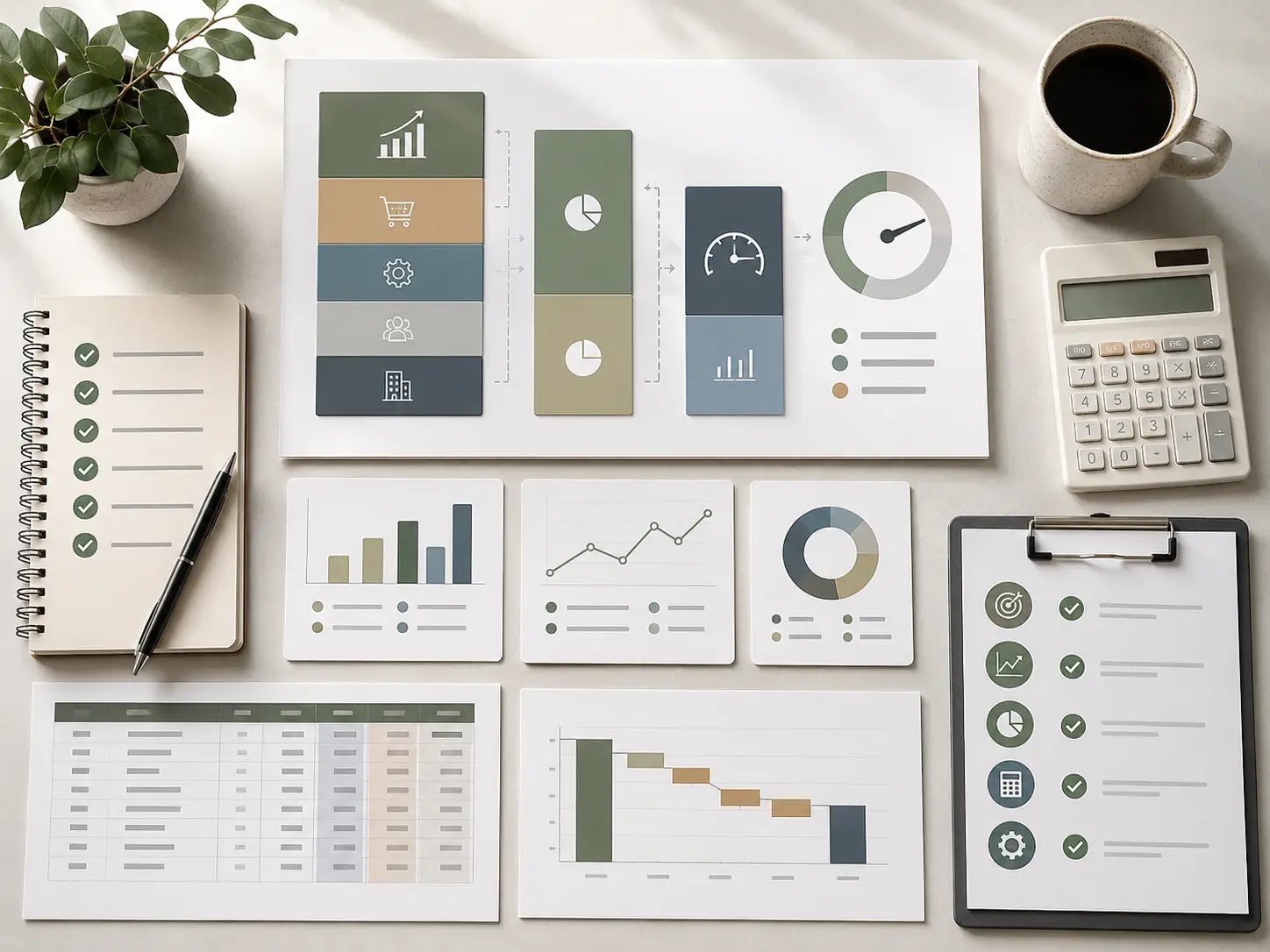
How do margin, runway, and break-even assumptions change your vending plan?
For vending machines, the model is usually won or lost at the location level: product mix, commissions, spoilage, route mileage, repair reserve, payment fees, and how long inventory cash is tied up before it comes back as sales. A machine that looks strong on gross sales can still be weak if service trips are too frequent or the item mix leaves little contribution margin.
Financial model implications
Model each location as its own case when you can. That shows whether the machine pays for product, commission, labor, fuel, and overhead before you assume portfolio-level profitability. If you are funding a launch or acquisition, include startup equipment, initial inventory, and enough cash to cover a slower-than-expected ramp.
| Scenario | Sales mix assumption | Margin pressure | Likely planning effect |
|---|---|---|---|
| Higher snack share | More low-ticket packaged items | Direct product cost can consume more of each sale | Requires tighter pricing and location vetting |
| More beverage share | Higher share of drinks or other fast-turn items | Can improve turns, but depends on purchase cost and spoilage | May support more frequent restocking and better cash conversion |
| Commission-heavy site | Higher location fees or revenue share | Less room for labor, fuel, and repairs | Needs stronger sales volume or a better price ladder |
| Long-route service plan | More miles between stops | Route labor and fuel weigh more heavily | Raises break-even sales requirement and working-capital need |
Simple planning calculator
Use current quotes and verified local data. The placeholder inputs below are illustrative only and should be replaced with your own vendor pricing, route assumptions, repair expectations, and location terms.
| Input | Illustrative placeholder | Why it matters | What to verify |
|---|---|---|---|
| Average vend price | Example placeholder only | Drives gross revenue per unit sold | Current shelf pricing by location and product category |
| Direct product cost per vend | Example placeholder only | Sets contribution margin before route costs | Wholesale invoices and supplier minimums |
| Monthly unit sales per machine | Example placeholder only | Determines sales volume and inventory turnover | Historical sales, foot traffic, and comparable placements |
| Location commission or site fee | Example placeholder only | Reduces net revenue at the site level | Signed location terms and any revenue-share language |
| Payment processing fees | Example placeholder only | Can matter more when card use is high | Processor quote and device terms |
| Route miles and service frequency | Example placeholder only | Affects labor coverage, fuel, and vehicle wear | Planned route map and replenishment schedule |
| Monthly repair reserve | Example placeholder only | Protects cash flow from maintenance surprises | Machine age, service history, and technician input |
| Monthly fixed overhead | Example placeholder only | Includes software, storage, insurance, admin, and other fixed items | Vendor quotes and operating plan |
| Startup cash needed | Example placeholder only | Supports machine purchase, installation, initial inventory, and runway | Equipment quotes, freight, setup, and contingency buffer |
Formula guide: gross revenue = average vend price × units sold; product cost = direct product cost per vend × units sold; contribution margin = gross revenue - product cost - payment fees - location commission; operating cash flow = contribution margin - route labor - fuel - repairs reserve - fixed overhead; rough break-even sales = fixed monthly costs ÷ contribution margin per vend.
These are planning formulas only. Replace every placeholder with current quotes, local route assumptions, and verified machine-level data.
Risk and assumption checks
- Product mix can change margin more than the sticker price suggests.
- Commission-heavy locations can look busy and still underperform after service costs.
- Route density affects labor coverage, fuel, and downtime more than many first-time models expect.
- Repairs, stockouts, and payment device issues can delay cash recovery from each machine.
- Startup funding should leave room for inventory, installation, and a slow first-sales period.
Verification note: local rules, costs, vendor terms, lease terms, insurance requirements, permit requirements, financing conditions, and market prices vary by market. Replace placeholders with current quotes, written location terms, and verified local sources before you rely on any break-even or runway result.
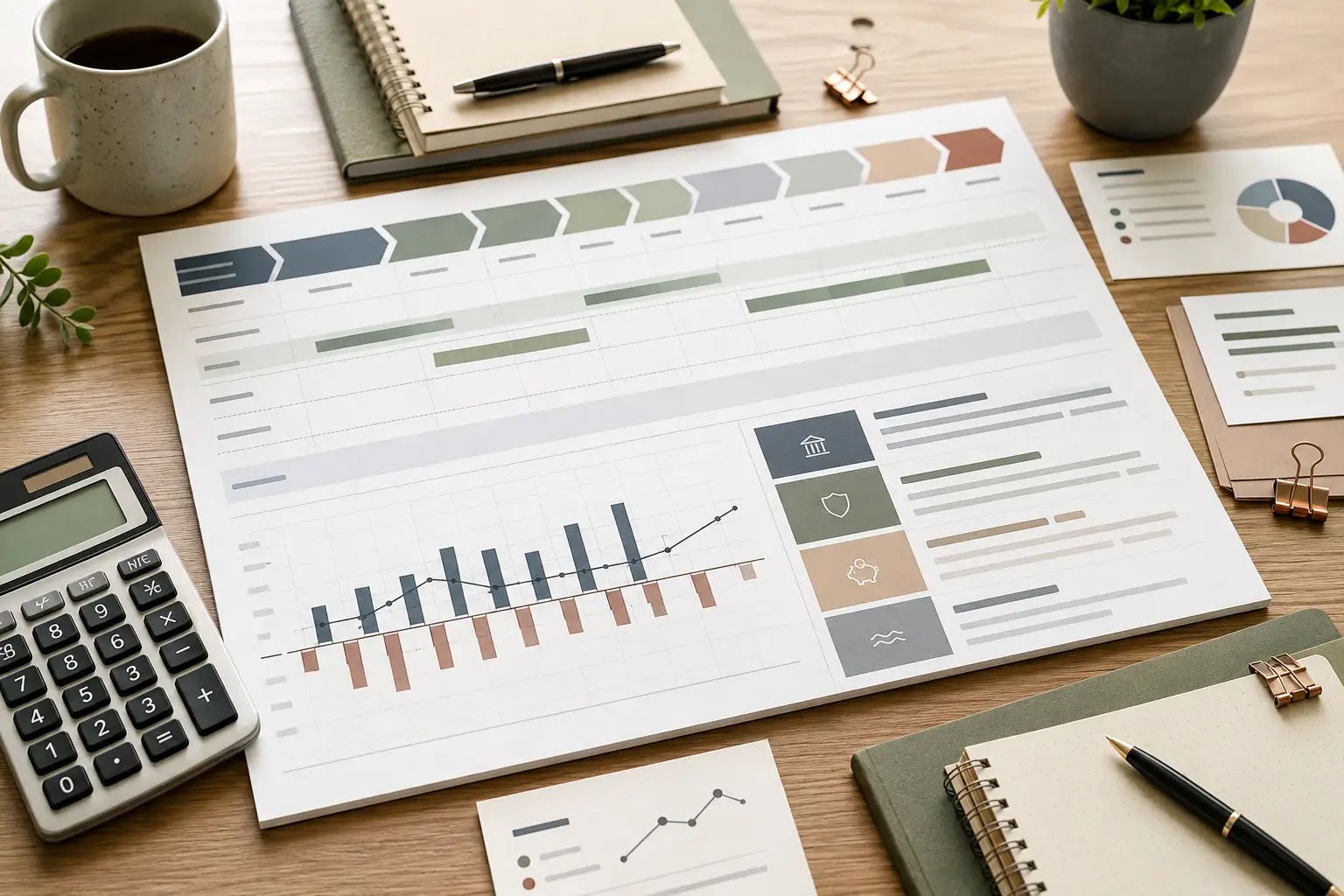
What should a vending machine founder verify before moving forward?
The practical decision path is simple: confirm the machine mix, the location type, the customer segment, and the price-to-cost gap before you commit capital. For a vending machine business, the margin story usually depends on product cost, route mileage, commissions or site payments, spoilage and theft risk, repairs, software, and enough working capital to restock and recover from slow locations.
If those inputs are not documented, the business plan and financial model will be hard to defend with a landlord, lender, partner, or advisor.
Readiness scorecard: are the core assumptions in place?
| Check | Ready when... | Still needs verification |
|---|---|---|
| Product mix | You know which items fit the location and why customers will buy them. | Local buying patterns, package sizes, and shelf turns. |
| Location economics | You have a clear view of commissions, rent, or revenue share terms. | Site owner terms and competing vendors in the area. |
| Delivery cost | Route mileage, restock frequency, and labor time are mapped. | Fuel, drive time, parking access, and route density. |
| Margin math | Price, cost of goods, waste, and service costs are tracked together. | Current supplier quotes and refresh intervals. |
| Working capital | You can cover inventory, repairs, and slow ramp-up periods. | Cash reserve needs by location and season. |
| Operating support | You have a simple process for restocking, maintenance, and issue tracking. | Software, templates, and vendor response times. |
Next planning steps
- Recheck product costs and supplier terms for the exact items you plan to stock.
- Estimate route mileage, restock frequency, and labor time for each location type.
- Compare expected sales against commissions, spoilage, repairs, and payment processing.
- Separate startup cash needs from ongoing working capital needs.
- Stress test low-volume and high-repair scenarios before you buy more machines.
- Verify local lease terms, vendor agreements, and market pricing with current sources.
If you want to turn these assumptions into something you can share, a business plan, financial model, pitch deck, checklist, and startup toolkit can help organize the numbers, compare scenarios, and document the plan for partners, lenders, landlords, or advisors.
Final takeaway: a vending machine deal only works when the location, product mix, delivery cost, and margin assumptions all hold together under local verification.


