
Start vs Buy a Vending Machine Business: What to Compare
A practical U.S. planning guide for start vs buy a vending machine business: what to compare, built for founders, buyers, and operators comparing assumptions before committing capital.

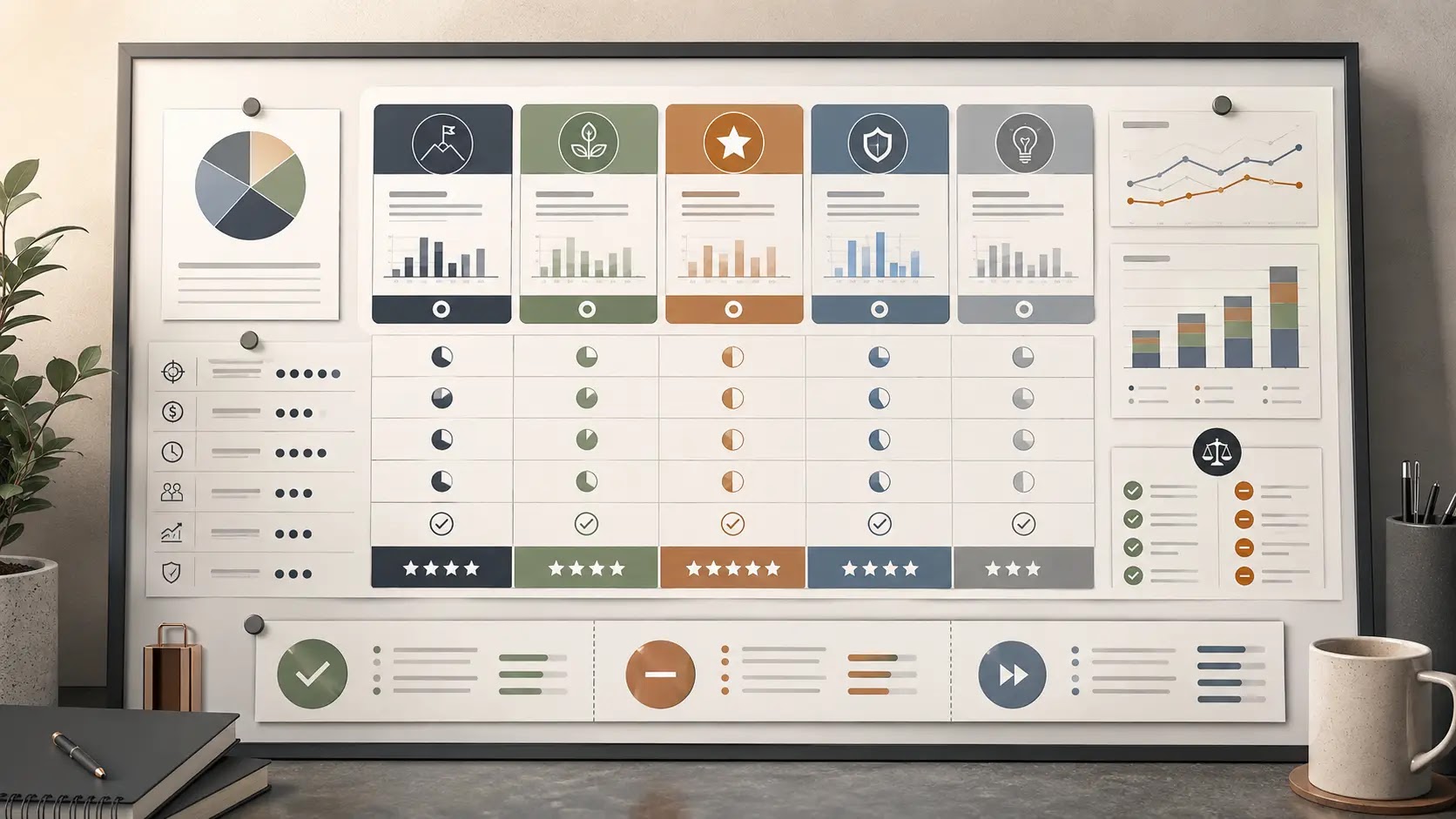
Should you start or buy a vending machine business?
If you are weighing a vending machine startup against an acquisition, the practical answer is usually: compare the quality of the locations, the condition of the machines, and the working capital required to keep the route moving. A startup can be simpler on paper, but it still depends on securing placements, stocking inventory, and covering travel, repairs, and replenishment before cash flow stabilizes.
Buying an existing route can reduce some early uncertainty because you may inherit locations, vendor relationships, and operating history. But the value only makes sense if the machine list, commissions, contract terms, route mileage, service frequency, and equipment condition are documented well enough to support the asking price and your financing plan.
For U.S. buyers and founders, the comparison is less about “cheap versus expensive” and more about what you can verify locally: where the machines can legally operate, what it costs to stock and service them, and how much cash you need to support inventory, maintenance, and growth before the route pays back.
What the reader is deciding
Whether to build a vending business from scratch or buy an existing route based on verified operations, equipment condition, and capital needs.
What must be verified locally
Location agreements, route economics, machine status, inventory costs, service mileage, permit and site requirements, and lender or seller terms that affect cash needs.
- Lease and placement terms for each location or route stop
- Machine condition, age, payment systems, and repair exposure
- Inventory mix, spoilage risk, and refill frequency
- Labor time, route mileage, and service scheduling
- Permit, site, and operational requirements that vary by market
- Working capital for stock, fuel, maintenance, and slow starts
- Funding readiness if you plan to use a lender, seller note, or investor capital
This comparison works best when the assumptions are written down before you commit, because the strongest option on paper is not always the one that fits your local route, landlord, or financing reality. Next, use a practical framework to sort the inputs that actually change the decision.
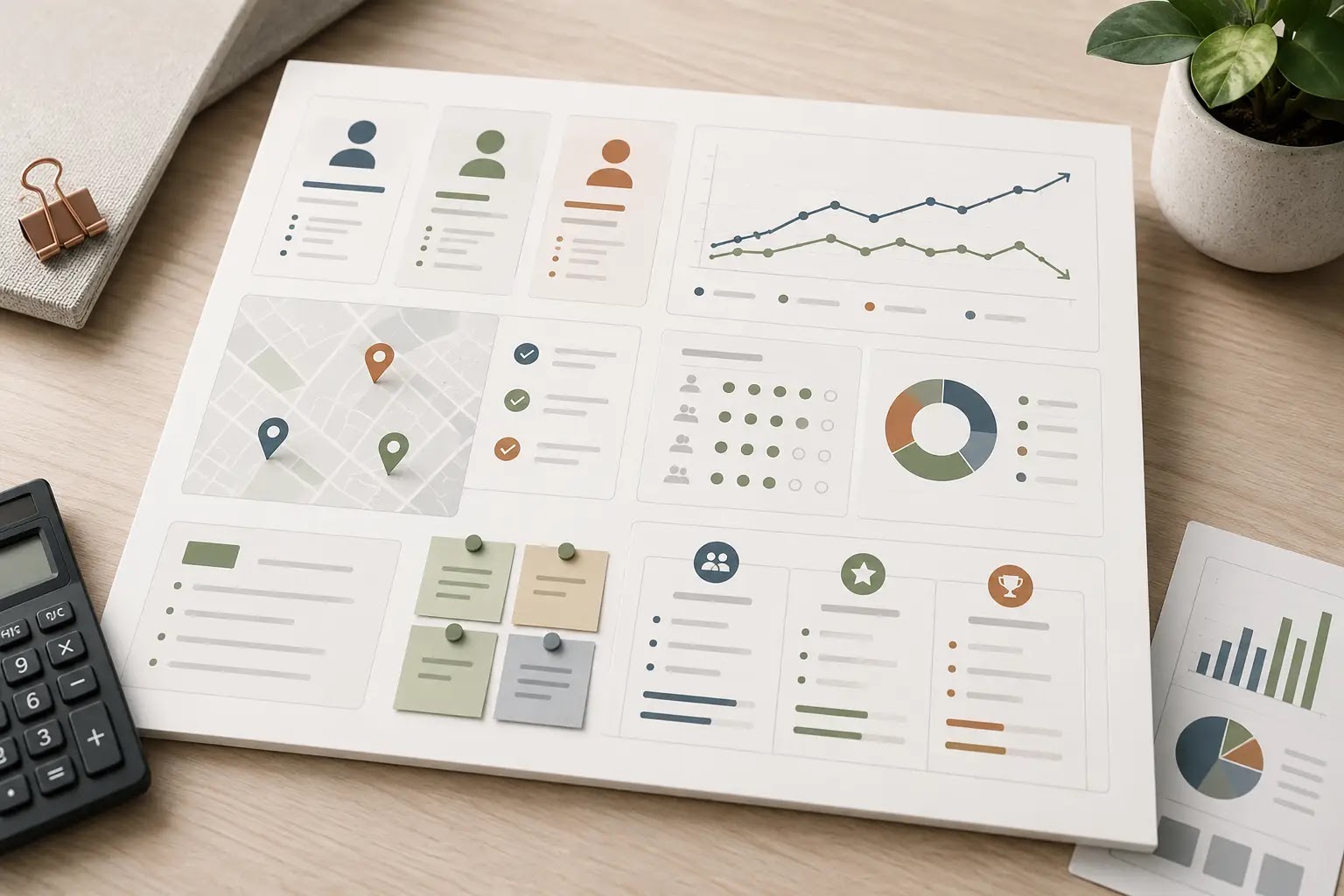
What should you compare before you start or buy a vending machine business?
If you are deciding between launching a route from scratch or buying an existing one, the core comparison is not just purchase price versus startup cost. It is how quickly each path can convert into documented cash flow, how much working capital each path needs, and how much operational uncertainty remains after you account for machines, locations, inventory, repairs, commissions, software, and route mileage.
Start vs. buy: the planning lens
A new route usually gives you more control over machine selection, placement standards, and vendor terms, but it can take longer to prove sales and build location access. Buying an existing business can give you operating history, but only if the seller can document machine performance, maintenance exposure, location agreements, and route economics in a way you can verify.
What matters most in feasibility
- How many machines or locations are actually productive
- How often each route requires servicing and restocking
- What inventory mix is needed for the target locations
- How repairs, downtime, and service calls affect net margin
- Whether commissions, rent, or revenue-share terms are documented
Which inputs change the answer fastest?
| Planning area | Question to answer | Input to collect | Model impact | Verification source |
|---|---|---|---|---|
| Machine count and type | How many machines are included, and what categories are they? | Machine list, age, condition, cashless capability, and product type | Startup capital, replacement reserve, service time, and sales potential | Seller list, photos, serial records, purchase receipts, site walk-through |
| Location quality | Are the locations stable, accessible, and worth servicing? | Address list, foot traffic context, hours of access, and site contact | Sales assumptions, refill frequency, route mileage, and downtime risk | Site visit, landlord or operator confirmation, internal sales logs |
| Revenue evidence | Can the seller or operator prove recent sales performance? | Machine-by-machine sales history, collection records, and deposit support | Monthly revenue forecast and payback timing | POS reports, telemetry data, bank deposits, tax records where available |
| Inventory requirements | What product mix and replenishment schedule does the route need? | Product categories, pack sizes, shelf-life sensitivity, and shrink assumptions | Cost of goods sold, spoilage, order frequency, and cash tied in inventory | Vendor quotes, prior purchase orders, store-level observations |
| Service and repairs | How much maintenance will the route require? | Repair history, parts exposure, technician access, and uptime issues | Operating expense, downtime loss, and replacement reserve | Maintenance logs, technician invoices, condition check, warranty records |
| Route mileage and labor | How much driving and service time does the route demand? | Route map, service cadence, drive time, load time, and labor plan | Fuel, labor, owner time, and realistic route capacity | Map review, route schedule, test drive, operator walkthrough |
| Location terms | Are commissions, rent, or revenue-share terms documented? | Written location agreement, fee structure, term length, and renewal rights | Gross margin and deal stability | Signed agreement, landlord or host confirmation, broker notes |
| Technology and telemetry | Will software improve visibility enough to justify the cost? | Cashless payment setup, remote monitoring, reporting tools, and subscription fees | Collection efficiency, shrink control, and reporting quality | Vendor proposal, demo account, current operator records |
| Working capital | How much cash is needed after the deal closes or launch starts? | Inventory, route float, repairs reserve, deposits, fuel, and launch buffer | Liquidity runway and ability to absorb slow ramp-up | Budget draft, vendor terms, lender conditions, owner assumption sheet |
How should a founder move from research to documented assumptions?
- List the machines, locations, and route areas you would start with or acquire.
- Separate what is known from what is only claimed by the seller, broker, or vendor.
- Collect machine-level inputs: condition, payment tech, service history, and any sales evidence.
- Map route operations: mileage, stop count, refill cadence, labor time, and fuel exposure.
- Document location economics: commissions, rent, access limits, and agreement terms.
- Build inventory assumptions from the actual product mix each location needs, not from a generic shelf list.
- Estimate repair and replacement exposure using condition checks and maintenance records.
- Confirm funding needs by including working capital, not only the entry price or machine purchase cost.
- Record every assumption with a source so the startup case and the acquisition case can be compared on the same basis.
Once these operating assumptions are grounded, the next step is to compare how they flow through revenue, margin, payback, and downside risk in the financial model.
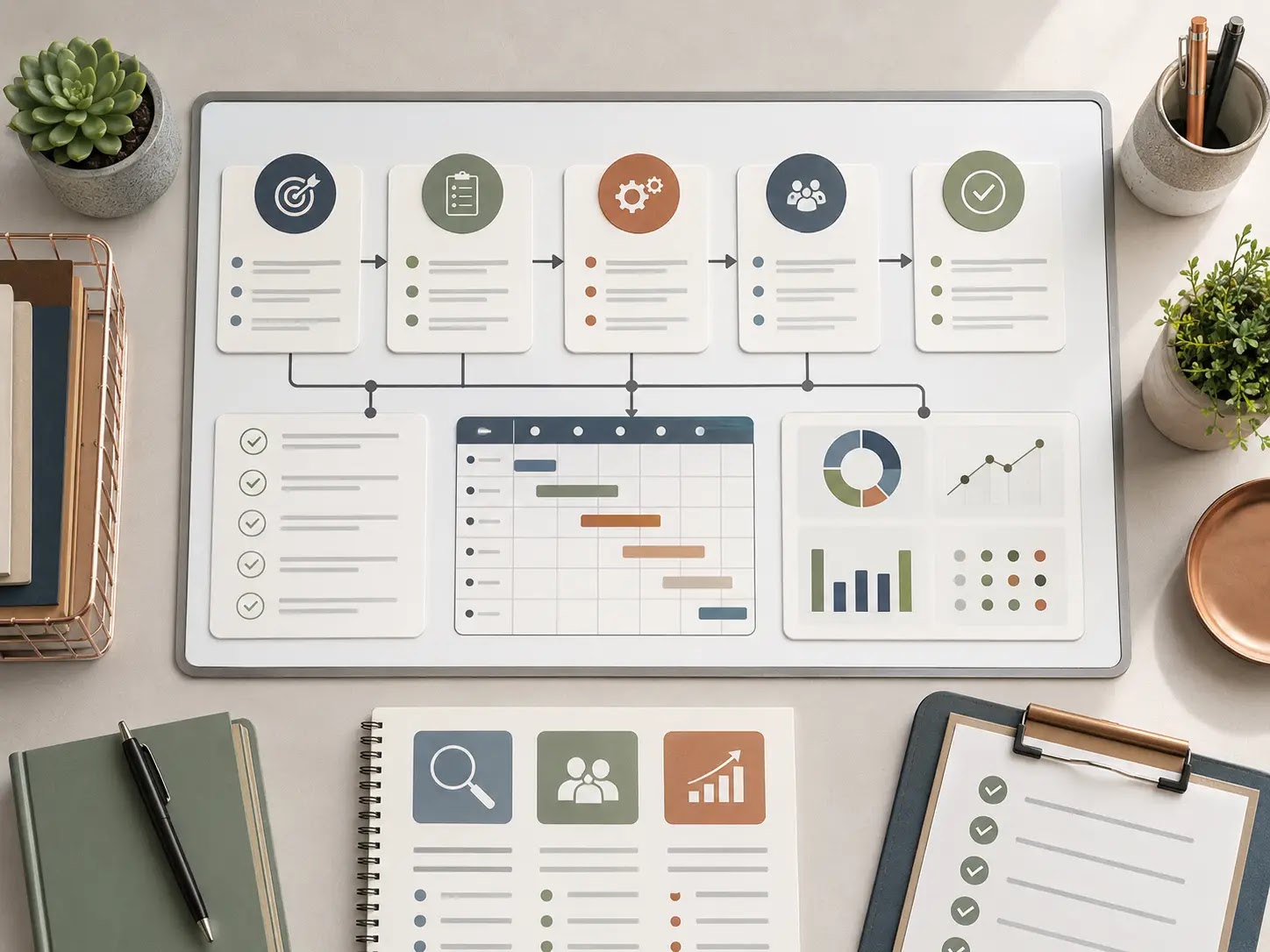
What planning risks change the start-vs-buy answer the most?
If you are comparing a new vending route with buying an existing one, the decision usually turns on assumptions that are easy to miss: route density, machine age, repair frequency, inventory spoilage, cash collection effort, commission terms, and the time needed to stabilize sales. A “start” path can give you more control, but it also leaves more of the sales ramp, site acquisition, and operating rhythm to prove from scratch.
A “buy” path can shorten the setup phase, but the price only makes sense if the route data is credible and the seller’s operating history is transferable. In vending, the same route can look very different once you account for service frequency, mileage between locations, machine mix, card readers or software fees, and whether the locations are tied to contracts, informal relationships, or month-to-month permissions.
The practical test is whether the information you can verify supports the model inputs you need for cash flow, working capital, and payback planning. If the numbers behind the route cannot be checked, the deal or launch plan should be treated as higher risk until the assumptions are documented and tested.
Start
Best when you want control over machine selection, service standards, and location strategy, and you can tolerate a slower ramp while you build route density and operating routines.
Buy
Best when the route history is verifiable, the machine condition is clear, and the seller can show real operating detail for sales, commissions, and maintenance burden.
Hybrid
Best when you are buying selected machines or locations while reserving capital for repairs, remerchandising, and fill-in growth after closing.
Common risks to compare before you commit
| Planning risk | Why it matters in vending | Assumption affected | How to verify |
|---|---|---|---|
| Weak route data | Reported sales may not reflect actual location performance or seasonality. | Revenue, gross margin, cash flow | Review machine-level statements, bank deposits, service logs, and location-by-location sales history. |
| Machine condition mismatch | A low purchase price can hide repair, replacement, or downtime exposure. | Capex, maintenance expense, working capital | Inspect equipment age, model mix, parts availability, payment systems, and recent repair records. |
| Route density and mileage | Long drives can reduce margin even if gross sales look acceptable. | Fuel, labor, route efficiency | Map stop locations, service frequency, and drive time using the actual route schedule. |
| Location transfer risk | Some accounts depend on relationships that may not transfer cleanly after a sale. | Retention of locations, post-close revenue | Confirm whether site permissions, contracts, and commission arrangements can be assigned or renewed. |
| Inventory and spoilage exposure | Product mix, shelf life, and theft/shrink can change the cash need and margin. | Inventory budget, gross profit, replenishment cadence | Compare SKU mix, turnover, spoilage history, and shrink controls by route or site. |
| Software and payment terms | Card readers, telemetry, and route software can add recurring fees and process friction. | Operating expense, collection timing, reporting quality | Request vendor contracts, fee schedules, hardware terms, and settlement timing details. |
| Capital and reserve shortfall | Unexpected repairs, missing parts, or slow ramp can pressure cash before the route stabilizes. | Working capital, funding need, break-even timing | Stress-test reserve needs against lower sales, higher repairs, and slower collection cycles. |
Verify locally before you rely on the comparison
Local rules, costs, vendor terms, lease terms, financing conditions, and route access requirements vary by market and should be checked with current local sources. That includes location agreements, machine placement rules, payment-device terms, utility access, repair availability, and any market-specific requirements that affect where and how you can operate.
Once these risks are documented, the next step is to turn them into a simple action checklist: confirm the assumptions that support your preferred path, flag the items that need vendor or landlord verification, and separate what can be modeled from what must be checked in person. That is the bridge to the final decision list.
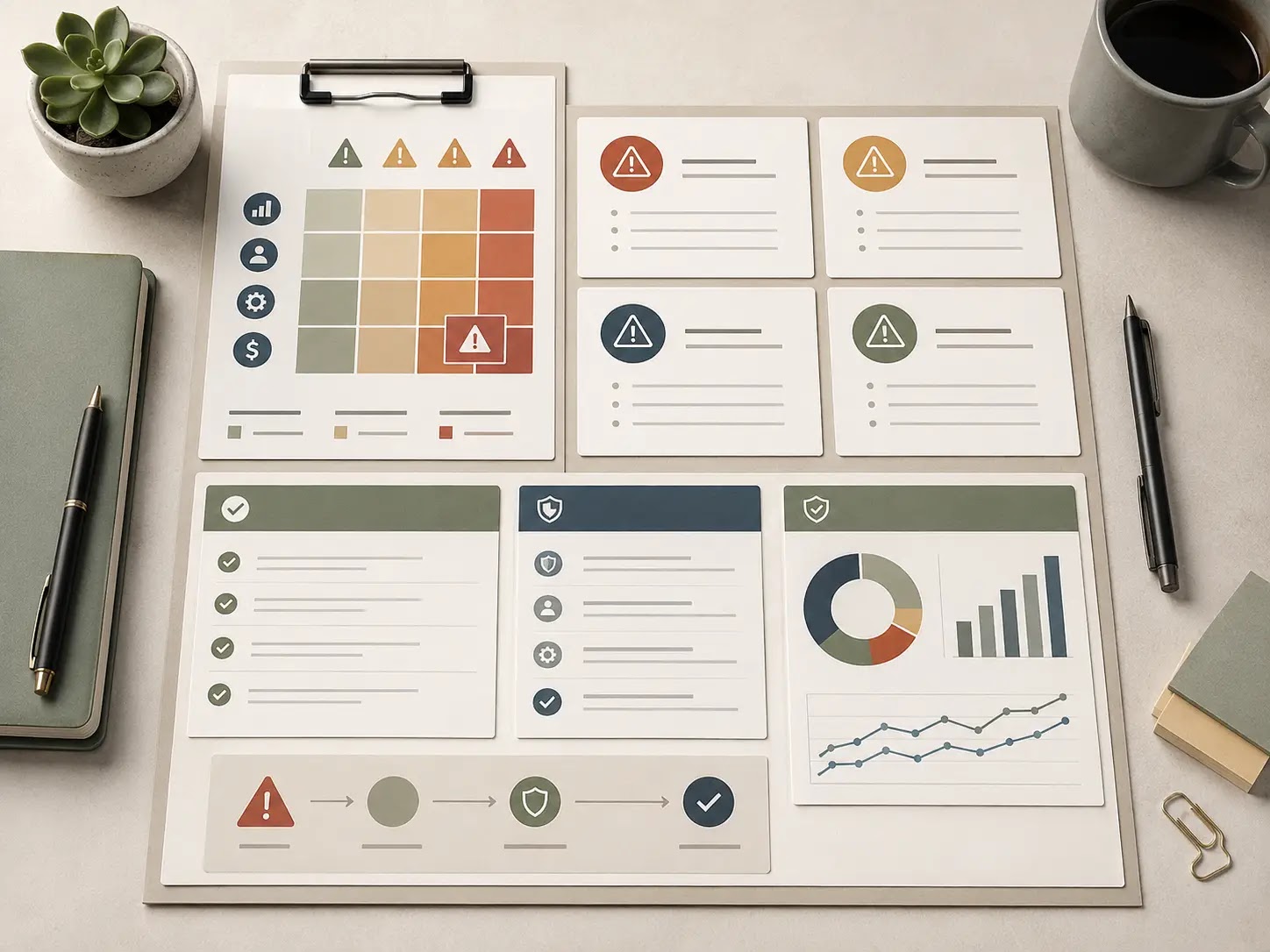
What should you do next before you decide to start or buy?
Practical recap
If you are starting, your main question is whether your machine locations, inventory mix, route mileage, repairs, and working capital can support a workable launch. If you are buying, the key question is whether the route, contracts, machine condition, commissions, and software access are strong enough to justify the purchase price and transition risk.
The decision gets clearer when you document the assumptions that move cash flow: location quality, restock frequency, spoilage or shrink, maintenance burden, and how much time you will spend driving, servicing, and collecting.
Readiness scorecard
| Readiness item | What to confirm | Why it matters |
|---|---|---|
| Location access | Signed or realistic placement terms for each machine site | Determines whether revenue is repeatable or only hypothetical |
| Machine condition | Age, maintenance history, payment systems, and repair risk | Affects downtime, service cost, and near-term capital needs |
| Route economics | Drive time, mileage, service schedule, and labor you will provide | Shapes operating margin and owner workload |
| Inventory plan | Product mix, restock frequency, spoilage risk, and supplier terms | Influences margins, cash tied up in stock, and service efficiency |
| Software and tracking | Sales tracking, cash handling, telemetry, and reporting access | Improves route control and helps validate performance claims |
| Working capital | Cash available for inventory, repairs, commissions, fuel, and slow starts | Protects the business while sales stabilize |
Next planning steps
- List each machine or target route and note whether it is a startup location or an acquisition target.
- Collect vendor quotes, owner-provided records, and any available route data for sales, maintenance, and commissions.
- Compare startup and purchase scenarios using the same assumptions for route mileage, inventory, repairs, and labor.
- Stress-test the plan for slower sales, higher repair needs, and weaker-than-expected location performance.
- Confirm current local pricing, contract terms, financing conditions, and any market-specific requirements with the relevant parties.
Planning note: A business plan, financial model, pitch deck, checklist, and startup toolkit can help you organize assumptions, compare scenarios, and document the plan for partners, lenders, landlords, or advisors. Use them to make the decision concrete, not to replace current local verification.
Final takeaway: For a U.S. vending machine founder or buyer, the better path is the one that holds up after you document locations, route costs, repair risk, inventory needs, and working capital with real local inputs.


