
Vending Machine Insurance Requirements to Plan For
A practical U.S. planning guide for vending machine insurance requirements to plan for, built for founders, buyers, and operators comparing assumptions before committing capital.

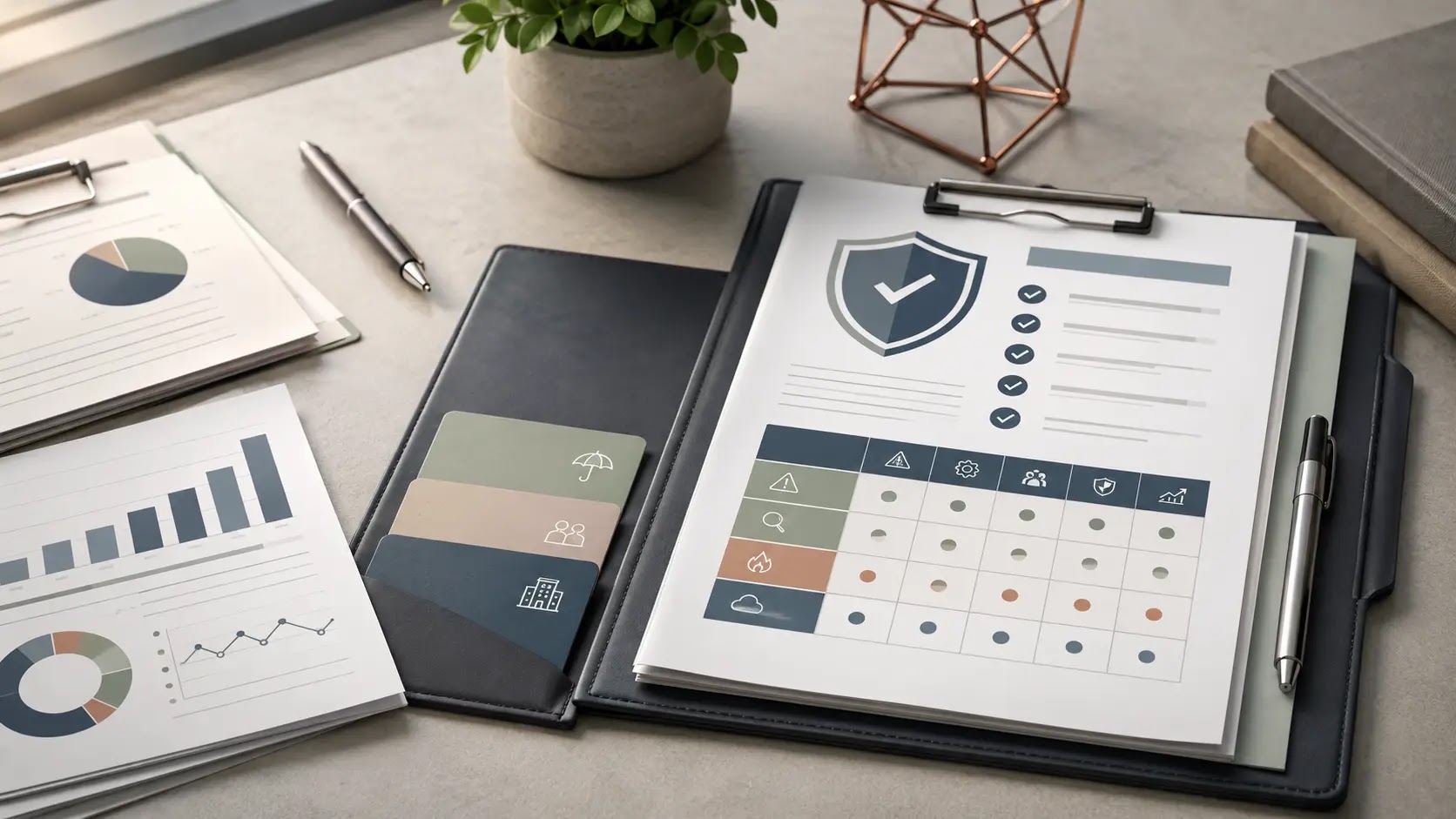
What insurance requirements should vending machine founders plan for?
For a U.S. vending machine business, the practical question is not just “Do I need insurance?” It is “Which coverage, limits, and contract terms will be required by my locations, lenders, landlords, suppliers, and operating model?” The answer usually depends on where the machines are placed, who owns the space, how inventory is stored, whether employees or contractors are involved, and how cash or card revenue is handled.
That means the insurance discussion belongs in the same plan as route mileage, machine replacement risk, theft exposure, repair frequency, commission terms, and working capital. A quote may look affordable in isolation, but it can become a weak fit if it does not satisfy placement agreements or protect the assets that actually drive revenue.
| What the reader is deciding | Which coverages and proof of insurance are needed before buying machines, signing placement contracts, or launching routes. |
|---|---|
| What must be verified locally | Landlord and location requirements, insurer underwriting terms, state rules for employees or vehicles, lender conditions, and any certificate wording requested by the client. |
- Lease/buildout: who is responsible for space, power, mounting, and damage risk at each location
- Equipment: whether machines, payment devices, and refrigerated units need separate property coverage
- Labor: whether you will use employees, independent contractors, or only owner-operators
- Menu economics: how product mix, spoilage, shrink, and theft affect replacement risk
- Permits and placement terms: what insurance proof each host site or contract requires
- Working capital: how premiums, deductibles, and claims delays affect cash reserves
- Funding readiness: whether your plan, financial model, and pitch deck show how insurance fits operating risk
Next, use a practical framework to sort the local inputs that change the answer and separate “good to have” coverage from the items your operating plan may need to prove first.
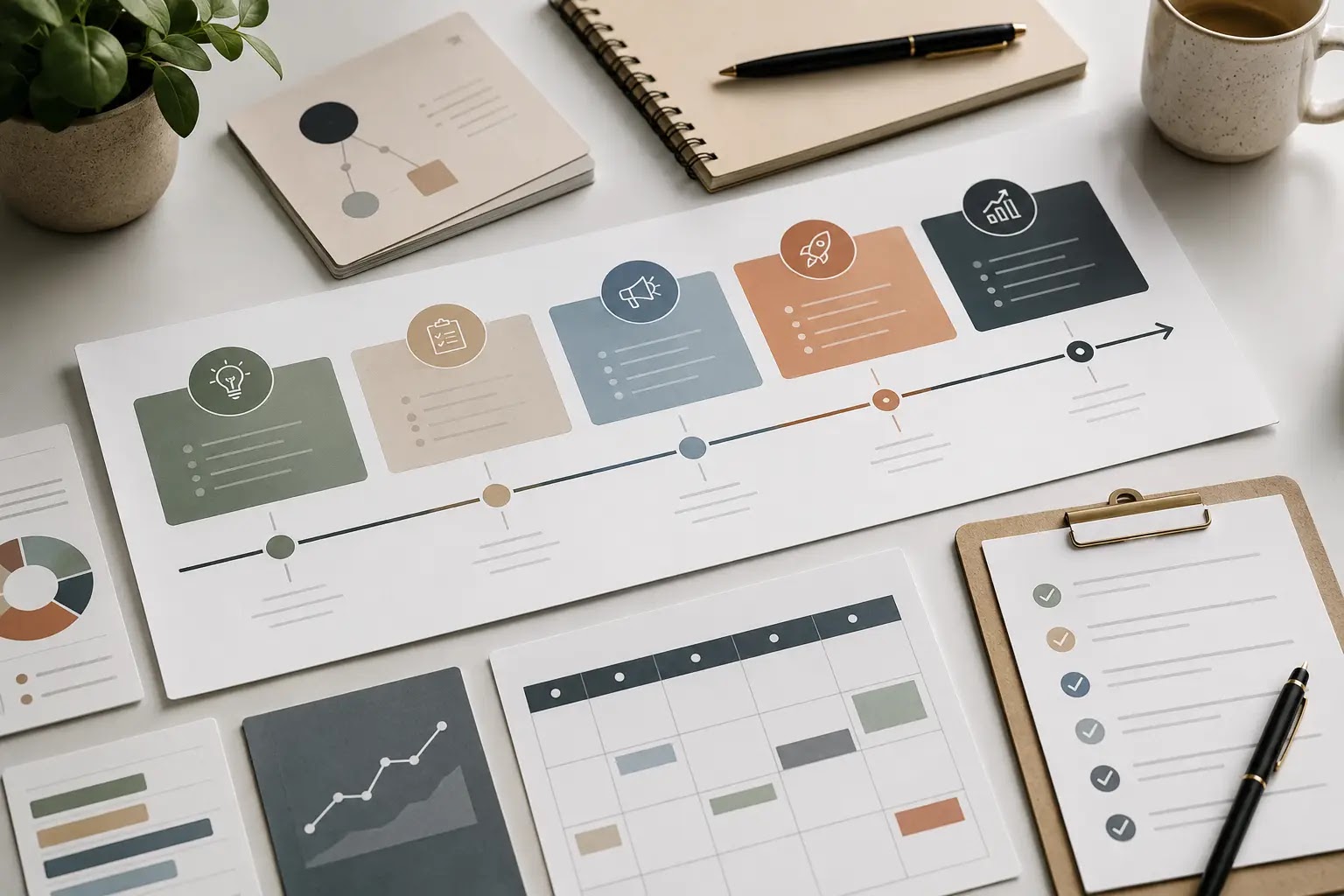
How should you turn vending machine insurance requirements into a usable planning framework?
Before you bind coverage or sign a placement agreement, map the requirements that attach to each machine, route, vehicle, and location. For a U.S. vending business, the useful question is not just “What insurance do I need?” but “What will my landlord, location host, lender, and local jurisdiction require me to document, and how does that change startup timing and cash needs?”
Keep these inputs in your business plan, insurance file, and pitch-deck assumptions so you can compare locations, quote coverage, and avoid last-minute launch delays.
Which license, permit, and insurance inputs should you verify first?
| Planning area | Question to answer | Input to collect | Model impact | Verification source |
|---|---|---|---|---|
| State and local business licensing | What registrations or vending-related licenses apply where the machine is placed or serviced? | Jurisdiction, renewal timing, filing steps, machine count, and any location-specific registration rules | Launch timing, admin workload, and recurring compliance cost | State licensing site, city or county clerk, local business office |
| Placement agreement requirements | What insurance proof does the property owner or host location require? | Certificate holder name, additional insured wording, minimum coverage requests, and notice provisions | Broker setup time, policy endorsements, and legal review effort | Lease, license agreement, landlord, property manager, location host |
| General liability | What liability coverage is needed for customer injury or premises-related claims tied to the machine? | Coverage limits requested, deductible, certificate format, and endorsement needs | Insurance premium, cash reserve, and renewal planning | Insurance broker quote, contract requirements, carrier documents |
| Commercial auto for route operations | Are you using vehicles primarily for business routes, restocking, or service calls? | Vehicle count, driver list, business-use classification, route mileage, and goods-in-transit needs | Vehicle insurance cost, mileage assumptions, and staffing structure | Broker, vehicle title and registration records, route plan |
| Equipment and machine coverage | How will you protect machines against damage, theft, vandalism, or transit losses? | Machine value, age, location exposure, replacement cost assumptions, and deductible tolerance | Replacement reserve, repair budget, and financing needs | Purchase invoices, vendor specs, broker quote, route records |
| Inventory and spoilage exposure | Do you stock perishable items that can be lost through temperature issues or equipment failure? | SKU mix, storage method, restock frequency, and spoilage handling process | Shrinkage reserve, inventory turnover assumptions, and working capital | Supplier terms, equipment vendor specs, internal inventory log |
| Hiring and payroll-related coverage | Will you hire route staff, installers, or helpers who trigger state-specific labor insurance considerations? | Headcount, job duties, payroll timing, and state coverage rules | Payroll burden, staffing timing, and startup funding needs | State agency guidance, payroll provider, broker |
| Payment systems and data handling | Do cashless payments, remote monitoring, or software vendors create insurance or security requirements? | Processor terms, device contracts, data handling obligations, and any cyber coverage expectations | Software cost, security admin, and possible policy add-ons | Payment processor agreement, software vendor terms, cyber broker |
What is the right workflow from research to documented assumptions?
- List each machine, route, and location so you know which requirements attach to which asset.
- Pull the current licensing and permit rules for every city, county, and state where a machine will sit or be serviced.
- Request written insurance requirements from the landlord, property manager, or host location before you sign.
- Ask a broker to quote coverage using the same assumptions you will use in your operating model: machine count, vehicle use, inventory mix, service frequency, and payment setup.
- Record each requirement in one planning sheet with the document needed, the renewal date, the expected cost range, and the person responsible.
- Flag any requirement that changes launch timing, route design, or upfront cash so it shows up in your startup plan and lender or partner materials.
Hand-off for the next step: once the requirements are mapped, the next block should test how those assumptions affect operating costs, lease tradeoffs, reserves, and downside cases in the financial model.
What tradeoffs should you plan for before you buy or place a vending machine?
For a vending business, insurance planning is less about one required policy and more about how risk gets allocated across the machine, inventory, location, vehicle route, and operating agreement. A single unpaid claim, a denied location request, or a missing certificate of insurance can affect cash flow, so founders and buyers should treat coverage as part of the operating model, not a later admin task.
The biggest planning question is whether the coverage you can get matches the way the business actually runs. A machine in a gym, office, school, or apartment building may create different exposure than a route with multiple stops, refrigerated inventory, or frequent repair calls. That changes assumptions for working capital, replacement reserves, vendor terms, and how much friction you may face when negotiating placements or renewals.
Scenario 1: Single-site placement
Main risk: a loss at one location can interrupt revenue and create a dispute over who pays for damage, theft, or spoiled inventory. Planning assumption affected: downtime tolerance and replacement reserve.
Scenario 2: Route-based operation
Main risk: the route vehicle, driver exposure, and repeated loading and unloading can create coverage gaps if the policy mix is not aligned. Planning assumption affected: transport risk, mileage costs, and service frequency.
Scenario 3: Food or beverage inventory with contracts
Main risk: product issues, spoilage, or venue-required endorsements can affect margins and placement approvals. Planning assumption affected: inventory shrink, supplier terms, and location acceptance criteria.
| Planning risk | Why it matters in vending | Assumption affected | How to verify |
|---|---|---|---|
| Location contract requires proof of coverage | Some landlords or operators will not allow placement without specific limits or endorsements. | Placement timeline and signing readiness | Review the draft location agreement and request insurance requirements in writing. |
| Coverage does not match machine ownership | Owned machines, leased machines, and financed machines can carry different responsibility splits. | Capex, financing, and replacement reserve | Confirm ownership terms with the seller, lender, or equipment vendor. |
| Inventory exposure is understated | Stock loss, spoilage, or theft can erode margin faster than the machine itself. | Working capital and shrink assumptions | Ask insurers and suppliers how product loss is treated and what exclusions apply. |
| Vehicle and route risk are ignored | Frequent service stops and hauling equipment may create exposure beyond a basic business policy. | Route cost, mileage, and staffing model | Compare policy terms against how the route is actually operated. |
| Deductibles exceed the cash buffer | A claim can force an out-of-pocket repair or replacement before revenue recovers. | Liquidity and emergency reserve | Model the deductible against available cash and the expected cost of a machine repair or outage. |
In practice, the tradeoff is between lower ongoing premiums and more self-insured risk. A lean startup may prefer simpler coverage, but that can leave gaps if a venue asks for a certificate, a supplier requires additional insured status, or a breakdown takes a machine offline longer than expected. Buyers should compare policy terms, exclusions, and deductible structure against the route plan, not just the number on the quote.
Use these risks to pressure-test the assumptions in your plan, then move to the final action checklist to confirm what to request, document, and compare before launch.
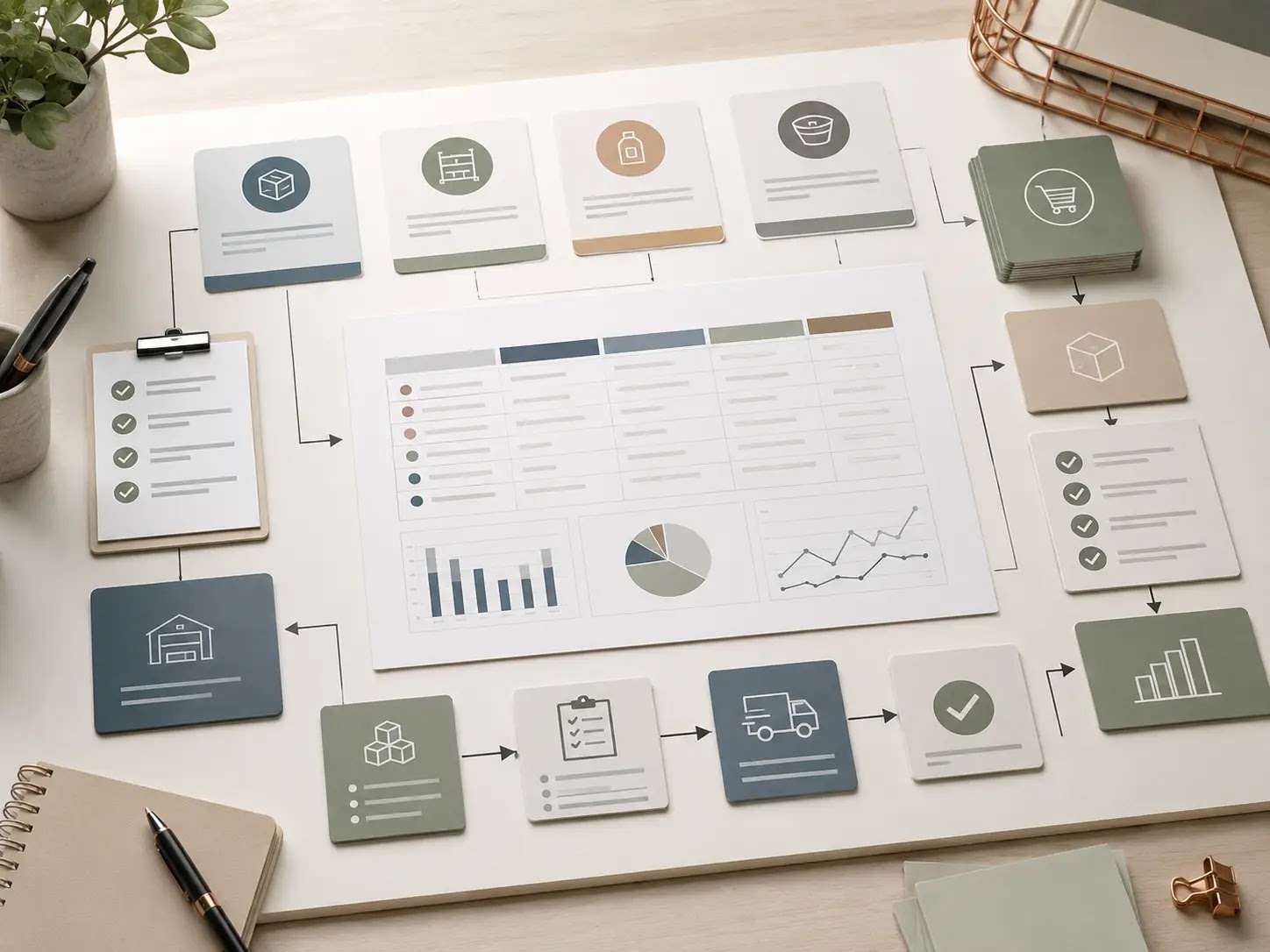
What should you do next before buying or launching vending machines?
If you are planning a vending machine business, the practical takeaway is simple: confirm what insurance is required or expected in your market, map it to your contracts and locations, and then build the cost into your startup and operating assumptions. The right coverage plan depends on your machines, inventory, route mileage, repair exposure, commissions, software setup, and how much working capital you need to keep the route running.
Use the decision path below to keep the plan grounded: verify local requirements, check landlord and location contract terms, compare coverage needs against your machine count and operating model, and document the result in your launch plan before you commit capital.
| Planning checkpoint | What to confirm | Why it matters |
|---|---|---|
| Local requirements | What your state, city, landlord, and location contracts expect | Insurance needs and proof-of-coverage requests can differ by market |
| Machine exposure | Number of machines, machine value, and placement type | Coverage needs change with asset concentration and replacement risk |
| Inventory risk | Product type, spoilage sensitivity, theft exposure, and stock handling | Inventory losses can affect margins and replenishment planning |
| Route operations | Mileage, driver use, and service frequency | Operating risk affects auto, liability, and repair assumptions |
| Contract terms | Commission structures, indemnity language, and insurance certificates | Location agreements can change both cost and compliance burden |
| Working capital | Cash needed for premiums, deductibles, repairs, and restocking | Coverage only helps if the business can still absorb interruptions |
Next-step checklist
- Collect the insurance requirements from each location agreement and landlord contact.
- List every machine, route, and vehicle used in the business so the coverage request matches the real operation.
- Separate machine damage, inventory loss, liability, and vehicle-related exposures in your assumptions.
- Estimate how premiums, deductibles, commissions, and repairs affect monthly cash needs.
- Save proof-of-coverage documents with your launch files and vendor records.
- Update the plan whenever you add machines, change locations, or expand service territory.
Final takeaway: For a U.S. vending machine founder or buyer, insurance planning is not just a compliance step; it is part of the launch budget, location strategy, and cash-flow plan. Verify the local requirements, match coverage to the actual route, and make the decision before you scale.


