
Vending Machine Working Capital: How Much Cash to Keep
A practical U.S. planning guide for vending machine working capital: how much cash to keep, built for founders, buyers, and operators comparing assumptions before committing capital.

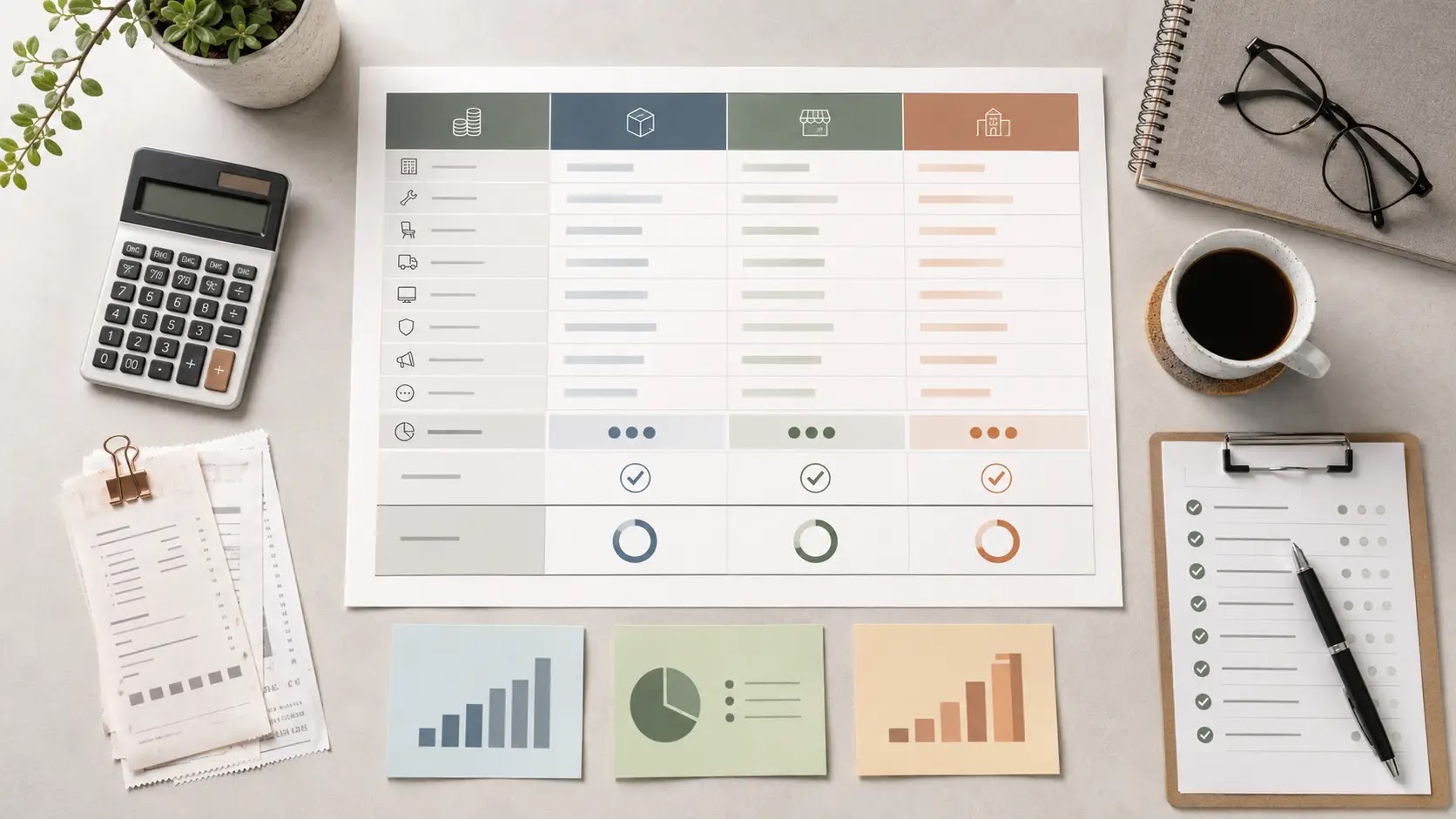
How much working capital should a vending machine business keep?
For a U.S. vending machine business, the right working capital reserve is not a single fixed number. It is the cash cushion that keeps inventory, restocking, route mileage, repairs, commissions, software, and other operating gaps from slowing the business down before revenue stabilizes.
Buyers and founders usually need to decide whether they are funding a brand-new route, an acquisition, or a launch with machines already placed. Each situation changes the cash need because the timing of collections, stocking, service calls, and landlord or location payments can be very different.
In practice, working capital should be planned as a reserve for the ramp period plus a buffer for surprise costs and slower collections. The exact amount depends on the machine mix, route density, local vendor terms, and how quickly each location starts producing repeat sales.
Quick decision frame
| What the reader is deciding | What must be verified locally |
|---|---|
| How much cash to keep before launch and during ramp | Route density, machine placements, vendor terms, and the speed of initial sales |
| Whether the business can absorb early operating gaps | Inventory cost, restock frequency, repair exposure, payment processing timing, and any location-specific fees |
Before you model the reserve, verify the assumption set that drives it.
- Lease or location terms that affect commissions, access, and service timing
- Equipment needs, machine condition, and any buildout or installation costs
- Labor availability for restocking, collection, and service visits
- Menu economics, including product mix, spoilage, and price sensitivity
- Permits, local operating requirements, and any site-specific approvals
- Working capital for inventory, repairs, cash float, and early operating gaps
- Funding readiness, including whether lenders or investors will expect a reserve in the plan
Next, the practical framework breaks these inputs into the specific cost buckets that determine how much cash to keep.
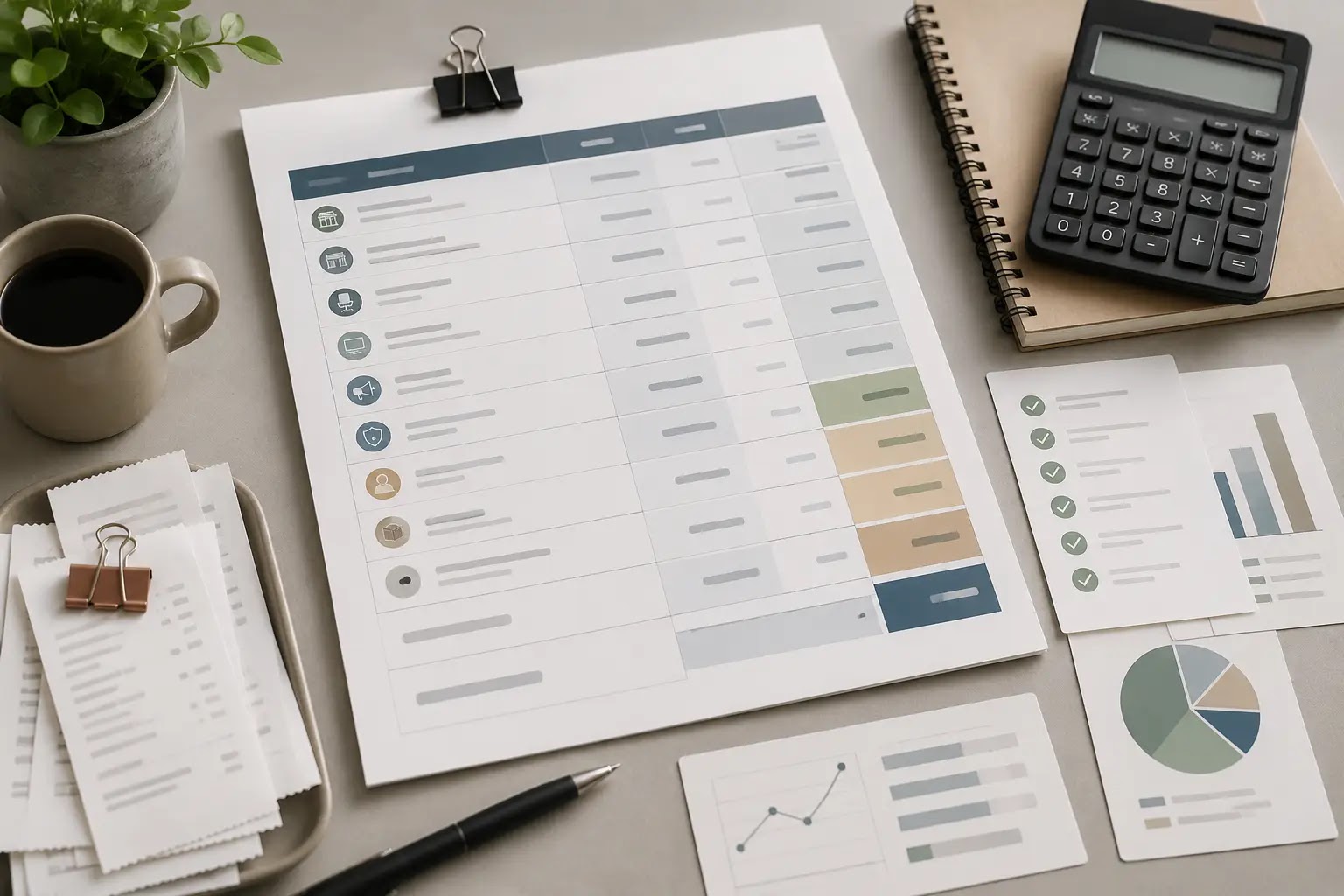
What working-capital inputs should a vending machine founder document first?
For a U.S. vending machine startup, the cash question is not just “how many machines can I buy?” It is whether the route can absorb the early gap between upfront spending, slow initial collections, restocking, repairs, and any location-based payments before the business settles into a stable cycle.
Which cost inputs move the cash requirement most?
| Planning area | Question to answer | Input to collect | Model impact | Verification source |
|---|---|---|---|---|
| Machine acquisition | Are you buying new, used, or leasing the machines? | Quoted machine price, deposit, delivery, setup, and any financing terms | Drives startup cash outlay and any monthly debt or lease payment | Vendor quote, seller listing, financing offer, bill of sale |
| Initial inventory | How much stock is needed to fill each machine at launch? | Product mix, fill levels, case sizes, vendor pricing, and spoilage risk | Sets opening inventory cash tied up before the first sales cycle completes | Supplier price lists, wholesale invoices, test fills, route plan |
| Location commissions or revenue share | Does the location require a fixed payment or percentage of sales? | Lease terms, commission structure, payment timing, and any minimum guarantee | Affects monthly operating cash and timing of cash leave-out | Signed placement agreement, landlord or site operator terms |
| Route mileage and service time | How much travel and labor is needed to service the route? | Route map, service frequency, fuel costs, labor rate, and helper coverage | Increases monthly cash burn before the route reaches steady service density | Route plan, vehicle records, fuel receipts, payroll assumptions |
| Repair and replacement reserve | What cash should be set aside for outages, parts, and replacements? | Machine age, condition, expected maintenance cadence, and parts pricing | Protects the operating account from surprise cash calls | Service history, vendor maintenance guidance, technician estimates |
| Payment processing and software | Will the route use cashless readers, telemetry, or route software? | Installation fees, monthly software fees, processing terms, and hardware costs | Adds recurring overhead and may improve collection visibility | Provider proposal, merchant agreement, software subscription terms |
| Storage and prep space | Do you need warehouse, garage, or off-site storage for inventory and spare parts? | Rental cost, utilities, security needs, and access constraints | Raises overhead if the route cannot be stored from home or an owned space | Space quote, lease terms, utility estimates, landlord confirmation |
| Insurance and business setup | What coverage and setup costs are required to operate and place machines? | Coverage requirements, policy quote, entity setup, and permit-related costs | Initial and recurring cash outflow that must be included in startup budget | Broker quote, insurer terms, state and local business filing records |
| Opening cash cushion | How long can the business run before collections cover routine costs? | Expected sales ramp, restock cadence, payables timing, and reserve target | Defines the working-capital buffer needed to absorb a slow start | Conservative sales assumptions, monthly budget, cash-flow calendar |
How should the assumptions move from research into a documented startup budget?
- Separate startup costs from ongoing working capital. List machines, delivery, initial inventory, and setup costs apart from the cash needed to keep the route operating after launch.
- Build each route assumption from a source. Use vendor quotes, seller documents, supplier price sheets, lease terms, and service estimates instead of rough placeholders.
- Map the service cycle. Record how often each machine is expected to be visited, restocked, and repaired so the cash model reflects timing, not just annual averages.
- Document location terms before forecasting margin. Commission structures, minimum payments, and rent-like obligations can change the cash need more than product mix alone.
- Include operating friction. Add route mileage, fuel, card-reader fees, software, storage, cleaning supplies, and spare parts so the plan does not depend on an unrealistically lean launch.
- Set a repair and downtime reserve. Keep a separate assumption for unexpected fixes, failed payment hardware, and machine downtime so the operating account is not drained by one event.
- Test the launch period, not only the steady state. Early months often have different stocking patterns, lower sales visibility, and slower cash turnover than the mature route you expect later.
- Write down the verification source for every assumption. If a number came from a quote, contract, or local vendor conversation, note it so it can be updated quickly before financing or acquisition decisions.
For startup-cost planning, the key is to turn each assumption into a source-backed input that can be traced, updated, and stressed before you commit capital.
Next, Block 3 translates these inputs into model scenarios, cash-buffer tradeoffs, and risk checks for the working-capital decision.

How should you model working capital and verify the cash need?
For a vending machine business, working capital is the cash buffer that keeps routes moving when sales are uneven, inventory has to be restocked, or machines need service before revenue catches up. The planning question is not just how much a machine costs; it is how much cash is still available after opening inventory, route fuel, commissions, repair reserve, software, and any labor or contractor coverage.
Planning note: The numbers below are illustrative placeholders only. Replace them with current vendor quotes, local route data, lease terms, equipment terms, and verified operating assumptions for your market.
What assumptions usually move the cash requirement?
Underfunding usually shows up in four places: slower-than-expected sales, higher refill and mileage costs, repair surprises, or payment timing gaps between stocking the machine and collecting cash or card revenue. Cash need also changes if you buy multiple machines at once, use financed equipment, or pay location commissions before a route is mature.
- Machine count and whether the route is new, acquired, or already stabilized.
- Opening inventory depth, product mix, and how often each location turns stock.
- Route mileage, fuel, tolls, parking, and time spent on restocking and service.
- Commission or profit-share terms with location owners, if applicable.
- Repair reserve for bill validators, card readers, refrigeration, locks, and wear items.
- Software, telemetry, card-processing, and service platform fees.
- Labor coverage, contractor help, or owner-operator time that must be funded before cash flow is steady.
How can you estimate it without overcomplicating the model?
Working-capital worksheet
| Planning input | What to enter | Cash impact | How to verify |
|---|---|---|---|
| Startup and install cash not financed | Quoted machine purchases, delivery, setup, and any out-of-pocket deposits | Reduces available runway before the route opens | Current seller quote, distributor quote, lender term sheet |
| Opening inventory | First fill and any safety stock needed for the first restock cycle | Front-loads cash before sales normalize | Supplier price list and expected SKU mix |
| Monthly operating burn | Fuel, maintenance, software, processing, commissions, and any labor coverage | Sets the minimum cash buffer for day-to-day operations | Route log, vendor invoices, and service agreements |
| Repair and downtime reserve | Allowance for part replacements, emergency service, and lost sales during outages | Protects the business from small but recurring shocks | Historical repair records or technician estimates |
| Timing gap reserve | Cash needed while sales, collections, and supplier payments are out of sync | Prevents a short-term liquidity squeeze | Payment terms, deposit timing, and collection cadence |
| Contingency reserve | Extra cushion for slower sales, higher commissions, or delayed launch | Improves survival if assumptions miss | Scenario testing against low and base cases |
Simple planning formula: Working capital need = startup cash not financed + opening inventory + one period of operating burn + repair reserve + timing-gap reserve + contingency.
What do the scenario tradeoffs look like?
| Scenario | Assumption pattern | Likely cash pressure | Planning takeaway |
|---|---|---|---|
| Lean | Faster sales ramp, limited repair events, light labor coverage | Lower buffer, but less room for delays or downtime | Works only if route data is already proven and vendor terms are stable |
| Base | Moderate sales ramp, normal refill cadence, routine maintenance | Balanced runway with room for ordinary variation | Useful for lender, landlord, or partner discussions |
| Conservative | Slower sales, higher commissions, longer repair turnaround, more mileage | Higher cash need and more pressure on reserves | Best for new routes, acquisitions with unknown histories, or multi-machine launches |
What should you verify before treating the calculator as decision-ready?
Verification guardrail: Local regulations, taxes, location agreements, utility access, insurance requirements, permit needs, financing conditions, and vendor terms vary by market. Replace placeholders with current local quotes and written terms before you rely on the cash estimate.
- Confirm current machine pricing, freight, installation, and payment terms.
- Collect route-level mileage, fuel, and service time assumptions from your own plan.
- Ask suppliers whether restock minimums, lead times, or substitutions change inventory cash needs.
- Review location commissions, card-processing fees, and any required revenue-share terms in writing.
- Stress-test the model for slower sales, machine downtime, and a delayed launch.
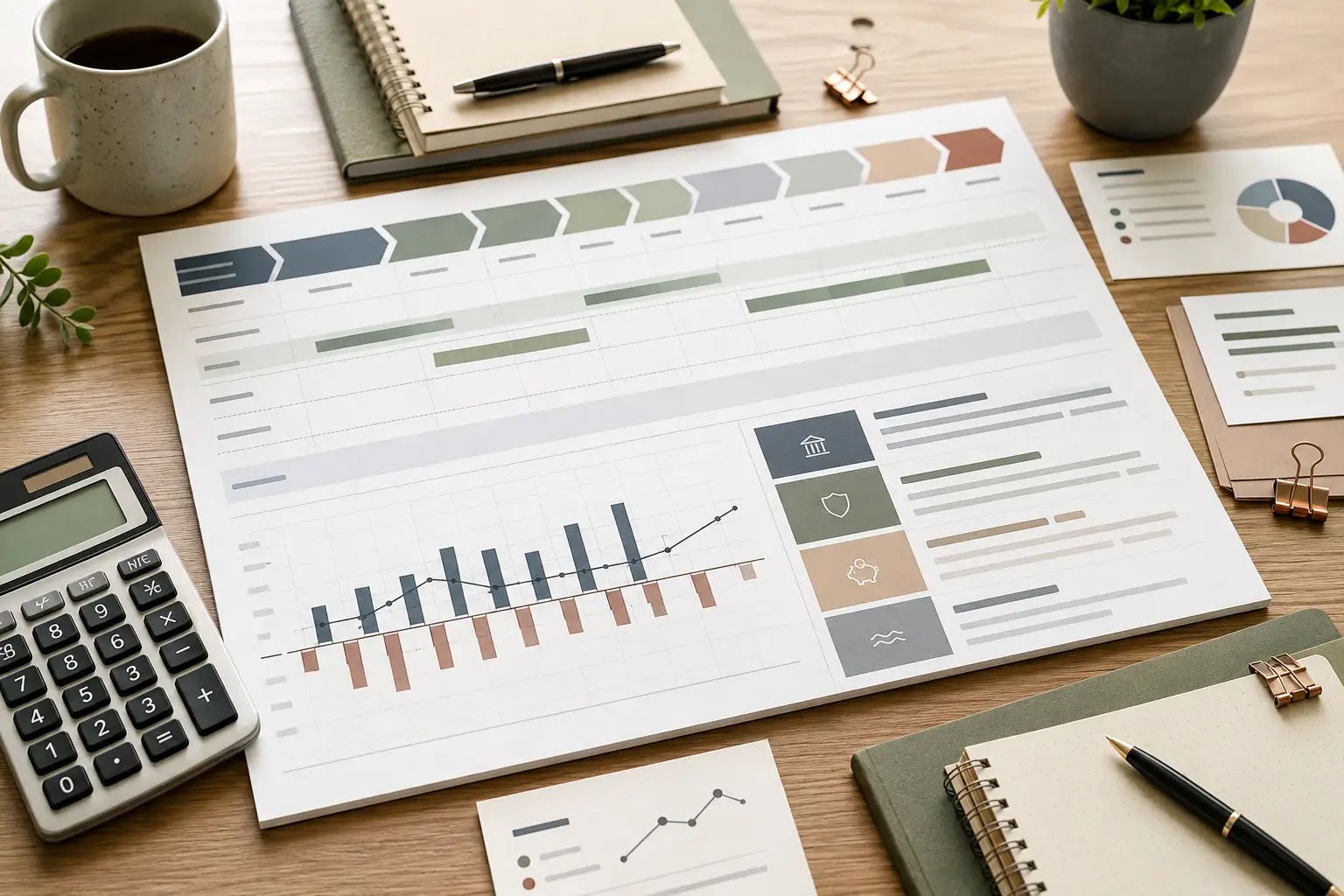
What should a vending machine founder or buyer do next?
If you are still deciding how much working capital to keep, the practical answer is to base it on the cash timing of your own route: machine purchases or acquisition payments, inventory restocks, location commissions, repair surprises, mileage, software, and any slow ramp in sales. The goal is not to guess a perfect number; it is to make sure the business can operate through uneven collections, delayed placements, and early-stage maintenance without forcing a rushed refill of cash.
| Decision item | What to confirm | Status |
|---|---|---|
| Inventory coverage | Can you fund the first stocking and the next refill cycle without waiting on sales? | Ready / Review |
| Placement timing | Are machine installs, route additions, or acquisition handoffs already scheduled? | Ready / Review |
| Repair reserve | Have you set aside cash for breakdowns, replacements, and service calls? | Ready / Review |
| Route operating costs | Have you estimated mileage, fuel, software, commissions, and servicing labor? | Ready / Review |
| Owner cash cushion | Can you handle a slower-than-planned start without draining the business account? | Ready / Review |
| Local terms checked | Have vendor terms, landlord expectations, and financing conditions been verified locally? | Ready / Review |
Next planning steps
- List every cash outflow that happens before steady sales begin.
- Separate startup spend from ongoing working capital needs.
- Test a conservative scenario with slower sales and delayed route growth.
- Confirm inventory ordering terms, service costs, and collection timing with current vendors.
- Check whether your cash reserve can support repairs, commissions, and refills without interruption.
- Update your funding request or acquisition offer based on the full cash cycle, not just the machine price.
When the decision becomes concrete, a business plan, financial model, pitch deck, checklist, and startup toolkit can help organize assumptions, compare scenarios, and document the plan for partners, lenders, landlords, or advisors.
Final takeaway: for a U.S. vending machine business, keep enough working capital to cover startup timing gaps and operating surprises, not just the purchase of the machines themselves.


