
Vending Machine Customer Experience Standards
A practical U.S. planning guide for vending machine customer experience standards, built for founders, buyers, and operators comparing assumptions before committing capital.


What do vending machine customer experience standards mean in practice?
For a U.S. vending machine operator, customer experience standards are the operating rules that keep machines stocked, working, and easy to use. In practice, that usually means deciding how often routes are serviced, how fast outages are addressed, how clean and accessible each machine must be, and how consistently payment and product availability are maintained.
Those standards are not just service preferences. They affect route mileage, labor planning, spoilage, repair response, commissions, software, and working capital. If you are starting, buying, or funding a vending route, the real question is whether the standard can be delivered profitably at the locations you can actually secure.
| What the reader is deciding | What must be verified locally |
|---|---|
| How reliable the service standard needs to be for each location | Location traffic, access hours, landlord expectations, and outage response expectations |
| Whether the standard can be supported by the route plan | Drive time, restock cadence, labor coverage, and repair/vendor support |
| Whether the standard fits the economics | Product mix, pricing, commissions, spoilage risk, and cash tied up in inventory |
- Lease and location access assumptions
- Equipment uptime and replacement timing
- Labor and route coverage assumptions
- Menu mix, price, and product margin assumptions
- Permits, landlord rules, and placement requirements
- Working capital for inventory, repairs, and slow turns
- Funding readiness if you are building a lender- or investor-facing plan
Next, the practical framework turns those assumptions into an operating standard you can test against real routes and locations.
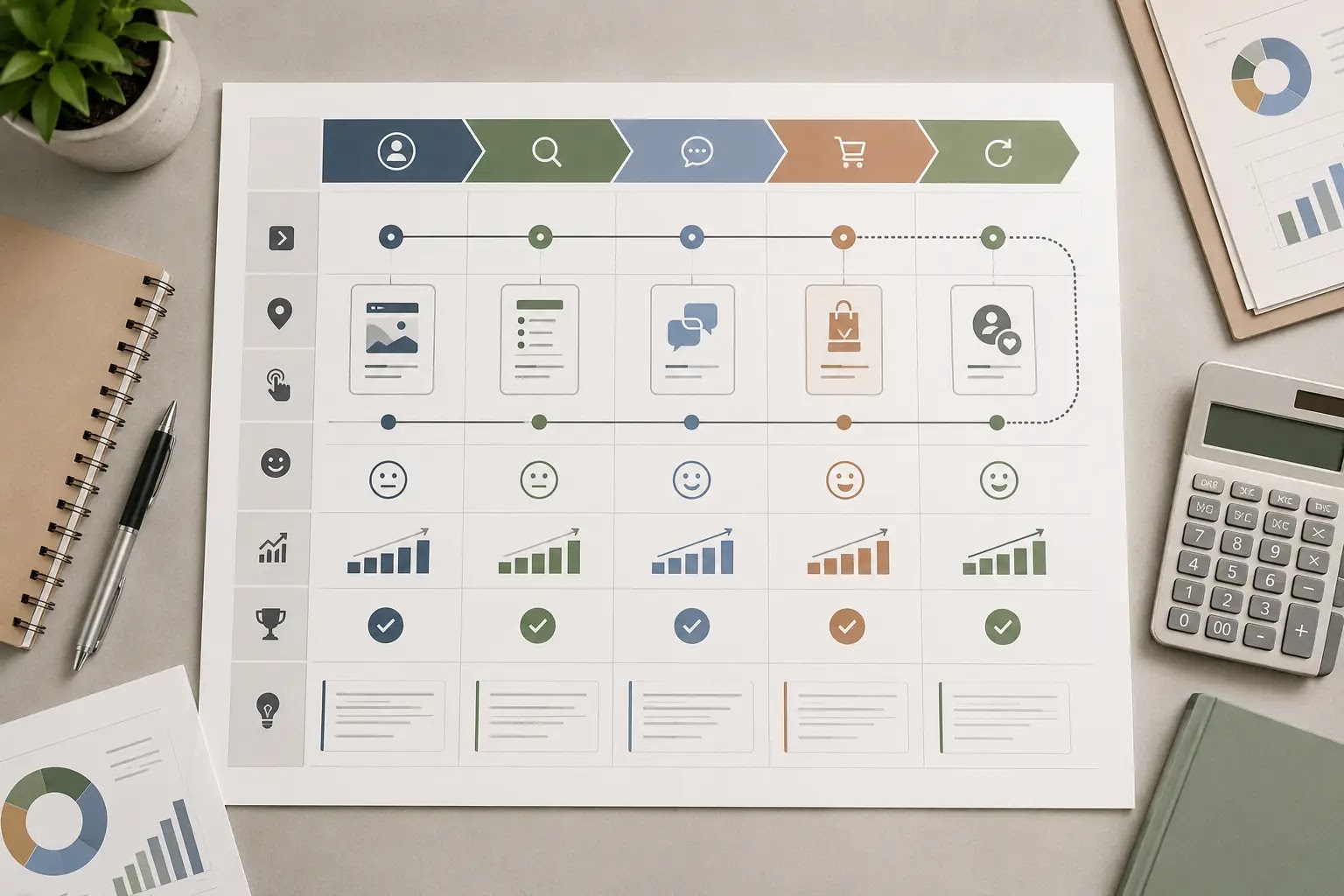
What operating standards should a vending route use before launch?
For a U.S. vending machine business, customer experience standards should be written as operating rules that affect restocking, uptime, route timing, and issue response. The goal is not to create a brand manual first; it is to define the service level you can actually deliver with your machines, inventory, labor, and vendor terms.
Which standards matter most in daily operations?
| Planning area | Question to answer | Input to collect | Model impact | Verification source |
|---|---|---|---|---|
| Stock availability | What should “well-stocked” mean at each location? | Machine count, sales mix, visit frequency, refill trigger level | Inventory purchases, labor time, stockout risk, cash tied up in product | Route logs, machine telemetry, location walk-throughs |
| Product assortment | Which items belong in each machine type and location? | Sales history, site profile, package sizes, customer preferences | Gross margin mix, spoilage risk, reorder quantities, working capital needs | Sales reports, operator interviews, on-site observation |
| Machine uptime | How quickly must a machine be repaired or reset after a fault? | Service response target, technician access, spare parts list, warranty status | Repair reserve, lost sales from downtime, service labor, vendor dependency | Service records, warranty documents, vendor terms |
| Payment reliability | Which payment methods must work consistently at each site? | Cash handling process, cashless setup, connectivity requirements, device compatibility | Equipment upgrades, processor setup, service calls, lost sales from failed transactions | Equipment specs, processor requirements, in-person test transactions |
| Cleanliness and presentation | What condition should the machine and surrounding area be in after service? | Cleaning cadence, supplies, service checklist, site rules | Route minutes, labor cost, supply usage, site retention risk | SOP review, landlord or site agreement, inspection checklist |
| Route efficiency | How many stops can be serviced without hurting quality? | Travel time, stop density, parking/access limits, service windows | Mileage, fuel, labor scheduling, route productivity | Route trial, map planning, access confirmation from site contacts |
| Issue tracking | How will complaints, stockouts, and faults be logged and assigned? | Reporting tool, owner of follow-up, escalation steps, response time target | Admin time, software cost, speed of correction, repeat issue risk | Log template, software demo, pilot reporting process |
How should a founder turn those standards into a usable operating plan?
- Map the location type first. Note whether the site is office, warehouse, school, apartment, gym, or another setting, because the expected product mix, restock cadence, and access window will differ.
- Define the customer experience standard for each machine. Write down what “full enough,” “clean enough,” and “working enough” means for that site so the route team is not guessing.
- Collect operating inputs from the field. Gather sales history, visit timing, access rules, machine condition, payment performance, and any repeat complaints before setting the SOP.
- Set the restocking and inspection cadence. Tie each stop to a visit frequency, service checklist, and escalation trigger for low stock, jams, or payment problems.
- Document route assumptions. Record drive time, service time, product handling time, and any site-specific constraints so the schedule can be tested later.
- Separate routine service from exception handling. Decide what the driver handles on-site, what gets escalated, and what requires a vendor or technician so downtime does not spread across the route.
- Track issues in one place. Use a simple log for stockouts, machine faults, customer complaints, and missed service windows so the standards can be reviewed and revised.
- Convert the operating rules into documented assumptions. Keep the final version in a planning sheet or SOP packet that can be used for staffing, route planning, and later financial analysis.
Next step: once these standards are documented, the next block can translate them into financial model implications, tradeoffs, and risk checks for labor, mileage, inventory, repairs, and working capital.
What planning tradeoffs shape vending machine customer experience standards?
For a vending machine operator, customer experience standards are not just about presentation; they affect repeat purchase behavior, complaint volume, and how much labor, mileage, and working capital the route needs. The practical tradeoff is simple: tighter standards usually require more frequent checks, faster repair response, better inventory control, and more reliable software and payment systems.
That means the right standard is not “best in theory,” but “supportable in your market.” If the route is spread out, labor and fuel can push you toward fewer service touchpoints. If the machines are in high-traffic locations, stale stock, empty facings, cashless outages, or slow refunds can create outsized reputational damage. These assumptions should be modeled before you promise service levels to a location partner, lender, or investor.
In planning terms, customer experience standards usually depend on four operating variables: restock frequency, repair turnaround, product mix discipline, and payment-system reliability. Each one changes the cost structure and the amount of buffer inventory or spare parts you need. The more consistent the standard, the more important it is to confirm supplier terms, route density, and cash flow timing before launch.
Which operating scenario creates the biggest risk?
High-service route
Good for premium locations, but it assumes frequent restocking, faster repairs, and more time on route.
Lean-service route
Lower operating load, but it raises the risk of stockouts, slower issue resolution, and weaker customer satisfaction.
Tech-heavy route
Cashless and telemetry tools can improve visibility, but they add software dependence, vendor terms, and recurring fees to verify.
| Planning risk | Why it matters in vending | Assumption affected | How to verify |
|---|---|---|---|
| Stockouts or stale inventory | Customers notice empty slots, damaged packaging, or old product quickly. | Restock frequency, spoilage allowance, working capital | Review route volume, product shelf life, and location traffic with current sales data. |
| Machine downtime | Out-of-service machines reduce sales and can hurt location relationships. | Repair budget, spare parts inventory, service response time | Check technician availability, parts lead times, and service call turnaround from vendors. |
| Payment failures or software gaps | Cashless issues can block purchases and limit sales visibility. | Software cost, support needs, revenue collection timing | Confirm device compatibility, connectivity needs, and support terms with current providers. |
| Excess route mileage | Long drives raise labor and fuel burden and reduce time available for service. | Staffing plan, route density, profit margin | Map stops, service windows, and travel time using the actual location list. |
| Location commission pressure | Higher commission expectations can narrow room for service upgrades. | Net margin, location selection, pricing flexibility | Review lease or location terms and compare alternatives before committing. |
Local verification reminder: regulations, costs, vendor terms, lease terms, financing conditions, insurance expectations, and equipment pricing vary by market and by location type. Check current local sources and written agreements before you lock in service standards, staffing levels, or route assumptions.
Before the final action checklist, make sure your standards are tied to what you can actually staff, finance, and measure. The next step is turning these risk points into a short operating checklist that you can use for route setup, monthly reviews, and launch readiness.

What should a vending machine operator do next?
Practical recap: Customer experience standards in vending are mostly an operations decision. The real work is setting a repeatable standard for machine uptime, product availability, route timing, repair response, pricing visibility, and issue reporting. Those choices affect labor, mileage, inventory carry, software, commissions, and working capital.
If you are buying, launching, or expanding, the question is not whether service matters—it is whether your route economics can support the level of service you want to promise.
Next-step checklist
- Define the customer experience standard for each machine type and location type.
- Confirm how often each route can be serviced without creating stockouts or long gaps.
- Estimate labor, mileage, inventory, and repair time needed to meet that standard.
- Review commission terms, lease terms, and vendor terms that affect service frequency and margins.
- Document response time expectations for jams, outages, refunds, and replenishment misses.
- Build the standard into your operating assumptions so it appears consistently in the financial model and plan.
Readiness scorecard
| Readiness item | What to confirm | Ready when... |
|---|---|---|
| Service standard | Restock frequency, uptime target, and response expectations | The standard is documented and realistic for the route |
| Route economics | Mileage, stop density, labor, and fuel impact | The service plan still supports acceptable unit economics |
| Inventory planning | Product mix, reorder timing, and shrink risk | Stock levels match demand patterns and service cadence |
| Repair process | Who handles jams, parts, vendors, and escalation | Breakdowns have a defined owner and response path |
| Reporting | Sales, outages, service misses, and exception tracking | You can see problems before they become recurring losses |
Verify locally: Route costs, site expectations, supplier terms, lease language, commission structures, and any local operational requirements vary by market. Check current terms with the relevant location owners, vendors, and local sources before you finalize your plan.
For founders and buyers, the useful next move is to put these assumptions into a working business plan and financial model so you can compare service levels, staffing needs, and cash needs before you commit. A pitch deck, checklist, and startup toolkit can help you organize the same assumptions for partners, lenders, landlords, or advisors.


