
Vending Machine Permit Delays: How to Protect the Launch Plan
A practical U.S. planning guide for vending machine permit delays: how to protect the launch plan, built for founders, buyers, and operators comparing assumptions before committing capital.


How should a vending machine launch handle permit delays?
For a vending machine founder or buyer, permit delays are usually not just a paperwork issue—they can push back machine placement, inventory movement, route scheduling, and the point when sales begin. The practical move is to treat permits and local approvals as a launch-path risk, not a last-step formality.
If the delay affects location access, utility hookups, health rules, or host-site approval, the launch plan should assume extra time before the first machine goes live. That means protecting cash, preserving placement options, and checking whether your operating model still works if revenue starts later than expected.
The right decision is less about “Can I start?” and more about “What has to be true locally before I can place machines, stock inventory, and operate without interruption?”
| What the reader is deciding | Whether the vending launch can proceed on the current timeline, or whether permits, site approvals, and related delays require a revised opening plan. |
|---|---|
| What must be verified locally | Permit type, city or county rules, host-site requirements, insurance terms, equipment rules, and how long approvals typically take in that market. |
Big assumption categories to check early:
- Lease or placement terms for each location
- Equipment lead times, installation needs, and service access
- Labor needs for stocking, cleaning, and repairs
- Menu economics, including product mix and margin pressure
- Permits, licenses, and host-site approval timing
- Working capital for inventory, route mileage, and downtime
- Funding readiness if launch timing shifts the cash need
Next, use a practical framework to separate the local verification items from the assumptions that belong in the launch model.
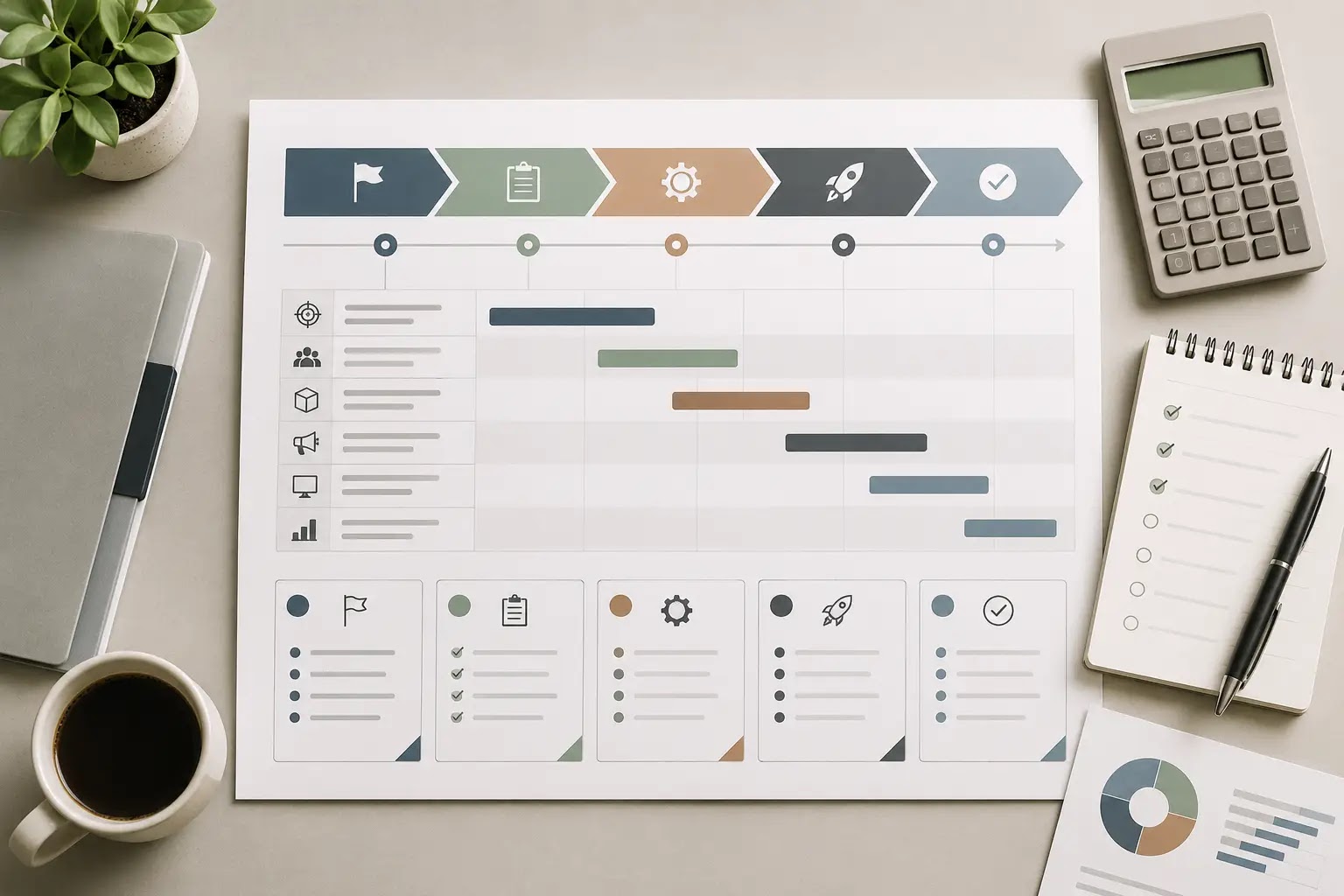
What should a vending operator verify before the launch schedule is locked?
For a U.S. vending machine launch, the main risk is not just whether a permit exists, but whether a delay changes your route timing, machine install dates, inventory buys, insurance certificates, and location contracts. The practical move is to turn each license or insurance question into a documented assumption before you commit to machines or placements.
Which local inputs change the launch plan?
| Planning area | Question to answer | Input to collect | Model impact | Verification source |
|---|---|---|---|---|
| Business registration and tax setup | What filings must be in place before sales begin? | Entity status, local business registration needs, tax account requirements | Launch timing, admin cost, and whether revenue can start on schedule | State, county, and city business offices; tax agency guidance |
| Vending or peddler permits | Does the city, county, or site require a vending-specific permit? | Permit type, application steps, review lead time, renewal timing | Machine placement dates, route opening sequence, and delay buffer | Local clerk, licensing office, and municipal code resources |
| Health and food-related approvals | Are any food, beverage, or storage approvals required for the product mix? | Product categories, storage rules, inspection triggers, labeling or handling requirements | SKU selection, inventory timing, supplier choice, and compliance tasks | Local health department and state food-safety guidance |
| Placement and site approval | Does the property owner require a written approval or location contract? | Lease terms, commission terms, access windows, machine size limits, utility needs | Route mileage, install timing, commission expense, and site viability | Landlord, property manager, site contract, and access rules |
| Insurance certificates | What coverage and proof does the location or lender require? | Coverage types, certificate wording, additional insured requests, deductible level | Monthly overhead, funding readiness, and whether a site can be activated | Insurance broker, carrier, landlord requirements, lender checklist |
| Vendor and repair coverage | Can suppliers and technicians support the route on the needed timeline? | Restock lead times, service response times, parts availability, warranty terms | Downtime risk, repair reserves, inventory turns, and working capital | Supplier quotes, service agreements, equipment warranty documents |
How should a founder turn permit checks into documented assumptions?
- Map every launch location by jurisdiction. List the city, county, and property type for each site so you can check the right office, not just a generic vending rule.
- Separate “required before sale” items from “required before placement” items. Some approvals affect the legal start date, while others affect when a machine can be installed or stocked.
- Collect the exact wording on insurance and site terms. Note any certificate requirements, additional insured language, access restrictions, commission formulas, or repair responsibilities.
- Write down the approval lead time and the fallback path. If a permit, inspection, or certificate is delayed, document whether you can shift the machine to another site, delay stocking, or hold inventory.
- Convert each delay into a launch assumption. Capture how a permit delay affects install dates, route mileage, inventory purchases, repairs, commissions, and starting working capital.
- Save source notes for every assumption. Keep the contact name, date, office, and document or email that supports the assumption for lender, partner, or landlord review.
What should be ready before you treat the launch date as real?
- Permit and license questions have been checked for each target location, not just one city office.
- Insurance requirements from the landlord, lender, or site host are written down.
- Product category rules are matched to the intended snack, beverage, or specialty mix.
- Commission terms, access hours, and service obligations are attached to each location assumption.
- Inventory timing, repair reserves, and route mileage are updated for any delay window.
- Every local rule or vendor term that could change the launch has a current source attached.
Use this framework to document the assumptions first; then the next section can translate those delays into financial model timing, working-capital pressure, and launch tradeoffs.
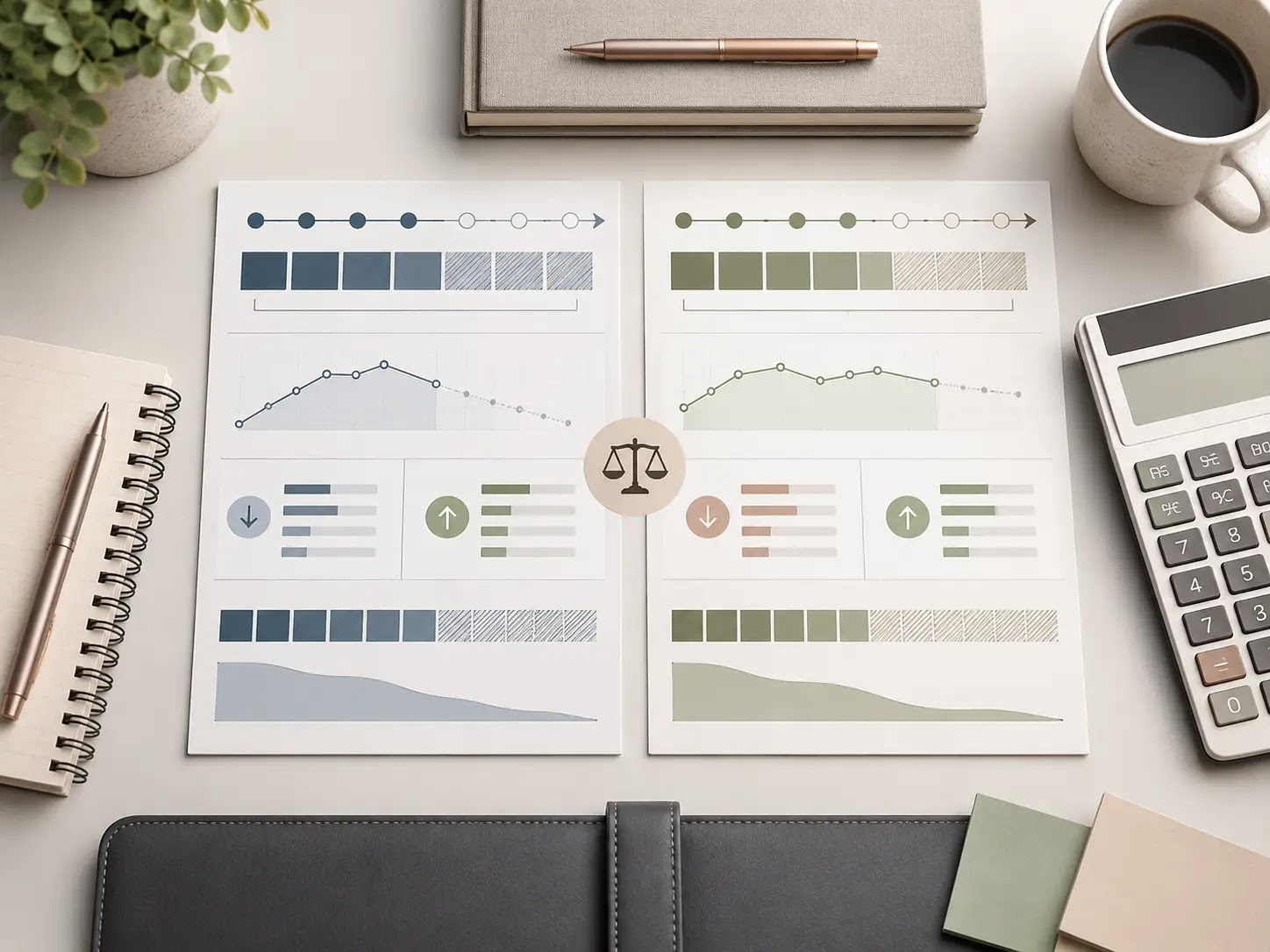
What happens to the launch plan if vending permits move slowly?
If permit review, landlord approval, or vendor paperwork takes longer than expected, the main planning issue is not just timing — it is cash flow. A vending launch can be delayed by location access, machine delivery timing, stocking schedules, route setup, or certificate requirements that need to be in place before equipment is placed. That can push back revenue while rent, storage, insurance, software, repairs, and mileage-related costs may still continue.
For founders and buyers, the practical question is whether the plan can absorb a delay without breaking the rollout sequence. A stronger plan usually has backup locations, a staged deployment order, and enough working capital to cover a slower start. It also keeps machine acquisition, inventory ordering, service contracts, and route planning flexible enough to avoid paying for capacity before locations are ready.
Use this part of the plan to test the tradeoff between speed and certainty: a faster launch can reduce idle time, but it can also create avoidable rework if documents are incomplete or a host site is not ready. In many vending models, the safer approach is to sequence machines by verified location readiness rather than by the equipment delivery date alone.
Scenario: short delay
Planning effect: the launch shifts, but the route can usually stay intact if inventory, transport, and machine installation are still aligned.
Tradeoff: holding a little extra cash and keeping ordering flexible may cost less than rushing into a weak site.
Scenario: extended delay
Planning effect: working capital pressure rises because revenue starts later while fixed and semi-fixed costs continue.
Tradeoff: you may need to phase the rollout, postpone some machine purchases, or renegotiate start timing with vendors or landlords.
Scenario: mixed approvals by location
Planning effect: one site opens while another remains blocked, which can distort route mileage, stocking frequency, and repair scheduling assumptions.
Tradeoff: the plan should model location-by-location readiness instead of assuming every machine goes live on the same date.
| Planning risk | Why it matters in vending | Assumption affected | How to verify |
|---|---|---|---|
| Location approval not finalized | The machine cannot be placed or serviced as planned. | Launch timing, route density, opening revenue | Confirm written site approval and any placement conditions with the location contact. |
| Permit or registration review takes longer | Equipment may be ready before the business can operate at that site. | Go-live date, inventory order timing, working capital | Check the current review process with the local agency handling the filing. |
| Insurance or certificate request changes | A landlord or location may require proof before access is granted. | Lease start date, placement schedule, vendor coordination | Request the exact certificate wording and delivery format from the counterparty. |
| Lease or placement terms change late | Commissions, access hours, or responsibilities can affect economics. | Margin, service frequency, repair access, route mileage | Review the final written terms before committing to install. |
| Supply or stocking plan is too rigid | A delayed opening can leave inventory sitting or ordering windows missed. | Inventory carry, spoilage risk, cash conversion cycle | Confirm order lead times and minimums with suppliers and distributors. |
Before you move to the final action checklist, make sure the plan identifies which assumptions are fixed, which are flexible, and which ones need written confirmation. That way, the launch can be adjusted without losing track of machine placement, inventory timing, repair coverage, or route economics.
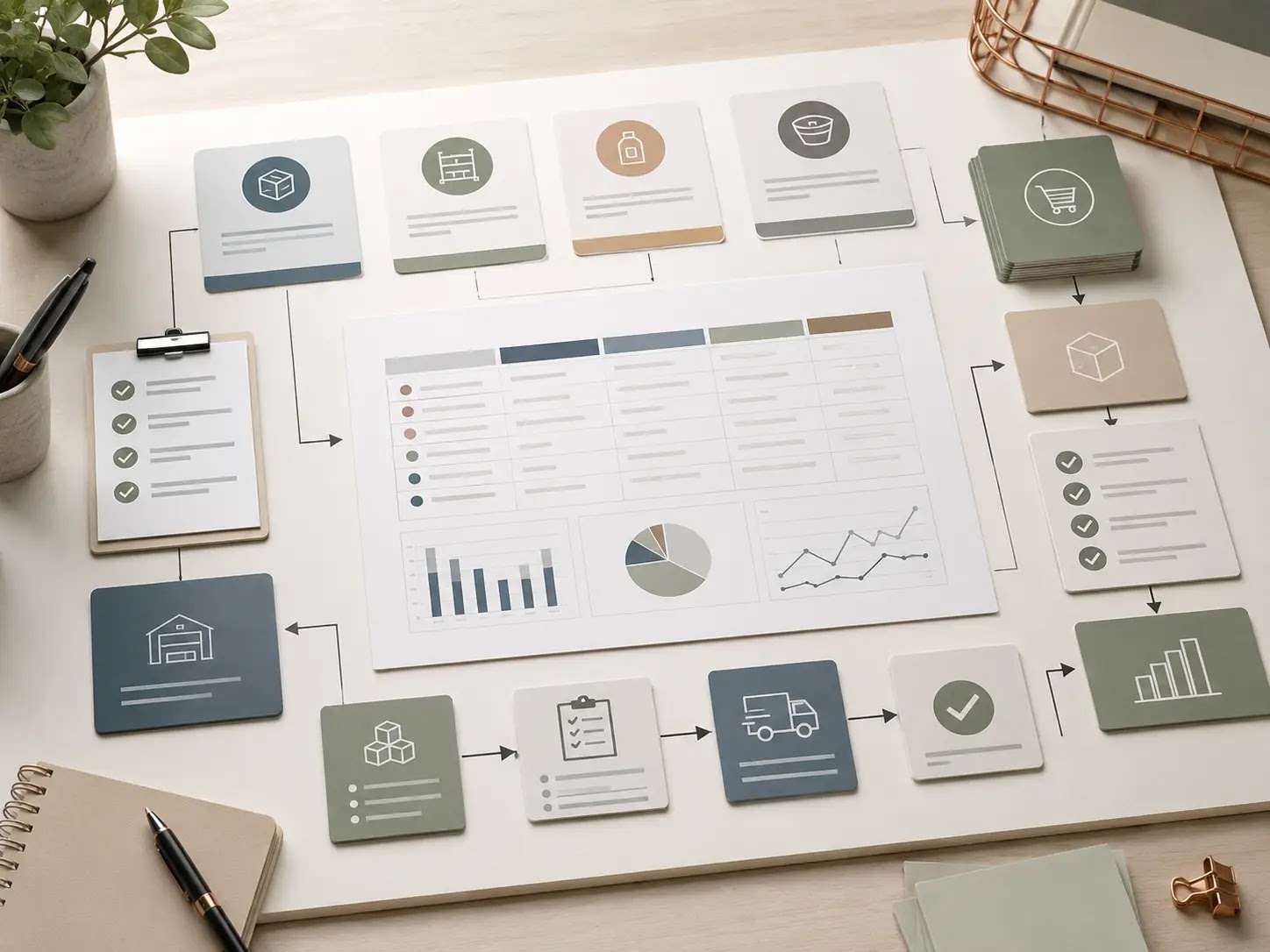
What should you do next if vending permit delays could push your launch?
The practical takeaway is simple: treat permit timing as a launch-risk item, not a paperwork detail. If approvals are not fully clear, build your opening plan around delay buffers, signed vendor terms, and a cash reserve for rent, equipment, inventory, route mileage, software, and early repairs.
For founders and buyers, the decision path is: verify local requirements, map the longest likely approval path, protect the lease and supplier timeline, and make sure the opening budget still works if revenue starts later than planned.
Readiness scorecard: are you protected from delay?
| Readiness signal | What it means | Next move |
|---|---|---|
| Permit status is still unclear | Opening date is exposed to delay | Confirm the exact agency, form, and review path before committing to launch timing |
| Lease or location agreement is signed | Fixed costs may start before revenue | Check for start-date flexibility, holdover terms, and any location-specific approval conditions |
| Inventory and machine orders are placed | Cash can be tied up before installation | Align delivery timing with permit readiness and supplier terms |
| Working capital is thin | Small delays can create a cash squeeze | Stress-test the model for a later opening and slower first-month sales |
| Vendor contracts are flexible | Launch can shift without major penalties | Keep written confirmations and ask about rescheduling terms in advance |
Next-step checklist before you commit to launch
- Confirm every permit, license, inspection, and insurance item that applies in your city, county, and state.
- Ask each landlord, site host, and vendor whether the launch date can move without penalty.
- Update the budget for delay costs, including rent, storage, insurance, travel, and extra inventory handling.
- Test the opening plan under a later-start scenario and a slower ramp in machine sales.
- Document who is responsible for each approval step so nothing sits idle.
- Keep a current list of local contacts and written confirmations for approvals, deliverables, and access dates.
If the permit path is affecting financing, landlord discussions, or a partner decision, a business plan, financial model, pitch deck, checklist, and startup toolkit can help organize assumptions, compare launch scenarios, and document the plan clearly for lenders, landlords, advisors, or co-owners.


