
Vending Machine Admin Workflow: Bookkeeping, Payroll, and Reporting
A practical U.S. planning guide for vending machine admin workflow: bookkeeping, payroll, and reporting, built for founders, buyers, and operators comparing assumptions before committing capital.

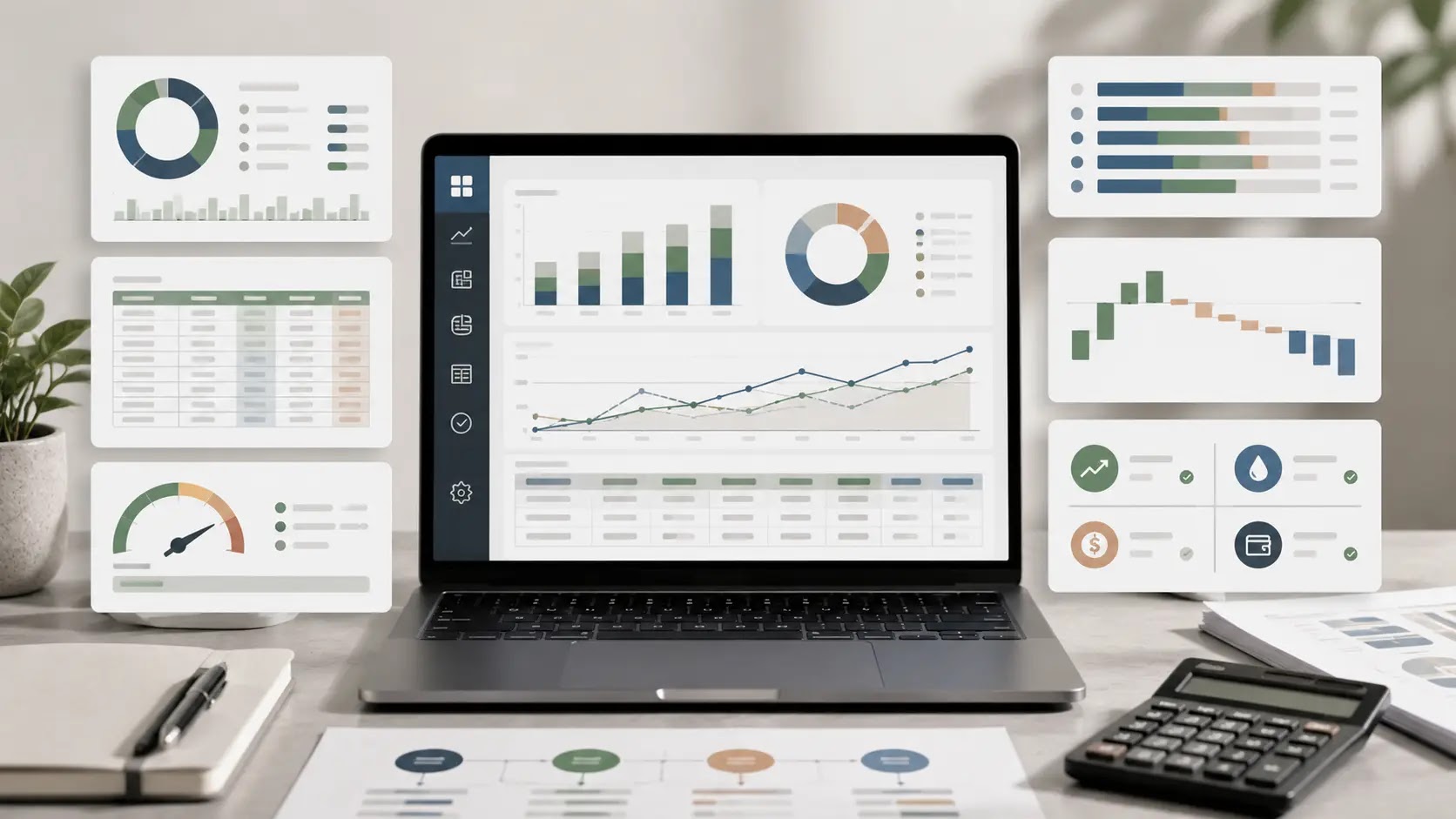
How should a vending machine operator set up bookkeeping, payroll, and reporting?
For a U.S. vending machine business, the right admin workflow is the one that turns route activity into usable cash-flow data. In practice, that means tracking sales by machine or location, inventory used, route mileage, repairs, commissions, software fees, and any labor tied to restocking or service.
If you are buying, launching, or expanding a route, the main question is not whether bookkeeping exists, but whether it is detailed enough to support pricing, staffing, lender or investor review, and day-to-day control. Payroll only matters if you hire employees or regular help; if you rely on contractors, owner labor, or a manager, those terms still need to be documented and verified locally.
The goal is to keep the admin system simple enough to run every week, but structured enough to separate machine performance from general overhead. That makes it easier to judge whether a location is worth keeping, whether a repair or commission change is acceptable, and whether working capital is enough to absorb slow collections or stock-up cycles.
Quick decision frame
| What the reader is deciding | Whether the vending workflow should stay owner-managed and simple, or be built to support hired route labor, formal reporting, and funding-ready records. |
|---|---|
| What must be verified locally | Lease terms, vendor and commission terms, payroll setup, insurance needs, permit and licensing requirements, software costs, and current market pricing for equipment, supplies, and labor. |
- Lease or buildout terms for each location
- Equipment condition, age, and replacement timing
- Labor needs for stocking, service, and collection
- Menu economics by machine and location
- Permits, licenses, and site-specific requirements
- Working capital for inventory, repairs, and slow cash cycles
- Funding readiness, including clean records for a lender or pitch deck
With those assumptions named, the next step is the practical workflow for organizing bookkeeping, payroll, and reporting around route-level decisions.
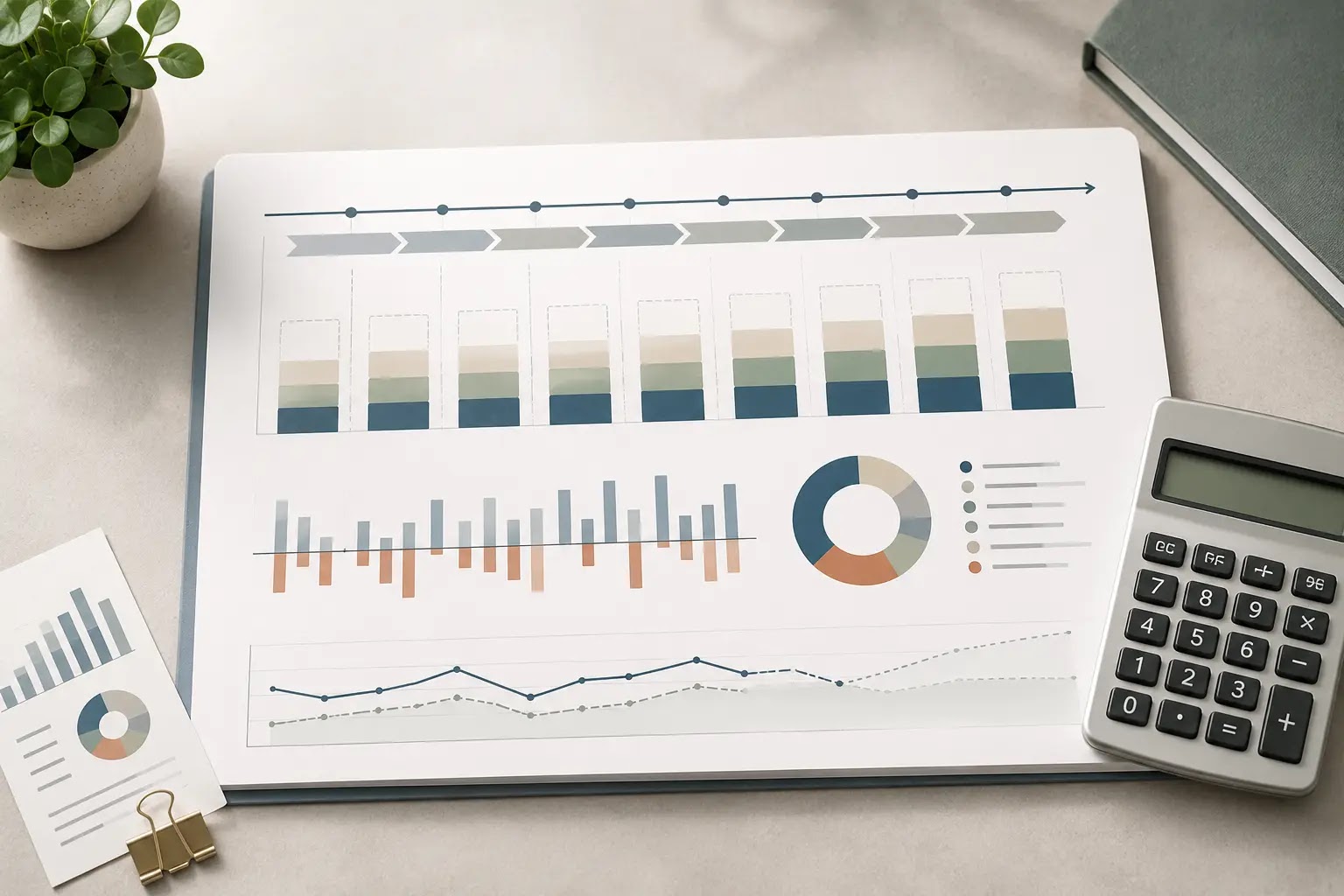
How should a vending machine operator structure bookkeeping, payroll, and reporting?
For a U.S. vending business, the admin workflow should be built around route activity, machine-level sales, cash reconciliation, restocking, repair spend, commissions, and labor tracking. The goal is not just “keeping books,” but creating a repeatable system that turns daily operating activity into documented assumptions a lender, buyer, or partner can follow.
What the workflow needs to capture
| Planning area | Question to answer | Input to collect | Model impact | Verification source |
|---|---|---|---|---|
| Machine sales tracking | How are sales captured by machine, route, and location? | Vend counts, cash collections, card/telemetry reports, date stamps, machine ID | Revenue by machine, route productivity, location comparison | Machine software, collection logs, bank deposits |
| Cash reconciliation | How is collected cash matched to expected sales? | Collection totals, deposit records, shrink notes, over/short amounts | Cash leakage, reporting accuracy, working capital timing | Deposit slips, safe counts, reconciliation sheets |
| Restocking usage | What inventory moves through each machine and route? | SKU usage, fill quantities, spoilage, product costs, par levels | Gross margin, inventory turns, reorder timing | Purchase invoices, route sheets, inventory logs |
| Route labor | How much paid time does stocking, counting, and service take? | Driver hours, labor rate, overtime risk, route frequency | Payroll expense, route cost per stop, staffing needs | Timecards, schedules, payroll records |
| Route mileage and fuel | What does it cost to move product and service machines? | Miles driven, fuel spend, vehicle maintenance, route zones | Delivery cost, service cost per route, vehicle reserve needs | Mileage log, fuel receipts, maintenance invoices |
| Commissions and location payments | What terms apply to the site owner or placement partner? | Commission formula, flat rent, payment schedule, contract term | Net revenue, location profitability, payback assumptions | Location agreements, payment records, renewal terms |
| Repair and maintenance | Which service costs should be treated as recurring? | Parts, technician labor, call frequency, machine age, downtime | Operating expense, reserve planning, uptime assumptions | Service tickets, vendor invoices, equipment history |
| Reporting cadence | What reports are needed for owners and decision-making? | Weekly route summary, monthly P&L, machine scorecard, variance notes | Management visibility, lender readiness, investor reporting | Accounting system, dashboard exports, manual reports |
How should a founder turn operations into documented assumptions?
- List every machine, route, and location so revenue and cost data can be tracked at the right level.
- Define the collection process for cash, card sales, and telemetry so reported sales can be reconciled to deposits.
- Create a restocking log that records product pulled, product loaded, spoilage, and stockouts by machine.
- Assign labor buckets for stocking, collection, counting, driving, cleaning, and repair follow-up.
- Track mileage, fuel, parking, and vehicle maintenance separately from inventory purchases.
- Record commissions, site rent, and any other location-based payments with the contract terms attached.
- Separate routine repairs from replacement-capital decisions so operating expense and equipment assumptions stay clear.
- Set a reporting cadence for weekly route review, monthly bookkeeping close, and exception reporting.
- Document each assumption in the business plan or model with its source: log, invoice, contract, software export, or owner estimate.
What should be standardized before the model is built?
- Machine ID, location, and route assignment are consistent across logs, invoices, and reports.
- Sales are recorded the same way every time, even when cash and card data come from different systems.
- Restocking, spoilage, and shrink are treated as separate inputs instead of blended into one line item.
- Payroll and owner labor are clearly separated from product cost and maintenance cost.
- Commission terms and vendor terms are attached to each location where they affect margin.
- Route mileage and vehicle costs are tracked often enough to support planning, not just tax filing.
- Exceptions such as machine outages, theft, missing cash, and repair downtime are logged promptly.
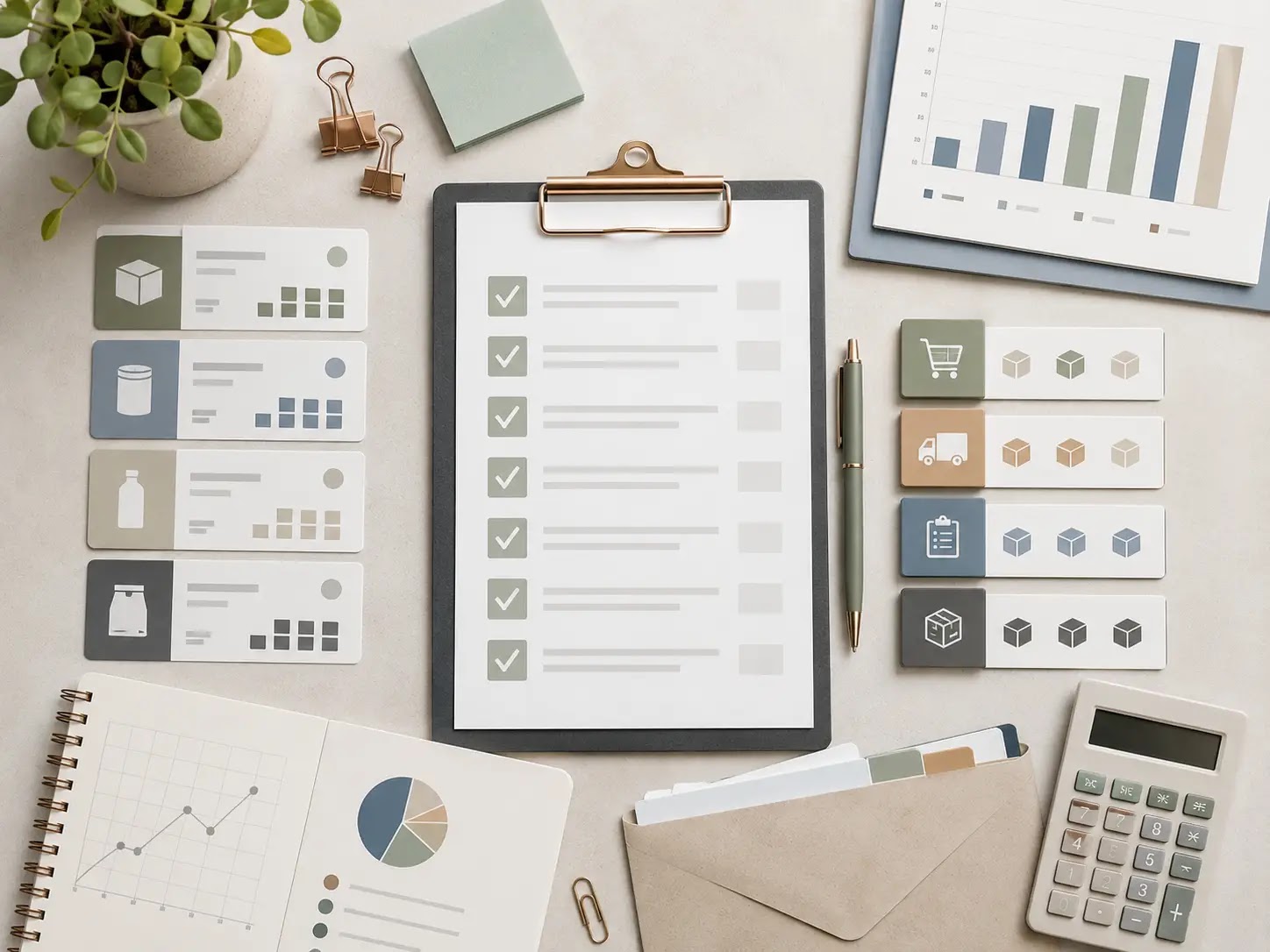
What can distort the numbers in a vending admin workflow?
For a vending business, bookkeeping, payroll, and reporting usually break down when the machine-level data is incomplete. If route mileage, cash pulls, card deposits, commissions, repairs, and restock counts are not tied back to each machine, the monthly numbers can look cleaner than the actual operation. That matters whether you are buying a route, opening one, or trying to show lenders and partners a defensible operating picture.
The biggest planning tradeoff is usually simplicity versus precision. A lean setup may be fine for a small owner-operated route, but once you add drivers, techs, or multiple payment channels, you need stronger controls around labor, reimbursements, inventory movement, and settlement timing. If you understate those inputs, your margin, working capital need, and owner compensation target can all be misleading.
Scenario panel: where admin assumptions change fastest
Owner-operated route
Admin work is lighter, but owner time, mileage, and collection handling must still be tracked or the business can appear more profitable than it is.
Small team with payroll
Payroll timing, route assignment, and service logs become part of the model. Any missed hours or messy approval process can distort labor cost and reporting.
Acquisition with mixed records
Legacy statements, incomplete commissions, and unclear repair history can force conservative assumptions until deposits, invoices, and machine counts are reconciled.
| Planning risk | Why it matters in vending | Assumption affected | How to verify |
|---|---|---|---|
| Unreconciled cash and card deposits | Route income can be overstated if deposits, processor settlements, and machine pulls do not match. | Revenue, shrink, and month-end cash flow | Compare machine counts, bank deposits, processor statements, and route logs by machine and by period. |
| Unclear commission or location-share terms | Location payments can materially change gross margin and may vary by site or contract. | Net revenue and site profitability | Review signed agreements, renewal terms, and current payment practices with the location contact. |
| Underestimated payroll and labor handling | Drivers, techs, or helpers add wages, approvals, and recordkeeping steps that affect cash needs. | Labor burden and owner draw capacity | Map who does each task, what hours are needed, and how timesheets or schedules are approved. |
| Route mileage and vehicle costs not captured | Fuel, maintenance, and travel time can be significant for dispersed machine routes. | Operating expense and route efficiency | Track miles by route, tie repairs to vehicle records, and compare against actual service frequency. |
| Repair and spoilage costs smoothed out too early | Older machines or problem locations can create irregular service expenses that need conservative treatment. | Maintenance reserve and working capital | Pull service invoices, parts history, and downtime records before finalizing projections. |
| Software or reporting workflow not fully adopted | Automation only helps if collections, restocks, and adjustments are entered consistently. | Reporting cadence and management visibility | Test the workflow on a small sample of machines before relying on it for monthly reporting. |
In practice, the main question is not whether the workflow exists, but whether it is reliable enough to support decisions. If the data is strong, you can use it to evaluate route expansion, staffing, vendor changes, and owner compensation. If the data is weak, the safer move is to tighten the assumptions before you treat the numbers as decision-ready.
Use these risks and verification points to pressure-test your assumptions now, then carry the confirmed inputs into the final action checklist so your month-end close, reporting cadence, and decision thresholds are easier to execute.
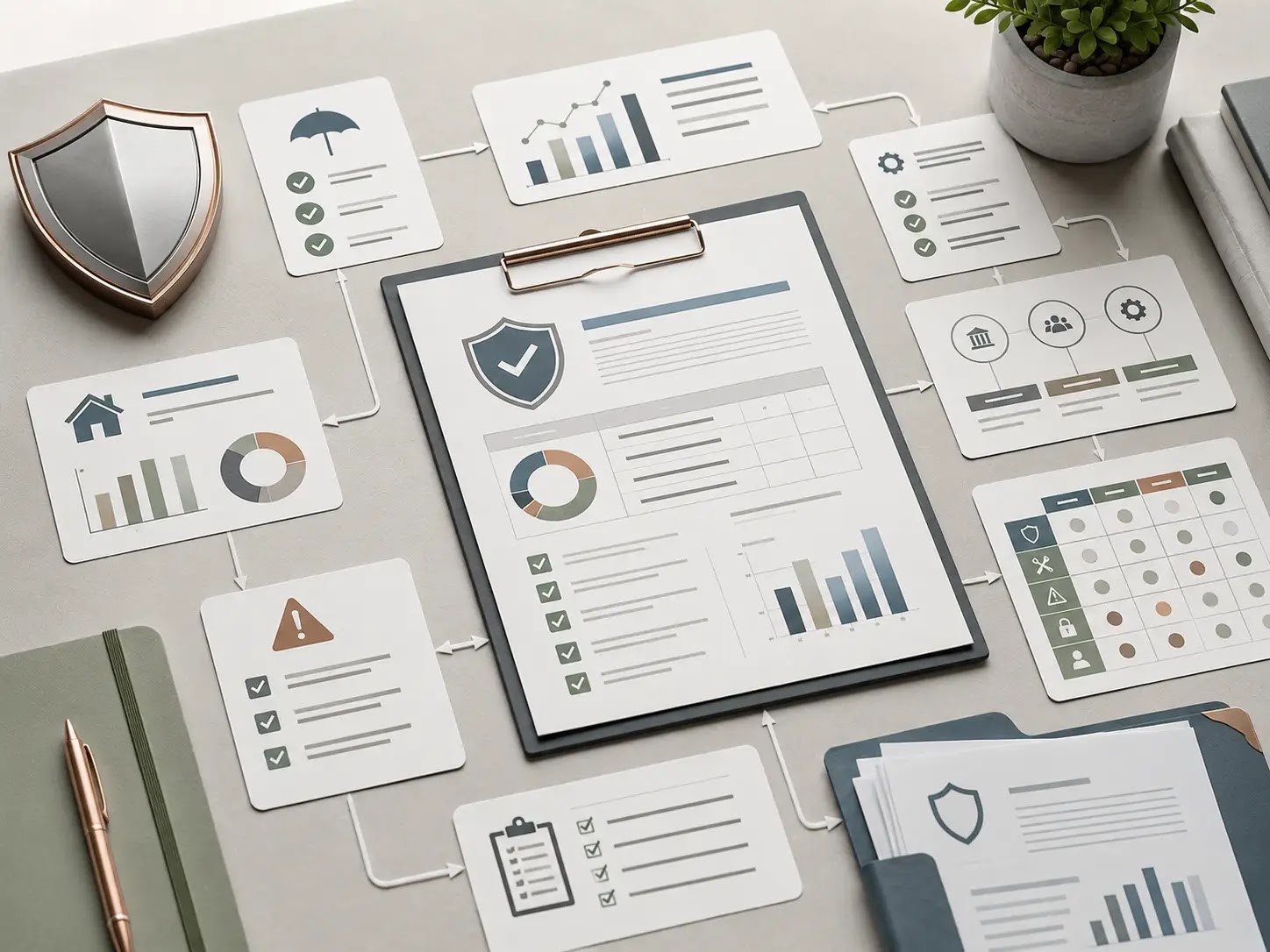
What should you do next before you finalize the admin workflow?
The practical decision path is simple: define how each machine, route, and vendor transaction will be recorded; decide who handles payroll or owner draws; and set a reporting cadence that shows cash, inventory shrink, repairs, commissions, and route mileage before they become surprises.
For a U.S. vending machine founder or buyer, the goal is not just cleaner bookkeeping. It is a repeatable system that supports staffing, controls working capital, and gives lenders, landlords, and advisors a clear view of operating discipline.
Next-step checklist
- Confirm how sales, cash pulls, card settlements, and deposits will be logged for each machine or route.
- Separate inventory, repairs, commissions, payroll, and mileage into distinct expense categories.
- Choose who enters transactions, who reviews exceptions, and how often reports are reconciled.
- Set a monthly close date so bookkeeping, route reporting, and cash review happen on a schedule.
- Document how software, routing tools, and payment processors feed the reporting process.
- Review whether working capital is sufficient for inventory, service calls, and timing gaps between sales and cash flow.
Readiness scorecard
| Planning item | Ready? |
|---|---|
| Machine-level sales and cash tracking | Yes / No |
| Inventory and restocking logs | Yes / No |
| Payroll or owner pay method documented | Yes / No |
| Repairs, commissions, and mileage categorized | Yes / No |
| Monthly reporting and reconciliation schedule set | Yes / No |
| Working capital buffer reviewed | Yes / No |
Practical planning bridge
If you are turning this workflow into a launch, acquisition, or lender-ready package, a business plan, financial model, pitch deck, checklist, and startup toolkit can help organize assumptions, compare scenarios, and document the plan for partners, lenders, landlords, or advisors.
Final takeaway: if your bookkeeping, payroll, and reporting process can clearly answer what each machine earned, what it cost to service, and what cash remains after labor and operating expenses, you are much closer to a workable vending operation.


