
Vending Machine Buildout Plan: Workflow, Capacity, and Customer Experience
A practical U.S. planning guide for vending machine buildout plan: workflow, capacity, and customer experience, built for founders, buyers, and operators comparing assumptions before committing capital.

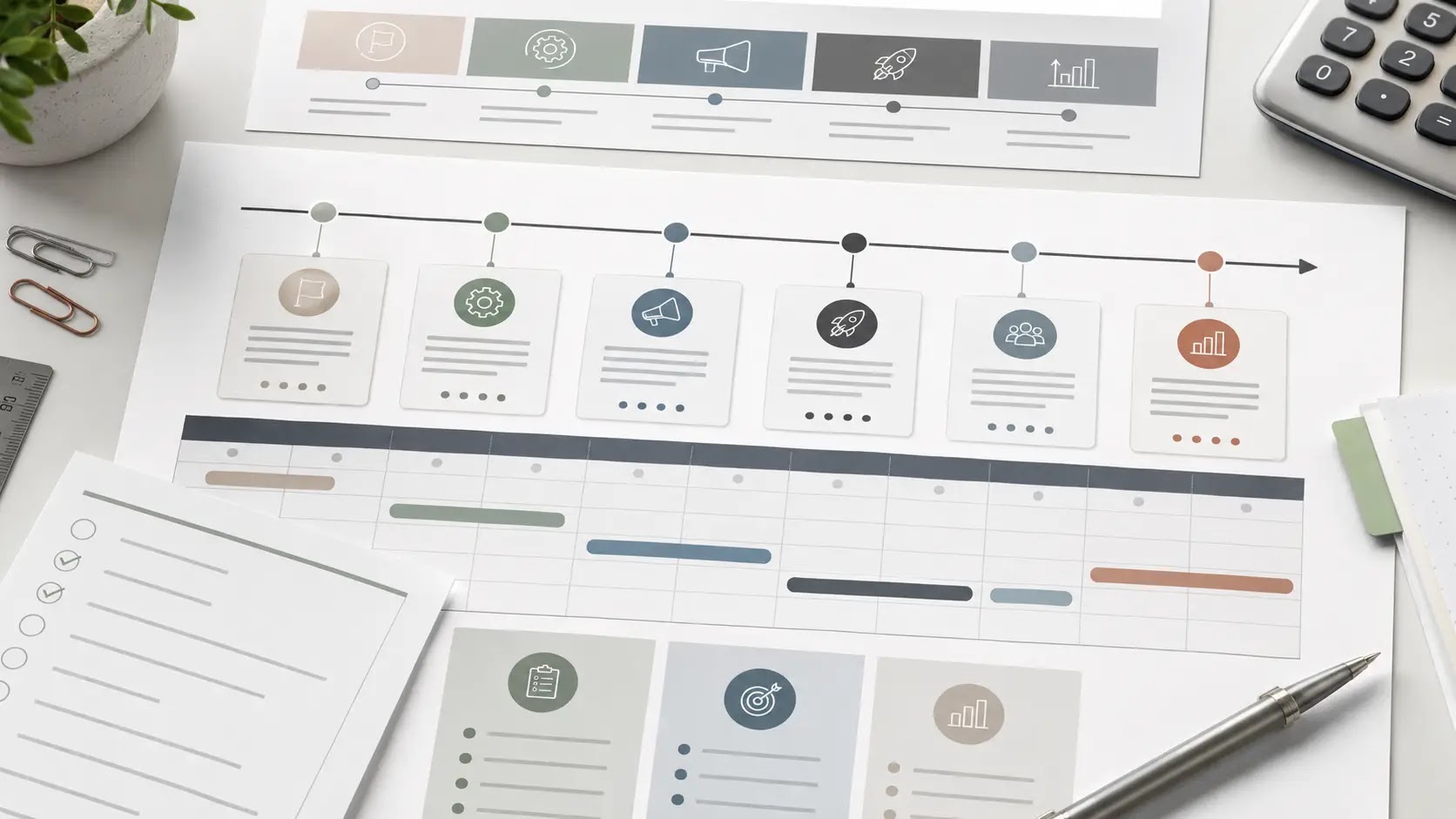
How should a vending machine buildout plan answer route, capacity, and customer experience decisions?
| What the reader is deciding | How many machines to deploy, which locations to pursue, how far the route can stretch, and whether the plan is ready for startup, acquisition, funding, or launch. |
|---|---|
| What must be verified locally | Site terms, commissions, machine prices, service access, inventory economics, labor availability, repair support, permit expectations, and working capital needs in the target market. |
A practical vending buildout plan is not just a location list. It connects machine count, refill cadence, mileage, repair time, inventory turnover, and customer experience into one operating model so you can judge whether the route is feasible before you commit capital.
That matters whether you are starting from scratch, evaluating an acquisition, or preparing lender and partner materials. The core question is whether the route can be serviced reliably and profitably under local conditions, not whether the concept works in theory.
For U.S. operators, the main variables usually sit in the details: site access, lease or placement terms, product mix, cash handling or payment systems, and the amount of working capital needed to keep machines stocked and responsive.
- Lease or placement terms: access, exclusivity, commission structure, and renewal risk.
- Equipment: machine type, condition, payment systems, and repair exposure.
- Labor: stocking time, service frequency, and route driving burden.
- Menu economics: product mix, spoilage risk, price sensitivity, and margin mix.
- Permits and site rules: local requirements that can affect placement or operations.
- Working capital: inventory, cash float, maintenance, and replacement reserves.
- Funding readiness: whether the plan is documented clearly enough for lenders, landlords, or investors.
Next, the planning framework breaks these inputs into the route and territory questions that determine whether the buildout is actually scalable.

How should a vending machine buildout plan turn route research into operating assumptions?
For a route-and-territory plan, the goal is not just to count machines. You need a documented view of where the machines will sit, how often they will be serviced, what inventory mix each stop will need, and how much time the route can absorb before labor and mileage start to pressure margins.
That means the buildout plan should connect location quality, stop density, refill cadence, product turnover, repair exposure, and customer experience into one working set of assumptions.
What should the route framework capture first?
| Planning area | Question to answer | Input to collect | Model impact | Verification source |
|---|---|---|---|---|
| Territory fit | Which account types and neighborhoods are practical for this route? | Property type, foot traffic pattern, access hours, competition nearby, and decision-maker contact | Defines the machine placement list and expected service complexity | Site visits, broker or property manager discussions, competitor checks |
| Stop density | How many machines can be serviced efficiently on one route? | Stop count, travel time between stops, parking access, loading time, and elevator or security delays | Affects labor hours, route mileage, and how many locations one operator can support | Test route, map review, timed visits, driver logs |
| Refill cadence | How often will each machine need replenishment? | Sales velocity, package sizes, machine capacity, spoilage risk, and category mix | Drives inventory purchases, service frequency, and working capital needs | Comparable account data, supplier feedback, pilot sales, operator history |
| Product mix | Which products belong in each machine location? | Customer profile, price sensitivity, shelf configuration, and cold-storage needs | Changes gross margin, sell-through, waste, and refill labor | Location observation, employee or tenant interviews, test vend data |
| Machine capacity | What size and type of machine fits the site? | Physical footprint, power access, product format, payment hardware, and accessibility constraints | Influences upfront equipment spend and how many SKUs the site can support | Site measurements, vendor specs, landlord approval, install notes |
| Service reliability | How much repair and downtime risk should be planned? | Machine age, warranty status, parts availability, tech support access, and service history | Impacts maintenance reserve, missed-sales risk, and replacement timing | Inspection records, seller disclosure, technician review, vendor terms |
| Account economics | What terms does each location require? | Commission structure, rent or placement fee, exclusivity, access restrictions, and contract length | Changes margin by stop and can alter whether a site is viable | Draft agreement, landlord or owner discussions, signed site terms |
| Payment and software | How will sales, cash handling, and alerts be tracked? | Card reader needs, telemetry, cash collection process, and reporting workflow | Improves sales visibility and route planning, but adds hardware and subscription costs | Vendor proposals, device compatibility checks, software demo |
| Customer experience | Will the machine be easy to use and restock without disruption? | Signage, product layout, pricing display, machine cleanliness, and lighting | Affects repeat usage, complaint rate, and sell-through consistency | On-site observation, user feedback, install checklist, service records |
| Launch readiness | What must be ready before the first fill? | Inventory, spare parts, payment setup, service contacts, transport plan, and opening checklist | Reduces first-week disruptions and unexpected route delays | Prelaunch walkthrough, supplier confirmations, internal checklist |
What workflow should a founder follow before documenting assumptions?
- Map the route territory. Group target locations by geography, access window, and customer type so the route can be evaluated as a system rather than as isolated machines.
- Measure each site constraint. Record footprint, power access, entry rules, loading access, and any limitations that affect install or service time.
- Estimate service frequency by site. Use machine capacity, category mix, and traffic pattern to estimate how quickly each machine is likely to sell through inventory.
- Assign a product plan by location. Match the machine’s assortment to the customer base, seasonality, and shelf format so the route plan reflects actual demand differences.
- Check route efficiency. Compare stop count, travel time, and refill cadence to determine whether the route can be serviced with the planned labor hours and vehicle use.
- Document machine-level risk factors. Note repair exposure, payment hardware needs, and any account terms that could change downtime or cash handling.
- Capture vendor and landlord terms. Keep a record of installation requirements, access restrictions, commissions, and any equipment or software dependencies.
- Convert observations into assumptions. Turn what you saw in the field into model inputs for route mileage, inventory turns, service labor, commissions, and working capital.
Which route decisions deserve written assumptions?
- How many machines can one route support before service quality starts to slip
- Which sites justify higher commission or placement terms because of traffic or product turnover
- Whether a site needs a larger machine, a different product mix, or more frequent restocking
- How much backup inventory, spare parts, and downtime coverage the route should carry
- Whether payment systems and telemetry are needed to support monitoring and collections
Next, those route and territory assumptions should be carried into the financial model so capacity, labor, mileage, commissions, repairs, and working capital can be tested under realistic scenarios.
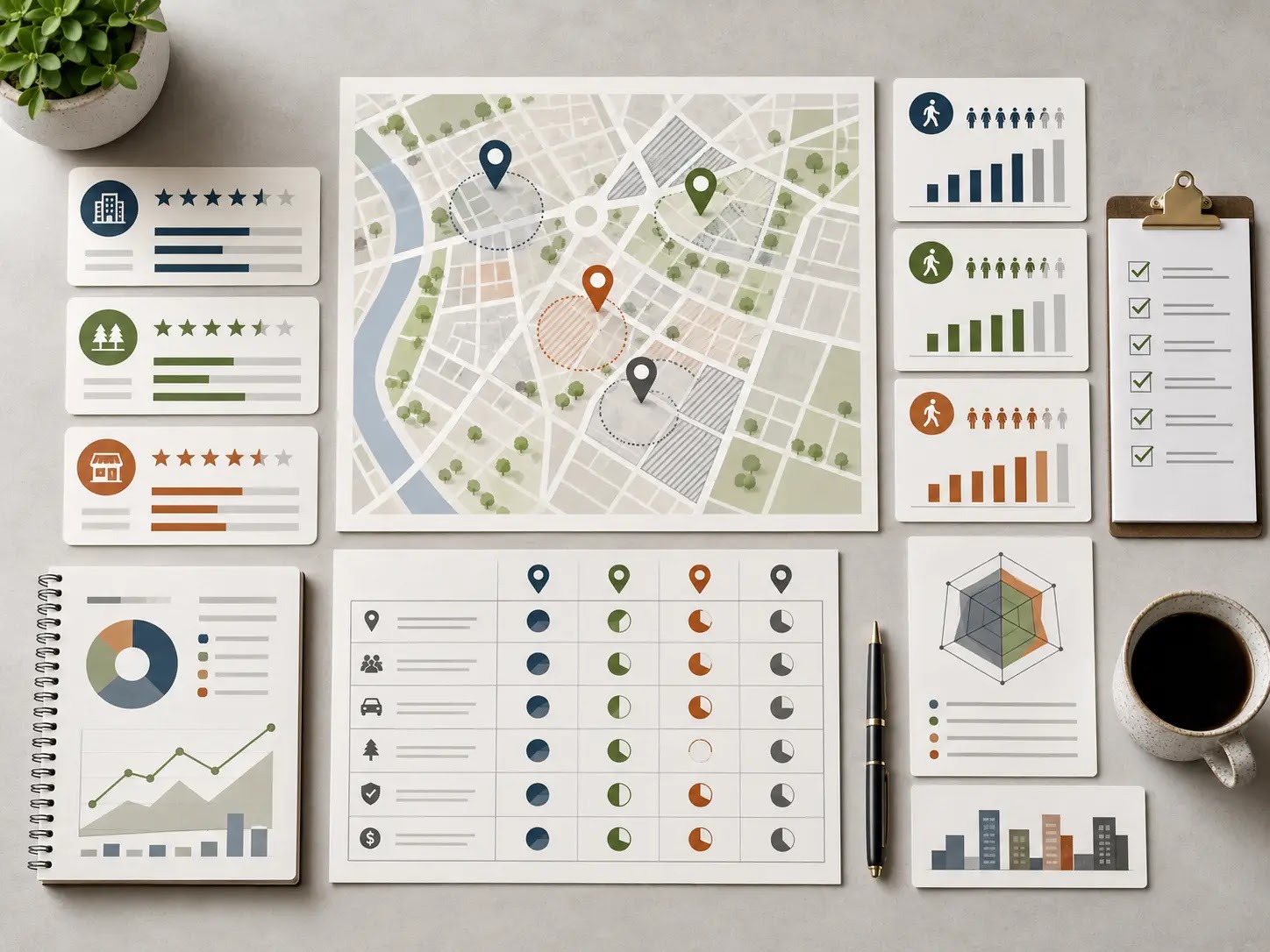
What can change the vending buildout plan after the first location quote?
For a vending machine founder or buyer, the biggest planning shift usually comes from the site mix, not the machine itself. A route that looks attractive on paper can change quickly if the location has limited access hours, weak foot traffic, higher commission demands, or more service time than expected. Those differences affect how many machines a route can support, how often inventory must be restocked, and how much working capital is tied up in product, repairs, and route coverage.
The key question is whether the location supports reliable replenishment and acceptable margins after all operating friction is included. That means testing the assumptions behind mileage, product turnover, spoilage, cashless payment fees, and machine downtime before you commit to a purchase, lease, or expansion plan.
Scenario 1: Strong traffic, higher site terms
Planning tradeoff: Better sales potential, but commissions, access limits, or service rules can reduce net return.
Assumptions affected: net margin per stop, refill frequency, and route labor time.
Scenario 2: Lower traffic, lower occupancy friction
Planning tradeoff: Easier operations can offset weaker sales, especially if the route is dense and efficient.
Assumptions affected: machine count per route day, fuel and mileage burden, and service scheduling.
Scenario 3: Growth by clustering nearby stops
Planning tradeoff: A tighter territory can improve service efficiency, but may require more careful site selection and backup coverage.
Assumptions affected: route density, response time for repairs, and the amount of spare inventory you need to hold.
| Planning risk | Why it matters in vending | Assumption affected | How to verify |
|---|---|---|---|
| Site traffic is overestimated | Projected sales may not support the refill schedule or commission burden. | Revenue per machine and product turnover | Observe the location at different times, compare with nearby operators, and document access patterns. |
| Route mileage is underestimated | Extra driving time reduces the number of stops that can be serviced efficiently. | Fuel cost, labor time, and route capacity | Map actual stop-to-stop travel and test the route with a realistic service day. |
| Machine downtime is ignored | Repairs can interrupt sales and add emergency service costs. | Repair reserve, spare parts, and coverage plan | Review service history, ask for maintenance records, and confirm access to technicians or replacement units. |
| Product mix is too broad or too narrow | Slow-moving inventory can tie up cash; weak assortment can lower repeat purchases. | Inventory investment and spoilage risk | Test product demand by site type and compare replenishment logs across similar locations. |
| Payment and vendor terms are not fully modeled | Cashless fees, commissions, and supplier terms can change cash flow timing. | Working capital and net margin | Get current written terms from machine, payment, and product vendors before finalizing the plan. |
Once these assumptions are documented, the final checklist becomes much more useful because it can focus on what is still missing, what needs a written quote, and what should be tested before rollout.

What should you verify before you commit to a vending machine buildout?
At this stage, the decision is less about buying a machine and more about whether the route can support the full operating load: site access, machine mix, inventory turns, refill time, repair exposure, commissions, software, and working capital. If those inputs are documented, the buildout plan becomes easier to compare across sites, lenders, and partner discussions.
Quick recap of the decision path
A workable vending buildout plan starts with the location and ends with the route economics. You want to know whether the customer flow, placement, machine count, and service schedule can be supported without straining cash, labor, or uptime. The most useful next step is to turn assumptions into a simple readiness check, then compare the result against your financial model and route plan.
Readiness scorecard
| Planning item | What to confirm | Why it matters |
|---|---|---|
| Site fit | Foot traffic, access windows, and placement constraints | Shapes machine selection, refill timing, and customer convenience |
| Capacity plan | How much product the route can support before replenishment | Helps avoid stockouts and excess idle inventory |
| Route efficiency | Drive time, stop density, and service frequency | Directly affects labor use and fuel cost assumptions |
| Equipment reliability | Repair history, maintenance access, and replacement risk | Influences downtime and reserve planning |
| Commercial terms | Lease, commission, or placement terms that affect margin | Changes the break-even point and cash flow timing |
| Working capital | Funds for inventory, deposits, service costs, and early repairs | Supports launch stability before the route matures |
Next planning steps
- List each target site or territory and note the expected customer flow.
- Estimate machine count, product mix, refill frequency, and route mileage.
- Separate fixed costs from variable route costs so the model reflects real service demand.
- Check repair, stocking, and payment system assumptions before you commit capital.
- Review any commission, lease, or placement terms that could change margin.
- Test the plan against a conservative cash reserve and launch schedule.
- Document the assumptions in your business plan, financial model, and pitch deck so lenders, landlords, or advisors can review the same inputs.


