
Vending Machine Quality Standards and Customer Experience Planning
A practical U.S. planning guide for vending machine quality standards and customer experience planning, built for founders, buyers, and operators comparing assumptions before committing capital.

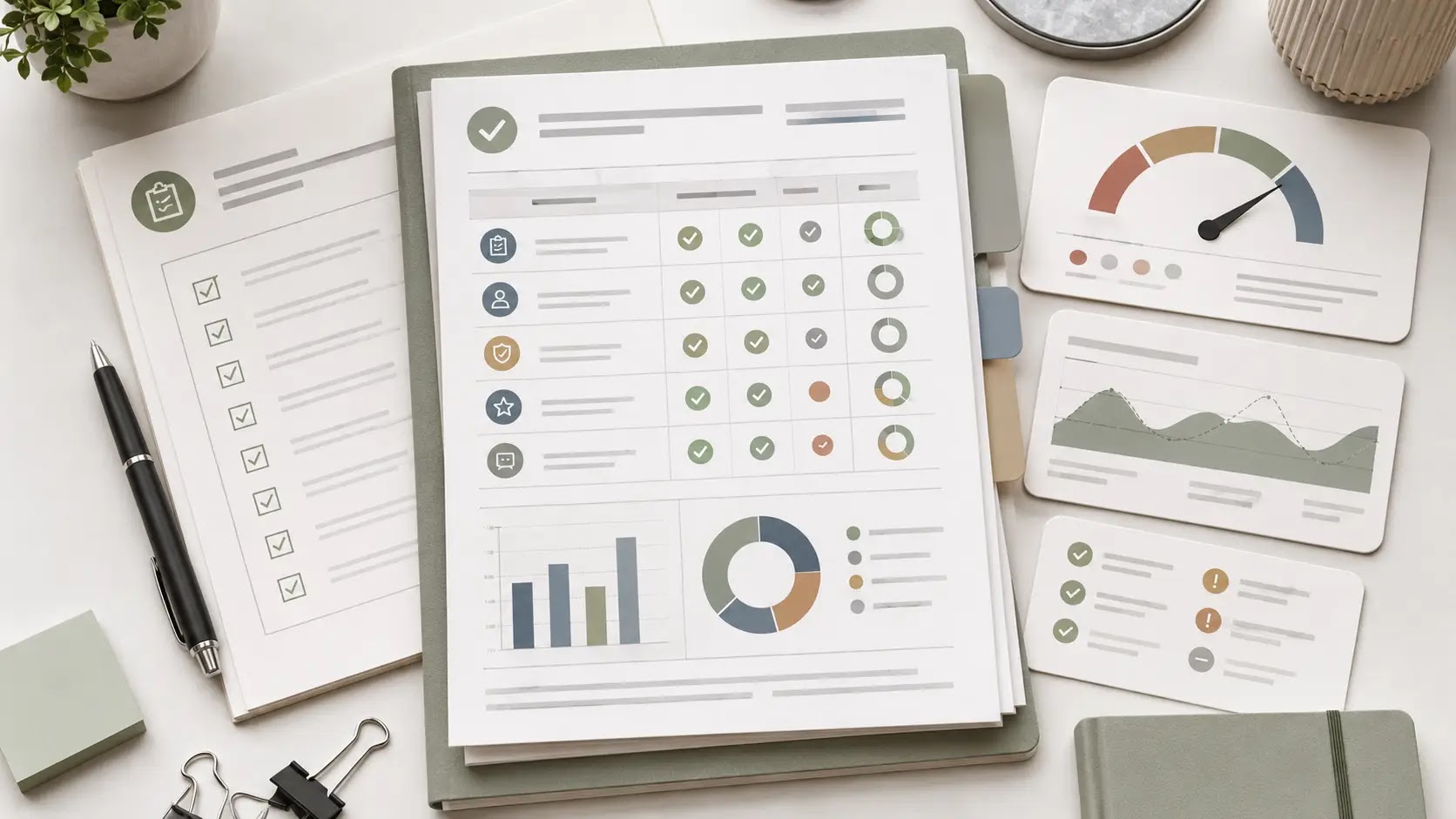
How do vending machine quality standards shape customer experience and margin?
For a U.S. vending machine founder or buyer, the practical question is not whether “better quality” sounds good; it is whether the machine, product mix, service cadence, and pricing can support repeat buying at a specific location. In vending, customer experience is usually built from basics: clean machines, stocked shelves, working payment systems, clear product visibility, and fast repair response.
Those choices affect route economics. A better menu or higher-end machine may improve sales, but it can also raise equipment cost, inventory exposure, restocking needs, and working capital pressure. The right answer depends on the location type, foot traffic, commission expectations, route density, and vendor terms.
Before you finalize the offer, treat each site as a local operating case. Quality standards that work in one market may not fit another if labor, lease terms, delivery distance, repair access, or customer expectations differ.
Quick decision snapshot
| What the reader is deciding | What must be verified locally |
|---|---|
| Which machine types and product standards fit the target location | Customer traffic pattern, site rules, space limits, payment preferences, and product demand |
| Whether a better menu or better machine condition will actually improve sales | Nearby competition, location commission expectations, service frequency, and route access |
| Whether the concept can be supported at launch | Equipment availability, maintenance support, inventory sourcing, and working capital needs |
- Lease and buildout assumptions for space, power, placement, and access
- Equipment assumptions for machine quality, age, payment hardware, and repair risk
- Labor assumptions for stocking, servicing, route mileage, and response time
- Menu economics assumptions for product mix, spoilage, shelf life, and margin spread
- Permit and site-approval assumptions that vary by market and location type
- Working capital assumptions for inventory, maintenance, and cash timing
- Funding readiness assumptions if you need lenders, partners, or investors to review the plan
Next, use a practical framework to map which assumptions matter most at the site level before you build the operating decision set.
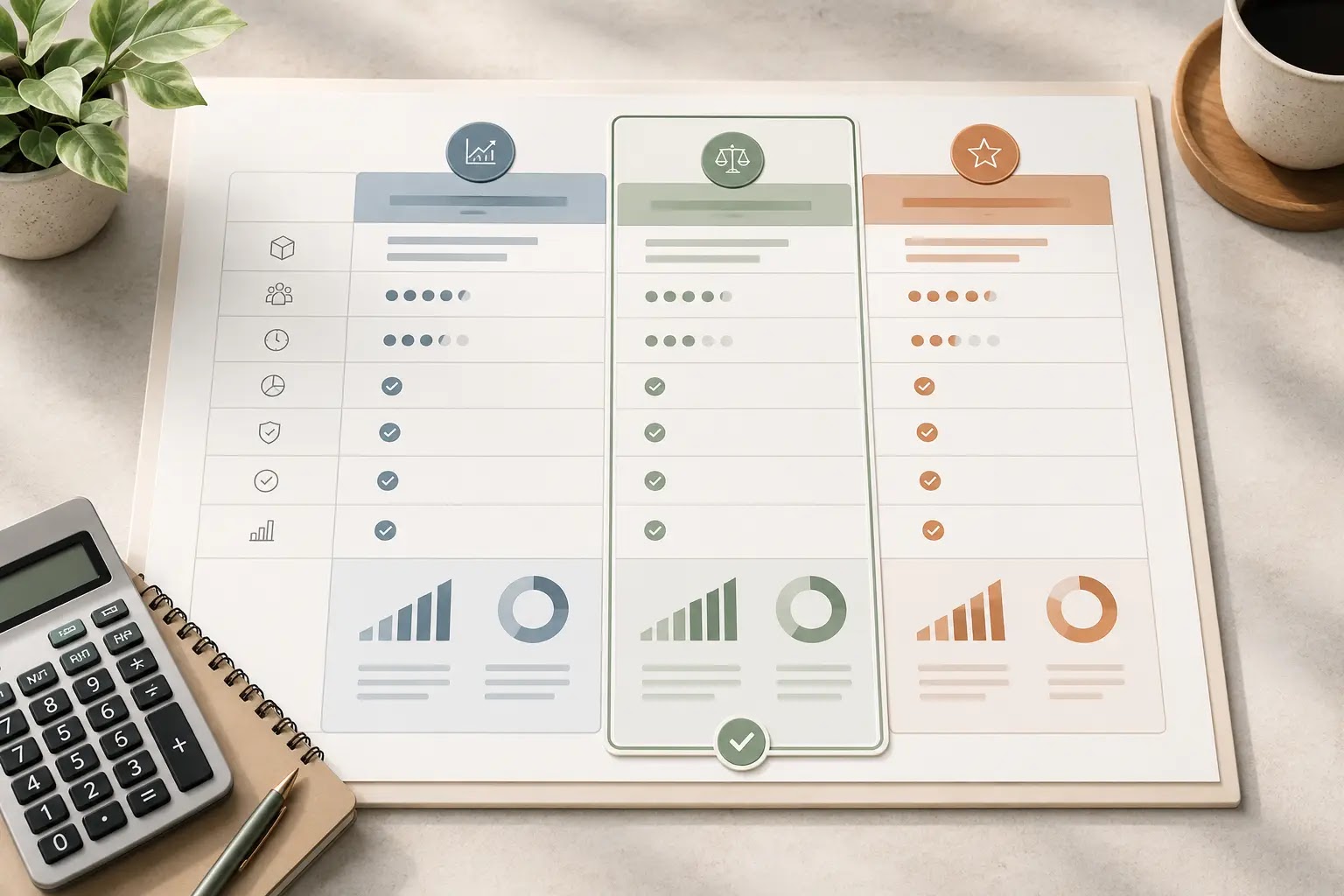
How do you turn vending machine quality standards into a usable menu, product, and pricing plan?
For a U.S. vending machine business, quality standards are not just about “better snacks.” They shape what you stock, how often you refill, how much waste you carry, how customers perceive value, and how reliably the route performs. The practical goal is to document each product and pricing choice so your assumptions can be tested against local foot traffic, machine type, and supplier terms.
What should you define before you lock the assortment?
Start with the standards that affect customer satisfaction and margin at the same time: product condition, assortment fit, price tolerance, machine compatibility, and refill cadence. Those inputs influence sell-through, spoilage, route time, and the amount of cash tied up in inventory and working capital.
| Planning area | Question to answer | Input to collect | Model impact | Verification source |
|---|---|---|---|---|
| Product assortment | Which snacks, drinks, or other items fit the location’s traffic pattern and buying habits? | Location type, customer mix, daypart traffic, and observed product preferences | Sales mix, unit velocity, and inventory turns | Site visit, location manager feedback, competitor machine checks |
| Quality standard | What condition must products meet before loading into the machine? | Packaging condition, shelf-life window, temperature sensitivity, and damage tolerance | Spoilage, write-offs, and replenishment frequency | Supplier labels, distributor specs, receipt and inspection logs |
| Price architecture | How will prices differ by product type and location value? | Item-level target prices, location sensitivity, and competing on-site pricing | Gross margin per vend and price-driven demand changes | Local competitor observation, customer feedback, owner testing |
| Machine compatibility | Will the item fit the machine’s coils, trays, or cold-storage requirements? | Package dimensions, weight, temperature needs, and machine configuration | Planogram limits, stocking errors, and unusable inventory risk | Machine spec sheet, product samples, trial load test |
| Customer experience | What makes the machine feel dependable and easy to buy from? | Product visibility, stockout tolerance, payment acceptance, and label clarity | Repeat use, abandoned sales, and complaint volume | On-site observation, payment test, route notes |
| Route cadence | How often will each machine need restocking or product rotation? | Expected sales velocity, spoilage risk, and service time by stop | Route mileage, labor hours, and working capital tied to inventory | Pilot route logs, distributor lead times, operator comparison |
| Payment mix | What payment methods must the machine support for the location? | Cash, card, mobile acceptance, and fee or device requirements | Conversion rate, transaction costs, and maintenance complexity | Machine feature list, payment processor terms, location expectations |
| Location-specific premium | Which items deserve higher prices because the location values convenience? | Urgency of purchase, access alternatives, and nearby retail options | Revenue per stop and margin sensitivity | On-site price comparison and operator interviews |
How should a founder turn research into documented assumptions?
- Identify the location type first, because office, school, industrial, healthcare, and transit settings usually support different product mixes and price tolerance.
- Build a short product shortlist that fits the machine type, package dimensions, and any storage or temperature needs.
- Check item condition rules for each supplier or distributor so the menu only includes products that can be delivered and merchandised consistently.
- Record the expected price for each item by location, then note where the market may support a premium or require a lower-price option.
- Document the service cadence you think the machine will need, including refill frequency and any extra time caused by route mileage or product rotation.
- List the customer-experience standards you want to protect, such as visible stock, clean presentation, reliable payment acceptance, and low out-of-stock risk.
- Capture the assumptions that can change quickly, including supplier terms, local competition, and whether the location wants healthier options, beverage-heavy mix, or convenience-first offerings.
- Save the assumptions in a format you can reuse in a pitch deck, lender discussion, acquisition review, or launch checklist.
Verification note: local product demand, machine compatibility, distributor terms, payment processing fees, and customer pricing tolerance vary by market. Verify each assumption with current local sources before you finalize the menu or price list.
This framework gives you the operating inputs you need before you estimate sales or margins. From here, Block 3 can convert the menu, quality, and pricing assumptions into financial scenarios, tradeoffs, and risk checks.
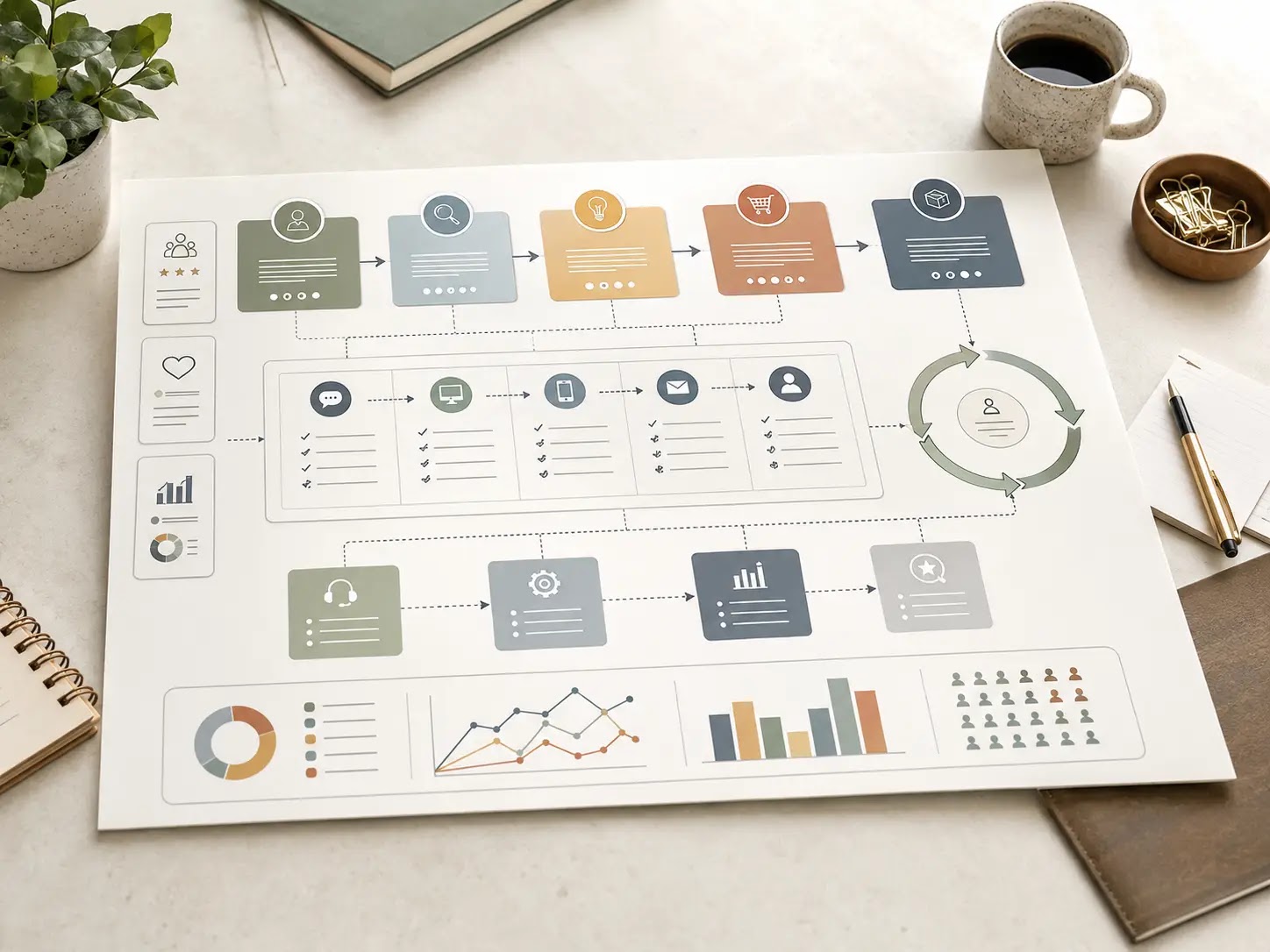
How do quality standards change the break-even math?
For a vending machine business, “quality” is not just product freshness or machine appearance. It affects sell-through, stockouts, route labor, repair frequency, customer complaints, and how much working cash you need to stay reliable. A machine that looks good but breaks often can weaken repeat sales and raise service costs, while a tighter product mix can improve margins but increase inventory risk if demand is overestimated.
The practical planning question is whether your quality standard raises gross sales enough to cover higher product cost, commissions, service visits, and replacement parts. That tradeoff is what should drive your startup budget, runway, and break-even assumptions.
Risk-and-assumption focus
- Higher-quality machines may reduce downtime, but the upfront cash requirement can be materially higher.
- Better product selection can support stronger repeat usage, but only if the location has enough traffic and the right customer segment.
- Premium pricing can improve margin, but weak price tolerance can slow turnover and lengthen payback.
- More frequent restocking can improve freshness and availability, but it also increases labor, mileage, and route planning complexity.
- Location commissions, site restrictions, and service expectations can change the economics even when the machine-level numbers look solid.
Planning calculator: convert quality standards into cash and break-even inputs
| Planning input | Simple formula | What to plug in | Why it matters |
|---|---|---|---|
| Startup cash need | Equipment + install + initial inventory + deposits + software + repair reserve + working capital | Current vendor quotes and site-specific setup costs | Shows how much cash is needed before the route can stabilize |
| Monthly fixed cost load | Repairs baseline + software + insurance + storage + admin + route overhead | Recurring non-product costs | Drives the minimum sales needed to stay solvent |
| Contribution per sale | Average vend price - product cost - commissions - payment fees - spoilage allowance | Your actual mix and site terms | Quality choices affect margin on every transaction |
| Break-even sales | Monthly fixed costs ÷ contribution per sale | Your modeled monthly fixed costs and margin per vend | Shows whether the location can support the machine |
| Cash runway | Available cash ÷ expected monthly cash burn | Cash on hand after startup spending | Tests how long you can absorb slow ramp-up or repair spikes |
Simple sensitivity check: what happens if quality and traffic do not match?
| Scenario | Assumption shift | Likely model effect | Decision pressure |
|---|---|---|---|
| Conservative | Slower traffic, lower vend count, more service time per machine | Higher break-even pressure and lower cash runway | Recheck site quality, pricing tolerance, and service schedule |
| Base case | Stable demand, normal refill cadence, predictable repair pattern | Cleaner view of monthly margin and replenishment needs | Useful for lender or partner discussions |
| Upside | Stronger repeat sales, faster turns, fewer stockouts | Improved margin, but potentially tighter inventory and labor planning | Check whether growth requires more cash for inventory and route coverage |
Visible warning: verify every market-specific input
Numbers vary by market, site type, vendor terms, and local rules. Replace placeholder assumptions with current quotes and written terms for machine price, delivery, install, inventory, commissions, software, repairs, rent or storage, payment processing, financing, and any local permit or tax handling requirements that apply to your location.
What to confirm before you treat the model as usable
- Current machine and parts pricing from vendors you can actually buy from now
- Location commission, access rules, service hours, and any exclusivity or removal terms
- Expected product mix, shelf life, and replenishment cadence for the target customer segment
- Route mileage, service frequency, and labor coverage needed to keep machines presentable and stocked
- Local permit, tax, health, and property requirements that could change timing or cost
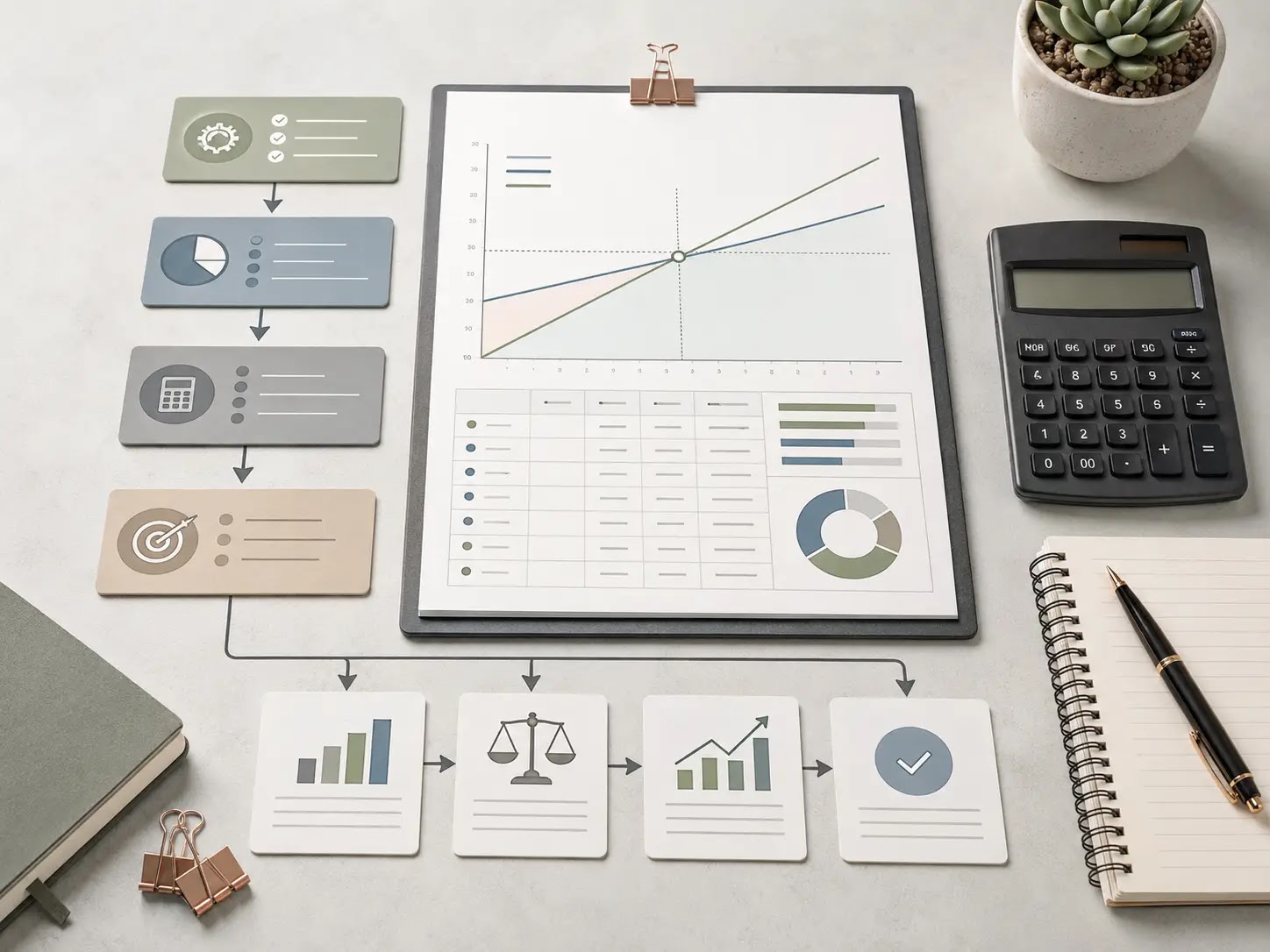
What should a vending machine founder or buyer verify next?
The practical decision path is simple: confirm the machine standard, the product mix, the pricing logic, and the service burden before you commit to a location, route, or purchase. If quality expectations are unclear, customer experience will drift into higher refunds, slower turns, more repairs, and weaker margins.
For a U.S. vending business, the key question is not just whether the machine works, but whether the site, assortment, service schedule, and pricing can support repeat purchases without creating avoidable operating friction.
Readiness scorecard
| Readiness check | What to confirm before you proceed |
|---|---|
| Machine condition | Age, reliability, payment compatibility, and expected repair exposure. |
| Customer fit | Whether the products match the people, hours, and buying patterns at the site. |
| Pricing logic | Whether the target price covers product cost, commissions, spoilage, and service time. |
| Route economics | Whether mileage, restocking frequency, and labor time still work after service calls. |
| Working capital | Whether you can fund inventory, maintenance, cash float, and early underperformance. |
| Local verification | Site terms, vendor terms, and any market-specific rules or requirements that may affect the plan. |
Next planning steps
- Recheck your top locations and confirm the customer segment at each one.
- Stress-test the product mix for quality, freshness, and sell-through speed.
- Compare pricing against commissions, product cost, service frequency, and repair risk.
- Estimate route mileage, restock time, and downtime for each machine cluster.
- Review payment systems, software, and reporting needs before you buy or upgrade equipment.
- Set aside working capital for inventory, maintenance, and slower-than-planned launch months.
- Verify site terms, landlord expectations, and local vendor requirements with current sources.
A business plan, financial model, pitch deck, checklist, and startup toolkit can help you organize these assumptions, compare scenarios, and document the plan for partners, lenders, landlords, or advisors.
Final takeaway: if the machine quality, customer experience, and route economics do not work together, the concept will be harder to scale. Verify the assumptions now so your pricing, service plan, and launch decision are based on the actual site economics, not a hopeful estimate.


