
Vending Machine Customer Acquisition Plan and Budget
A practical U.S. planning guide for vending machine customer acquisition plan and budget, built for founders, buyers, and operators comparing assumptions before committing capital.

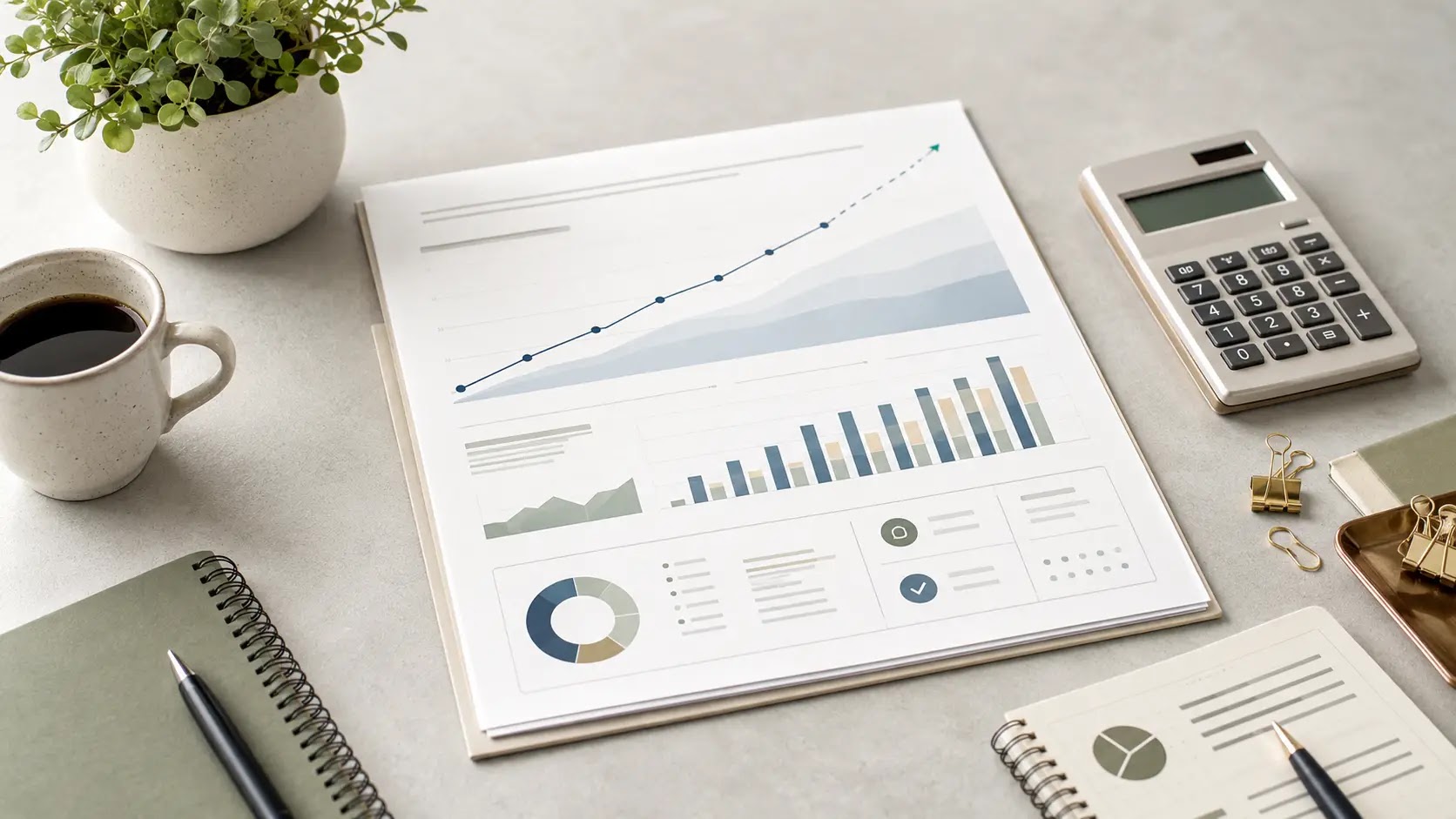
What should a vending machine customer acquisition plan and budget answer?
If you are starting, buying, or expanding a U.S. vending route, the real decision is not just where to place machines. It is whether each location can support enough traffic, margin, and operating efficiency to justify the lease terms, equipment cost, stocking effort, route mileage, and repair reserve behind it.
A useful acquisition plan connects customer and location assumptions to the budget you actually need. That means testing placement fees or commissions, menu mix, payment acceptance, inventory turnover, service frequency, and the working capital needed to keep machines stocked and in service before revenue stabilizes.
For founders and buyers, the goal is to separate attractive locations from profitable ones and to document the inputs that would change a lender, partner, or buyer’s view of the plan.
| What the reader is deciding | What must be verified locally |
|---|---|
| Which locations and machine placements are worth pursuing | Traffic pattern, site access, placement rules, commissions or rent, and any landlord or property-manager requirements |
| How much capital the route or first location set will require | Equipment cost, delivery and setup, stocking needs, repair reserve, software, and route mileage assumptions |
| Whether the plan is ready for funding, acquisition, or launch conversations | Debt terms, collateral expectations, working capital needs, and the documents a lender, seller, or partner will ask to see |
- Lease or placement terms, including commissions, rent, and any buildout or access limits
- Equipment needs, machine condition, payment systems, and installation cost
- Labor and route time, including stocking, maintenance, and service frequency
- Menu economics, including product mix, spoilage risk, and gross margin by category
- Permits, insurance, and site-specific operating requirements
- Working capital for inventory, repairs, fuel, and slow ramp-up periods
- Funding readiness, including documentation for lenders, sellers, or investors
Those assumptions are what turn a location list into a usable acquisition budget and a defensible sales forecast input set.
Next, the practical framework breaks those inputs into the local checks and planning steps that shape the budget.
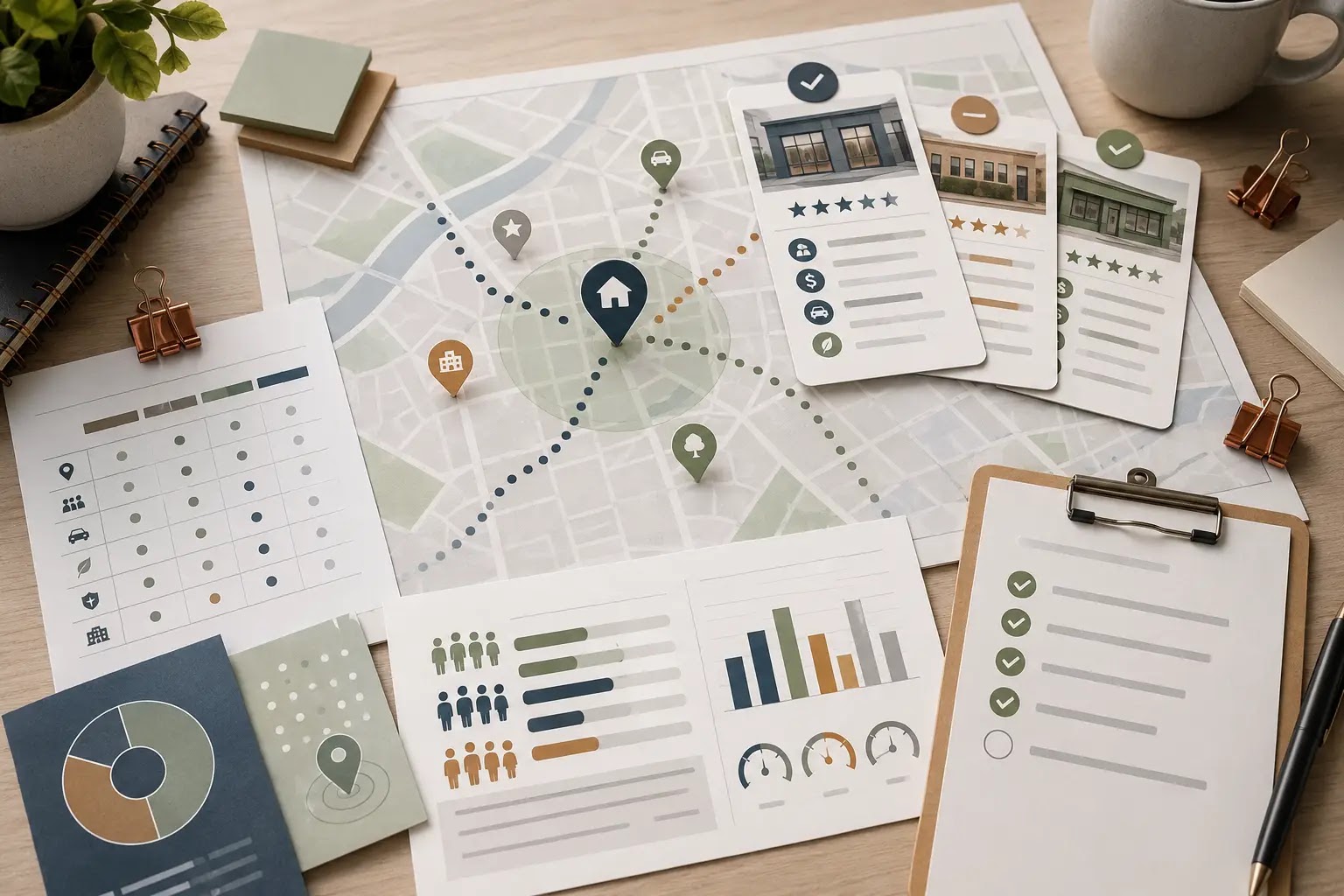
What should a vending machine location sales plan include?
For vending, customer acquisition is mostly location acquisition: finding the right sites, getting placement approved, and making sure each stop can support the route, service cadence, and product mix. The budget is driven by how hard each location is to win, how far it is from the rest of the route, and what the site expects in commissions, access, or service terms.
Map the route and location targets first
Start with the places where a machine can earn enough to justify the sales effort, travel time, and restocking work. A good target list is usually built around site type, decision path, and operational fit—not just headline foot traffic.
| Planning area | Question to answer | Input to collect | Model impact | Verification source |
|---|---|---|---|---|
| Target location type | Which site categories fit your machine and route? | Office, warehouse, apartment, school-adjacent, gym, or other site type; operating hours; machine space; power access | Shapes prospect list, close rate, and expected sales per stop | Site walk, property manager, building contact, photos |
| Decision-maker path | Who can approve the placement and how long does it usually take? | Owner, manager, facilities lead, landlord, or tenant contact; approval steps; follow-up timing | Drives sales labor, outreach cycle length, and pipeline conversion assumptions | Direct calls, emails, broker notes, proposal responses |
| Placement terms | What does the site expect in return for the location? | Commission share, fixed location fee, exclusivity, service expectations, or minimum performance language | Changes gross margin, break-even timing, and route profitability | Draft agreement, written terms, site owner confirmation |
| Route mileage and service burden | How much travel and restocking will this location add? | Address, route cluster, estimated service frequency, access windows, and restock time | Affects fuel, labor, vehicle use, and time available for new sales | Map review, drive test, route planning sheet, site schedule |
| Product mix and demand fit | What products are likely to move in this location? | Snack, cold drink, healthy option, or specialty mix; seasonal demand notes; competitor machine mix | Influences inventory budget, stockout risk, and refill frequency | Competitor scan, site interview, employee feedback, similar-site sales history |
| Payment and machine setup | Does the site justify cashless, combo, or telemetry-ready equipment? | Machine type, card reader need, telemetry preference, machine age, and expected payment mix | Changes equipment cost, transaction fees, maintenance, and collection labor | Vendor quote, processor terms, equipment spec sheet |
| Lead generation budget | How will you source and close locations? | Cold outreach time, travel, printed materials, broker fees, sample proposals, networking costs | Determines acquisition spend, sales headcount needs, and payback timing | CRM log, outreach tracker, broker proposal, quote sheet |
| Retention and service quality | What keeps a location from churning after placement? | Refill cadence, repair response time, assortment refresh plan, complaint handling process | Impacts churn risk, route efficiency, and repair reserve assumptions | Service logs, site feedback, repair history, follow-up notes |
| Sales materials and proof | What does a site need to see before saying yes? | Proposal template, machine photos, service promise, references, insurance or vendor documents if requested | Shapes close rate and the amount of time spent on each lead | Outbound email responses, proposal meetings, site manager feedback |
Move from research to documented assumptions
- Build a target-site list. Group prospects by location type, geography, and route fit so you can compare sites that can actually be served together.
- Walk each site and score the operating fit. Note access, hours, likely traffic pattern, machine placement space, and how much extra driving the stop creates.
- Identify the decision-maker and approval path. Record who can say yes, what they need to review, and how many follow-ups are realistic.
- Request placement terms in writing. Capture any commission request, service expectation, exclusivity language, or performance condition before you budget around it.
- Estimate route cost from the map, not from hope. Convert mileage, stop time, and refill frequency into labor and vehicle assumptions for each candidate location.
- Match the site to a product mix. Decide whether the location needs snacks, drinks, a combo machine, or a more specialized assortment, then note the inventory impact.
- Document the assumptions in one dated plan. Save the inputs that drive acquisition spend, sales labor, and service burden so the model can be updated when a site changes terms.
Next, Block 3 turns these location and sales inputs into financial model implications, tradeoffs, and risk checks.
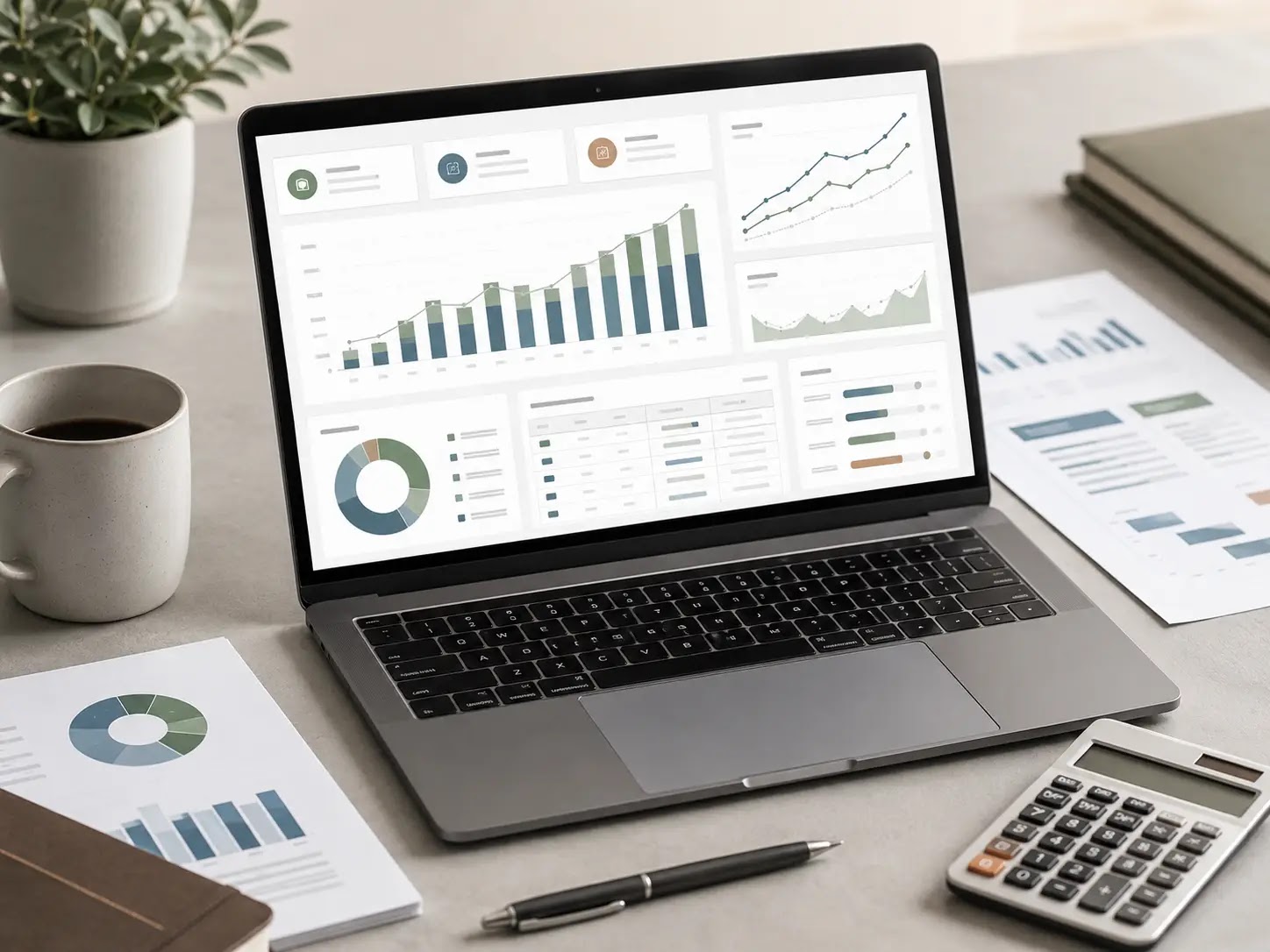
How should acquisition and launch assumptions change the budget?
For a vending machine business, the budget is usually driven less by “marketing spend” in the usual sense and more by the cost of securing and keeping usable locations, stocking the right mix, and covering the route economics. If a location takes longer to close, needs a commission, or requires more frequent service, the cash plan changes quickly. The safest model is to separate startup outlay, monthly operating burn, and cash runway so you can see how many months of support the business needs before sales stabilize.
The biggest planning risk is assuming early sales from a small number of machines will cover route mileage, inventory replenishment, card processing or software fees, repairs, and any location payments too soon. For funding readiness, document each assumption clearly and treat every “average” as a placeholder until it is replaced with current quotes and verified local data.
Planning calculator: what should you total before launch?
| Input | Placeholder | Why it matters |
|---|---|---|
| Machine purchases or lease deposits | Use current supplier quote | Sets the base startup cash requirement |
| Initial inventory | Use product list and opening fill levels | Affects launch cash and first replenishment cycle |
| Location acquisition costs | Commission, placement fee, or buildout ask | Changes the payback period for each route stop |
| Route mileage and labor coverage | Trips per week and service time per stop | Drives monthly operating burn |
| Repairs, software, and payment tools | Vendor quote or subscription estimate | Reduces net margin even when sales look strong |
| Working capital reserve | Months of fixed costs to carry | Protects the business if sales ramp slowly |
Simple formula set: Startup need = equipment + inventory + location costs + setup fees + initial working capital. Monthly burn = route labor + mileage + replenishment + repairs + software + commissions + other overhead. Cash runway = available cash divided by monthly burn.
Scenario check: what changes the break-even picture?
| Scenario | Assumption change | Planning impact | What to verify |
|---|---|---|---|
| Base case | Expected route density and average vend mix | Shows the most likely cash need | Location traffic, hours, and product mix |
| Slower ramp | Lower early sales or delayed placements | Extends payback and increases runway need | Lease timing, approval timing, and opening schedules |
| Higher service burden | More restocking, repairs, or mileage | Raises monthly burn and reduces margin | Route distance, machine age, and maintenance terms |
| Stronger mix | Better product mix or higher price point | Improves gross sales without adding new machines | Local pricing, category demand, and supplier costs |
If you are putting this into a lender packet or pitch deck, keep the assumptions visible and version-controlled so the funding case matches the operating plan.
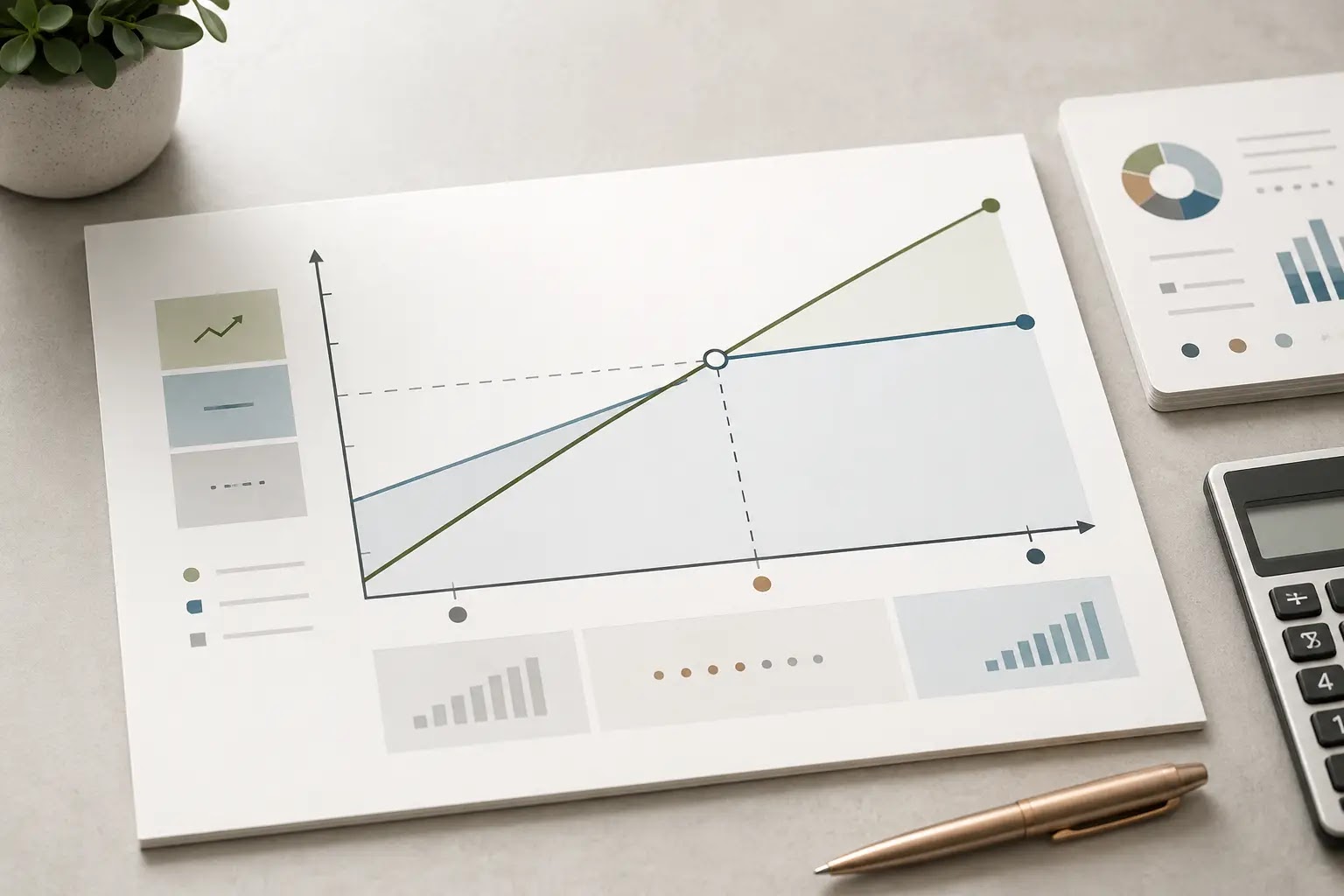
What should you do next to turn the vending acquisition plan into a working budget?
For a U.S. vending machine startup, buyer, or route expansion, the decision is usually not “Can I buy a machine?” It is “Can I place it in the right location, keep it stocked, and cover acquisition, inventory, repair, mileage, commissions, and working capital long enough for the route to stabilize?”
The practical path is simple: verify the location, pressure-test the customer acquisition and retention assumptions, then convert those inputs into a budget and forecast that you can explain to a partner, landlord, lender, or advisor.
Readiness scorecard: are you ready to move from idea to plan?
| Check | What to confirm | Why it matters |
|---|---|---|
| Location fit | Who uses the site, how often, and whether the machine matches the traffic pattern | Drives sales assumptions and placement quality |
| Acquisition cost | Machine price, delivery, setup, and any installation or site preparation needs | Sets upfront capital needs |
| Operating cost | Inventory, service visits, mileage, repairs, and any revenue share or commission | Shapes margin and break-even timing |
| Working capital | Cash available to refill inventory and cover slow-start periods | Helps avoid underfunding the route |
| Verification | Current local vendor terms, site rules, and market pricing | Prevents assumptions from drifting away from reality |
Next-step checklist
- Confirm the exact machine type, location type, and customer profile you are budgeting for.
- Collect local inputs for rent, commissions, inventory costs, service frequency, and route mileage.
- Build a simple scenario set for conservative, base, and stronger-than-expected sales cases.
- Check whether your cash reserve can support restocking, repairs, and slower ramp-up periods.
- Document the assumptions so the forecast can be reviewed and revised as real sales data comes in.
- Use the plan to decide whether to launch, buy, negotiate, or wait for a better location fit.
Useful bridge: If you are turning this into a lender packet, buyer memo, or internal launch plan, a business plan, financial model, pitch deck, checklist, and startup toolkit can help organize assumptions, compare scenarios, and document the plan for partners, lenders, landlords, or advisors.
Final takeaway: A strong vending acquisition plan is not just about buying machines; it is about proving that the location, operating costs, and working capital support a realistic route budget before you commit.


