
Vending Machine Capacity Planning for route, storage area, vehicle, and restocking workflow
A practical U.S. planning guide for vending machine capacity planning for route, storage area, vehicle, and restocking workflow, built for founders, buyers, and operators comparing assumptions before committing capital.

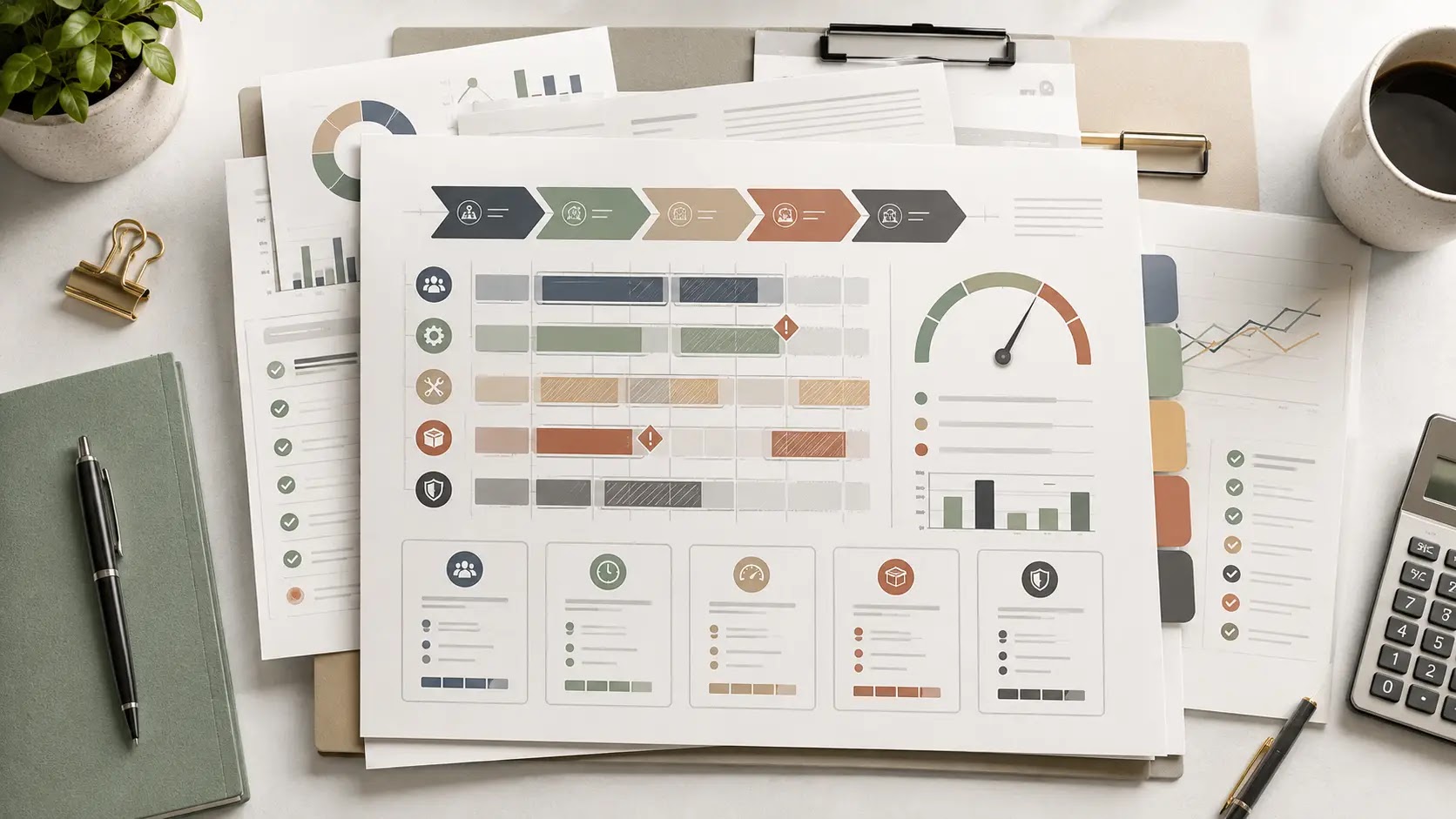
How much vending machine capacity do you need for a route, storage area, vehicle, and restocking workflow?
| What the reader is deciding | Whether the route, storage area, vehicle, and restocking cadence can support the number of machines without creating service gaps or cash strain. |
|---|---|
| What must be verified locally | Lease terms, route density, machine size, storage availability, vehicle load limits, fuel and labor costs, commission terms, permit needs, and current vendor pricing. |
For a vending startup or acquisition, capacity planning is less about a single machine count and more about whether your operating setup can actually support the route you want. The practical question is whether inventory, mileage, repairs, restocking time, and cash on hand line up with the machines you plan to buy or take over.
If the route is too large for the vehicle, storage area, labor schedule, or working capital, the business may look good on paper but become hard to serve consistently. If the route is too small, the fixed costs of transportation, software, equipment, and admin work can weigh on returns.
Because lease terms, commissions, machine lead times, local permits, and vendor pricing vary by market, the first step is to verify the operating inputs before making a purchase or signing a placement agreement.
- Lease or placement terms for each location
- Equipment mix, dimensions, and repair buffer
- Storage space for product, parts, and overflow inventory
- Vehicle capacity, routing distance, and fuel burden
- Labor time for stocking, cleaning, cash handling, and service calls
- Menu economics and inventory turnover assumptions
- Permit, insurance, and local operating requirements
- Working capital and funding readiness for slow ramps or replacements
Next, use a practical framework to size the route and test the operating assumptions before you commit capital.
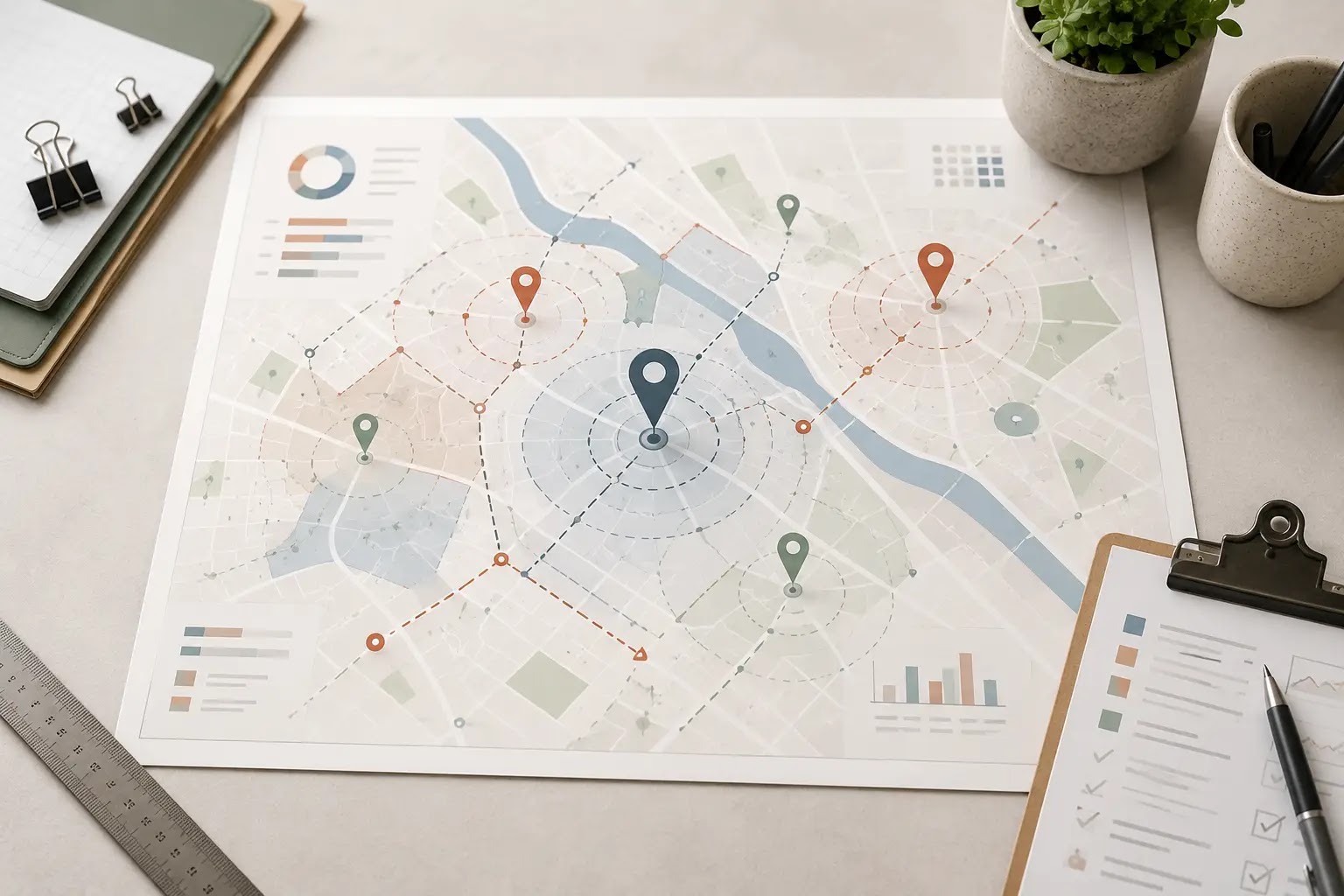
How do you plan route capacity, storage, vehicle load, and restocking workflow?
For vending machine route planning, the practical question is not just how many machines you can own, but how many you can reliably service with your current storage area, vehicle, product mix, and restock rhythm. The right answer depends on route density, product turnover, machine size, spoilage risk, equipment downtime, and how much backstock you can keep organized without creating extra trips.
Which inputs actually change the route plan?
| Planning area | Question to answer | Input to collect | Model impact | Verification source |
|---|---|---|---|---|
| Route density | Are machines close enough to be serviced in a practical loop? | Machine locations, drive times, access windows, and clustered stops | Changes route mileage, labor time, fuel use, and daily stop capacity | Maps, site visits, route logs, and landlord or location contact |
| Machine demand | How often does each machine need restocking? | Sales history, category mix, and observed sell-through by location type | Drives visit frequency, inventory carry, and overtime risk | Service reports, machine telemetry, POS/software data, and manual counts |
| Storage area | Can you stage enough inventory and supplies between routes? | Square footage, shelving, receiving space, and inventory handling flow | Affects backstock capacity, order frequency, and replenishment labor | Lease terms, site layout, and walkthrough measurements |
| Vehicle capacity | Can the vehicle hold the product mix and tools needed for a route? | Cargo space, shelving, cold-chain needs if any, and weight constraints | Limits how many stops can be serviced per trip and whether split trips are needed | Vehicle specs, upfit vendor notes, and loading tests |
| Restock workflow | How long does one stop take from arrival to departure? | Unload time, machine access, counting method, cleaning steps, and payment collection process | Determines labor hours per stop and whether the route fits a workday | Timed test route, operator observation, and documented SOPs |
| Inventory policy | How much product should be carried as backstock? | Minimum reorder levels, safety stock, and product shelf-life limits | Shapes working capital needs and storage pressure | Vendor terms, product specs, and recent usage trends |
| Repairs and downtime | How much route capacity is lost to service issues? | Common repair items, parts lead times, and average service interruptions | Reduces productive stops and may require buffer time or backup coverage | Maintenance logs, technician quotes, and equipment manuals |
| Commission and site terms | Do location payments change the economics of a stop? | Commission structure, shared-revenue terms, and any minimum expectations | Changes gross margin per location and may affect route priority | Location agreement, operator records, and site owner communication |
What sequence should a founder use to document assumptions?
- List each proposed machine location and group them by territory, access time, and likely service frequency.
- Estimate demand by location type using your best available data, then flag where the estimate is still a guess.
- Measure storage needs for product, change, tools, and replacement parts before deciding route size.
- Test vehicle fit with actual product cases and equipment so loading assumptions are based on real cargo constraints.
- Time one full restock stop from parking to departure and note where delays happen.
- Document maintenance and downtime assumptions separately from routine restocking time.
- Define the inventory order cycle, including supplier lead time and any minimum order rules.
- Record which assumptions are verified, which are estimated, and which need local confirmation before launch.
Why this framework matters before you build the financial model
A route that looks small on paper can become capacity-constrained if storage is too tight, the vehicle is under-sized, or restocking takes longer than expected. If you document these inputs now, the next step is to translate them into labor, mileage, inventory, downtime, and working-capital assumptions for the model.
Next: Block 3 turns these route and workflow inputs into financial implications, tradeoffs, and risk checks.
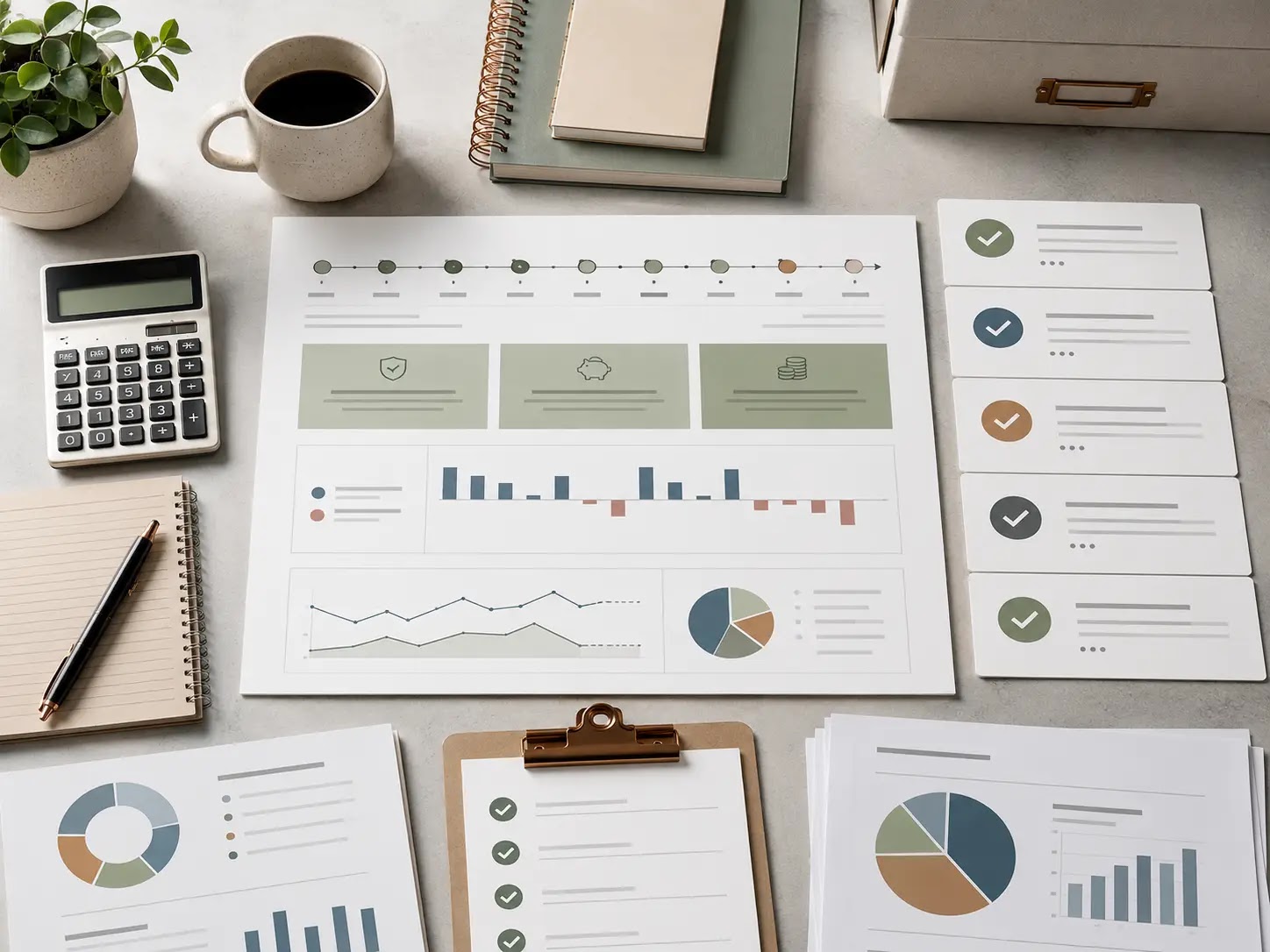
What can break a vending machine route capacity plan?
For a buyer or founder, the real question is not just how many machines you can own; it is whether your route, storage area, vehicle, and restocking workflow can support those machines without creating avoidable friction. Capacity planning gets tighter when inventory variety grows, service stops are spread out, or the route depends on a vehicle and storage setup that cannot handle the same-day restock pattern you are assuming in the model.
The practical tradeoff is simple: more machines can improve revenue potential, but they also increase the load on labor, mileage, product staging, repair response, and working capital. If the route grows faster than your storage or vehicle plan, your operating model can look fine on paper while becoming harder to service consistently in the field.
Scenario: dense local route
Shorter drive times can help, but storage organization, product pull-through, and same-day restocking discipline become the limiting factors.
Scenario: spread-out territory
Mileage, route time, and fuel sensitivity matter more, so machine count may be constrained by travel efficiency before it is constrained by sales potential.
Scenario: mixed product and service cadence
Different sell rates across machines can force uneven restock timing, which raises the importance of inventory tracking, routing software, and spare cash for working capital.
When you compare scenarios, the most useful test is whether the route still works after you add real-world friction: missed stops, product substitutions, service calls, and temporary storage limits. That is the point where capacity planning turns into financing readiness, because lenders, landlords, and partners usually want to see that your assumptions are operationally grounded rather than optimistic.
| Planning risk | Why it matters | Assumption affected | How to verify |
|---|---|---|---|
| Too many machines for one route day | Can stretch service windows and create missed restocks or rushed stops | Route density, labor time, and restock frequency | Map stops, estimate travel and service time, and test the schedule with a realistic route sheet |
| Storage area is smaller than planned inventory needs | Can limit bulk buying, product staging, and emergency replenishment | Inventory holding capacity and working capital need | Measure usable storage space, shelving, and receiving flow before building the inventory plan |
| Vehicle cannot handle product volume efficiently | Can create extra trips, loading delays, and higher operating friction | Vehicle capacity, route batching, and fuel assumption | Check load size, access points, and how many stops fit comfortably without overpacking |
| Product mix changes restock frequency | Fast-moving items may need more frequent replenishment than the route model assumes | Service cadence and inventory turns | Track sell-through by machine and category before locking the final restock plan |
| Repair downtime is not built into the workflow | Equipment issues can interrupt service time and reduce effective route capacity | Spare parts, technician access, and contingency time | Review likely service intervals, vendor support terms, and your backup plan for out-of-service machines |
Once these risk points are checked against your own route, storage, vehicle, and workflow assumptions, the final step is to turn them into a launch-ready checklist. That way, the next block can focus on what must be confirmed before you commit to machines, inventory, and a first route rollout.
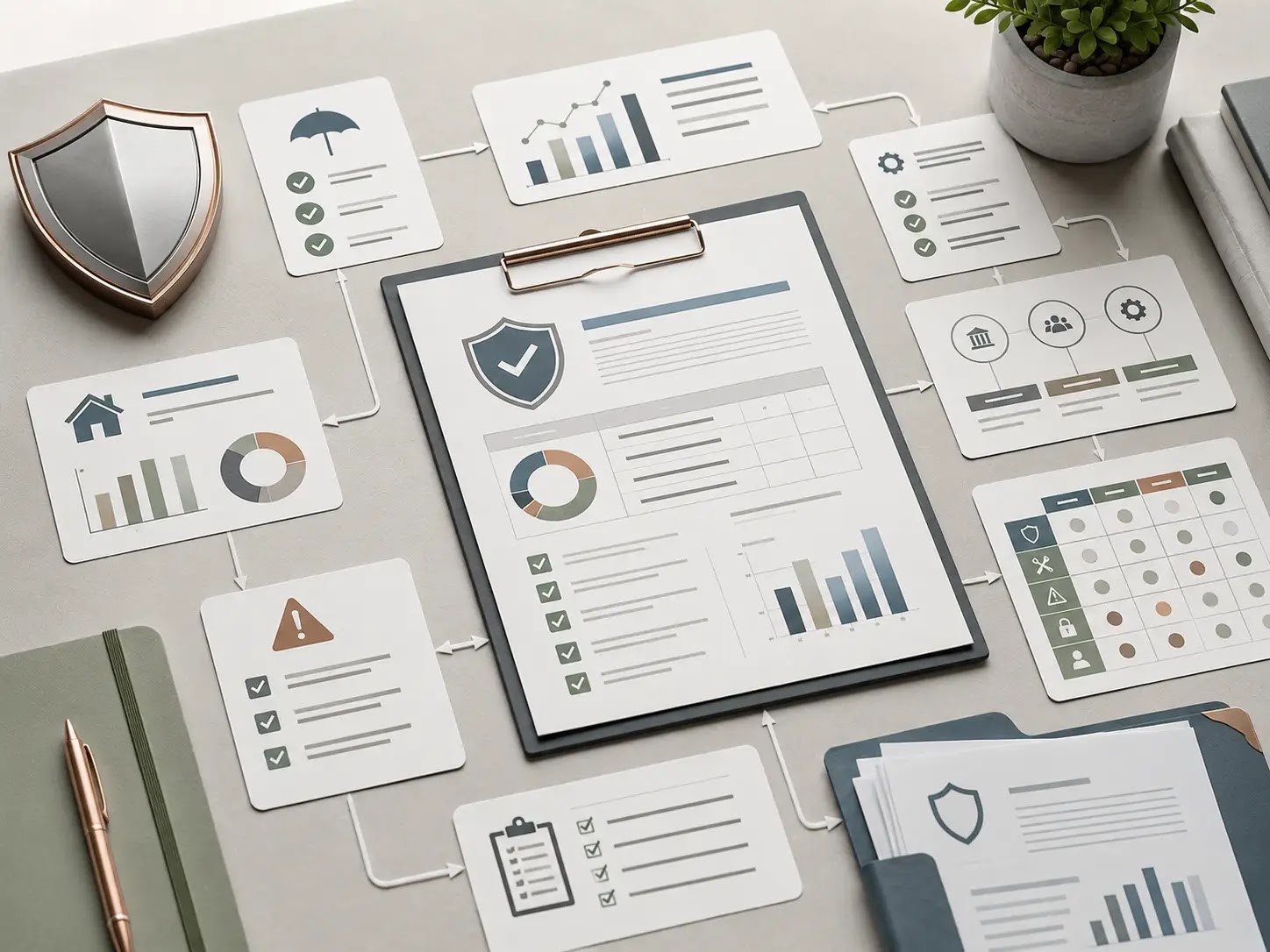
What should you do next before opening, buying, or expanding the route?
The practical decision path is simple: confirm how many machines your route can support, how much inventory and spare parts you can store, what your vehicle can carry safely, and whether your restocking workflow can handle the travel time, labor, and service frequency your locations will require.
If any one of those pieces is too tight, the plan usually shifts toward fewer machines, a different territory, a larger storage setup, or a different vehicle and staffing model.
Readiness scorecard
| Planning area | Ready when... | What to verify |
|---|---|---|
| Route capacity | You know how many stops fit into a workable service cycle. | Stop count, travel time, refill time, and machine service frequency. |
| Storage area | You can hold enough product, consumables, and spare parts without clutter. | Shelf space, access, security, and inbound delivery handling. |
| Vehicle | The vehicle can carry inventory and equipment safely and efficiently. | Load space, fuel cost, parking access, and route fit. |
| Restocking workflow | The process is repeatable and does not depend on guesswork. | Picking list, route order, cashless checks, repairs, and restock timing. |
| Working capital | You can cover inventory, repairs, commissions, software, and operating gaps. | Cash reserve needs and timing of customer collections or payouts. |
Next-step checklist
- Count the machines and stops you can service in one route without rushing.
- List the products, tools, and spare parts you must store between visits.
- Check whether your current vehicle fits the inventory mix and route pattern.
- Map the restocking sequence so each stop has a clear order of operations.
- Estimate how route mileage, labor, repairs, commissions, and software affect cash needs.
- Compare a lean launch, a moderate route, and a fuller route before committing.
- Verify local lease terms, vendor terms, and market pricing with current sources.
A business plan, financial model, pitch deck, checklist, and startup toolkit can help organize these assumptions, compare route scenarios, and document the plan for partners, lenders, landlords, or advisors.
Final takeaway: for a U.S. vending machine founder or buyer, capacity planning is not just about how many machines you want; it is about whether your route, storage, vehicle, and restocking workflow can support them without breaking the economics of the launch.


