
Vending Machine Pre-Opening Budget: What to Include
A practical U.S. planning guide for vending machine pre-opening budget: what to include, built for founders, buyers, and operators comparing assumptions before committing capital.

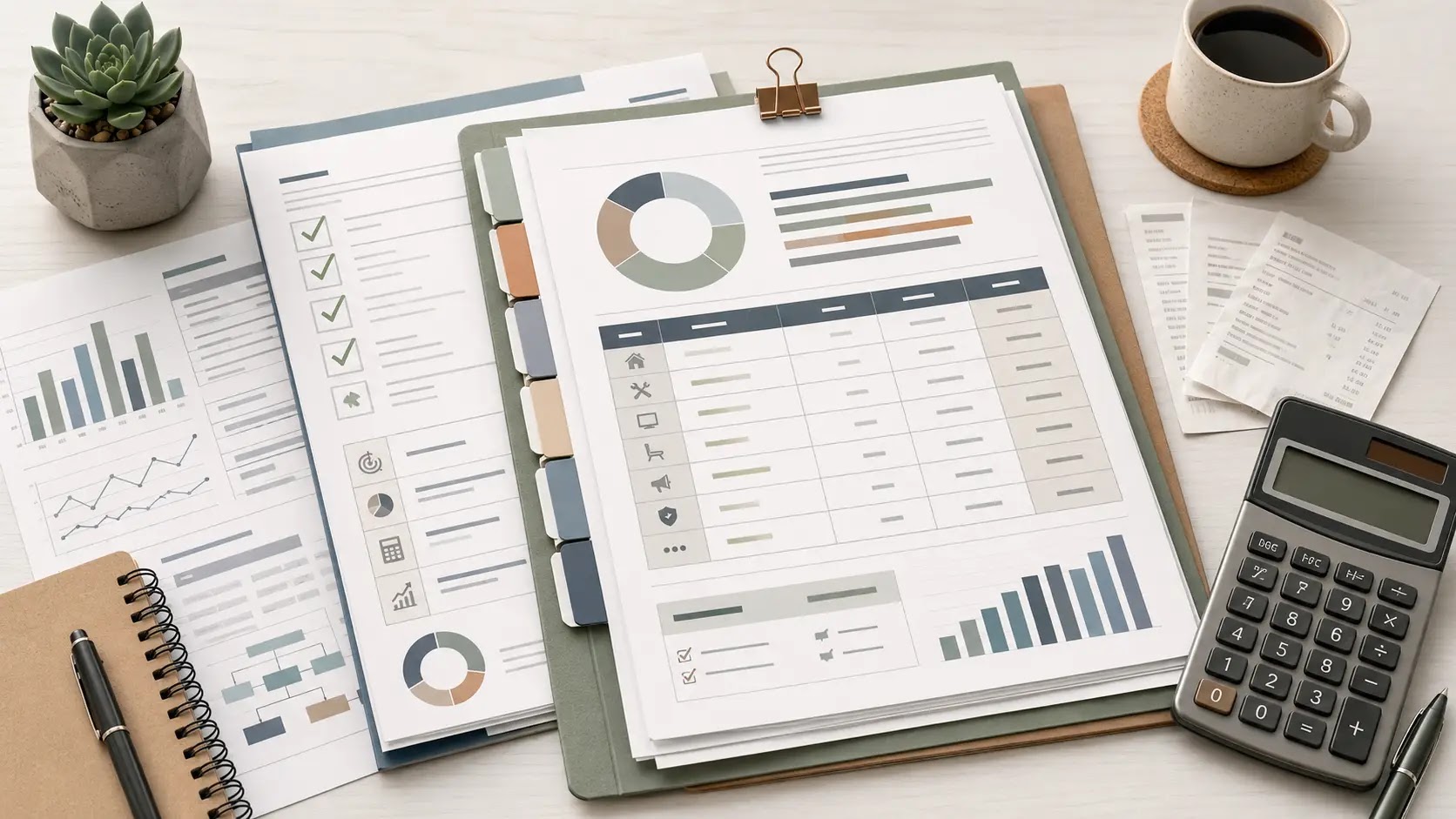
What should a vending machine pre-opening budget include?
If you are buying or starting a vending machine business, the pre-opening budget should cover every cost needed before the first sale: the machines themselves, delivery and installation, starting inventory, location-related fees, route setup, repairs reserve, software, and enough working capital to support the launch period.
The key decision is not just “how much does a machine cost?” It is whether your budget reflects the real launch path for your market, including placement terms, service frequency, product mix, and how quickly cash will be tied up in inventory and machine deployment.
For U.S. founders and buyers, the right budget is a documentation tool as much as a spending plan. It should show the assumptions behind your startup costs, acquisition costs if applicable, and the cash cushion needed before route income becomes dependable.
Quick snapshot
| What the reader is deciding | How much cash is needed before the vending business can open and operate with confidence. |
|---|---|
| What must be verified locally | Machine pricing, lease or placement terms, commissions, labor needs, route mileage, permit or site requirements, inventory costs, and lender or vendor terms. |
- Lease or placement terms: rent, revenue share, commissions, and any site-specific charges.
- Equipment: new or used machines, delivery, installation, and any refurbishment or parts.
- Inventory: initial product load, product mix, and replenishment timing.
- Labor: stocking, maintenance, route driving, and outsourced service if used.
- Menu economics: price points, product margins, spoilage risk, and package sizes.
- Permits and local requirements: anything required by the market before launch.
- Working capital: cash reserve for slow starts, repairs, and uneven collection cycles.
- Funding readiness: whether your budget supports a lender, investor, or owner-funded pitch deck.
In the next section, the budget items will be turned into a practical planning framework so you can separate one-time startup costs from recurring operating needs and verify the assumptions that matter most.
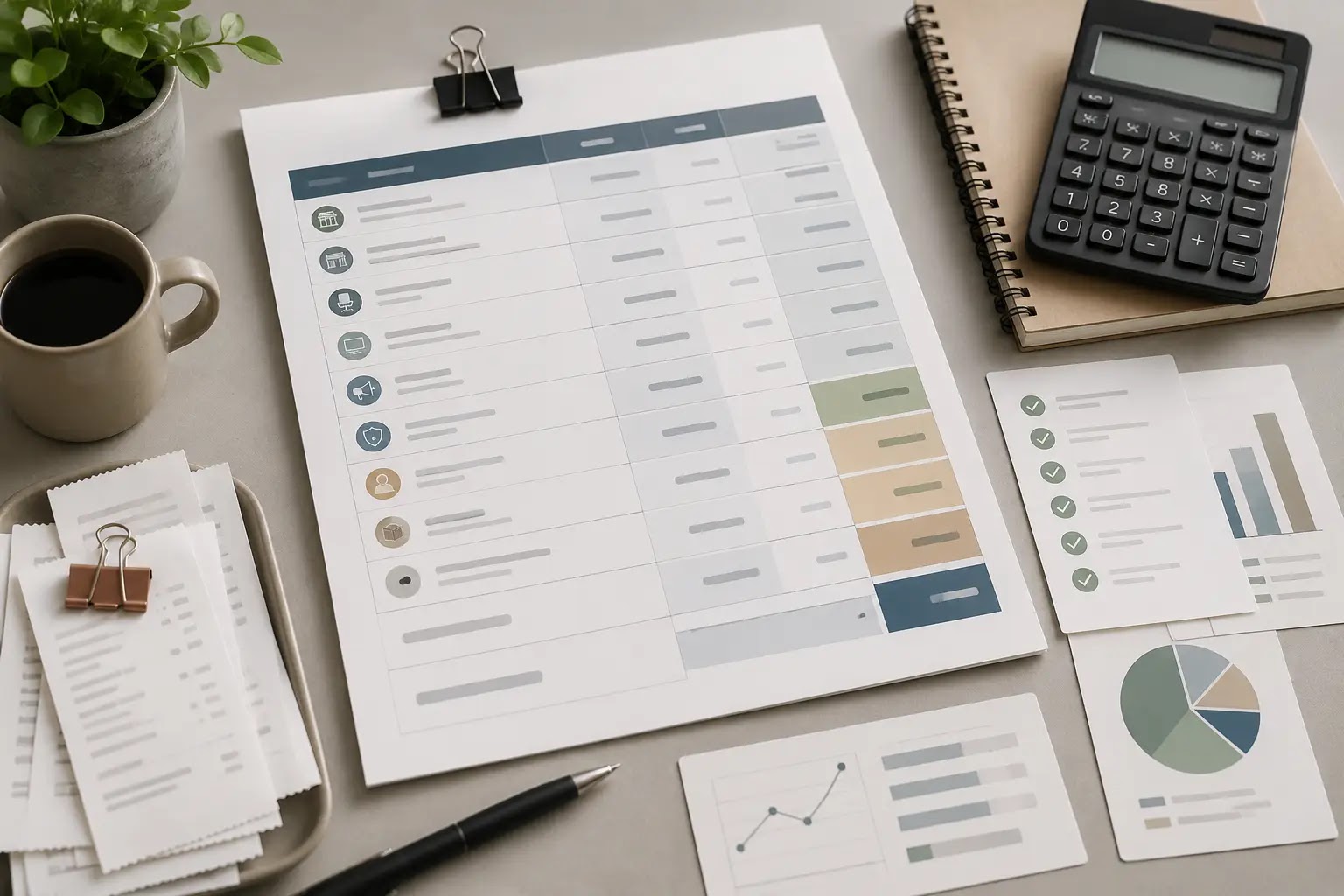
What should a vending machine pre-opening budget include?
A useful pre-opening budget for a U.S. vending machine business should separate one-time startup costs from launch-period cash needs. That means budgeting for machines, delivery and setup, initial inventory, payment systems, route support, repairs, commissions, software, and enough working capital to cover the period before machines reach steady sales.
The goal is not just to total expenses. It is to document the assumptions behind each line item so you can compare new machines vs. used machines, owner-operated routes vs. staffed routes, and owned locations vs. commission-based placements.
Which budget inputs should be documented first?
| Planning area | Question to answer | Input to collect | Model impact | Verification source |
|---|---|---|---|---|
| Machines | How many machines are in the first opening plan, and are they new, used, or refurbished? | Machine count, condition, purchase price, delivery cost, setup needs | Initial capital needs and depreciation or replacement planning | Vendor quotes, seller listings, inspection notes |
| Location access | What does it take to secure each placement? | Deposit, commission terms, service expectations, access restrictions | Startup cash and monthly operating assumptions | Location agreements, host discussions, broker terms |
| Initial inventory | What product mix is needed to stock the first set of machines? | SKU list, case quantities, supplier minimums, restock cycle | Opening inventory and replenishment cash needs | Wholesale quotes, supplier catalogs, test route plan |
| Payment systems | Will machines accept cash only, cashless only, or both? | Reader hardware, installation, service fees, wireless requirements | Upfront equipment cost and recurring fees | Vendor terms, hardware specs, payment processor documentation |
| Software and route management | How will sales, inventory, and route stops be tracked? | Platform subscription, onboarding, data access, reporting needs | Operating expense and admin workload | SaaS pricing pages, demos, contract terms |
| Route mileage and transport | How far will the route run and what vehicle support is needed? | Estimated miles, fuel, maintenance, parking, loading equipment | Monthly operating cost and working capital | Route map, mileage log, vehicle records |
| Repairs and spares | What reserve is needed for jams, parts, and service calls? | Repair allowance, spare parts list, service vendor rates | Contingency budget and downtime planning | Technician quotes, machine manuals, owner estimates |
| Commissions and fees | What share of sales is paid to each location, if any? | Commission rate or flat fee, billing schedule, minimum guarantees | Gross margin and break-even sales assumptions | Negotiated location terms, location invoice history |
| Storage and staging | Where will inventory, spare parts, and replacement machines be stored? | Storage rent, shelving, security, climate needs | Startup and monthly overhead | Lease terms, storage quotes, facility walkthrough |
| Working capital | How much cash is needed before the route stabilizes? | Months of coverage for rent, fuel, inventory, commissions, software, labor | Funding requirement and runway | Budget worksheet, bank balance planning, lender or investor review |
How should a founder move from research to documented assumptions?
- Define the opening scope. List the number of machines, the type of locations, and whether the plan starts with a route purchase, a few placements, or a gradual buildout.
- Collect machine and setup quotes. Get separate pricing for equipment, delivery, installation, and any needed refurbishments so the budget does not hide startup work inside a single purchase number.
- Document location economics. Record any deposit, commission, or access requirement for each site because location terms can change both startup cash and ongoing margin.
- Build the first inventory list. Specify the products you expect to stock, the quantities needed to fill the machines, and the supplier terms that affect opening cash.
- Estimate route support costs. Capture mileage, fuel, vehicle wear, parking, loading tools, and service time so transport does not get understated.
- Add service and repair reserves. Include spare parts, basic tools, and a repair allowance based on the machine mix and expected maintenance load.
- Price payment, software, and admin tools. Separate one-time hardware costs from recurring platform or processing fees so the monthly budget is realistic.
- Set a working-capital buffer. Estimate the cash needed to cover the early operating period before sales are stable, including inventory refresh and location payments.
- Compare the budget against funding sources. Match startup cash needs to owner equity, debt capacity, or seller financing terms, and note any gaps that still need to be solved.
- Lock the assumptions in writing. Save each line item with its source, date, and revision note so the budget can be reviewed later against actual opening costs.
Verification note: machine prices, supplier terms, commissions, software fees, insurance requirements, and local operating costs can vary widely by market and vendor. Verify current quotes and contract terms before you finalize the opening budget.
Once these startup-cost inputs are documented, the next step is to test how they affect monthly cash flow, payback timing, and downside cases in the financial model.
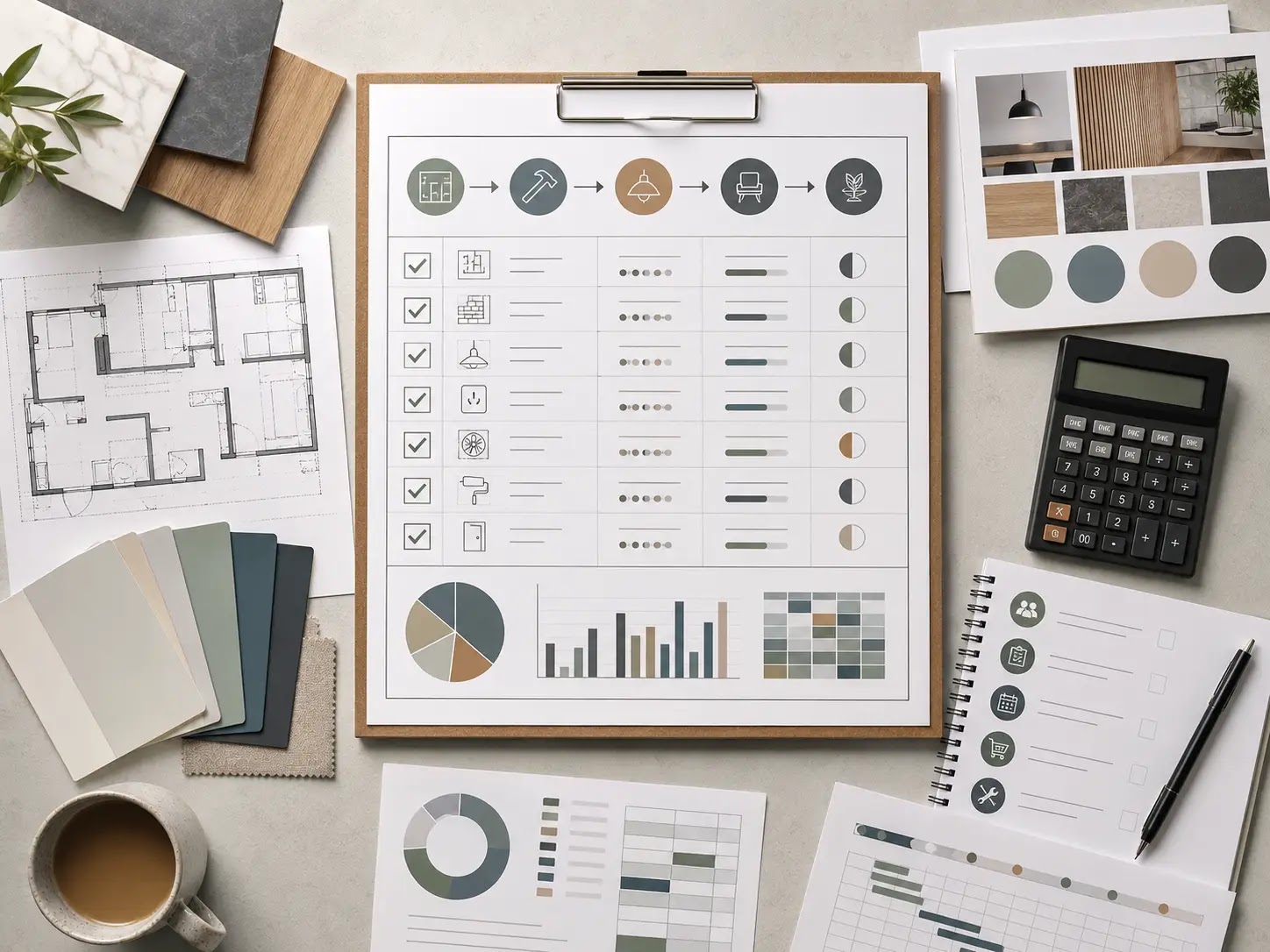
How should pre-opening budget assumptions flow into runway and break-even?
For a vending machine startup, the pre-opening budget is not just a launch checklist. It is the first pass at your cash runway, funding need, and break-even logic. The biggest model risk is usually undercounting the items that sit between “machine purchase” and “cash collected”: inventory, route mileage, service calls, card-reader fees, software, commissions, and spare parts.
Treat every line item as an assumption that affects how much money you need before the route becomes self-funding. If one location closes, a machine needs repairs, or a route runs longer than expected, your working capital buffer matters more than the headline machine price.
What assumptions usually move the budget the most?
- Machine count, purchase price, and whether each unit is new, used, or refurbished.
- Initial inventory depth by product mix, category turnover, and spoilage risk.
- Route mileage, fuel, storage, and the time needed to service each stop.
- Card-reader setup, software subscriptions, and payment-processing terms.
- Location commissions, rent-sharing terms, or revenue-share agreements.
- Repair reserve, spare parts, and the chance a machine is offline during launch.
- Labor coverage for stocking, cash handling, and problem resolution.
Budget-to-model worksheet
| Model input | What to enter | Why it matters |
|---|---|---|
| Machines and setup | Purchase or lease cost, delivery, installation, and any refurbishment work | Sets the largest upfront cash requirement |
| Opening inventory | First fill quantities by category and expected restock timing | Affects launch readiness and early cash use |
| Route operations | Mileage, fuel, storage, labor coverage, and service frequency | Drives monthly burn and staffing need |
| Technology and fees | Card readers, software, network fees, and payment processing terms | Impacts margin and recurring overhead |
| Repairs and reserve | Spare parts, maintenance budget, and a cash buffer for downtime | Reduces the risk of running short after launch |
| Working capital | Cash reserve for weak weeks, delayed placements, or slow collections | Extends runway before break-even |
Core formulas to test: startup cash need = setup costs + opening inventory + delivery/installation + technology + permits/insurance deposits + repair reserve + working capital; runway months = cash reserve ÷ monthly burn; break-even sales = monthly fixed costs ÷ contribution margin per sale.
Which scenario pressure-test should you run first?
| Scenario | Assumption shift | Budget effect | Risk to watch |
|---|---|---|---|
| Conservative | Higher repair reserve, slower restocking cycle, more cash held back | Higher funding need, lower early stress | Better if route buildout takes longer than planned |
| Base case | Expected sales mix, standard service frequency, normal downtime buffer | Balanced runway estimate | Most useful for lender or partner discussion |
| Aggressive | Faster location turnover, lower reserve, tighter staffing coverage | Lower stated startup cash need | Can fail if sales lag or maintenance rises |
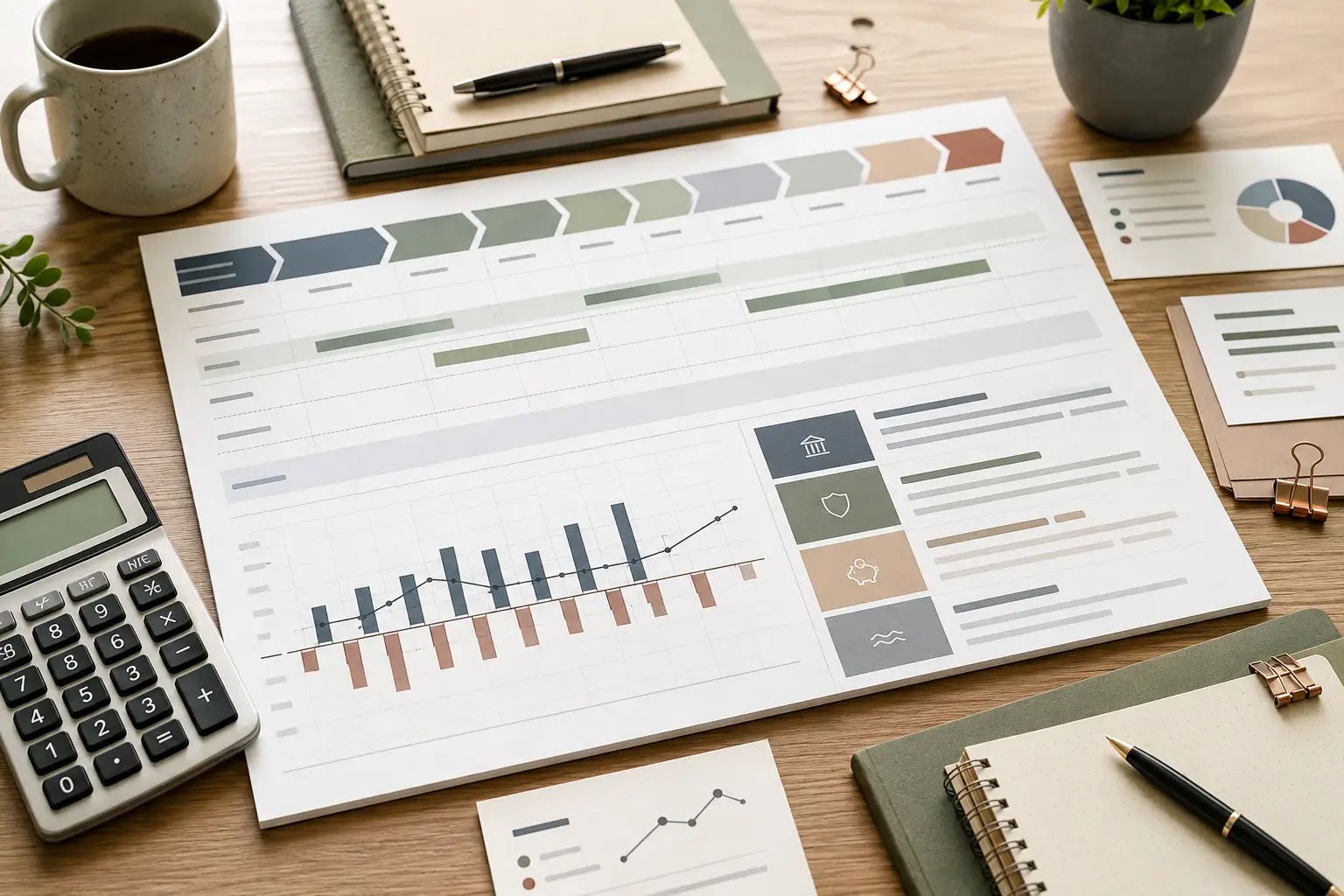
What should you do next before you open a vending machine route?
Practical recap: a pre-opening vending budget should separate one-time setup costs from ongoing operating cash needs. For U.S. founders and buyers, the key decision is not just what the machines cost, but whether your budget also covers inventory, route mileage, repairs, commissions, software, and enough working capital to stabilize the first months of operation.
Before you commit, make sure your assumptions are tied to the exact markets, locations, vendors, and financing terms you are actually pursuing. That is what turns a rough estimate into a usable launch budget.
Pre-opening readiness scorecard
| Readiness item | What “ready” looks like |
|---|---|
| Machine plan | You know how many machines you are buying, leasing, or placing on location, and what condition they will arrive in. |
| Inventory plan | You have a starting product mix and a replenishment assumption tied to route demand. |
| Location economics | You have any commission, split, or placement terms in writing or clearly drafted for review. |
| Operating cash | Your budget includes early cash for mileage, repairs, software, cleaning, and restocking before sales normalize. |
| Funding structure | You know how much is owner equity, how much is debt or vendor financing, and when cash is needed. |
| Documentation | Your assumptions are organized well enough to support a business plan, financial model, pitch deck, or lender conversation. |
Next planning steps
- Confirm your machine count, acquisition method, and expected condition of each unit.
- List every pre-opening cost category, including inventory, transport, setup labor, repairs, software, and deposits if applicable.
- Separate startup spending from first-phase operating cash so you do not understate working capital needs.
- Compare at least two location scenarios if your route plan depends on different commission or foot-traffic assumptions.
- Verify vendor quotes, lease terms, financing terms, and local market pricing with current sources before finalizing the budget.
- Stress-test the budget for slower-than-expected route buildout and higher-than-planned service costs.
- Document the assumptions in a format you can reuse for a business plan, lender packet, or investor discussion.
Simple bridge to the planning tools
If you are turning this budget into a launch decision, a business plan, financial model, pitch deck, checklist, and startup toolkit can help organize assumptions, compare scenarios, and document the plan for partners, lenders, landlords, or advisors.


