
Vending Machine Renovation Budget: What Drives Overruns
A practical U.S. planning guide for vending machine renovation budget: what drives overruns, built for founders, buyers, and operators comparing assumptions before committing capital.

What drives a vending machine renovation budget overrun?
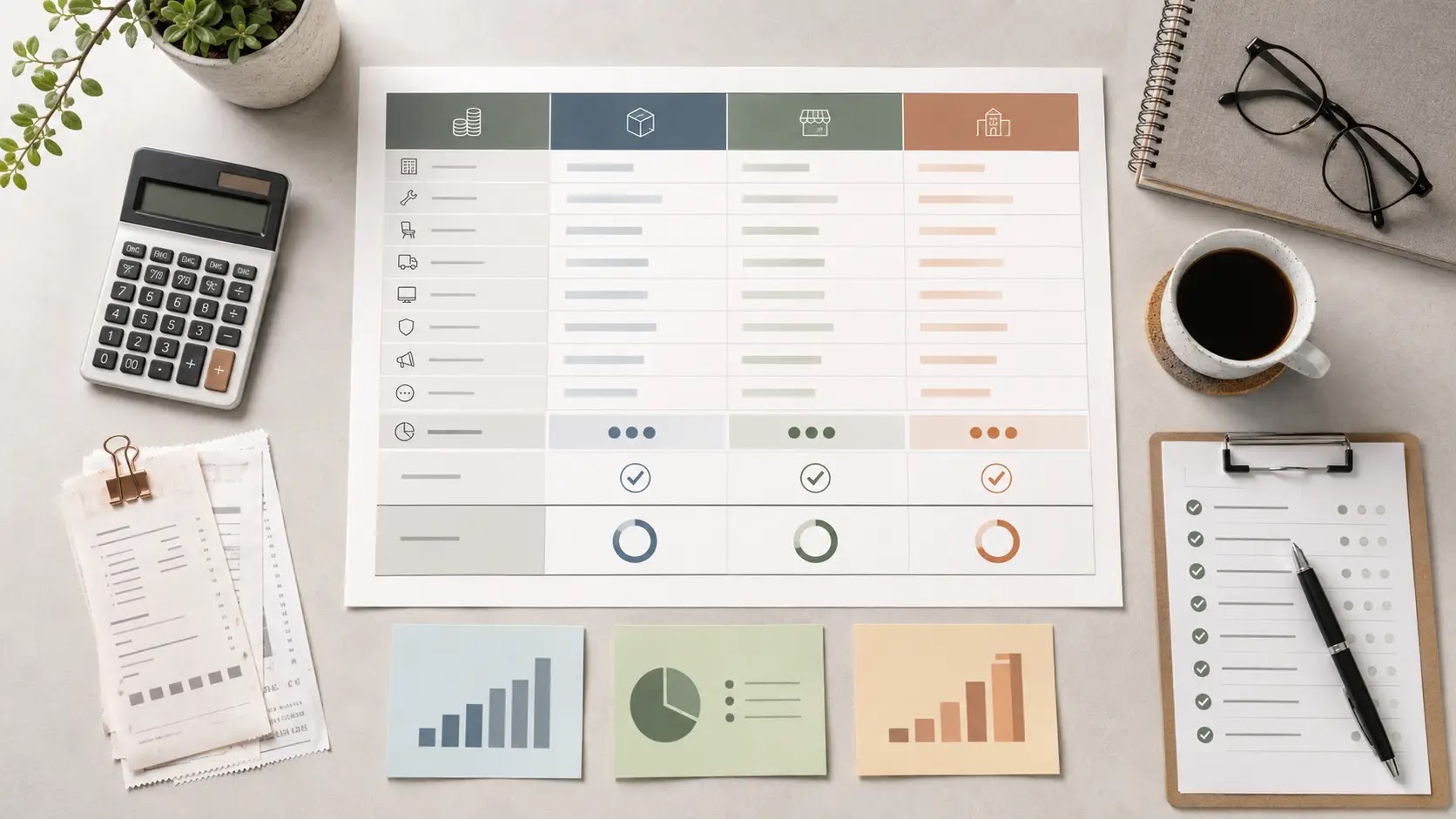
If you are buying, launching, or refreshing a vending machine route, the real budget question is not just what the machines cost—it is what it takes to make them reliable, placeable, stocked, and ready to operate. Renovation overruns usually come from machine condition, location-specific setup, transport and installation, inventory needs, and the amount of time needed before cash flow stabilizes.
For U.S. founders and buyers, the safest approach is to separate known renovation work from local variables that depend on the route, landlord, supplier, and market. That means checking equipment condition, service access, commissions, electrical or space constraints, route mileage, software needs, and working capital before you lock in a budget.
| What the reader is deciding | What must be verified locally |
|---|---|
| How much renovation cash to reserve | Machine condition, needed repairs, transport, install, and any landlord or site-specific setup requirements |
| Whether the route can support the investment | Location foot traffic, commission terms, service frequency, restocking access, and expected inventory turnover |
| How much working capital to hold back | Initial inventory needs, route mileage, software or payment tools, spare parts, and timing between setup and steady sales |
- Lease or site access assumptions
- Machine and retrofit condition
- Labor and service time
- Menu and inventory economics
- Permits and local operating requirements
- Working capital and cash reserve needs
- Funding readiness and lender-facing documentation
The practical takeaway is simple: renovation budgets for vending businesses overrun when founders undercount site-specific costs and overestimate how quickly the route becomes stable. Next, use a structured planning framework to isolate the assumptions that matter most before you finalize the budget.
What should you track before you lock a vending machine renovation budget?
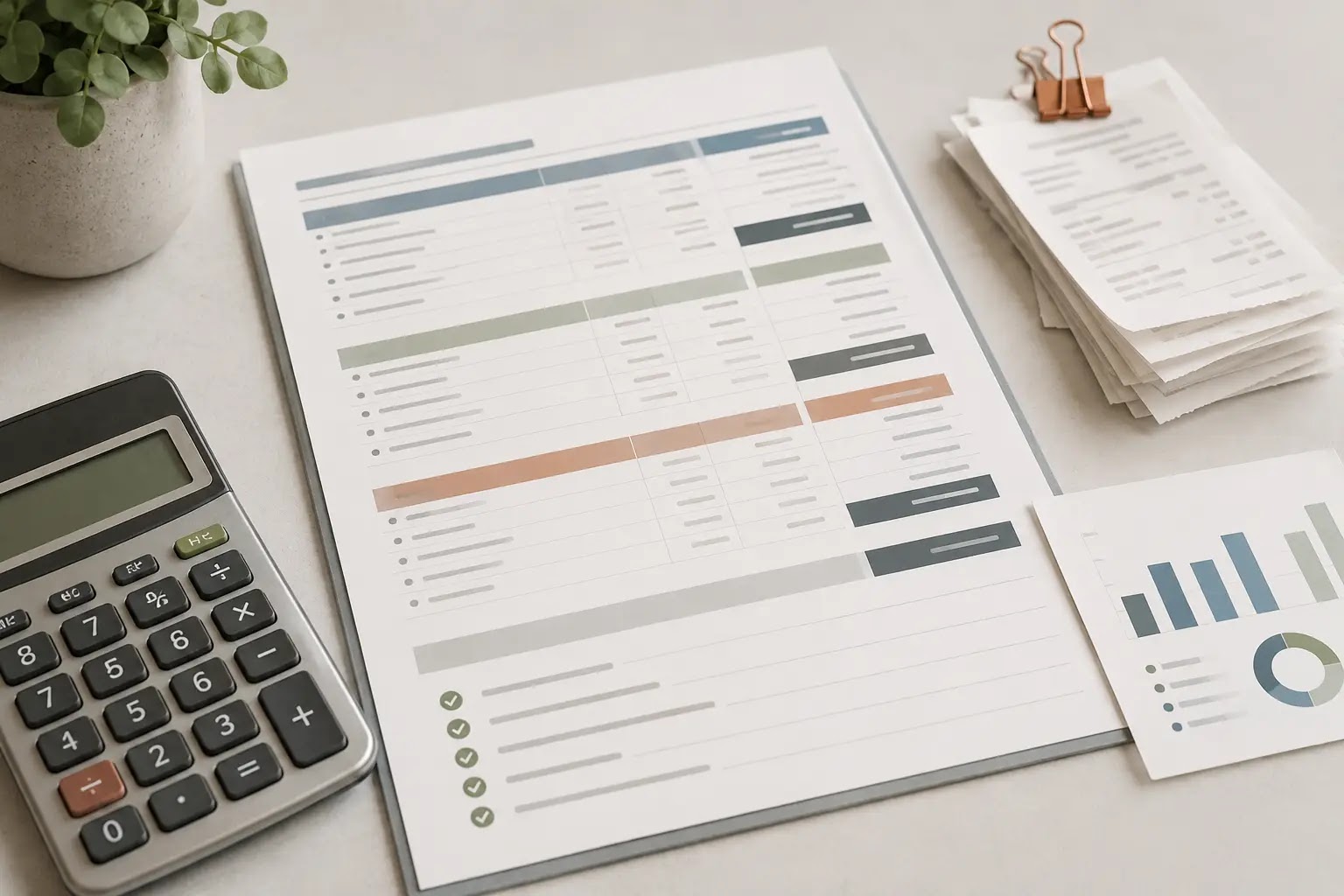
If you are buying, refurbishing, or relaunching vending machines, the budget usually overruns when the scope is too vague. The safest approach is to break the project into machine condition, repair scope, route setup, location terms, inventory, and working capital—then verify each input with quotes, site details, and vendor terms before you commit cash.
Which renovation inputs usually move the budget the most?
| Planning area | Question to answer | Input to collect | Model impact | Verification source |
|---|---|---|---|---|
| Machine condition | Is the unit a light refresh, a functional repair, or a near-full rebuild? | Inspection notes, photos, age, test results, and known defects | Drives repair labor, parts replacement, and whether the unit should be kept or replaced | On-site inspection, technician quote, seller disclosure |
| Core components | Which parts must be repaired or swapped before the machine is usable? | List of needed parts such as locks, motors, bill validators, coin mechanisms, refrigeration components, or payment hardware | Changes direct repair cost and lead time | Repair vendor estimate, parts supplier quote, compatibility check |
| Cosmetic work | Does the machine need cleaning, repainting, decals, lighting, or panel replacement? | Scope of cosmetic work and finish standard you want to meet | Raises labor cost and can extend time before launch | Body shop quote, refurbisher estimate, sample photos |
| Pickup and installation | How will the unit be moved, placed, and secured? | Pickup distance, lift needs, delivery location, stairs, access limits, and install time | Impacts freight, labor, and route startup costs | Freight quote, installer estimate, site walkthrough |
| Route mileage and labor | How many trips are needed for repair, stocking, and service? | Route map, stop count, service frequency, drive time, and labor hours | Changes fuel, wage burden, and overtime risk | Route plan, map review, labor schedule |
| Location terms | What does each location require before a machine can operate? | Commission terms, rent, utility access, site prep needs, and placement restrictions | Can add recurring occupancy cost and opening expenses | Signed location agreement, landlord or site contact, written terms |
| Inventory and product mix | How much opening stock is needed to fill and test the machine? | SKU list, fill quantities, par levels, and supplier minimums | Raises initial cash tied up in inventory and replenishment timing | Supplier quote, test fill sheet, product plan |
| Payment and software | Do you need telemetry, cashless readers, route software, or service subscriptions? | Device compatibility, subscription terms, setup fees, and monthly service charges | Adds startup and recurring operating cost | Vendor terms, compatibility confirmation, subscription agreement |
| Working capital | How long can the route run before cash flow turns positive? | Launch timing, stocking cycle, repair delays, and reserve target | Determines cash cushion and funding need beyond hard startup costs | Cash flow model inputs, supplier terms, opening schedule |
How do you turn field research into documented assumptions?
- Inspect each machine first. Separate what is required to make it operational from what is only a visual upgrade.
- Collect quotes by scope. Ask vendors to price parts, labor, and turnaround separately so you can see where overruns are likely.
- Map the route, not just the machine. Include pickup, storage, repair shop trips, install visits, and ongoing service mileage.
- Document location economics. Record commission, rent, power access, site prep, and any placement constraints before the machine is moved in.
- Confirm inventory assumptions. Use the intended product mix and opening fill to estimate how much cash is tied up on day one.
- Check vendor terms. Verify payment hardware, software, subscriptions, deposits, and any compatibility issues with the machine type.
- Add a repair delay buffer. Note how long parts take to arrive and how a delayed launch affects route cash needs.
- Record every assumption. Save the quote, vendor name, date, and source for each major budget line so the model can be updated later.
Use this framework to separate fixed startup costs from the items most likely to expand once the project is underway. Once those inputs are documented, the next section can convert them into scenario-based financial model implications and cash-need checks.
How should a vending machine renovation budget handle overruns?
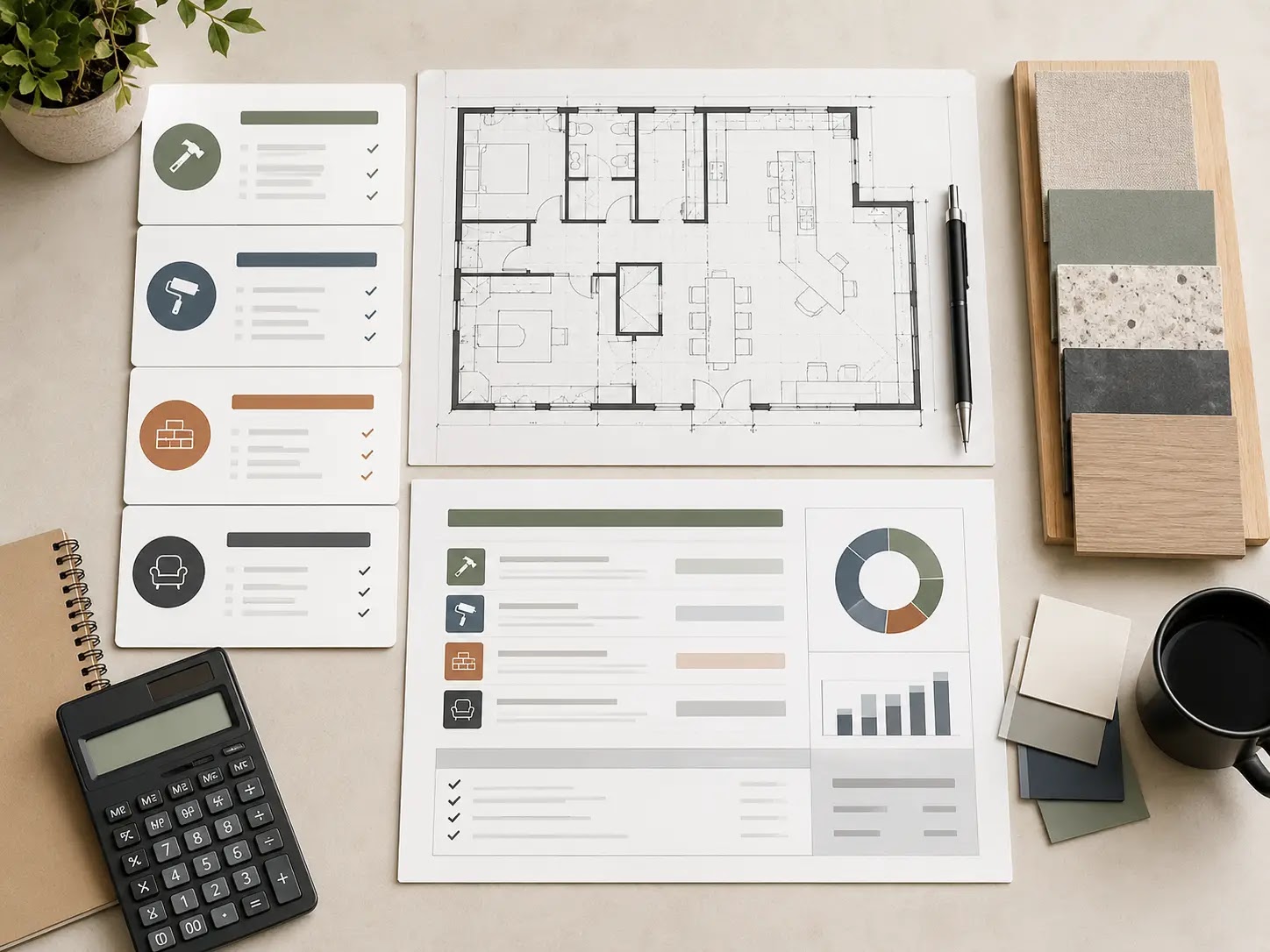
For a vending machine founder or buyer, the budget usually runs past plan when repair scope, freight, inventory, route mileage, or labor coverage is wider than expected. A good model does not treat renovation as one number; it separates machine condition, opening stock, installation, software, commissions, and reserve cash so overruns show up early instead of after launch.
That matters because a route can look affordable on paper while still needing extra cash for machine rehab, first-fill inventory, payment hardware, and the operating float needed to service machines before collections stabilize.
Assumptions that change the cash need
Start with verified quotes, then separate one-time renovation items from recurring operating costs. The biggest planning mistake is to mix them together, which hides how much cash is needed before the first month of sales is fully known.
- Machine condition: cosmetic refresh, component replacement, or deeper mechanical repair.
- Logistics: freight, hauling, installation help, and any move-in support.
- Launch stock: opening inventory, change fund, and refill buffer.
- Route coverage: fuel, mileage, service time, and temporary labor backup.
- Tech stack: card readers, telemetry, route software, and subscription fees.
- Site economics: commissions, access terms, and any placement-related costs.
Where overruns usually happen
- More parts are needed than the initial inspection suggested.
- Refurbishment takes longer, which pushes labor and downtime higher.
- Opening inventory is too light for the first refill cycle.
- Route mileage and service time are understated.
- Payment hardware or software gets added after the budget is set.
- There is no contingency for site changes, failed placements, or delayed collections.
Illustrative calculator: what feeds startup cash need?
Use placeholder values only. Replace each line with current quotes, verified local costs, and route-specific assumptions.
| Planning line | What to collect | Formula role | Why it matters |
|---|---|---|---|
| Machine rehab | Parts, labor, cleaning, testing, and any replace-vs-repair decision | One-time startup cost | Often the first source of budget creep |
| Transport and install | Freight, moving, lift help, and placement setup | One-time startup cost | Can rise when machines or sites are harder to access |
| Opening inventory | Initial product mix, change fund, and refill buffer | Working capital need | Directly affects launch readiness and early service cadence |
| Route coverage | Fuel, mileage, service time, and backup labor | Monthly operating cost | Impacts burn rate and cash runway |
| Software and hardware | Telemetry, card readers, setup fees, and subscriptions | Startup and recurring cost | Often added late and missed in the first budget draft |
| Reserve cash | Buffer for repairs, slow collections, and delayed ramp-up | Contingency | Reduces the risk of running out of operating cash too soon |
| Metric | Illustrative formula | Decision use |
|---|---|---|
| Total startup cash need | Machine rehab + transport/install + opening inventory + software/hardware + reserve cash | Shows how much funding the launch actually needs |
| Monthly cash burn | Fixed operating costs + route coverage + commissions + software + debt or lease payments | Tests whether the route can carry itself early |
| Break-even sales | Monthly cash burn ÷ expected gross margin | Compares sales assumptions against realistic operating load |
| Cash runway | Starting reserve cash ÷ monthly cash burn | Shows how many months the business can absorb delays |
Scenario check: how do renovation assumptions shift the budget?
| Scenario | Budget pressure | Cash runway impact | What to verify first |
|---|---|---|---|
| Lower-friction launch | Minor rehab, short delivery path, simple inventory mix | Reserve may last longer if sales ramp is steady | Machine condition, site access, and product mix |
| Base case | Moderate parts, normal install, standard route coverage | Needs a clear buffer for the first refill cycle | Labor time, commissions, software, and mileage |
| High-friction launch | Major repairs, extra freight, higher inventory, slower ramp | Working capital can become the limiting factor | Repair scope, replacement timing, and reserve cash |
What should you do next before you lock the renovation budget?
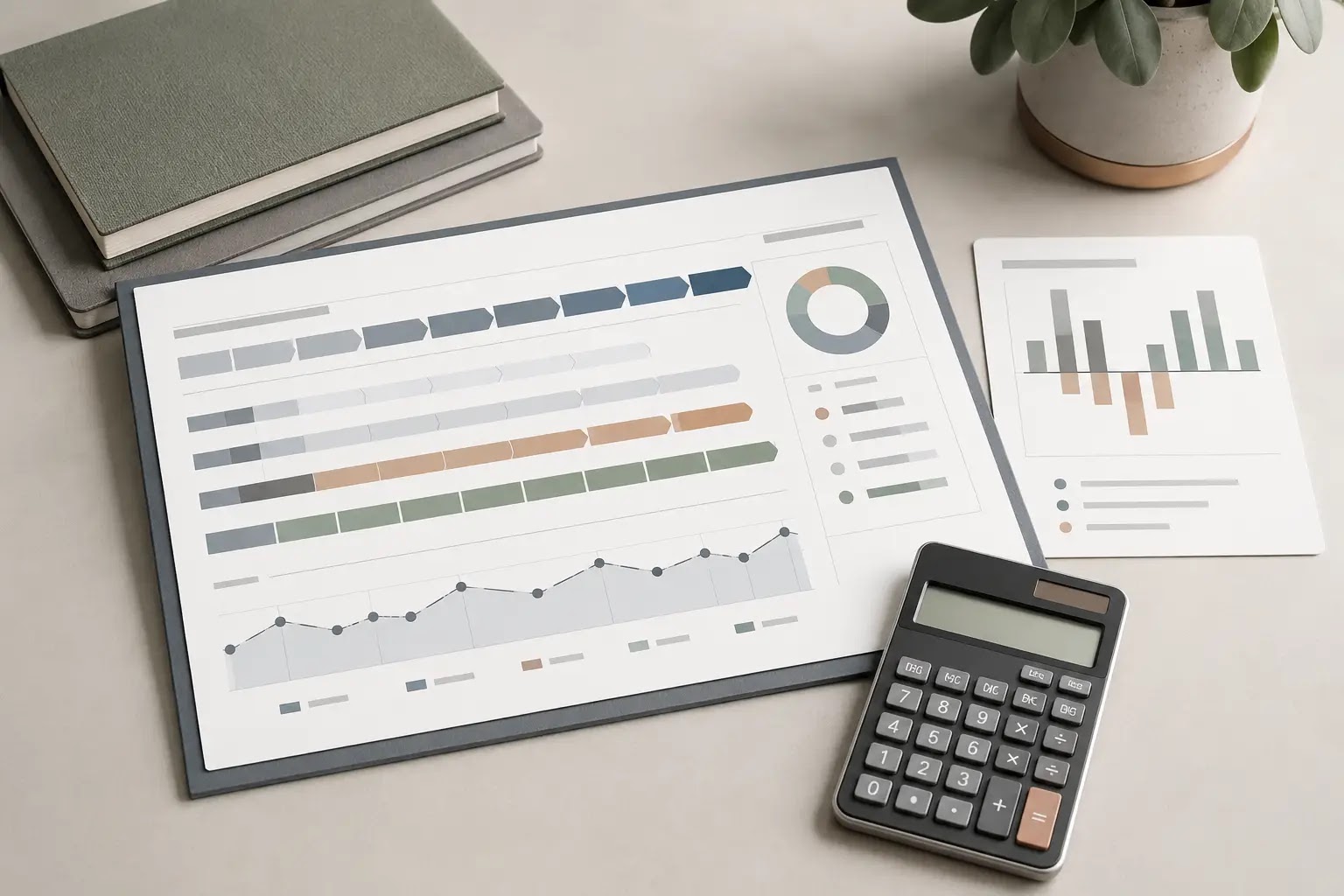
The practical answer is to treat the renovation budget as a range, not a single number. The biggest overruns usually come from machine condition, parts and labor, freight or install work, route mileage, store commissions, software and payment equipment, and the working capital needed after the first repairs are done.
If you are buying, renovating, or relaunching a vending route, the goal is to confirm which costs are truly one-time, which costs repeat, and which items are likely to surface only after the first service visit.
| Decision check | Ready when you have | Why it matters |
|---|---|---|
| Machine condition | Inspection notes for each unit | Separates minor cosmetic work from deeper repair risk |
| Vendor quotes | Current quotes for parts, labor, freight, and installs | Reduces surprise gaps between estimate and invoice |
| Route economics | Estimated mileage, service time, and stop count | Affects labor, fuel, and downtime assumptions |
| Location terms | Store commission or placement terms to verify | Can change net cash flow after launch |
| Working capital | Cash set aside for inventory, repairs, and slow ramp | Helps the business absorb early overruns |
| Systems and payments | Software, telemetry, and payment device costs to confirm | Prevents underbudgeting recurring operating expenses |
Next steps before you commit
- List every machine you plan to renovate and note its visible and mechanical issues.
- Separate cosmetic refresh work from repair or replacement work.
- Collect written vendor quotes for parts, labor, freight, install, and any recurring service terms.
- Estimate route mileage, stop count, and service time so the budget reflects real operating load.
- Confirm any placement commissions, rent-like payments, or location terms that affect net margin.
- Set a working capital reserve for inventory, delayed collections, and early-stage downtime.
- Compare a repair-first plan against a replace-first plan before you spend.
- Verify local prices, lease terms, financing conditions, and market requirements with current sources.
Final takeaway: For a U.S. vending machine founder or buyer, the safest renovation budget is the one that already includes inspection surprises, route costs, location terms, and a cash buffer—not just the quoted repair price.


