
Vending Machine Advertising Budget: What to Track
A practical U.S. planning guide for vending machine advertising budget: what to track, built for founders, buyers, and operators comparing assumptions before committing capital.

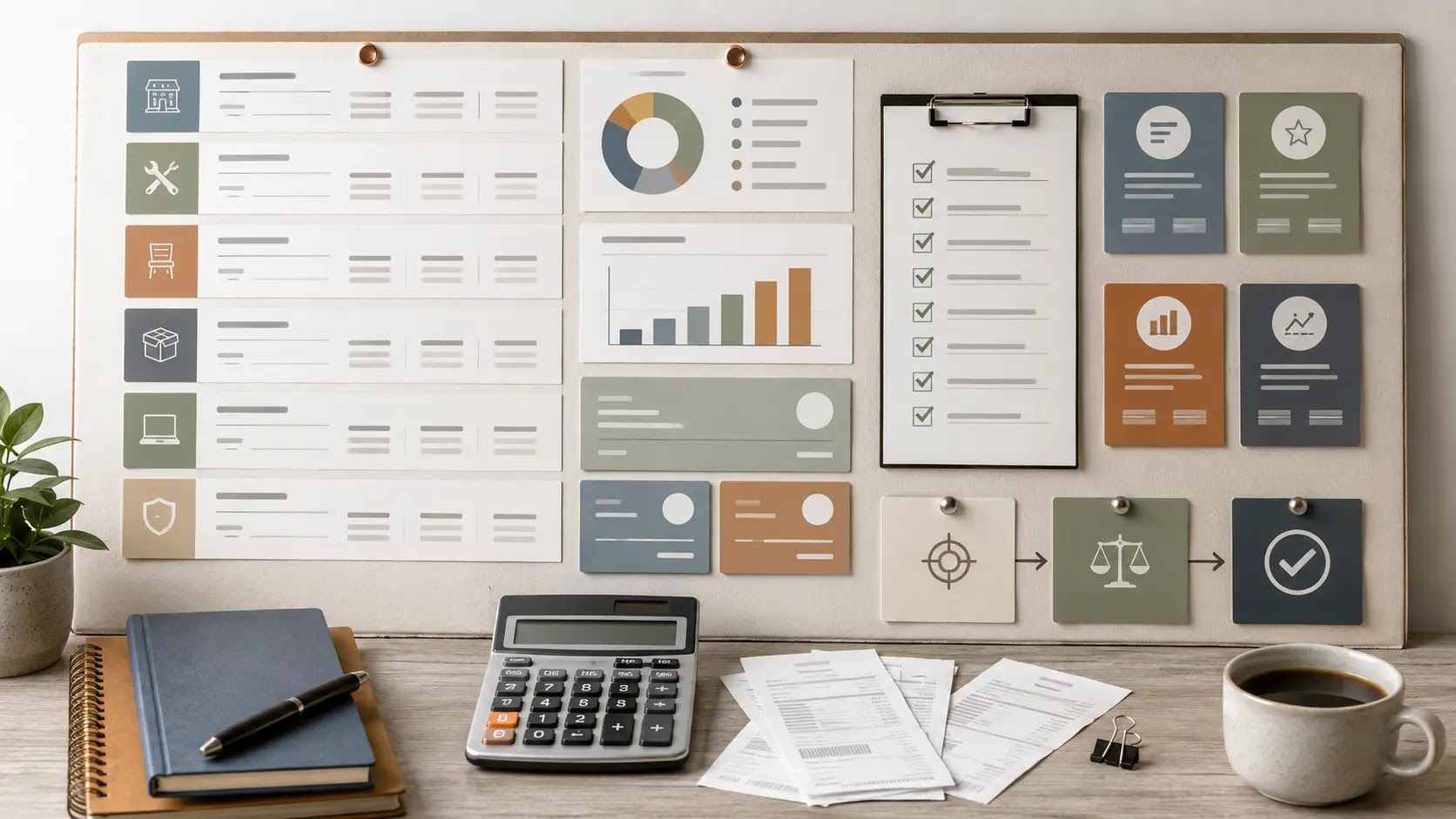
What should a vending machine advertising budget track first?
For a vending machine business, the advertising budget is not just “ads.” It is the money and time required to win locations, support route sales, keep placements filled, and measure whether local marketing is producing machines, sales, or repeat accounts.
If you are buying, starting, or expanding a route, the real decision is how much acquisition spend you can support before those locations and machines generate stable cash flow. That means separating marketing costs from operating costs, then testing whether commissions, mileage, inventory, and service frequency leave enough margin to justify the spend.
The right budget depends on local terms and operating conditions, so the key is to document the assumptions you can verify before you commit capital or build a pitch deck model.
| What the reader is deciding | What must be verified locally |
|---|---|
| How much to spend to win and keep vending locations | Lease or placement terms, commission expectations, decision-maker access, and competitor presence |
| Whether marketing spend can support a profitable route | Route mileage, service frequency, product mix, spoilage or waste risk, and equipment condition |
| Whether the business is ready for startup, acquisition, or funding conversations | Working capital needs, vendor terms, repair costs, software fees, and any local permit or insurance requirements |
- Lease/buildout: placement terms, power access, access hours, and site changes needed to install or service machines
- Equipment: machine price, refurbishment needs, card reader setup, telemetry, and repair reserve assumptions
- Labor: owner time, driver or route helper hours, and any outsourced sales or service support
- Menu economics: product margin, package size, spoilage, and mix by location type
- Permits: local licensing, tax, and site-specific requirements that affect launch timing
- Working capital: cash needed for inventory, fuel, commissions, repairs, and slow-pay periods
- Funding readiness: whether assumptions are documented well enough for a lender, partner, or investor review
The next step is to turn these local assumptions into a practical tracking framework so you can compare locations, budgets, and sales forecasts on the same basis.
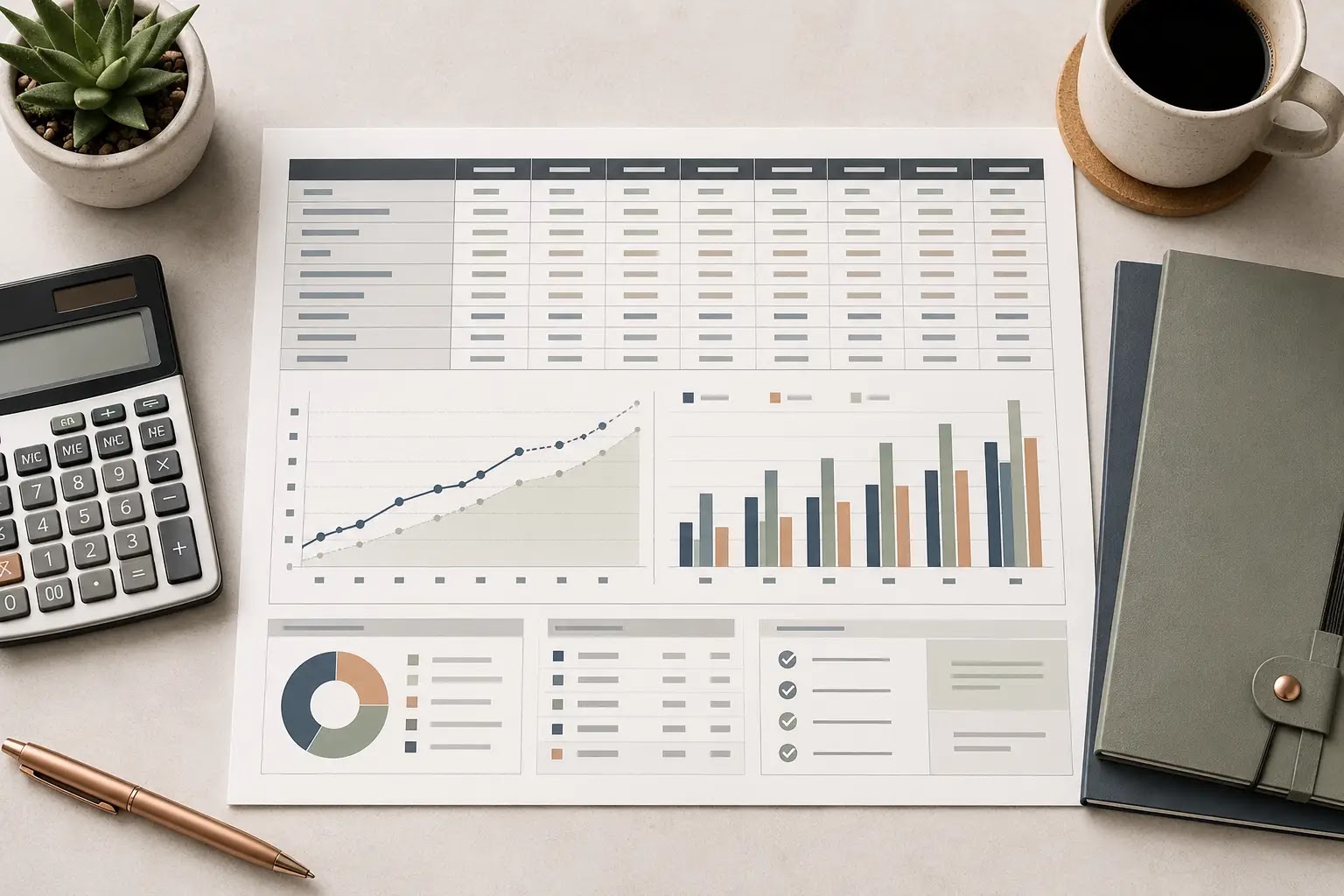
What should you track in a vending machine advertising budget?
For a vending business, the budget should track the spend that helps you win locations, launch machines cleanly, and keep accounts from churning. The useful question is not only how much you spend on marketing, but which costs help you sign accounts, support route density, and protect repeat sales.
Track every major item by location, machine, or route so you can compare outreach cost, placement cost, and retention cost against the revenue you expect from each account.
Which inputs change the budget fastest?
| Planning area | Question to answer | Input to collect | Model impact | Verification source |
|---|---|---|---|---|
| Location prospecting | How many leads do you need to reach one signed placement? | Target location list, decision-maker role, outreach channel, follow-up count | Affects lead volume, sales labor, and cost per signed location | CRM notes, email trail, call log, prospect list |
| Placement incentives | Does the location require a commission, placement fee, free product, or other concession? | Quoted location terms, revenue share request, trial period, setup support | Changes gross margin and payback timing for each machine | Written proposal, signed agreement, venue communication |
| Local awareness | Which marketing channels help you reach property managers, facility teams, or venue operators? | Ad channels, flyer costs, event costs, local digital spend, outreach materials | Changes monthly acquisition spend and lead quality | Vendor quotes, ad platform estimates, print invoices |
| Machine branding | Do you need wraps, signage, decals, or other visible branding to support placement sales? | Design fees, print costs, install costs, replacement frequency | Raises upfront launch cost and recurring refresh expense | Design quote, installer quote, supplier estimate |
| Route mileage | How much travel is required to prospect, install, and retain the account? | Miles per route, travel time, fuel or vehicle cost allocation | Raises operating cost and lowers net return if routes are too spread out | Route map, mileage log, dispatch notes |
| Sales labor | How much owner or staff time goes into calls, visits, proposals, and follow-up? | Hours per lead stage, hourly cost assumption, admin time | Affects selling cost per location and staffing needs | Time logs, calendar records, staff estimates |
| Retention support | What keeps the account after install? | Restocking cadence, service response time, customer feedback checks, replacement signage | Influences churn risk and the lifetime value of each placement | Service records, route reports, customer check-ins |
| Tracking tools | How will you document leads and results? | CRM or spreadsheet fields, lead source tags, conversion stages, lost-deal reasons | Improves forecasting accuracy and lets you compare marketing channels | Software dashboard, spreadsheet audit, sales reports |
How do you turn research into documented assumptions?
- Define the exact account type you are trying to win, such as office, warehouse, school-adjacent, gym, or multifamily, and write down who signs off on placement.
- Collect real outreach inputs from current conversations: ask what decision-makers want, what objections come up, and what terms they expect before approving a machine.
- Separate one-time launch costs from recurring acquisition costs so you do not mix design, install, and first-month sales labor with ongoing lead generation.
- Record any location-specific concessions, including revenue share requests, free samples, promotional support, or required branding, as separate assumptions.
- Estimate travel and route support by location cluster so you can see whether the sales effort makes sense for the expected machine volume.
- Tag each lead source with a result category: no reply, meeting booked, proposal sent, signed, installed, or lost after negotiation.
- Store every assumption in one place with the source, date, and confidence level so the budget can be updated after the first wave of outreach.
- Recheck the assumptions after a short test period and update the plan before adding more machines or expanding the route.
Use this framework to move from scattered outreach costs to documented assumptions that support a route-by-route sales plan. Next, those inputs can be translated into financial model implications, downside cases, and risk checks in Block 3.
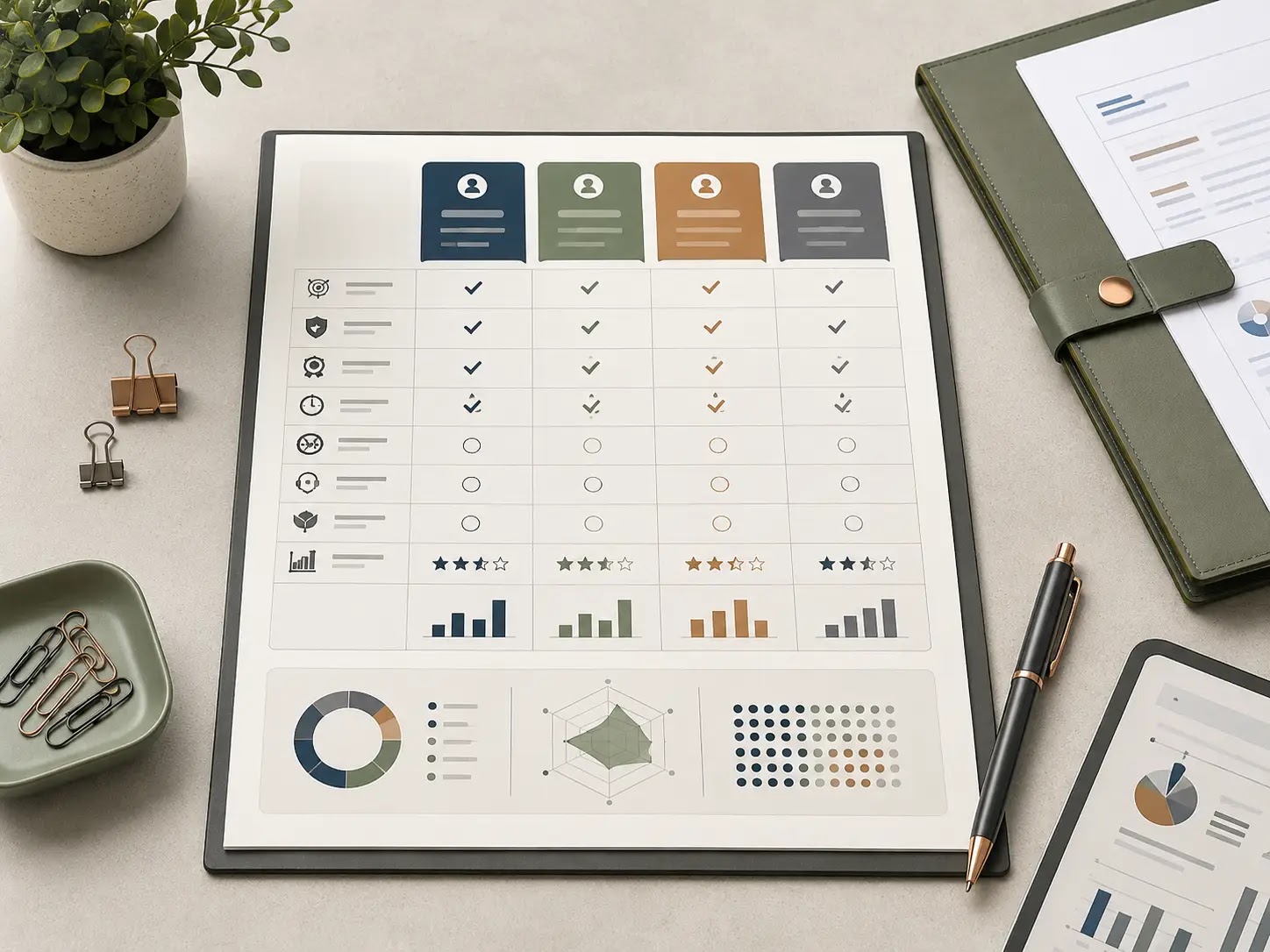
How should advertising spend show up in the vending machine forecast?
For a vending machine business, the advertising budget is not just paid ads. It usually includes location outreach, printed materials, branded machine or route signage, local promotion, retention offers, software or lead tools tied to sales activity, and the time or travel needed to support each placement.
The planning risk is simple: spending ahead of revenue can tighten cash fast if machine placements, route density, or sales per stop do not move as expected. The forecast should therefore tie marketing spend to a specific operating result, such as secured locations, faster fill rate, stronger repeat orders, or lower vacancy on the route.
What assumptions matter most?
- How many locations the budget is expected to reach, and how quickly those locations can be signed.
- Whether marketing spend is for startup placement, route expansion, or retention of existing accounts.
- How much labor and travel are needed to support each new machine or account.
- Whether commissions, incentives, or install-related vendor terms are part of the launch cost.
- How much working capital is needed before sales volume catches up with ad spend.
Illustrative launch funding worksheet
| Planning item | Input to collect | How it affects the model | Planning formula |
|---|---|---|---|
| Launch advertising budget | $___ | Raises startup cash need and early burn | Total launch cash need = advertising + machine setup + inventory + reserve |
| Location acquisition cost | $___ per location | Changes cost to secure each machine placement | Acquisition spend = cost per location × expected signed locations |
| Route support travel | $___ per month | Affects operating margin and break-even timing | Monthly burn = fixed costs + ad spend + route support |
| Sales lift assumption | ___% or $___ per location | Drives revenue forecast and payback speed | Incremental gross profit = added sales × contribution margin |
| Cash runway reserve | $___ | Protects the plan if signings or sales lag | Runway months = available cash ÷ monthly burn |
Scenario check: what changes if the budget is too light or too aggressive?
| Scenario | Budget posture | Likely tradeoff | Risk to watch |
|---|---|---|---|
| Conservative | Lower upfront spend | Preserves cash, but may slow location acquisition | Underfilled route and delayed revenue ramp |
| Balanced | Spending tied to signed locations and route milestones | Better alignment between spend and operating output | Still depends on close tracking of sales per stop |
| Aggressive | Higher launch spend | Can speed visibility and outreach | Working capital strain if machine installs or sales lag |
Risk checklist for the forecast
- Vendor quotes may include setup fees, minimums, or recurring terms that change the true ad cost.
- Location commissions or revenue-share arrangements can reduce the cash left for marketing.
- Machine repairs, parts, and restocking travel can crowd out the budget if not reserved early.
- Software, payment processing, or lead-tracking tools may look small individually but add up across the route.
- A strong acquisition campaign does not guarantee repeat sales unless product mix and service timing are also right.
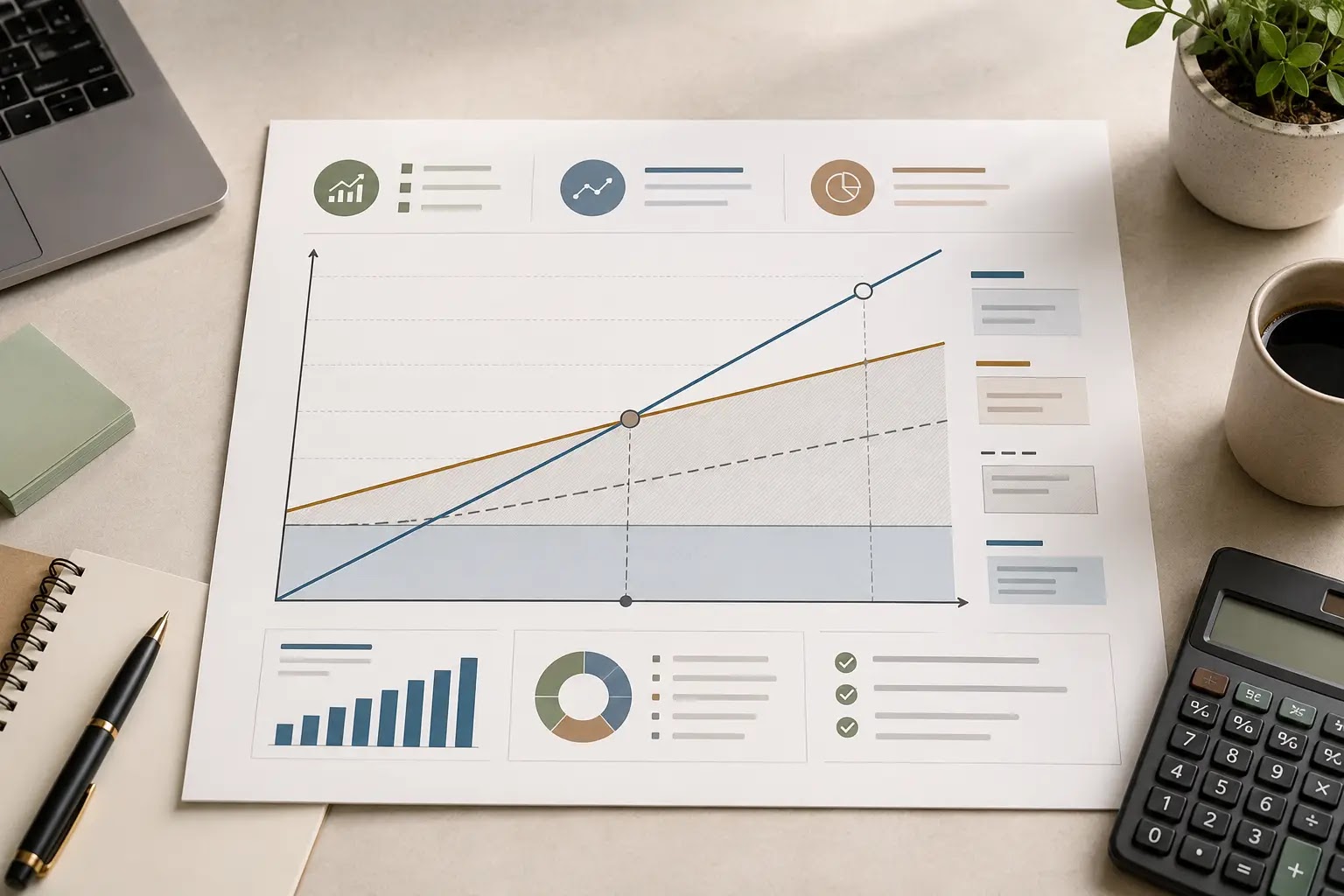
What should you do next with your vending machine advertising budget?
If you are buying or launching a vending machine business, the practical next step is not to “set a marketing number” in the abstract. It is to tie advertising spend to the locations, route mileage, machine count, commissions, repair load, software, and working capital you actually expect to manage.
The decision path is simple: verify your local inputs, separate startup launch costs from ongoing customer acquisition and retention spending, test how those costs affect sales assumptions, and then confirm the vendor terms and local conditions that can change the math.
Readiness scorecard: are you ready to budget?
| Planning area | Ready when you can answer this |
|---|---|
| Advertising channels | You know which local tactics you will test first and why they fit your route. |
| Machine economics | You can separate the machines and locations that justify more promotion from the ones that do not. |
| Operating costs | You have included mileage, commissions, inventory movement, repairs, and software in the forecast. |
| Working capital | You know how long the budget must cover launch activity before revenue stabilizes. |
| Verification | You have checked local prices, lease terms, vendor terms, and any market-specific requirements. |
Next planning steps
- Write down the exact machines, locations, and customer segments the budget is meant to support.
- Separate one-time launch spending from recurring monthly promotion and retention costs.
- Update the sales forecast with realistic assumptions for traffic, conversion, and repeat purchases.
- Include route mileage, labor time, repair reserves, software, and commissions so the budget reflects operating reality.
- Compare at least two scenarios: a lean launch budget and a more aggressive growth budget.
- Verify local ad rates, placement terms, and vendor packages before you rely on any estimate.
- Stress-test working capital so the business can absorb slower-than-expected machine performance.
If you want to turn those assumptions into a lender-, landlord-, or partner-ready package, a business plan, financial model, pitch deck, checklist, and startup toolkit can help organize the numbers, compare scenarios, and document the plan in one place.
Final takeaway: for a U.S. vending machine founder or buyer, the best advertising budget is the one that matches real route economics, is verified against local conditions, and can be explained clearly in your operating plan and forecast.


