
Vending Machine Market Research Guide for U.S. Founders
A practical U.S. planning guide for vending machine market research guide for U.S. founders, built for founders, buyers, and operators comparing assumptions before committing capital.

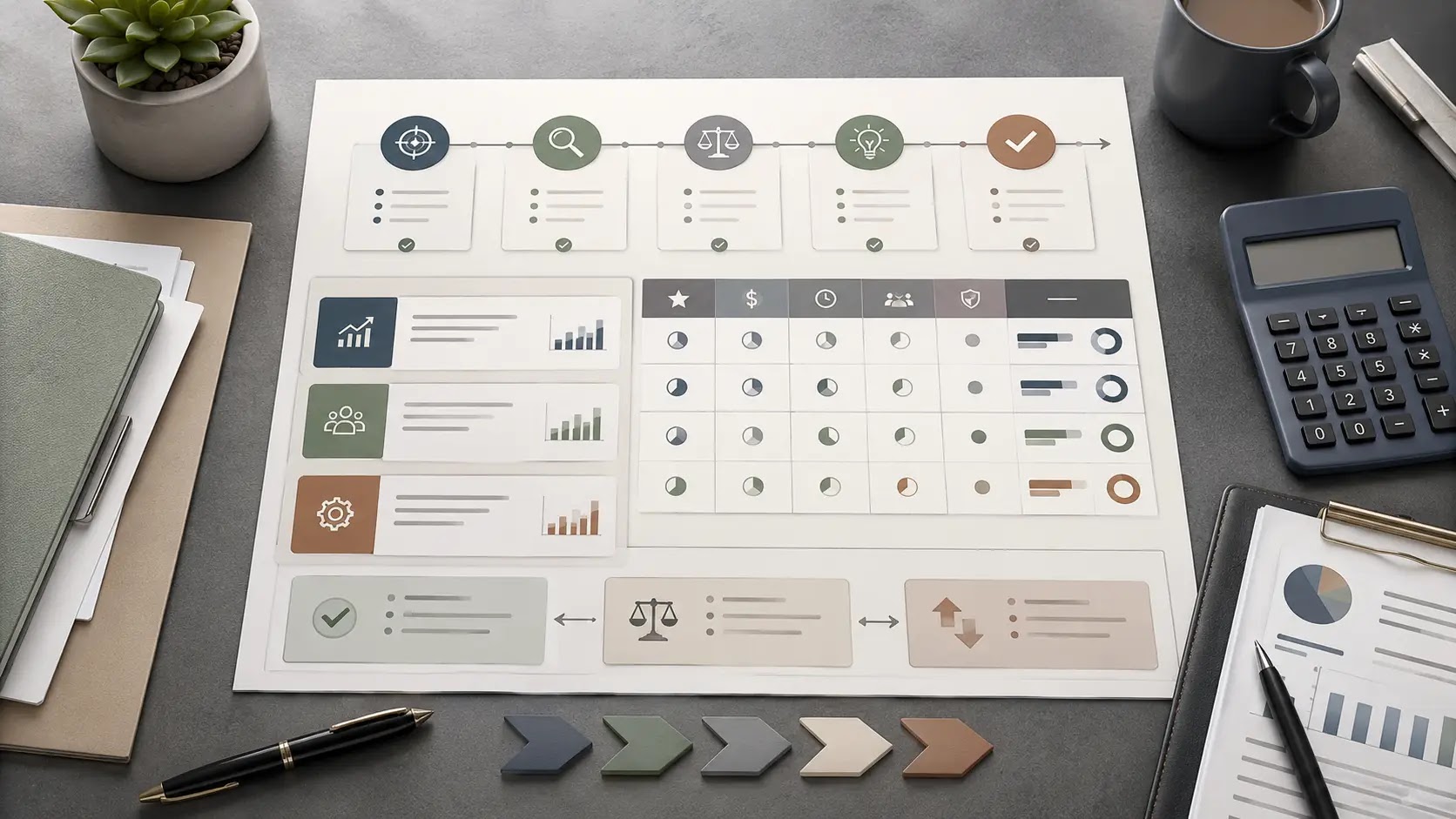
Is a vending machine business a workable U.S. startup or acquisition for you?
If you are deciding whether to start, buy, or structure a vending machine business, the core question is not just whether machines can earn revenue. It is whether your local placement options, route size, refill cadence, repair burden, and commission terms can support a business that still has room for inventory, travel, software, and working capital after the first wave of setup costs.
For most founders and buyers, the right way to judge the opportunity is to verify the market inputs first: where machines can be placed, who controls the locations, what the equipment is worth, how often routes must be driven, and what product mix is realistic for those accounts. Those assumptions drive the economics more than the headline idea itself.
This guide starts with a practical decision frame: treat each location, machine type, and route as a separate revenue-and-cost case, then compare it against the local terms you can actually secure. That approach is especially useful if you are preparing a business plan, lender package, or acquisition review and need your assumptions documented before you commit.
| What the reader is deciding | What must be verified locally |
|---|---|
| Whether to start, buy, or expand a vending route | Location quality, machine access, route density, and who controls placement |
| Whether the business can cover its operating burden | Inventory needs, service frequency, repair exposure, mileage, and software costs |
| Whether the deal or launch is financeable | Equipment condition, working capital needs, lease or commission terms, and lender requirements |
- Lease or placement terms for each location
- Equipment condition, age, and repair risk
- Inventory mix and product margin assumptions
- Labor, replenishment time, and route mileage
- Permit, licensing, and local operating requirements
- Working capital for stock, service calls, and delays
- Funding readiness and documentation for lenders or partners
Next, use a practical framework to test these assumptions one by one so you can compare a startup, acquisition, or expansion path on the same footing.
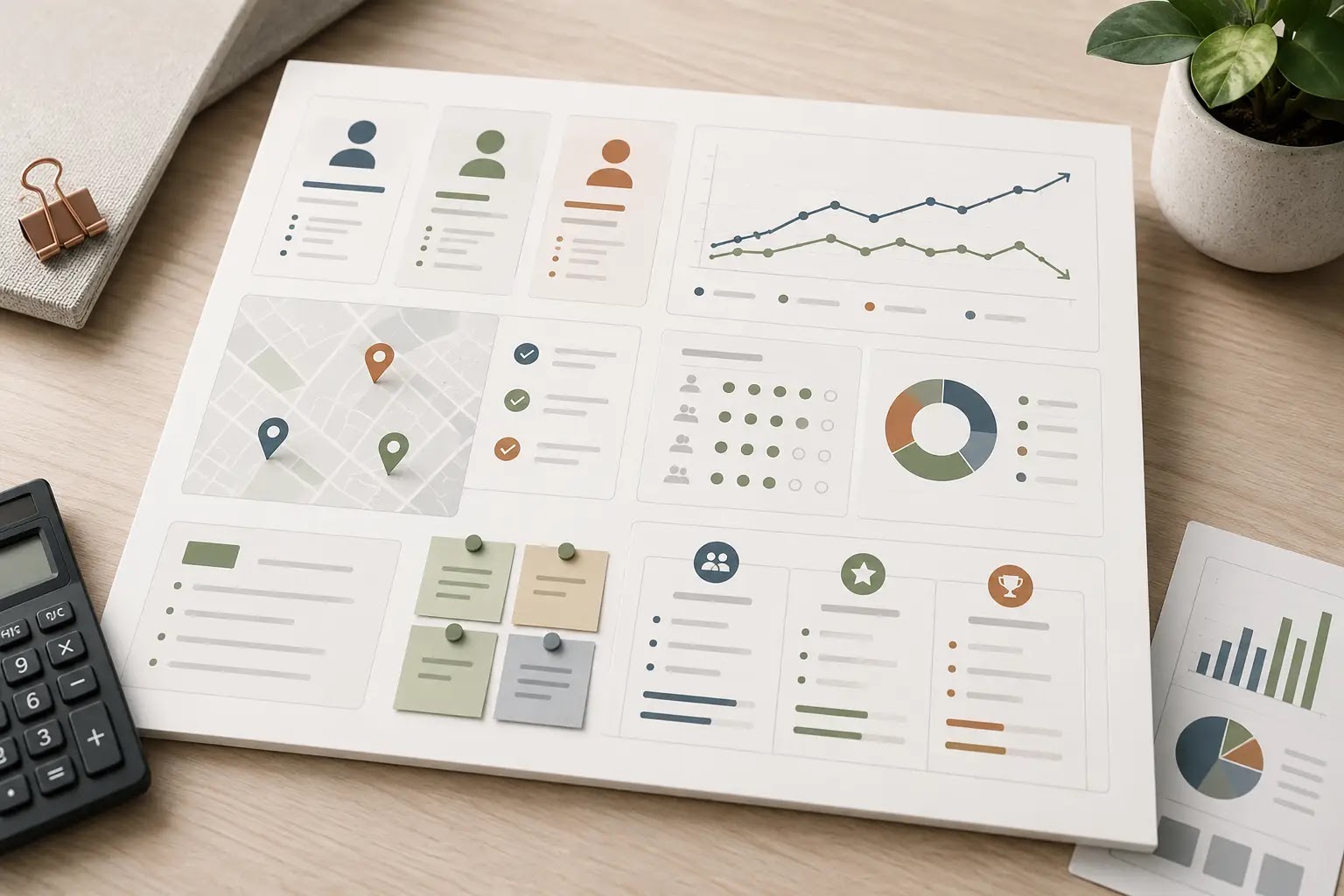
What should U.S. vending founders document before they build assumptions?
For a vending machine startup, market research is not just about “is there demand?” It is about whether a specific machine, in a specific location, with a specific service route, can support the operating load you will actually inherit: product mix, refill frequency, cashless payment fees, spoilage, repairs, commissions, and travel time.
Use the framework below to convert field research into assumptions you can place into a startup model, acquisition screen, or lender-ready plan.
Which inputs change the answer fastest?
| Planning area | Question to answer | Input to collect | Model impact | Verification source |
|---|---|---|---|---|
| Location quality | Does the site have enough consistent traffic for the machine type? | Observed traffic pattern, site use, peak hours, customer type, dwell time | Revenue per machine, refill frequency, machine utilization | On-site observation, landlord, site manager, nearby business owners |
| Placement terms | What does the location require in exchange for placement? | Commission structure, exclusivity, access hours, utility access, placement restrictions | Net margin, route efficiency, legal/operating constraints | Draft agreement, landlord or property manager, route operator terms |
| Product mix | Which items are likely to sell through at this site? | Product categories, pack size, shelf-life sensitivity, customer preferences | Gross margin, spoilage, inventory turns, stocking cadence | Competitor machines, site interviews, pilot sales, supplier catalogs |
| Pricing and acceptance | How will customers pay, and what fees does that create? | Cash vs. cashless mix, card reader or telemetry needs, payment processing terms | Sales conversion, fee load, reconciliation workload | Vendor quotes, machine specs, operator interviews |
| Route design | How much travel is required to service the route? | Number of stops, route mileage, travel time, clustering of sites | Labor cost, fuel cost, service capacity, route profitability | Map review, route logs, location list, field visits |
| Service burden | How often will the machine need restocking or repair? | Expected refill cadence, breakdown history, parts access, technician support | Working capital, downtime, maintenance reserve | Operator history, equipment seller, service records, mechanic quotes |
| Inventory needs | How much product must be on hand to keep the route stocked? | SKU count, case pack sizes, reorder timing, storage space, spoilage risk | Inventory investment, cash conversion cycle, storage requirements | Supplier terms, pilot replenishment logs, warehouse or storage quotes |
| Machine condition | Is the equipment new, used, or needing near-term repair? | Age, model, maintenance history, refurbishment needs, upgrade needs | Startup capex, repair reserve, launch timing | Inspection, seller disclosures, technician review, service invoices |
| Software and tracking | What do you need to monitor inventory, cash, and route activity? | Telemetry, route management software, reporting needs, machine connectivity | Operating efficiency, loss control, management overhead | Software demos, operator references, equipment documentation |
How do you turn field research into documented assumptions?
- Start with the route, not the machine. List the target sites, the type of customer at each site, and why each location might support a vending machine.
- Record what the location actually allows. Capture placement terms, access limits, commission expectations, utility needs, and any restrictions on machine size, product category, or service hours.
- Match the machine type to the buyer behavior. Note whether the site appears to fit snacks, beverages, healthy items, specialty items, or a mixed machine, then document why.
- Estimate replenishment and route load. Translate traffic and product mix into refill frequency, storage needs, route mileage, and technician or driver time.
- Capture failure and downtime risk. Ask what happens if the machine jams, loses power, or requires parts. Document whether the operator can service it internally or needs outside support.
- Check inventory and supplier terms. Collect case-pack sizes, ordering lead times, shelf-life limits, minimum orders, and any delivery or storage constraints that affect working capital.
- Document payment and tracking assumptions. Note whether cashless payment, telemetry, or route software is required to operate the location efficiently.
- Convert each field note into a model input. Label the assumption, the source, the uncertainty level, and the sensitivity if it proves wrong.
Verification note: vending economics are location-specific. Lease terms, commissions, utilities, insurance requirements, machine specifications, and local operating rules can vary by market and should be checked with current local sources before you treat any assumption as fixed.
Once these inputs are documented, the next step is to test how changes in revenue, route mileage, repairs, commissions, and inventory turnover affect the business case. That is where the financial model and risk tradeoffs become decision-ready in Block 3.
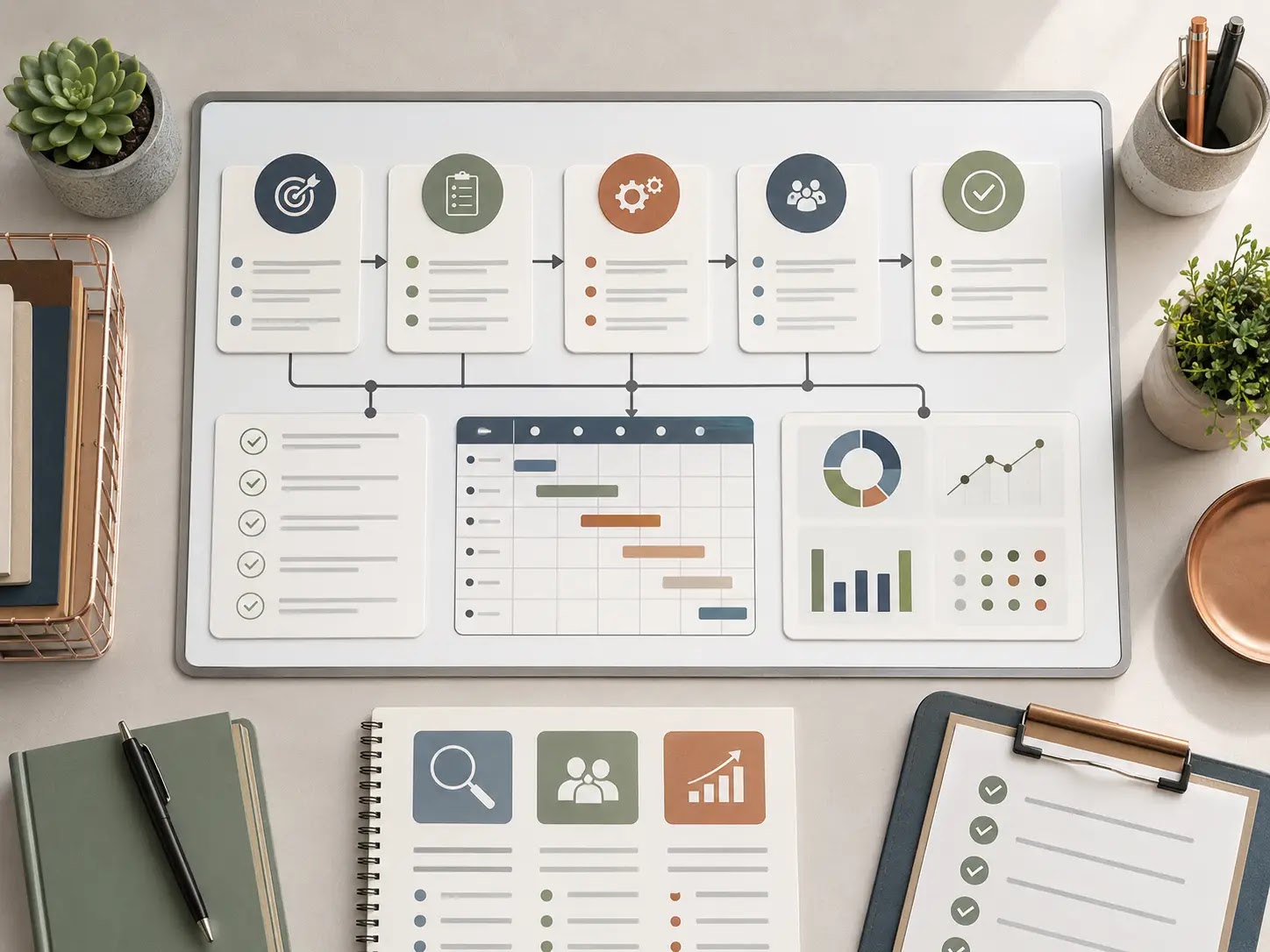
What are the biggest planning risks and verification points before you commit to a vending route?
For a U.S. vending machine startup or acquisition, the main question is not whether vending can work in general, but whether your specific locations, machines, and operating terms can support the route economics you are modeling. The answer usually depends on a small set of assumptions: traffic quality, commission or rent structure, inventory mix, service frequency, repair burden, cashless fees, and how far your route is spread out.
That is why two vending businesses that look similar on paper can perform very differently in practice. A route with dense stops and stable access can tolerate more overhead than one with scattered placements, frequent service calls, or weak product turnover. If you are building a business plan, financial model, or pitch deck, these assumptions need to be documented clearly so you can compare scenarios instead of relying on a single optimistic case.
Scenario: location quality is the main driver
If a site has inconsistent traffic or weak product demand, even a good machine can underperform. The key assumption to test is whether the location can support enough sales volume after commissions, spoilage, and restocking time.
Scenario: operating distance drives cost
A route that looks profitable on gross sales may lose margin once mileage, labor time, and repeated stop inefficiency are included. The assumption to verify is route density, not just route count.
Scenario: machine condition changes the model
Older equipment may lower entry cost but raise repair and downtime risk. The assumption to test is whether maintenance, parts availability, and payment hardware are compatible with your operating plan.
| Planning risk | Why it matters in vending | Assumption affected | How to verify |
|---|---|---|---|
| Weak location traffic | Sales volume is highly dependent on who is actually present at the machine and when. | Revenue per location and refill frequency | Review site traffic patterns, observe the location, and confirm customer access windows with the placement contact. |
| Commission or rent pressure | Placement terms can reduce gross margin and change the break-even point for each machine. | Net margin per stop and site selection criteria | Ask for the proposed vendor terms in writing and compare them across candidate locations. |
| Route spread and mileage | Long drive time can turn a small route into a labor-heavy operation. | Service labor, fuel, and stop density | Map every location, estimate drive time between stops, and stress-test the route by service day. |
| Machine downtime and repair needs | Broken equipment can stop sales, create restock waste, and trigger emergency service costs. | Maintenance reserve and uptime assumption | Inspect machine age, model history, and service records; ask what parts and technicians are available locally. |
| Inventory mix and shrink | Product choice affects velocity, spoilage, theft exposure, and replenishment frequency. | Inventory cost, waste, and reorder cadence | Check sales by product category, test a limited assortment, and compare shrink patterns by location type. |
| Cashless payment and software costs | Telemetry, card processing, and remote monitoring can improve control but add recurring operating expense. | Monthly operating overhead and reporting assumptions | Review device and software contracts, fee schedules, and support terms before modeling recurring cost. |
Verification note: local rules, costs, vendor terms, lease terms, insurance requirements, permit requirements, and financing conditions vary by market and can change. Confirm current details with local landlords, machine suppliers, payment processors, insurers, lenders, and government sources before you lock your assumptions.
If you are using these assumptions in a lender conversation, acquisition review, or launch plan, keep the weakest points visible rather than smoothing them over. The next step is to turn these risks into a final action checklist so you can confirm the most important items one by one before you commit capital or sign placement terms.
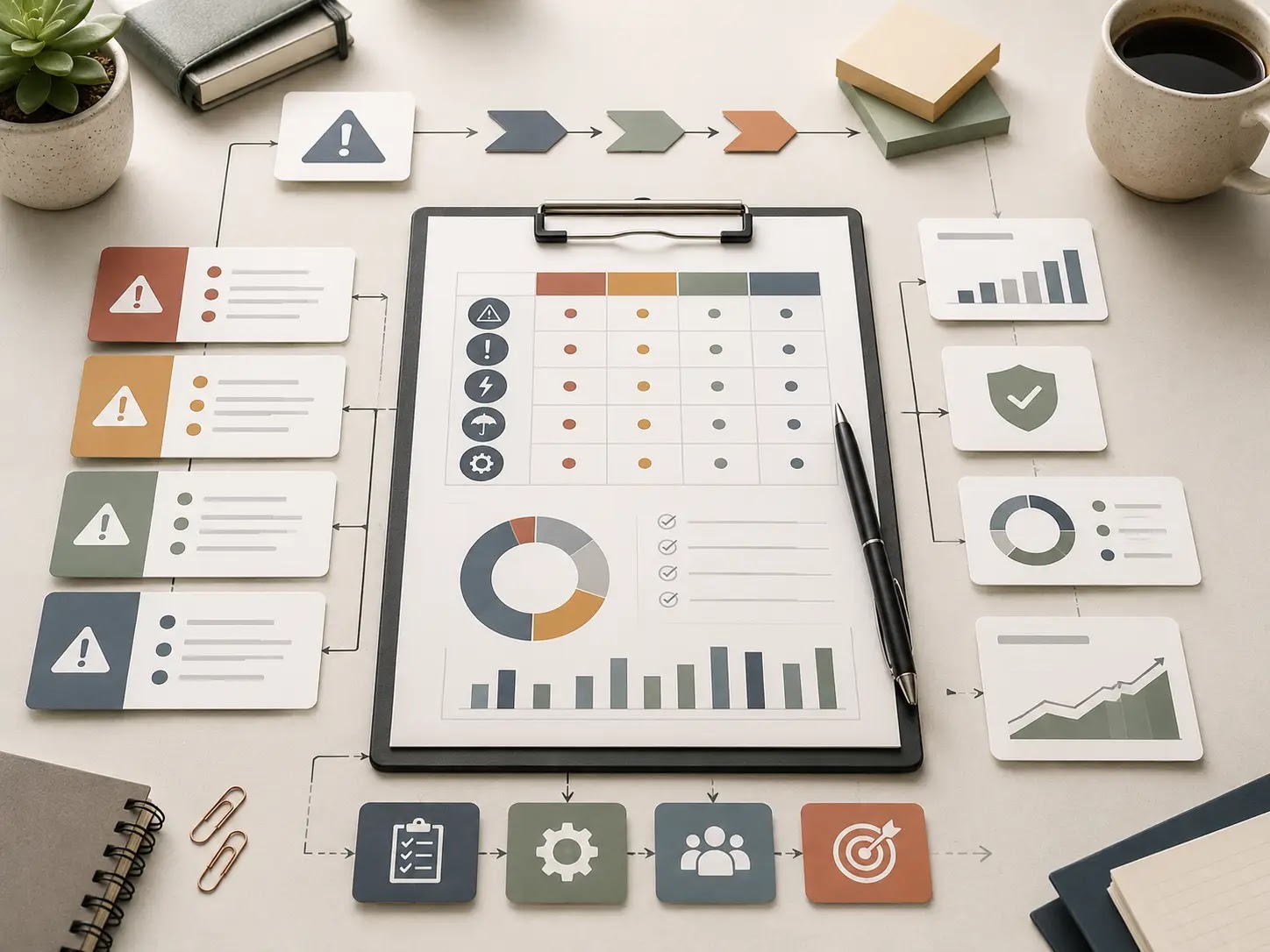
What should a U.S. vending machine founder do next?
The practical decision path is straightforward: confirm local demand, verify site terms, map machine and inventory needs, and test whether route income can support repairs, commissions, mileage, software, and working capital. If those inputs still look workable after local verification, the next step is to turn the assumptions into a simple operating and funding plan.
Readiness scorecard: are you close to a go/no-go decision?
| Planning check | What should be clear | Why it matters |
|---|---|---|
| Site access | Who controls the location, how placement works, and what terms are being discussed | Site quality and site economics often decide whether the route can scale |
| Demand fit | Who will buy, when they buy, and which product mix fits the location | Product mix drives refill frequency, waste, and repeat sales potential |
| Operating load | Machine service needs, repair exposure, route mileage, and restock cadence | These inputs affect labor time, downtime, and cash needs |
| Financial readiness | Startup budget, reserve cash, and a basic scenario for slower-than-expected sales | Working capital matters as much as the machines themselves |
Next planning steps
- Recheck your top location assumptions with current local sources and direct site conversations.
- List every recurring cost you expect to carry, including inventory, route mileage, repairs, commissions, and software.
- Compare at least two operating scenarios: a lighter route and a more aggressive route buildout.
- Document the assumptions you would need to defend in front of a lender, partner, landlord, or advisor.
- Confirm whether your launch plan needs additional machines, inventory depth, or reserve cash before opening.
Final takeaway: a good vending machine decision is less about the machine and more about the location, route economics, and working capital behind it. Verify those inputs locally, then build the plan only after the numbers and site terms still make sense.


