
Vending Machine Second Location Planning: When Does It Make Sense?
A practical U.S. planning guide for vending machine second location planning: when does it make sense?, built for founders, buyers, and operators comparing assumptions before committing capital.

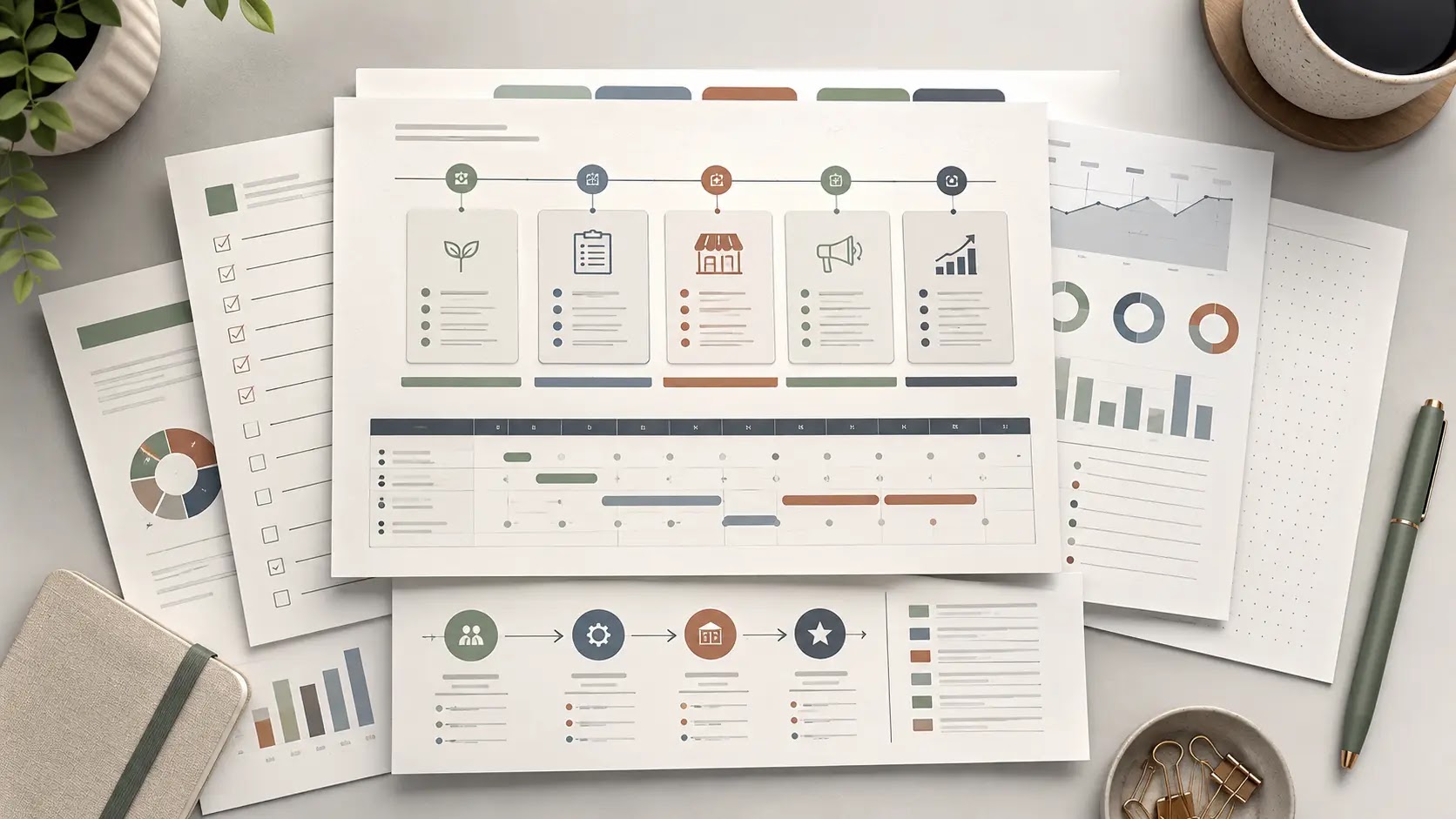
When does a second vending machine location make sense?
For a U.S. vending operator, a second location usually makes sense when the first machine or route is already stable enough to support another stop without stretching cash, service time, or inventory too thin. The real question is not just whether the next site has foot traffic, but whether the added location improves route density and still works after lease terms, commissions, refill time, repairs, and software costs are modeled.
That means the decision is less about expansion in the abstract and more about whether the new location fits your current operating capacity. A strong second-site case often depends on whether you can service both machines efficiently, keep inventory turns workable, and avoid turning one profitable stop into a route that is expensive to run.
| What the reader is deciding | What must be verified locally |
|---|---|
| Whether adding a second location improves route economics and cash flow enough to justify the extra commitment. | Lease or commission terms, location traffic, machine fit, refill frequency, repair exposure, route mileage, and current vendor pricing in that market. |
Before committing, founders and buyers should pressure-test the main assumption categories that drive the answer:
- Lease or buildout terms for the new site
- Machine purchase or placement cost
- Labor and route time to service the stop
- Menu economics and product mix
- Permits, site rules, and landlord requirements
- Working capital for inventory and refills
- Funding readiness and lender or seller expectations
Next, the practical framework breaks these inputs into the specific planning questions that determine whether a second location strengthens the route or adds avoidable risk.
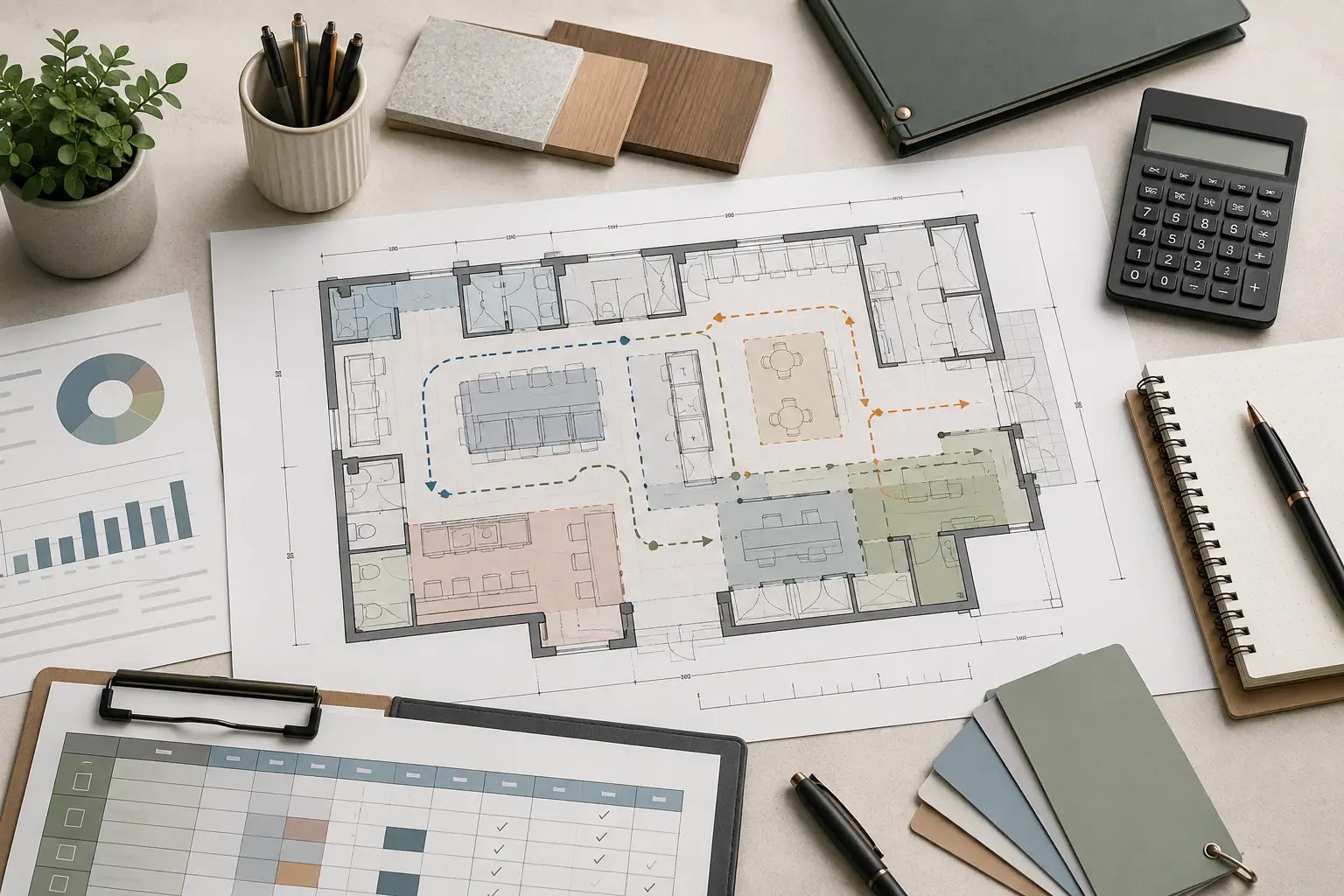
What framework should you use before adding a second vending location?
For a U.S. vending operator, the second-location decision is less about “can I place another machine?” and more about whether the new stop improves route density, labor efficiency, and uptime without creating avoidable service drag. The right framework turns that question into documented assumptions you can test against the site, the route, and the machine mix.
Which route and territory inputs actually change the decision?
| Planning area | Question to answer | Input to collect | Model impact | Verification source |
|---|---|---|---|---|
| Route density | Does the new location fit near other stops, or does it create a long standalone trip? | Drive time, stop sequence, and distance between current stops and the proposed site | Changes labor, fuel, and the number of machines a route can support | Route map, trip logs, GPS history, and site address review |
| Site type and traffic | Will the location likely support enough consistent usage for the machine category? | Employee count, visitor pattern, operating hours, and access restrictions | Drives sales assumptions, refill cadence, and SKU mix | Walkthrough, host discussion, and on-site observation |
| Commission or placement terms | What does the site expect in exchange for space? | Rent, commission structure, utilities, exclusivity, and renewal terms | Affects gross margin and break-even timing | Draft agreement, site proposal, or landlord/manager term sheet |
| Service frequency | How often will the machine need stocking, cash handling, cleaning, or troubleshooting? | Expected fill cadence, product turn, and any support response expectations | Changes labor hours and route scheduling | Comparable machine history, operator experience, and pilot observations |
| Inventory mix | Can the route support the SKUs the site is likely to buy? | Package sizes, category mix, expiration risk, and restock lead times | Impacts inventory carrying needs and spoilage or shrink exposure | Sales history from similar locations and vendor ordering records |
| Machine compatibility | Does the proposed location require a different machine type or feature set? | Need for cashless payments, refrigeration, security, or ADA-related layout considerations | Changes equipment spend and potential repair exposure | Site walkthrough, machine specs, and vendor confirmation |
| Operational overlap | Will the new stop compete with or cannibalize an existing site on the route? | Customer overlap, shared tenant base, and nearby competing machines | Can dilute volume if the same users already buy elsewhere on the route | Territory map, competitor scan, and site-by-site demand review |
| Software and reporting | Can you monitor the second location without losing visibility? | Telemetry, payment reporting, route reconciliation, and stock reporting needs | Influences operating control, loss detection, and dispatch efficiency | Vendor software demo and current operator reporting process |
How should a founder move from research to documented assumptions?
- Map the proposed location against your current route. Note drive time, stop order, and whether the new site adds a clean cluster or an isolated trip.
- Collect site-specific operating facts. Confirm access hours, placement constraints, expected traffic pattern, and who will manage day-to-day approvals.
- Request the commercial terms in writing. Capture rent, commission, utility expectations, exclusivity, and any site-requested service standards.
- Compare the location to your current machine mix. Check whether the site needs snack, beverage, combo, or specialty equipment and whether your existing inventory plan fits.
- Estimate service burden from similar stops. Use comparable locations, not broad market averages, to gauge stocking frequency, cash handling, and repair exposure.
- Document the route impact. Translate the new stop into added drive time, labor hours, inventory movement, and dispatch complexity.
- Record assumptions in one place. Keep the site terms, route notes, machine specs, and expected service cadence together so the decision can be reviewed later.
What should you have in hand before you move to the financial model?
- Site address and territory map showing overlap with the current route
- Written placement terms or a clear draft of proposed terms
- Machine type, payment setup, and any equipment upgrade needs
- Expected stocking cadence and trip timing for the new location
- Comparable sales or operator notes from similar site types
- Documented assumptions on labor, fuel, inventory, and service calls
Next, Block 3 turns those assumptions into financial model implications, scenario tradeoffs, and risk checks for the second-location decision.
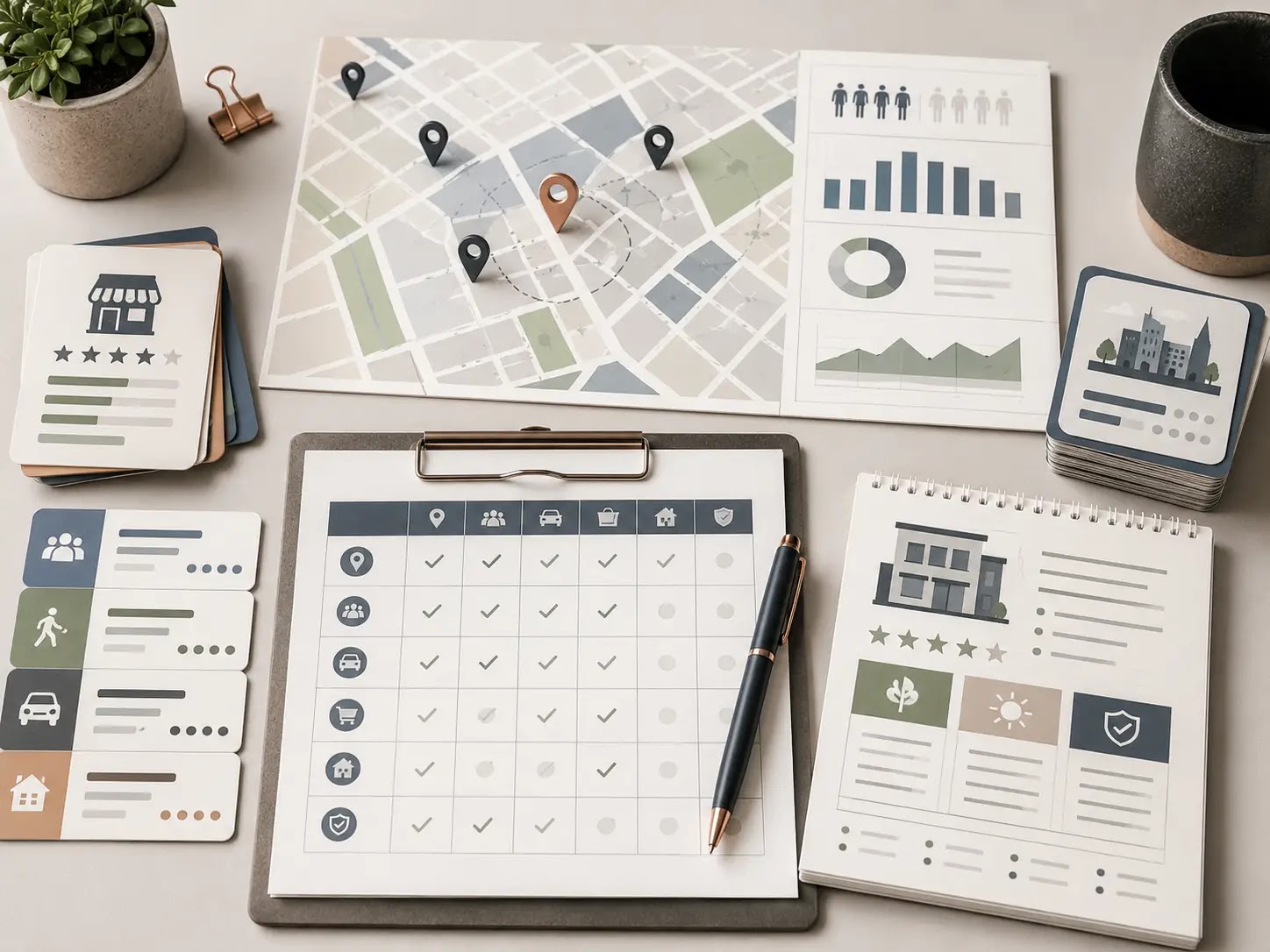
When does a second vending location make sense?
If the first location is already creating repeatable replenishment needs, predictable inventory turns, and manageable service time, a second location can make operational sense. The real question is not just whether the new site can sell, but whether it improves route efficiency enough to justify added mileage, stocking time, repair exposure, and working capital tied up in product and machine placement.
For most operators, the decision gets harder when the second site is farther away, requires different product mix, or depends on a lease or commission structure that changes the economics. The second location should be judged as a route decision, not only a sales decision: one weak location can absorb cash and attention that might be better used on a stronger account or a denser route.
That is why the planning lens should focus on assumptions that can move quickly in the real world: customer traffic, refill frequency, downtime risk, vendor lead times, and the owner’s ability to support inventory and service without stretching the route too thin.
Planning scenarios to stress-test before expanding
Favorable
The first location is stable, the route can absorb another stop with limited extra drive time, and the new site has a clear service schedule and reasonable product fit.
Caution
The site looks attractive on paper, but the operator is still learning refill patterns, product mix, and maintenance needs. Expansion may be possible, but only with tighter monitoring and working capital.
Pause
The second location would require major travel, frequent special orders, or a lease structure that leaves too little room after commissions, repairs, and spoilage risk.
| Risk | Why it matters | Assumption affected | How to verify |
|---|---|---|---|
| Route inefficiency | Extra drive time can reduce the value of added sales. | Service labor, fuel, and time per stop | Map the route, estimate stop time, and compare to other nearby accounts. |
| Weak refill cadence | Too-frequent or too-rare visits can hurt cash flow and service quality. | Inventory turns and stocking schedule | Track actual sell-through at the current site before committing to a second stop. |
| Product mismatch | The same mix may not sell equally well at both locations. | Sales mix, spoilage, and margin | Review local customer profile, machine category, and nearby competitor offerings. |
| Repair and downtime risk | Older or more complex machines can create service interruptions that weaken route performance. | Maintenance reserve and technician support | Inspect machine condition, service history, and parts availability. |
| Commission or lease pressure | Location payments can change the break-even point quickly. | Net margin and payback timing | Review written site terms and confirm all recurring charges with the property contact. |
| Working capital strain | More machines usually means more inventory, more cash tied up, and more replenishment exposure. | Cash reserve and purchasing plan | Build a simple cash forecast using expected inventory buys, service visits, and repair reserves. |
If the second location still looks viable after these checks, the next step is to translate the assumptions into a final action checklist: what to confirm, what to negotiate, and what must be ready before launch.
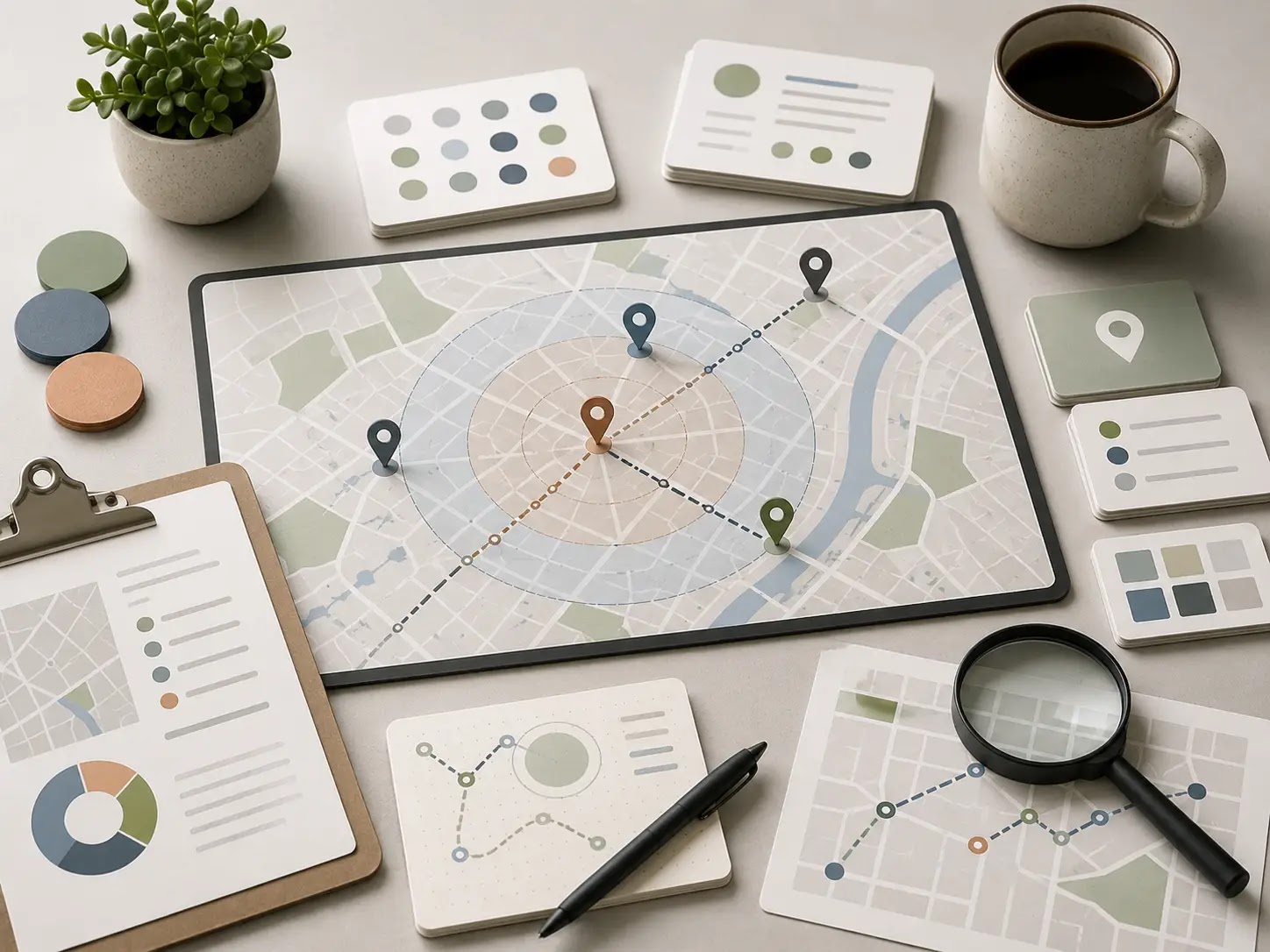
So, when does a second vending location make sense?
Quick recap: a second location is worth serious attention only when it improves the route, not just the machine count. The decision should still hold after you account for mileage, refill time, product inventory, repairs, commissions or rent, software, and the working capital needed to keep both stops serviced.
If the added location creates a cleaner route, supports steady replenishment, and fits your cash plan, it may be a good expansion step. If it adds travel, complexity, or weak traffic, it is usually better to wait or renegotiate the opportunity.
Readiness scorecard for the next step
| Check | Why it matters | Status |
|---|---|---|
| Route efficiency | The stop should fit into your route without creating avoidable mileage or service gaps. | Yes / No / Need more data |
| Site quality | Traffic, access, and customer use should support consistent vending demand. | Yes / No / Need more data |
| Operating capacity | You should be able to restock, collect, and repair both locations without stretching labor too far. | Yes / No / Need more data |
| Cash coverage | Inventory, service trips, and start-up expenses should fit your working capital plan. | Yes / No / Need more data |
| Contract terms | Lease, route, commission, and vendor terms should be clear before you commit. | Yes / No / Need more data |
Next planning steps
- Compare the new location against your current route performance, not against hopeful revenue alone.
- Update the model for mileage, refill cadence, product mix, labor, repairs, software, and inventory needs.
- Verify whether the location needs a lease, route purchase, commission arrangement, or other operating agreement.
- Check whether the second stop improves total route economics or simply adds complexity.
- Confirm that the expansion does not weaken service quality at your first location.
- Document the assumptions you would need to explain to a partner, lender, landlord, or advisor.
Helpful next step: a business plan, financial model, pitch deck, checklist, and startup toolkit can help organize assumptions, compare scenarios, and document the second-location case before you commit to the route.
Final takeaway: for a U.S. vending machine founder or buyer, the second location makes sense when it strengthens the route, fits the cash plan, and can be operated reliably with current market terms verified in your area.


