
Vending Machine State and Local Rule Research Checklist
A practical U.S. planning guide for vending machine state and local rule research checklist, built for founders, buyers, and operators comparing assumptions before committing capital.

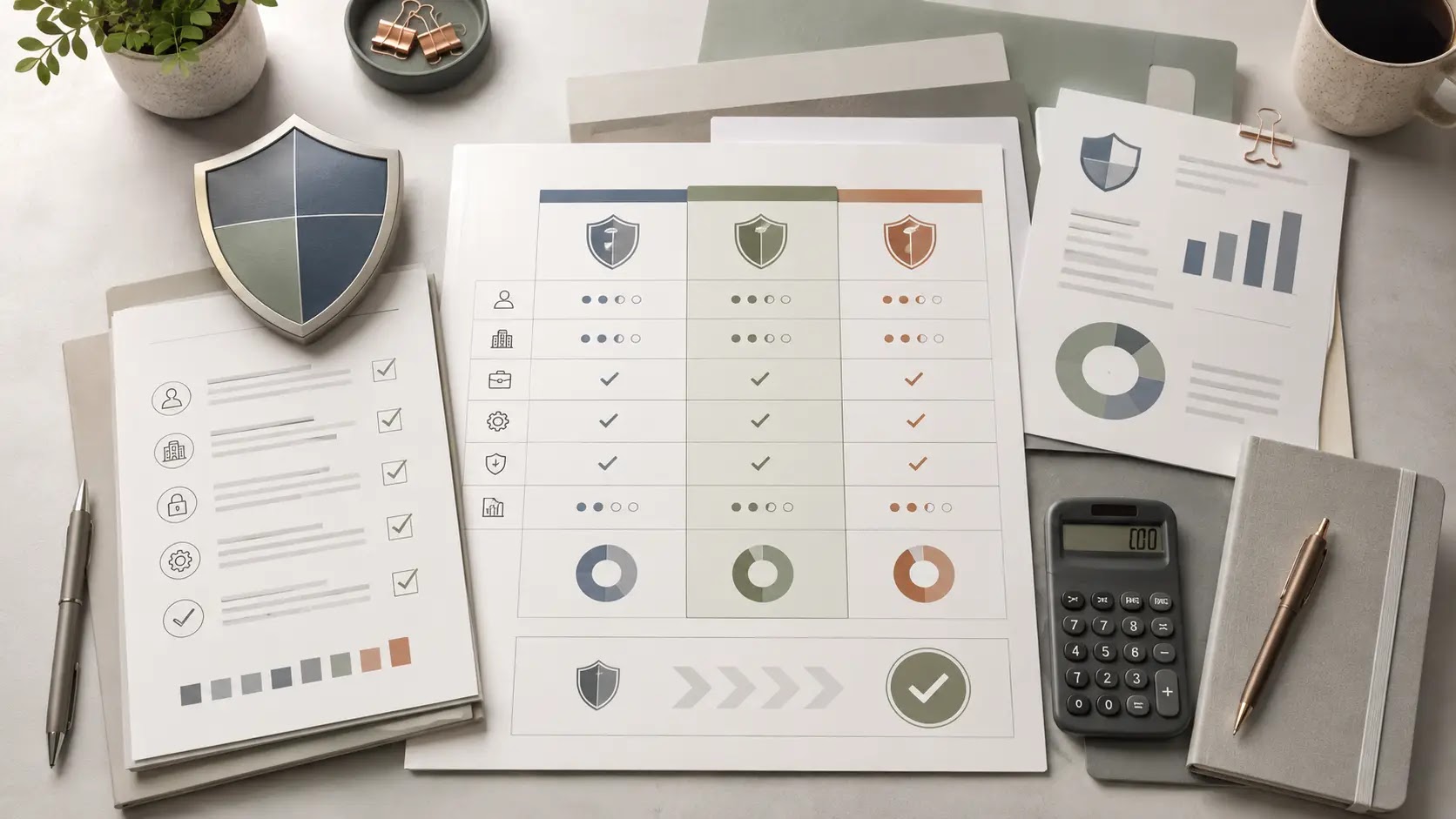
What should you verify before launching a vending machine in your state and city?
If you are buying, starting, or expanding a vending route, the practical question is not just “Do I need a license?” It is whether the local rule set, site contracts, insurance expectations, and operating costs still support the machine’s economics after you add commissions, repairs, inventory spoilage, mileage, and working capital.
Because vending rules are set at multiple levels and can change by location, the right approach is to treat this as a research checklist before you commit to machines, locations, or financing. The goal is to separate assumptions you can model now from items that must be confirmed with the city, state, site owner, insurer, or vendor.
| What the reader is deciding | What must be verified locally |
|---|---|
| Can this vending concept operate at the target locations? | State and local licenses, permits, tax registration, and any site-specific requirements. |
| Will the route be profitable after real-world operating costs? | Lease or commission terms, insurance requirements, repair exposure, inventory costs, and mileage. |
| Is the plan ready for a lender, partner, landlord, or buyer conversation? | Documentation of assumptions, contracts, working capital needs, and compliance responsibilities. |
- Lease or placement terms for each location, including commissions and access rules.
- Equipment condition, service history, and expected repair and replacement needs.
- Labor assumptions for stocking, cleaning, cash handling, and route support.
- Menu economics, including product mix, spoilage risk, and payment processing costs.
- Permits, tax registration, and any location-specific operating approvals.
- Working capital for inventory, fuel, maintenance, and slow-paying or seasonal periods.
- Funding readiness, including whether the plan is documented well enough for lenders or partners.
Next, the practical framework breaks these variables into the local inputs you should verify first so you can model the route with fewer surprises.
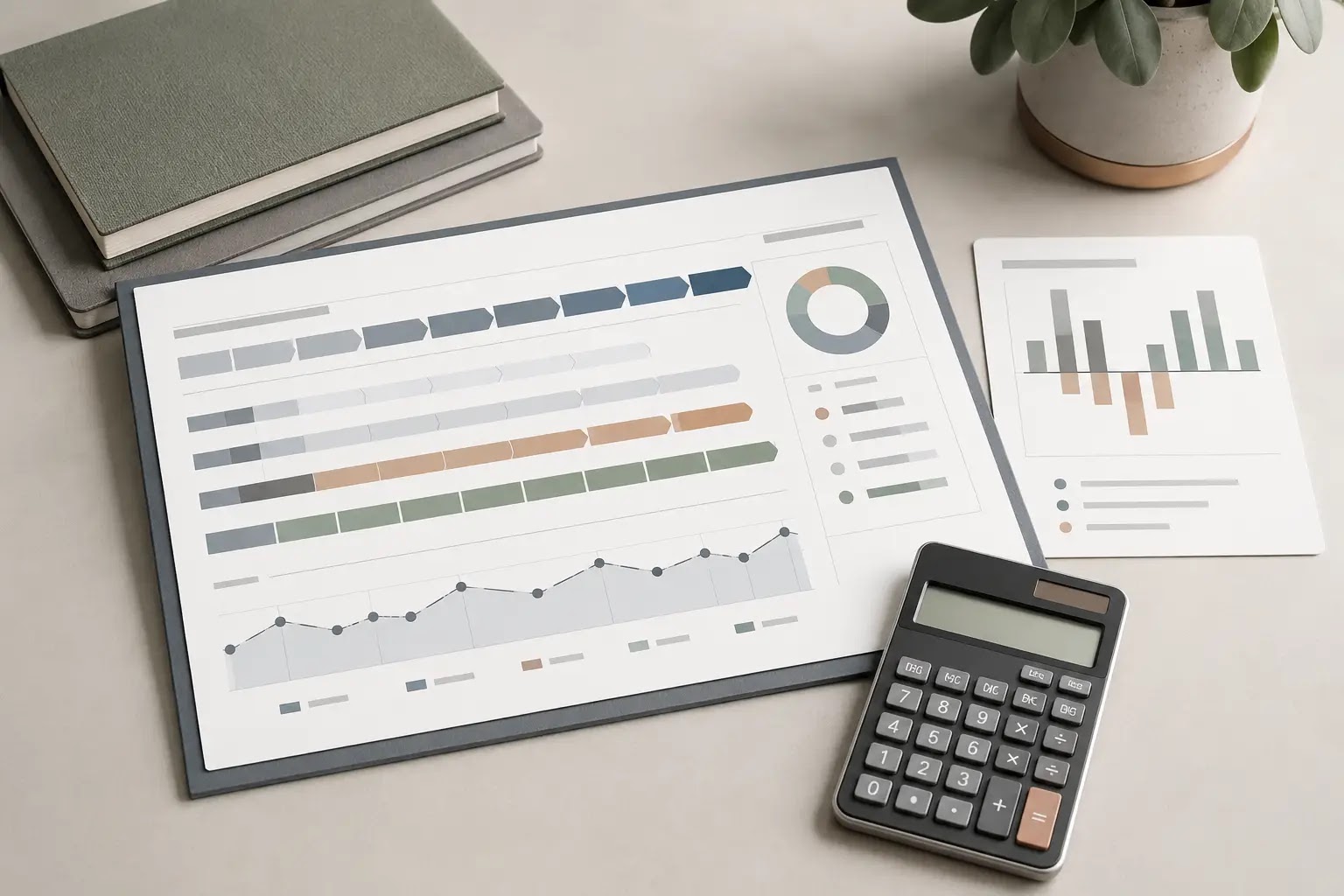
How should you turn local vending rules into a launch-ready checklist?
For a U.S. vending machine business, the practical goal is not just “find out what is required.” It is to turn state, county, city, and site-level rules into documented assumptions that affect startup timing, recurring fees, machine placement, insurance, and route operations. Requirements vary by market and by product mix, so each item should be verified with current local sources before you lock your plan.
What belongs in the research pass?
| Planning area | Question to answer | Input to collect | Model impact | Verification source |
|---|---|---|---|---|
| Business registration and local licensing | Which state, county, and city registrations or licenses apply to the operating entity and route base? | Entity name, home base address, target jurisdictions, planned opening date | Startup admin cost, launch timing, renewal calendar | Secretary of state, city clerk, county business office |
| Sales tax and tax filing setup | How are vending sales taxed, collected, and reported in each jurisdiction served? | Product mix, machine location, payment method, jurisdictions served | Net revenue assumptions, remittance timing, pricing model | State department of revenue, local tax office |
| Food, beverage, and health rules | Do any products or machine types trigger health department permits, inspections, or temperature-control rules? | Snack, beverage, refrigerated, or other food categories; planned storage and service frequency | Equipment spec, spoilage allowance, service labor, permit fees | County or city health department |
| Location permission and site contracts | Does each location require a written placement agreement, access rules, commission, or removal terms? | Site owner contact, commission structure, access hours, maintenance obligations, termination terms | Route economics, downtime risk, relocation cost, commission expense | Property owner, landlord, site manager, signed contract |
| Insurance and certificate requirements | What coverage, limits, named-insured wording, or additional insured wording does the site ask for? | Machine value, locations, vehicle use, employee count, payment software or telemetry use | Monthly premium estimate, deductible reserve, replacement reserve, working capital | Insurance broker, carrier quote, site certificate request |
| Route access, parking, and delivery rules | Do parking, loading, building access, or route-entry rules change how the machine is serviced? | Delivery vehicle type, parking needs, access hours, route geography | Mileage, fuel, labor, ticket risk, service schedule | Site rules, property manager, city parking office, vehicle insurer |
| Placement, safety, and site-fit rules | Are there electrical, egress, accessibility, or fire-safety constraints at the location? | Machine footprint, power needs, clearance requirements, floor plan, install date | Buildout cost, installation delay, move cost, site rejection risk | Building department, fire marshal, landlord or site manager |
How do you turn research into documented assumptions?
- List every machine type you plan to operate and the product categories each one will carry.
- Check state, county, and city requirements for each jurisdiction where a machine may be placed or serviced.
- Ask each target site for written placement terms, access rules, commission expectations, and insurance certificate requirements.
- Request insurance quotes that match the actual route plan, machine value, vehicle use, and site obligations.
- Record recurring fees, renewal dates, inspection timing, and any required permits in one assumption sheet.
- Save the source document for each assumption so you can revisit it if a site, product mix, or city changes.
- If requirements differ by location, document both the standard case and the stricter case before you commit capital.
This documented assumption set becomes the bridge into Block 3, where the licensing, insurance, and contract findings are translated into financial-model inputs, tradeoffs, and risk checks.
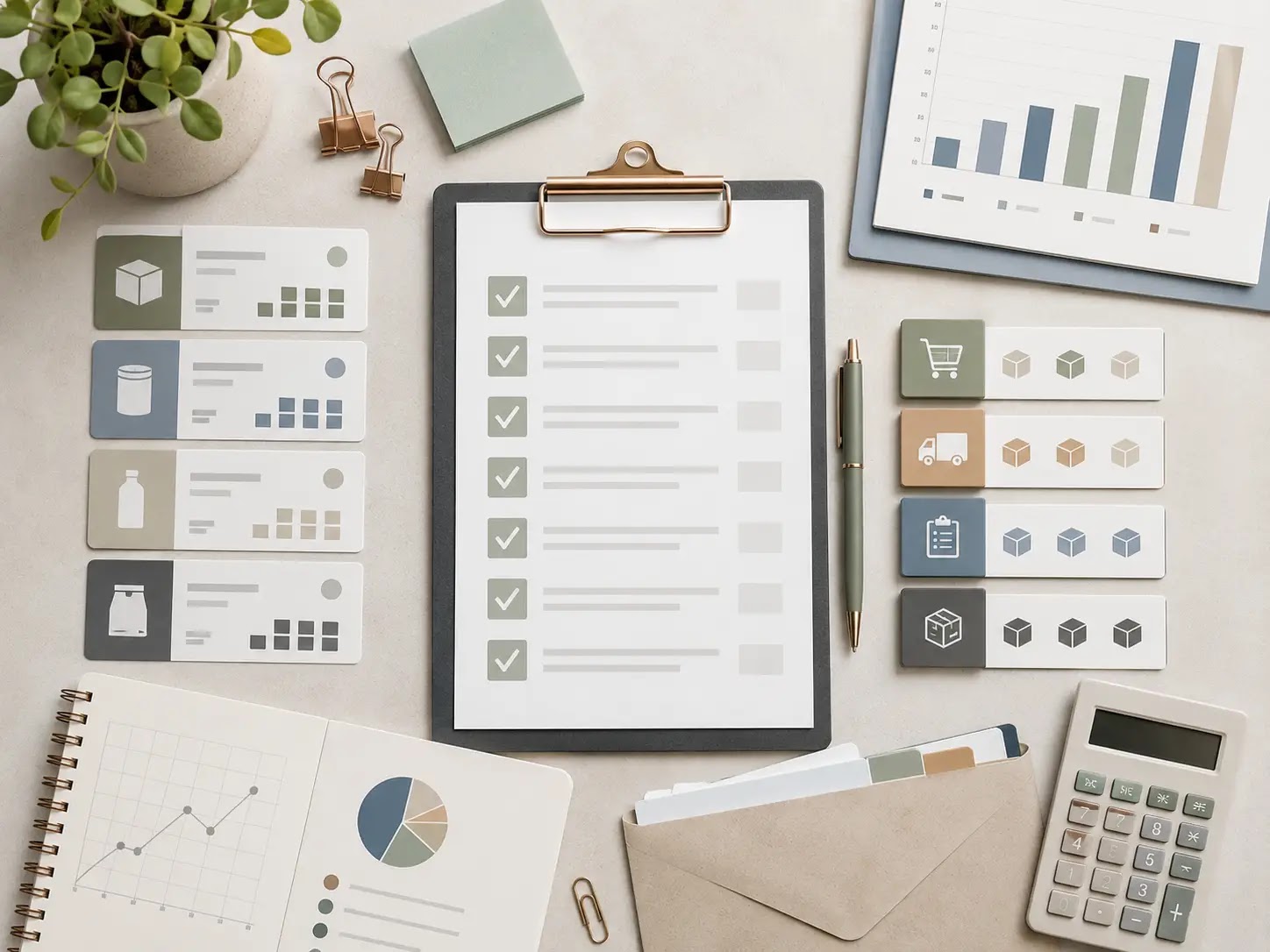
What tradeoffs should a vending machine founder stress-test before relying on local rule research?
For a vending machine business, state and local rule research is not just a compliance task; it changes the economics of each location. A permit, inspection step, landlord requirement, or insurance condition can affect how fast a machine can open, how much cash is tied up in working capital, and whether a route is worth adding at all.
The key planning question is whether the location still works after you factor in commissions, travel time, restocking cadence, repair exposure, software fees, and any local requirements tied to food, beverages, or placement on public versus private property. Because those items vary by market and by product mix, the practical model should use documented assumptions instead of a generic template.
That is especially important for buyers comparing routes or founders preparing a lender or partner packet. A “good” site on paper may become a marginal site once you account for access rules, machine servicing constraints, or vendor terms that limit margins or slow deployment.
Scenario: location looks strong, but access is limited
Tradeoff: High foot traffic does not help if restocking hours are restricted or loading access is difficult.
Assumption to test: Route mileage, labor time, and service frequency remain manageable.
Scenario: the site wants a commission or revenue share
Tradeoff: Better placement may come with lower net margin.
Assumption to test: The commission structure still leaves enough gross profit to cover inventory, repairs, and overhead.
Scenario: the route spans multiple cities or counties
Tradeoff: More territory can mean more rule variation, more vendor coordination, and more administrative work.
Assumption to test: Permits, tax registrations, insurance certificates, and location contracts can be managed without slowing expansion.
| Planning risk | Why it matters in vending | Assumption affected | How to verify |
|---|---|---|---|
| Permit or license mismatch | Can delay placement or require changes to product mix, ownership structure, or operating process | Opening timeline, launch cost, and route count | Check current state, city, county, and location-specific requirements with local agencies |
| Lease or placement clause restrictions | Can limit where machines can be installed, serviced, or relocated | Site availability and long-term retention | Review the location agreement and confirm access, termination, and placement terms in writing |
| Insurance certificate or coverage gap | Some landlords, property owners, or contracts may require proof of coverage before install | Readiness to deploy and carry working capital | Ask carriers and counterparties for current certificate and coverage expectations |
| Commission or revenue-share demand | Can materially change route economics | Net margin per machine and payback assumptions | Confirm the proposed fee structure and compare it against expected sales and service cost |
| Tax, product, or reporting differences by market | May affect pricing, recordkeeping, and administrative workload | Back-office cost and compliance burden | Verify with current state and local tax and business registration sources |
| Repair or downtime exposure | Unplanned outages reduce sales and can raise emergency service costs | Maintenance reserve and spare-parts budget | Document vendor service terms, expected response time, and repair history where available |
| Route mileage and access costs | Travel time and fuel can shift the economics of a machine that otherwise sells well | Labor, delivery cost, and route design | Map routes, service windows, and stop frequency before finalizing the model |
| Software or telemetry dependency | Monitoring tools can improve visibility but add vendor terms, fees, and integration risk | Operating expense and reporting workflow | Review platform features, contract terms, and device compatibility before purchase |
Local verification note: State and local rules, costs, vendor terms, lease terms, insurance requirements, permit requirements, and financing conditions vary by market. Verify them with current local sources, the property owner or landlord, your insurer, and any relevant permitting or tax offices before you commit to a site or update your operating model.
Once these risks are documented, the next step is simple: convert them into a final action checklist by location, so each machine, route, and contract can be reviewed against the same assumptions before launch, acquisition, or funding decisions.
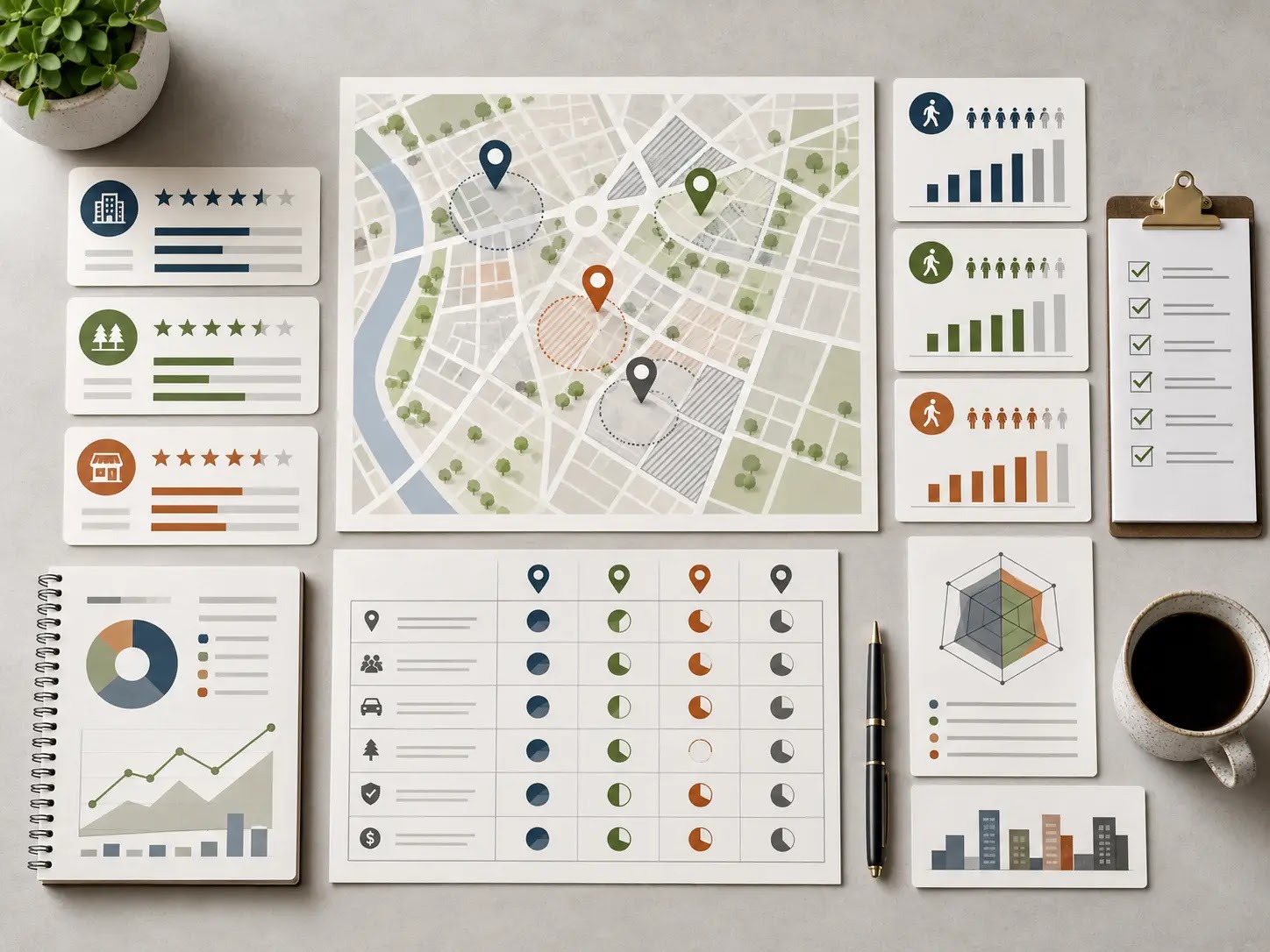
What should you do next after the local rule check?
For a vending machine startup or acquisition, the practical decision is simple: do not treat licenses, permits, insurance, contracts, and local operating rules as a formality. Use them to shape your machine count, site selection, inventory plan, route mileage, repair reserve, commission structure, and working capital needs before you commit.
If the local requirements are clear enough to model, you can move from research to planning. If they are not, pause and verify them with current city, county, state, landlord, and vendor sources first.
Next-step checklist
- Confirm every license, registration, permit, and tax-related filing that applies to your operating locations.
- Verify insurance expectations with landlords, property owners, or site managers before signing terms.
- Review service contracts, commissions, access rules, and exclusivity language for each location.
- Estimate how route mileage, refill frequency, spoilage, and repairs change your operating budget.
- Update your working capital plan so it covers equipment, inventory, deposits, and early operating gaps.
- Document any local rule uncertainty and assign a source and follow-up date.
Readiness scorecard
| Decision area | Ready when... |
|---|---|
| Legal setup | You know which filings and licenses are required for your target markets. |
| Site terms | Commission, access, and contract terms are reviewed in writing. |
| Insurance | You know the coverage expectations that may be required by counterparties. |
| Operating model | Your route, inventory, and repair assumptions reflect local conditions. |
| Funding readiness | Your plan documents startup cash needs and early operating reserves. |
Practical bridge to planning tools
A business plan, financial model, pitch deck, checklist, and startup toolkit can help organize these assumptions, compare scenarios, and document the plan for partners, lenders, landlords, or advisors.
Final takeaway: for a U.S. vending machine buyer or founder, the best next step is not guessing the rules—it is verifying the local requirements, translating them into operating assumptions, and only then deciding whether the location and business model still work.


