
Vending Machine Product-Market Fit Checklist
A practical U.S. planning guide for vending machine product-market fit checklist, built for founders, buyers, and operators comparing assumptions before committing capital.

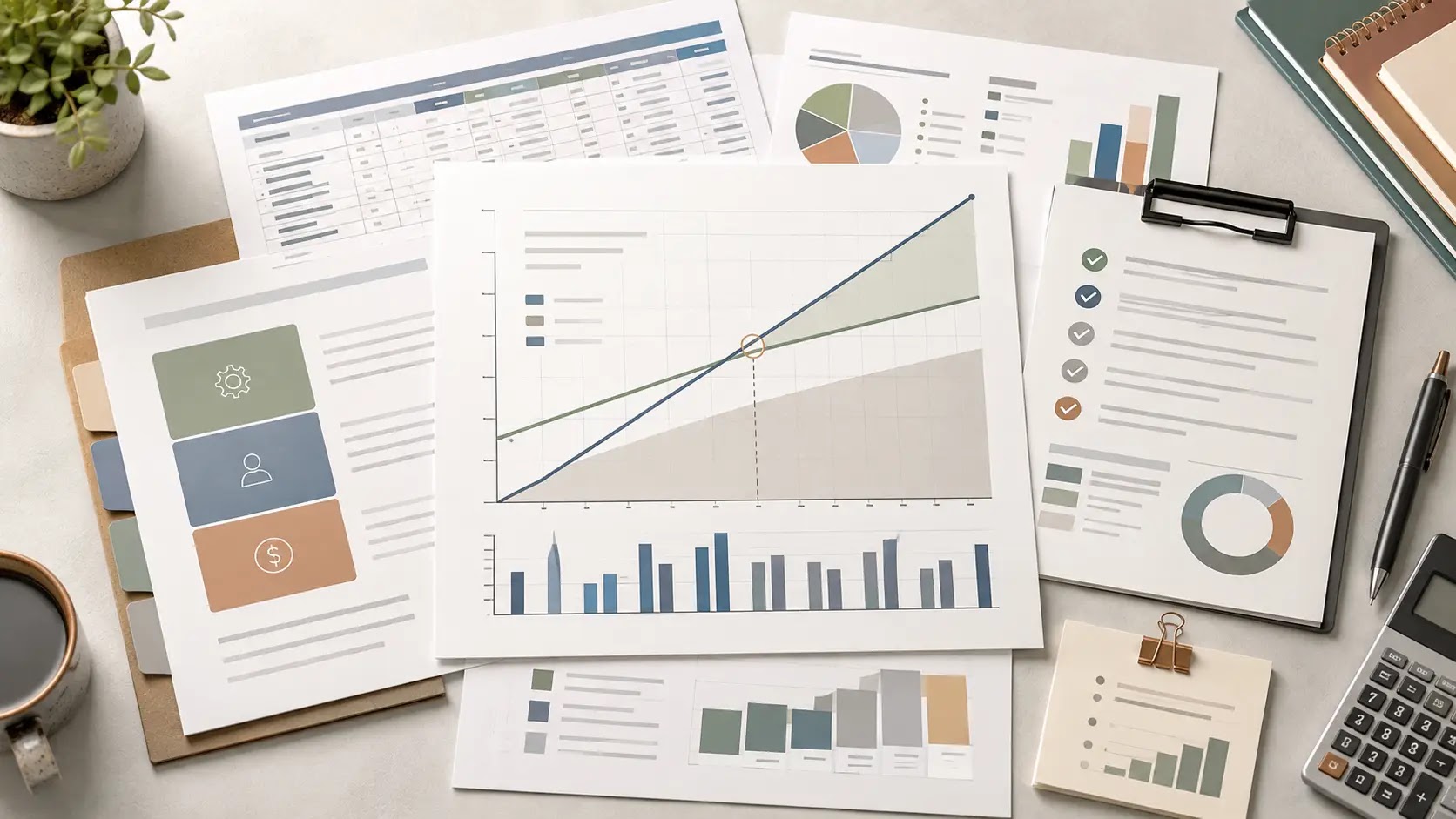
How do you tell whether a vending machine offer fits the market?
For a U.S. vending machine business, product-market fit is less about having “popular snacks” and more about whether the machine mix, pricing, location traffic, and service model can support acceptable margins after commissions, route mileage, repairs, and restocking time.
The practical question is simple: does this location, with this machine type and product set, produce enough repeat sales to cover your operating assumptions and leave room for working capital?
| What the reader is deciding | What must be verified locally |
|---|---|
| Which machine type and product mix fit the location | Traffic patterns, customer profile, access rules, and nearby alternatives |
| Whether pricing can support the route economics | Local price tolerance, commission terms, refill frequency, and service costs |
| Whether the opportunity is financeable and scalable | Equipment cost, buildout needs, repair exposure, cash reserve needs, and lender or partner expectations |
That means the checklist should start with assumptions, not product preference. A strong-looking location can still fail if lease terms, equipment condition, stocking labor, or cash needs are not aligned with the route model.
- Lease and buildout assumptions
- Equipment type, condition, and replacement risk
- Labor, route mileage, and restocking frequency
- Menu economics and pricing sensitivity
- Permits and site-level operating requirements
- Working capital for inventory and repairs
- Funding readiness and documentation quality
Next, use a practical framework to test those assumptions against the location, the machine mix, and the numbers that actually drive vending performance.
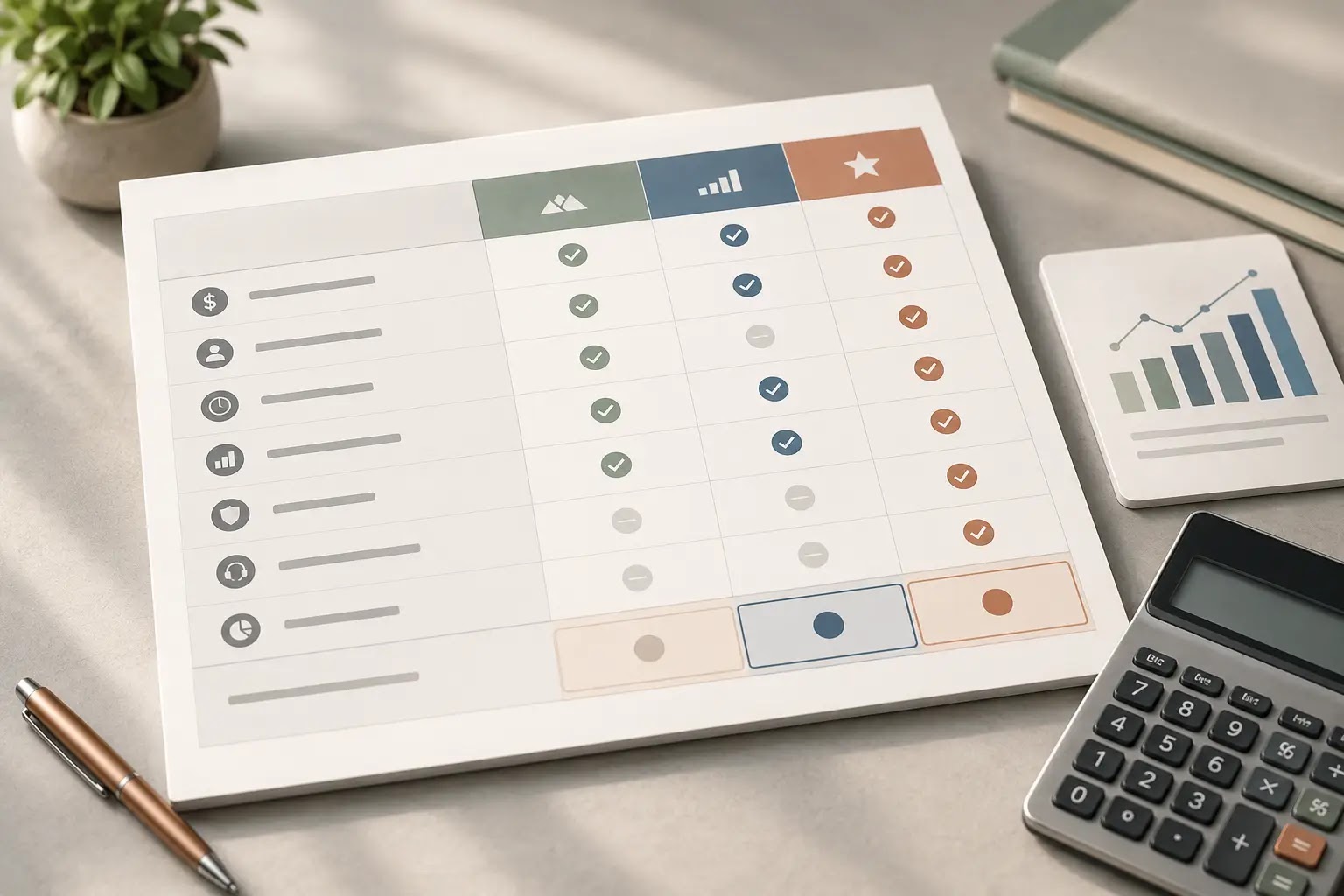
How do you test vending machine product-market fit before you buy inventory or place machines?
For a vending machine business, product-market fit is not just “will people buy snacks?” It is whether a specific machine mix, price point, and location type can sell enough units to cover commissions, route miles, spoilage, repairs, software, and working capital without guessing.
The practical test is to document which products sell in which locations, at what price bands, with what refill frequency, and under what operator terms. That creates a usable assumption set for startup, acquisition, or launch planning.
What inputs actually change the answer?
| Planning area | Question to answer | Input to collect | Model impact | Verification source |
|---|---|---|---|---|
| Location type | Does this site support impulse snacks, better-for-you items, beverages, or a mixed assortment? | Foot traffic pattern, dwell time, audience type, operating hours, and access rules | SKU mix, machine format, refill frequency, and sales volume assumptions | Site tour, operator history, landlord or manager discussion |
| Customer segment | Who is most likely to buy: workers, students, patients, residents, travelers, or visitors? | Primary user group, purchase timing, and likely basket size | Product assortment, price sensitivity, and package size assumptions | Observation at the site, on-site interviews, sales logs if available |
| Price band | What price range feels acceptable at this site? | Current competing prices, package sizes, and item categories | Gross margin per vend, conversion rate, and revenue per machine | Competitive walk-through, receipt review, operator quotes |
| SKU performance | Which products are likely to turn quickly and which may sit too long? | Trial sales by SKU, sell-through rate, and spoilage risk | Inventory turns, waste, cash tied up in stock | Pilot placement, prior route data, supplier samples |
| Machine format | Does the site need a snack machine, beverage machine, combo unit, cold food unit, or specialty machine? | Power access, space, product depth, and serviceability | Equipment cost, maintenance load, and assortment capacity | Site measurement, equipment specs, technician input |
| Route economics | Can the route support the mileage and labor needed to service it? | Distance between stops, refill cadence, and technician or owner time | Delivery labor, fuel, vehicle wear, and net margin | Map routing, route log, travel estimates |
| Commission terms | What revenue share or location fee does the site require? | Commission structure, minimum guarantee if any, and payment timing | Net revenue per sale and break-even sales volume | Lease or placement agreement, operator interview |
| Maintenance and spoilage | How much shrink, breakage, or downtime should be expected? | Temperature needs, product shelf life, machine reliability, and repair history | COGS leakage, service cost, and working capital buffer | Vendor terms, maintenance logs, operator records |
| Software and telemetry | Do remote monitoring and cashless tools materially improve product fit? | Payment mix, inventory alerts, and sales visibility needs | Service efficiency, stock accuracy, and route planning quality | Vendor demos, processor terms, operator references |
How should a founder document assumptions in the right order?
- Start with the site, not the SKU list. Record the location type, operating hours, audience, and any limits on machine size, placement, or access.
- Map the likely buyer behavior. Note whether the site is built around quick snacks, routine beverage purchases, meal replacement, or specialty needs.
- Build a short candidate assortment. Choose a few SKUs that fit the site, then separate “core” items from test items so you can compare performance.
- Check price tolerance against competitors. Compare nearby vending and convenience pricing so the planned price band is grounded in the market.
- Estimate refill cadence and waste risk. Faster-moving sites may justify a wider mix; slower sites usually need tighter inventory control to avoid spoilage or stale stock.
- Attach route cost to each machine. Document mileage, stop count, and service time so a strong top-line location does not hide a weak net contribution.
- Include commission or placement fees early. A site that sells well can still underperform if the revenue share or location fee is too aggressive.
- Note the cash needs behind the mix. Different products tie up different amounts of inventory cash, especially if the route requires frequent restocking or branded packaging.
- Record what you will test first. Treat the first placements as a controlled pilot and define which products, prices, and machine types will be reviewed after initial sales data comes in.
What makes the framework specific to vending product, menu, and pricing?
- Menu choices should match the audience and the time people spend at the site.
- Pricing should be tested against nearby alternatives, not set from a generic margin target alone.
- Machine type should fit the assortment, power access, and service pattern.
- Inventory planning should account for shelf life, breakage, and refill frequency.
- Route economics should be tied to sales per stop, not just machine count.
- Commission terms and access conditions should be captured before any launch decision.
Next, use these documented assumptions in the financial model to test unit economics, break-even sales, and sensitivity to price, commission, and route cost changes.
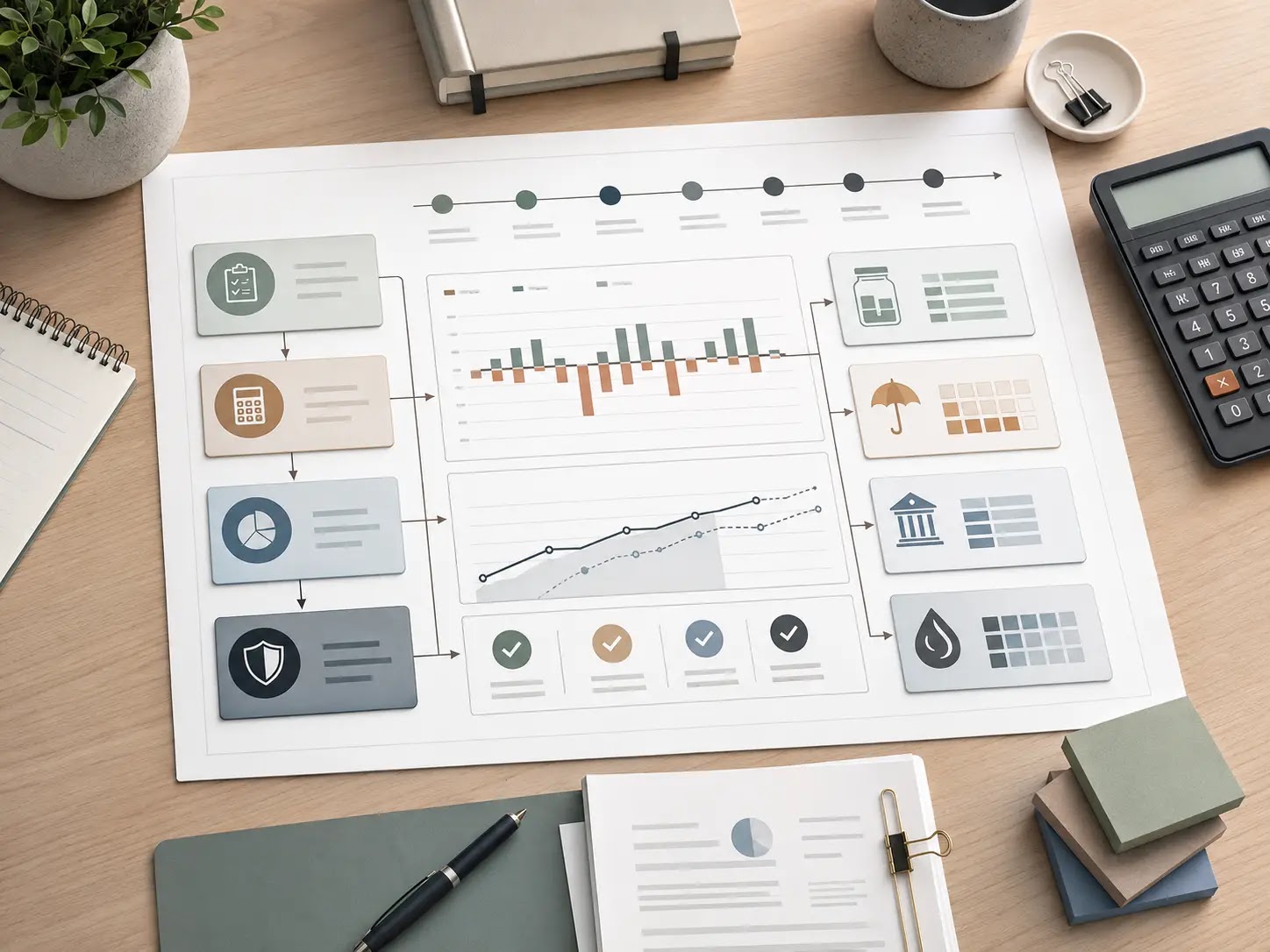
What do the financial assumptions and local checks change in a vending machine product-market fit decision?
For a U.S. vending machine buyer or founder, product-market fit is not just whether a location has traffic. It is whether the product mix, price points, service cadence, commission structure, and route travel still leave enough gross profit to cover repairs, software, card fees, and labor coverage.
The model should be treated as a working assumption set, not a promise. A location can look strong on paper and still fail if restocking trips are too frequent, the mix sells at the wrong margin, or the site agreement consumes too much of the sales base.
Illustrative planning calculator: what to test before you commit
| Planning input | Placeholder to collect | How it affects the model | Where to verify |
|---|---|---|---|
| Machine acquisition or lease cost | Vendor quote, delivery, install, and any financing terms | Drives startup cash need and monthly debt or lease burden | Current supplier quote and financing paperwork |
| Opening inventory | Initial stock for beverages, snacks, or specialty items | Raises launch cash use and affects first-replenishment timing | Distributor quotes and planned assortment list |
| Site commission or rent | Any percentage, flat fee, or guaranteed payment to the location | Reduces gross margin and can change break-even volume | Signed site agreement or current negotiation terms |
| Route mileage and service time | Expected miles, stops, and minutes per refill visit | Raises fuel, vehicle wear, and labor coverage needs | Planned route map and visit schedule |
| Payment processing and software | Card fee structure, telemetry, and software subscription terms | Changes net sales and recurring fixed cost | Vendor pricing sheet and contract terms |
| Repairs, spoilage, and shrink | Expected maintenance frequency and product loss allowance | Reduces usable margin and increases reserve needs | Service records, parts availability, and historical route data |
| Working capital reserve | Cash set aside for slow starts, failures, and resets | Determines runway if sales start below plan | Internal cash plan and lender expectations |
How to read the tradeoffs before you build the route
The most common mistake is using a sales forecast that ignores service friction. A stronger location still may not work if product turns slowly, if premium items get discounted too much, or if the route needs extra labor to keep the machine stocked and working.
| Scenario | Sales mix | Margin pressure | Operational stress | Planning takeaway |
|---|---|---|---|---|
| Conservative | Slower-turn items, weaker premium mix | Higher | Lower sales but similar service cost | Needs stronger location economics or lower fixed costs |
| Base case | Balanced snacks, beverages, and top sellers | Moderate | Typical refill and repair cadence | Useful for break-even and cash runway testing |
| Upside | Fast-moving mix with better-priced items | Lower | Higher refill frequency and possible stockouts | Check whether extra trips still improve net profit |
Risk checklist: what can distort product-market fit
- Assuming strong foot traffic without confirming actual buying behavior at the site.
- Underestimating route mileage, restock time, and labor coverage for multiple machines.
- Ignoring commission, rent, or access fees that reduce sales before product cost is even considered.
- Using a mix that looks attractive on gross margin but turns too slowly in that location.
- Leaving out repair downtime, card-processing fees, software costs, and spoilage or shrink.
- Starting with too little working capital to absorb a slow launch or a bad location reset.
Verify locally before you lock the model
Regulations, costs, vendor terms, lease terms, insurance requirements, permit rules, utility access, and site conditions vary by market and property. Replace any placeholder with current quotes and current local verification from the city, county, state, landlord, vendor, distributor, insurer, and payment provider as applicable.
If your numbers depend on a site commission, machine lease, financed purchase, or software bundle, confirm the latest terms in writing before you treat the assumption as bankable.
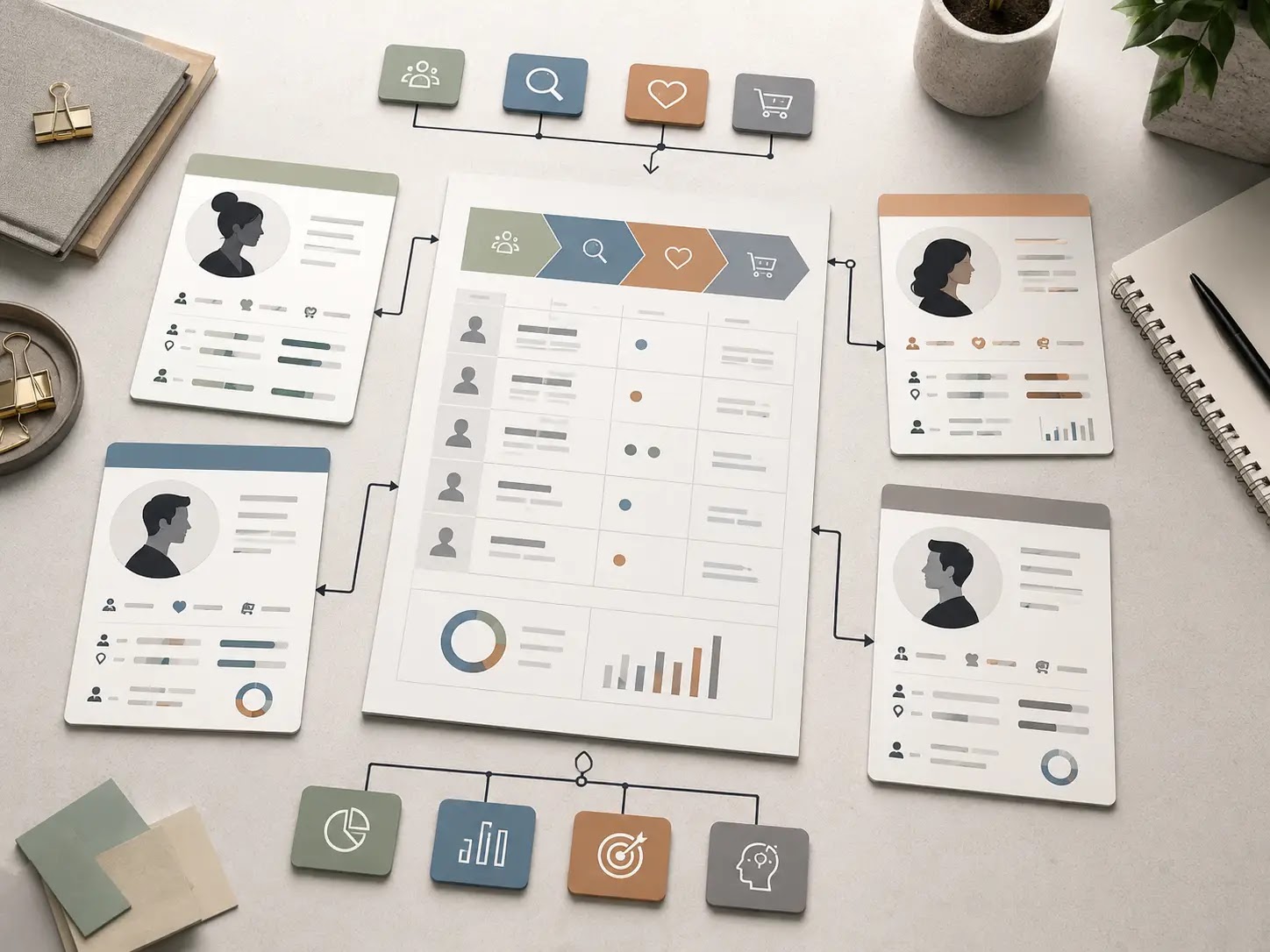
What should you do next before you commit to a vending machine route or purchase?
The practical takeaway is simple: a vending machine plan is only as strong as the match between the machine, the location, the customer segment, and the margin left after product cost, commissions, route mileage, repairs, and software. If those inputs are not documented, the deal is still a concept, not a decision.
At this point, the goal is not to get every assumption perfect. The goal is to confirm enough local demand and operating economics to decide whether to launch, buy, expand, or walk away.
Readiness scorecard: are you close enough to move forward?
| Check | What to confirm | Why it matters |
|---|---|---|
| Location fit | The foot traffic, hours, and buyer type match the machine offer | Weak traffic or the wrong audience can break product-market fit |
| Product mix | The items selected match what people actually buy in that location | Slow sellers tie up cash and reduce margin |
| Pricing | Prices still leave room after product cost, commissions, and spoilage | Small pricing mistakes can erase profit in vending |
| Operating load | Route mileage, stocking time, and repair frequency are manageable | Labor and maintenance often determine whether the route scales |
| Working capital | Cash is available for inventory, service calls, and early underperformance | New routes often need time before the cash cycle stabilizes |
| Documentation | The assumptions are written into a plan and model | Clear documentation helps with lenders, landlords, partners, and advisors |
Next-step checklist
- Verify the strongest location types in your target area and rank them by expected demand.
- Test whether your product mix fits the customer segment instead of forcing a generic assortment.
- Review pricing against product cost, commissions, spoilage risk, and refill frequency.
- Estimate route mileage, stock time, repair exposure, and the labor needed to keep machines serviced.
- Confirm inventory depth and working capital so you can survive slow starts or uneven sales.
- Document the assumptions in a business plan and financial model before signing or buying.
- Use a pitch deck or lender packet only after the operating story and numbers are consistent.
A business plan, financial model, pitch deck, checklist, and startup toolkit can help you organize assumptions, compare scenarios, and document the plan for partners, lenders, landlords, or advisors.
Final takeaway: if the machine, location, pricing, and operating load all make sense on paper and in local verification, you have a defensible next step; if not, adjust the mix or pass and keep searching.


