
Vending Machine Social Media Plan for Local Demand
A practical U.S. planning guide for vending machine social media plan for local demand, built for founders, buyers, and operators comparing assumptions before committing capital.

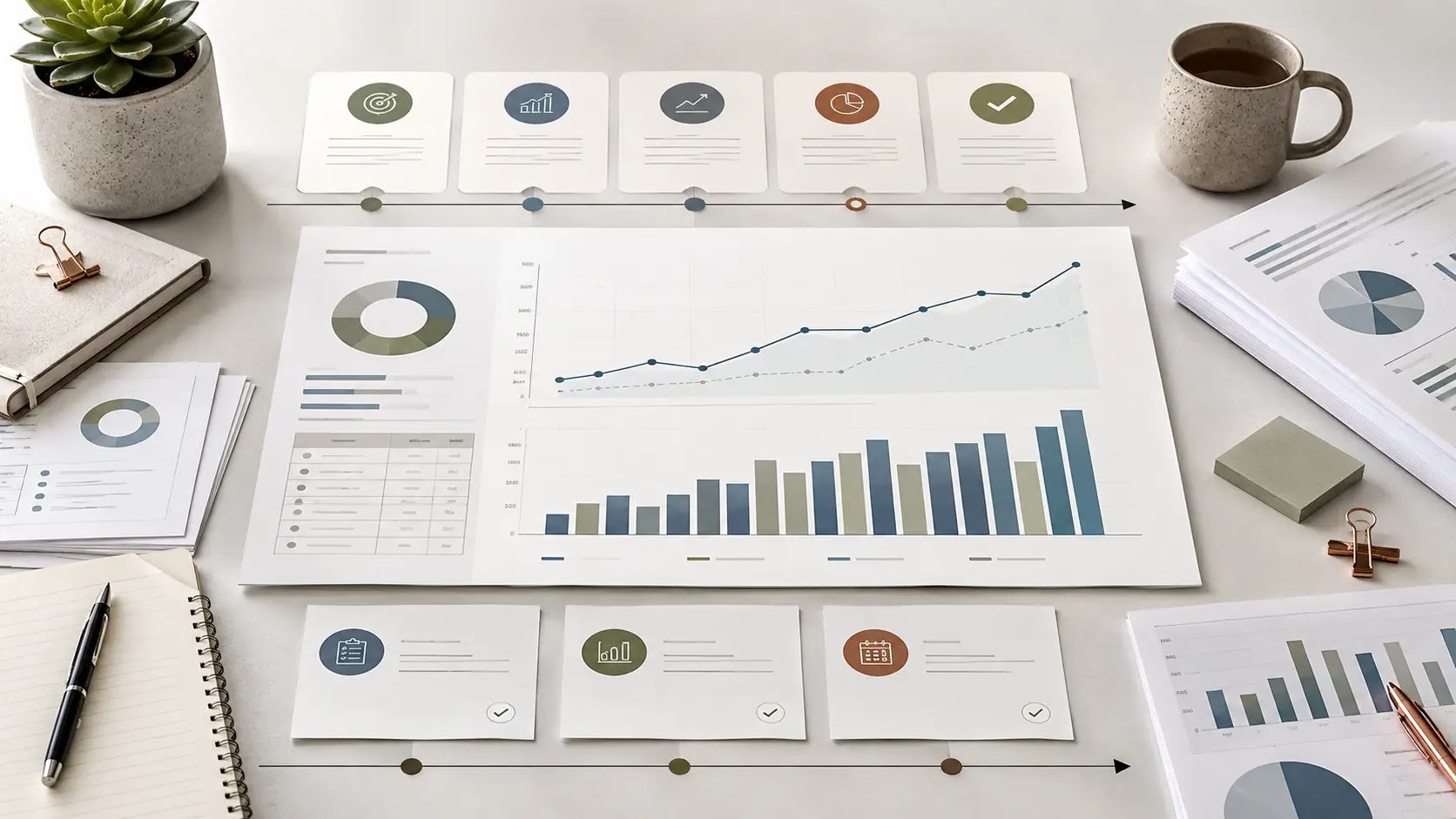
How should a vending machine social media plan support local demand?
If you are planning a vending machine startup, acquisition, or launch, social media should be treated as a local demand signal—not just a branding exercise. The practical question is whether nearby customers, property managers, or community audiences will notice the machines, understand the offer, and create enough interest to support placements and repeat sales.
For founders and buyers, the plan matters most when it connects marketing to operating assumptions: route mileage, refill timing, product mix, repair response, commissions, and working capital. Those inputs change by market, site type, and machine count, so the right answer is usually local and specific rather than universal.
| What the reader is deciding | What must be verified locally |
|---|---|
| Whether social media can help a specific vending route build awareness, inquiries, and repeat demand without wasting time or budget. | Neighborhood demand, nearby competition, property-manager rules, posting limits, local labor availability, route travel time, and the actual cost of stocking, servicing, and repairing machines. |
That means the plan should be built around assumptions you can document before you commit to a location, buy more machines, or prepare a lender-facing pitch deck. The goal is to see whether local demand support is strong enough to justify the operating effort behind it.
- Lease and buildout: site access, utility needs, placement terms, and any location-specific restrictions.
- Equipment: machine type, condition, capacity, payment setup, and repair exposure.
- Labor: stocking time, service frequency, route coverage, and any hired help.
- Menu economics: product mix, pricing assumptions, spoilage, and refill cadence.
- Permits and local rules: what the market requires for placement, selling, or signage.
- Working capital: inventory, fuel or travel, maintenance, and early-stage cash needs.
- Funding readiness: whether your assumptions are organized well enough for a partner, lender, or buyer review.
With those local inputs in view, the next section turns them into a practical planning framework you can use to shape content, offers, and route decisions.
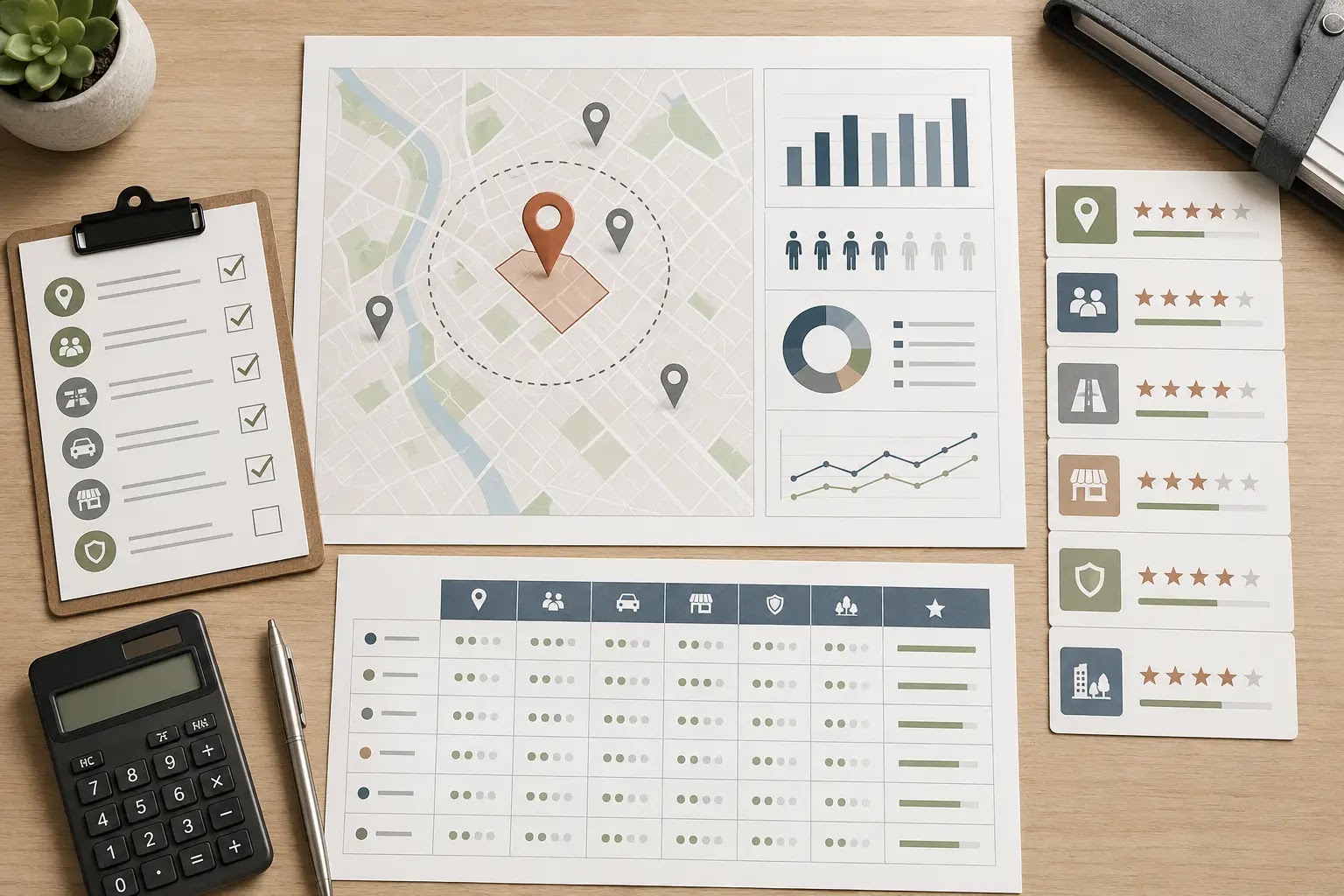
How should a vending machine social media plan turn local demand into usable assumptions?
For a vending machine business, social media is most useful when it helps you narrow the location search, test local demand, and document what it may cost to win and serve accounts. The goal is not broad awareness; it is better placement decisions, better product mix guesses, and cleaner inputs for your plan.
What should the planning table track first?
| Planning area | Question to answer | Input to collect | Model impact | Verification source |
|---|---|---|---|---|
| Geo-targeted demand | Which local neighborhoods or corridors show the most interest in snack and beverage access? | Post engagement by area, comments, DMs, shares, saves, and location tags | Helps prioritize route zones, prospecting order, and initial machine placement assumptions | Platform analytics, post insights, and lead notes |
| Location type fit | Which location types seem most responsive to the offer? | Responses from gyms, apartments, offices, warehouses, laundromats, and similar targets | Shapes location mix, placement pace, and expected time to secure accounts | CRM records, outreach logs, and owner replies |
| Product mix signals | What products does the local audience ask for most often? | Comment themes, poll results, DM requests, and repeat questions about drinks or snacks | Influences inventory mix, reorder cadence, and spoilage or shrink assumptions | Social comments, direct messages, and sample surveys |
| Placement pitch | What message gets a location owner to respond? | Offer wording, commission language, service promise, and photo examples | Affects conversion rate from outreach to meetings and signed placements | Reply tracking, meeting notes, and proposal versions |
| Route density | Can the likely locations be served efficiently? | Map of prospects, drive times, stop sequence, and service windows | Impacts fuel, labor time, machine productivity, and route expansion timing | Mapping tools, route plans, and actual drive logs |
| Content-to-lead cost | What does it take to generate a qualified placement lead? | Posting effort, boosted post spend, follow-up time, and lead counts | Feeds customer acquisition cost assumptions and early cash needs | Ad platform data, time logs, and lead tracking sheet |
| Proof assets | Do you have enough trust signals to support outreach? | Machine photos, placement mockups, testimonials, response screenshots, and brand assets | Can improve conversion on location pitches and shorten the sales cycle | Asset folder, CRM attachments, and approved photos |
How do you move from research to documented assumptions?
- Define the local target zone. Pick the neighborhoods, commercial corridors, or property types you want to test first, then note why they fit your vending route and service capacity.
- Collect demand signals by area. Track comments, DMs, polls, shares, and location-tagged engagement so you can see where interest is strongest.
- Match interest to likely placement types. Separate consumer curiosity from actual location-owner interest, because both affect the sales process differently.
- Test one clear offer. Use a simple message for each location type, such as service coverage, product variety, or easy upkeep, and record which version gets replies.
- Log the operational consequences. Note what the campaign implies for route mileage, restock frequency, inventory mix, machine count, and owner time.
- Write the assumptions into one sheet. Save the lead counts, response rates, and location notes so the financial model can use the same inputs across revenue, labor, and working-capital planning.
- Review what still needs verification. Flag any open items tied to commissions, vendor terms, software fees, equipment, or location-specific conditions before you move forward.
Block 3 can now translate these marketing and location-sales inputs into revenue scenarios, operating tradeoffs, and risk checks for the model.
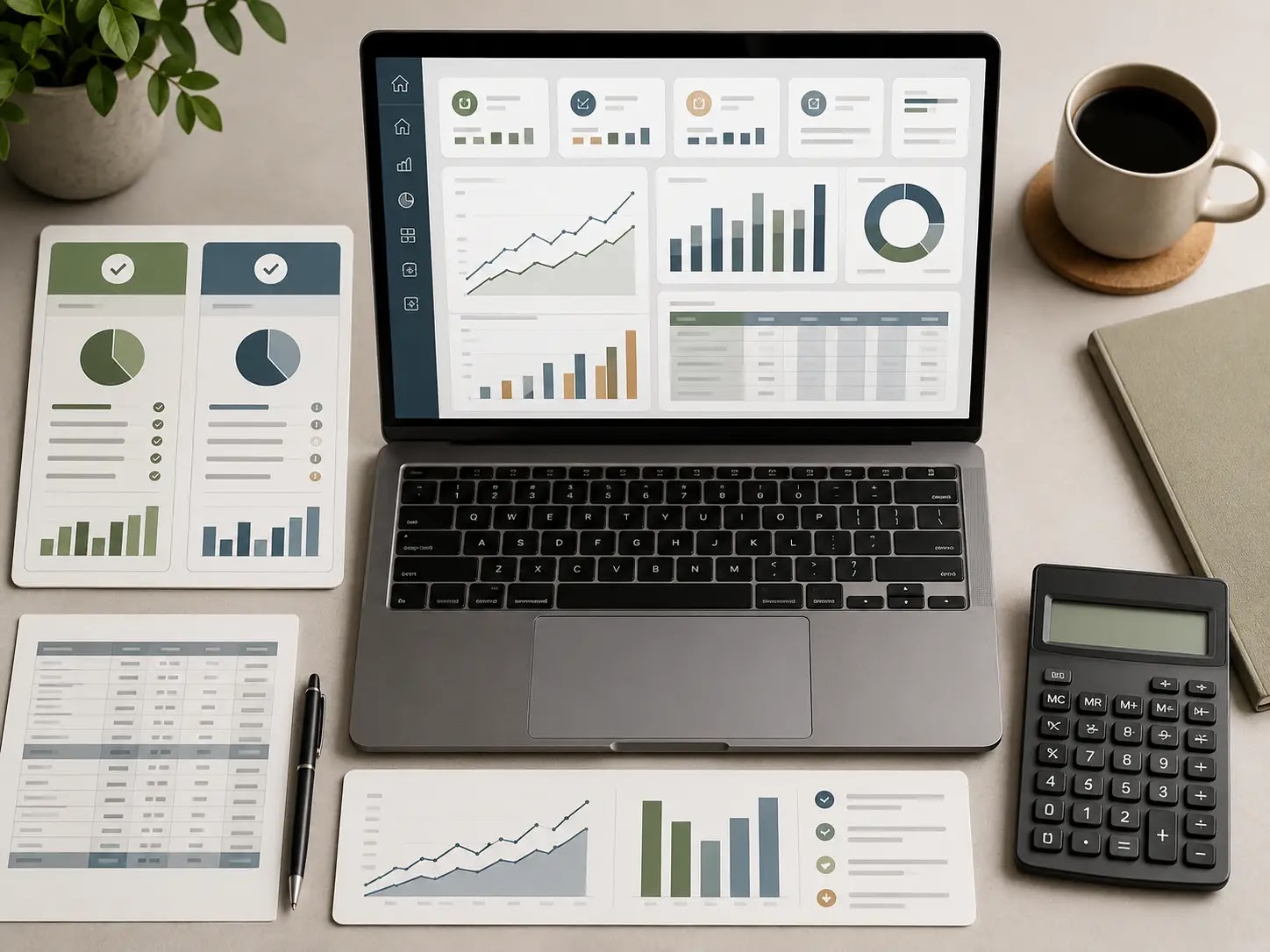
What risks and tradeoffs should you pressure-test in a local vending social media plan?
For a vending machine business, social media is usually a support channel, not the only demand driver. The practical question is whether local content, community posts, and location-focused outreach can help reduce empty-machine risk, improve repeat visits, and support route efficiency without creating a workload that outweighs the sales lift. That means your plan should be judged on assumptions tied to location traffic, refill frequency, and the cost of acquiring attention in each market.
The biggest tradeoff is between broad visibility and local relevance. A post that performs well online may not matter if it does not reach people who actually work, study, live, or pass by your machine. In planning terms, you are testing whether social activity supports placement approvals, steady sales, and customer retention for specific routes, not whether it creates generic engagement.
Use the plan to challenge the numbers behind your forecast: how often a location can be refreshed with content, how quickly local interest decays, whether promotions increase restocking pressure, and whether commissions, inventory mix, repairs, and travel time still leave enough margin. Those assumptions are more important than follower count when you are trying to model vending cash flow.
Planning scenarios to compare
Scenario A: low social lift
Social media mainly supports awareness and landlord confidence. Sales depend mostly on placement quality, product mix, and repeat foot traffic.
Scenario B: moderate local lift
Posts, tags, and local listings help bring in nearby buyers and improve first-time trial at a few strong locations.
Scenario C: promotion-heavy
Frequent offers and local outreach may increase demand, but they can also raise inventory turns, refill trips, and operational complexity.
| Planning risk | Why it matters in vending | Assumption affected | How to verify |
|---|---|---|---|
| Local engagement does not convert to machine visits | Online interest may not show up as sales at a physical location. | Customer acquisition rate | Track store-level traffic, promos, and repeat purchase behavior by location. |
| Promotions increase demand faster than restocking capacity | Higher sales can create more route miles, labor, and inventory pressure. | Refill frequency and labor cost | Compare promo periods with route logs, inventory depletion, and travel time. |
| Location permissions limit posting or signage | Some sites may restrict branding, tags, or in-store promotion methods. | Marketing reach by site | Confirm site-specific terms with the location contact before launch. |
| Product mix does not match local demand | Social content may attract attention, but the machine still needs the right items. | Inventory mix and sell-through | Review sales by SKU, season, and placement type before scaling. |
| Repair or downtime interrupts campaign momentum | A visible machine that is empty or out of service can hurt trust fast. | Maintenance reserve and uptime assumption | Check service logs, parts lead times, and response expectations with vendors. |
As you tighten the plan, the goal is not to prove that social media alone will drive vending sales. The goal is to document which assumptions improve, which ones stay unchanged, and which ones become riskier if your local marketing pushes demand ahead of your operating capacity. That is the setup for the final checklist, where you decide what to confirm before launch, acquisition, or funding discussions.
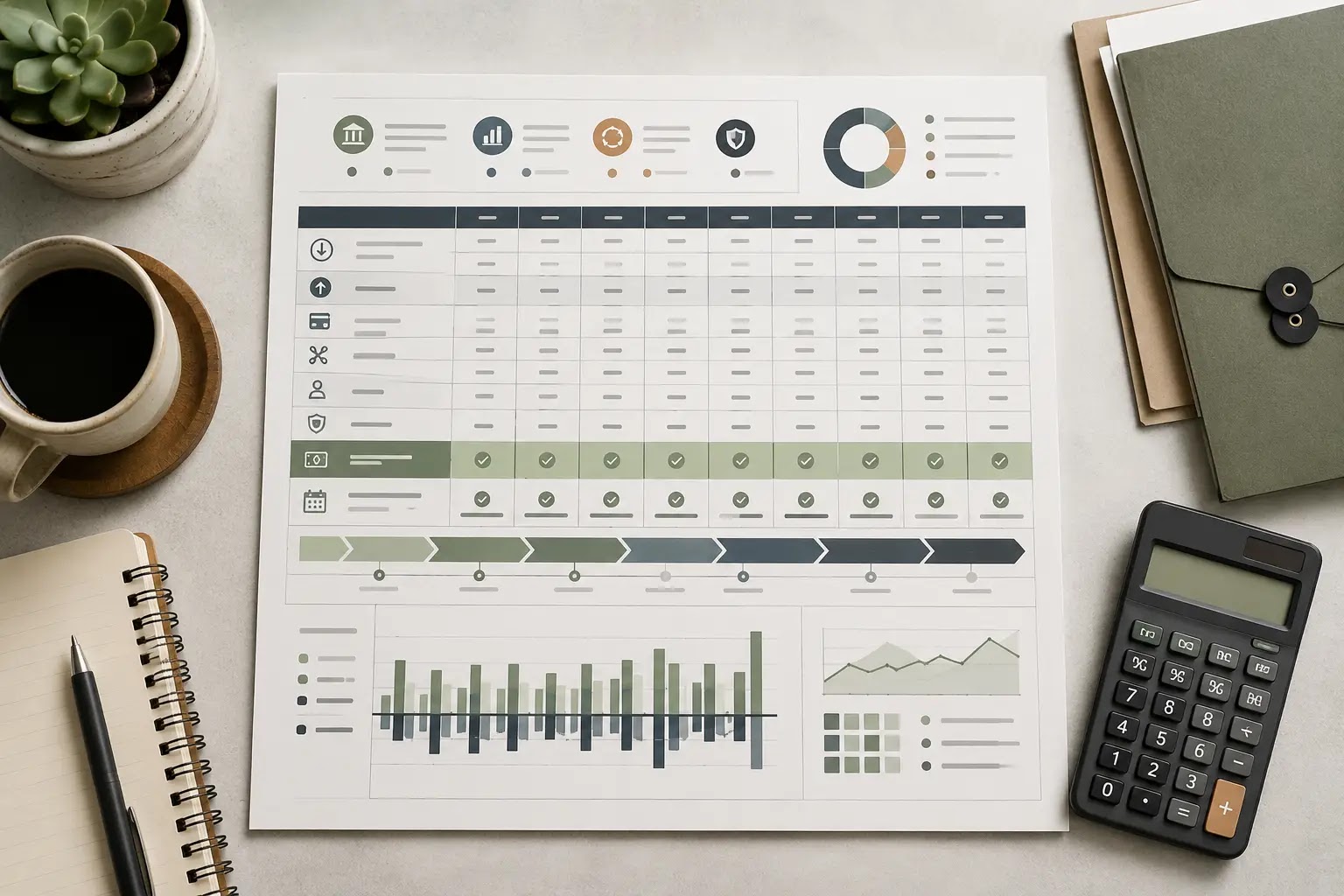
What should you do next before you launch or scale?
If your Vending Machine Social Media Plan for Local Demand is working, it should do more than create posts. It should help you judge whether local awareness can support placements, repeat sales, and route efficiency after you factor in inventory, mileage, repairs, commissions, software, and working capital.
In practical terms, the decision path is simple: confirm local demand, tie social outreach to nearby buying behavior, test the economics of the route, and verify the local terms that can change the plan before you commit capital.
Readiness checklist
| Check | What to confirm | Why it matters |
|---|---|---|
| Local demand signal | You can point to a specific area, audience, or use case that supports nearby awareness and repeat visits. | Social activity should support real route demand, not generic visibility. |
| Economics after operating costs | You have room for inventory, route mileage, service time, repairs, commissions, and software. | This determines whether the plan can support a profitable route over time. |
| Working capital coverage | You know how much cash is needed for launch, restocking, and early operating gaps. | Social demand does not replace cash needed to keep machines stocked and serviced. |
| Local terms verified | Placement, landlord, vendor, platform, permit, and insurance details have been checked with current local sources. | These terms can change the launch timeline and cost structure. |
| Decision clarity | You can decide whether to launch, add machines, or pause based on documented assumptions. | A clear decision rule helps avoid overbuying or overspending on marketing. |
Next steps for a founder or buyer
- Write down the local audience and the locations you expect social content to support.
- Connect each channel idea to a route or placement goal, not just a follower goal.
- Update your assumptions for mileage, restocking, repairs, commissions, and software.
- Confirm working capital needs for inventory and early operating gaps.
- Verify local rules and vendor terms with current sources before you sign or spend.
- Decide whether the plan is ready to launch, needs revision, or should be held for a better location mix.
Final takeaway: For a U.S. vending machine founder or buyer, the best social media plan is the one that supports local demand while still working on paper after route mileage, inventory, repairs, commissions, software, and cash needs are included.
Before you commit, verify local rules, prices, and vendor terms with current sources in your market.

