
Vending Machine Maintenance Budget for the First Year
A practical U.S. planning guide for vending machine maintenance budget for the first year, built for founders, buyers, and operators comparing assumptions before committing capital.

What should a vending machine maintenance budget cover in the first year?
If you are buying, launching, or financing a vending route, the first-year maintenance budget should capture more than repairs. It needs to reflect the machine condition, service frequency, route mileage, inventory handling, payment systems, and the local terms that affect access, labor, and uptime.
The practical question is not just “How much will maintenance cost?” It is “What operating load will this route create, and what local inputs can change the budget before the first year is over?” That includes the condition of the machines, how often they need restocking or service, whether parts are available quickly, and whether the location terms add commissions, fees, or service constraints.
For founders and buyers, this budget is also a readiness test. It helps you see whether the route can support routine upkeep, unexpected repairs, replacement parts, software or telemetry tools, and enough working capital to avoid service gaps during launch.
| What the reader is deciding | How much first-year maintenance reserve to plan for across the route, and whether the machine mix, location terms, and service model are realistic. |
|---|---|
| What must be verified locally | Machine condition, route density, labor availability, service access, lease or commission terms, parts availability, inventory handling needs, and any market-specific requirements that affect operating costs. |
The answer will vary by market and by route structure, especially when a territory includes older equipment, dispersed stops, or locations that require extra service time. That is why a first-year budget should be built around assumptions you can document, compare, and revise as you inspect each machine and location.
- Lease or location terms that affect access, commissions, and service timing
- Equipment age, condition, and expected repair frequency
- Labor time for stocking, cleaning, troubleshooting, and collections
- Menu economics and product mix that affect waste, margins, and restock cadence
- Permits, local rules, and any site-specific operating requirements
- Working capital for repairs, parts, fuel, inventory, and downtime risk
- Funding readiness, including whether your assumptions are strong enough for a lender, investor, or seller review
Next, the practical framework breaks these assumptions into the local inputs that most directly shape the first-year maintenance budget.
What should go into the first-year maintenance budget?
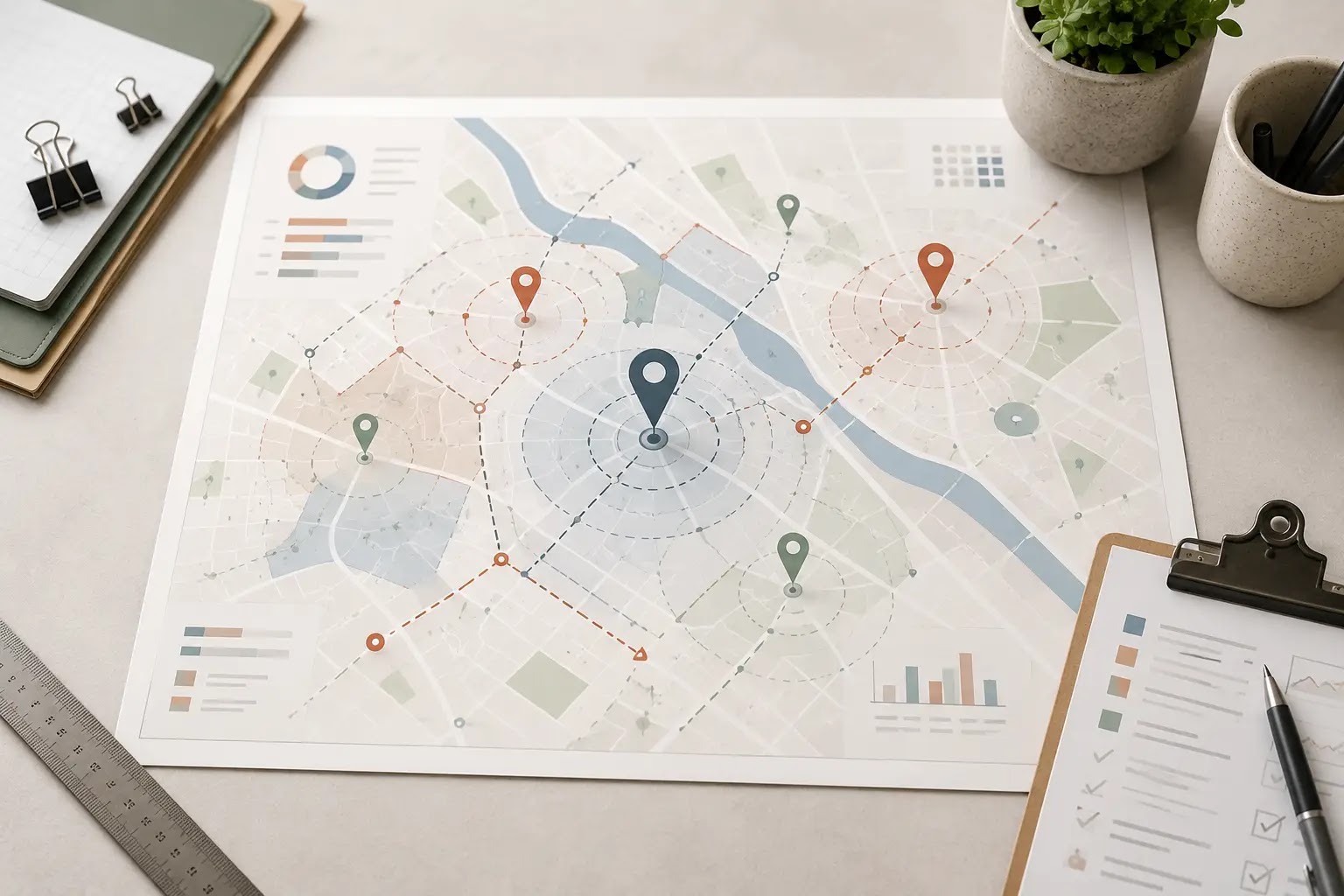
For a U.S. vending route, the first-year maintenance budget should be built around route density, machine mix, service cadence, travel time, vendor terms, and the repair exposure created by each location. The goal is not to guess a single “maintenance number,” but to document the inputs that will drive it so the budget can be adjusted as the territory and machine count become clearer.
Which route variables matter most?
| Planning area | Question to answer | Input to collect | Model impact | Verification source |
|---|---|---|---|---|
| Territory density | Are the machines clustered enough to keep service time and driving manageable? | Machine count by sub-area, site spacing, drive time between stops | Changes labor, fuel, and route productivity assumptions | Route map, site list, dispatch notes, territory walk-through |
| Machine mix | Which machines are likely to require more upkeep in year one? | Machine type, age, condition, payment system, refrigeration or snack components | Affects repair frequency, parts spending, and preventive maintenance needs | Purchase records, inspection reports, seller disclosures, on-site inspection |
| Service cadence | How often will each stop need restocking, cleaning, or repair checks? | Visit frequency by location, expected sales velocity, service window limits | Drives labor hours, mileage, and missed-sale risk if service is late | Location agreements, sales history, operator interviews, test route data |
| Preventive maintenance | Which routine tasks should be budgeted before problems appear? | Filter changes, cleaning supplies, lock or hinge checks, coin and bill validator service | Sets recurring maintenance spend and reduces avoidable downtime | Manufacturer guidance, technician input, prior operator logs |
| Repair reserve | What unplanned repairs should the first-year budget absorb? | Likely part failures, technician visit fees, emergency service terms | Creates a contingency line for downtime and one-off repair work | Service vendor quotes, warranty terms, local repair providers |
| Route travel cost | How much will the territory cost to service each month? | Mileage, fuel assumptions, parking, tolls, vehicle wear, route clustering | Affects operating expense and route profitability by geography | Map-based route plan, fuel logs, vehicle records, local driving patterns |
| Location commissions or access fees | Do any sites require payments tied to service rights or revenue? | Commission rate, flat fee, free-vend requirement, site-specific allowances | Reduces cash available for maintenance and repairs | Signed site agreement, landlord or host contract, operator notes |
| Software and monitoring | Will telemetry or route software be used to reduce wasted stops? | Monitoring fees, inventory alerts, route planning tools, device support terms | Changes admin cost and can improve service timing assumptions | Vendor quote, contract terms, trial account, implementation notes |
| Inventory-related service waste | How much spoilage, shrink, or product rotation work should be expected? | Perishable mix, stock rotation needs, disposal policy, stop-level loss events | Impacts labor, product replacement cost, and effective gross margin | Supplier terms, sales mix plan, location rules, prior route history |
How should a founder turn research into documented assumptions?
- Map the route territory into clusters so each stop can be reviewed for drive time, service timing, and machine count.
- List each machine by type, age, condition, and site so maintenance exposure is not blended into one route average.
- Collect vendor terms for repairs, parts, telemetry, and preventive service so the budget reflects actual service options.
- Estimate how often each machine will need stocking, cleaning, and inspection based on location traffic and product mix.
- Separate routine upkeep from unplanned repairs, then document what each category includes and what it excludes.
- Record site-level costs such as commissions, access fees, parking, and any special service restrictions that affect the route.
- Document vehicle mileage, fuel, and time assumptions for each cluster so route density can be tested before launch.
- Save every assumption in a planning file that can be carried into the financial model, lender packet, or buyer diligence review.
What should be verified before the numbers are treated as final?
Verification note: maintenance prices, service contracts, route access rules, site commissions, equipment condition, and technician availability can vary by market and by property. Before you finalize the budget, verify machine-by-machine details with current vendor quotes, site agreements, and local repair sources.
Once these operating inputs are documented, the next step is to translate them into first-year scenarios, budget tradeoffs, and risk checks so the maintenance plan can be tested against cash flow and route performance.
What should your first-year maintenance budget test?
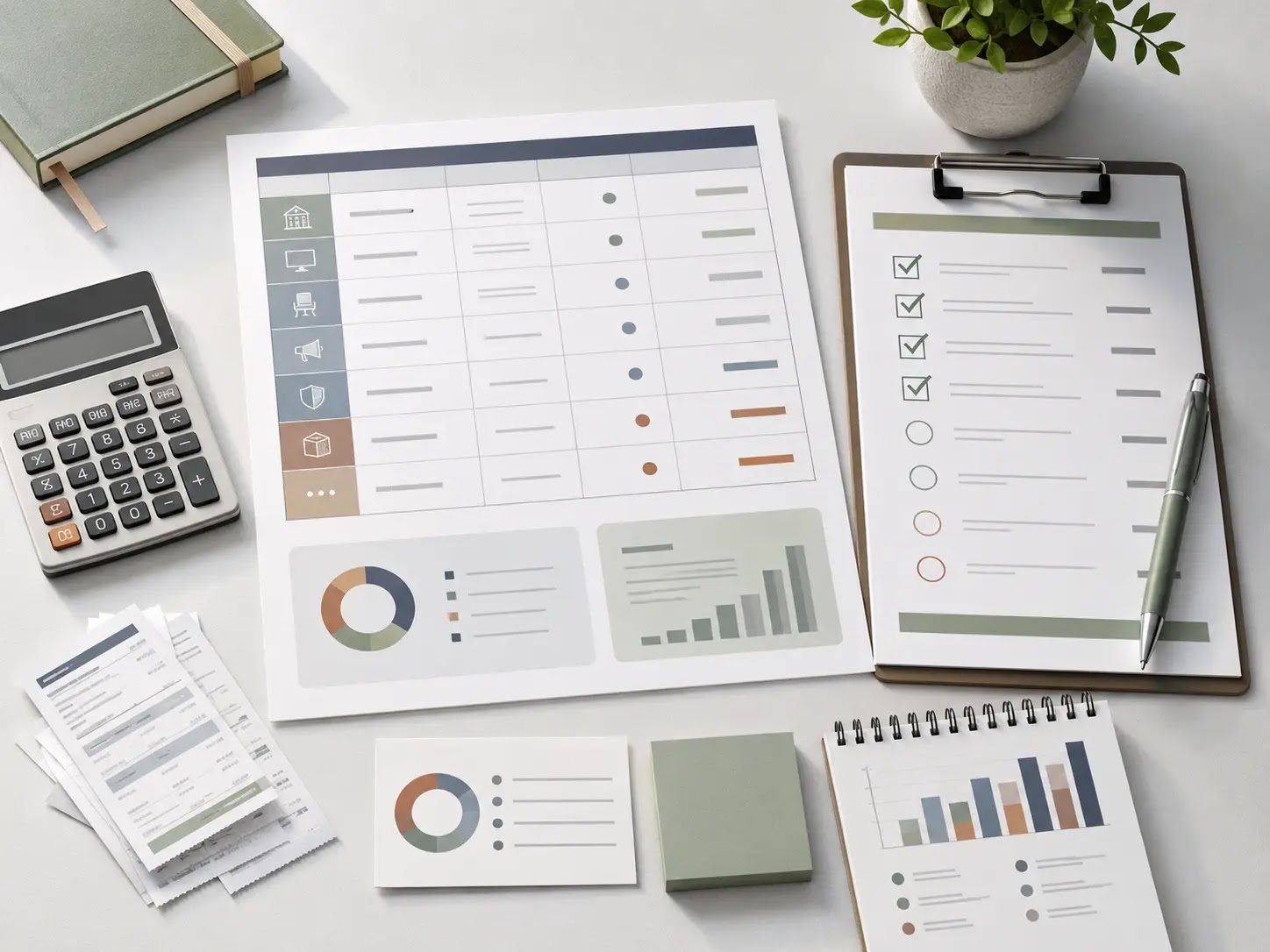
For a vending route, the first-year budget should stress-test uptime, travel, service frequency, and working capital—not just the price of one repair. If you are buying machines, leasing space, or funding a route, the real question is whether recurring maintenance and vendor terms will leave enough cash for inventory, labor coverage, and unexpected service calls.
Assumptions that move the budget
- Machine age and current condition
- Route density and monthly mileage
- Cashless payment and software fees
- Owner labor versus hired coverage
- Parts access, technician response time, and emergency service terms
Tradeoffs to watch
- Lower purchase price can mean higher repair exposure
- More stops can reduce downtime but increase labor and fuel
- Cashless sales can improve convenience but add recurring fees
- Older routes may need more spare parts and a larger cash buffer
Risk and assumption discussion
Use the first-year maintenance budget as a cash-flow test. A route that looks profitable on sales alone can still strain cash if repairs, service calls, product loss, or vendor minimums arrive before revenue is stable. That is why founders and buyers should model maintenance as both a fixed recurring cost and a variable reserve tied to machine condition, service route length, and payment mix.
For funding or acquisition work, the budget also affects cash runway and the amount of working capital you need at launch. If your assumptions depend on a new lease, a route transfer, or a technician agreement, keep the model conservative until those terms are verified in writing.
Planning calculator: replace placeholders with current quotes
| Input | Illustrative placeholder | Why it matters | Verify with |
|---|---|---|---|
| One-time startup repairs | Enter the quote for initial fixes and tune-ups | Can change launch cash needs before the route stabilizes | Technician estimate or seller disclosure |
| Recurring service visits | Enter expected visits per month | Drives labor, travel, and downtime planning | Route schedule and service log |
| Route mileage | Enter your average miles per service loop | Affects fuel and owner time | Mapped route and vehicle tracking |
| Cashless / software fees | Enter the processor and platform terms | Recurring cost that can erode margin | Vendor contract and current invoices |
| Repair reserve | Enter your monthly set-aside for parts and service | Protects cash runway when machines fail | Past service history and parts quotes |
| Labor coverage | Enter owner hours or hired coverage cost | Impacts break-even sales and staffing readiness | Payroll plan or owner schedule |
| Product loss / spoilage | Enter expected shrink or waste allowance | Reduces cash available for maintenance | Inventory counts and product mix review |
Simple planning formula: first-year maintenance budget = one-time startup repairs + 12 months of service visits + route travel cost + software and payment fees + repair reserve + labor coverage + shrink allowance.
Use this as a planning scaffold only. Replace every placeholder with current quotes and verified route data.
Scenario check: what changes the budget fastest?
| Scenario | What shifts | Budget implication | Planning tradeoff |
|---|---|---|---|
| Older machines | More repairs and parts needs | Higher reserve and more service time | Lower purchase cost may be offset by upkeep |
| Cashless-heavy route | More processor and software usage | Higher recurring vendor fees | Convenience may improve sales but adds dependency |
| Remote territory | Longer drives between stops | Higher fuel and labor cost | Efficiency depends on stop density |
| Service-intensive mix | More machine touchpoints per visit | Higher labor and downtime risk | May require more frequent routing and spare parts |

What should you do next with the first-year maintenance budget?
If you are buying or launching a vending route, the first-year maintenance budget should be treated as an operating control, not just a repair guess. The practical decision path is simple: confirm how many machines you will service, how far apart they are, how often you expect service visits, what repair reserve you can support, and how inventory handling, commissions, software, and working capital affect cash flow.
The goal is to keep the route workable in the real world: enough budget for preventive upkeep and unexpected fixes, enough time and mileage capacity for the route, and enough cash to cover early operating drag before the business becomes stable.
Next-step checklist
- List every machine in the route and note location, condition, and service frequency.
- Separate routine maintenance from repair reserve, inventory handling, and route travel costs.
- Review vendor terms, commission splits, and any service obligations tied to each location.
- Test the budget against a slower sales scenario and a higher-repair scenario.
- Confirm the working capital needed to keep servicing machines while revenues ramp.
- Document the assumptions you can verify now versus the ones that still need local quotes.
Readiness scorecard
| Decision check | Ready? | Why it matters |
|---|---|---|
| Machine count and route map are defined | Yes / No | Drives labor, mileage, and maintenance workload |
| Repair reserve is built into the budget | Yes / No | Helps absorb breakdowns without interrupting service |
| Inventory and refill handling are included | Yes / No | Prevents understating operating time and cash needs |
| Commission and location terms are documented | Yes / No | Affects margin and the true cost of each stop |
| Working capital covers early volatility | Yes / No | Reduces the risk of being underfunded during launch |
If you want to turn those assumptions into something you can share with partners, lenders, landlords, or advisors, a business plan, financial model, pitch deck, checklist, and startup toolkit can help organize the numbers and document the route strategy in one place.
Final takeaway: a strong first-year maintenance budget is the one that matches your route, your locations, and your cash capacity—not the lowest estimate on paper.


