
Vending Machine Marketing Budget for the First 90 Days
A practical U.S. planning guide for vending machine marketing budget for the first 90 days, built for founders, buyers, and operators comparing assumptions before committing capital.

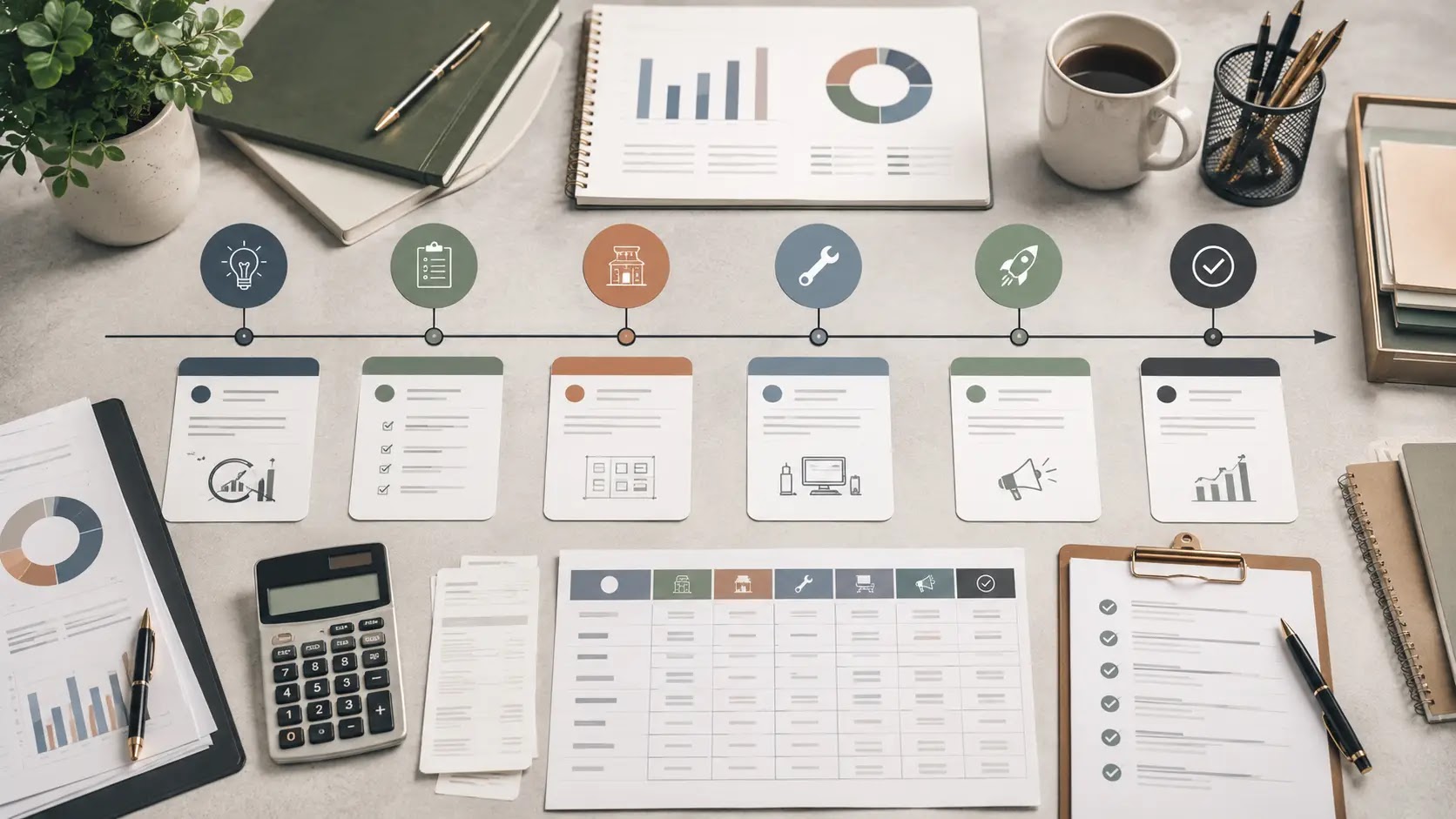
What should a vending machine marketing budget cover in the first 90 days?
For a U.S. vending machine founder, the first 90 days are usually less about broad advertising and more about placement, route-building, and launch support. The budget often needs to cover location outreach, machine placement costs, basic branding, route mileage, sales materials, and enough working capital to keep the launch from stalling if early locations move slowly.
If you are buying an existing route, the budget shifts toward cleanup, retention, replacement inventory, and account support. If you are starting from scratch, the early spend is usually driven by how many machines you are trying to place, how far you have to travel, and whether you need paid help to win locations or present a polished pitch deck to owners, landlords, or lenders.
The practical question is not just “How much should I spend?” It is “Which assumptions make this budget go up or down in my market, and which ones must be verified before I commit cash?”
| What the reader is deciding | What must be verified locally |
|---|---|
| How much cash to reserve for the first 90 days | Landlord terms, location commissions, travel distance, and supplier quotes |
| Whether the budget should focus on new placements or existing-account retention | Route condition, machine status, customer foot traffic, and replacement needs |
| Whether the business can launch with available cash or needs funding support | Lender requirements, equipment financing terms, and working capital needs |
- Lease or placement terms that affect upfront cash and recurring commissions
- Equipment condition, installation needs, and any refresh or repair budget
- Labor needs for stocking, service calls, and account management
- Menu economics, initial inventory, and product mix assumptions
- Permits, licenses, and local machine requirements that vary by market
- Working capital for slow-start locations, spoilage, or delayed collections
- Funding readiness if the launch depends on outside capital or financing
With those assumptions identified, the next section turns them into a practical planning framework you can use to organize the first-90-day budget.
How should a vending machine founder structure the first 90-day marketing budget?
For a U.S. vending machine startup, the first 90 days should separate launch marketing from route-building and placement costs. The budget is usually less about broad promotion and more about getting machines placed, keeping locations informed, and documenting the assumptions behind each spend.
Which budget inputs matter most in the first 90 days?
| Planning area | Question to answer | Input to collect | Model impact | Verification source |
|---|---|---|---|---|
| Location acquisition | How many new placement conversations are needed to secure the first machines? | Target number of outreach calls, emails, visits, and proposals | Drives startup selling effort, travel, and owner time allocation | Prospect list, outreach log, broker notes, local site visits |
| Placement terms | Will the location require a commission, sponsorship, or other placement incentive? | Quoted commission structure or location-specific incentive terms | Changes gross margin and first-90-day cash need | Signed location agreement, written vendor term sheet, email confirmation |
| Branding and signage | What visible materials are needed so the machines look ready at launch? | Decals, headers, menu labels, stickers, QR cards, business cards | Raises upfront launch spend and may reduce early confusion or service calls | Vendor quotes, proof files, print invoices |
| Intro promotions | Will the launch include free samples, intro pricing, or location-specific promos? | Sample product quantity, promo duration, discount assumptions | Reduces near-term revenue but may support first-location adoption | Supplier price lists, promo plan, product purchase receipts |
| Route travel | How much local driving is required for sales calls, installs, and follow-up visits? | Estimated miles, trips, and visit frequency by area | Impacts fuel, vehicle wear, and owner time in the launch window | Map route plan, mileage log, calendar schedule |
| Software and tracking | What tools are needed to track locations, leads, inventory, and service notes? | CRM, route software, payment tracking, or spreadsheet process | Adds recurring software cost and admin time savings | Vendor pricing page, trial account, subscription terms |
| Machine readiness | Does launch marketing assume refurbished, wrapped, or newly branded machines? | Machine count, cosmetic condition, branding work needed | Affects first-impression spend and the timing of install readiness | Inspection notes, refurbishment quotes, machine inventory list |
| Repair reserve at launch | Should the first 90 days include a reserve for early service issues? | Estimated spare parts, service calls, and contingency amount | Protects launch cash flow if a machine needs immediate attention | Service history, technician estimate, equipment condition review |
| Working capital buffer | How much cash is needed before route sales stabilize? | Planned cash reserve for product, fuel, commissions, and marketing | Determines whether the launch is fundable without strain | Cash-flow draft, supplier terms, owner funding plan |
How should the founder move from research to documented assumptions?
- Define the launch footprint. List the first machines, the likely location types, and the travel radius so the marketing budget reflects actual route geography.
- Separate one-time launch spend from recurring spend. Put branding, printed materials, and setup promos in one bucket; keep commissions, software, and travel in the recurring bucket.
- Collect location-specific terms. Record any commission, sponsorship, or promotional obligation tied to each placement before assuming the budget is fixed.
- Quote every visible launch item. Get vendor pricing for machine wraps, decals, menu boards, and other customer-facing materials that support the first 90 days.
- Estimate route-building costs. Add mileage, parking, supply runs, and install follow-up visits so the budget reflects sales effort, not just product delivery.
- Document software and admin tools. Note any subscription needed to track leads, placements, service issues, or inventory for the launch period.
- Set a contingency line. Include a reserve for early machine issues, reprints, or a second round of outreach if a placement falls through.
- Attach each assumption to a source. Keep quotes, emails, screenshots, and notes together so the budget can be updated quickly for lenders, partners, or a pitch deck.
What should be checked before moving to the model?
- Each launch marketing item is labeled as one-time or recurring.
- Placement commissions or incentives are tied to actual location terms.
- Travel assumptions match the route map, not a generic mileage estimate.
- Branding and print costs are backed by current vendor quotes.
- Software, service, and contingency items are included in the 90-day cash plan.
- Every assumption has a source that can be updated later.
Next, use these documented inputs to test cash timing, margin pressure, and launch risk in the financial model, scenario panel, and working-capital checks in Block 3.
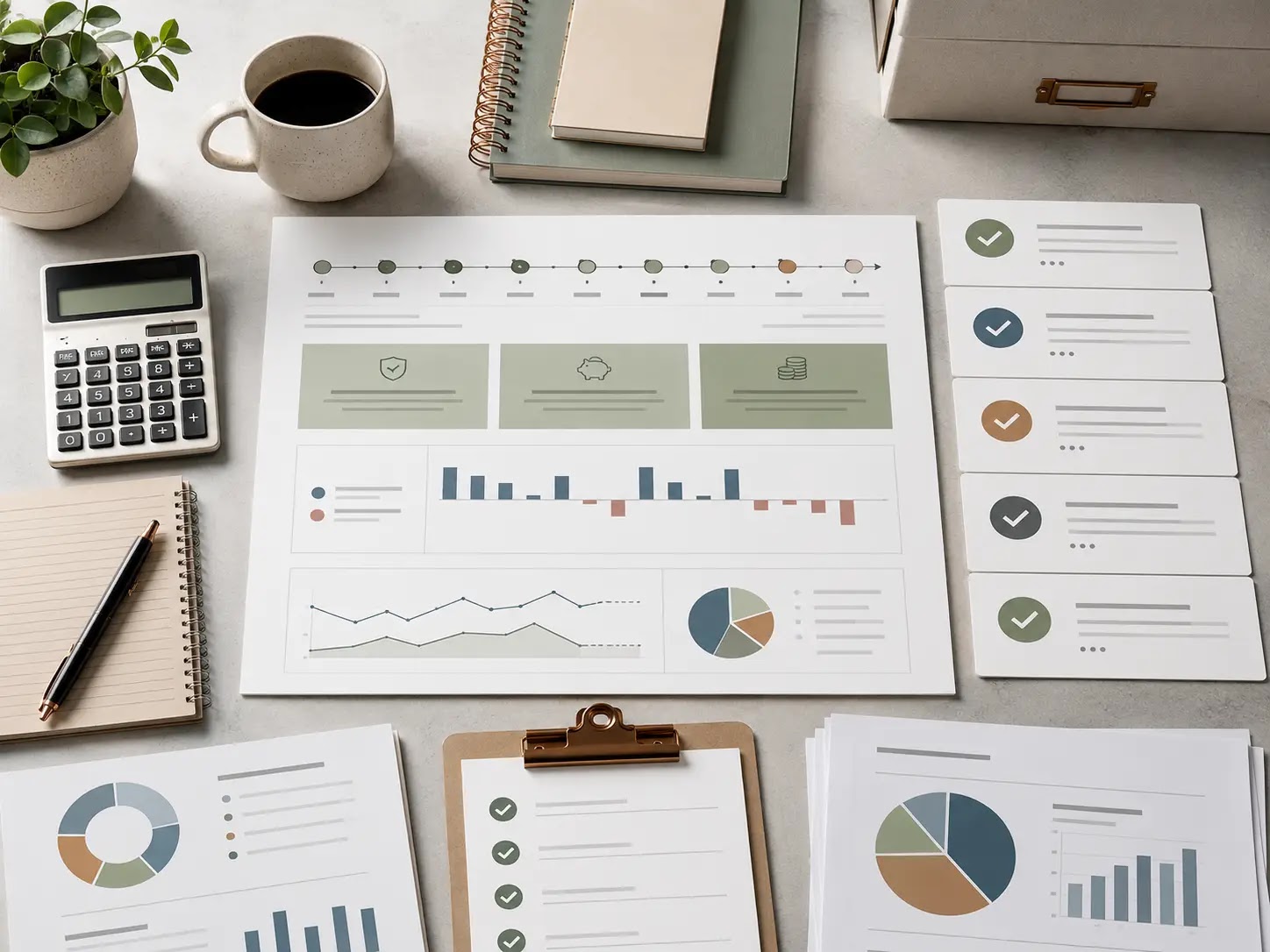
How do the first 90 days change the marketing budget for a vending machine launch?
For a vending machine business, the first 90 days are usually a cash-planning problem as much as a marketing problem. The budget has to cover location outreach, placement terms, launch inventory, route mileage, repairs, software, and the working capital needed before sales stabilize. If any of those assumptions move, the budget should move with them.
The main tradeoff is simple: a tighter launch budget reduces cash outlay, but it also reduces room for sampling, placement support, or service recovery if a location underperforms. A stronger budget usually means more runway, faster response to stock-outs or machine issues, and less pressure to force break-even too early.
Conservative case
Use this if locations are still being negotiated, product mix is untested, or route mileage is likely to be higher than planned. Budget more cash for delayed placements, refill inefficiency, and repairs.
Base case
Use this if you already have a realistic route plan, verified supplier quotes, and a clear replenishment cadence. The budget should cover setup, three months of operating cash, and a modest reserve.
Stress case
Use this if one or more locations underperform, a machine needs early service, or commissions are higher than expected. This case helps test whether your funding, reserve, or owner contribution can absorb the gap.
What should you stress-test before you lock the budget?
| Planning input | What changes if it is higher than planned | Model impact | How to verify |
|---|---|---|---|
| Machine acquisition or lease cost | Upfront cash need rises and runway shortens | Increases startup funding requirement | Current vendor quote, financing terms, or used-equipment listing |
| Launch inventory and refill cadence | More inventory cash is tied up before sales mature | Raises working capital need | Supplier pricing, product mix, and expected sell-through by location |
| Route mileage and service time | Fuel, labor, and vehicle wear increase | Raises monthly operating cash burn | Map actual route distances and service frequency |
| Location commission or revenue-share terms | More gross profit is paid away before overhead | Reduces cash available for repairs and growth | Signed location agreement or written term sheet |
| Repairs and spare parts reserve | Unexpected downtime can disrupt sales | Raises contingency need | Vendor service terms, warranty coverage, and local technician quotes |
| Software, telemetry, and payment processing | Recurring fees lower margin even when volume is steady | Affects monthly break-even sales | Processor terms, software pricing, and device support fees |
| Labor coverage | Owner time or hired help can become a real cash cost | Changes monthly burn and break-even timing | Route schedule, wage quotes, and back-up coverage plan |
Simple planning calculator
| Calculator input | Planning formula | Use it to test |
|---|---|---|
| Upfront setup cash | Machine cost + install + initial inventory + launch materials | How much cash is needed before the first refill cycle |
| Monthly operating cash burn | Route costs + commissions + software + repairs reserve + labor coverage | How much cash the route consumes before profit improves |
| 90-day cash need | Upfront setup cash + 3 × monthly operating cash burn + reserve | How much funding or owner cash is needed for the launch window |
| Break-even sales level | Monthly cash costs divided by gross margin assumption | How much sales volume the route needs before it can support itself |
| Cash runway | Available cash divided by monthly cash burn | How long the launch can continue if sales start slower than planned |
Illustrative placeholder only: replace every formula input with current vendor quotes, route estimates, and actual location terms before relying on the result for funding, acquisition, or launch decisions.
Sensitivity check
| Assumption | If it comes in worse | Budget response |
|---|---|---|
| Sales per machine | Longer time to recover setup cash | Hold more working capital |
| Refill frequency | More route miles and labor hours | Increase service reserve |
| Commission or placement fee | Lower margin at the location | Rework the location economics |
| Repair frequency | Higher downtime and service cost | Set aside a larger maintenance buffer |
- Collect written quotes for machines, service parts, software, and initial inventory.
- Map route miles and service cadence for the first 90 days.
- Test the budget under slower sales and higher repair frequency.
- Confirm location commission or revenue-share terms in writing.
- Recheck the cash reserve before you commit to additional machines or placements.
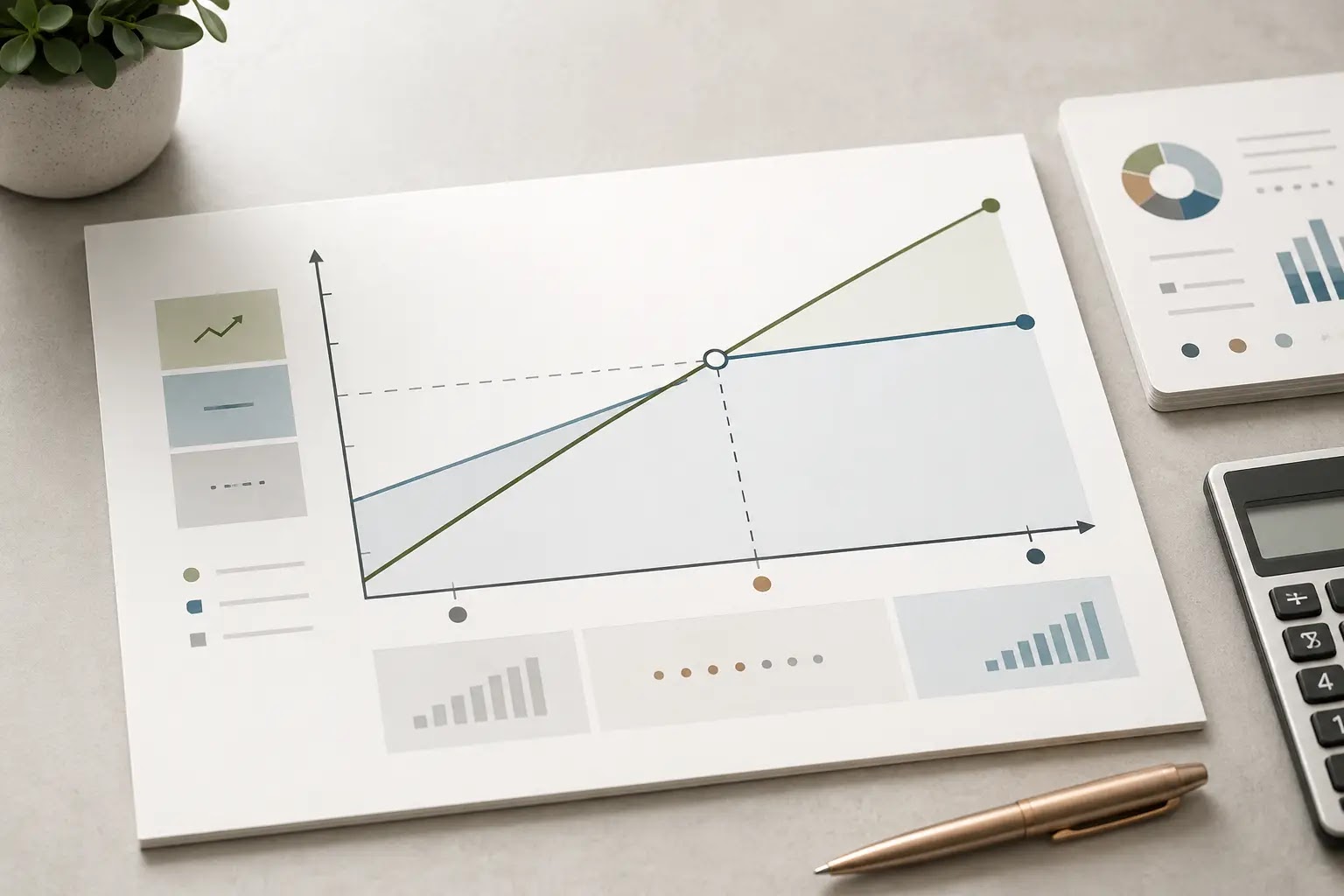
What should you verify before committing to a 90-day vending marketing budget?
The practical decision is not just how much to spend on marketing, but whether that spend supports the first 90 days of route building, placement wins, inventory turns, and service coverage. For a U.S. vending machine founder or buyer, the budget should be tied to machine count, location outreach, route mileage, commissions, repair exposure, software, and working capital needs.
If those inputs are still moving, the budget should be treated as a planning range, not a fixed promise. The right next step is to confirm the local assumptions that drive cash need, then stress-test the first-quarter plan before you commit capital or sign vendor terms.
90-day readiness scorecard
| Ready when | What to confirm | Why it matters |
|---|---|---|
| You know the launch geography | Target area, route density, and likely travel time between stops | Changes mileage, labor, and how quickly the budget gets used |
| You have location assumptions | Expected placement type, commission structure, and expected approval path | Affects outreach cost and the cash available for inventory and service |
| You have an equipment plan | Machine condition, repair reserve, and any needed parts or setup items | Reduces the chance that early marketing spend is undermined by downtime |
| You have a stocking plan | Initial product mix, supplier terms, and reorder timing | Marketing works only if the machines can actually stay stocked |
| You have a cash buffer | Working capital for rent, fuel, inventory, and routine service | Protects the launch from short-term timing gaps |
| You can document assumptions | Simple budget, scenario notes, and source checks for local costs | Makes the plan easier to review with lenders, landlords, partners, or advisors |
Next steps before you spend
- Lock the first 90 days into a simple budget by category: outreach, travel, commissions, inventory, repairs, software, and working capital.
- Compare a lean, base, and expansion scenario so you can see how quickly cash needs change if placements come in slower than expected.
- Verify vendor terms, machine repair exposure, and local market costs with current sources before finalizing the launch plan.
- Make sure the marketing budget matches the number of machines and locations you can realistically service.
- Update the plan after the first placements so the second-month spend reflects actual route performance.
If you want the assumptions organized in one place, a business plan, financial model, pitch deck, checklist, and startup toolkit can help you compare scenarios and document the launch case for partners, lenders, landlords, or advisors.
Final takeaway: treat the first 90 days as a cash-management problem as much as a marketing problem, and only scale spend after the route, equipment, and stocking assumptions are validated.


