
Vending Machine Used vs New Equipment: Budget Tradeoffs
A practical U.S. planning guide for vending machine used vs new equipment: budget tradeoffs, built for founders, buyers, and operators comparing assumptions before committing capital.

Used or new vending machine equipment: which choice fits your launch budget?
If you are starting or expanding a U.S. vending route, the used-vs-new decision is usually a cash-flow question first and an operations question second. Used equipment can reduce upfront spending, but it can also raise repair risk, retrofit needs, and downtime if the machine’s age, condition, or parts availability are uncertain. New equipment typically costs more upfront, but it may simplify reliability planning, software compatibility, and warranty support.
The right answer depends on how much working capital you need after the purchase, how fast you need to place machines, and whether your locations can tolerate service interruptions. For a buyer building a pitch deck, financial model, or lender packet, the key is not just the sticker price—it is the full setup cost, route fit, and ongoing operating burden.
What the reader is deciding
Whether to buy used or new vending equipment based on total launch budget, reliability, and the ability to support a route without straining working capital.
What must be verified locally
Machine condition, vendor quotes, delivery and installation terms, local route economics, lease or placement terms, service access, and any market-specific permit or financing requirements.
Before you choose, treat the purchase as a planning package, not a standalone asset decision. The machine price is only one input; inventory, commissions, route mileage, repairs, software, and reserve cash can change the economics quickly.
- Lease/buildout: placement space, power access, loading path, and any site modifications.
- Equipment: machine type, age, condition, payment tech, and retrofit needs.
- Labor: stocking time, repair calls, and route driving time.
- Menu economics: product mix, spoilage risk, and margin by location.
- Permits: local requirements that affect placement, operations, or sales.
- Working capital: cash needed for inventory, fuel, repairs, and early ramp-up.
- Funding readiness: documentation lenders or partners may expect, including a clear equipment plan.
With those assumptions defined, the next step is to compare the practical cost drivers side by side so you can see where used equipment saves cash and where new equipment may reduce operational risk.
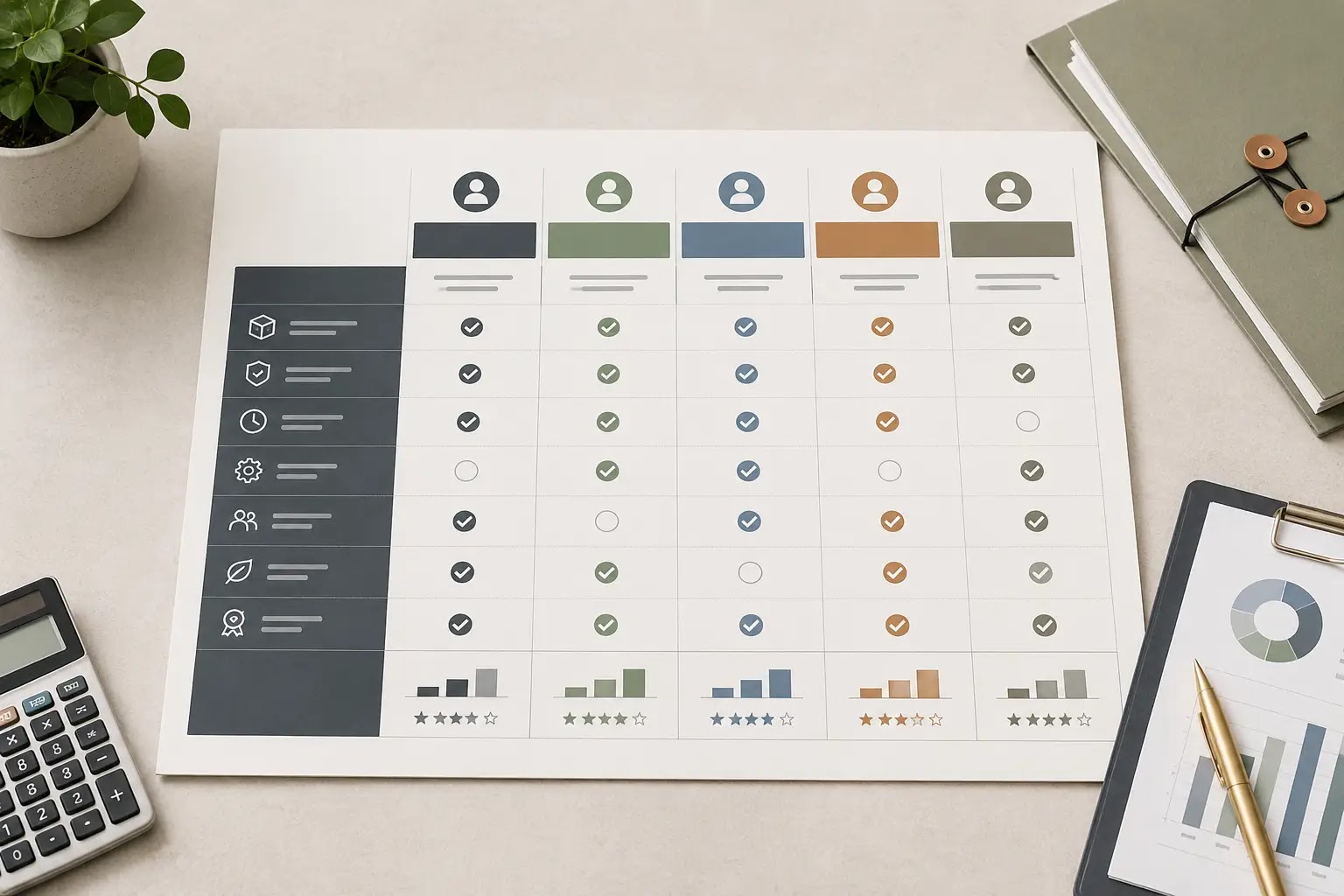
How should you compare used vs new vending machines before committing capital?
Before you compare sticker prices, compare the full launch package. For vending equipment, the budget tradeoff usually shows up in inspection depth, refurbishment scope, payment-reader compatibility, delivery and install, software, spare parts, and the time your route spends on maintenance. A used machine can lower purchase cost but raise uncertainty; a new machine can reduce early service friction but usually asks for more upfront capital and tighter vendor coordination.
The point of this framework is to turn seller claims into documented assumptions you can carry into quotes, lender conversations, and route planning.
Which inputs should you collect before you decide?
| Planning area | Question to answer | Input to collect | Model impact | Verification source |
|---|---|---|---|---|
| Machine condition | Does the unit appear reliable enough for your route? | Model, age, serial number, service history, photos, test run results | Repair reserve, downtime allowance, replacement timing | Seller records, technician inspection, OEM documentation |
| Payment and telemetry | Will the machine work with your cashless reader and tracking setup? | Reader compatibility, software requirements, cellular or network needs | Startup capex, recurring software and connectivity costs | Vendor spec sheets, software provider, installer quote |
| Product fit | Does the cabinet and configuration match the products you want to sell? | Product mix, shelf or coil layout, temperature needs, capacity limits | Assortment, fill frequency, spoilage or stockout risk | Product plan, machine spec sheet, supplier samples |
| Delivery and installation | What does it take to move, place, and power the unit? | Freight quote, access constraints, labor needs, electrical requirements | Upfront cash need, launch timing, site readiness | Transporter quote, site walkthrough, installer or electrician estimate |
| Warranty and service | Who handles repairs, and what is actually covered? | Warranty terms, parts and labor coverage, service response expectations | Repair reserve, downtime risk, vendor dependency | Purchase agreement, warranty terms, service contract |
| Refurbishment scope | Which high-wear parts need replacement now versus later? | Locks, validators, compressors, motors, trays, seals, controls | Capex versus opex mix, maintenance schedule | Refurbisher checklist, technician estimate, inspection report |
| Route fit and mileage | Will the machine fit the route economics and service pattern? | Travel distance, stop time, access hours, loading constraints | Labor, fuel, vehicle use, machines per route | Route map, site survey, driver logs |
| Vendor terms | What deposit, balance timing, and lead time are required? | Deposit amount, payment schedule, delivery window, return policy | Working capital need, launch date, cash flow timing | Quote, invoice terms, purchase order, seller email trail |
How do you move from research to documented assumptions?
- Define the use case first: single location, multi-stop route, replacement machine, or acquisition add-on.
- Request comparable quotes for both used and new units, and make sure each quote lists what is included: machine, reader, software, delivery, install, warranty, and any promised refurbishment.
- Inspect the machine or require proof of inspection, including photos, serial information, test cycles, and notes on worn components.
- Map every hidden launch cost tied to the equipment itself, including transport, placement, electrical work, connectivity, cleaning, starter inventory, and spare parts.
- Separate one-time costs from recurring costs so your model does not blur purchase price with monthly operating burden.
- Record each assumption in a quote log or planning sheet with the verification source, seller term, and any open question that still needs confirmation.
Once these inputs are documented, Block 3 can convert them into scenario assumptions, cash needs, and risk checks for the used-versus-new decision.
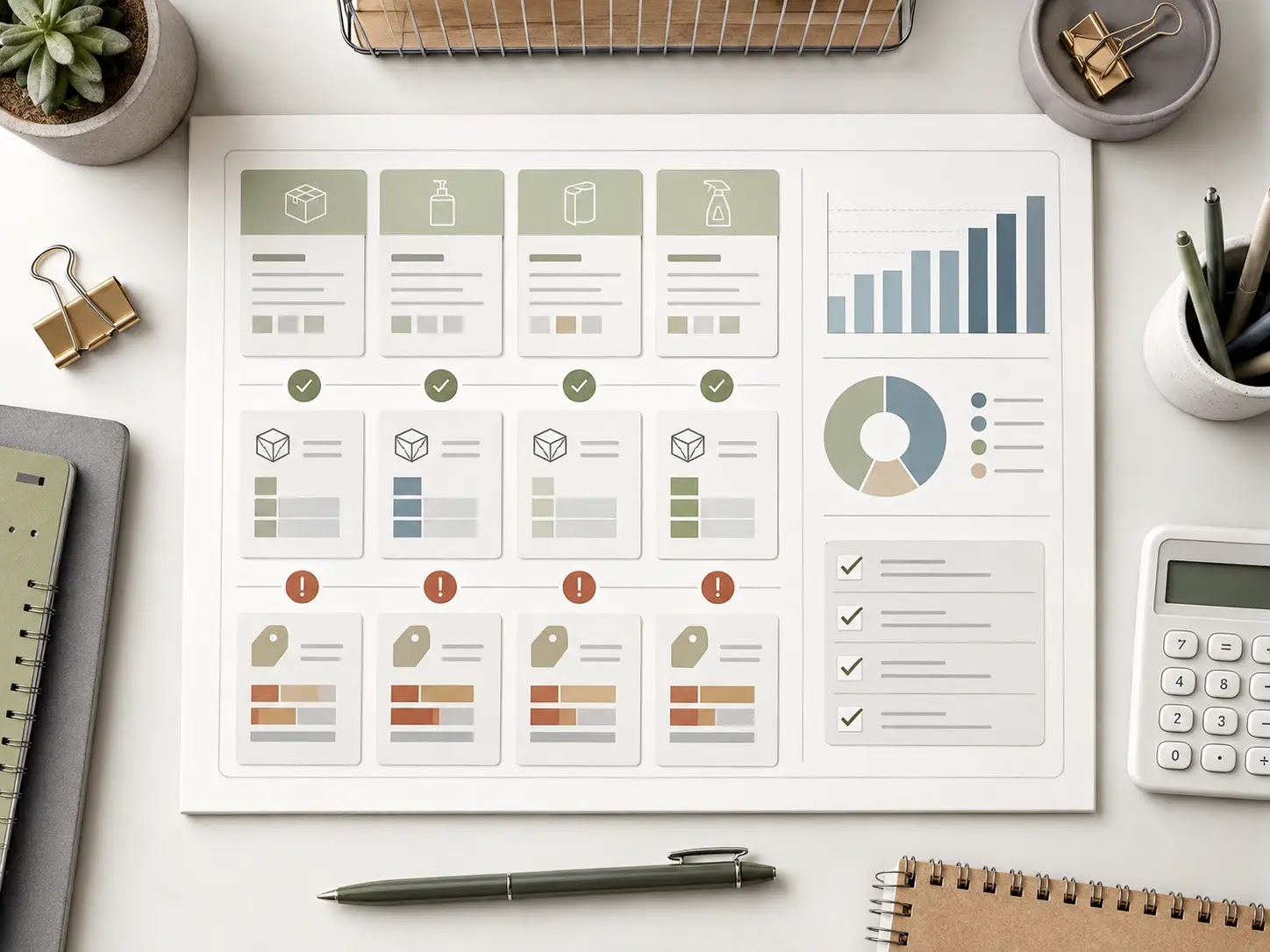
How do used vs. new vending machines change your funding need?
For most buyers, the real question is not just purchase price. It is how the equipment choice changes cash needed for delivery, setup, repairs, inventory, payment software, route mileage, and a reserve for slow start-up months.
Planning takeaway
Used equipment can lower the upfront check, but it often increases the need to budget for inspection, refurbishment, transport, and an early repair reserve. New equipment usually raises the initial cash requirement, but it may reduce near-term maintenance risk and simplify launch planning.
What changes the answer?
- Machine condition, age, and parts availability
- Need for cashless payment hardware or software
- Route mileage, service frequency, and labor coverage
- Product mix, product spoilage risk, and stocking cadence
- Location commissions, rent, or revenue share terms
Risk-and-assumption lens
Used equipment risk: lower purchase price can be offset by hidden downtime, older components, missing manuals, or compatibility issues with modern payment systems. New equipment risk: higher capex can tighten working capital if you also need inventory, route startup fuel, and a repair buffer.
In either case, break-even depends on verified machine output, local pricing, and actual service costs—not the sticker price alone.
Illustrative calculator-style planning inputs
| Input | Used equipment assumption | New equipment assumption | Why it matters |
|---|---|---|---|
| Machine purchase price | Lower upfront outlay | Higher upfront outlay | Drives total startup cash need |
| Refurbishment and inspection | Often needed | Usually lower, but still verify setup costs | Affects launch budget and timing |
| Repair reserve | Budget more conservatively | Budget smaller, but still include one | Protects cash runway during early operations |
| Payment system/software | May require upgrades or retrofits | May be included or easier to add | Impacts revenue capture and reporting |
| Inventory and working capital | Same need, but may be squeezed by repairs | Same need, with more room if capex is higher | Helps avoid stockouts after launch |
Scenario check: where the budget pressure shows up
| Scenario | What shifts | Budget effect | What to verify next |
|---|---|---|---|
| Used machine, good condition | Lower initial price, modest prep work | Freed cash can go to inventory or route buildout | Service records, test vend, parts availability |
| Used machine, uncertain condition | Higher repair and downtime risk | Reserve should be larger | Inspection findings, refurbishment quote, warranty terms |
| New machine | Higher purchase cost, lower early maintenance uncertainty | Needs more startup funding upfront | Lead time, delivery, install, software, and vendor terms |
Local verification required
Warning: prices, vendor terms, financing conditions, maintenance costs, permits, and other requirements vary by market and by machine type. Replace any placeholder assumption with current vendor quotes, local requirements, and verified operating data before you build the budget or pitch deck.
Decision checks before you finalize the model
- Confirm the machine quote includes delivery, install, and any setup accessories.
- Separate one-time launch costs from recurring route costs.
- Estimate a repair reserve for the first months of operation.
- Test how payment fees, product mix, and commissions affect cash flow.
- Check whether the model still works if sales start below plan.
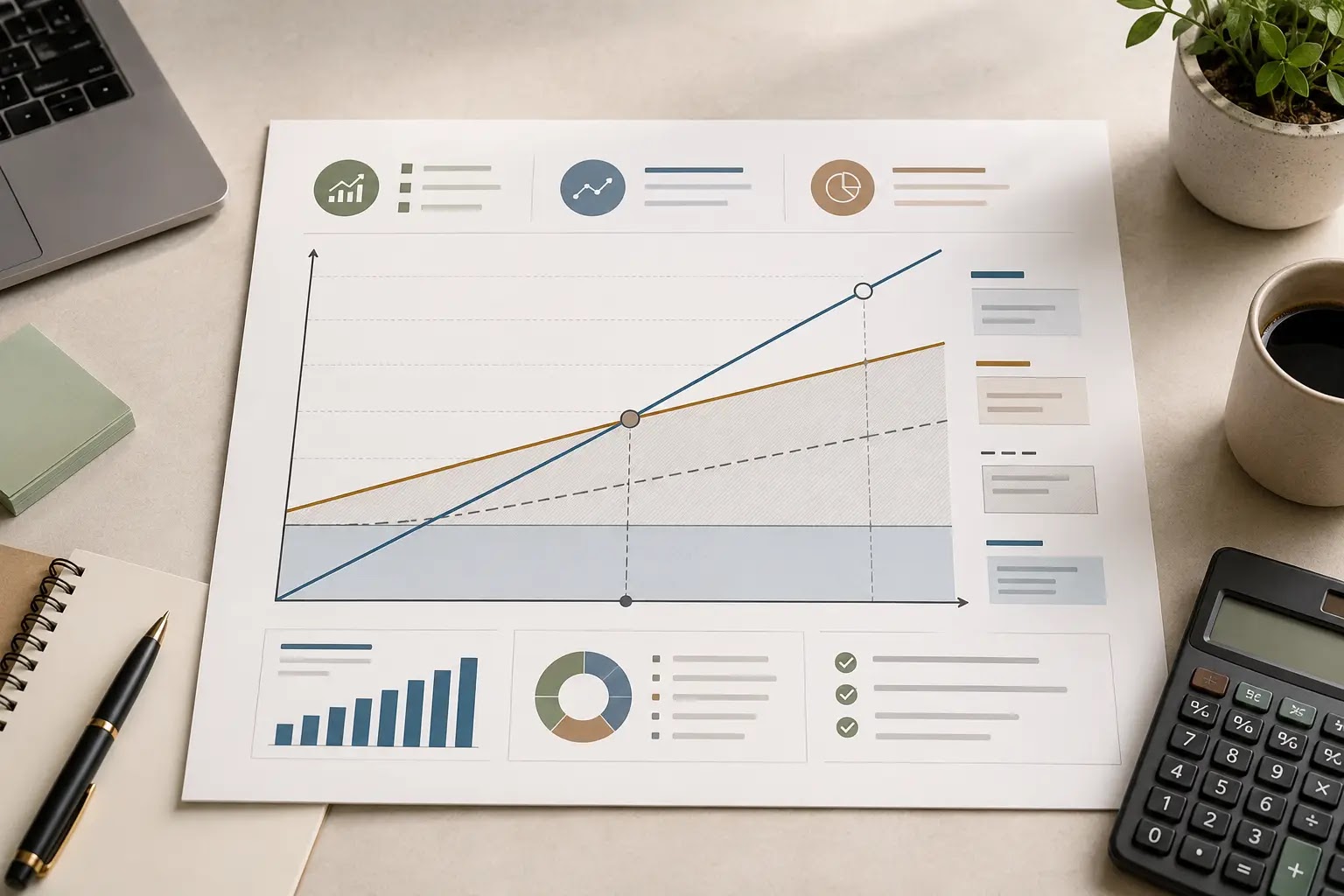
What should you do next before choosing used or new vending equipment?
For most U.S. vending founders, the right choice is not “used” or “new” in the abstract. It is the option that fits your route plan, cash available for equipment plus inventory and repairs, vendor terms, software needs, and how much downtime risk you can absorb early on.
Used equipment can preserve cash if it is verified, serviceable, and priced with repair reserve in mind. New equipment can reduce uncertainty and may be easier to support when uptime, warranty coverage, or financing comfort matter more than the lowest sticker price.
Either way, the machine price is only one part of the budget. Route mileage, commissions, payment hardware, telemetry, stocking, service calls, and working capital often shape the real launch cost.
Decision readiness scorecard
| Check | What to verify | Why it matters |
|---|---|---|
| Machine condition | Inspection, service history, and any needed repairs | Shows whether a used unit is truly launch-ready |
| Vendor terms | Delivery, setup, warranty, return, and support terms | Changes your true acquisition cost and risk |
| Software fit | Telemetry, cashless payment, and reporting compatibility | Affects inventory control and route efficiency |
| Location economics | Commission, access rules, service windows, and foot traffic | Determines whether the site can support the machine |
| Working capital | Inventory, spare parts, fuel, and labor cash needs | Prevents a purchase from draining launch liquidity |
| Route plan | Mileage, restocking frequency, and service time | Influences labor cost and ongoing operating margin |
Next steps before you commit
- Compare at least one used quote and one new quote with delivery, installation, and support items separated.
- Get any used machine inspected before closing if possible.
- Estimate repair reserve, spare parts, and first-fill inventory needs.
- Confirm payment hardware and telemetry requirements for your route plan.
- Check how the machine choice affects mileage, commissions, and restocking labor.
- Write the final assumption set into your business plan and financial model.
If you are turning this into a lender, landlord, partner, or advisor package, a business plan, financial model, pitch deck, checklist, and startup toolkit can help organize assumptions, compare scenarios, and document the used-versus-new decision. Vendor terms, financing conditions, and local market requirements vary, so verify current quotes and market-specific details before you buy.
Final takeaway: Pick the machine that leaves enough cash for inventory, repairs, software, and route execution—not just the lowest purchase price.


