
Vending Machine Lease Checklist for New Owners
A practical U.S. planning guide for vending machine lease checklist for new owners, built for founders, buyers, and operators comparing assumptions before committing capital.

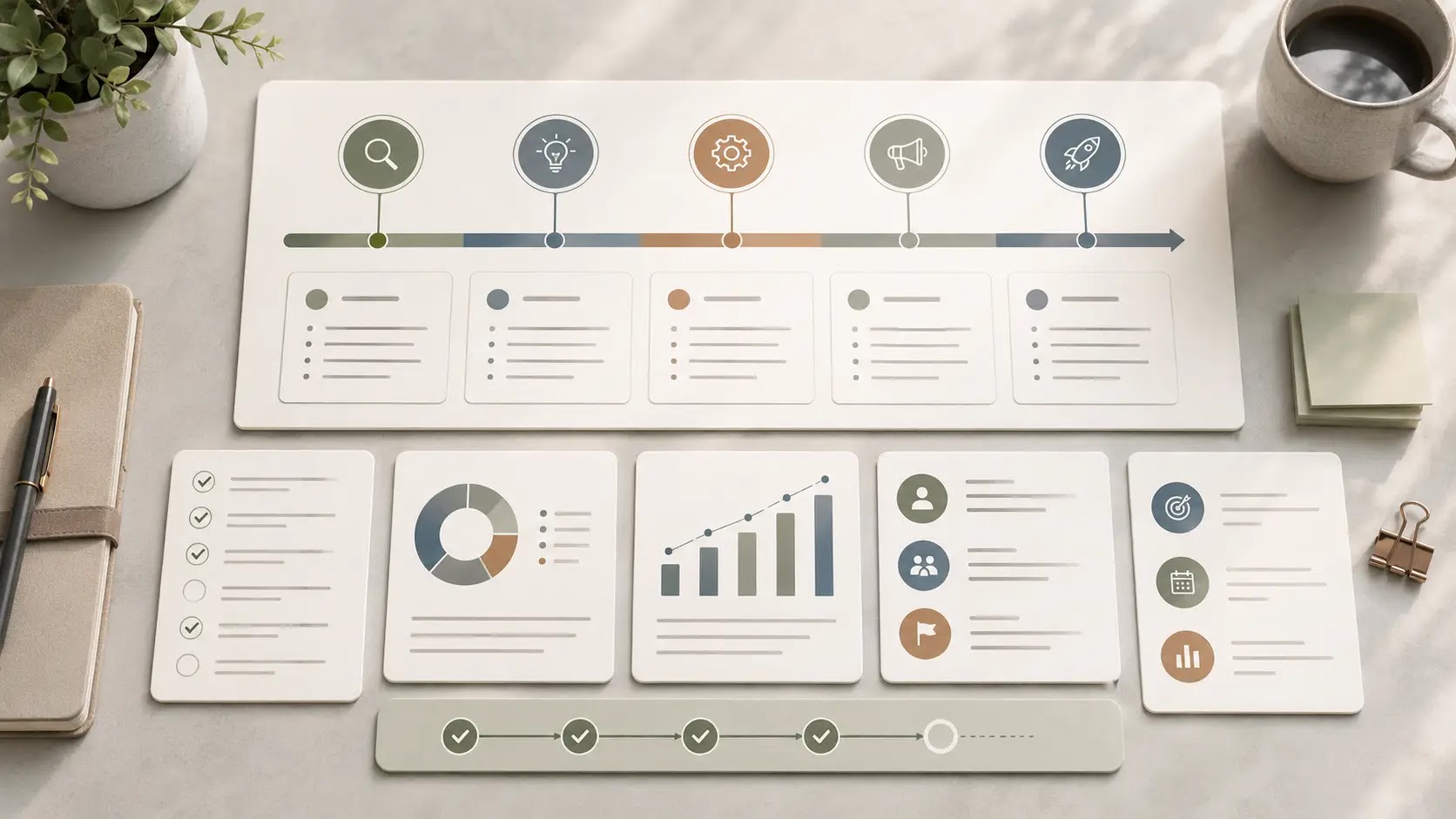
What should a new owner verify before signing a vending machine lease or route agreement?
If you are buying into a vending route or leasing space for new machines, the main question is not just whether the location is available. It is whether the site terms, machine capacity, service access, product mix, and working capital support a route you can actually operate and grow.
The checklist for a new owner is to compare the lease or route tradeoff against the real operating load: how often machines need refills, what repairs are likely, how much inventory must be carried, and whether commissions, rent, and travel time leave enough margin.
Because vending outcomes depend on local conditions, the same agreement can look attractive in one market and weak in another. That is why the first pass should focus on documented assumptions, not optimism.
| What the reader is deciding | Whether a site lease, route lease, or route purchase fits the expected service demand and operating budget. |
|---|---|
| What must be verified locally | Lease terms, access hours, commissions or rent, equipment condition, foot traffic, utility access, permit needs, inventory sourcing, and route service logistics. |
- Lease or route structure and who controls the location
- Machine condition, age, and repair exposure
- Refill frequency, route mileage, and service time
- Inventory mix, spoilage risk, and product margin by slot
- Labor plan, whether owner-operated or staffed
- Permits, landlord rules, and access requirements
- Working capital for inventory, repairs, and launch delays
- Funding readiness if the deal depends on outside capital
With those assumptions in view, the next step is a practical framework for separating a workable vending setup from one that only looks good on paper.
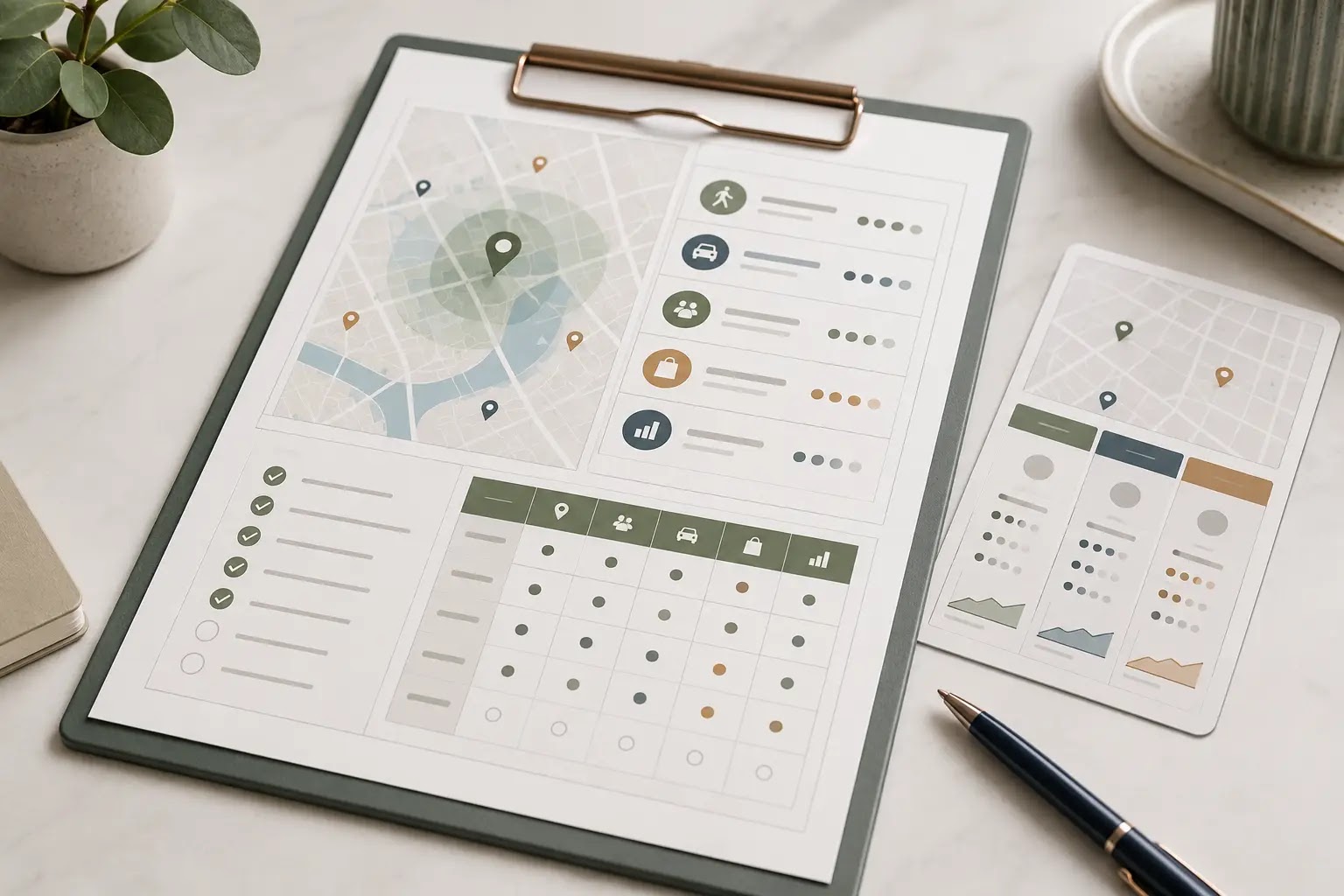
What should a new owner document before signing a vending machine lease?
For route and territory planning, the lease checklist is less about paperwork and more about how each location affects route density, refill cadence, commissions, machine access, and downtime. A strong checklist turns a promised location into documented assumptions you can use in your operating plan, funding materials, and route map.
The goal is to capture the site terms that change labor, mileage, inventory turns, and service reliability before you commit to a machine placement or route acquisition.
Which site terms should be translated into assumptions?
| Planning area | Question to answer | Input to collect | Model impact | Verification source |
|---|---|---|---|---|
| Site access | When can the machine be serviced, stocked, and repaired? | Access hours, badge needs, delivery rules, dock or elevator access, contact person | Route scheduling, labor planning, missed-visit risk | Landlord, site manager, lease exhibit, walk-through notes |
| Placement terms | Where exactly will the machine sit and who controls that space? | Floor plan, footprint, clearance, power location, movement restrictions | Machine fit, installation cost, service ease, replacement risk | Signed site agreement, floor plan, on-site measurement |
| Commission or rent | What does the location owner expect in return? | Revenue share, flat fee, utility reimbursement, payment timing | Gross margin, break-even volume, cash conversion | Lease, placement agreement, operator proposal, vendor terms |
| Route density | Does this stop fit a clustered route or add a long drive? | Distance to other stops, estimated service time, trip frequency | Mileage, labor hours, vehicle cost, service efficiency | Route map, drive-time check, stop list, GPS or mapping tool |
| Inventory mix | What products are practical for this location? | Traffic profile, buyer mix, machine capacity, shelf configuration | Stocking cost, turns, spoilage or stale inventory risk | Site observation, manager feedback, sales history if available |
| Maintenance responsibility | Who handles repairs, cleaning, and emergency response? | Service expectations, response timing, parts access, escalation contact | Downtime, repair reserve, service labor, reputation risk | Lease terms, vendor warranty, service agreement |
| Utilities and power | Is power available and usable for the planned machine type? | Outlet location, voltage needs, outlet access, permission for connection | Installation cost, machine compatibility, operating reliability | On-site inspection, electrician if needed, landlord confirmation |
| Competition and exclusivity | Can another operator place equipment nearby? | Exclusive rights, shared locations, competing machines, removal rights | Sales potential, territory value, acquisition risk | Written agreement, site manager confirmation, route review |
| Technology and payment setup | What monitoring, cash handling, and cashless payment setup is required? | Telemetry needs, cashless reader compatibility, service access, network coverage | Software cost, collection process, refill accuracy, reporting quality | Machine specs, payment vendor terms, signal check |
| Exit and renewal terms | How can the location be renewed, transferred, or exited? | Notice period, transfer rights, renewal options, removal obligations | Acquisition value, resale flexibility, expansion planning | Lease language, assignment clause, site contact |
How do you turn a site visit into documented assumptions?
- Identify the location type. Note whether it is an office, warehouse, school, gym, multifamily property, or another venue, since traffic patterns and service windows differ.
- Record the physical setup. Measure the footprint, access path, power access, and any barriers that could affect installation or servicing.
- Capture the site rules. Write down access hours, badge requirements, loading rules, contact names, and any restrictions on deliveries or maintenance visits.
- Document the economics. Note any commission, rent, utility reimbursement, or other payment terms that change the unit economics of the stop.
- Estimate route fit. Add the stop to a route map and estimate whether it creates a cluster or forces extra mileage and labor time.
- Match the machine to the site. Confirm capacity, product mix, payment options, and service frequency against the expected traffic at the location.
- Assign maintenance responsibility. Log who handles jams, breakdowns, cleaning, and escalation so downtime assumptions are not left vague.
- Write the assumptions into one file. Put each site term into your checklist, lease summary, or assumption log so the model and route plan use the same inputs.
- Flag open items. Mark anything that still needs written confirmation from the landlord, site contact, machine seller, or service vendor.
Once these site-level inputs are documented, you can test route density, staffing, service cadence, and cash needs in the next step. Block 3 should convert these assumptions into financial model implications, lease-vs-route tradeoffs, and risk checks.
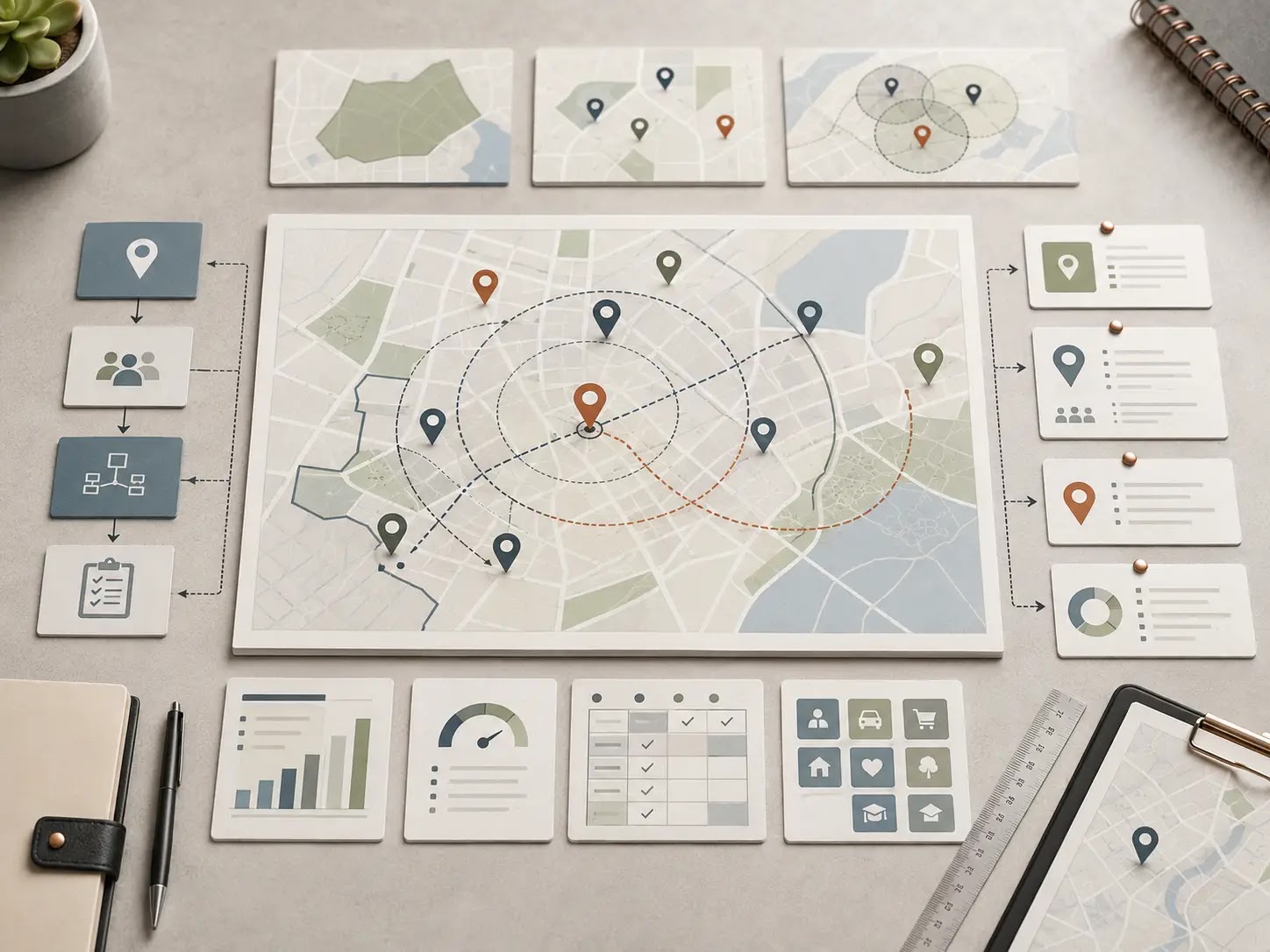
What lease and route tradeoffs should new vending owners pressure-test first?
Scenario: lower upfront commitment, higher operating uncertainty
A machine lease or location-based arrangement can reduce the initial cash burden, but it may also limit flexibility if the site underperforms, the commission structure changes, or service access becomes harder than expected.
Scenario: buying a route with established stops
Route purchases can improve visibility into existing stops and refill patterns, but the value depends on whether the locations, machine condition, and transfer terms are documented well enough to support the asking price.
Scenario: adding machines one site at a time
Incremental growth can protect working capital, yet it can create uneven mileage, fragmented inventory planning, and more repair variability until the route is dense enough to operate efficiently.
For a new owner, the core question is not whether leasing is “good” or “bad.” It is whether the lease terms, stop quality, and service burden fit the cash flow, route density, and staffing plan you are actually funding. A machine that looks affordable on paper can become expensive if it needs frequent trips, special parts, or repeated restocking because the location does not match the product mix.
The same assumption set should also cover commissions, expected sales stability, inventory shrink, breakage, software or telemetry needs, and the time required to keep the route serviced. If any of those inputs are weakly documented, the decision should be treated as a hypothesis rather than a commitment. That is especially important when comparing a leased machine, a purchased machine, or an existing route, because each option shifts risk to a different part of the operating model.
Before moving to the final action checklist, make sure the tradeoffs are tied to named assumptions: site access, refill frequency, repair response, payment method reliability, and the actual terms the landlord or route seller is offering.
| Planning risk | Why it matters in vending | Assumption affected | How to verify |
|---|---|---|---|
| Location access changes | Limited access can reduce refill efficiency and increase missed service windows. | Route mileage, labor time, and service frequency | Review site access terms with the location contact and confirm delivery, restocking, and repair access in writing. |
| Commission or rent mismatch | Location economics can shift quickly if the commission structure does not fit expected sales. | Net margin per stop | Compare the lease or placement terms against the site’s traffic, product mix, and service costs. |
| Machine condition uncertainty | Older machines may need more repairs, parts, or downtime than expected. | Maintenance budget and working capital | Inspect the machine, request service history, and confirm any warranty or service obligation terms. |
| Inventory mix mismatch | Poor product fit can raise spoilage, shrink, or slow turns. | Inventory purchase plan and reorder cadence | Check local demand patterns, observe the site, and test the product mix before scaling. |
| Payment and telemetry gaps | Cashless or remote monitoring features may change service efficiency and reporting quality. | Route monitoring assumptions and labor planning | Confirm device compatibility, data reporting, and vendor support before relying on the system. |
The practical takeaway is to treat every lease or route offer as a set of testable assumptions. If the seller, landlord, or vendor cannot document the terms clearly, the risk belongs in your model, not in a hope-based forecast. Once those assumptions are written down, the final checklist becomes much easier to use because it can separate acceptable risk from avoidable risk.
What should you do next before signing a vending machine lease or route agreement?
Practical recap: Treat the lease or route decision as a full operating test, not just a location yes/no. Confirm the site fit, machine mix, access terms, commissions or rent, route mileage, refill frequency, repair responsibility, cashless and software needs, and the working capital needed to keep inventory moving. If the terms only work on paper, the route can become harder to support after launch.
Readiness scorecard
| Decision area | What to confirm | Status |
|---|---|---|
| Site access | Hours, loading access, storage space, and service entry rules | Verify with the property manager or host |
| Machine fit | Machine size, power needs, product mix, and any building constraints | Match to the location before committing |
| Route economics | Drive time, mileage, refill cadence, and labor needed to service the stop | Compare against your route plan |
| Contract terms | Lease length, renewal language, commission structure, termination rights, and exclusivity | Review the actual document, not a summary |
| Operating support | Repair responsibility, vendor response time, cashless setup, and software tracking | Confirm who handles each item |
| Working capital | Inventory, spare parts, transport, and launch float for early service needs | Build into your startup plan |
Next-step checklist
- Collect the signed lease or route agreement and read every operating term.
- Confirm the location’s access rules, service windows, and storage limits.
- Map the route mileage and expected service frequency for each machine.
- List the machine, inventory, repair, and software inputs you still need to source.
- Check whether commissions, rent, or exclusivity terms change the economics of the stop.
- Verify local market details, vendor terms, and any site-specific requirements with current sources.
Planning note: If the decision is moving from screening to execution, a business plan, financial model, pitch deck, checklist, and startup toolkit can help organize assumptions, compare route scenarios, and document the plan for partners, lenders, landlords, or advisors. Those tools do not guarantee approval; they help make the proposal easier to review.


