
Vending Machine Tax Planning Basics for New Owners
A practical U.S. planning guide for vending machine tax planning basics for new owners, built for founders, buyers, and operators comparing assumptions before committing capital.


What should new vending machine owners verify before they assume the tax and licensing plan is “set”?
For a U.S. vending machine business, the practical answer is usually: the tax and compliance plan is only as good as the location, machine mix, and owner structure behind it. Before you buy routes or place machines, you need to know which licenses, permits, insurance requirements, and recordkeeping obligations apply locally and how they affect cash flow.
That means planning around the real operating inputs: equipment cost, inventory turns, commissions to location owners, route mileage, service labor, repairs, software, and working capital. Those items can change taxable income, launch timing, and funding readiness even when the business looks simple on paper.
For new owners, the key question is not just “Can I operate a vending machine?” It is “What must I verify in this market so the plan is usable for pricing, financing, and launch decisions?”
| What the reader is deciding | What must be verified locally |
|---|---|
| Whether the route can launch as planned | Local business registration, vending permits, sales tax handling, and any location-specific requirements |
| Whether the insurance and contract structure is workable | Landlord or location terms, certificate-of-insurance expectations, liability coverage, and any equipment-specific rules |
| Whether the numbers support the purchase or startup | Machine cost, inventory budget, commissions, repair reserve, route mileage, software, and starting working capital |
- Lease or placement terms for each location
- Equipment purchase price, age, and maintenance needs
- Labor for stocking, cleaning, service calls, and route management
- Menu economics, including product mix, spoilage, and shrinkage risk
- Permits, registrations, and tax setup that apply in the market
- Working capital for inventory, repairs, and early cash flow gaps
- Funding readiness, including whether assumptions are documented for lenders or partners
Next, the practical framework shows how to organize those assumptions so the launch plan, tax setup, and operating model stay aligned.
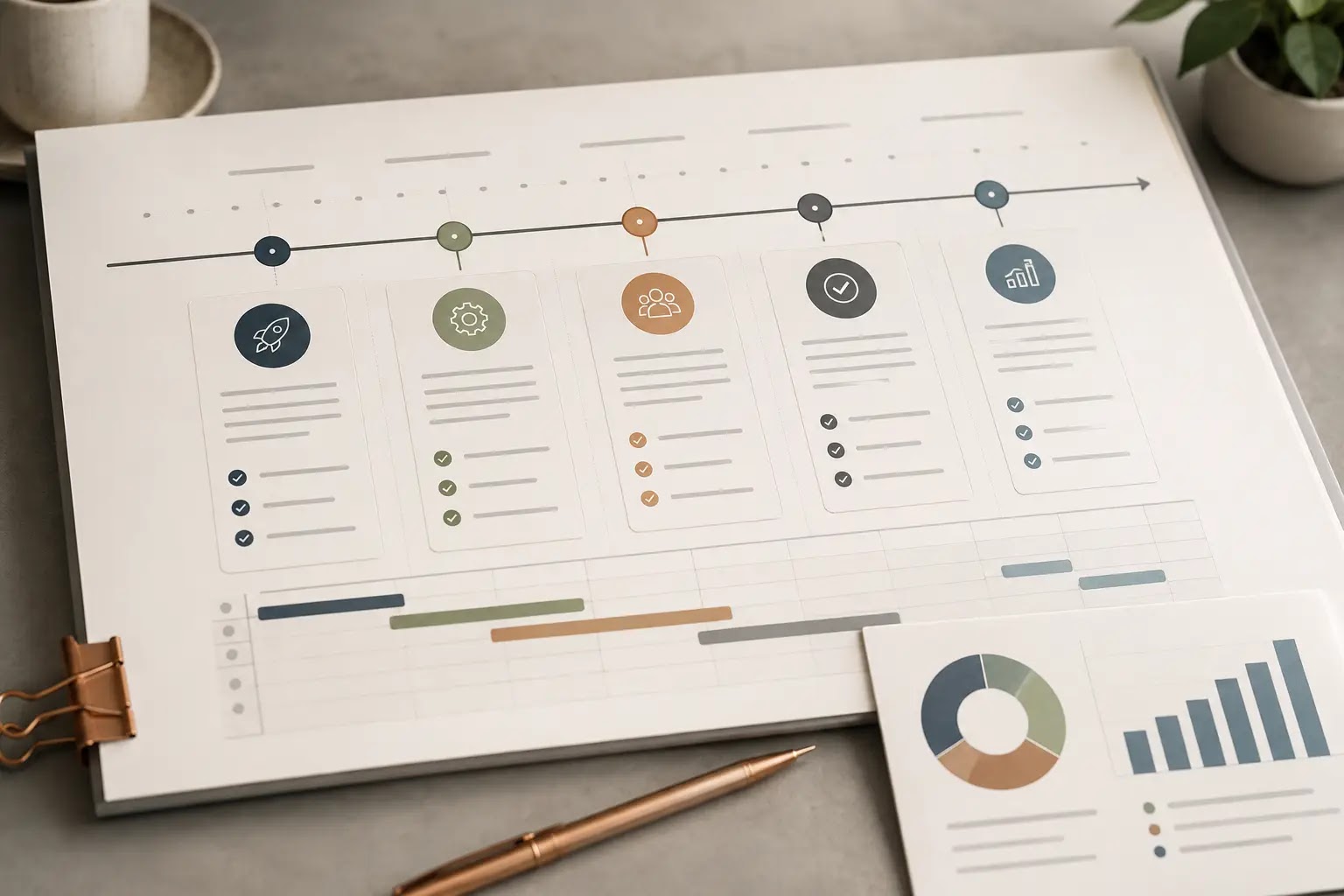
What should a new vending owner verify before launch?
For a U.S. vending business, the practical planning work is less about one universal rule and more about matching each machine, location, and product mix to the right licenses, insurance, and tax-sensitive records. The items below are the inputs that usually change startup timing, ongoing admin work, and the assumptions you should carry into your business plan and model.
Which local inputs change the answer?
| Planning area | Question to answer | Input to collect | Model impact | Verification source |
|---|---|---|---|---|
| Business registration and tax accounts | Which state, city, or county registrations apply to each operating area? | Entity type, operating states, machine locations, and launch dates | Startup admin cost, launch timing, and compliance task load | State business registry, city licensing office, and state tax department |
| Sales tax setup | How are your vending sales taxed in each jurisdiction? | Product categories, mixed bundles, payment method, and POS settings | Net revenue, remittance timing, and cash reserve needs | State revenue department, CPA, and POS provider documentation |
| Vending or location permits | Does the site, city, or county require a permit or site approval? | Location address, venue type, and whether the machine is indoors or outdoors | Pre-opening delay risk and location feasibility | City/county permitting office and property owner or manager |
| Insurance coverage | What coverage is required by the landlord, venue, lender, or route partner? | Required limits, additional insured language, machine value, and vehicle use | Ongoing operating expense and deductible exposure | Insurance broker, lease, location agreement, and lender terms |
| Location agreement and commissions | Who pays commissions, utilities, damage, or access-related charges? | Commission rate, utility allocation, service hours, and repair responsibility | Gross margin, route labor, and break-even by location | Signed location contract and landlord or venue contact |
| Asset and mileage records | What documentation will support equipment, repairs, and route mileage? | Machine list, purchase invoices, repair receipts, mileage logs, and inventory counts | Tax documentation quality, asset tracking, and replacement planning | Bookkeeping system, vendor invoices, and CPA review |
| Product handling rules, if applicable | Do your products trigger food, beverage, temperature, or labeling rules? | Product list, storage method, expiration handling, and cleaning routine | Spoilage loss, equipment choice, and compliance tasks | Local health department and supplier specifications |
How do you turn research into documented assumptions?
- List every planned machine location by state, city, and venue type so you can check requirements one jurisdiction at a time.
- Separate your product mix into taxable, potentially exempt, or special-handling categories based on current local rules.
- Request insurance quotes using your actual route plan, machine values, delivery method, and any landlord or lender requirements.
- Review each location agreement for commissions, access windows, utility charges, damage liability, and any tax-related pass-through terms.
- Build a records file for machine purchases, inventory buys, repairs, mileage, commissions, and policy documents.
- Capture each verified item as a dated assumption in the business plan, financial model, and pitch deck notes.
- Recheck the items above before signing a lease, buying machines, or opening a new route.
Once these inputs are documented, the next step is to test how licensing, insurance, commission terms, and tax timing change margin, cash flow, and downside risk in the model.
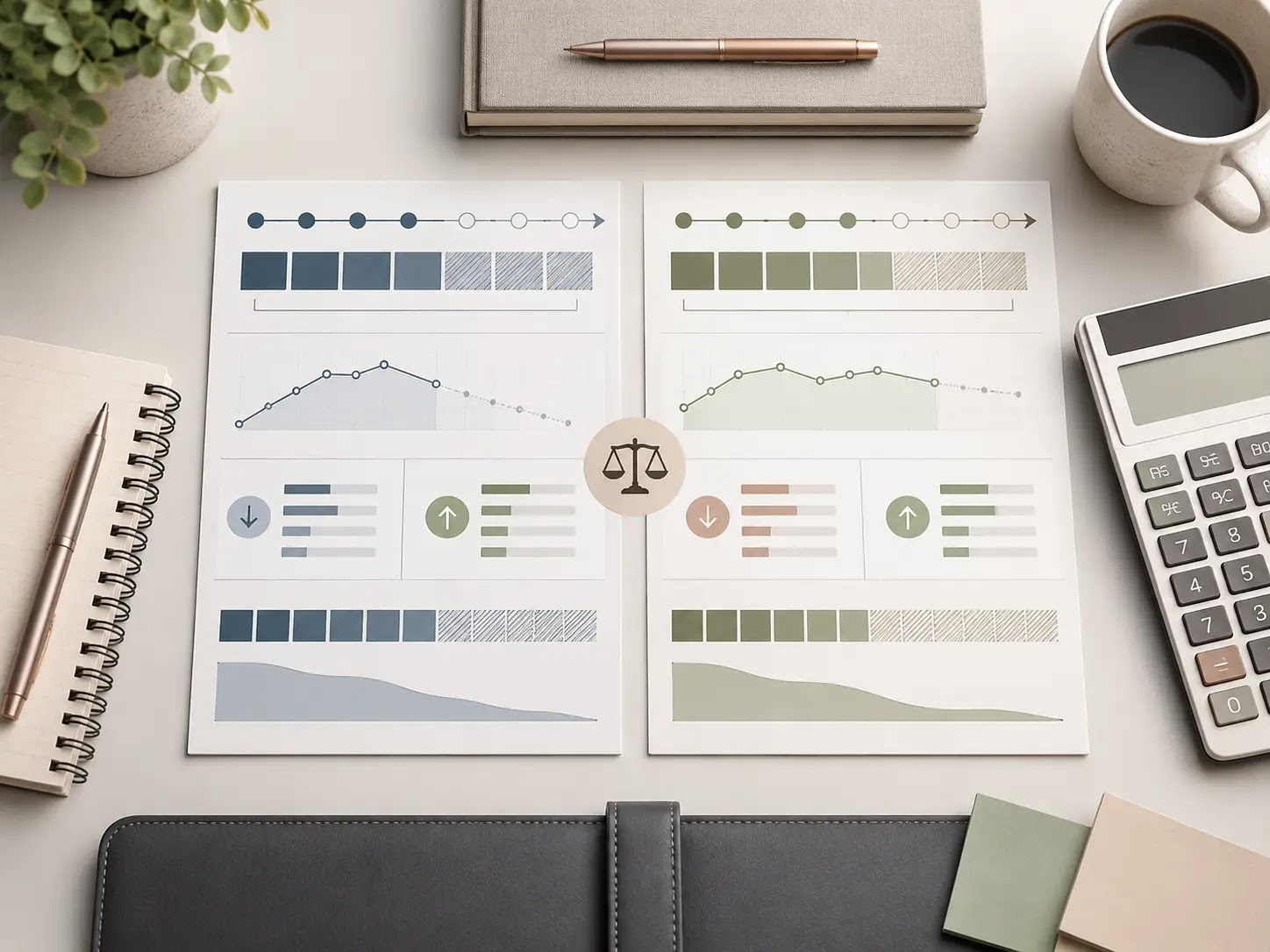
Which assumptions change the tax planning picture for a vending machine owner?
For new vending owners, the biggest planning risk is not a single tax rule—it is incomplete assumptions. The tax picture depends on how cleanly you separate machine cash, card deposits, product purchases, commissions, repairs, and route mileage in your records. If those inputs are mixed together, the numbers in your startup budget and operating model can look stronger than the business really is.
The practical tradeoff is simple: more locations, more vendor terms, and more service activity usually mean more documentation. That affects how you plan working capital, how you estimate net margin, and how much time you need for bookkeeping support. It also changes what you should ask for before you buy a route, sign a lease, or finalize a placement agreement.
Owner-operated route
Lower contract complexity, but stronger reliance on mileage logs, repair records, and cash reconciliation so income and expenses are traceable.
Commission-heavy placements
Net margin depends on written location terms, payment timing, and whether commissions or fees are handled consistently in the books.
Financed expansion
Working capital matters more because debt service, insurance, and replacement reserves can tighten cash flow before the route stabilizes.
Before you treat any assumption as fixed, test it against the real operating setup: where the machine is placed, who services it, who collects the cash, who pays the utilities or commissions, and what records each vendor expects. In vending, small differences in location terms or replenishment patterns can change the tax and compliance workload enough to affect your funding readiness and launch timing.
| Planning risk | Why it matters | Assumption affected | How to verify |
|---|---|---|---|
| Cash and sales records are not tracked cleanly | Weak records make it harder to support reported income and operating expenses. | Revenue, expense timing, bookkeeping workload | Review deposit logs, machine reports, and accountant recordkeeping requirements. |
| Inventory shrink, spoilage, or product mix changes are ignored | Product loss and mix changes can distort margin and restocking plans. | COGS, replenishment frequency, working capital | Compare supplier invoices, route counts, and write-off or adjustment notes. |
| Location commissions or placement fees are unclear | Unexpected fee terms reduce net cash flow from each machine. | Net margin, break-even, site profitability | Read the signed location agreement and confirm invoice timing with the operator or landlord. |
| Mileage, repairs, and service costs are not documented | Route expenses can be missed or misallocated if logs are incomplete. | Operating expense, reserve planning, staffing model | Use route logs, maintenance records, and vendor quotes for service work. |
| Insurance, permits, and placement rules are assumed to be standard | Requirements can change by property type and local jurisdiction. | Startup cash need, launch timing, compliance workload | Check with the insurer, municipality, and property owner before launch. |
| Financing or lease terms are not built into the model | Payment schedules and documentation demands can pressure cash flow. | Working capital, reserve balance, approval readiness | Review lender or lessor term sheets and request all conditions in writing. |
Local verification matters: regulations, costs, vendor terms, lease terms, and financing conditions vary by market and by location type. Verify tax registration, filing, insurance, and placement requirements with current local sources before you rely on any assumption in your plan.
Use these risks as a bridge to the final action checklist: turn each uncertain item into a yes/no verification step, document the source, and update the model before you move from planning to purchase or launch.
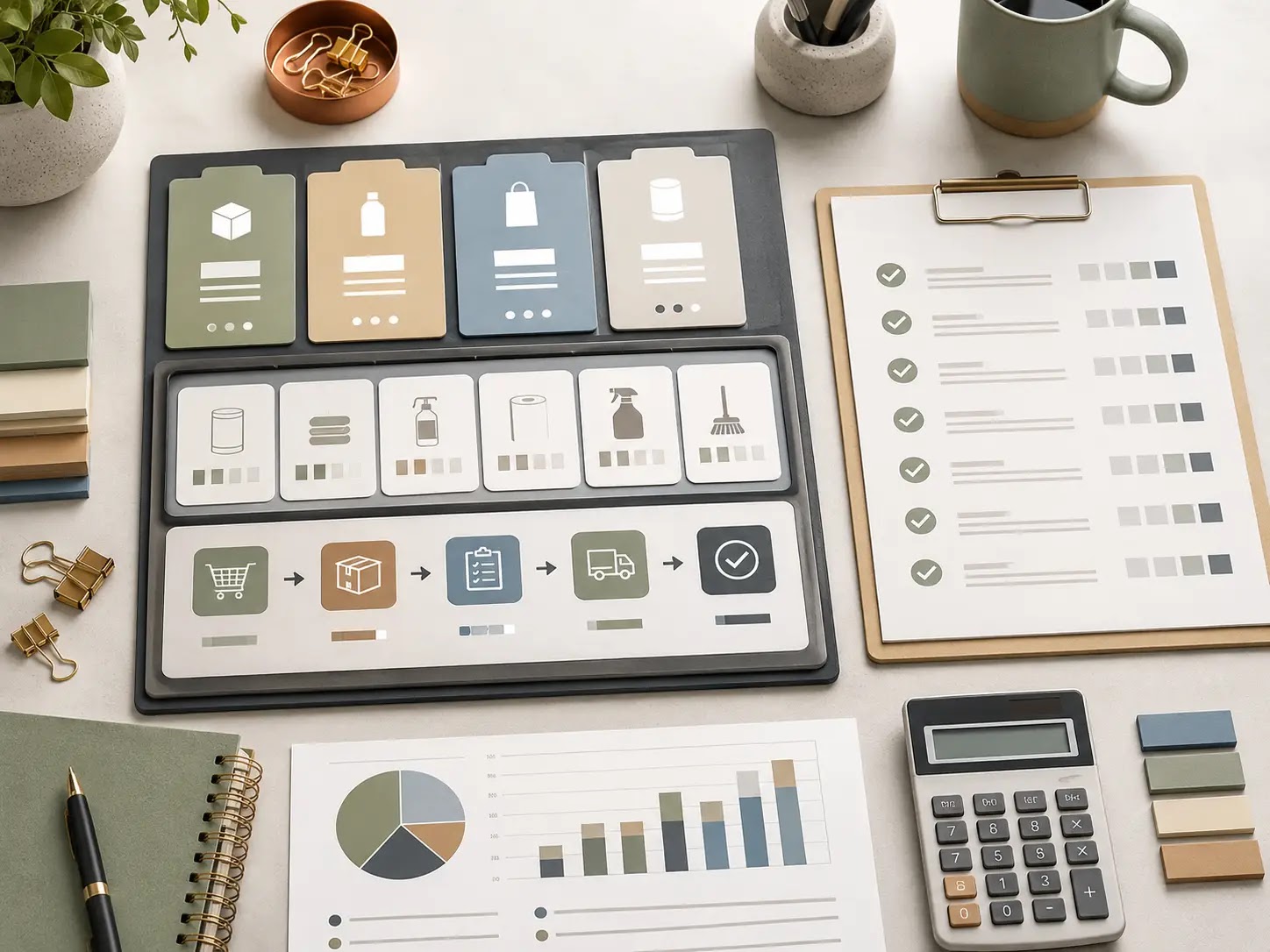
What should you confirm before you move from research to launch?
For a U.S. vending machine buyer or founder, the practical next step is to turn tax planning into a written operating plan: confirm the local registrations, permits, insurance expectations, route-level costs, and recordkeeping setup before you buy machines or sign location agreements. The biggest planning gaps usually come from overlooking sales tax handling, commission terms, mileage, repairs, inventory shrink, and working capital timing.
The decision path is simple: verify what is required in your market, map the cash impact by route, and document the assumptions that affect profitability and funding readiness.
| Check | What to confirm | Why it matters |
|---|---|---|
| Local tax setup | Which registrations, filings, and tax handling rules apply where the machines operate | Shapes your compliance calendar and bookkeeping process |
| Location contracts | Commission terms, access rights, service expectations, and any written fee obligations | Changes route economics and owner responsibility |
| Operating costs | Inventory, restocking labor, route mileage, repairs, software, and payment processing | Affects gross margin and working capital needs |
| Insurance and risk controls | Coverage expectations, loss prevention, and who is responsible for what | Helps reduce surprise costs and contract friction |
| Recordkeeping | How you will track sales, inventory, cash, fees, and machine-level performance | Supports tax reporting, lender review, and owner oversight |
Next steps to complete before launch
- Confirm your local tax, licensing, and registration requirements with current government or advisor sources.
- Review each location agreement for commissions, access terms, maintenance responsibility, and payment timing.
- Build a route-level expense list that includes inventory, fuel or mileage, repairs, software, and replacement parts.
- Set a working capital reserve for restocking delays, repairs, and slower-than-expected ramp-up.
- Choose a bookkeeping method that can separate machine revenue, costs, and owner draws by route or location.
- Document assumptions in writing so lenders, landlords, partners, or advisors can review the same version of the plan.
If you want the planning to become concrete, a business plan, financial model, pitch deck, checklist, and startup toolkit can help organize assumptions, compare scenarios, and document the route economics for partners, lenders, landlords, or advisors.
Final takeaway: the best tax plan for a vending machine business is not just a filing question; it is a launch-readiness decision built on verified local rules, tracked operating costs, and a clear cash plan.


