
Vending Machine Machine Route Strategy for New Owners
A practical U.S. planning guide for vending machine machine route strategy for new owners, built for founders, buyers, and operators comparing assumptions before committing capital.

What route strategy should a new vending machine owner use before buying machines or locking in locations?
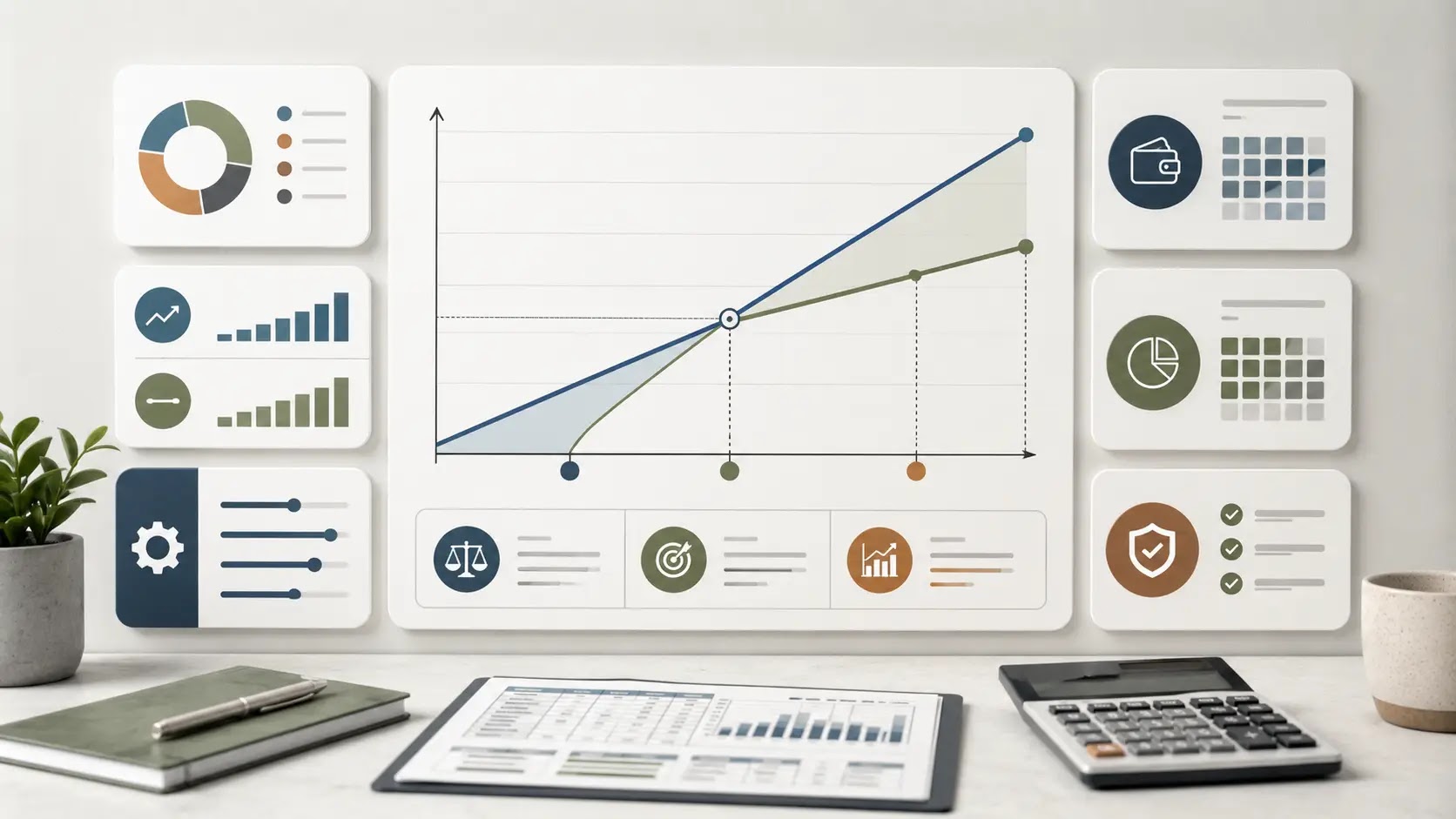
If you are planning a vending machine route, the main decision is not just where to place machines—it is how location density, product mix, service frequency, and travel time fit together on one workable route. A route that looks attractive on paper can still underperform if commissions, restocking time, repair needs, or weak traffic turn each stop into a margin drain.
For a new owner, the practical goal is to compare locations using the same assumptions: expected sales volume, restock cadence, machine reliability, and the real cost of serving each stop. That makes route strategy a planning problem as much as a sales problem, especially when you are preparing startup funding, acquisition due diligence, or a launch budget.
| What the reader is deciding | What must be verified locally |
|---|---|
| Which locations belong on the route, and how dense the route should be | Traffic patterns, site access, space, power, competition, and operator terms |
| How pricing and product mix should vary by machine or customer segment | Local buyer preferences, nearby alternatives, and any site-specific restrictions |
Before you commit, the biggest assumption categories to document are:
- Lease or site terms: commission, exclusivity, access, and placement conditions.
- Equipment: machine type, condition, compatibility, and repair exposure.
- Labor and route time: restocking, cleaning, maintenance, and travel.
- Menu economics: product cost, price points, spoilage, and shrink risk.
- Permits and site rules: local requirements, owner approvals, and machine restrictions.
- Working capital: inventory, service cash, and reserve for repairs or slow ramps.
- Funding readiness: whether the route plan is clear enough for lenders, partners, or a pitch deck.
With those assumptions named up front, the next step is to turn them into a practical framework for comparing locations and route scenarios before you buy, sign, or scale.
How should a new vending owner build a route strategy that actually supports menu, product, and pricing decisions?
Start with the route, then lock the product mix, pricing, and restock rhythm
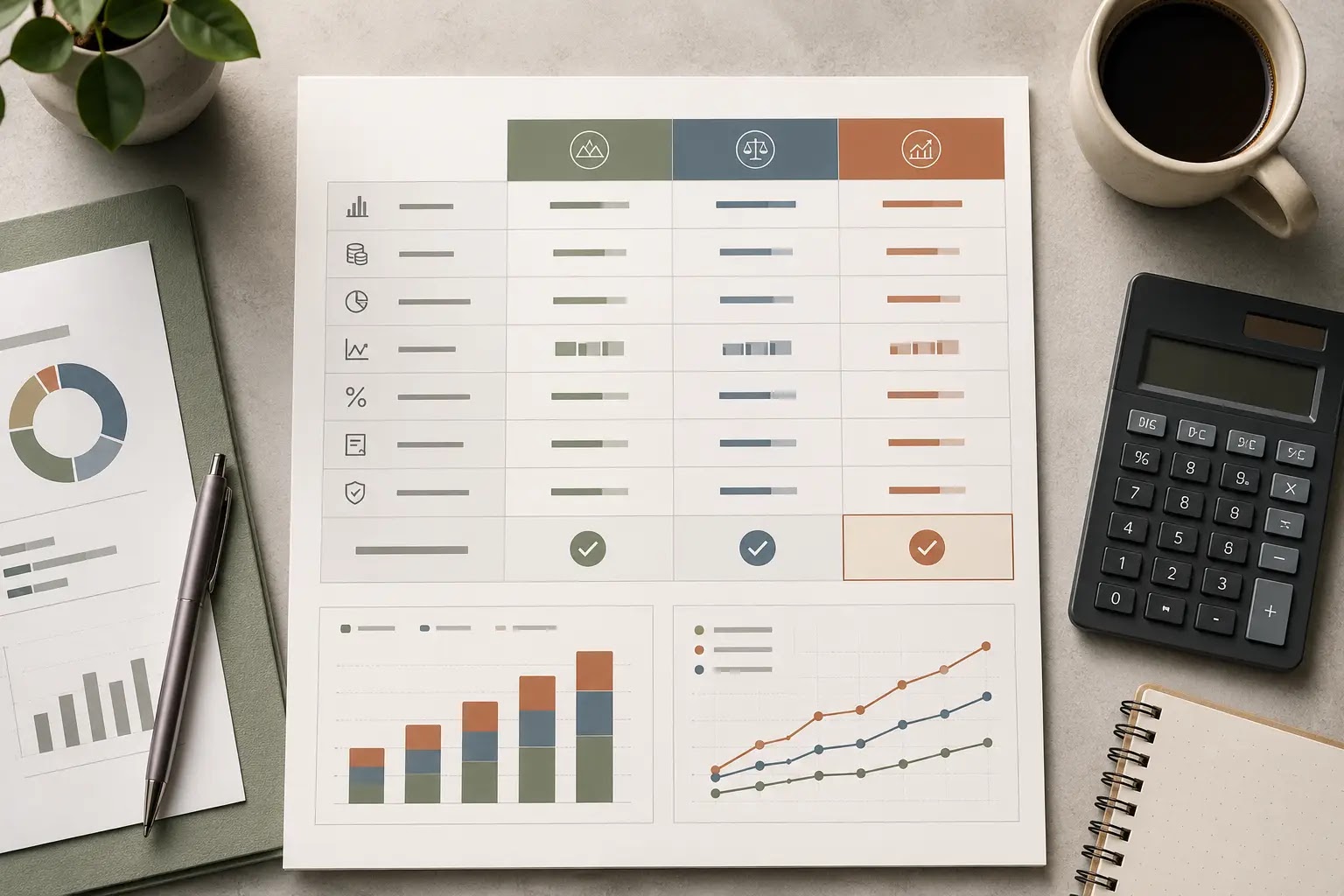
For a new U.S. vending operation, route strategy is not just about drive time. It is the planning layer that connects machine location, customer type, product assortment, package sizes, pricing, and service frequency. If those inputs are not documented early, the financial model will be built on guesswork.
The practical goal is to separate high-traffic, fast-turn sites from slower or more seasonal sites, then assign each one a product mix and pricing structure that can be serviced with the labor, mileage, and inventory cash you actually have.
What should be documented before you compare routes?
| Planning area | Question to answer | Input to collect | Model impact | Verification source |
|---|---|---|---|---|
| Location type | Is this a breakroom, school, gym, apartment, or public site? | Site category, hours, foot traffic pattern, and access rules | Product mix, sales cadence, and route density assumptions | Site walk, owner interview, lease or placement agreement |
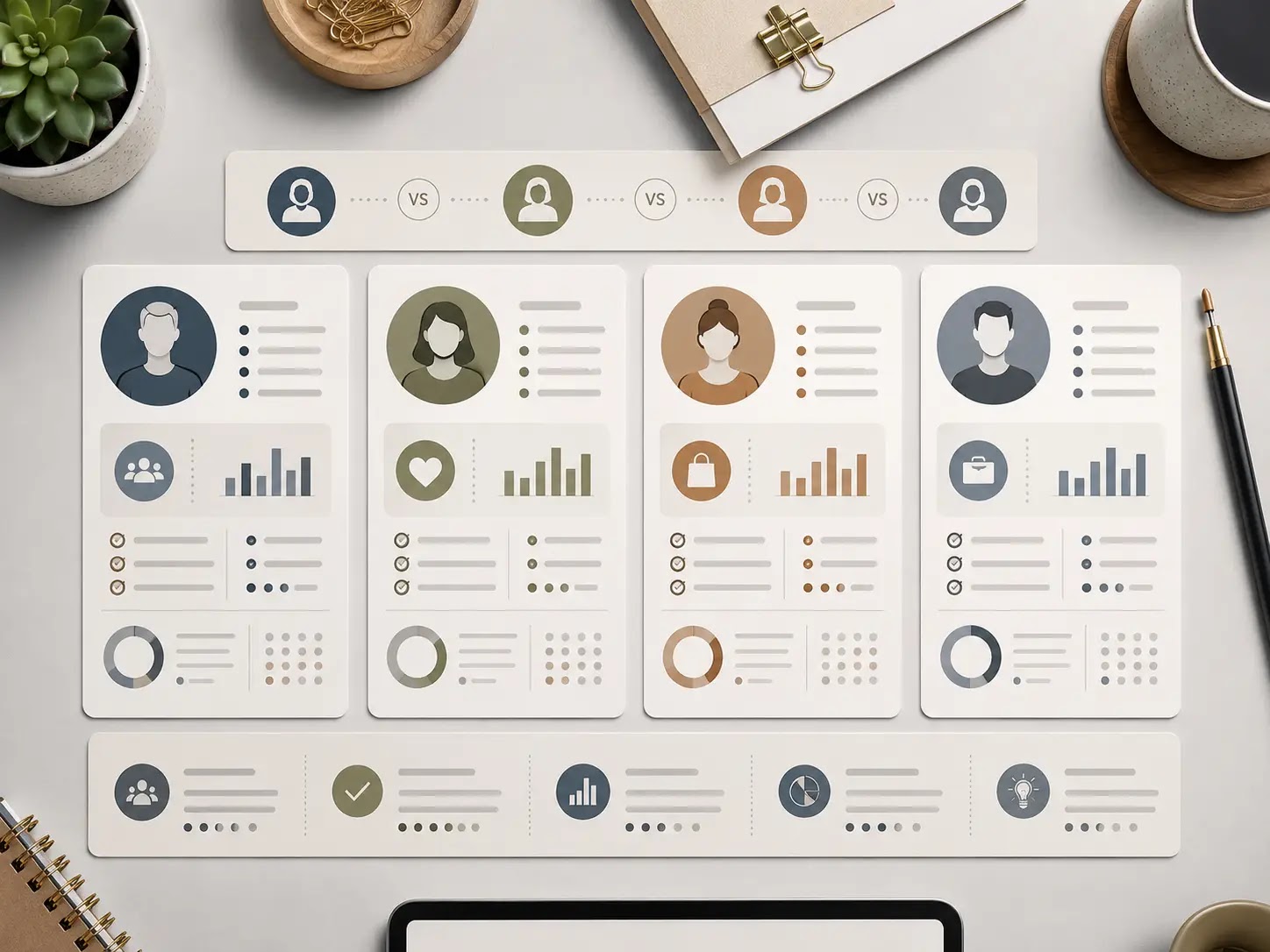
| Customer segment | Who is buying most often at this machine? | Worker, student, resident, visitor, or shift-based customer profile | Snack vs. beverage mix, healthier options, package size, and price tolerance | Observation, site operator feedback, sales history if available |
| Product assortment | Which items belong in the machine, and which should be dropped? | SKU list, case pack size, expiration profile, and vendor availability | Inventory turns, spoilage risk, cash tied up in stock | Supplier quotes, distributor catalog, sample purchase orders |
| Price architecture | What price point fits the site without creating weak sell-through? | Current competitor prices, packaging sizes, and item-level cost | Gross margin per vend and sales volume sensitivity | Nearby machine checks, supplier invoices, owner interviews |
| Restock cadence | How often will the machine need service? | Expected vend volume, shelf capacity, and low-stock trigger level | Route mileage, labor hours, and fuel assumptions | Inventory counts, machine telemetry, pilot route logs |
| Route density | Can multiple machines be serviced efficiently on the same run? | Map of sites, drive time, access windows, and service sequence | Labor efficiency and delivery cost per stop | Routing software, map review, site access schedules |
| Site commissions and fees | What does the location expect in exchange for placement? | Commission terms, utility contribution, stocking obligations, or minimums | Net revenue per machine and break-even volume | Placement agreement, landlord or manager terms, vendor quote |
| Payment mix | How much of sales will be cash, card, or app-based? | Payment hardware, processing fee terms, and cash handling plan | Net margin after processing costs and cash loss assumptions | Processor terms, machine spec sheet, pilot sales data |
How should a founder move from research to documented assumptions?
- Cluster sites by operating pattern. Separate locations by traffic rhythm, access constraints, and likely customer type before choosing products or prices.
- Map the customer need at each site. Note whether the machine is serving quick snacks, beverages, impulse buys, or longer dwell-time purchases.
- Build the first SKU list. Pick a small set of items that fit the machine, the segment, and the expected turn rate. Avoid overfilling the machine with slow movers.
- Check local price points. Observe nearby vending prices and retail alternatives so the opening price is tied to the site, not to a national assumption.
- Document restock and route assumptions. Estimate how many stops, how much mileage, and how much labor time each site will require based on expected sell-through.
- Record site-specific costs. Capture commissions, utility charges, payment processing terms, repair responsibility, and any inventory rules that affect net margin.
- Separate core items from test items. Label which products are required for launch and which are candidates for early testing or removal after sales data arrives.
- Save every assumption in one planning file. Keep the route map, product list, pricing notes, and site terms together so the next financial model can use a clean input set.
Which route choices matter most for menu and pricing control?
- Sites with different customer types should not use the same product mix by default.
- Slow routes usually need tighter SKU control and fewer low-turn items.
- Higher-commission sites need stronger sell-through or higher ticket items to hold margin.
- Machines with weak access windows may need larger fills, which changes inventory cash needs.
- Card-heavy sales can improve convenience but may reduce margin after processing fees.
- Product pricing should be tested against site expectations, not just supplier cost.
Next, use these documented route, product, and pricing assumptions in the financial model to test margin tradeoffs, working capital needs, and downside scenarios.
How do route assumptions change break-even and funding need?
For a new vending owner, route strategy is usually a cash-flow decision before it is a sales decision. A route with decent gross sales can still underperform if it needs too much driving, too much commission, too much repair time, or too much inventory cash tied up between fills.
That means the model should stress-test net contribution per machine, cash runway, and the amount of startup capital needed before the route is stable. Treat every number below as a planning placeholder until you replace it with local quotes and verified operating data.
Visible warning: All route economics vary by market, site type, and vendor terms. Replace placeholder assumptions with current machine pricing, inventory quotes, commission terms, payment fees, fuel costs, repair estimates, and any local permit or property requirements before using the numbers in a pitch deck or funding plan.
Which assumptions deserve the most scrutiny?
- Route density: close-together stops can lower drive time, but strong sites may also demand higher commissions or stricter terms.
- Product mix: snacks, drinks, and specialty items usually have different margins, shelf life, and reorder timing.
- Payment mix: cash-heavy machines and card-heavy machines create different fee, reconciliation, and cash-handling patterns.
- Service frequency: more visits can improve availability, but they also increase labor, mileage, and scheduling complexity.
- Repairs and downtime: even a good location can underperform if the machine is empty, down, or slow to reset.
- Working capital: inventory, float, and repair reserves often matter as much as the initial machine purchase.
Route economics worksheet: what should the model compare?
| Planning input | Placeholder | Why it matters | Model impact |
|---|---|---|---|
| Machines on route | ___ | Defines scale and service workload | Revenue, labor, inventory, and visit frequency |
| Weekly sales per machine | ___ | Anchors the gross revenue estimate | Monthly sales and break-even timing |
| Product cost as a share of sales | ___% | Reflects mix, supplier pricing, and waste | Gross margin and cash needed for replenishment |
| Commission or site payment | ___ | Captures host-site economics | Net contribution per location |
| Monthly route miles and fuel cost | ___ | Measures travel intensity | Operating burn and labor efficiency |
| Repair and maintenance reserve | ___ | Covers downtime, parts, and service calls | Cash runway and replacement timing |
| Payment processing fees | ___ | Depends on card usage and vendor terms | Net margin and collection economics |
| Startup machine and install cost | ___ | Includes acquisition, delivery, setup, and initial stocking | Total funding need |
Simple planning formulas: monthly gross sales = machines × weekly sales × 4.33; monthly route contribution = gross sales − product cost − commissions − fuel − repairs − processing fees; cash runway = available cash ÷ monthly fixed burn. These are only decision tools, not forecasts.
What tradeoffs should the scenarios test?
| Scenario | Route pattern | Main pressure point | Question to answer |
|---|---|---|---|
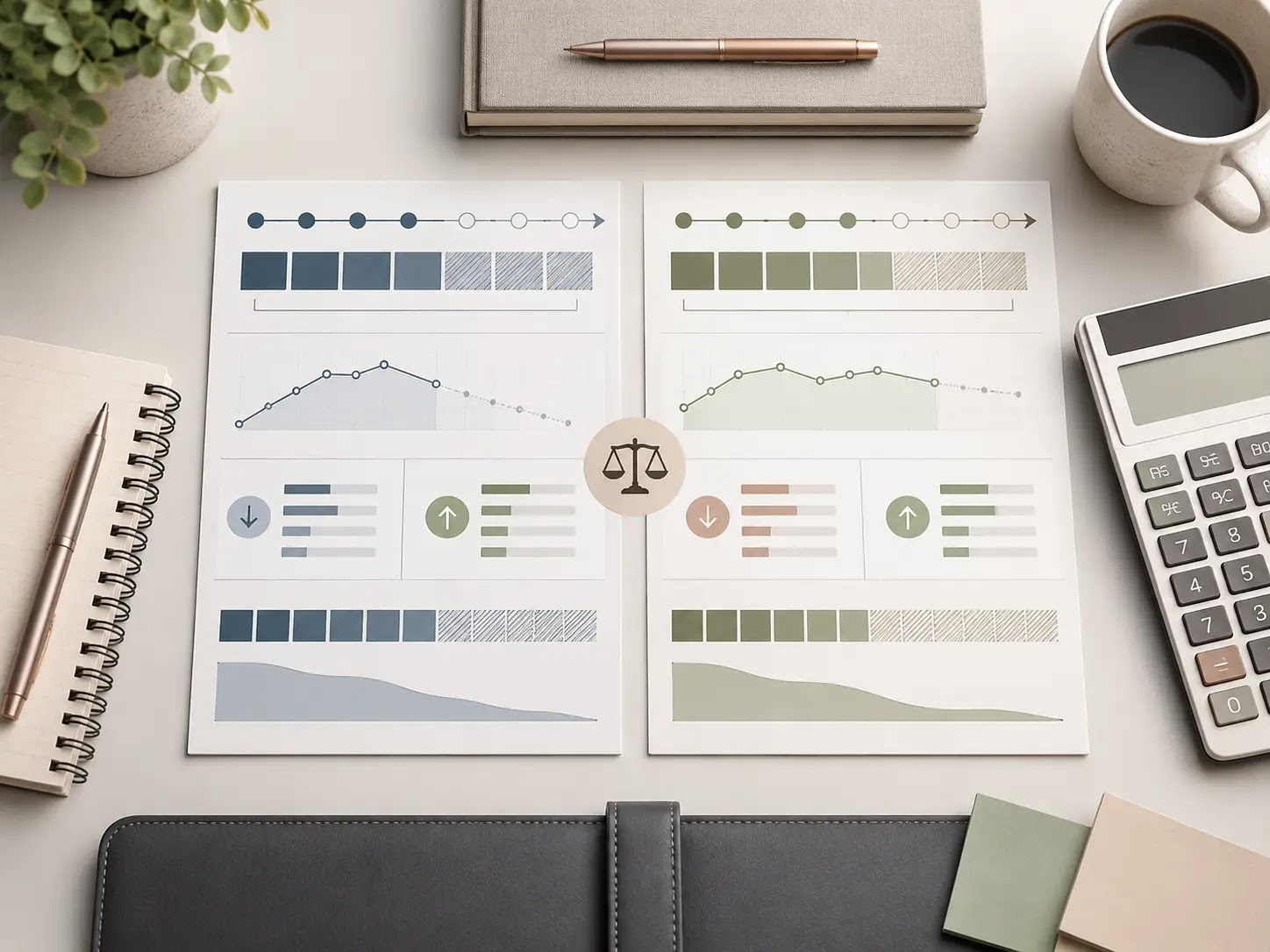
| Dense route | Shorter drive between stops | Higher commissions or tougher site terms | Does lower travel cost outweigh stronger site payments? |
| Spread route | Longer drive between machines | More labor, fuel, and time on the road | Do extra sales justify the added service cost? |
| Higher-price mix | More premium items or specialty products | Slower turns or greater inventory risk | Is better margin worth possible volume softness? |
| Cash-heavy route | More coins and bills, fewer card sales | More cash handling, less fee exposure | Does manual collection time offset the lower fees? |
Which local checks should happen before you commit?
- Verify host-site terms, commission structure, access hours, and any exclusivity language before assuming a location is viable.
- Confirm who is responsible for power access, machine placement, delivery access, and any site-specific setup conditions.
- Ask suppliers about minimum order quantities, lead times, and replacement part availability so inventory assumptions stay realistic.
- Check machine service terms, software fees, payment device compatibility, and warranty coverage with the current vendor.
- Review current local requirements for permits, insurance, taxes, and property rules with up-to-date local sources before funding or launch decisions.
Planning takeaway: the route that looks best on gross sales may still be weak if it depends on heavy driving, thin margins, or large inventory float. Use verified local inputs, then test whether the route still supports labor, repairs, commissions, and runway with enough cushion for slow ramp-up and downtime.
What should a new owner do next before finalizing a vending route?
The practical route decision is not just “where can I place machines?” It is a test of whether the locations, product mix, refill frequency, mileage, commission terms, and repair exposure can work together at the margin. For a new U.S. vending owner, the best next step is to confirm a small set of local assumptions, pressure-test them in a simple route model, and only then lock in equipment, inventory, and placement commitments.
Route-strategy recap
Start with location quality and customer fit, then translate that into machine count, product assortment, service cadence, and travel time. After that, check whether the route still works after commissions, spoilage, repairs, payment processing, and working capital needs are included. If any of those inputs are uncertain, treat them as assumptions to verify locally rather than fixed facts.
Decision checklist: are you ready to commit?
- You have a short list of candidate locations with realistic foot traffic and customer type.
- You know which products are likely to move at each stop, not just what is popular in general.
- You have estimated route mileage, drive time, and refill frequency for each machine cluster.
- You have included commissions, rent, payment fees, and other location-specific costs in the margin view.
- You have a repair and downtime reserve in the plan, not just a revenue projection.
- You have enough working capital for inventory, service trips, and early-stage surprises.
- You have compared at least one conservative scenario against your base case.
| Planning area | Question to answer | Ready when... |
|---|---|---|
| Location fit | Do the sites match the products you plan to sell? | You can explain why each stop should generate repeat purchases. |
| Route economics | Does the route still work after travel and service time? | Mileage and refill cadence are built into the margin view. |
| Operating risk | Can you absorb repairs, outages, and slower-than-expected turns? | You have a reserve and a replacement plan. |
| Cash planning | Can you cover inventory and early operating gaps? | Working capital is documented, not assumed. |
| Decision support | Can you explain the plan to a partner, landlord, lender, or advisor? | Your assumptions are organized and easy to review. |
Next planning steps
- Confirm your top locations and note the customer segment at each site.
- List the products, service intervals, and route mileage tied to those stops.
- Update your revenue and cost assumptions with local vendor terms and market pricing.
- Test a conservative version of the route before expanding machine count.
- Document the plan so you can use it in conversations with partners, landlords, or lenders.
If you want to turn those assumptions into something you can review and share, a business plan, financial model, pitch deck, checklist, and startup toolkit can help organize the route logic, compare scenarios, and document the decision for advisors or financing conversations.
Final takeaway: for a U.S. vending machine founder or buyer, the strongest route strategy is the one that survives local verification, not the one that looks best on paper.


