
Vending Machine SOP Checklist for New Owners
A practical U.S. planning guide for vending machine SOP checklist for new owners, built for founders, buyers, and operators comparing assumptions before committing capital.


What should a new owner include in a vending machine SOP checklist?
A strong vending machine SOP checklist turns daily route work into a repeatable system for stocking, cleaning, cash handling, reporting, and repair escalation. For a new owner, the real decision is not just what to do, but which parts of the operation are stable enough to standardize now.
That means tying your SOPs to the assumptions that drive service time, machine uptime, product movement, and margin: placement quality, route mileage, inventory turns, vendor terms, and how often equipment issues interrupt sales. If you are planning a startup, acquisition, or funded launch, those inputs also affect staffing needs, working capital, and whether the route can be managed by one operator or needs help.
Quick decision frame
| What the reader is deciding | What must be verified locally |
|---|---|
| Which tasks belong in the SOP first | Route density, machine type, service frequency, and whether you stock snacks, drinks, or mixed inventory |
| How detailed the checklist should be | Actual labor time, mileage, restocking cadence, and repair response expectations in your market |
| Whether the plan is finance-ready | Equipment pricing, commissions, inventory needs, software costs, and working capital assumptions from current vendors |
- Lease and location terms that affect access, service hours, and commissions
- Equipment condition, age, payment systems, and likely repair frequency
- Labor time for stocking, cleaning, cash collection, and exception handling
- Menu economics, including product mix, spoilage risk, and price sensitivity
- Permits, licenses, and local operating requirements that may affect launch timing
- Working capital for inventory, routes, fuel, repairs, and short-term cash gaps
- Funding readiness, if lender or partner materials need documented assumptions
Next, use a practical planning framework to turn these assumptions into a usable SOP structure, so the checklist matches how the route will actually operate.
What should the SOP framework cover for a new vending route?
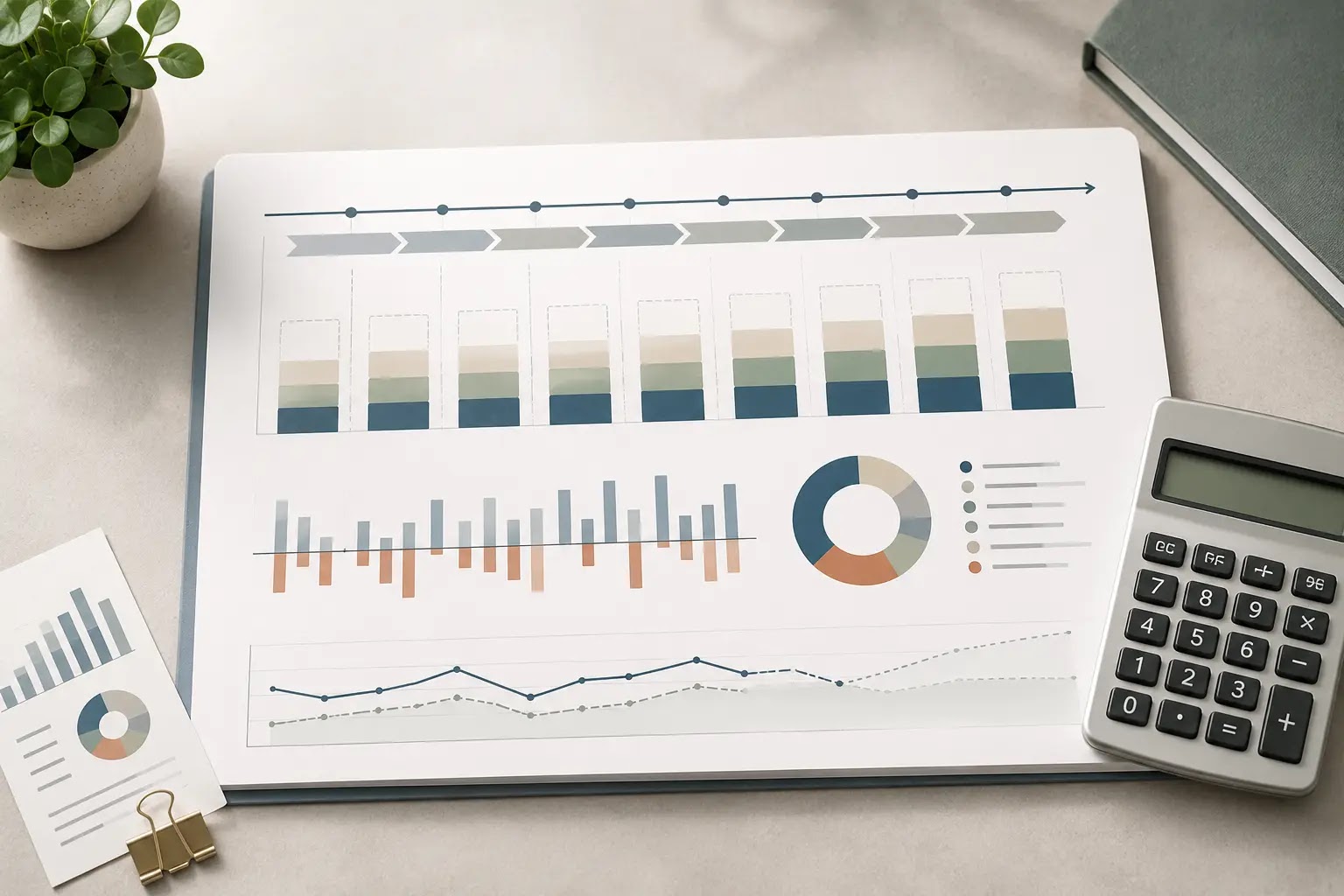
For a new owner, the operating checklist should turn day-to-day vending work into documented assumptions: how often each machine is visited, what gets stocked, how cash and software reports are reconciled, which repairs are escalated, and how route mileage and labor time are tracked. That framework is what keeps startup, acquisition, and launch decisions grounded in real operating inputs instead of guesswork.
Planning table: the core SOP inputs to document
| Planning area | Question to answer | Input to collect | Model impact | Verification source |
|---|---|---|---|---|
| Route coverage | Which machines are on each stop, and how long does each stop take? | Machine list by location, stop order, service time, access windows | Labor hours, route mileage, vehicle use, scheduling | Site visit notes, route map, operator logs |
| Restock cadence | How often does each machine need replenishment? | Sales pattern by machine, product mix, refill trigger, spoilage risk | Inventory turns, working capital, stockout risk | Sales reports, manual counts, location observations |
| Product mix | Which SKUs move at each location? | Item list, package size, margin by SKU, shelf space limits | Gross margin, waste, reorder timing | Machine planogram, supplier invoices, sales history |
| Machine condition | Which units need repair, cleaning, or replacement soon? | Machine age, parts status, error codes, service history | Maintenance reserve, downtime, capex timing | Inspection checklist, technician notes, seller records |
| Cash and payment handling | How are cash collections and non-cash reports reconciled? | Collection process, audit steps, payout reports, deposit timing | Cash flow timing, shrink risk, reporting accuracy | POS reports, bank deposits, collection logs |
| Site terms | What does each location expect from the operator? | Commission terms, service expectations, access rules, contact list | Net revenue, service frequency, account retention | Written location agreement, site manager confirmation |
| Software and reporting | What data is captured automatically and what still needs manual tracking? | Machine telemetry, sales exports, inventory sheets, exception log | Admin time, decision speed, error rate | Vendor dashboard, sample reports, route worksheet |
| Vendor and supply terms | How reliable are parts, product, and service vendors? | Lead times, minimum orders, return terms, support contacts | Stockout exposure, repair delays, inventory planning | Supplier quotes, service agreements, email confirmation |
How should a new owner move from research to documented assumptions?
- Build a machine-by-machine inventory: location, machine type, product categories, payment method, access constraints, and current condition.
- Map each stop into a route: sequence, drive time, service window, refill frequency, and any location-specific requirements.
- Create a restocking SOP: count inventory, restock to a target level, clean touch points, note exceptions, and record what was sold.
- Define repair escalation steps: what the operator handles, when a technician is called, and how downtime is logged.
- Standardize reporting: sales by machine, cash collected, product used, service time, mileage, and unresolved issues.
- Convert the SOP into assumptions: labor hours per route, restock frequency, inventory spend timing, maintenance reserve needs, and admin time.
- Test the workflow on a small route before scaling so you can compare the documented process against actual field time and vendor response.
What evidence should the SOP file capture?
- Machine list with location, status, and ownership or lease details.
- Route schedule with service windows and travel assumptions.
- Restock checklist with SKU counts, expiration review, and cleaning steps.
- Maintenance log with faults, parts needed, and repair follow-up.
- Sales and cash reconciliation template tied to each machine.
- Supplier contacts, order cadence, and lead-time notes.
- Site contact list and written expectations for access and service.
Verification note: vendor terms, site expectations, service windows, commissions, software fees, and machine support conditions should be confirmed in writing because they vary by market and operator.
With the operating inputs documented, the next step is to translate them into financial model implications, tradeoffs, and risk checks.
What planning risks should change the SOP checklist?
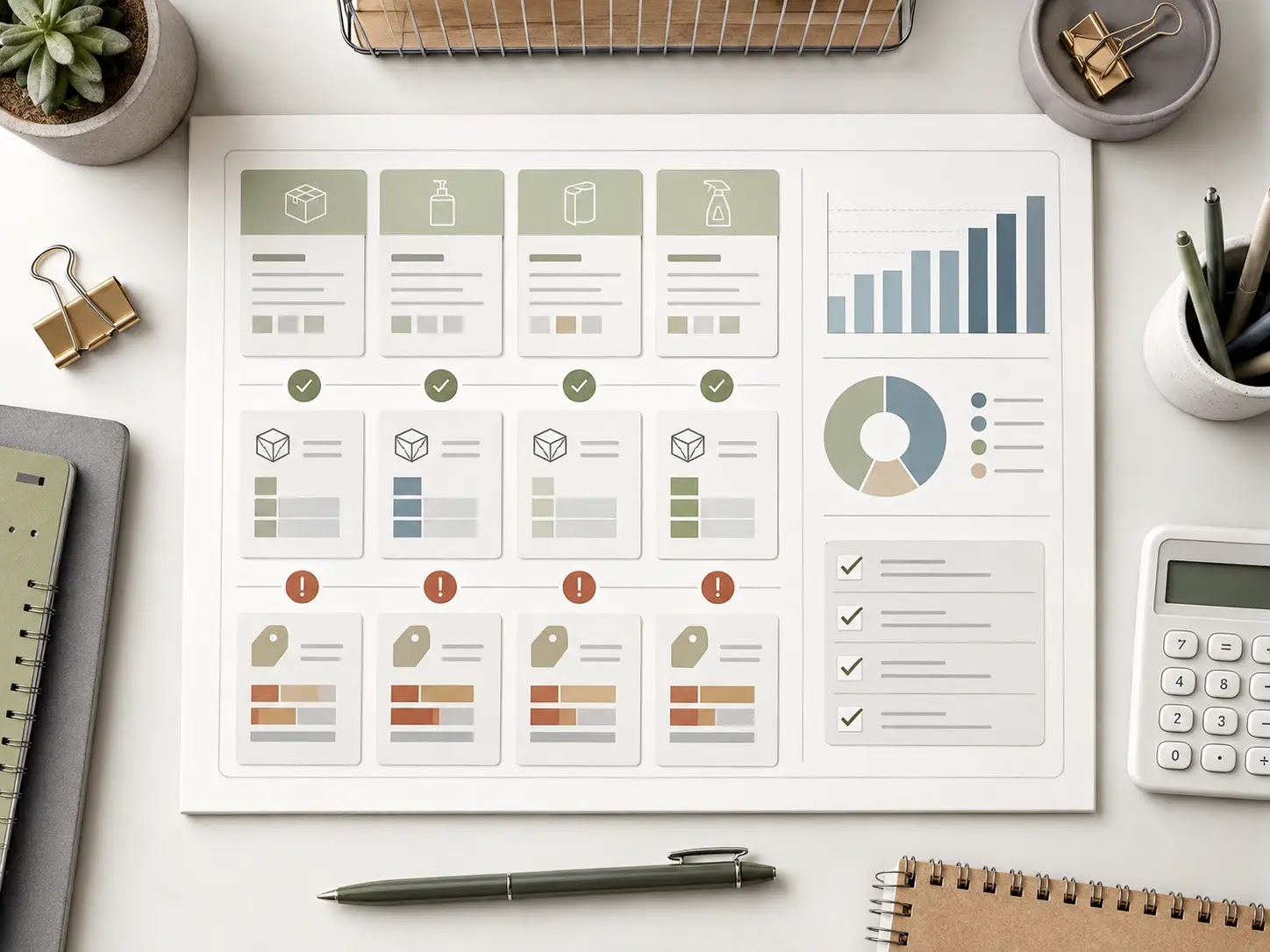
For new vending owners, the biggest SOP mistakes usually come from treating operations as if every location, machine mix, and route is the same. In practice, the checklist needs to reflect location access, stocking frequency, cash handling or cashless workflows, service response times, and how far the route team travels between stops. Those inputs affect labor time, fuel, inventory turns, and how much working capital the business needs to stay stable.
The planning question is not just “what should staff do?” but “what happens if the machine is down, the supplier is late, or the location changes terms?” A workable SOP should make those tradeoffs visible so the owner can decide how much buffer to hold in inventory, how quickly to schedule maintenance, and when to use software for sales reporting, alerts, and route planning.
Scenario: high-traffic location
More frequent restocking can improve availability, but it also raises route labor, mileage, and replenishment planning pressure.
Scenario: mixed machine age
Older machines may have lower purchase cost but can increase repair downtime and parts planning, which affects service SOPs and reserve assumptions.
Scenario: cashless-heavy route
Cashless payments may simplify handling, but the owner still needs to verify processor terms, connectivity, and settlement timing in the operating model.
| Planning risk | Why it matters in vending | Assumption affected | How to verify |
|---|---|---|---|
| Uneven traffic by location | Sales and stockouts can vary widely from one stop to another | Restock frequency, inventory buffer, labor time | Review location history, spot counts, and route-level sales reports |
| Machine downtime or repeated repairs | Out-of-service machines reduce sales and create extra service calls | Maintenance reserve, technician schedule, spare parts plan | Track service logs, warranty terms, and vendor repair turnaround |
| Location access limits | Restricted hours or difficult loading access can slow route work | Route mileage, stop duration, staffing plan | Confirm access rules with the location contact and test a route visit |
| Supplier variability | Out-of-stock items or price changes can disrupt product mix and margins | Inventory order points, product assortment, cash flow | Compare vendor terms, lead times, and fill rates from current suppliers |
| Payment system issues | Cashless tools can affect reporting, settlement timing, and service troubleshooting | Software workflow, reporting cadence, receivables assumptions | Review processor terms, device requirements, and support response times |
| Lease or commission changes | Location economics can shift if space terms or commissions change after launch | Revenue share, break-even assumptions, site retention risk | Verify current lease or location agreement terms in writing |
Local verification note: local rules, costs, vendor terms, lease terms, financing conditions, insurance requirements, and machine placement expectations can vary by market and by location. Check current local sources, written agreements, and vendor documentation before you lock the SOP, staffing plan, or working-capital assumptions.
Once these risks are pressure-tested, the checklist becomes more useful: it can set who owns restocking, when exception reports are reviewed, how repairs are escalated, and what records are needed for route performance. That makes the final action list more than an operating reminder—it becomes the control layer that ties daily work to launch readiness and reporting discipline.

What should you do next before you launch or buy?
Practical recap: A useful vending machine SOP checklist does three things at once: it standardizes restocking and service, it exposes route and repair workload before launch, and it turns daily operations into inputs for your financial model. For a new owner, the real question is not just “Can I run the machines?” but “Can I run them consistently with the staff, mileage, inventory controls, and working capital I actually have?”
Before you commit, make sure your assumptions cover machine count, product mix, refill frequency, route time, repair response, software, commissions, and the cash needed to keep locations stocked while sales data is still forming.
Next-step checklist
- List each machine, location, and service frequency so your route plan matches real demand.
- Write the core SOPs for stocking, cleaning, cash/card reconciliation, and issue escalation.
- Document who handles inventory ordering, machine maintenance, and daily reporting.
- Estimate route mileage, stop time, and labor hours for a normal service week.
- Confirm how commissions, vendor terms, software fees, and repair responsibility affect margin.
- Check what working capital you need to cover inventory, fuel, repairs, and early operating gaps.
- Review local lease, access, and placement terms with current sources before finalizing assumptions.
Readiness scorecard
| Planning area | Ready when… | Why it matters |
|---|---|---|
| Route coverage | You can service the route on a realistic schedule with current staff or owner time. | Prevents missed fills and rushed stops. |
| Inventory control | You know what products move, how often they need replenishment, and who orders them. | Protects cash flow and reduces stockouts. |
| Machine upkeep | You have a clear process for breakdowns, parts, and service escalation. | Limits downtime and lost sales. |
| Reporting | Sales, fills, exceptions, and repairs are logged in one repeatable format. | Makes performance visible and easier to manage. |
| Funding readiness | Your operating assumptions are organized for a lender, partner, landlord, or advisor. | Improves decision quality and documentation. |
Helpful next step: If you are turning this SOP work into a launch or acquisition plan, a business plan, financial model, pitch deck, checklist, and startup toolkit can help organize assumptions, compare scenarios, and document the plan for partners, lenders, landlords, or advisors.
Final takeaway: For a U.S. vending machine founder or buyer, the best SOP checklist is the one that proves the route, labor, inventory, and repair plan can work before you scale it.


