
Vending Machine Employer Requirements Before Hiring
A practical U.S. planning guide for vending machine employer requirements before hiring, built for founders, buyers, and operators comparing assumptions before committing capital.


What should a vending machine owner verify before hiring employees?
If you are planning a U.S. vending machine business, the hiring decision is usually less about “Can I add staff?” and more about “Can the route support payroll, insurance, and supervision without weakening cash flow?” Before you hire a route helper, stocker, technician, or office support, verify the local rules and operating inputs that change the economics.
The practical answer depends on your machine count, service frequency, location mix, and whether you are hiring for restocking, repairs, customer service, or administration. Those choices affect labor load, route mileage, repair downtime, inventory handling, and the working capital you need to stay stocked while receivables and commissions move through the business.
| What the reader is deciding | What must be verified locally |
|---|---|
| Whether the vending route can support hiring now or should stay owner-operated for longer | Payroll setup, worker classification, wage and hour rules, insurance expectations, and any local labor or business registration requirements |
What usually changes the answer?
- Lease and buildout commitments tied to storage, office space, or a service base
- Equipment needs such as vehicles, dollies, point-of-sale tools, and machine parts
- Labor load for stocking, route coverage, cleaning, and repairs
- Menu economics, including product margin, spoilage, and commission structure
- Permits, licenses, and site-specific access rules that vary by market
- Working capital for inventory, payroll timing, fuel, and maintenance
- Funding readiness if hiring is part of a startup or acquisition plan
For founders and buyers, this is also a planning question: if hiring improves route coverage, does the added payroll still leave enough room for inventory, maintenance, and unexpected machine repairs? That tradeoff should be documented before you assume the operation is ready to scale.
Next, the practical framework breaks these inputs into the specific local questions you should verify before adding payroll.
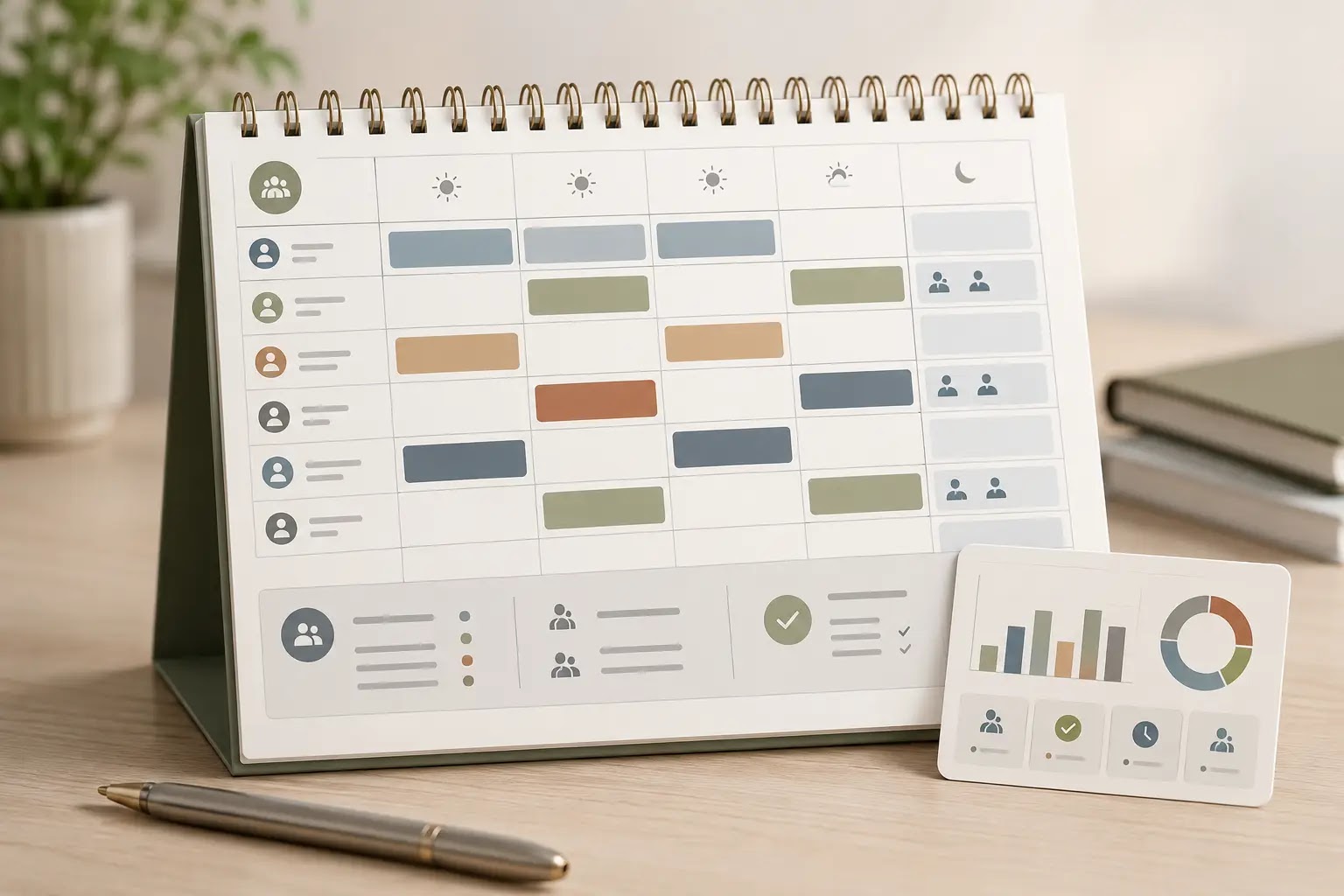
What should you verify before hiring for a vending route?
If you plan to add employees, helpers, drivers, merchandisers, or repair support, the practical question is not just “can I hire?” It is which licenses, registrations, and insurance requirements change once labor enters the plan. For vending operators, that usually affects payroll setup, vehicle coverage, location contracts, and the documentation you keep for each route and machine.
Planning table: what changes when hiring becomes part of the vending model?
| Planning area | Question to answer | Input to collect | Model impact | Verification source |
|---|---|---|---|---|
| Employer registration | Will adding staff require state employer registration, payroll setup, or new tax accounts? | State of operation, hire date, employee type, payroll method | Startup timing, payroll admin, software, accounting support | State tax agency, payroll provider, CPA |
| Worker classification | Are route helpers, merchandisers, or repair support likely to be employees or contractors? | Job duties, control over schedule, tools used, route oversight | Payroll taxes, contractor fees, onboarding cost, compliance review | Employment counsel, CPA, state labor guidance |
| Workers’ compensation | Will the hiring plan trigger workers’ comp coverage or a change in policy terms? | Headcount, job risk level, warehouse handling, driving duties | Insurance premium, cash reserve, hiring threshold | Insurance broker, state insurance resources |
| Commercial auto and driver exposure | Do route vehicles, rental vans, or personal vehicles used for work need coverage review? | Vehicle ownership, mileage, driver list, route frequency | Auto premium, mileage cost, claim reserve, deductible planning | Insurer, broker, vehicle lease terms |
| General and product liability | Does the product mix or service model create added liability exposure once staff are involved? | Product categories, storage method, locations served, handling process | Coverage level, premium estimate, vendor qualification | Insurance broker, machine supplier, location contract |
| Business licenses and local permits | Do city, county, or state rules change when you add a staffed route, storage site, or office? | Operating jurisdictions, storage location, machine placement plan | Fees, approval timing, launch sequence | City clerk, county office, state business or tax agency |
| Site contract requirements | Do locations require proof of insurance, named additional insured status, or written indemnity terms? | Location contract, COI request, access rules, commission terms | Insurance limits, legal review, deal approval timing | Location operator, landlord, broker, attorney |
| Training and documentation | What written procedures are needed before a hire touches machines, inventory, cash, or repairs? | Route SOPs, cash-handling steps, inventory counts, incident response steps | Training time, shrink control, supervision load | Internal SOPs, machine vendor guides, insurer risk guidance |
How do you turn those requirements into documented assumptions?
- List every role you might hire in the next 12 months, including route support, stocking help, repair support, and driving help.
- Mark which roles touch cash, inventory, vehicles, customer sites, or food and beverage handling.
- Check whether your current business registration, employer accounts, and local licenses already cover those activities.
- Ask an insurance broker what proof of coverage, policy type, or policy change each role and vehicle use pattern may require.
- Review location contracts for insurance certificates, additional insured requests, indemnity language, and access restrictions before you staff the route.
- Separate employee costs from contractor costs in your assumptions so payroll, taxes, and insurance are not blurred together.
- Write the verified items into your launch checklist and financial assumptions so the hiring plan matches the route plan.
What should you keep on file before the first hire starts?
- Employer registration confirmations, if required in your operating state
- Insurance certificates and any location-specific coverage requests
- Vehicle coverage notes for route cars, vans, or personal vehicles used for business
- Role descriptions that separate stocking, driving, repair, and cash-handling duties
- Written onboarding steps for inventory counts, machine access, and incident reporting
- Copies of site agreements that affect staffing, access, or service frequency
Once these items are verified, the next step is to translate them into payroll, insurance, and route-cost assumptions so you can compare hiring versus outsourcing and see how staffing changes working capital, margins, and launch timing.

What risks change first when a vending business hires staff?
Hiring changes vending from a mostly owner-driven route into a managed operating system. The biggest planning shift is not the job ad itself; it is the added labor cost, schedule coordination, training time, and oversight needed to keep machines stocked, serviced, and profitable across more stops.
For founders and buyers, that means the hiring decision should be tied to route volume, machine uptime, repair response time, and inventory turnover. If those inputs are still unstable, adding payroll can raise fixed costs faster than service quality improves. If they are already tight, one hire may reduce missed refills, cut emergency runs, and improve route consistency.
Before committing, pressure-test the assumptions behind staffing: who covers absences, how often machines need service, how much driving is involved, and whether your current cash reserve can absorb payroll timing, onboarding, and transition friction. Those tradeoffs affect break-even, working capital, and whether the business can scale without creating avoidable downtime.
| Planning risk | Why it matters in vending | Assumption affected | How to verify |
|---|---|---|---|
| Hiring before route volume is stable | Adds fixed labor cost before machine count, stop count, or refill frequency can support it. | Payroll load, break-even point, cash runway | Compare current route activity, service frequency, and downtime against the proposed staffing schedule. |
| Unclear payroll or worker setup | Affects how you document hours, pay timing, and administrative workload. | Onboarding timeline, admin burden, compliance process | Confirm setup steps with a payroll provider, accountant, or employment advisor familiar with your state. |
| Weak backup coverage | Machines can go empty or unrepaired when someone is unavailable. | Service-level assumption, uptime, customer retention | Map who covers absences, peak days, and urgent service calls before making the hire. |
| Underestimated route driving burden | More stops usually means more mileage, more vehicle wear, and more time in transit. | Route margin, delivery timing, working capital | Track actual miles, stop density, and time per service day before finalizing staffing plans. |
| Location, vendor, or insurance terms not checked early | Some partners or locations may require added documentation before you add staff or expand service. | Launch timing, location approval, vendor terms | Request current requirements directly from the landlord, insurer, payroll provider, and location operator. |
If these tradeoffs are still moving, keep the hire decision provisional and use the final action checklist next to confirm the few items that need to be settled before you add staff.

What should you verify before hiring for a vending route?
If your vending business is still owner-operated, the main decision is whether hiring adds enough route coverage, service speed, and growth capacity to justify the added payroll, tax, insurance, and supervision load. Before you add staff, confirm the employer rules, contract terms, and operating costs that affect your route model, working capital, and service schedule.
The practical path is simple: verify local hiring requirements, test the labor cost in your financial model, and make sure your machines, inventory flow, repairs, commissions, and route mileage can support the added role.
Readiness scorecard
| Readiness item | What to confirm |
|---|---|
| Employer setup | Federal, state, and local hiring, payroll, and reporting obligations in your market |
| Labor economics | Whether route volume, machine count, and service frequency can support wages plus related payroll burden |
| Insurance and risk | Whether your coverage and vendor contracts reflect employees, vehicle use, and on-site work |
| Operations control | Training, inventory handling, cash control, repair workflows, and route accountability |
| Working capital | Cash available for payroll timing, inventory, fuel, software, and maintenance spikes |
Next planning steps
- Confirm whether you are hiring employees, using contractors, or staying owner-operated for now.
- Verify the payroll, tax, wage, and reporting requirements that apply in your state and city.
- Review insurance, vehicle use, and contract language for employee-related exposure.
- Update your financial model with labor, route mileage, inventory handling, repairs, and supervision time.
- Check whether expected route revenue and machine density support the added payroll commitment.
- Document training, cash handling, inventory control, and service standards before anyone starts.
Planning note: a business plan, financial model, pitch deck, checklist, and startup toolkit can help organize these assumptions, compare hiring scenarios, and document the plan for partners, lenders, landlords, or advisors.


