
What to Know Before Starting a Vending Machine Business
A practical U.S. planning guide for what to know before starting a vending machine business, built for founders, buyers, and operators comparing assumptions before committing capital.

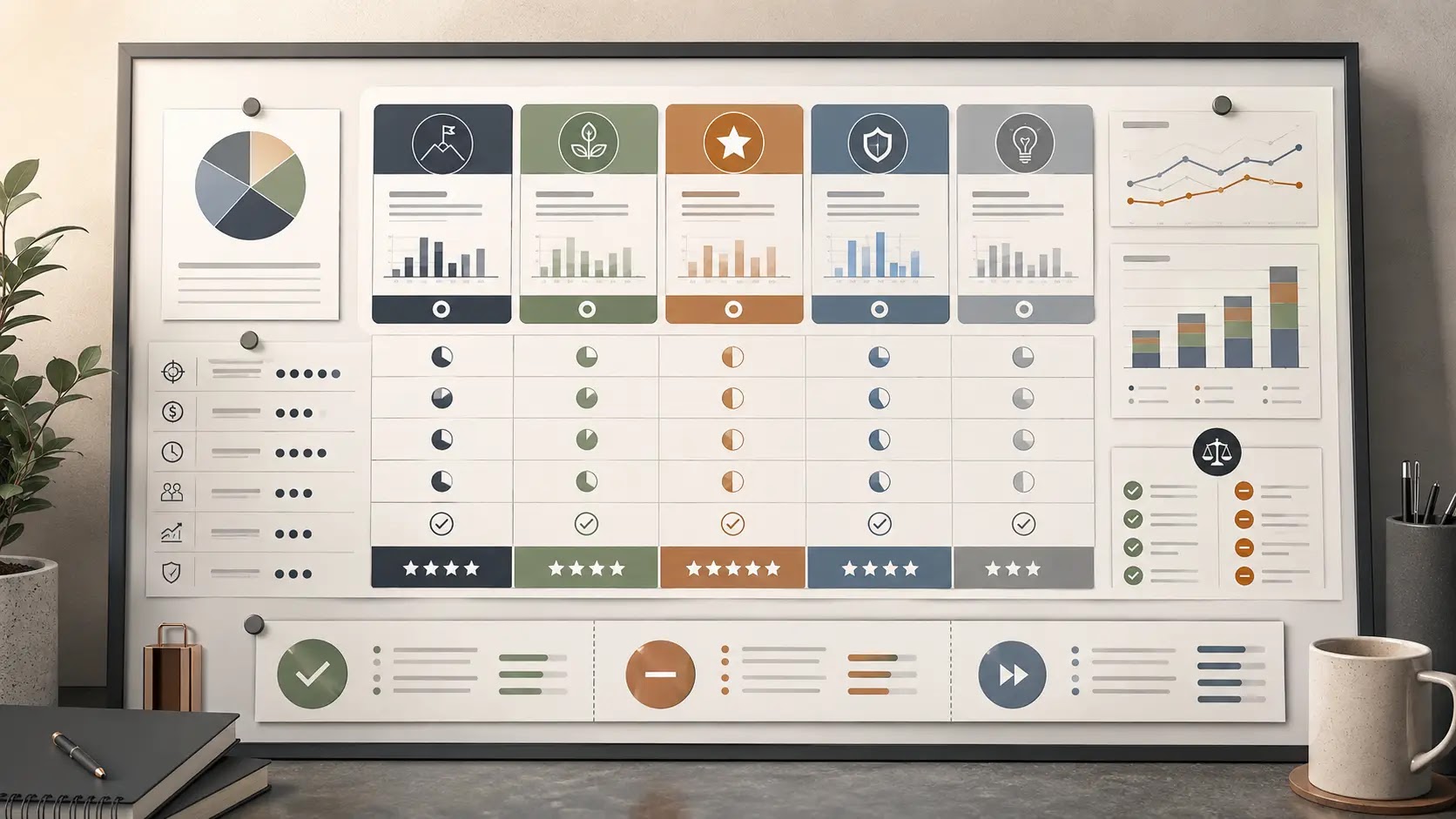
What should you know before starting a vending machine business?
If you are deciding whether to start, buy, or expand a vending machine business in the U.S., the main question is not whether vending is simple — it is whether the locations, machine mix, operating costs, and cash flow timing actually work in your market. A route can look attractive on paper and still underperform if commissions, service calls, inventory shrink, or low-traffic placements are off.
The practical takeaway: treat vending as a location-and-operations business. Your answer depends on local site access, route mileage, repair frequency, payment setup, supplier terms, and how much working capital you need before the machines are consistently producing cash.
| What the reader is deciding | What must be verified locally |
|---|---|
| Start from scratch, buy an existing route, or add machines to an operating business | Route quality, location contracts, machine condition, transfer terms, and any commissions or site fees |
| How much capital to commit up front | Machine pricing, delivery and setup needs, inventory levels, repair reserve, and payment software costs |
| Whether the business can support itself operationally | Route mileage, refill frequency, labor time, supplier lead times, and expected downtime for repairs |
Before you make a decision, pressure-test the assumptions that tend to change the economics most:
- Lease or placement terms, including commissions, minimums, or revenue-sharing arrangements
- Equipment condition, age, payment hardware, and maintenance exposure
- Labor needs for stocking, servicing, driving, and collections
- Menu economics, including product mix, spoilage risk, and margin by location
- Permits, local rules, and any site-specific access requirements
- Working capital for inventory, fuel, repairs, chargebacks, and slow-start months
- Funding readiness if you plan to finance machines, inventory, or an acquisition
With those inputs in view, the next step is a practical framework for comparing startup paths and testing whether the numbers and operations hold up.
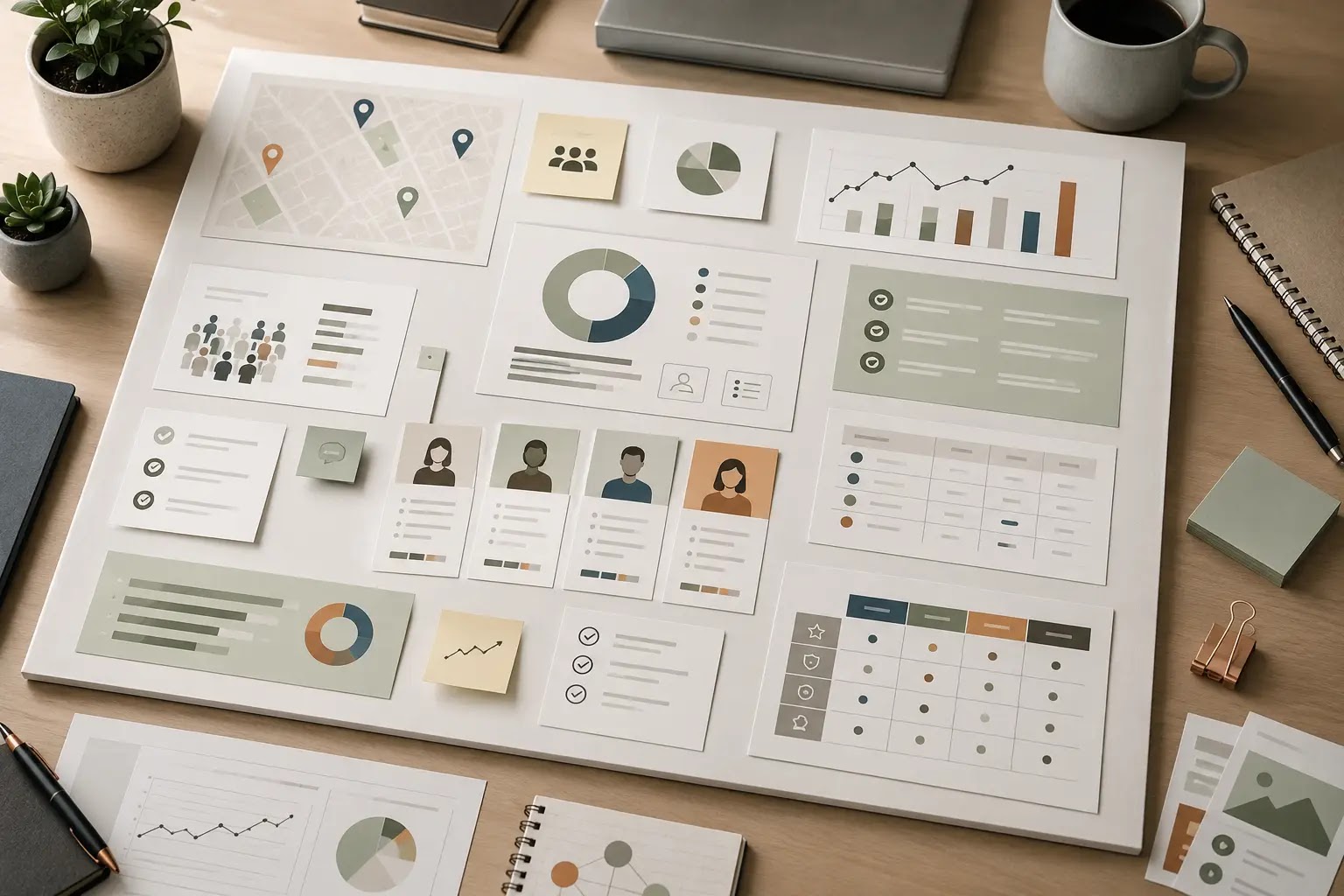
How should you turn vending research into a startup feasibility plan?
Before you buy machines or sign locations, treat the vending business like a route-based operating model: each site, machine type, product mix, service stop, and payment setup changes the assumptions. The goal in this stage is not to forecast perfectly; it is to collect enough local inputs to build a defensible plan for startup, acquisition, or lender conversations.
For a U.S. vending machine business, the most useful feasibility work usually centers on machine counts, location quality, commission or placement terms, inventory turnover, route mileage, repair frequency, and the cash needed to keep machines stocked and functional.
What should you verify before you model the business?
| Planning area | Question to answer | Input to collect | Model impact | Verification source |
|---|---|---|---|---|
| Locations | Which sites are realistic for your first route? | Site type, traffic pattern, access hours, placement rules, competing machines | Sales potential, route density, service timing | Site walk, location owner, on-site observations |
| Machine mix | What machine types fit the site? | Snack, beverage, combo, specialty, size, age, payment capability | Purchase cost, maintenance load, product capacity, revenue mix | Vendor quotes, used-equipment listings, machine specs |
| Product mix | What products are likely to move at each site? | Category preferences, package sizes, pricing position, spoilage sensitivity | Gross margin, inventory turns, waste risk | Site research, customer observation, distributor feedback |
| Placement terms | What does the location owner expect in return? | Commission, rent, profit share, exclusivity, term length, removal notice | Net sales, cash flow, contract risk | Written proposal, lease addendum, location agreement |
| Route operations | How often will you need to service each stop? | Refill cadence, mileage, service time, labor plan, backup coverage | Operating cost, staffing need, route efficiency | Route test runs, mapping, time studies |
| Repairs and uptime | How much downtime should you expect? | Repair history, spare parts, technician access, warranty terms | Lost sales, maintenance reserve, launch delays | Seller records, vendor warranty documents, service logs |
| Cashless and software | How will payments and reporting work? | Reader compatibility, transaction fees, telemetry, inventory tracking features | Collections process, reporting accuracy, operating visibility | Processor terms, software demo, hardware compatibility check |
| Working capital | How much cash is needed to launch and stabilize? | Inventory buys, spare parts, fuel, restocking float, setup delays | Runway, borrowing need, launch timing | Supplier quotes, route plan, owner assumptions sheet |
How do you move from research to documented assumptions?
- Map the first route by site type, machine type, and realistic service area.
- Visit or verify each location and note access limits, customer flow, and placement constraints.
- Request written quotes for machines, readers, software, parts, and initial inventory.
- Collect location terms in writing, including commission, rent, term length, and removal rights.
- Estimate route mileage, refill frequency, labor time, and backup coverage for missed stops.
- List the operating risks that could reduce sales or increase downtime, then attach a source for each assumption.
- Convert the findings into a simple assumptions sheet with a source column so the model can be updated later.
What belongs in the assumptions sheet?
- Machine count and machine type by location
- Expected service frequency and route mileage
- Product mix and refill timing
- Commission, rent, or other placement terms
- Cashless payment setup and software stack
- Repair, replacement, and maintenance assumptions
- Inventory float and working capital needs
Once these inputs are documented, the next step is to test how they change revenue, margin, route efficiency, and cash needs under different scenarios. The following section translates these assumptions into financial model implications, tradeoffs, and risk checks.
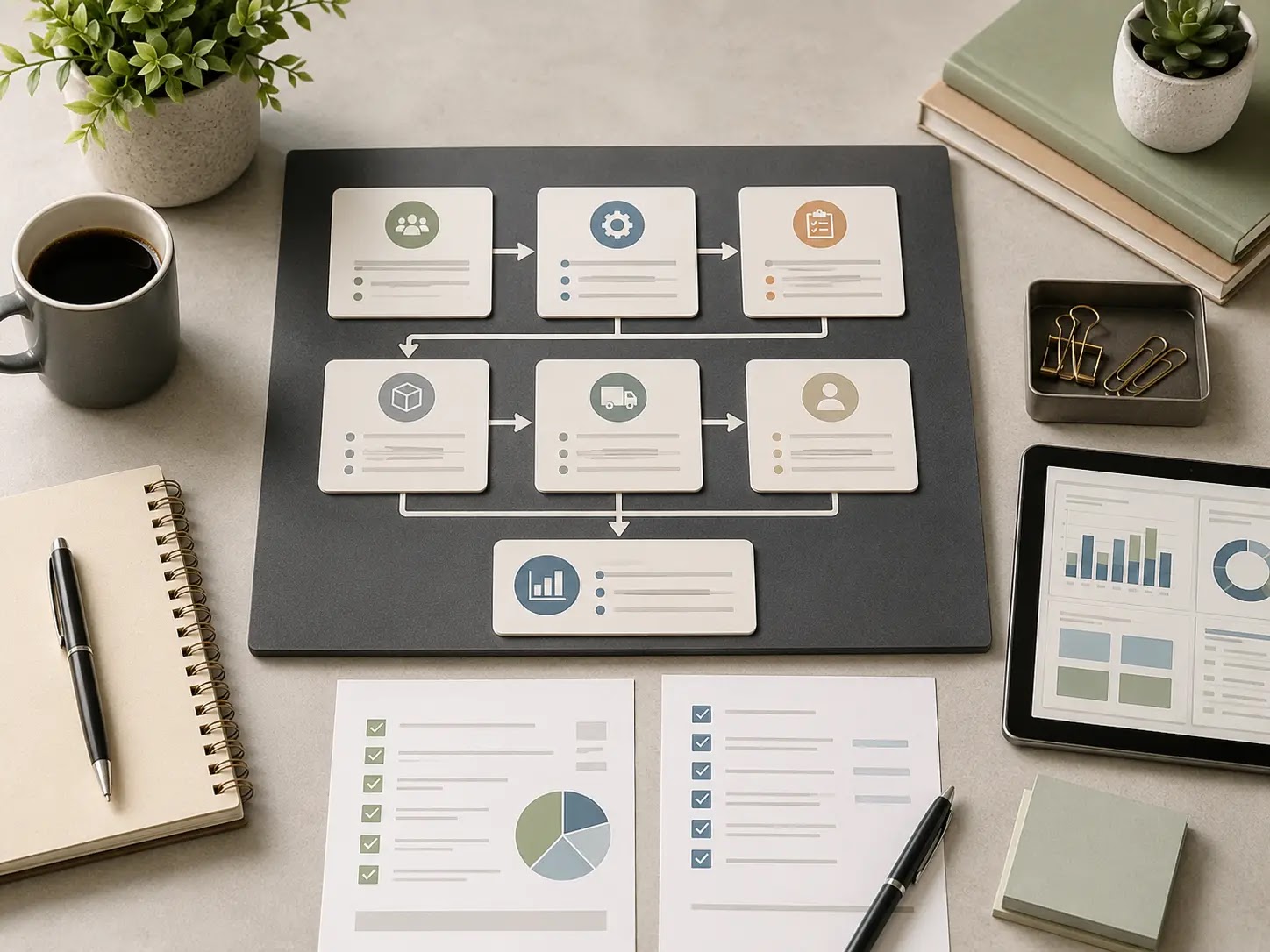
What assumptions and tradeoffs can change the vending machine case?
For a vending machine business, the question is rarely whether machines can sell product. The real issue is whether the route can support the full operating stack: machine purchases or financing, inventory, repairs, commissions to location owners, route mileage, payment processing, software, and enough working capital to absorb slow starts or downtime.
That is why two vending plans with similar machine counts can produce very different outcomes. A route with strong foot traffic, simple products, and short refill trips can be manageable; a route with scattered locations, frequent service calls, and weak placement terms can become labor-heavy and cash-tight. If you are buying an existing route, the same logic applies to reported sales: you still need to test whether the locations, condition of the machines, and vendor terms actually support those numbers.
In practical terms, treat every assumption as negotiable until it is verified. The most important tradeoffs usually sit between gross sales and operating drag: higher-traffic locations may come with higher commissions, better machines may cost more upfront, and easier payment systems may raise recurring software or processing costs. The model should show what happens if any one of those inputs is less favorable than expected.
Best-case route
What it looks like: stable placement, consistent foot traffic, low downtime, and efficient restocking.
Main upside: fewer service trips and a cleaner path to positive cash flow.
Base-case route
What it looks like: mixed locations, normal repairs, routine inventory resets, and moderate commission pressure.
Main focus: keeping service time and inventory losses under control.
Stress-case route
What it looks like: weaker sites, longer drive times, more machine issues, or terms that reduce margin.
Main risk: sales may not cover labor, mileage, repairs, and working capital needs.
Which risks should be stress-tested first?
| Planning risk | Why it matters in vending | Assumption affected | How to verify |
|---|---|---|---|
| Location turnover or weak placement | A machine can perform well in one site and poorly in another, even with the same product mix. | Sales per machine, route stability, payback timing | Review site history, foot-traffic patterns, and placement terms with the location owner or broker. |
| Machine downtime and repairs | Breakdowns stop sales and create unplanned service costs. | Maintenance reserve, service labor, replacement timing | Inspect equipment condition, service records, and any warranty or vendor support terms. |
| Inventory shrink, spoilage, or product mismatch | Slow-moving items tie up cash; poor product fit can reduce repeat sales. | Inventory budget, reorder cadence, gross margin | Compare product turnover, expiration handling, and SKU mix against the target location. |
| Route mileage and service time | Travel and restocking time can erase margin, especially across spread-out locations. | Labor load, fuel cost, route density | Map the route, estimate stops per day, and test drive time against actual service schedules. |
| Commission, lease, or revenue-share terms | Higher location payments can be worth it, but they directly reduce net profit. | Net margin, location attractiveness, break-even threshold | Review the written agreement and confirm whether terms are fixed, variable, or tied to sales. |
| Payment systems and software costs | Cashless payment tools can improve sales visibility but add recurring fees and setup complexity. | Operating expense, reporting workflow, cash handling assumptions | Check vendor terms, processing fees, device compatibility, and reporting features before modeling. |
Once these assumptions are written down, the next step is simple: turn them into a final action checklist that tells you what to verify before you buy machines, sign a location agreement, or commit working capital.
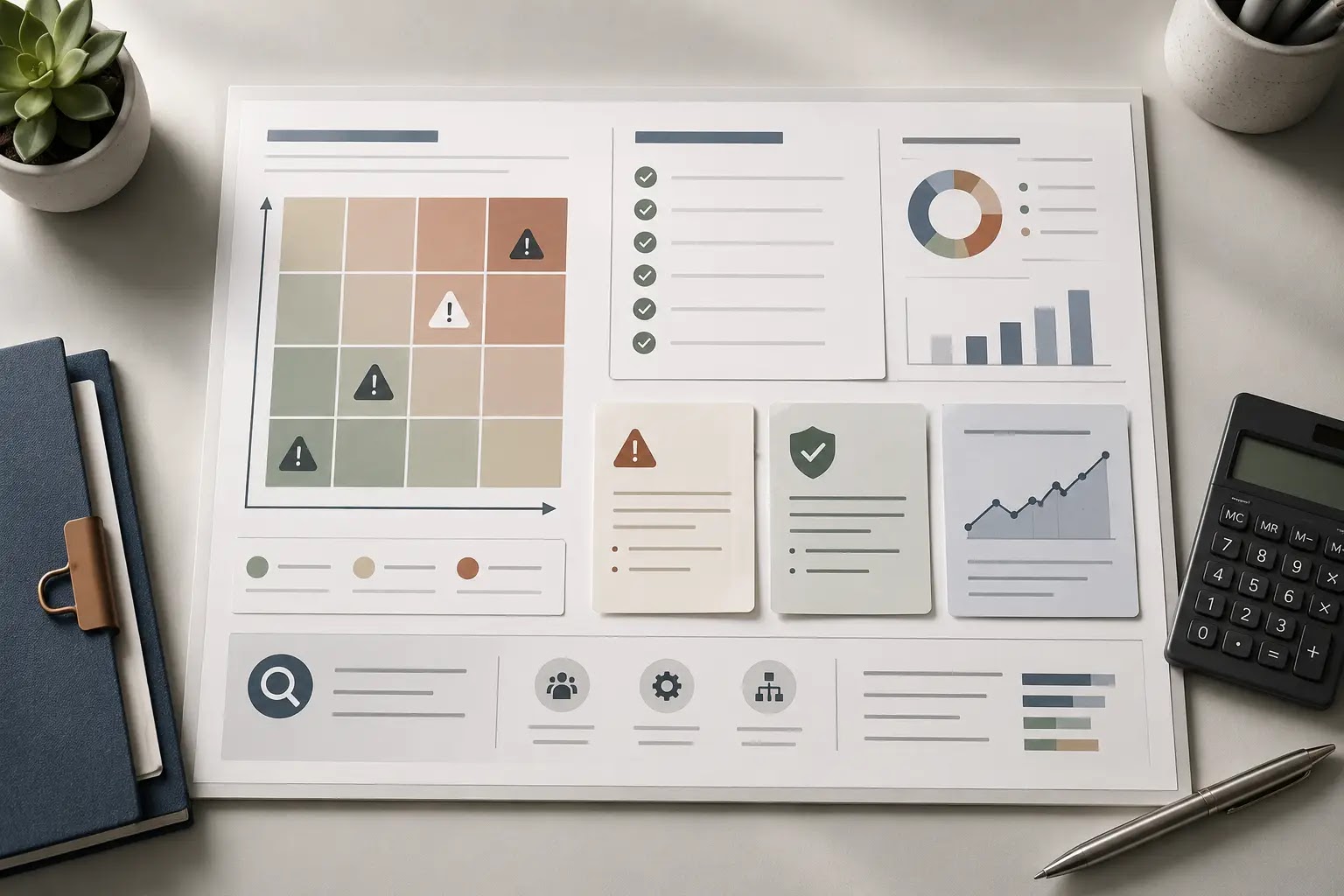
What should you do next before starting a vending machine business?
For a U.S. vending machine founder or buyer, the decision comes down to one question: can you document profitable site terms, manageable route economics, and enough working capital to keep machines stocked and serviced? If you cannot verify those inputs, the business is still a concept, not a launch-ready plan.
In practical terms, the next step is to confirm the locations, commissions, machine mix, inventory needs, travel time, repair exposure, and payment processing setup that will drive cash flow. That is what separates a promising route from an expensive guess.
Readiness checklist for the next planning step
- Confirm the exact locations you can serve and whether access, placement, and commission terms are documented.
- List the machine types you expect to buy or place and match them to the customer traffic at each site.
- Estimate route mileage, refill frequency, and service time so labor and fuel are not understated.
- Build an inventory plan that covers product mix, shrinkage, spoilage, and cash tied up in stock.
- Reserve for repairs, downtime, payment system issues, and replacement parts.
- Verify local permit, tax, insurance, and vendor requirements with current sources in your market.
- Document your assumptions in a business plan and financial model before you sign a lease, buy machines, or seek financing.
Quick readiness scorecard
| Decision item | What to confirm | Why it matters |
|---|---|---|
| Site terms | Placement, access, commission, and exclusivity details | Drives revenue potential and ongoing margin |
| Operating model | Route size, refill schedule, travel time, and service coverage | Determines labor intensity and scalability |
| Machine mix | Which machines fit the site and whether they support the expected product mix | Impacts sales, maintenance, and customer fit |
| Working capital | Cash for inventory, repairs, software, and early operating gaps | Helps avoid underfunding after launch |
| Local verification | Permits, taxes, insurance, and vendor requirements in your market | Reduces avoidable launch delays and cost surprises |
Planning note: If you are preparing to buy, finance, or present the opportunity to partners or lenders, a business plan, financial model, pitch deck, checklist, and startup toolkit can help you organize assumptions, compare scenarios, and document the operating case. Keep the inputs current and verify local terms before treating the numbers as final.


