
Vending Machine Website Pages Every Vending Machine Business Needs
A practical U.S. planning guide for vending machine website pages every vending machine business needs, built for founders, buyers, and operators comparing assumptions before committing capital.

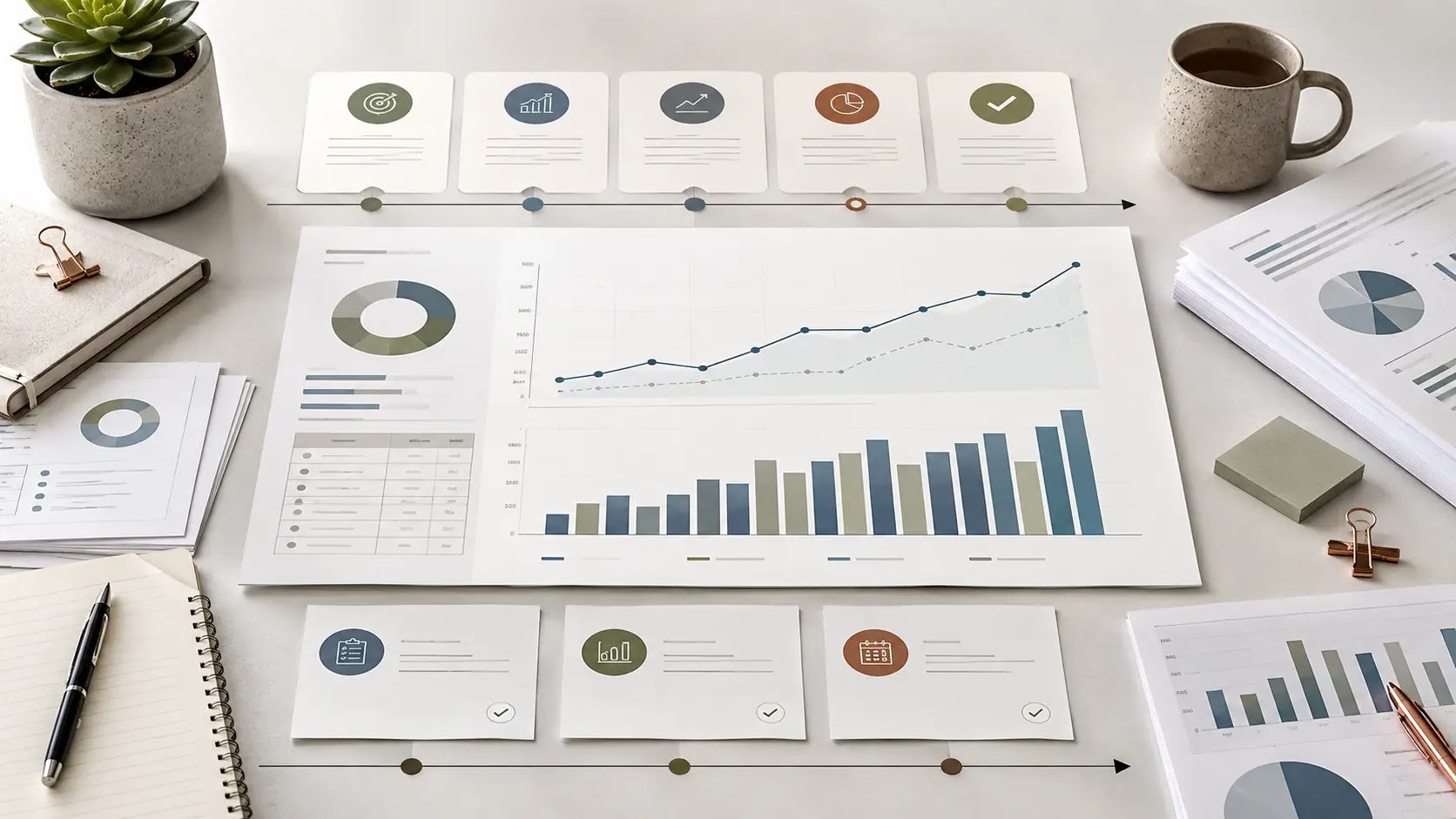
Which vending machine website pages do you actually need?
If you are buying, starting, or scaling a vending machine business, the website should do more than look professional. It should help you win location leads, support retention, and make your sales forecast assumptions easier to defend.
The core pages are the ones that explain where you operate, what machines and services you offer, how a location owner can contact you, and what service standards you can realistically support. For U.S. operators, the right page mix also depends on route density, inventory mix, commission expectations, and how much labor and working capital you have to back up new placements.
| What the reader is deciding | What must be verified locally |
|---|---|
| Which pages will help attract location owners, customers, and repeat service requests | Local market demand, competing operators, route coverage, and the service expectations in your area |
- Lease or buildout assumptions for office, storage, or route support space
- Equipment needs for machines, payment systems, and service tools
- Labor assumptions for restocking, repairs, and customer response times
- Menu economics tied to product mix, pricing, and shrink risk
- Permits, landlord rules, and location-owner requirements that vary by market
- Working capital for inventory, fuel, maintenance, and early-stage delays
- Funding readiness if the website will support lenders, partners, or acquisition review
Next, the practical framework shows how to turn those pages into a planning tool for lead generation, location sales, and forecast inputs without overbuilding the site too early.
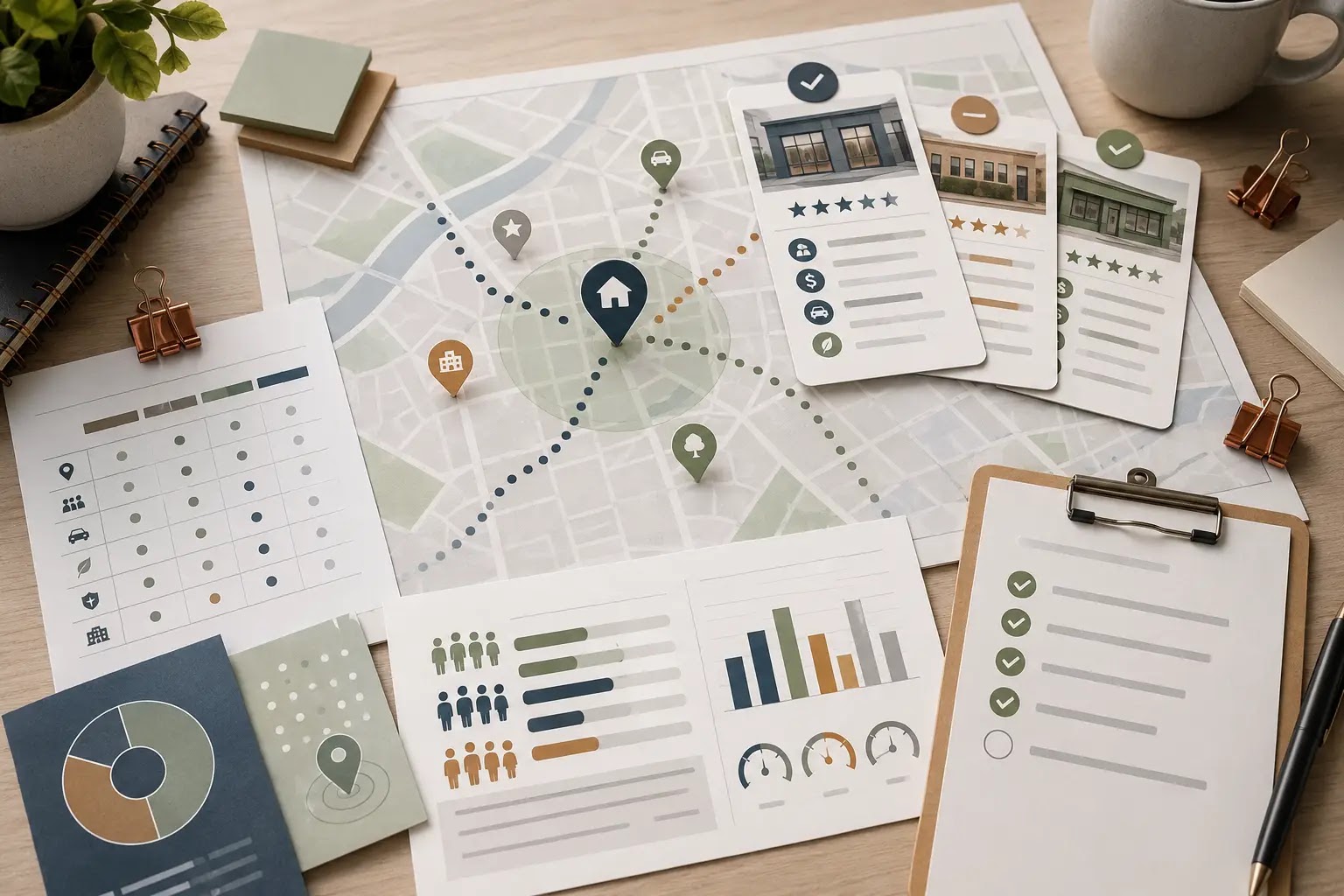
Which website pages should a vending machine business build first?
If your goal is local lead generation, route growth, and cleaner sales forecasting, the right website pages are the ones that help you win placements, qualify prospects, and document assumptions. For a U.S. vending machine operator, the website is not just a brochure; it is a sales tool that supports location outreach, site visits, and follow-up with property managers, office admins, school buyers, and other placement decision-makers.
The practical question is not “How many pages can we publish?” It is “Which pages reduce sales friction and produce assumptions we can use in a business plan, pitch deck, or startup model?”
Page planning table: turn website content into sales inputs
| Planning area | Question to answer | Input to collect | Model impact | Verification source |
|---|---|---|---|---|
| Homepage | What type of buyer should immediately understand your service? | Primary customer type, service territory, and the main call to action | Lead volume assumption and traffic-to-inquiry conversion baseline | Website analytics, sales notes, and outreach response history |
| Location placement page | What facility types do you want to target for new machine placements? | Target location categories, decision-maker titles, and preferred placement criteria | Number of qualified prospects and site-visit conversion assumption | Prospect list, CRM records, and manager interviews |
| Service area page | Where can you realistically service machines on schedule? | Counties, metro areas, or route zones you can cover without excess mileage | Route density, fuel cost assumption, and technician time per stop | Route maps, dispatch notes, and vendor/service coverage review |
| Machine and product page | Which machine types and product categories are you selling or servicing? | Machine mix, snack/drink mix, specialty products, and refill cadence | Inventory turns, restock frequency, and working capital needs | Supplier quotes, machine specs, and purchase/maintenance records |
| Commission or placement terms page | What placement terms do you want site owners to understand up front? | Commission framework, shared-revenue expectations, and contract handoff process | Net revenue per location and site-selection criteria | Draft agreements, owner negotiations, and comparable operator terms |
| Repairs and service page | How will you reduce downtime and reassure location owners? | Service response expectations, replacement process, and maintenance workflow | Repair reserve, downtime risk, and customer retention assumption | Technician logs, parts availability, and vendor service terms |
| Contact / request placement page | What does a qualified lead need to submit? | Location type, address, contact role, machine need, and timing | Lead qualification rate and follow-up workload | Form submissions, call logs, and CRM stages |
| FAQ / buyer objections page | Which objections slow placement decisions? | Common questions about service, product range, upkeep, and timeline | Sales cycle length and close-rate assumption | Past objections, email threads, and discovery calls |
How should a founder move from research to documented assumptions?
- Define the buyer and location types first. List the spaces you want to sell into, such as offices, multifamily buildings, schools, gyms, warehouses, or mixed-use properties.
- Map one page to one sales job. Assign each page a specific purpose: attract a lead, qualify a location, explain service coverage, or reduce objections.
- Collect the local inputs that affect route economics. Document route zone, expected stop density, service frequency, machine mix, and any constraints that affect mileage or technician time.
- Record the lead source and next step. Decide whether the page should drive a call, a placement form, a demo request, or an on-site meeting.
- Capture vendor and site-owner terms separately. Keep machine supplier terms, repair terms, product sourcing assumptions, and location commission expectations in different notes so they do not get blended together.
- Attach each page to a model input. For every core page, note which forecast line it influences: leads, close rate, placements, route miles, inventory buys, service labor, or working capital.
- Review the assumptions with a local operator lens. Check whether the page messaging matches the market you can actually serve with your current route structure and staffing plan.
Practical handoff: Once these page-level inputs are documented, Block 3 should translate them into financial-model implications, tradeoffs, and risk checks for traffic, conversion, route density, downtime, and cash needs.

What tradeoffs should a vending machine website plan account for?
For a vending machine business, the website is not just a brochure. It can influence how many location leads you receive, how credible you look to property owners, and how efficiently you support route growth, service requests, and machine sales. That means the page set should be planned around the assumptions that drive revenue, not around design preferences alone.
The biggest tradeoff is focus: a site built to attract new vending locations will emphasize local service coverage, placement requests, and operator credibility, while a site built to sell machines or support acquisition diligence will need stronger equipment, route, and contact pages. The right mix depends on whether you are prioritizing startup traction, route expansion, or a funding- and buyer-ready presentation.
Founders should also treat the website as an input source for the business plan and financial model. If the site is expected to generate leads, then conversion assumptions, response time, and sales follow-up matter. If it is expected to support retention, then service clarity, machine details, and contact paths matter. If it is intended to support pitch deck readiness, it should make the route, location strategy, and operating model easier to explain.
Scenario: lead generation for new placements
Primary tradeoff: more local visibility versus narrower service-area focus.
What it affects: expected lead flow, sales follow-up workload, and route growth assumptions.
Scenario: retention and service support
Primary tradeoff: operator efficiency versus a lighter marketing message.
What it affects: route mileage planning, repair response expectations, and customer satisfaction assumptions.
Scenario: acquisition or funding readiness
Primary tradeoff: stronger documentation versus more page maintenance.
What it affects: lender, partner, or buyer confidence in route quality, equipment condition, and working capital needs.
| Planning risk | Why it matters | Assumption affected | How to verify |
|---|---|---|---|
| Too few location-focused pages | May limit inbound interest from property owners and managers | Lead generation, sales pipeline, route growth | Review current inquiry sources and test which pages generate contact requests |
| Weak machine or service detail | Can reduce trust with buyers, landlords, or site partners | Conversion rate, credibility, acquisition readiness | Compare the site against what prospects ask during calls and follow-up |
| No clear service-area explanation | Can create mismatch between website demand and actual route capacity | Route mileage, labor planning, response times | Confirm where you can actually serve today and where expansion is realistic |
| Missing contact path for service issues | Can slow repairs and weaken retention | Repair workload, customer satisfaction, churn risk | Test the site as a customer would and confirm response routing works |
Local verification needed: rules, costs, vendor terms, lease terms, and financing conditions vary by market and by counterparty. Verify any website claims, service promises, location language, and operational commitments with current local sources before you rely on them in a lease discussion, vendor negotiation, funding packet, or launch plan.
Once these risks are mapped, the next step is to turn them into a short action checklist: decide which pages support location sales, which pages support retention, and which pages support buyer or lender confidence. That checklist is what helps you move from planning assumptions to a cleaner launch-ready website.
What should a vending machine founder build next?
If you are deciding which pages your vending machine website actually needs, the practical answer is to build the pages that help customers find you, help locations understand your service, and help you collect the inputs behind your route and sales forecast. For a U.S. vending business, that usually means turning search intent into lead capture, location qualification, and clear expectations on inventory, service, machine placement, and response time.
The full decision path is simple: define the customer you want first, match that buyer to the right pages, verify the operating assumptions behind the route, and then expand only as your local marketing and retention needs become clearer.
Next steps before launch
- Confirm your primary audience: property owners, office managers, brokers, or direct location contacts.
- Make sure the site has a clear way to request a quote, ask about placement, or start a location conversation.
- Separate service, coverage area, and machine-type pages so searchers can quickly match your offer to their site.
- Document the assumptions that affect your forecast, including machine count, route mileage, inventory, repairs, commissions, software, and working capital.
- Check that your contact details, service area, and operating promises match what you can actually support.
Readiness scorecard
| Check | Why it matters | Status |
|---|---|---|
| Clear target customer | Prevents vague messaging and helps the right buyer self-select. | Ready / Partial / Not set |
| Location inquiry path | Turns website traffic into actual lead conversations. | Ready / Partial / Not set |
| Service-area clarity | Supports local SEO and reduces unqualified inquiries. | Ready / Partial / Not set |
| Operating assumptions documented | Keeps route mileage, inventory, repairs, and commissions tied to the model. | Ready / Partial / Not set |
| Forecast inputs reviewed | Helps you test whether the website plan fits startup, acquisition, or expansion decisions. | Ready / Partial / Not set |
If you want the plan to be easier to review with partners, lenders, landlords, or advisors, a business plan, financial model, pitch deck, checklist, and startup toolkit can help organize assumptions and compare scenarios before you commit.
Final takeaway: build the pages that support real location sales and clean forecast inputs, not just a brochure site, and make sure every page reinforces how your vending business will actually operate.


