
Vending Machine Compliance Costs Founders Should Budget
A practical U.S. planning guide for vending machine compliance costs founders should budget, built for founders, buyers, and operators comparing assumptions before committing capital.


What compliance costs should a vending machine founder budget for?
For a U.S. vending machine business, compliance costs are not just a permit line item. They can also show up in insurance, location agreements, machine placement terms, inspection-related work, route administration, and the cash you keep on hand so the business can keep operating while you verify local requirements.
The practical question is whether you are budgeting for a startup, an acquisition, or a route expansion with compliance already in place. That decision changes what you pay upfront, what recurs each month, and what must be confirmed with the city, county, landlord, and machine location before you sign or buy.
| What the reader is deciding | What must be verified locally |
|---|---|
| Whether the business can launch or be acquired with compliance costs built into the plan | Local licenses, permits, insurance requirements, site contract terms, inspection rules, and any machine- or product-specific obligations |
- Lease or site access: placement terms, commissions, and any landlord or property-manager conditions.
- Equipment: machine purchase, setup, maintenance, and replacement timing.
- Labor and service routes: restocking, repairs, route mileage, and visit frequency.
- Menu economics: product mix, spoilage risk, and margin pressure from location-specific demand.
- Permits and licenses: local filings and renewals that vary by market.
- Working capital: cash for inventory, fees, repairs, and delays before the route stabilizes.
- Funding readiness: documentation that helps lenders, partners, or buyers evaluate assumptions clearly.
Next, use a local-input framework to separate the costs you can model now from the items that still need market-by-market verification.
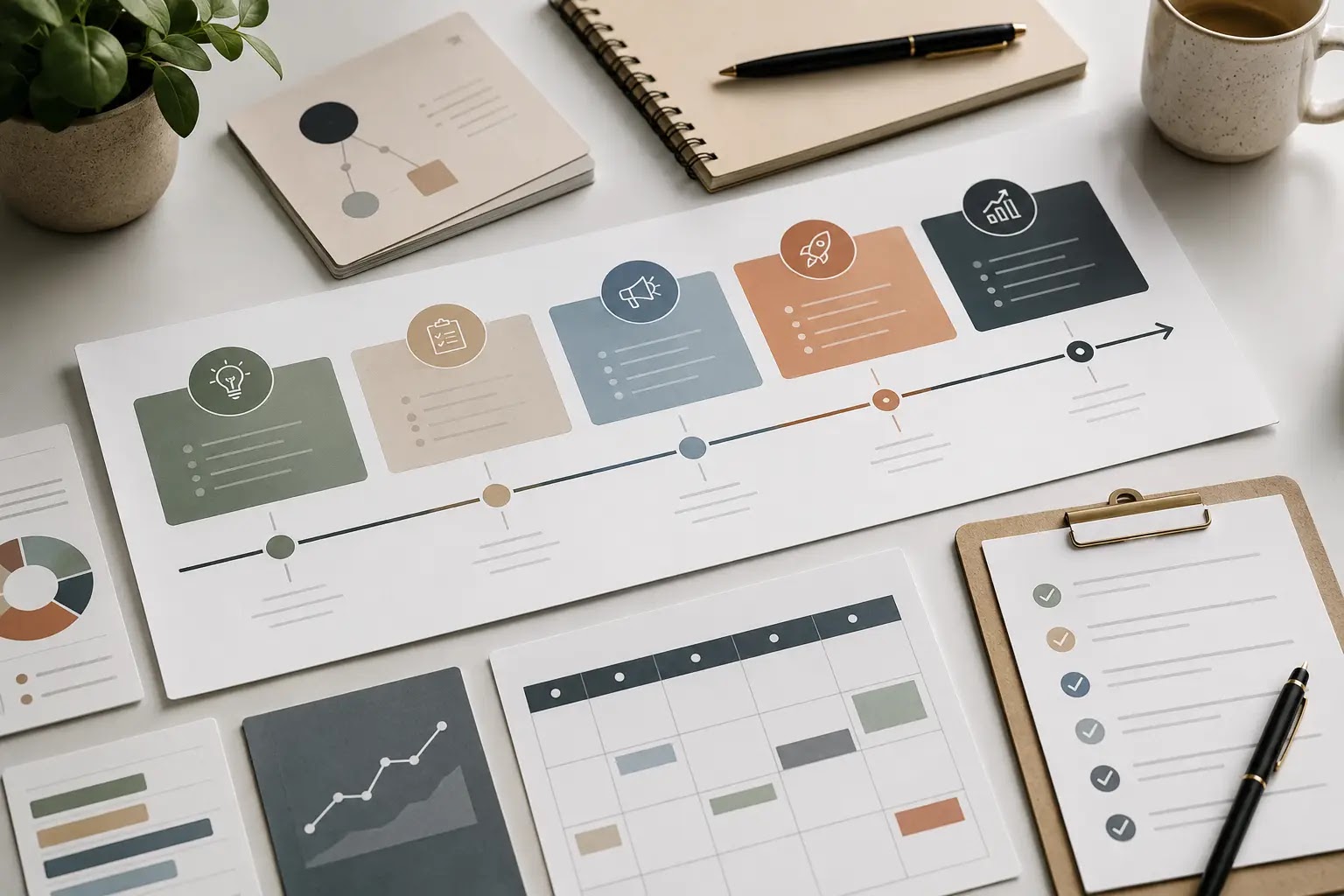
How should founders map vending machine compliance costs into a usable budget?
For a U.S. vending machine startup, the practical budget is usually built from a few buckets: business and local registrations, machine- or location-specific permits if they apply, insurance, contract requirements, and ongoing renewal or compliance tracking. The exact mix depends on the city, county, state, property type, and product category, so the goal is to document the assumptions before you lock in locations or financing.
Which compliance inputs actually change the numbers?
| Planning area | Question to answer | Input to collect | Model impact | Verification source |
|---|---|---|---|---|
| Business registration and local licensing | What registrations or business licenses are required for the entity and operating locations? | Entity type, city/county jurisdiction, home base, and each machine’s operating area | Startup admin cost and renewal schedule | Secretary of state, city clerk, county business office |
| Sales tax and tax account setup | Does the business need a tax permit or sales tax account for vending sales? | State tax registration requirements and filing frequency | Setup cost, filing workload, and working capital timing | State department of revenue or tax agency |
| Health or food-related permits | Do the products or locations trigger health department review or food handling rules? | Product mix, packaging type, temperature control needs, and jurisdiction rules | Permit fees, inspection timing, and compliance labor | Local health department and state food regulatory guidance |
| Location and property agreements | What compliance terms does the property owner require before placement? | Access terms, electricity terms, insurance certificates, indemnity language, commission terms | Contract review cost, deposit exposure, ongoing site fees or commissions | Lease, license agreement, and landlord or site-owner term sheet |
| General liability insurance | What coverage limits or certificate wording does the site require? | Requested limits, named insured wording, additional insured requirements | Recurring premium and certificate management workload | Insurance broker quote and location contract |
| Product liability and spoilage exposure | Does the product mix increase the risk of claims, returns, or spoilage losses? | Perishable inventory share, shelf life, temperature monitoring needs | Premium level, shrink assumptions, and reserve for loss events | Carrier quote, vendor specs, and route operating logs |
| Workers’ compensation and contractor coverage | Will employees or subcontractors be servicing routes? | Headcount plan, wage mix, subcontractor status, and state rules | Payroll burden and annual insurance expense | Insurance advisor and payroll setup documents |
| Machine safety and maintenance records | How will the business document inspections, repairs, and incident response? | Maintenance schedule, service logs, lockout procedures, recall process | Repair labor, service contract cost, downtime reserve | Internal SOPs, technician records, and equipment vendor manuals |
| Commission and site fee terms | Does the contract require revenue share, rent, or a minimum guarantee? | Commission percentage, fixed site fee, payment timing, and escalation terms | Margin compression and breakeven volume assumptions | Signed site agreement and landlord correspondence |
| Recordkeeping and software | What records will prove compliance if a landlord, insurer, or agency asks? | Policy documents, certificates, invoices, inspection history, route logs | Admin time, software subscription, and audit readiness | Accounting system, document storage, and route software |
What is the founder workflow from research to documented assumptions?
- List every jurisdiction and location type first. Break the route into city, county, and state touchpoints so you can check the right licensing office and avoid assuming one rule covers all machines.
- Separate one-time setup items from recurring compliance costs. Put registrations, applications, and contract reviews in startup costs; put renewals, insurance premiums, and filing work in operating expenses.
- Collect the site-owner terms before signing. Ask each property owner for insurance certificate requirements, commission structure, access rules, electrical responsibilities, and any documentation they expect.
- Request insurance quotes based on the actual route plan. Share product mix, machine count, service model, and any employee or contractor use so the quote reflects the operating profile, not a generic placeholder.
- Match product type to permit and inspection questions. Snacks, beverages, fresh food, and temperature-sensitive inventory can trigger different local review points, so document the product list before selecting locations.
- Create a compliance file for each machine or location. Store licenses, insurance certificates, agreements, receipts, and inspection or service records together so you can respond quickly to a landlord, insurer, or agency request.
- Convert every requirement into a model input. Add line items for setup fees, renewals, premiums, legal review, contract deposits, and admin time so the budget reflects the full cost of staying compliant.
- Mark assumptions that need local verification. Flag any item that depends on city rules, vendor terms, lease language, or product category so it is rechecked before launch or acquisition close.
How should founders capture these assumptions for lenders, landlords, or partners?
Use the table above as the draft assumption set, then document each item with a source, date, and renewal timing. That makes the compliance budget easier to defend in a pitch deck, operating plan, or acquisition review, especially when a landlord or insurer asks for proof before installation.
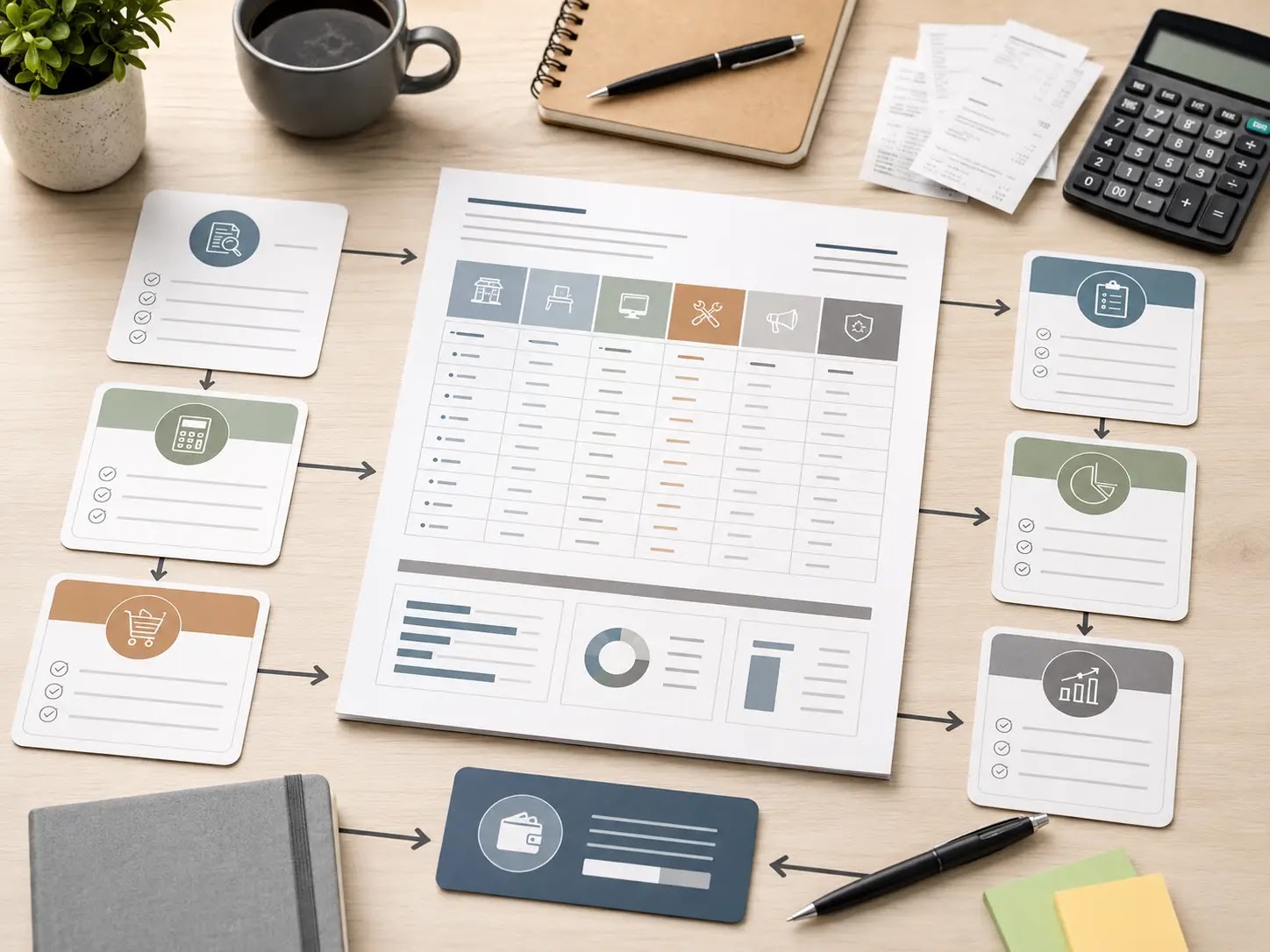
What compliance risks can change vending machine budget assumptions?
For a vending machine founder, compliance cost is not just a one-time filing fee. The bigger planning issue is how permits, insurance certificates, location agreements, software, and renewal work can change cash timing, route labor, and machine uptime. Those costs often show up as admin time, delayed openings, or added service visits rather than as a single line item.
The main budget tradeoff is between simplicity and coverage. A single-location route may be easier to document, but a multi-site route can require more certificates of insurance, more landlord review, more variation in site rules, and more follow-up when a machine is moved or replaced. If you sell different product types, the approval and recordkeeping burden can also change by jurisdiction and by site.
Build your assumptions around the most demanding location you expect to serve, then stress-test the rest of the route against that standard. That helps you protect working capital for renewals, repairs, replacement paperwork, and any delays tied to vendor terms or lease review. The next block can then turn those risks into a final action checklist.
| Planning risk | Why it matters in vending | Assumption affected | How to verify |
|---|---|---|---|
| Local permit or registration differences | Rules can change by city, county, or state, which can delay a machine launch or a route expansion. | Opening timeline, admin labor, and launch working capital | Check current local agency requirements and ask where vending machines are regulated. |
| Insurance certificate requirements | Some landlords, property managers, or site hosts may require proof of coverage before placement. | Insurance budget, approval timing, and site readiness | Request the site’s certificate language and confirm with your insurer or broker. |
| Lease or placement agreement terms | Commission terms, access rules, removal rights, and maintenance obligations can change route economics. | Net revenue per site, service frequency, and repair reserve | Review the written agreement and compare it with your operating assumptions. |
| Vendor terms for machines, software, or payment tools | Hardware warranties, software fees, payment processing, and support response times can affect uptime and cash flow. | Monthly operating costs, downtime reserve, and replacement timing | Ask for current terms, renewal conditions, and service-level expectations in writing. |
| Inspection, food-handling, or product-specific rules | If applicable, product mix may create added handling or documentation needs. | Inventory process, staffing time, and compliance follow-up | Confirm requirements with the relevant local authority before stocking the machine. |
For planning purposes, treat compliance as a recurring operating input, not a background detail. That keeps your financial model aligned with reality and makes your pitch-deck assumptions easier to defend if a lender, partner, or landlord asks how you handled permits, insurance, and site approvals.
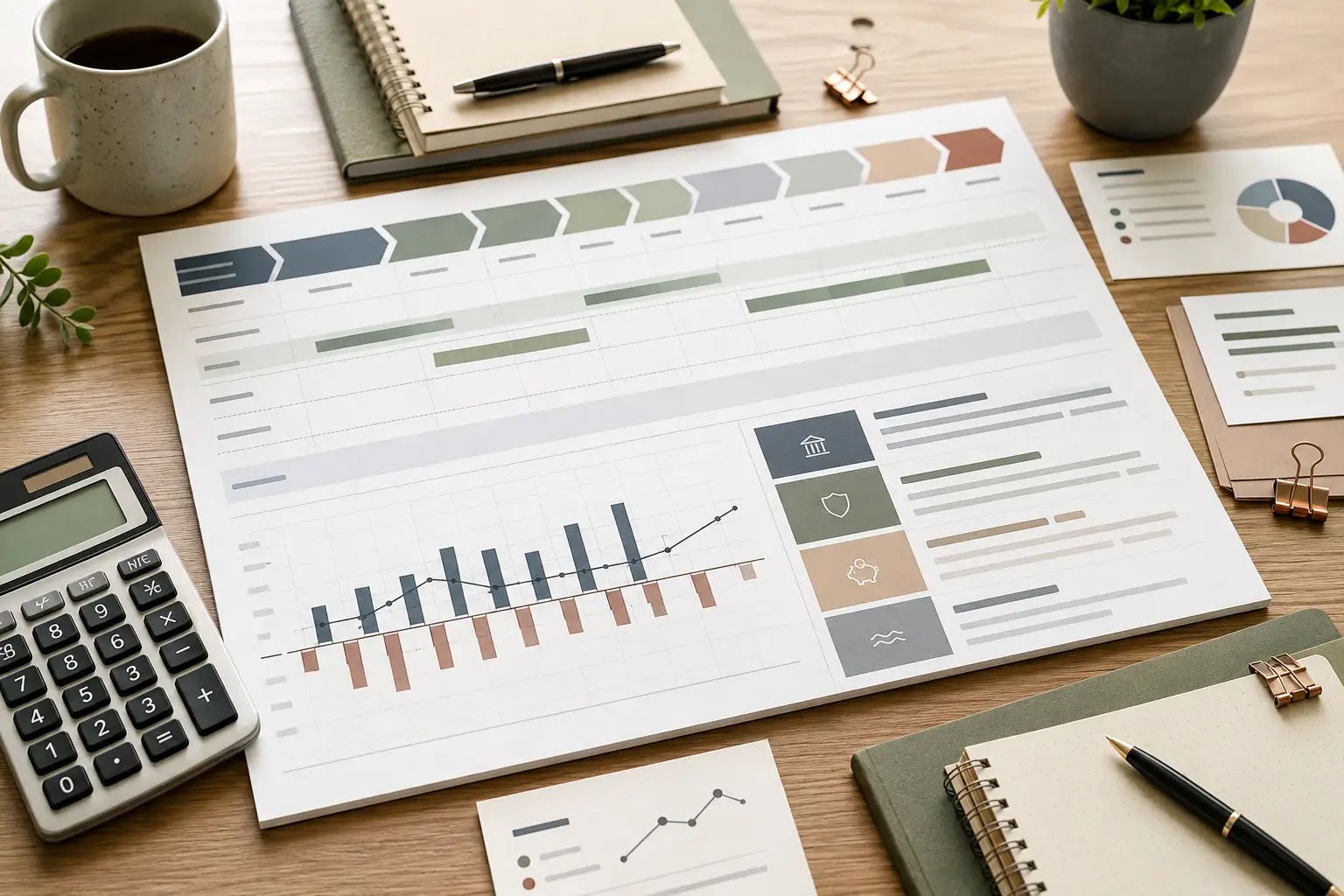
What should a founder do next before budgeting vending compliance costs?
For a U.S. vending machine venture, the practical move is to turn compliance from a vague line item into a documented operating assumption. That means confirming the local rules that apply to your machines and locations, then budgeting for permits, insurance, contracts, placement terms, and the admin work needed to keep everything current.
In other words: do not treat compliance as a one-time startup expense. It affects route economics, machine placement, inventory handling, service labor, software, and working capital.
| Readiness check | What to confirm | Why it matters |
|---|---|---|
| Local requirements | Licenses, permits, registrations, and any location-specific rules | These determine what must be budgeted before launch |
| Insurance needs | Coverage expected by landlords, site hosts, lenders, or vendors | Policy terms can affect launch timing and cash needs |
| Placement contracts | Commission terms, access terms, maintenance obligations, and renewal language | Contract terms shape margin and ongoing compliance work |
| Operating controls | Inventory tracking, machine servicing, cash handling, and recordkeeping | These reduce avoidable risk and support reliable operations |
| Working capital | Cash available for permits, insurance, repairs, route mileage, and replenishment | Compliance can create early cash strain even when sales are coming in |
Next-step checklist: verify your local requirements, request landlord or site-host terms in writing, gather insurance quotes, confirm contract obligations, and map each item to your startup budget and monthly operating model.
- List every jurisdiction where your machines will operate.
- Collect the current permit, license, and registration requirements for each location.
- Request written vendor, landlord, or site-host terms before signing.
- Confirm insurance expectations and how they affect launch timing.
- Build compliance, repair, mileage, and admin costs into your route-level assumptions.
- Set aside working capital for delays, renewals, and unexpected rework.
- Document the assumptions so they can be reviewed by partners, lenders, landlords, or advisors.
If you want to make those assumptions easier to compare, a business plan, financial model, pitch deck, checklist, and startup toolkit can help organize the numbers, compare scenarios, and present the plan clearly for partners, lenders, landlords, or advisors.
Final takeaway: budget vending compliance as an operating system, not a single fee, and verify every local requirement before you commit capital or sign a location.


