
How to Validate Demand for a Vending Machine Business
A practical U.S. planning guide for how to validate demand for a vending machine business, built for founders, buyers, and operators comparing assumptions before committing capital.

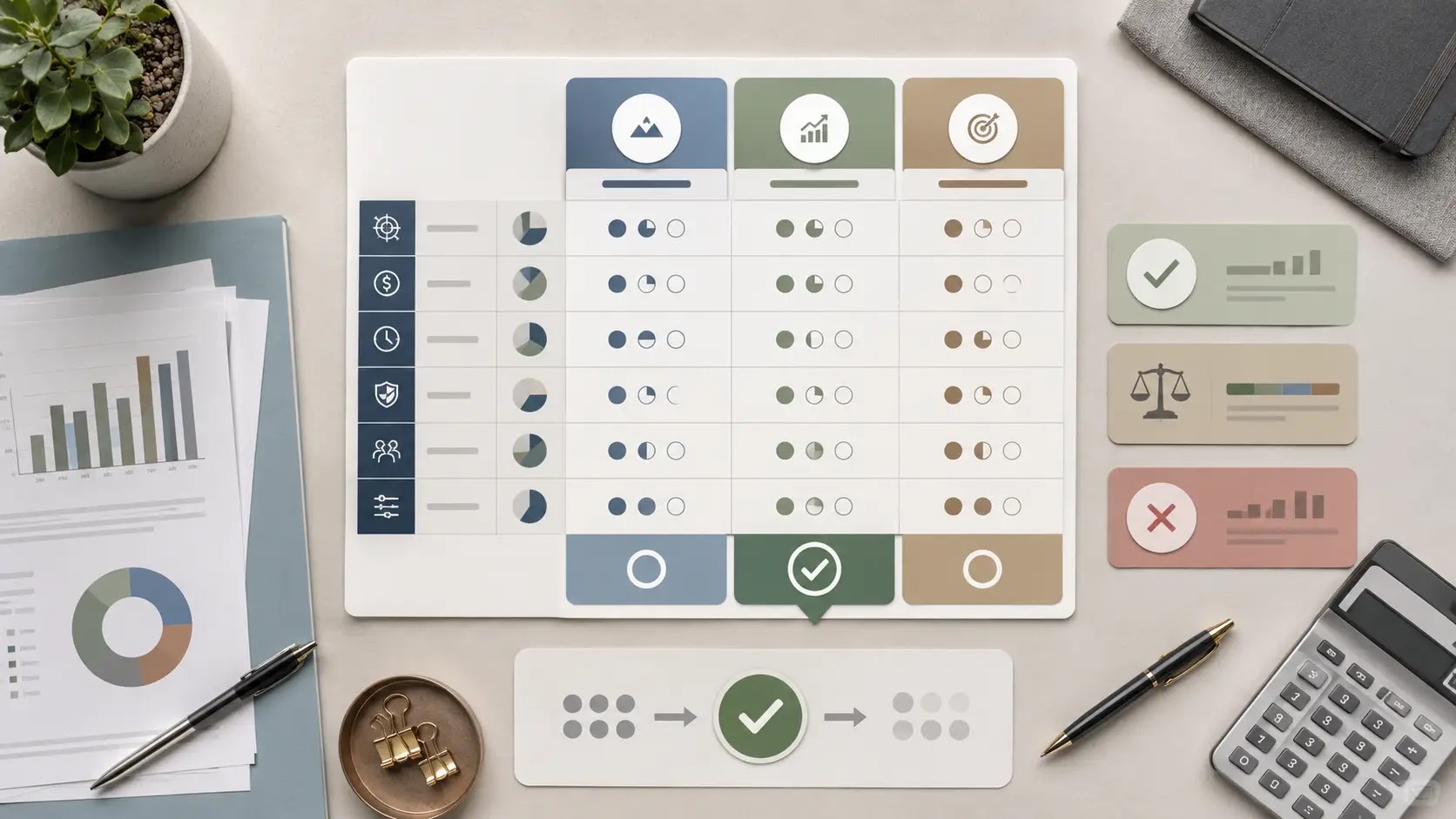
How do you validate demand for a vending machine business?
If you are deciding whether to start, buy, or expand a vending machine business, the real question is not whether vending is broadly popular. It is whether your specific locations, route economics, and vendor terms can support repeat sales after commissions, inventory, repairs, mileage, and working capital are included.
For a U.S. founder or buyer, demand validation usually starts with location-level proof: who uses the site, how often they buy, what they buy, and what the host site expects in return. That means checking the operating inputs that shape cash flow before you commit to machines, route time, or a lease.
This is especially important if you are building a pitch deck, a lender package, or an acquisition thesis, because the plan needs to show more than product demand. It needs defensible assumptions about machine count, stock mix, service frequency, and the cash needed to keep the route running while it ramps.
| What the reader is deciding | What must be verified locally |
|---|---|
| Whether this vending opportunity is worth launching, buying, or funding | Location traffic, site access, host expectations, local competition, route distance, machine condition, service needs, and current vendor terms |
- Lease or site terms: access, placement, revenue share, and how the location is approved.
- Equipment: machine age, reliability, payment systems, and repair exposure.
- Labor and route mileage: restocking time, service frequency, and travel cost.
- Menu economics: product mix, margins, spoilage risk, and category fit for the site.
- Permits and site rules: local requirements that affect placement or operation.
- Working capital: inventory, float, maintenance, and ramp-period cash needs.
- Funding readiness: whether the opportunity can support a lender or investor review with documented assumptions.
Next, the practical framework breaks these assumptions into the local inputs you should verify before you make a final decision.
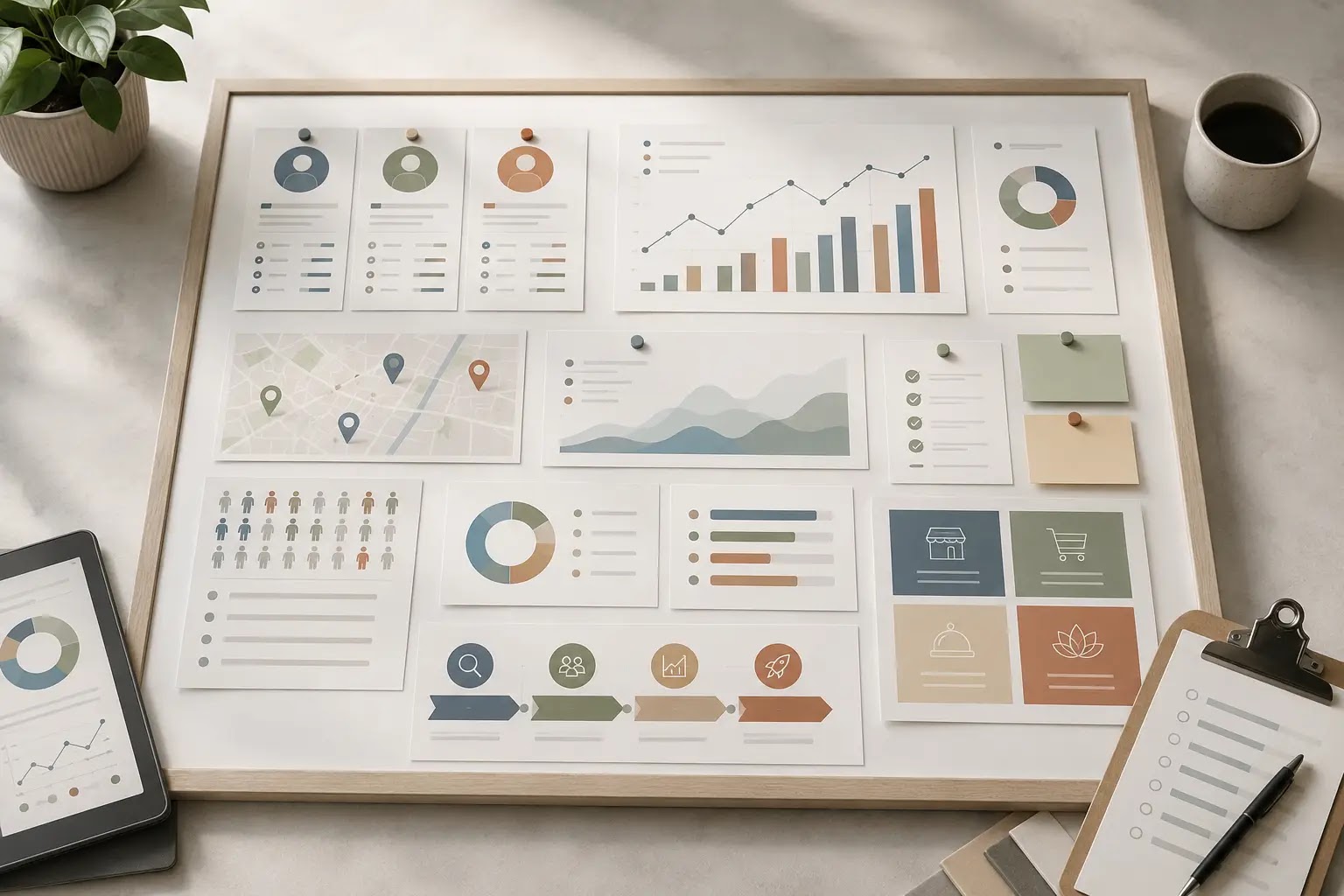
How should you validate demand for a vending machine business?
For a U.S. vending machine startup or acquisition, demand validation is not just “is there foot traffic?” It is whether a specific location, product mix, and route setup can support repeat sales after commissions, service time, spoilage, repairs, and payment-processing costs are considered. The goal is to document assumptions before you commit to machines, inventory, or location agreements.
What inputs matter most in feasibility planning?
| Planning area | Question to answer | Input to collect | Model impact | Verification source |
|---|---|---|---|---|
| Location quality | Does this site have the right traffic pattern for vending sales? | Observed traffic by daypart, dwell time, customer type, hours of access | Drives revenue per machine and placement priority | Site visits, property manager, on-site observation |
| Permission and terms | What does the location owner expect in exchange for placement? | Commission structure, exclusivity, contract length, machine restrictions | Affects gross margin and deal economics | Draft agreement, landlord or operator discussion |
| Product demand | Which items are likely to sell at this site? | Preferred snacks, drinks, healthy options, price sensitivity, package size | Shapes product mix, inventory turns, and shrink risk | Site user feedback, competitive scan, pilot stocking |
| Route logistics | How far and how often will machines need service? | Route mileage, stop count, refill frequency, access windows | Changes labor, fuel, and route efficiency | Route map, driving log, operator interview |
| Machine reliability | How much downtime should be expected? | Age of machine, service history, repair frequency, parts availability | Impacts lost sales, maintenance expense, and backup capacity | Inspection, maintenance records, technician quote |
| Payment and software | How will sales be tracked and collected? | Cash vs. card mix, telemetry need, software fees, processor terms | Affects collections, visibility, and ongoing fees | Vendor terms, processor proposal, route software demo |
| Working capital | Can the business cover inventory and operating lag? | Starting inventory, float, repair reserve, deposit requirements | Determines launch readiness and cushion for early variance | Supplier quotes, cash-flow assumptions, lender or buyer docs |
What is the practical workflow from research to documented assumptions?
- Map target sites. Build a short list of locations by customer type, access hours, and expected dwell time.
- Observe demand on site. Visit at different times to confirm traffic patterns, purchase behavior, and competing food options.
- Test location terms. Ask what commission, exclusivity, machine size, or product restrictions the site will require.
- Estimate route burden. Document drive time, fuel use, stocking frequency, and whether one operator can service the route efficiently.
- Match product mix to the site. Note which beverages, snacks, or specialty items fit the audience and price sensitivity.
- Check machine condition and repair exposure. If buying a route or machine, review maintenance history, age, and any known service issues.
- Confirm payment and reporting setup. Identify whether cash-only, card-enabled, or telemetry-based tracking is needed and what it costs.
- Document assumptions in one place. Capture the inputs that will feed the business plan, financial model, and pitch deck so the numbers can be compared across locations.
Which assumptions should be documented before moving to modeling?
Vendor-terms check: if a site, supplier, or seller gives you terms verbally, write them down and verify them in current documents. Commission rates, machine-service expectations, inventory terms, software fees, and repair responsibilities can change the economics quickly.
Once these inputs are documented, the next step is to translate them into revenue ranges, operating costs, and downside scenarios so you can see whether the opportunity still works after commissions, repairs, route mileage, and working capital needs are included.
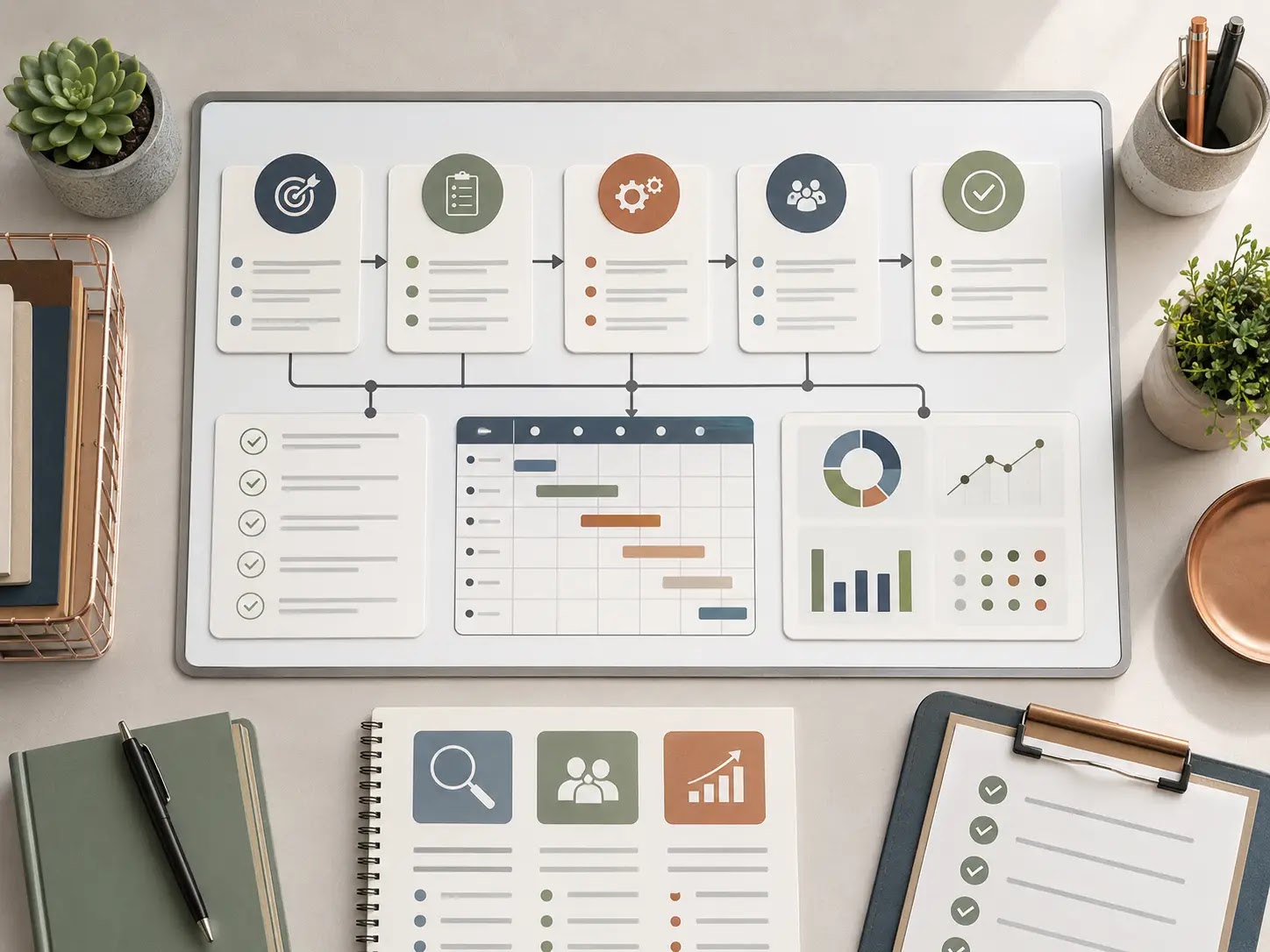
What tradeoffs matter most when validating vending machine demand?
For a vending machine business, demand validation is not just about whether people pass by a site. The real question is whether a specific location can support the product mix, refill cadence, machine uptime, commission structure, and route mileage needed to produce acceptable unit economics.
That is why startup and acquisition decisions often hinge on a few assumptions: how often the machine is stocked, how much inventory gets stranded or expired, how much service time repairs consume, and whether the location can hold traffic patterns long enough to justify the lease or commission terms. If any one of those inputs is weak, a site can look busy but still underperform.
In practice, the biggest tradeoff is usually between convenience and coverage. A better site may come with higher rent, tighter placement rules, or more competition; a lower-cost site may require more driving, more maintenance, and more frequent restocking to keep sales steady. Your model should reflect those tradeoffs before you commit capital.
High-traffic site, weak terms
Demand may be present, but commissions, lease terms, or access constraints can reduce margin and make the site harder to serve efficiently.
Moderate traffic, strong route fit
A location with predictable access, lower service friction, and nearby stops can outperform a busier site that is expensive to maintain.
Acquisition with unclear history
Past sales are useful, but verify stockouts, downtime, outdated product mix, and whether reported demand depended on the previous operator’s route support.
| Planning risk | Why it matters in vending | Assumption affected | How to verify |
|---|---|---|---|
| Overstated foot traffic | A busy building does not always translate into machine purchases if the machine is poorly placed or the audience is not a fit. | Sales per location, product mix, and payback timing | Observe traffic at different times, ask the location contact about use patterns, and compare with similar nearby sites. |
| Stockout or downtime risk | Empty slots, failed payment systems, or broken refrigeration can suppress demand even when interest is high. | Refill frequency, service labor, and repair budget | Inspect the machine history, review service logs if available, and check how often the route can realistically be serviced. |
| Weak route density | Too much drive time can erase the benefit of a promising location. | Fuel, labor, and route profitability | Map all candidate stops, estimate travel patterns, and verify whether multiple machines can be serviced on one trip. |
| Unclear commission or lease terms | Location costs can change the economics more than small differences in gross sales. | Gross margin and site-level contribution | Review current draft terms with the landlord or site host and confirm what is included in the arrangement. |
| Product mix mismatch | Customers may buy, but not the items you plan to stock. | Inventory turns, waste, and reorder cadence | Check nearby employee or visitor preferences, test small assortments, and compare sales by item category. |
As you pressure-test these assumptions, focus on the points that change cash flow fastest: how much inventory you must tie up, how often machines need service, how much commission or rent is due to the site, and whether the business can absorb a slow ramp without creating a working-capital gap. For acquisitions, also confirm that reported demand was not inflated by temporary conditions, such as a recent event, a short-term tenant mix, or an unusually attentive prior operator.
Once these tradeoffs are documented, the next step is to turn them into a final go/no-go checklist for site-by-site decisions, operator capacity, and startup funding readiness.
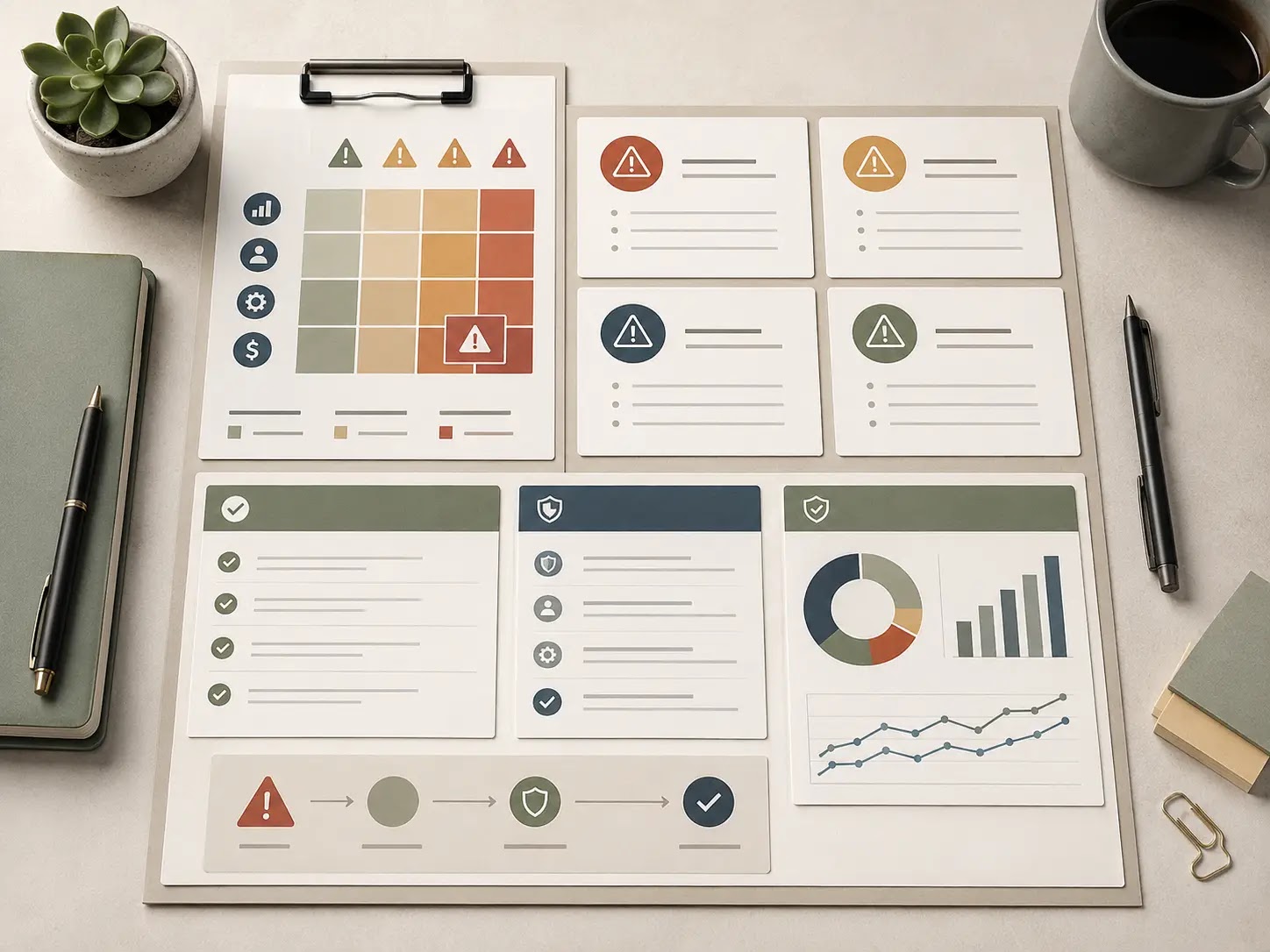
What should you do next if a vending machine route still looks viable?
For a U.S. vending machine business, demand validation is not just about whether people will buy snacks or drinks. It is about whether a specific location can support enough sales after commissions, restocking time, route mileage, spoilage, repairs, and working capital are included.
If the answer is still promising after those inputs, the next step is to turn the opportunity into a location-by-location plan, then test whether the numbers still work under slower sales, higher service time, and less favorable vendor terms.
Readiness scorecard
| Planning area | What “ready” looks like | What to verify next |
|---|---|---|
| Location demand | Real foot traffic, repeat visits, and a clear reason people will use the machine | Observed traffic patterns, hours of access, and competing food options |
| Route economics | Stops can be serviced without excessive drive time or fuel burden | Mileage, stop count, refill frequency, and travel clustering |
| Machine performance | Equipment can operate reliably with manageable repair and downtime risk | Machine age, parts availability, service history, and warranty status |
| Inventory mix | Product choices match the site and move fast enough to justify shelf space | Product preferences, price tolerance, and spoilage or shrink risk |
| Cash planning | There is enough working capital for inventory, service, and unexpected fixes | Startup cash, refill cash needs, and repair reserve assumptions |
Next-step checklist
- Reconfirm the strongest location candidates with current foot-traffic observations.
- Compare commission terms, access hours, and route efficiency across each site.
- Test conservative sales assumptions for slower turns or seasonal dips.
- Price inventory, repairs, software, and fuel into the same model before deciding.
- Check whether the route can be funded without stretching working capital too thin.
- Document the assumptions you would defend to a landlord, lender, partner, or buyer.
Final takeaway: A vending machine business is worth pursuing when the location, route, and inventory assumptions still make sense after real operating costs are included—not just when the machine itself looks easy to place.


