
How to Choose the Right Vending Machine Business Format
A practical U.S. planning guide for how to choose the right vending machine business format, built for founders, buyers, and operators comparing assumptions before committing capital.

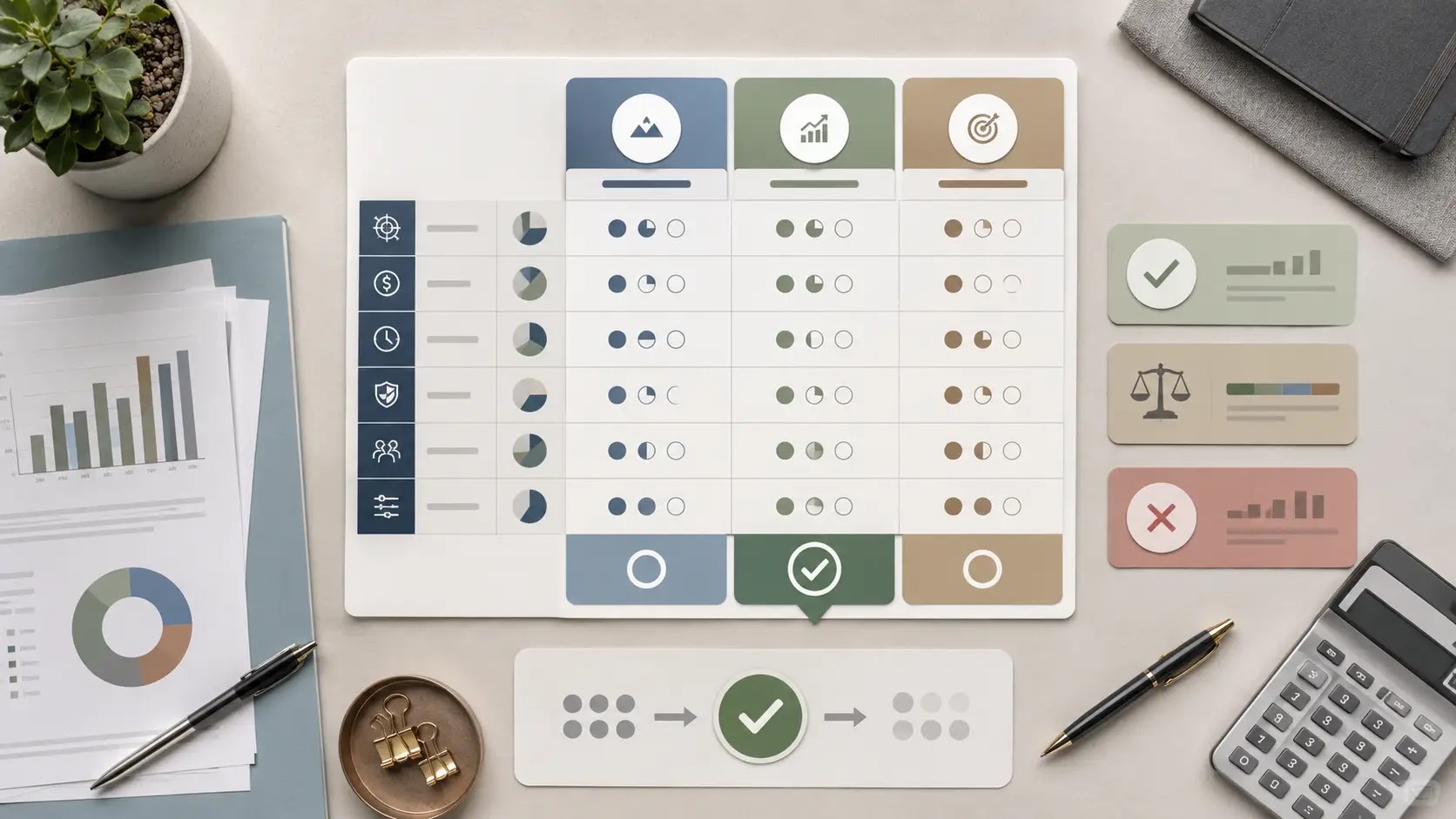
How do you choose the right vending machine business format?
If you are deciding whether to start, buy, or restructure a vending machine business, the right format is the one that fits your locations, route density, machine mix, and working capital plan. For most U.S. operators, the choice is less about the machine itself and more about whether the route economics can support commissions, inventory, repairs, service time, and any financing or lease obligations.
The practical question is whether the business can run with enough margin after you account for location terms, mileage, product spoilage or shrink, cash handling, software, and maintenance. That answer usually depends on local assumptions, so the format should be tested market by market instead of copied from a generic template.
| What the reader is deciding | Whether a vending machine business should be started from scratch, acquired, or built around a specific route, machine type, and location mix. |
|---|---|
| What must be verified locally | Location terms, commissions, lease or buildout needs, equipment availability, service radius, route mileage, inventory costs, permits, and funding terms in the target market. |
For a U.S. founder or buyer, the most useful format is the one that matches the actual operating burden. A small route with nearby locations may support a different setup than a larger, scattered route with higher travel time, more repairs, and more working capital tied up in inventory and cash flow timing.
That is why the first pass should focus on assumptions, not enthusiasm. Before you compare formats, confirm the factors that can change the economics of the business and the amount of capital you need to stay liquid during launch.
- Lease/buildout: location access, placement terms, utilities, and any site preparation or space needs.
- Equipment: machine type, age, reliability, purchase or lease terms, and expected repair exposure.
- Labor: owner time, route servicing, restocking, maintenance, and any hired help.
- Menu economics: product mix, pricing, margins, spoilage, shrink, and payment-method mix.
- Permits: local registration, tax, health, or vending-related requirements that vary by market.
- Working capital: inventory, fuel, maintenance reserves, and cash needed before the route stabilizes.
- Funding readiness: whether the business can support lender or investor review with clear assumptions and documentation.
Next, use a practical framework to test which format fits your numbers, your route, and your launch plan before you commit.
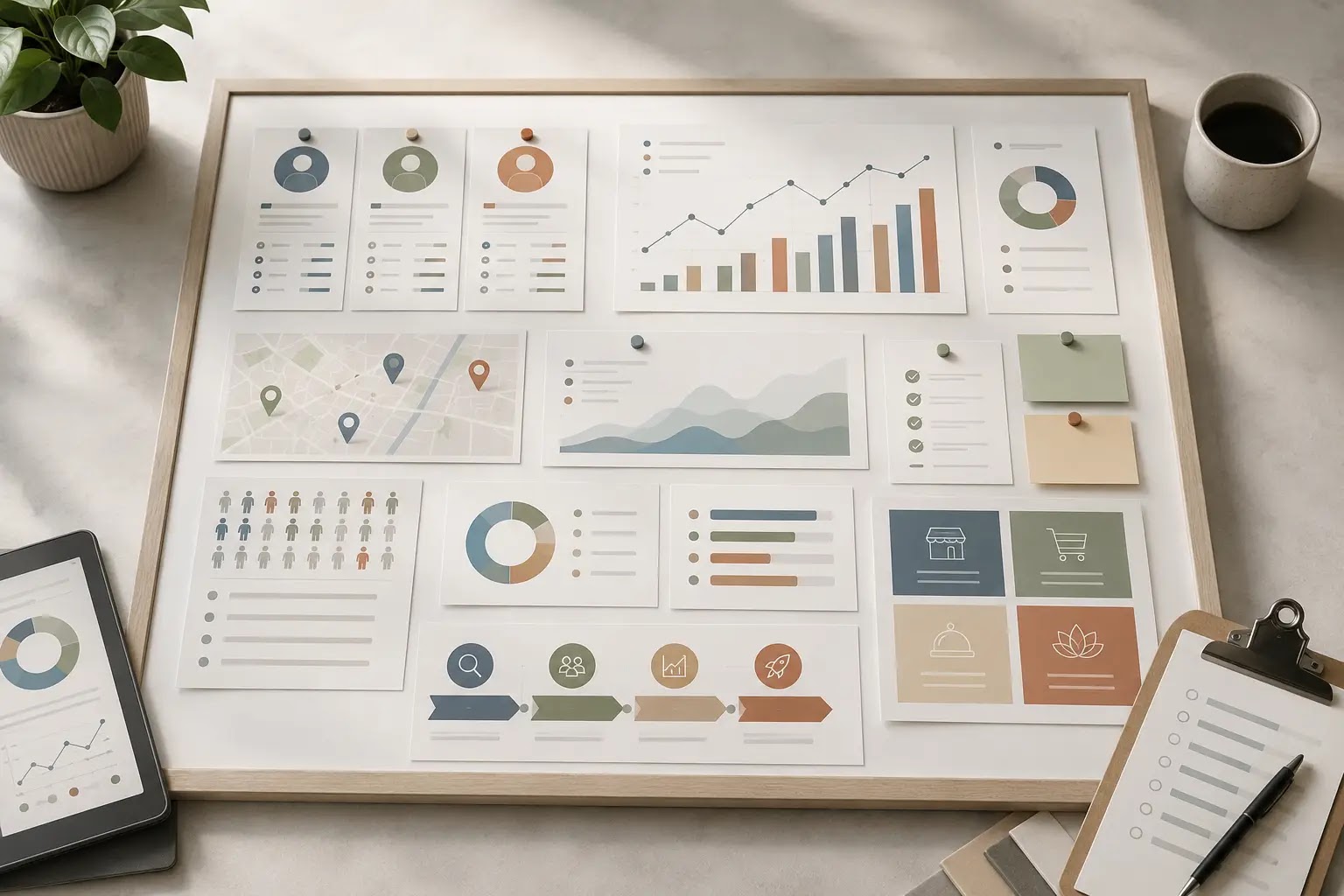
What framework should you use to choose a vending machine business format?
For startup feasibility, the best vending format is the one that matches your route density, site access, machine mix, service frequency, and working-capital limits. The format choice changes how much inventory you need, how far you drive, how often you repair machines, and how quickly sales can cover commissions and operating costs.
Which assumptions should you verify before you commit?
| Planning area | Question to answer | Input to collect | Model impact | Verification source |
|---|---|---|---|---|
| Site access | Can you service the machine without friction? | Placement rules, access windows, loading path, elevator or dock constraints, and after-hours limits | Changes route time, labor efficiency, and practical refill frequency | Property owner, site manager, and on-site walkthrough |
| Route density | How many machines can you service in a compact area? | Map of candidate locations, drive times, and whether stops can be clustered | Drives fuel, labor hours, and the economics of a solo route versus a multi-site route | Route map, local drive test, and site list |
| Machine mix | Which format fits the location: snacks, drinks, combo, specialty, or mixed route? | Machine type, capacity, payment technology, age, and expected maintenance needs | Affects upfront capital, repair exposure, refill frequency, and product assortment | Distributor quotes, seller records, and machine inspection |
| Inventory profile | What products will actually move in this location? | Expected product mix, package sizes, spoilage risk, and supplier lead times | Shapes inventory spend, shrink risk, and reorder cadence | Supplier terms, comparable site observations, and trial orders |
| Revenue structure | Will the site require commission, rent, or revenue share? | Site payment terms, placement incentives, and any required minimums | Directly lowers gross margin and affects breakeven sales volume | Draft agreement, seller records, and site owner confirmation |
| Service model | Will you restock yourself, hire help, or outsource part of the route? | Labor plan, service frequency, and technician availability | Determines labor cost, schedule flexibility, and response time for failures | Operator interview, labor quotes, and service logs |
| Maintenance risk | How much downtime can the format tolerate? | Repair history, warranty status, parts availability, and payment-device reliability | Changes expected repair spend and lost-sales risk | Inspection report, maintenance records, and vendor terms |
| Cash and software handling | How will you track sales, cash, and inventory? | Telemetry, card processing, cash collection process, and inventory tracking method | Impacts reporting quality, theft control, and replenishment decisions | Vendor demo, processor terms, and operational test run |
| Working capital | Can you fund launch inventory, repairs, and slow early sales? | Cash reserve, replenishment budget, and timing of first collections | Determines whether the format can survive the ramp-up period | Startup budget, bank statements, and funding plan |
How do you move from research to documented assumptions?
- List the format options you are actually considering, such as a single location, a clustered route, a purchased route, or a specialty machine setup.
- Walk each candidate site and record access constraints, operating hours, likely placement, and any site-specific payment expectations.
- Map the route and estimate drive time, stop sequence, and how many machines you can realistically service in one trip.
- Request quotes or seller documents for each machine so you can document age, condition, payment technology, and expected repair exposure.
- Build a product list for each format and confirm supplier availability, reorder timing, package sizes, and any items with higher spoilage or breakage risk.
- Collect service assumptions, including refill frequency, labor time per stop, and whether you will handle repairs yourself or use a technician.
- Document every assumption in one place so you can compare formats on the same basis instead of relying on optimistic site-by-site estimates.
- Keep the documentation clean enough to support a lender conversation, seller review, or pitch-deck discussion if you later need outside capital.
Once these assumptions are documented, the next step is to test how route mileage, commissions, repairs, product mix, and working capital change the economics of each format in the financial model.
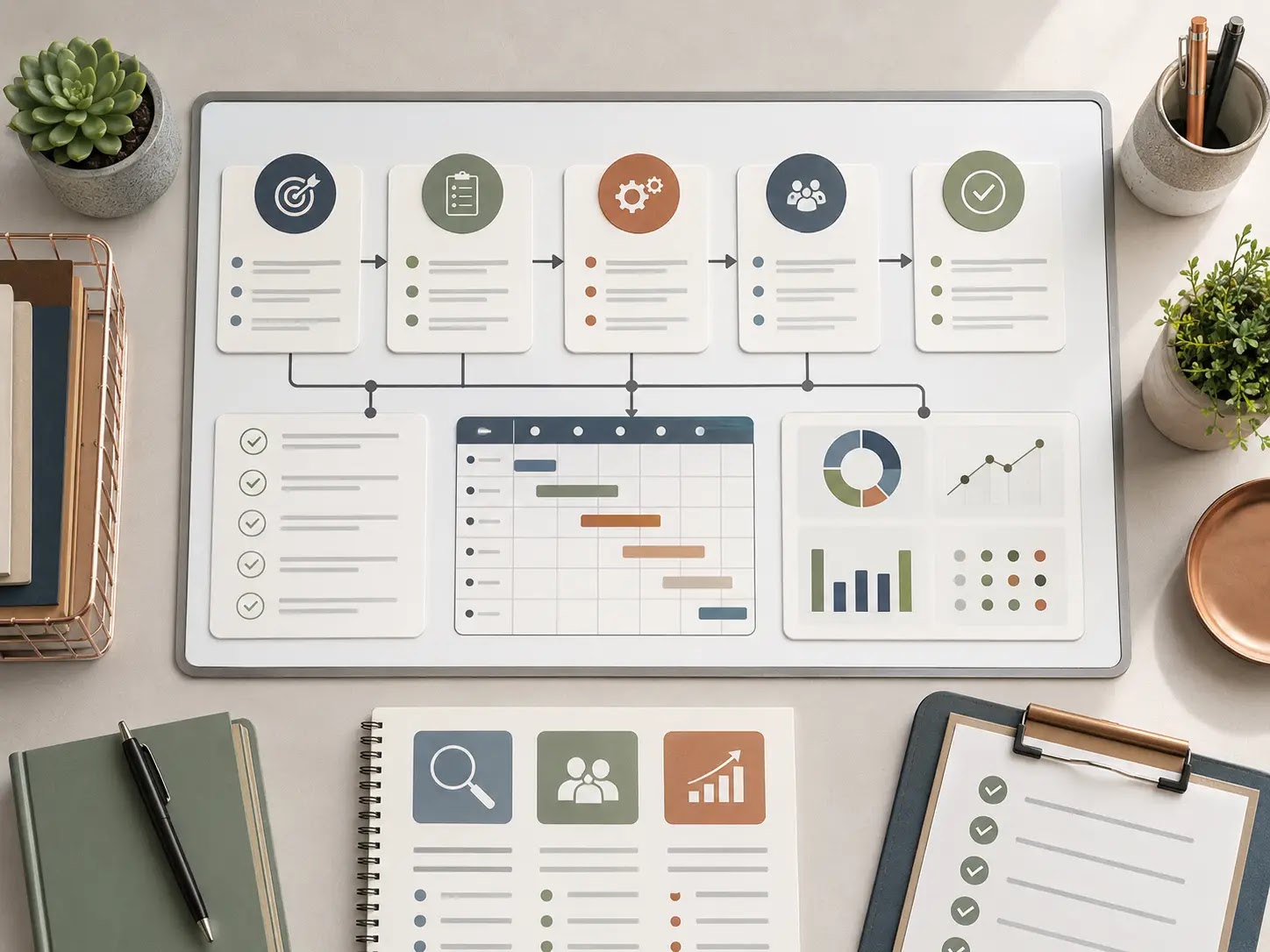
What tradeoffs should you pressure-test before choosing a vending machine format?
If you are deciding whether to start from scratch, buy a route, or build around a narrower machine mix, the real question is not just “what sells?” It is which format fits your cash, your time, your repair tolerance, and the amount of route management you can handle. A format that looks simpler on paper can become harder once you add restocking frequency, mileage, commissions, inventory spoilage, and service calls.
The best choice usually comes from comparing assumptions, not chasing the lowest entry price. A newer operator may prefer a simpler setup that is easier to learn and finance, while an experienced buyer may accept more complexity if the route already has site relationships, documented sales, and manageable maintenance needs. The format should match your working capital, staffing plan, and ability to monitor machine uptime.
Scenario tradeoffs to compare
Start small with a focused route
Best when: you want control, a gradual ramp, and simpler operations.
Main tradeoff: revenue may build more slowly, so cash planning matters.
Buy an existing route
Best when: you want established sites, existing machine placement, and less guesswork.
Main tradeoff: you must verify machine condition, site quality, and whether prior results are repeatable.
Specialize by machine type or site type
Best when: you want tighter inventory control or a clearer service model.
Main tradeoff: specialization can reduce flexibility if demand shifts or a location changes behavior.
Which assumptions are most likely to change the answer?
| Planning risk | Why it matters | Assumption affected | How to verify |
|---|---|---|---|
| Route density is too thin | Too much driving can erode margin and slow restocking | Fuel, labor time, and service frequency | Map sites, estimate mileage, and review route clustering before buying or signing |
| Site performance is overstated | Traffic quality and placement matter more than headline foot traffic | Sales per machine and payback timing | Check site history, placement conditions, and any available sales documentation |
| Maintenance is higher than expected | Repairs and downtime can reduce sales and increase service calls | Repair budget, uptime, and technician reliance | Inspect machine age, service records, warranty status, and common part availability |
| Inventory mix is not a fit | Product choice affects spoilage, shrink, and replenishment cadence | Inventory plan and cash tied up in stock | Test product mix by location type and review sell-through patterns with current vendors |
| Commission terms change the economics | Location payments can materially alter the unit economics of a machine | Gross margin and site-level profitability | Review signed agreements or draft terms with the location owner before finalizing the format |
| Software and monitoring are underbudgeted | Route management, telemetry, and reporting can affect labor efficiency | Operating expense and oversight needs | Compare vendor quotes, contract terms, and included features across providers |
At this stage, the goal is not to pick a perfect format; it is to eliminate the ones that break under real-world assumptions. Once those risks are tested, the final checklist can narrow the decision to the machine mix, site profile, route structure, and working-capital cushion that best fit your plan.
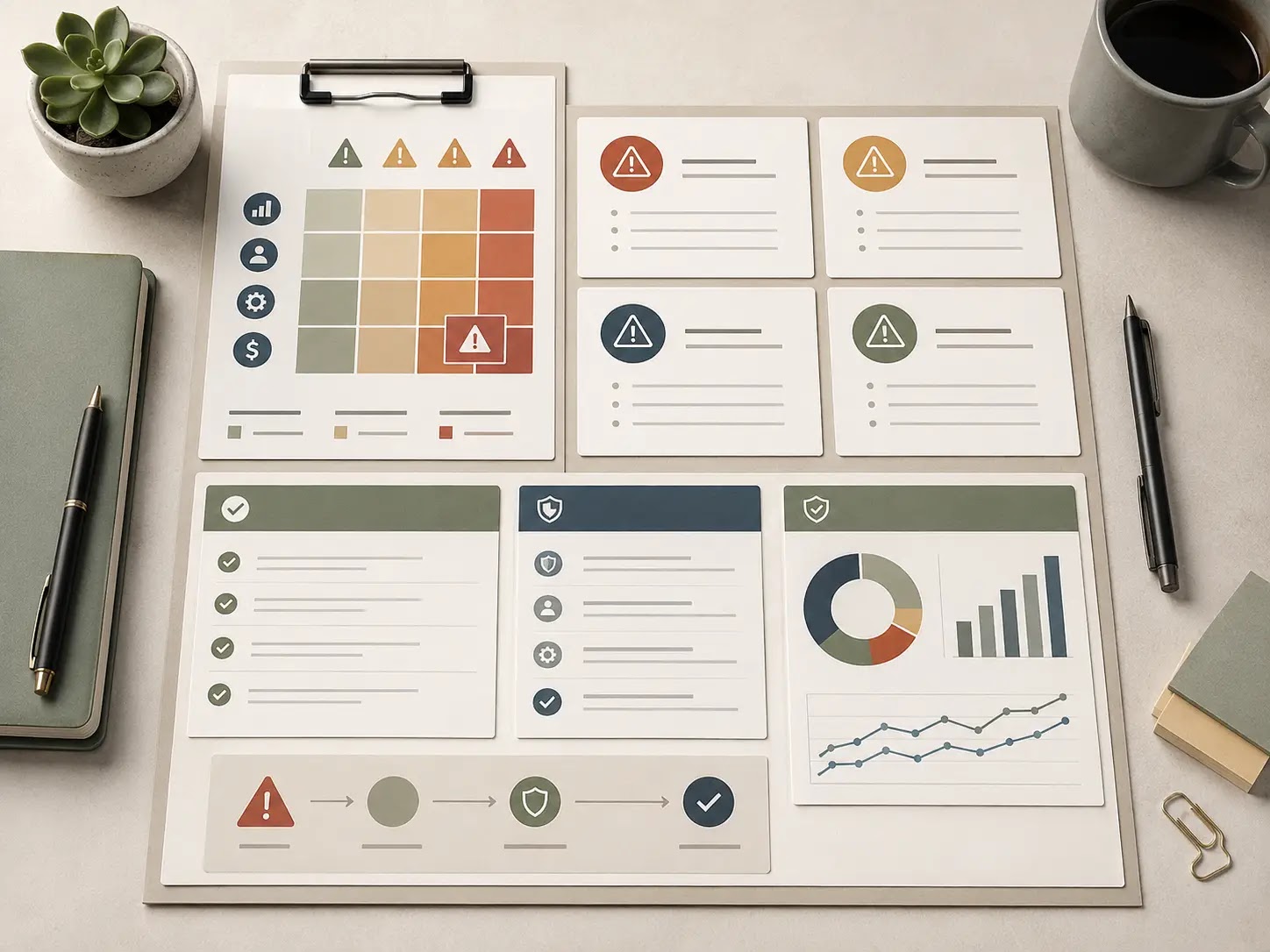
What should a vending machine founder or buyer do next?
The right format is the one that matches your capital, route capacity, and operating bandwidth. In practice, that means choosing between startup and acquisition, then checking whether the machine mix, location terms, inventory needs, mileage, repairs, commissions, and working capital still make sense after local verification.
If the numbers only work under optimistic assumptions, the format is probably too thin. If they still work after realistic assumptions, you have a format worth taking to the next step.
Decision readiness scorecard
| Decision check | What to confirm | Why it matters |
|---|---|---|
| Market fit | Which vending category fits the locations you can realistically reach | Drives demand, restocking frequency, and route design |
| Operating load | Whether you can handle service calls, maintenance, and refill timing | Shows if the format fits your time and staffing plan |
| Financial fit | Purchase price, machine costs, inventory, commissions, mileage, and repairs | Determines whether the business can support itself on your assumptions |
| Funding readiness | Whether your assumptions are documented for lenders, partners, or investors | Makes the project easier to evaluate and compare |
| Launch readiness | Vendor terms, route coverage, equipment plan, and cash reserve needs | Reduces avoidable delays after the first placement or acquisition |
Next planning steps
- Confirm the target format: startup, acquisition, or a hybrid path.
- Validate the local assumptions that affect revenue and costs.
- Compare route mileage, service time, and machine mix against your capacity.
- Test repair, replenishment, and inventory assumptions under a conservative scenario.
- Check whether the working capital plan can support the early operating period.
- Document the best case, base case, and downside case before you commit.
If you are turning the idea into a lender conversation, acquisition offer, or landlord discussion, a business plan, financial model, pitch deck, checklist, and startup toolkit can help organize assumptions, compare scenarios, and document the plan for partners, lenders, landlords, or advisors.
Final takeaway: choose the vending machine format that still works after you verify the local numbers, the route math, and the cash needed to keep machines stocked and serviced.


