
Vending Machine Quality Control Checklist
A practical U.S. planning guide for vending machine quality control checklist, built for founders, buyers, and operators comparing assumptions before committing capital.

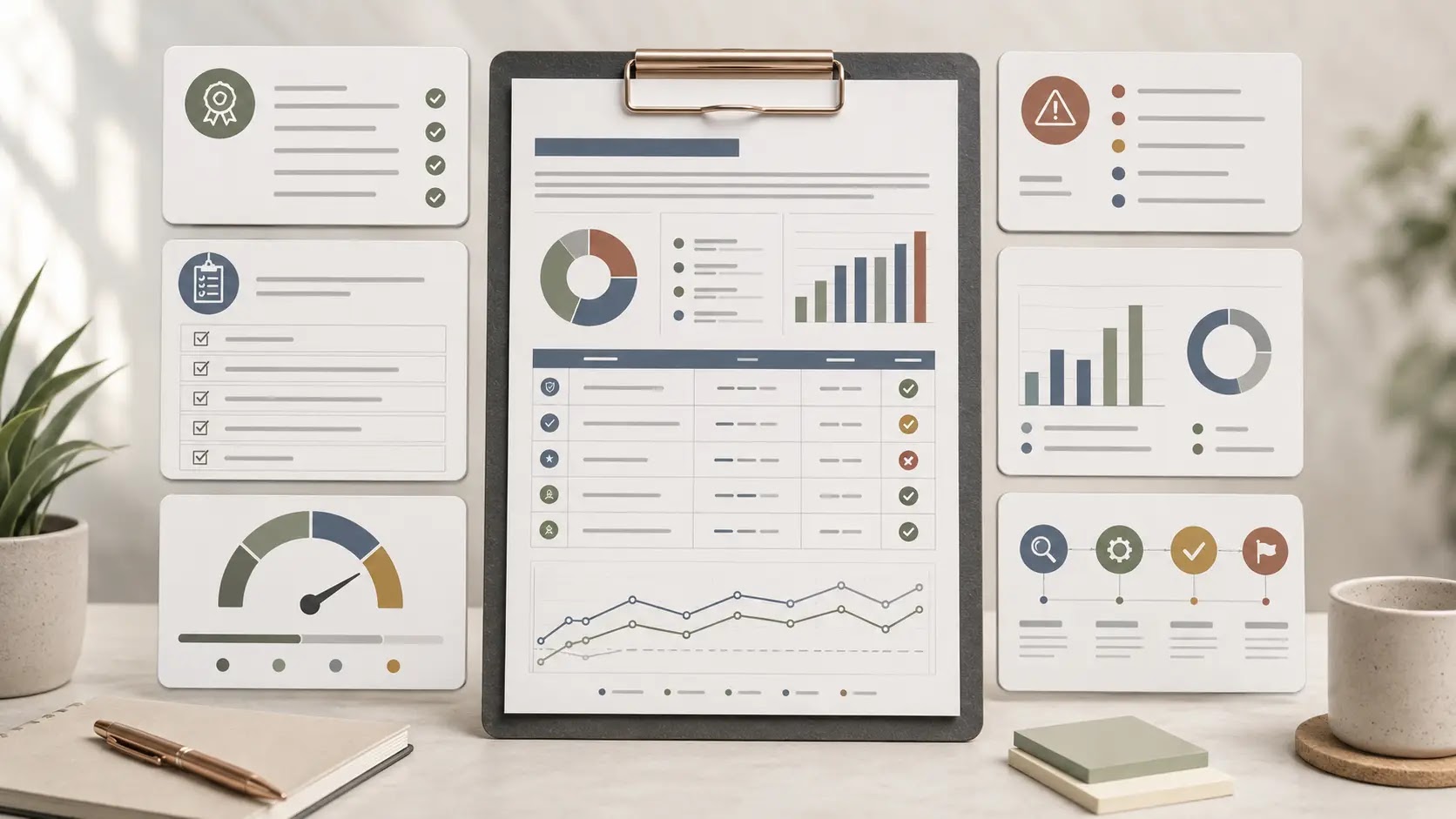
What should a vending machine quality control checklist cover?
If you are buying, launching, or tightening operations in a vending route, the checklist should do more than confirm that machines are stocked. It should help you verify whether the route can be serviced consistently, whether product quality is staying acceptable, and whether the operating assumptions behind staffing, mileage, repairs, and working capital still hold up.
For a U.S. vending business, the practical question is not just “Is the machine full?” It is whether the location, equipment condition, inventory mix, route schedule, and vendor terms are aligned well enough to support reliable service and documented reporting. That is especially important when you are preparing a startup plan, acquisition review, or funding discussion.
| What the reader is deciding | What must be verified locally |
|---|---|
| Whether the route can be operated with consistent quality checks and restocking discipline | Machine condition, site access, route mileage, inventory turnover, and service frequency |
| Whether the operating model supports staffing and working capital needs | Labor availability, supplier terms, product lead times, repair response times, and cash reserve needs |
| Whether the business can document quality for lenders, partners, or buyers | Reporting process, software setup, commission terms, and location-level assumptions |
That means the checklist should start with the assumptions that most often change the economics of a vending route: machine condition, inventory economics, route mileage, repair frequency, service labor, and whether the business has enough working capital to absorb delays or downtime.
- Lease or location access terms
- Machine condition and replacement needs
- Inventory mix and spoilage or shrink risk
- Labor time, route mileage, and service schedule
- Permits, site rules, and local operating requirements
- Working capital and replenishment timing
- Funding readiness, if the plan will be reviewed by lenders or investors
Next, the practical framework turns those assumptions into a clear operating review so you can decide what to verify, track, and standardize before scaling the route.
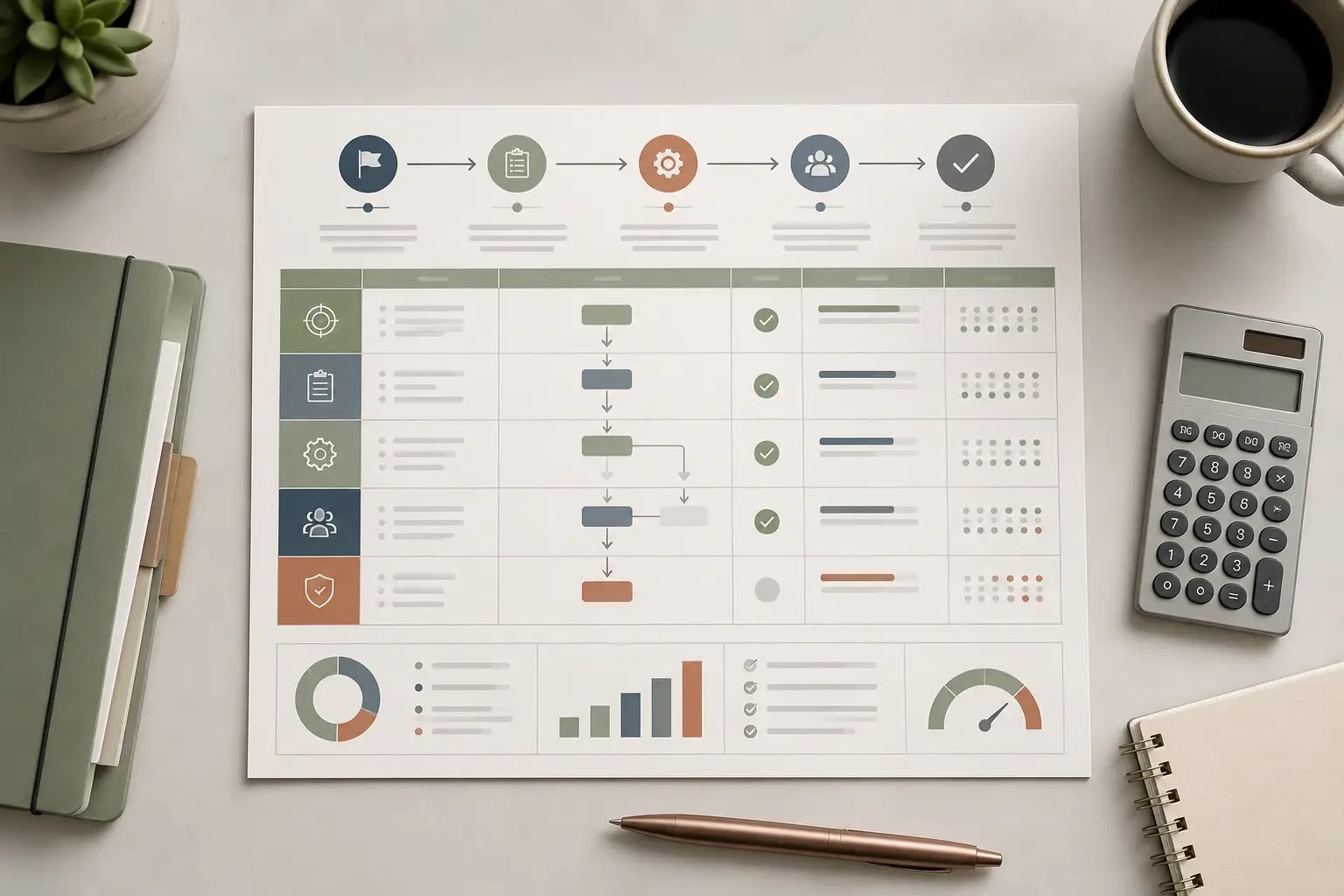
What should a vending machine quality control checklist actually track?
For a U.S. vending business, quality control is not just product freshness. It is the operating system that keeps each machine stocked, working, and worth the route time. The checklist should capture the inputs that affect service reliability, inventory loss, labor, mileage, commissions, and repair frequency so those assumptions can be documented before launch or acquisition.
Which operating inputs need to be verified first?
Use the checklist to separate what you can observe on the route from what you still need to confirm with locations, vendors, service records, and software reports.
| Planning area | Question to answer | Input to collect | Model impact | Verification source |
|---|---|---|---|---|
| Machine condition | Are the machines dispensing reliably and showing signs of wear? | Door seals, keypad/reader function, coin mechanism, bill validator, cooling performance, LED or display issues, cabinet damage | Repair budget, downtime, replacement timing | On-site inspection, service logs, technician notes |
| Product freshness | Does the stocked product still meet the standard for quality at pickup and refill? | Expiration dates, case rotation, damaged packages, temperature-sensitive item condition | Shrink, spoilage, discard rate, reorder timing | Manual inspection, supplier packing slips, inventory logs |
| Inventory balance | Are stock levels aligned with actual sell-through by machine? | Units sold by SKU, refill quantities, fast movers, dead inventory, stockout history | Working capital, route frequency, SKU mix | Vending software, manual count sheets, route reports |
| Route efficiency | How much time and mileage does each stop require? | Stop duration, drive time, miles per route, access windows, loading time | Labor, fuel, route density, scheduling assumptions | Route map, odometer logs, driver notes, dispatch records |
| Location terms | What service expectations or commissions affect each account? | Restock cadence, access rules, revenue share terms, payment timing, contact person | Net margin, cash flow timing, service level requirements | Location agreement, emails, account records |
| Payment system | Are readers and cash collection working without repeat issues? | Cash collection variance, card reader status, telemetry alerts, payout timing | Sales capture, reconciliation effort, cash handling risk | Cash logs, processor dashboard, machine telemetry |
| Maintenance response | How quickly can breakdowns be diagnosed and repaired? | Common failure types, parts on hand, service turnaround, vendor lead times | Downtime, reserve parts budget, emergency labor | Technician history, supplier quotes, internal SOPs |
| Software and reporting | Can the operator see sales, alerts, and inventory movement clearly? | Software access, alert settings, SKU tracking, export format, user permissions | Reporting cadence, decision speed, control quality | Platform demo, user account setup, report samples |
How do you turn route observations into documented assumptions?
- Inventory each machine by route. Record location, machine type, product mix, payment method, access hours, and who manages the site.
- Inspect condition at the stop. Note dispenser performance, cooling, cleanliness, signage, damaged parts, and any repeated service issues.
- Count and reconcile inventory. Compare what was stocked to what sold, then flag shortages, overstock, or product that should be rotated out.
- Log route time and mileage. Capture drive time, stop time, and the number of machines serviced so labor and fuel assumptions are tied to real routes.
- Record commission and access terms. Confirm any revenue share, service expectations, or schedule constraints that change the net return per location.
- Document repair patterns. List recurring failures, parts used, vendor response time, and any machines that should be repaired, replaced, or removed from the route.
- Track reporting gaps. Note whether sales reports, telemetry, or cash counts are complete enough to support weekly operating reviews.
- Convert findings into standard inputs. Store the verified assumptions in one place so future staffing, restocking, and replacement decisions use the same baseline.
What should be documented before moving into the financial model?
At this stage, the goal is not to forecast everything perfectly. It is to make sure each operating input has a source, a cadence, and a person responsible for checking it.
- Current machine condition and any known repairs
- Restock frequency by location and product category
- Route mileage, stop time, and labor needed per service cycle
- Inventory loss drivers such as spoilage, damage, or shrink
- Commission or location-share terms that change net sales
- Software access, telemetry coverage, and reporting gaps
- Cash collection and payment processing workflow
- Spare parts, vendor lead times, and maintenance response expectations
Next, those documented assumptions should feed the cost, revenue, and working-capital tradeoffs in Block 3, where the model shows how service frequency, repair risk, and route density affect the economics of the operation.

What planning risks change a vending machine quality control checklist?
For a vending machine operator, quality control is not just about clean fronts and full shelves. It also affects spoilage, stockouts, route mileage, repair timing, commission disputes, and how much working capital you need to keep inventory moving. A stricter checklist can reduce complaints and waste, but it can also add labor, service time, and more frequent stops.
The biggest planning tradeoff is usually between control and efficiency. If you check machines more often, you may catch expired items, coin or bill issues, and product gaps sooner, but your route costs can rise. If you stretch the schedule too far, you may save labor in the short term and lose sales, customer trust, or machine uptime later. That tradeoff should be reflected in your staffing plan, route design, and cash flow assumptions.
Machine mix also changes the risk profile. Snack, beverage, refrigerated, and specialty units do not carry the same inspection burden, repair pattern, or inventory sensitivity. Older machines, higher-traffic locations, and locations with shared access or limited delivery windows usually need tighter documentation so the operator can track what is happening and why.
Scenario: tighter QC schedule
Best when product freshness, uptime, and customer experience matter more than minimizing route time. This usually raises labor and mileage assumptions, but it can lower stockout and complaint risk.
Scenario: route-efficient QC
Best when machines are stable, locations are predictable, and you need lean operations. This can improve efficiency, but it requires stronger exception reporting so issues are not missed between visits.
Scenario: problem machine or problem site
Best when one location has repeated service issues, access problems, or higher shrink. That site may need a different restock rhythm, more oversight, or removal from the route if the economics do not hold.
Common planning risks to verify before finalizing the checklist
| Planning risk | Why it matters in vending | Assumption affected | How to verify |
|---|---|---|---|
| Stockouts between visits | Lost sales and weaker location relationships if popular items run out | Restock frequency, sales per stop, route labor | Review fill-rate logs, sales history, and item movement by machine |
| Expired or stale product | Quality complaints, waste, and higher write-offs | Shelf-life assumptions, inventory turns, working capital | Track expiration dates, case rotation, and removal records |
| Repeated machine faults | Service calls and downtime can erase margin on a location | Repair budget, technician coverage, uptime assumptions | Review repair logs, parts history, and vendor service terms |
| Route inefficiency | Extra mileage and labor reduce the value of each stop | Driver hours, fuel, stop density, route design | Map service routes and compare actual stop times to plan |
| Location access limits | Restricted hours or awkward deliveries can cause missed service windows | Scheduling, staffing, contingency visits | Confirm access rules with the location contact and lease terms |
| Commission or revenue-share disputes | Unclear terms can distort net revenue and reporting | Net sales assumptions, payout timing, location economics | Compare written agreements, meter data, and payout records |
Once these risks are documented, the checklist becomes a planning tool rather than a generic inspection list. That makes it easier to compare locations, justify staffing, and keep your assumptions consistent across the route.
The final action checklist can now turn these risk points into a practical go/no-go review for daily operations, restocking discipline, and reporting.

What should you do next with a vending machine quality control checklist?
The practical takeaway is simple: a quality control checklist only works if it is tied to how your route is actually run. For a U.S. vending operation, that means documenting machine condition, inventory checks, route mileage, repair response, commission terms, software tracking, and working capital so the plan matches day-to-day execution.
If those inputs are clear, you can turn the checklist into a repeatable operating standard for startup, acquisition, funding prep, or launch.
Readiness scorecard
| Readiness check | What you should have | Why it matters |
|---|---|---|
| Machine standards | Defined inspection points for cleanliness, product condition, and equipment function | Helps keep service quality consistent across locations |
| Route inputs | Estimated mileage, stop frequency, and service time per stop | Supports labor planning and route cost assumptions |
| Inventory control | Reorder rules, spoilage tracking, and stock count method | Reduces stockouts, waste, and shrink risk |
| Repair workflow | Who responds, how issues are logged, and when service is escalated | Limits downtime and protects revenue continuity |
| Reporting cadence | Weekly or monthly review of sales, service, and exceptions | Makes performance visible for owners, lenders, or partners |
| Funding readiness | Documented assumptions for machines, inventory, software, labor, and working capital | Improves decision-making for startup or acquisition planning |
Next-step checklist
- Convert the checklist into a standard operating procedure for each machine visit.
- Assign one person to log machine condition, product counts, and exceptions after every route.
- Track recurring issues by location so repair patterns and service gaps are easy to spot.
- Review route mileage, inventory turnover, and commission terms together instead of in isolation.
- Set a reporting cadence that makes underperforming machines visible early.
- Document the assumptions you would need in a business plan, financial model, or pitch deck before expanding.
If you are turning this into a lender, landlord, or partner conversation, a business plan, financial model, pitch deck, checklist, and startup toolkit can help organize assumptions, compare scenarios, and document the plan without overcommitting to numbers that still need local verification.
Final takeaway: treat quality control as an operating system, not a one-time list. When the checklist is tied to route data, repair response, and working capital planning, it becomes a practical tool for deciding whether the vending business is ready to launch, scale, or buy.


