
Vending Machine Management Team Section for a Business Plan
A practical U.S. planning guide for vending machine management team section for a business plan, built for founders, buyers, and operators comparing assumptions before committing capital.


What should the management team section say in a vending machine business plan?
| What the reader is deciding | Who will run route operations, machine placement, inventory control, repairs, cash handling, and vendor coordination well enough to support startup, acquisition, or funding readiness. |
|---|---|
| What must be verified locally | Lease terms, site access, equipment availability, repair response options, local labor costs, product pricing, permit needs, and working-capital requirements in the target market. |
For a U.S. vending machine business plan, the management team section should prove that the business has a clear operator for day-to-day execution, not just an owner with capital. Lenders, buyers, and partners want to see who will handle route mileage, restocking, machine downtime, supplier coordination, and basic reporting.
The strongest version of this section connects people to operating risks. That means showing who manages equipment, who tracks inventory and refill timing, who handles repair vendors, and who oversees cash controls or payment systems. If the business is still early-stage, the section can describe the owner-led plan plus outside support such as technicians, accountants, brokers, or route help.
In a pitch deck or funding package, this section should also make the operating model feel credible: the team must match the number of machines, the geography of the route, and the level of service the business expects to provide.
What assumptions change the answer?
- Lease/buildout: access, placement, utilities, and site-specific terms.
- Equipment: new or used machines, serviceability, and replacement timing.
- Labor: owner-operator time, route support, and repair coverage.
- Menu economics: product mix, refill frequency, and margin sensitivity.
- Permits: local requirements that may affect launch timing.
- Working capital: cash needed for inventory, repairs, fuel, and slow ramp-up.
- Funding readiness: documentation, lender expectations, and proof of operational control.
The next section turns those assumptions into a practical framework for writing the management team section and aligning it with the rest of the business plan.

How should the management team section be built for a vending machine business plan?
For a vending machine plan, the management team section should show more than ownership titles. It should prove who will keep machines stocked, routes covered, cash or telemetry reconciled, repairs coordinated, and locations managed when the business starts scaling.
For lenders, partners, and investors, the key question is operational coverage: can this team run the route, protect uptime, and document the assumptions behind labor, contractors, software, and working capital?
Which operating roles need to be documented?
| Planning area | Question to answer | Input to collect | Model impact | Verification source |
|---|---|---|---|---|
| Founder / general manager | Who makes the day-to-day operating decisions? | Relevant background, time commitment, route oversight duties | Owner labor assumption, management coverage, scalability | Resume, prior business experience, references |
| Route servicing | Who will stock machines, rotate product, and handle route mileage? | Service area, route frequency, travel plan, service hours | Labor, fuel, vehicle use, service capacity per route | Route map, vehicle plan, service schedule draft |
| Inventory purchasing | Who orders product and controls reorder timing? | Supplier list, minimum order needs, delivery lead times | Inventory cash needs, stockout risk, working capital | Vendor quotes, sample invoices, distributor terms |
| Collections and reconciliation | Who reconciles cash, card, or telemetry data? | Collection process, deposit workflow, audit trail, software use | Shrink assumptions, admin labor, reporting accuracy | Software demo, accounting workflow, internal controls outline |
| Repairs and maintenance | Who responds when a machine fails or needs parts? | Basic repair skill, outside technician option, parts sourcing | Repair reserve, downtime assumption, outsourced service fee | Service quotes, technician contacts, machine manuals |
| Location management | Who negotiates and maintains site relationships? | Decision authority, commission terms, contact cadence | Commission expense, route retention risk, location churn | Draft location agreement, site owner discussions, broker notes |
| Bookkeeping and reporting | Who closes the books and prepares lender-ready reporting? | Accounting software, monthly close process, advisor support | Admin labor, compliance support, funding readiness | Bookkeeper quote, software setup plan, CPA feedback |
| Outsourced support | Which functions will be contracted instead of hired? | Repair vendors, legal, tax, insurance, and bookkeeping support | Contractor fees, response times, fixed vs variable costs | Vendor proposals, draft terms, service-level expectations |
How do you move from research to documented assumptions?
- List every operating function the business must cover on day one, including stocking, collections, repairs, purchasing, and site communication.
- Assign each function to a named person or outside vendor, even if one founder is covering multiple roles at launch.
- Document the time commitment, travel radius, and service cadence needed for the initial route plan.
- Collect support for each assumption, such as resumes, vendor quotes, draft service terms, software demos, or location discussions.
- Identify the gaps that still need hiring, outsourcing, or training before opening.
- Write the section so it explains why the current team can operate the route and what backup coverage exists if volume grows.
- Flag the assumptions that will later feed labor, inventory, repairs, commissions, and working-capital planning.
Next: translate these operating and staffing assumptions into financial model inputs, scenario tradeoffs, and risk checks for labor, repairs, route mileage, and working capital.
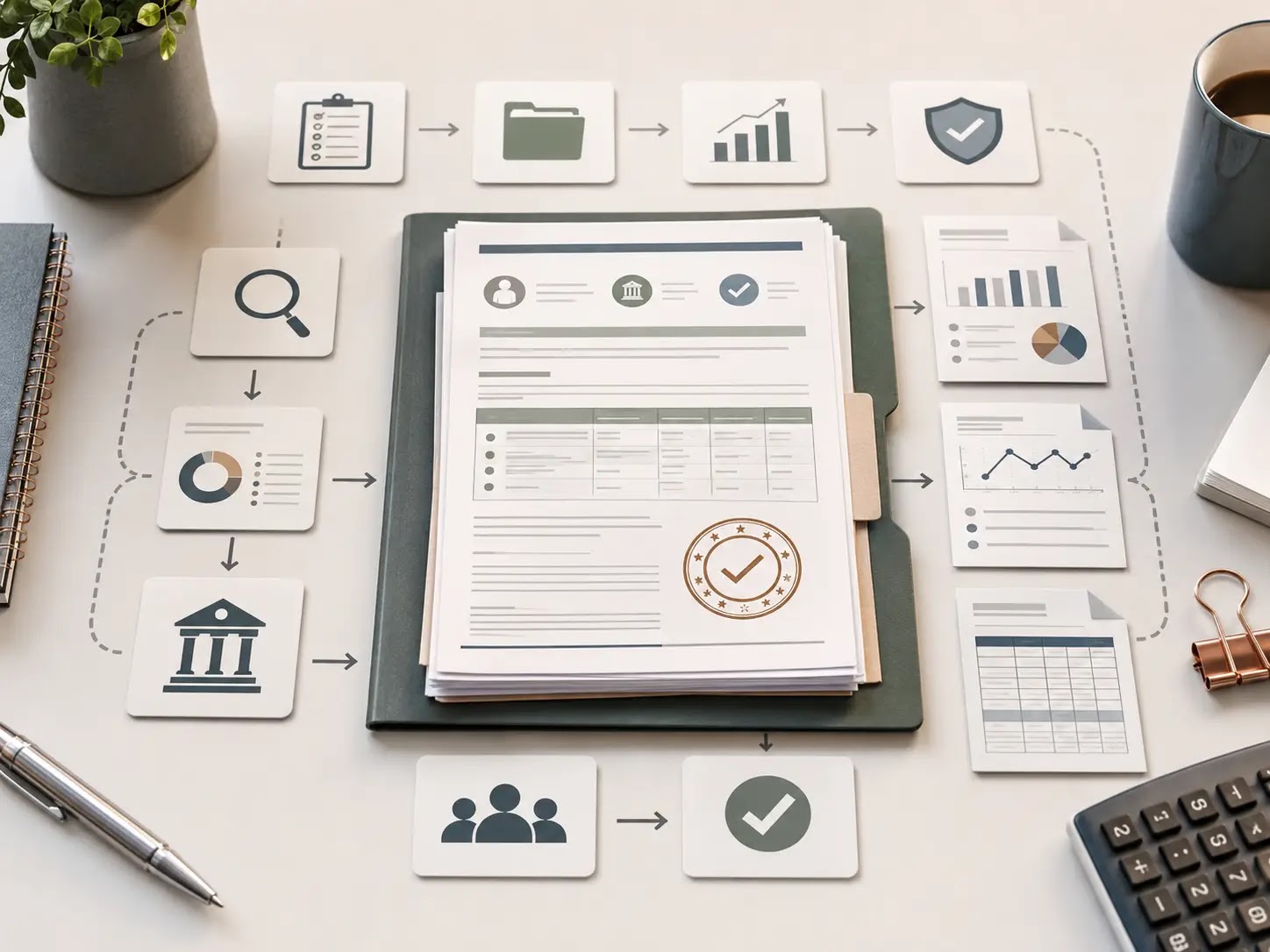
How should the management team section feed your financial model?
For a vending machine business plan, the management team section is not just a bio page. It should show who will cover route execution, inventory replenishment, machine repairs, vendor management, cash tracking, and growth decisions—and how those roles affect cost, service speed, and working capital.
The main planning question is whether the team structure supports the route count you expect, the travel distance you must cover, and the downtime risk if one person is out. If the model assumes owner-operator coverage, the cash need may look different than a plan that relies on hired route support, outsourced repairs, or a part-time bookkeeper.
Planning takeaway
In this section, tie each team role to a cost line in the model: labor coverage, mileage, software, repairs, inventory ordering, and management overhead. That makes the funding request easier to defend because the staffing plan and the cash plan match the operating plan.
What assumptions move the numbers most?
Route coverage
How many machines one person can service in a day, and how much drive time the route requires.
Labor structure
Owner-only coverage, part-time help, technician support, or outsourced service changes fixed monthly expense.
Machine downtime
Repair delays can reduce sales and increase the need for backup cash and vendor support.
Inventory and commissions
Product mix, spoilage risk, and location commissions affect gross margin and replenishment timing.
| Model input | What to estimate | Why it matters | What to verify locally |
|---|---|---|---|
| Labor coverage | Owner hours, helper hours, technician support | Drives payroll, service capacity, and route reliability | Actual availability, wage quotes, contractor terms |
| Route mileage | Average miles per service day or per week | Affects fuel, vehicle wear, and time per stop | Route map, fuel prices, vehicle costs |
| Repairs and maintenance | Expected service frequency and parts spend | Impacts downtime and reserve cash | Technician pricing, parts lead times, machine condition |
| Inventory cycle | Reorder timing, stock levels, shrink risk | Determines cash tied up in product | Supplier quotes, delivery terms, shelf-life constraints |
| Location commissions | Commission or revenue share by site | Directly reduces margin | Signed location terms and current market practice |
| Software and admin | Route software, payments, bookkeeping, reporting | Creates recurring overhead and operating discipline | Vendor terms, subscription pricing, service scope |
Simple planning worksheet: what changes cash need?
| Line item | Input to plug in | Formula use | Planning output |
|---|---|---|---|
| Startup capital | Machines, initial inventory, vehicle setup, software, deposits | Initial cash need | Total funding required before launch |
| Monthly operating burn | Labor, mileage, repairs, commissions, software, admin | Monthly burn = recurring costs minus gross margin | Cash runway estimate |
| Break-even sales | Fixed monthly costs and contribution margin per sale | Break-even = fixed costs ÷ contribution margin | Minimum sales target to cover overhead |
| Working capital | Inventory lead time, repair reserve, payment timing | Buffer for timing gaps | Cash cushion for normal delays |
Scenario check: what if route efficiency or sales mix shifts?
| Scenario | Route/service assumption | Margin pressure | Planning effect |
|---|---|---|---|
| Conservative | Longer drive times, slower replenishment, more helper hours | Higher | Needs more cash reserve and may reduce the number of machines supported early on |
| Base | Moderate route density with steady service cadence | Moderate | Supports a balanced staffing plan and a cleaner funding request |
| Aggressive | Dense route, efficient stops, limited repair delays | Lower | Improves runway on paper, but depends on verified locations and reliable uptime |
Risk checklist before you rely on the model
- Do not assume every machine will perform at the same level.
- Do not understate service time, mileage, or repair downtime.
- Do not forget commissions, payment processing, or software fees.
- Do not treat inventory as a one-time purchase; it recurs with sales volume.
- Do not use a staffing plan that depends on one person for every critical task without backup.
If you are preparing a pitch deck or loan packet, this section should show that the team can cover operations without relying on optimistic sales assumptions. A clean staffing-and-cash plan often strengthens the rest of the package.
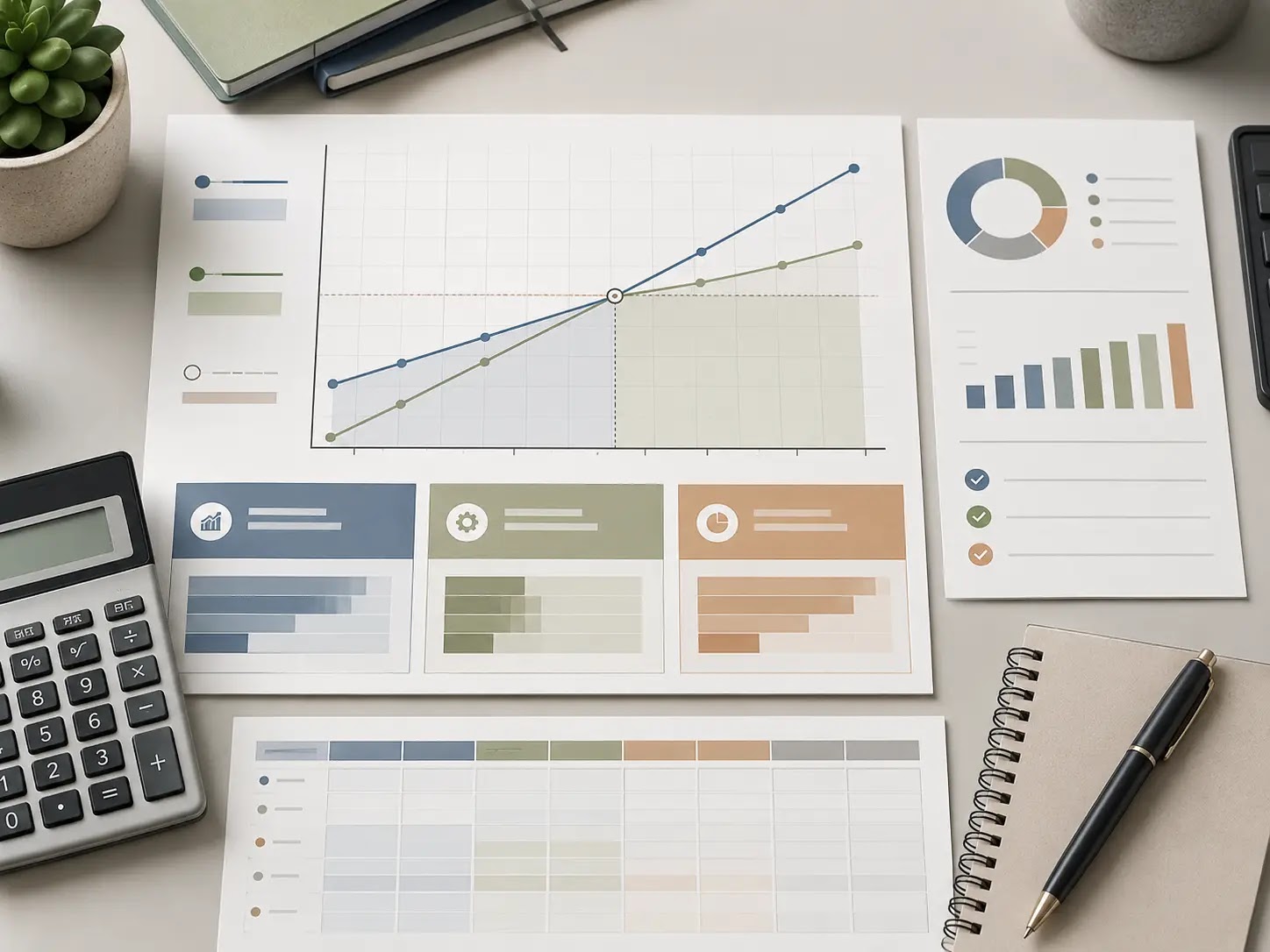
What should you do next with the vending machine management team section?
Practical recap: your management team section should show that the vending business has a realistic operator behind the numbers, even if the team starts lean. For a U.S. vending machine founder or buyer, the key question is not whether the team looks large; it is whether the people running route scheduling, inventory, machine service, cash handling, vendor coordination, and working-capital decisions are credible and clearly assigned.
Before you finalize the section, make sure it matches the rest of the plan: the route assumptions, machine count, repair load, commission structure, software tools, and local operating costs should all point to the same staffing story.
| Decision check | What to confirm | Why it matters |
|---|---|---|
| Role coverage | Who handles routing, stocking, collection, repairs, and customer/vendor communication | Prevents gaps in day-to-day operations |
| Operator experience | Relevant experience in vending, route-based service, retail ops, or equipment maintenance | Supports lender, landlord, and partner confidence |
| Labor assumptions | Whether labor is owner-operated, part-time, or outsourced | Drives staffing cost and time capacity |
| Vendor and service coverage | Who manages machine repairs, product suppliers, software, and service vendors | Reduces downtime and stockout risk |
| Working-capital discipline | Who monitors inventory spend, fuel or mileage, spare parts, and cash flow timing | Helps avoid operating shortfalls |
Next planning steps
- Confirm the exact people responsible for operations, route execution, and machine maintenance.
- Match each role to a real task, not a generic title.
- Check that the staffing plan fits the number of machines, service frequency, and route mileage you modeled.
- List the vendors and service providers that support stocking, equipment repair, software, and collections.
- Update the financial model so payroll, contractor fees, and owner time assumptions align with the management section.
- Review whether the plan still works if a key person is unavailable for a period of time.
- Verify local labor, vendor, lease, and insurance terms with current sources before you finalize funding materials.
Restraint on the commercial bridge: if you want this section to fit cleanly into a lender or partner package, a business plan, financial model, pitch deck, checklist, and startup toolkit can help organize assumptions, compare scenarios, and document the plan for landlords, advisors, and funding conversations.
Final takeaway: a strong vending machine management team section does not just name people; it proves the business can be run, serviced, and scaled with a clear operational owner structure.


