
Vending Machine Marketing Plan Section for a Business Plan
A practical U.S. planning guide for vending machine marketing plan section for a business plan, built for founders, buyers, and operators comparing assumptions before committing capital.

What should a vending machine marketing plan section answer in a business plan?
For a U.S. vending machine business, the marketing plan section should explain how the operation will win and keep machine locations, support route density, and produce enough sales per machine to justify inventory, service time, and travel. In practice, this is less about advertising and more about location acquisition, customer mix, product fit, and service reliability.
The business plan should show that the founder has identified the local assumptions that drive revenue and operating cost. Those assumptions usually include machine placement terms, site traffic, commission or revenue-share expectations, product pricing, refill frequency, repair exposure, and how much working capital is needed before cash flow stabilizes.
| What the reader is deciding | What must be verified locally |
|---|---|
| Which locations are worth pursuing | Foot traffic, access rules, host decision process, and whether the site is already served |
| Whether the route can support the machine count | Drive time, service intervals, fuel cost, and realistic route density in the target area |
| Whether the concept can support funding or startup capital | Machine pricing, inventory needs, commissions, maintenance expectations, and working capital coverage |
- Lease or placement terms for each location
- Machine purchase or lease assumptions
- Inventory mix and product pricing logic
- Labor time for stocking, cleaning, and repairs
- Permit and site-access requirements
- Working capital for inventory, cash handling, and downtime
- Funding readiness for lenders, partners, or buyers
For planning purposes, the strongest marketing section ties each location assumption to a cost and revenue assumption that can be tested in the financial model later. That makes the plan useful for a pitch deck, lender review, or acquisition screen without overstating what the business can do.
Next, the practical framework breaks those assumptions into the specific local inputs that should be collected before the numbers go into the model.
What should the vending machine marketing plan section prove?
A strong marketing plan section for a vending machine business plan is not just about “getting customers.” It should show how locations will be found, why they will convert, and how those choices affect route size, inventory, commissions, service time, and working capital. For lenders, partners, or acquisition buyers, the value is in documented assumptions—not vague promotion ideas.
Planning frame for this section
Use the marketing plan to connect site selection, product mix, and route operations to measurable assumptions you can defend in the business plan and funding package.
Which assumptions need to be documented first?
The most useful marketing inputs for a U.S. vending machine plan are local and operational: where the machines will be placed, who controls access, what the product mix should be, how often the route must be serviced, and what the location agreement requires. Those inputs change the economics of the route more than generic promotion language.
| Planning area | Question to answer | Input to collect | Model impact | Verification source |
|---|---|---|---|---|
| Target locations | Which sites are realistic for the first machines? | Site type, access hours, traffic pattern, decision-maker contact, competing machines | Location count, expected service frequency, launch pace | Site visits, property manager conversations, broker notes |
| Product mix | What items fit the customer base at each site? | Candidate SKUs, package sizes, supplier quotes, refill cadence | COGS, gross margin, inventory turns, spoilage risk | Vendor quotes, pilot tests, current machine audits |
| Location terms | What does each placement require from the operator? | Commission or revenue-share terms, rent, utility contribution, exclusivity, access rules | Location-level contribution margin and breakeven volume | Draft agreement, landlord or property manager discussions |
| Route density | How much driving and service time will the route require? | Map of stops, mileage, drive time, stop duration, service windows | Fuel, labor, route capacity, technician scheduling | Route mapping, field checks, calendar-based timing estimates |
| Equipment plan | Which machine types are needed for the target locations? | Machine format, payment system needs, warranty terms, repair support | Startup capex, maintenance reserve, downtime exposure | Distributor quotes, OEM specs, service agreements |
| Cashless and software | How will sales and inventory be tracked? | Telemetry platform, cashless device fees, accounting integration, alert settings | Admin labor, reporting quality, shrink control | Software demos, contract terms, trial setup |
| Inventory and reserves | How much working stock and spare parts are needed? | Opening fill, reorder cycle, spare parts list, restock timing | Working capital, cash tie-up, stockout risk | Supplier terms, opening order estimates, service history |
| Launch outreach | How will new locations be secured? | Lead list, outreach script, follow-up cadence, referral sources | Launch timeline, machine placement pace, sales labor | CRM notes, outreach logs, broker or landlord feedback |
How should a founder move from research to documented assumptions?
- Define the first service area. Map the neighborhoods, property types, and driving radius you can serve without stretching route efficiency.
- Build a target location list. Prioritize offices, industrial sites, schools, apartments, and other sites that fit your equipment and service model.
- Collect site-level terms. Ask what access, commissions, exclusivity, utilities, and operating hours each location expects.
- Match products to the site. Document the SKUs, package sizes, and supplier quotes that fit the likely customer mix.
- Estimate route workload. Record mileage, visit time, refill frequency, and service windows so labor and fuel assumptions are grounded in reality.
- Document equipment and software needs. Note machine formats, payment systems, telemetry, maintenance support, and repair coverage.
- Set inventory and working capital inputs. Capture opening fill levels, reorder timing, and spare parts needs so the plan reflects cash tied up in stock.
- Write the assumptions into the business plan. Keep each assumption tied to a source, a date, and a reason it belongs in the funding package.
Verification note: Location terms, supplier pricing, machine availability, route costs, software fees, and repair response times vary by market and vendor. Verify them with current local sources before you finalize the business plan or pitch deck.
Next, translate these documented assumptions into revenue, margin, and cash-flow scenarios so the financial model shows how the route performs under different launch and occupancy outcomes.
How should the financial model stress-test a vending machine marketing plan?
For a vending machine business plan, the marketing plan is not just about finding locations. It also drives the financial model: machine count, placement commissions, route miles, inventory turns, repair reserve, software, and the cash needed to stay stocked while sales ramp up.
If the plan depends on faster placement, better location quality, or higher-fill-rate routes, the model should reflect that with slower early cash generation, higher working capital, or more aggressive owner labor assumptions. Those are the assumptions lenders, partners, and buyers will pressure test first.
Revenue ramp risk
Fewer productive locations or slower machine placement can delay the sales curve even if the long-term route looks attractive.
Commission and access risk
Better locations may require higher commissions, revenue share, or more favorable vendor terms that reduce early margin.
Route efficiency risk
Long drives, low-density stops, and service delays can raise labor and fuel burden before the route becomes efficient.
The practical question is whether your marketing plan produces enough machine-level gross profit to cover route operations and still leave cash for inventory, repairs, and a reasonable runway.
| Planning input | Illustrative placeholder | Why it matters in the model | Verify with |
|---|---|---|---|
| Machines in service | Projected machine count | Drives gross sales, service load, and stocking needs | Signed placements, route map, acquisition schedule |
| Average sales per machine | Per-machine monthly revenue estimate | Sets top-line revenue and informs break-even timing | Comparable routes, customer foot traffic, product mix |
| Commission or location share | Revenue share or flat site fee assumption | Reduces gross margin and affects location selection | Negotiated vendor terms and site agreement |
| Inventory and spoilage | Restock spend per visit and waste allowance | Impacts cash tied up in product and margin leakage | Supplier quotes, product mix, turnover pattern |
| Route labor and mileage | Driver hours, fuel, and travel burden | Can turn a good sales route into a weak cash route | Route map, service frequency, wage assumptions |
| Repairs, software, and admin | Monthly operating overhead placeholder | Determines whether the model survives normal downtime | Vendor quotes, telemetry pricing, maintenance history |
| Starting cash reserve | Working capital cushion placeholder | Controls runway while placements ramp and collections stabilize | Bank balance, financing proceeds, owner capital |
What happens if the assumptions move?
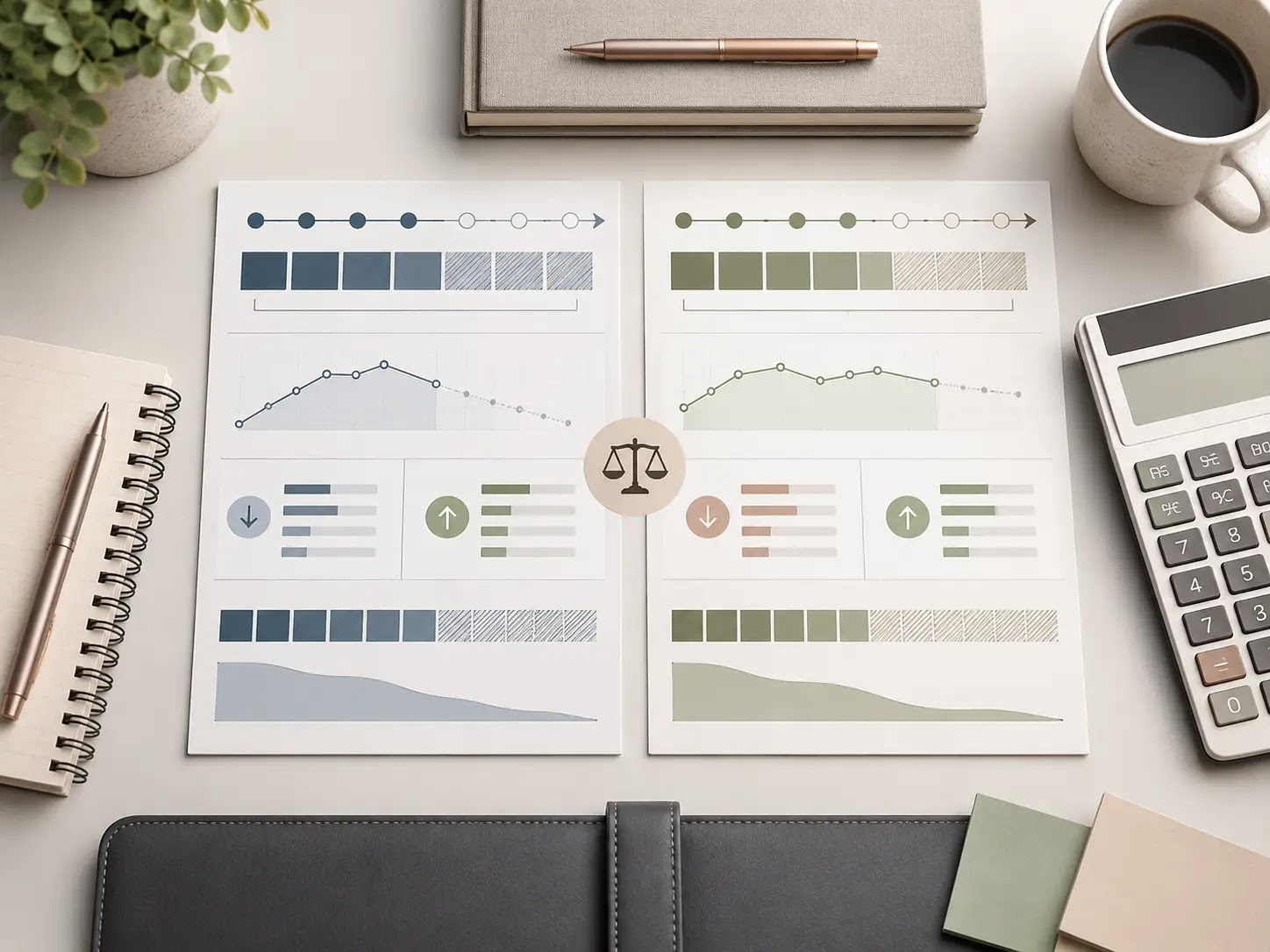
| Scenario | Sales ramp | Commission pressure | Route burden | Model takeaway |
|---|---|---|---|---|
| Conservative | Slower placement and lower early sales | Higher than expected | Longer drives, more service time | Needs more cash reserve and a slower break-even assumption |
| Base case | Planned pace with steady fill rates | As negotiated | Manageable route density | Supports a balanced funding request and operating plan |
| Upside | Faster placement and stronger location performance | Stable | Efficient routing and fewer service calls | Improves cash conversion, but should not replace the base case |
Warning
Numbers vary by market and must be replaced with current quotes, local requirements, and verified operating data. Machine prices, commissions, rent, labor, insurance requirements, tax treatment, software fees, financing terms, and permit or site requirements can change by city, property type, and vendor. Do not treat placeholder assumptions as approved budgets.
What should be verified before you use this in a pitch deck or funding package?
- Current machine and refurbishment quotes from suppliers or sellers.
- Actual route mileage, drive time, and service frequency for target locations.
- Site commissions, vending permissions, and any vendor-specific terms.
- Inventory pricing, spoilage exposure, and refill cadence by product mix.
- Software, telemetry, repair reserve, and working capital assumptions.
- Local rules or landlord requirements that affect placement, access, or operations.
These same assumptions should be the ones you document in the business plan, financial model, and pitch deck so the story stays consistent for lenders, partners, landlords, and advisors.
What should you do next after drafting the vending machine marketing plan section?
In practical terms, the marketing plan section should show how your vending locations, product mix, route coverage, and placement strategy turn into a believable operating plan. For a U.S. vending machine startup or acquisition, that means tying demand, commissions, service frequency, inventory, repairs, mileage, software, and working capital to the numbers in the rest of the business plan.
Use it as the bridge between the market story and the model. If the route logic, vendor terms, and placement assumptions are weak, the financial model will be weak too; if they are documented, the pitch deck and funding package become easier to defend.
What should be checked before you finalize the plan?
| Readiness item | What to confirm | Why it matters |
|---|---|---|
| Location strategy | Target sites, decision criteria, and expected placement type | Drives sales assumptions and route density |
| Product mix | Which snacks, drinks, or specialty items fit each site | Affects inventory planning and gross margin |
| Service plan | Route frequency, stocking time, and repair response process | Shapes labor, mileage, and downtime assumptions |
| Vendor terms | Commission structure, supplier terms, and service agreements | Changes cash flow and break-even timing |
| Working capital | Cash needed for inventory, deposits, fuel, repairs, and float | Determines whether the launch is realistically funded |
What are the next planning steps?
- Confirm the target site list and write down how each location will be won, serviced, and monitored.
- Translate placement assumptions into route mileage, stocking labor, spoilage risk, and repair reserve inputs.
- Update the financial model so revenue assumptions match the proposed route and product mix.
- Review vendor quotes, machine availability, and any location-specific terms before locking the forecast.
- Check that the startup checklist reflects deposits, inventory, software, equipment, and launch working capital.
- Prepare the pitch deck and lender or partner summary so the plan matches the assumptions in the model.
Is the plan ready enough to move forward?
- Yes: the route, inventory, and repair assumptions are documented.
- Yes: the model reflects mileage, commissions, and working capital needs.
- Yes: the site strategy is specific enough to verify with local operators or landlords.
- Maybe: the plan still depends on unverified local pricing or vendor terms.
- Not yet: the marketing section reads like a generic narrative instead of an operating plan.
If you are assembling a business plan, financial model, pitch deck, checklist, and startup toolkit, keeping them aligned can help you organize assumptions, compare scenarios, and document the plan for partners, lenders, landlords, or advisors.
Final takeaway: a strong vending machine marketing plan does not just describe demand; it supports the route, inventory, and cash flow assumptions that make the rest of the business plan credible for a U.S. founder or buyer.


