
Vending Machine Funding Options for U.S. Founders
A practical U.S. planning guide for vending machine funding options for U.S. founders, built for founders, buyers, and operators comparing assumptions before committing capital.
What is the practical way to fund a vending machine business?
For most U.S. founders, the right funding option depends less on finding a single “best” loan and more on matching capital to the actual vending plan: machine purchase or acquisition price, route mileage, stocking needs, repairs, commissions, and the cash cushion needed to operate before the route stabilizes.
If you are buying one machine, several machines, or an existing route, the funding question changes with the deal structure. Cash, equipment financing, seller financing, and business loans can all be workable in the right setup, but the terms, collateral, and approval requirements vary by lender, market, and deal type.
| What the reader is deciding | What must be verified locally |
|---|---|
| Which funding path fits the vending purchase, route, or startup plan | Machine prices, seller terms, lender requirements, and whether the location or route access supports the deal |
| How much money is needed beyond the equipment itself | Inventory minimums, repair reserves, route mileage, commissions, permit needs, and working capital requirements |
Which assumptions usually move the funding decision?
- Lease or location access, including any buildout or placement costs
- Equipment price, age, condition, and expected repair exposure
- Labor or service time for stocking, driving, and maintenance
- Menu economics, including product mix, commissions, and refill frequency
- Permits, landlord terms, and any local operating constraints
- Working capital for inventory, fuel, spoilage, and early cash-flow gaps
- Funding readiness, including credit profile, down payment, and documentation for lenders or sellers
Once those local inputs are clear, the practical framework is to compare each funding option against the same assumption set so you can see which path supports the route, the cash cycle, and the startup timeline.
What should a vending machine founder document before choosing a funding path?
For a U.S. vending machine startup or route acquisition, the funding question is not just “How much can I borrow?” It is “Which costs are one-time, which are recurring, and which assumptions will change the amount of cash I need before the route stabilizes?” A fundable plan separates machine acquisition, inventory, delivery, route mileage, repairs, commissions, software, and working capital so the financing request matches the real operating setup.
Which assumptions should be verified first?
Lenders, partners, and buyers will look for documented inputs that explain how many machines are involved, how they will be stocked, how far the route will run, and what recurring obligations the business must cover even before sales are steady.
| Planning area | Question to answer | Input to collect | Model impact | Verification source |
|---|---|---|---|---|
| Machine acquisition | Are you buying new, used, or refurbished machines? | Dealer quotes, condition, delivery and install charges, payment timing | Upfront capital need and depreciation or replacement planning | Vendor quotes, seller disclosures, inspection notes |
| Inventory fill | What products will be stocked at launch? | Opening SKU list, fill quantities, supplier pricing, refill cadence | Initial cash outlay and recurring inventory demand | Wholesaler quotes, distributor terms, pilot location sales |
| Route mileage | How far will the route run each week? | Location addresses, service frequency, estimated drive time and fuel use | Operating expense and labor time required per route | Map routing, site list, test drives, route logs |
| Location commissions | What will each site require for placement? | Rent, revenue share, minimum payment, or site-specific terms | Gross margin after site costs | Proposed lease, location agreement, landlord or site operator terms |
| Repairs and maintenance | What service risk should be reserved for? | Expected maintenance frequency, parts access, technician rates | Ongoing operating reserve and downtime allowance | Service vendor quotes, machine manuals, seller maintenance history |
| Payments and software | How will sales be tracked and collected? | Cashless payment hardware, software subscription, telemetry, processing terms | Recurring software and processing expense, reporting quality | Vendor proposals, processor terms, platform demo |
| Working capital | How much cash is needed before the route reaches steady operation? | Reserve for inventory turns, repairs, fuel, commissions, and slower ramp-up periods | Funding gap and liquidity cushion | Three-scenario operating budget and cash flow timeline |
How should a founder turn research into a fundable assumption set?
- List every machine, site, and route area that will be included in the first funding request.
- Collect written quotes for machines, delivery, installation, inventory, payment tools, and routine service.
- Document each location’s expected commission structure, access rules, and refill schedule.
- Estimate weekly route mileage, labor time, and fuel needs from actual site spacing, not from a generic average.
- Separate startup costs from recurring operating costs so the funding request matches the true cash need.
- Build a reserve assumption for repairs, product spoilage, and slower-than-planned launch months.
- Save the source for every key input so the business plan, financial model, and pitch deck use the same numbers.
With this framework documented, the next step is to test how the assumptions flow through financing scenarios, repayment capacity, and working-capital needs.
How do funding assumptions change the vending machine model?
If you are comparing personal capital, a small business loan, equipment financing, seller financing, or a partner buy-in, the real question is not just how much money you can raise. It is whether the funding package covers the route’s startup spend, replenishment cycle, repairs, commissions, and enough working capital to survive slow sales or delayed collections.
For vending, a weak funding structure usually shows up in the model as tight cash runway, underfunded maintenance, or not enough buffer for route mileage and labor coverage. That is why the funding ask should be built from operating assumptions, not just machine prices.
What usually drives the funding need?
- Machine acquisition or lease deposits
- Initial inventory and refill float
- Delivery, installation, and setup costs
- Software, telemetry, and payment system setup
- Route mileage, storage, and service labor
- Repairs, replacements, and downtime reserve
- Opening working capital for the first months
Common modeling risks
- Assuming every location performs like the best one
- Understating commissions or location-share terms
- Missing repair frequency or cashless payment fees
- Using ideal route density instead of real drive time
- Leaving no cash buffer for slow-start locations
Simple planning calculator: what should the funding package cover?
| Metric | Simple formula | What to plug in | Why it matters |
|---|---|---|---|
| Total startup funding need | Machine spend + setup + inventory + reserve + working capital | Current machine quotes, install costs, starter stock, software, route launch reserve | Sets the minimum amount to request or commit |
| Monthly operating burn | Fixed costs + route labor + mileage + commissions + repairs - gross profit | Location terms, service schedule, fuel/travel, maintenance assumptions, sales mix | Shows how quickly cash is consumed before the route stabilizes |
| Break-even sales | Monthly fixed costs ÷ contribution margin rate | Verified product margin, commission burden, payment fees, spoilage or waste | Shows the sales level needed before the route supports itself |
| Runway in months | Available cash ÷ monthly burn | Cash after closing, plus any working-capital reserve | Helps judge whether the capital stack is too thin |
Funding sensitivity: what changes the answer fastest?
| Scenario driver | Lower-pressure case | Base case | Higher-pressure case | Model impact |
|---|---|---|---|---|
| Route density | Fewer miles between stops | Moderate drive time | Long, scattered route | Changes labor, fuel, and service time |
| Location economics | Lower commission or better traffic | Typical shared revenue terms | Higher commission or weak foot traffic | Changes net margin and payback speed |
| Machine condition | Newer equipment with fewer repairs | Normal maintenance cycle | Used machines with higher downtime risk | Changes repair reserve and lost-sales risk |
| Inventory mix | Fast-moving items, low spoilage | Balanced mix | Slower-moving or more volatile items | Changes cash tied up in inventory |
Warning on local verification
Numbers vary by market and must be replaced with current quotes, local requirements, and verified data. Before you finalize any funding ask, confirm machine pricing, delivery and install terms, vendor payment terms, software fees, location commissions, repair coverage, insurance requirements, and any local permit or site-specific rules with current local sources.
What to verify before you lock the funding package
- Written machine quotes and lead times
- Starter inventory costs from current suppliers
- Route mileage and realistic service frequency
- Repair history for used equipment, if applicable
- Cashless payment and software fees
- Location commission or revenue-share terms
- Working-capital cushion for slow openings
If you are building a lender packet or pitch deck, keep these assumptions consistent across the financial model, funding request, and operating plan.
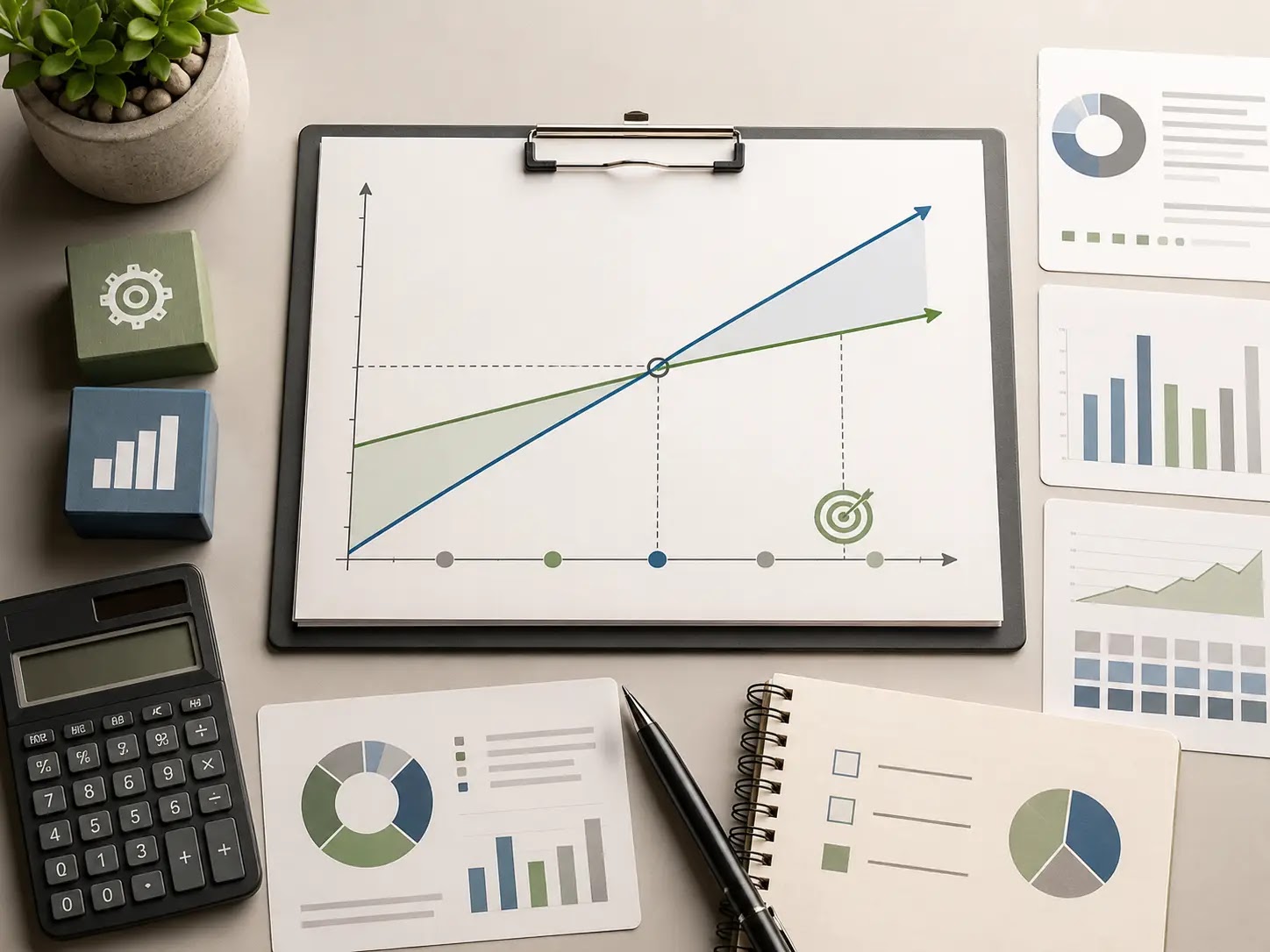
What should a vending machine founder do next?
The practical path is simple: decide whether you are funding a startup, buying an existing route, or expanding a small footprint; then compare the total cash needed against the funding source that can actually support inventory, machine purchases, mileage, repairs, commissions, software, and early working capital.
Readiness scorecard
| Check | What to confirm | Why it matters |
|---|---|---|
| Deal type | Startup, acquisition, or route expansion | Changes the funding structure and risk profile |
| Cash need | Machines, inventory, transport, install, software, repairs, commissions, working capital | Shows the true amount to raise or reserve |
| Revenue inputs | Site traffic, route density, vend mix, restock frequency, shrinkage assumptions | Drives whether debt service or owner pay is realistic |
| Funding fit | Cash, seller terms, equipment financing, partner capital, or a mixed structure | Determines flexibility and monthly pressure |
| Verification | Local lease terms, placement commissions, vendor pricing, permit and insurance requirements | Prevents relying on assumptions that do not match the market |
Next planning steps
- Write down whether you are funding a new route, an acquisition, or a small expansion.
- Gather real quotes or seller information for machines, inventory, software, and repairs.
- Estimate route mileage, restock labor, and any site commissions or placement fees.
- Build one conservative funding case and one base case with working capital included.
- Compare your options against the monthly cash burden, not just the upfront purchase price.
- Verify local lease, vendor, and lender terms before you commit to a location or deal.
If you want to turn those assumptions into a lender- or partner-ready package, a business plan, financial model, pitch deck, checklist, and startup toolkit can help organize the numbers, compare scenarios, and document the plan for lenders, landlords, advisors, or acquisition sellers.
Final takeaway: for a U.S. vending machine founder, the best funding option is the one that matches your route economics, working capital needs, and local terms—not just the lowest upfront price.


