
Vending Machine Franchise vs Independent Business: Which Model Fits?
A practical U.S. planning guide for vending machine franchise vs independent business: which model fits?, built for founders, buyers, and operators comparing assumptions before committing capital.

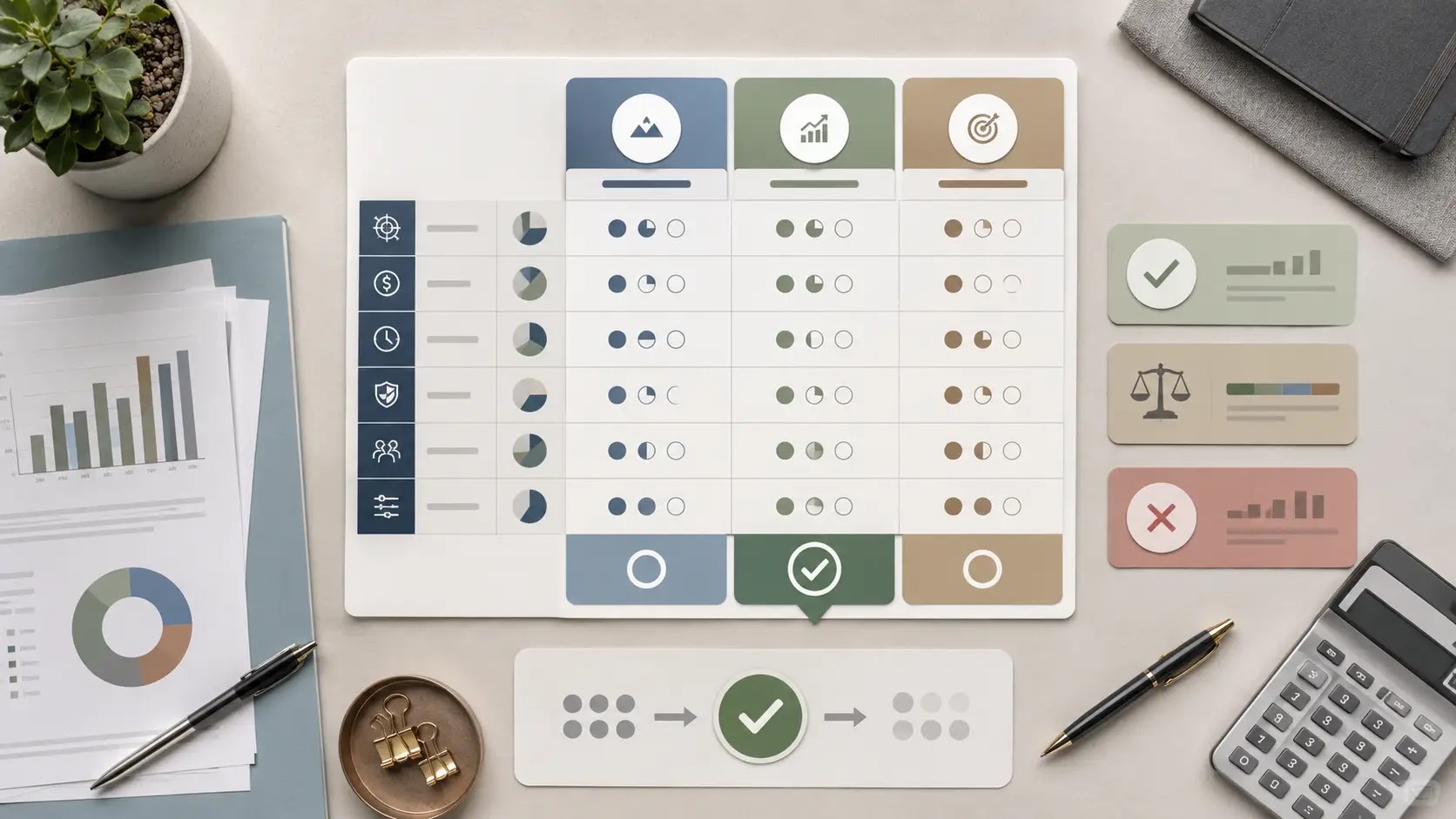
Which model fits a vending machine business: franchise or independent?
For most U.S. buyers and startup founders, the right answer depends less on the label and more on the operating math. A franchise can offer a system, brand, and support structure; an independent vending business usually offers more control and fewer recurring fees. The better fit is the one that matches your location pipeline, machine mix, service capacity, and funding plan.
If you are starting from scratch or buying an existing route, the key question is whether the model can support your real-world costs: machine purchases, inventory, route mileage, repairs, payment software, commissions, and working capital. The decision is often driven by local placement terms and how much operational support you need versus how much margin you want to keep.
| What the reader is deciding | What must be verified locally |
|---|---|
| Franchise support and system vs independent control and flexibility | Lease terms, placement approvals, route access, and any franchise or vendor restrictions in your market |
| Whether the model can be financed and operated with available capital | Machine prices, repair costs, inventory needs, software fees, commissions, and working capital requirements |
What assumptions matter most?
- Lease and placement terms
- Equipment purchase or financing needs
- Labor, servicing, and route mileage
- Menu and product economics
- Permits, site rules, and vendor requirements
- Working capital for inventory and repairs
- Funding readiness and documentation quality
For buyers, the answer can also change if you are evaluating an existing route, because account quality, machine condition, service history, and transfer terms can matter as much as the business model itself.
Next, the practical framework breaks this decision into the specific inputs you should verify before you commit capital.
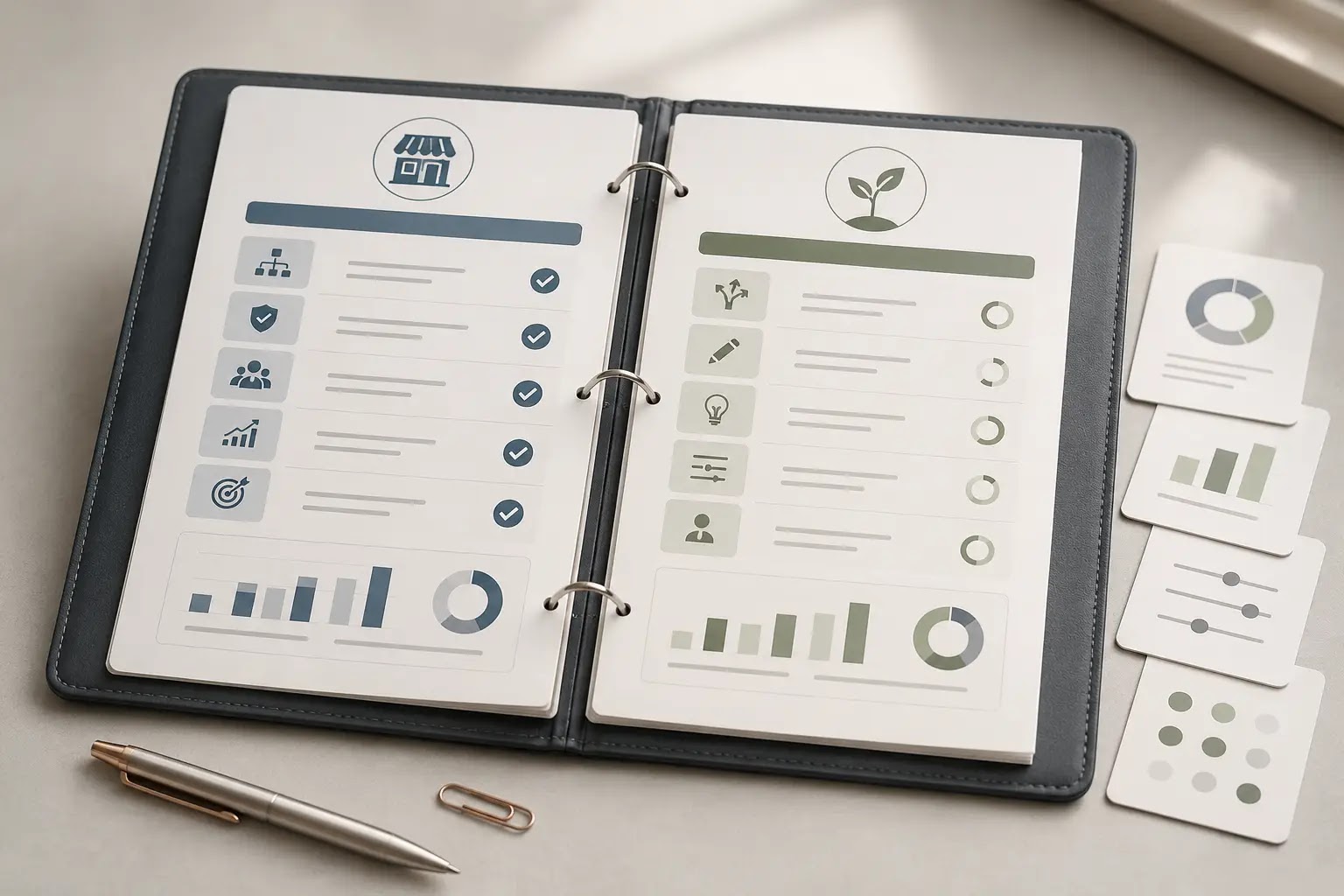
How do you build the feasibility framework for a vending franchise vs. an independent route?
For startup feasibility, the real comparison is not just brand versus no brand. It is whether the model gives you better visibility into the inputs that drive machine economics: site access, product supply, route mileage, service burden, software, and working capital.
A franchise may package more of those decisions for you. An independent business may give you more control, but it also requires more of the assumptions to be sourced, tested, and documented by the founder.
Which operating inputs should be verified before you choose a model?
| Planning area | Question to answer | Input to collect | Model impact | Verification source |
|---|---|---|---|---|
| Machine sourcing | Are you buying, leasing, or inheriting machines? | Quotes, condition reports, delivery/install scope, financing terms | Startup cash need and asset ownership | Vendor quotes, seller records, franchise documents |
| Location access | How will sites be obtained and kept? | Target site list, placement terms, commission structure, exclusivity language | Route stability and route-building time | Site-owner conversations, written location agreements |
| Product supply | Who supplies inventory and on what terms? | Supplier price lists, order minimums, case packs, lead times | Gross margin and restock working capital | Supplier quotes, invoices, franchise supply rules |
| Route density | How many stops can one operator cover efficiently? | Map of stops, drive time, fill frequency, service windows | Labor, fuel, and operator capacity | Route mapping, owner interviews, test drives |
| Repairs and uptime | Who handles breakdowns and how fast? | Warranty terms, service plan, technician access, spare parts plan | Downtime risk and repair reserve | Service contracts, repair logs, technician quotes |
| Software and telemetry | What reporting tools are included or required? | Telemetry fees, cash tracking tools, route software costs | Visibility, admin labor, recurring overhead | Software demos, contract terms, user references |
| Fees and ongoing obligations | What recurring charges exist beyond product cost? | Franchise fees, marketing fees, commissions, support charges, renewal terms | Break-even threshold and cash flow pressure | FDD, agreements, lender or accountant review |
| Working capital buffer | How much cash is needed to absorb ramp-up and replenishment timing? | Restock cadence, payment timing, repair reserve, payroll timing if applicable | Funding readiness and runway | Draft model, vendor terms, financing package |
What workflow turns those inputs into documented assumptions?
- Define the operating scope: startup, acquisition, or hybrid; expected machine count; and the likely route area.
- Collect the actual documents: franchise disclosure materials or independent vendor quotes, plus any machine, site, and service records.
- Map the route: estimated stops, drive time, fill frequency, and who will service each location.
- Separate one-time setup items from recurring costs so the model can distinguish startup cash from monthly operating pressure.
- Document the site economics: commissions, rent, placement rules, access windows, and any restrictions that affect uptime.
- Capture supply assumptions: product mix, reorder cadence, storage needs, and supplier payment terms.
- List repair and support assumptions: warranty coverage, service response, spare parts access, and technician dependence.
- Flag every assumption that still needs local verification before a lease, purchase, or franchise commitment is signed.
Once this framework is documented, the next step is to test how the assumptions change startup cash need, operating margin, and downside exposure in the financial model.
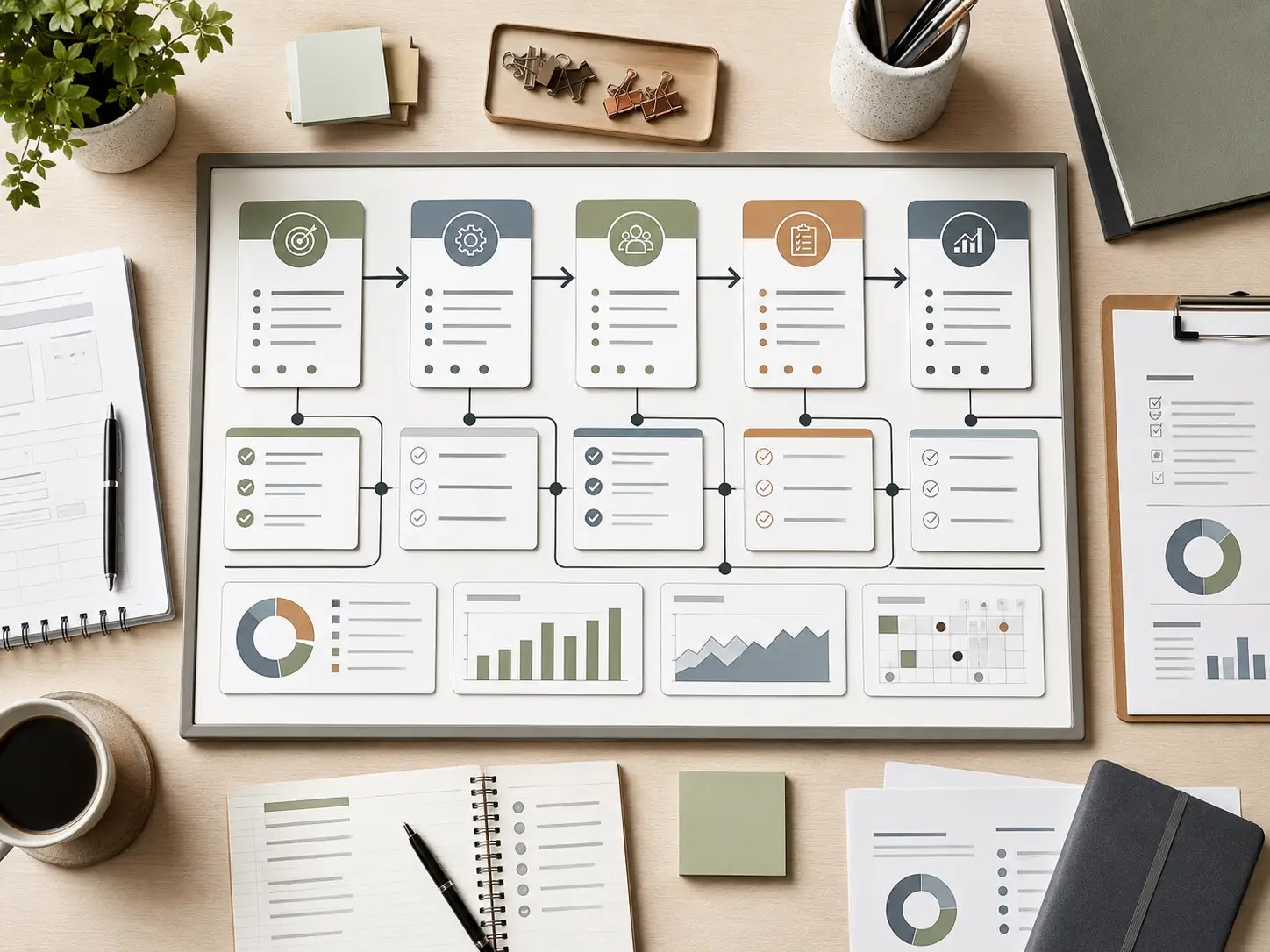
What tradeoffs should you pressure-test before choosing franchise or independent?
If you want a vending machine business that is easier to organize and document for lenders, partners, or a pitch deck, a franchise structure can feel more predictable because it may package brand, operating rules, and support into one model. That can help when you are still building confidence around route planning, machine mix, inventory systems, and cash-flow assumptions.
An independent vending business usually gives you more control over location targeting, product selection, commissions, software, repair vendors, and expansion pace. The tradeoff is that you carry more of the execution risk yourself: securing placements, maintaining uptime, managing spoilage or shrink, and making sure route mileage and labor stay aligned with projected sales.
The right answer is rarely about the label alone. It depends on whether your biggest constraint is structure and support, or flexibility and margin control. For a U.S. vending operator, the key question is which model makes your assumptions more believable for the specific machines, locations, vendor terms, and working capital you can actually secure.
Franchise tends to fit when...
- You want a clearer operating playbook and onboarding support.
- You value a more standardized brand or sourcing framework.
- You need help translating the concept into a lender- or partner-ready plan.
- You are willing to accept more rule-based execution in exchange for structure.
Independent tends to fit when...
- You already understand route building, placement negotiation, and replenishment.
- You want freedom to choose machines, suppliers, software, and margins.
- You can document your own assumptions for sales, labor, repairs, and inventory.
- You are comfortable solving location and service problems without a system-wide playbook.
Which assumptions usually change the decision?
| Planning risk | Why it matters in vending | Assumption affected | How to verify |
|---|---|---|---|
| Location quality and access | Sales depend heavily on traffic, placement visibility, and whether you can service machines efficiently. | Revenue, route mileage, labor hours | Review target locations, access hours, and service logistics with the actual site contact. |
| Commission or lease terms | Location payouts can materially change margin and may differ by site type. | Gross margin, break-even sales | Confirm current vendor or landlord terms in writing before modeling the site. |
| Machine reliability and repair response | Downtime can reduce revenue and increase service calls, parts costs, and missed refill windows. | Maintenance budget, uptime, route staffing | Check machine age, service history, parts availability, and local repair options. |
| Inventory mix and spoilage risk | Product mix affects turnover, waste, cash tied up in inventory, and replenishment frequency. | Working capital, purchasing plan, shrink | Test demand by location type and confirm supplier availability for your intended mix. |
| Support structure | A franchise may reduce guesswork, while an independent model may require you to build your own process. | Startup complexity, training time, decision control | Compare what is actually included in the current offer, not just the marketing summary. |
As you read the final checklist in the next block, use it to test the model you are leaning toward against your real assumptions: route density, machine count, service plan, inventory working capital, and how much control you need over vendors and site terms. That is usually where the franchise-versus-independent decision becomes clear.
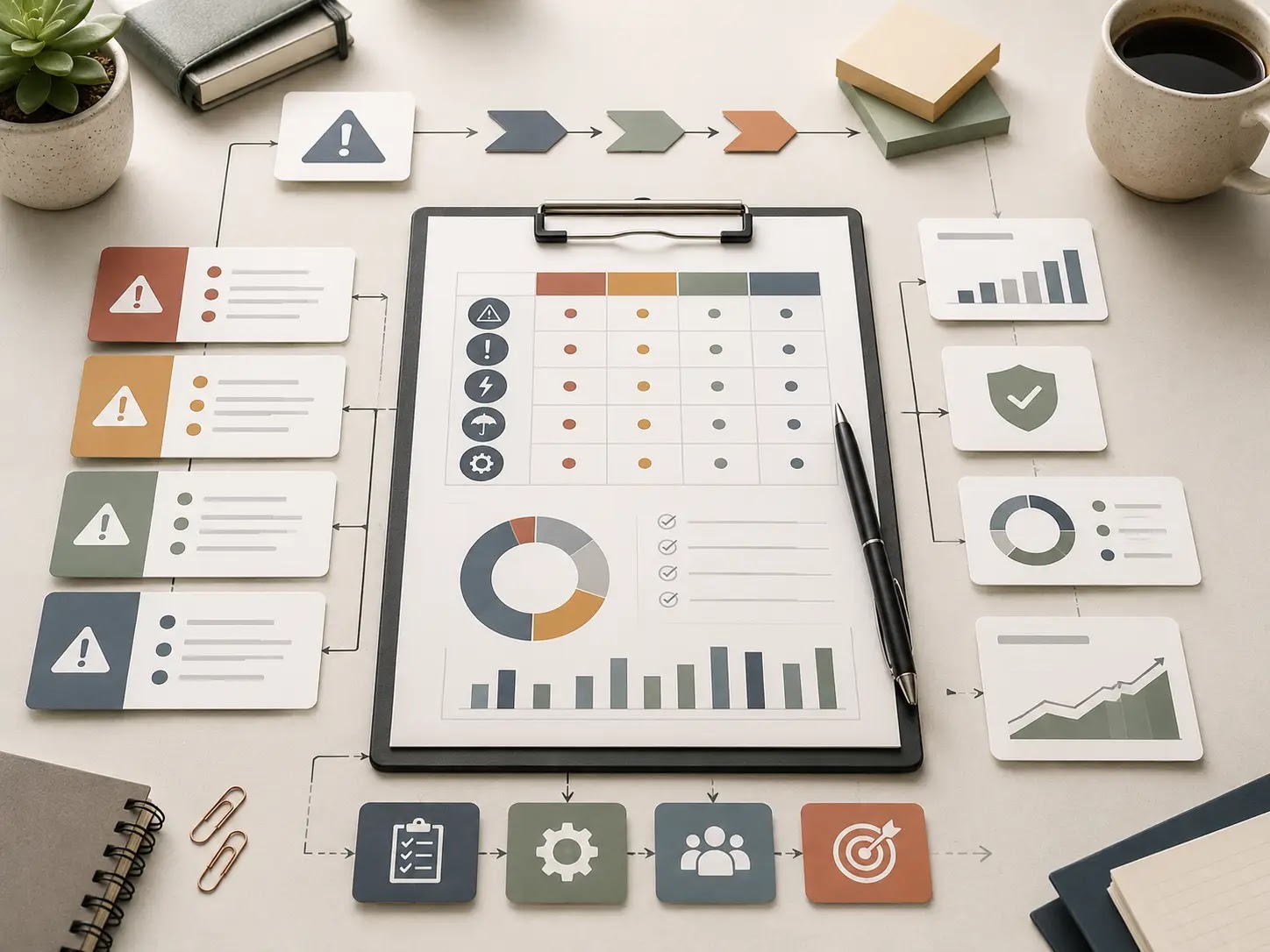
So which vending model fits best?
If you want the shortest answer: choose the model that matches your real operating inputs, not the one that sounds simpler on paper. A franchise can make sense when you want a defined system, vendor support, and a more guided launch. An independent business can fit better when you want more control over machine selection, route building, suppliers, and margin decisions. In both cases, the outcome depends on the same core variables: machine count, inventory needs, route mileage, repair exposure, commissions, software, and working capital.
The practical decision path is straightforward: verify your local market, test your route economics, compare ongoing obligations, and confirm whether the support you are buying is worth the added fees or restrictions. That is the real filter for founders and buyers.
Decision readiness scorecard
- Market access: You have identified where machines could go and who controls placement decisions.
- Route economics: You have a working estimate for service time, mileage, refills, and repairs.
- Inventory plan: You know what product mix you would stock and how replenishment will work.
- Support needs: You can tell whether franchise training, systems, or brand recognition are worth the added obligations.
- Capital plan: You have a financing view that includes machines, setup, inventory, software, and working cash.
- Operational control: You know which decisions you want to keep and which you are willing to standardize.
- Local verification: You have checked lease terms, commission expectations, vendor terms, and market-specific requirements.
Next steps before you commit
- Compare the franchise offer and the independent route using the same assumptions for location quality, sales mix, and service frequency.
- Build a simple route-level view of machine count, travel time, inventory turns, and repair reserves.
- Confirm what the franchise fee, royalty structure, training, software, or purchasing rules would change in your model.
- Ask where you can source machines, parts, and product at terms that fit your cash flow.
- Document the working capital you would need to stay stocked while locations ramp up.
- Verify the local terms that affect placement, commissions, permits, insurance, and landlord approval.
Final takeaway: For a U.S. vending machine founder or buyer, the better model is the one that matches your local locations, your route economics, and your tolerance for control versus support. Verify the assumptions first, then choose the structure that gives you the best fit for cash flow, operations, and launch discipline.


