
Vending Machine Lease vs Buy: Which Fits the Business Model?
A practical U.S. planning guide for vending machine lease vs buy: which fits the business model?, built for founders, buyers, and operators comparing assumptions before committing capital.

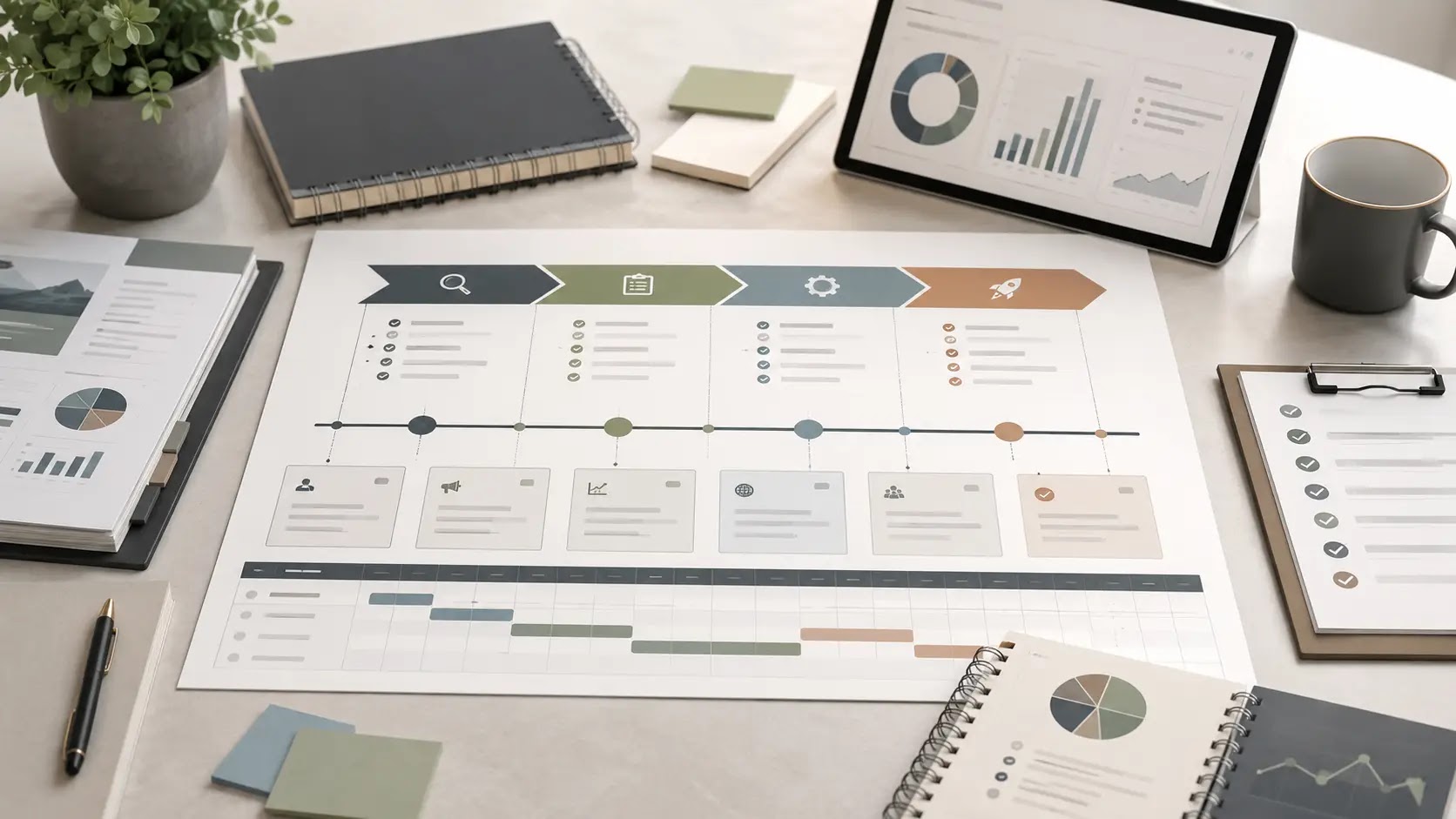
Should you lease or buy vending machines for your route?
If you are weighing lease versus buy, the real decision is not only upfront cost. It is whether the route can support the machine payment, service burden, product inventory, mileage, downtime risk, and working capital tied to each location.
Buying often fits operators who want more control over the asset and more flexibility over time. Leasing can fit founders who want to conserve cash, test a territory, or reduce the initial equipment outlay. The better fit depends on the specific route, the condition of the machines, and the vendor terms available in your market.
| What the reader is deciding | What must be verified locally |
|---|---|
| Whether leasing or buying better fits the route’s cash flow, control needs, and operating risk. | Machine pricing, lease or financing terms, repair responsibility, site commissions, route mileage, permit requirements, and any host-location rules. |
For a vending business, the answer usually turns on a few assumptions that change by city, site type, and machine mix. A route with reliable traffic and manageable service needs may support ownership more easily, while a newer or uncertain territory may justify a lease structure that preserves cash.
- Lease or buildout terms for storage, placement, or route support space
- Equipment age, condition, and expected repair exposure
- Labor, route mileage, and service frequency
- Menu economics and product mix by location
- Permits, site rules, and host-location requirements
- Working capital for inventory, maintenance, and downtime
- Funding readiness if the machine purchase is debt-financed or investor-backed
With those local inputs identified, the next section turns the choice into a practical planning framework you can use site by site.
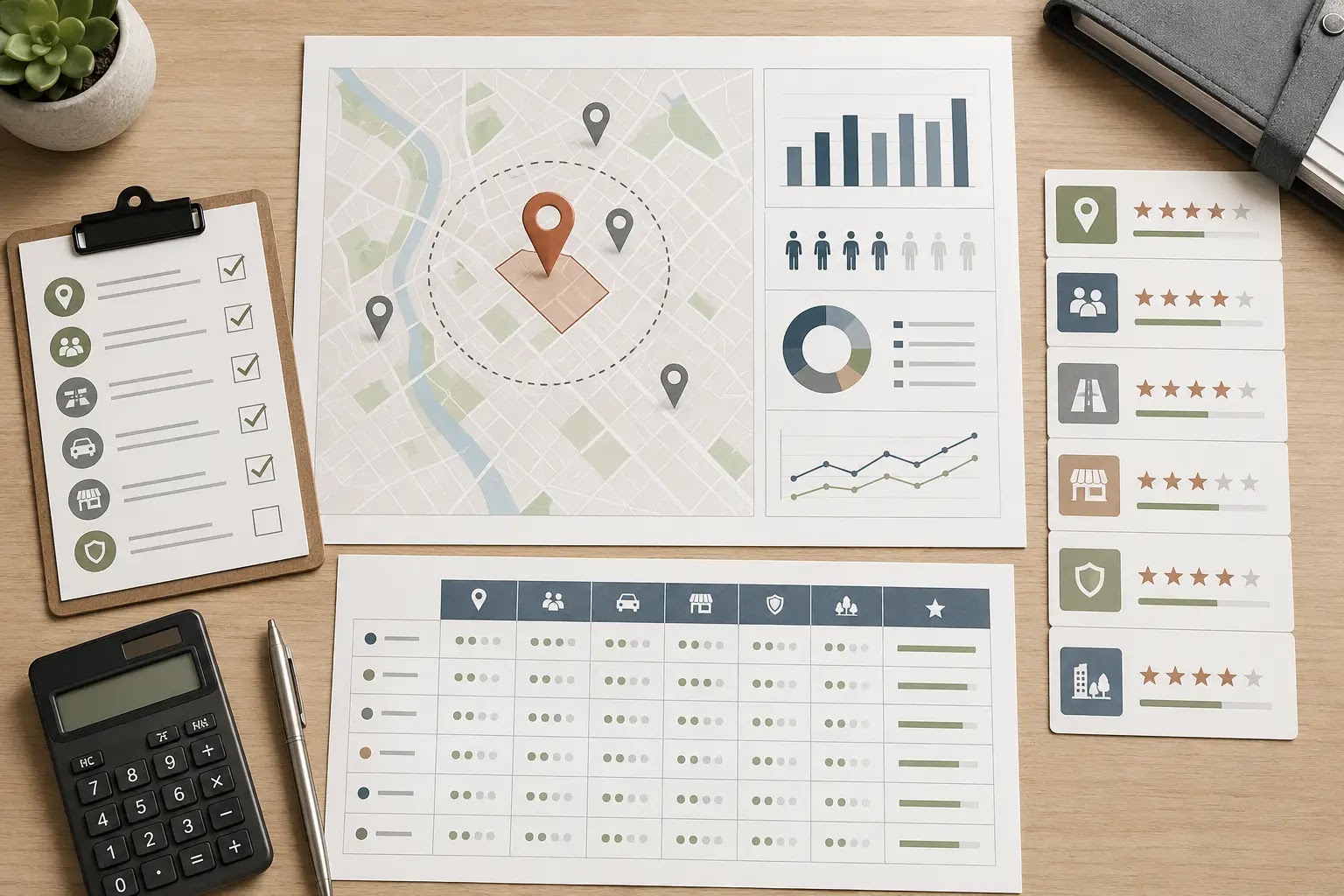
What planning framework should a vending founder use to compare lease vs buy?
For route and territory planning, the decision is less about the sticker price of a machine and more about what you control: location access, route density, service load, inventory flow, and the terms attached to the equipment or territory. A lease can reduce upfront capital needs, while a purchase can increase control and improve long-run flexibility, but the better fit depends on the route you can actually operate.
What inputs should be verified before you choose a machine route structure?
| Planning area | Question to answer | Input to collect | Model impact | Verification source |
|---|---|---|---|---|
| Route density | How many viable stops can one route support without excessive drive time? | List of locations, stop frequency, estimated service time, and mileage between stops | Changes labor, fuel, and route capacity assumptions | Site visits, route maps, and drive-time checks |
| Machine access | Will the machines be owned outright, leased, or tied to a territory agreement? | Vendor quote, lease term, purchase price, deposit, renewal, and exit terms | Alters upfront cash need and ongoing fixed payments | Equipment vendor proposal and contract draft |
| Location terms | What does each location require in exchange for placement? | Commission rate, revenue share, rent, utility responsibility, and service expectations | Changes gross margin and break-even volume | Location agreement or operator term sheet |
| Maintenance burden | Who handles repairs, parts, and downtime? | Warranty coverage, service SLA, repair labor, parts cost, and response time | Impacts operating expense and lost-sales risk | Vendor warranty, service contract, and repair history |
| Inventory flow | How often must the route be restocked, and how much capital is tied in product? | SKU list, case-pack sizes, replenishment cadence, and spoilage risk | Drives working capital and cash conversion timing | Supplier terms, product mix plan, and stock counts |
| Telemetry and software | Will remote monitoring reduce service trips or add subscription costs? | Software fees, device compatibility, alert features, and reporting needs | Affects route efficiency and monthly overhead | Platform demo, pricing sheet, and compatibility check |
| Territory control | Does the route buy include exclusivity, first right of refusal, or only individual machines? | Territory map, exclusivity language, renewal rights, and transfer limits | Changes growth potential and resale flexibility | Purchase agreement and seller disclosure |
| Scale option | Can the route expand with additional placements or upgraded machines? | Open leads, landlord interest, and upgrade costs | Determines whether the model supports growth or only replacement | Lead list, landlord conversations, and vendor catalog |
How should a founder move from research to documented assumptions?
- Map each target location by route, not just by machine count, so the distance and service cadence are visible.
- Collect vendor quotes for both lease and purchase structures, including deposit, term length, maintenance responsibility, and any exit language.
- Document each location’s operating terms: commission or rent, utility access, service access hours, and placement restrictions.
- Estimate replenishment needs by SKU mix, expected traffic pattern, and spoilage or shrink exposure.
- Check whether software, telemetry, payment systems, and repair support are bundled or billed separately.
- Write down route assumptions in one place so the machine choice, territory choice, and service plan can be compared on the same basis.
- Flag assumptions that depend on landlord approval, seller representations, or vendor terms so they can be verified before commitment.
Which route questions should be resolved before you model the business?
- Does the route reward many nearby stops, or are the placements too spread out for efficient service?
- Are you buying a territory, buying individual machines, or leasing equipment with limited control?
- Will the agreement allow you to relocate underperforming machines if a site weakens?
- Do repair obligations and downtime risk sit with you or the equipment provider?
- Is the inventory load manageable for your current storage, transport, and working capital setup?
- Will growth come from more stops, better machines, or better placement terms?
Once these route and territory assumptions are documented, the next step is to translate them into financial model inputs, tradeoffs, and downside checks so lease-versus-buy choices can be compared on cash flow, labor load, and risk.
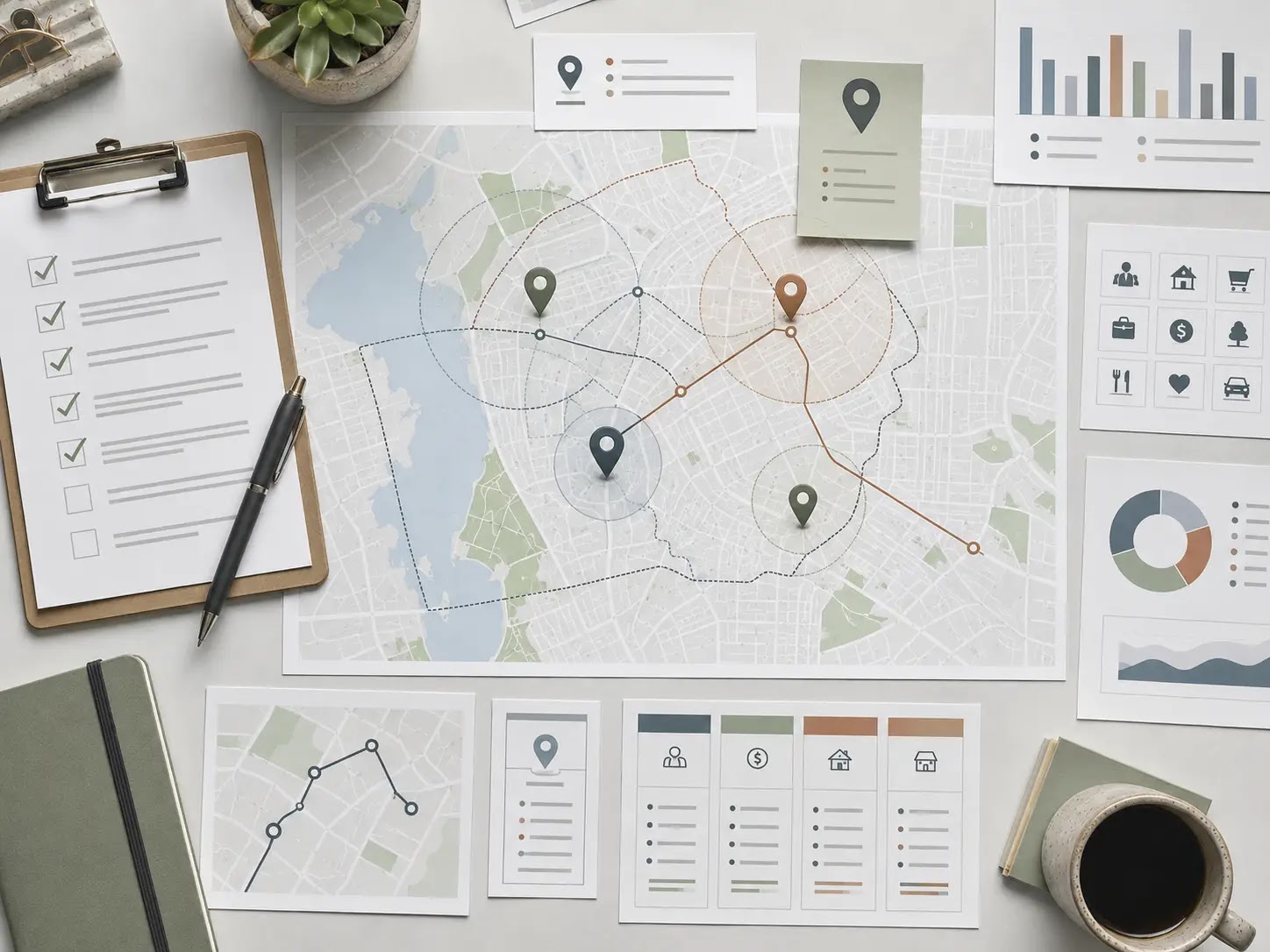
What tradeoffs should you model before leasing or buying vending machines?
For a vending machine business, the lease-vs-buy choice is less about a single “best” option and more about how the route is being built. Leasing can conserve cash for inventory, deposits, service calls, and route mileage, while buying can improve long-term control over the asset base if the machines fit the locations and the repair profile is manageable.
The practical question is which route assumptions move the most: upfront capital, monthly fixed obligations, machine uptime, maintenance responsibility, and how quickly you can add stops without stretching working capital. That is especially important if you are pitching lenders, partners, or landlords and need the plan to show how the business absorbs slow-fill locations, repairs, or commissions.
Use the comparison below to test where the business is most exposed. Then verify the vendor terms, location agreements, and operating assumptions that sit behind each scenario before you lock the model.
Scenario panel: how the model changes by route type
Lease-heavy route
- Lower early cash outlay, but more recurring fixed payments.
- Useful when startup cash must also cover inventory and route buildout.
- Model sensitivity: monthly obligations, vendor service terms, and upgrade options.
Buy-heavy route
- More upfront capital tied up in equipment and installation.
- Can improve control over asset replacement timing and machine selection.
- Model sensitivity: repair reserves, depreciation assumptions, and replacement timing.
Mixed route
- Matches machine type to location quality and traffic variability.
- Can balance cash preservation with ownership flexibility.
- Model sensitivity: location performance, commission structure, and route mileage.
| Planning risk | Why it matters in a vending machine business | Assumption affected | How to verify |
|---|---|---|---|
| Monthly payment burden | Lease payments can reduce cash available for inventory, route fuel, and repairs. | Fixed monthly outflow | Review vendor quotes, payment schedules, and any renewal or buyout terms. |
| Repair responsibility | Unclear service obligations can change downtime and out-of-pocket maintenance costs. | Repair reserve and uptime assumption | Confirm who covers parts, labor, response time, and replacement units. |
| Location performance | A weak site can make either route look worse, but it is harder to absorb if fixed costs are high. | Revenue per machine and payback timing | Check foot traffic, site access, historical sales if available, and commission expectations. |
| Route expansion speed | Adding stops too quickly can strain working capital, especially with leased equipment. | Working capital and cash buffer | Map inventory, delivery frequency, service time, and vehicle mileage by route. |
| Asset flexibility | Buying may be better if you expect to relocate machines or upgrade equipment selectively. | Replacement and relocation assumptions | Review equipment age, compatibility with locations, and transfer or move costs. |
Once these assumptions are documented, the final step is operational: translate them into a short action checklist so you can compare options cleanly, protect working capital, and make the launch decision with fewer surprises.
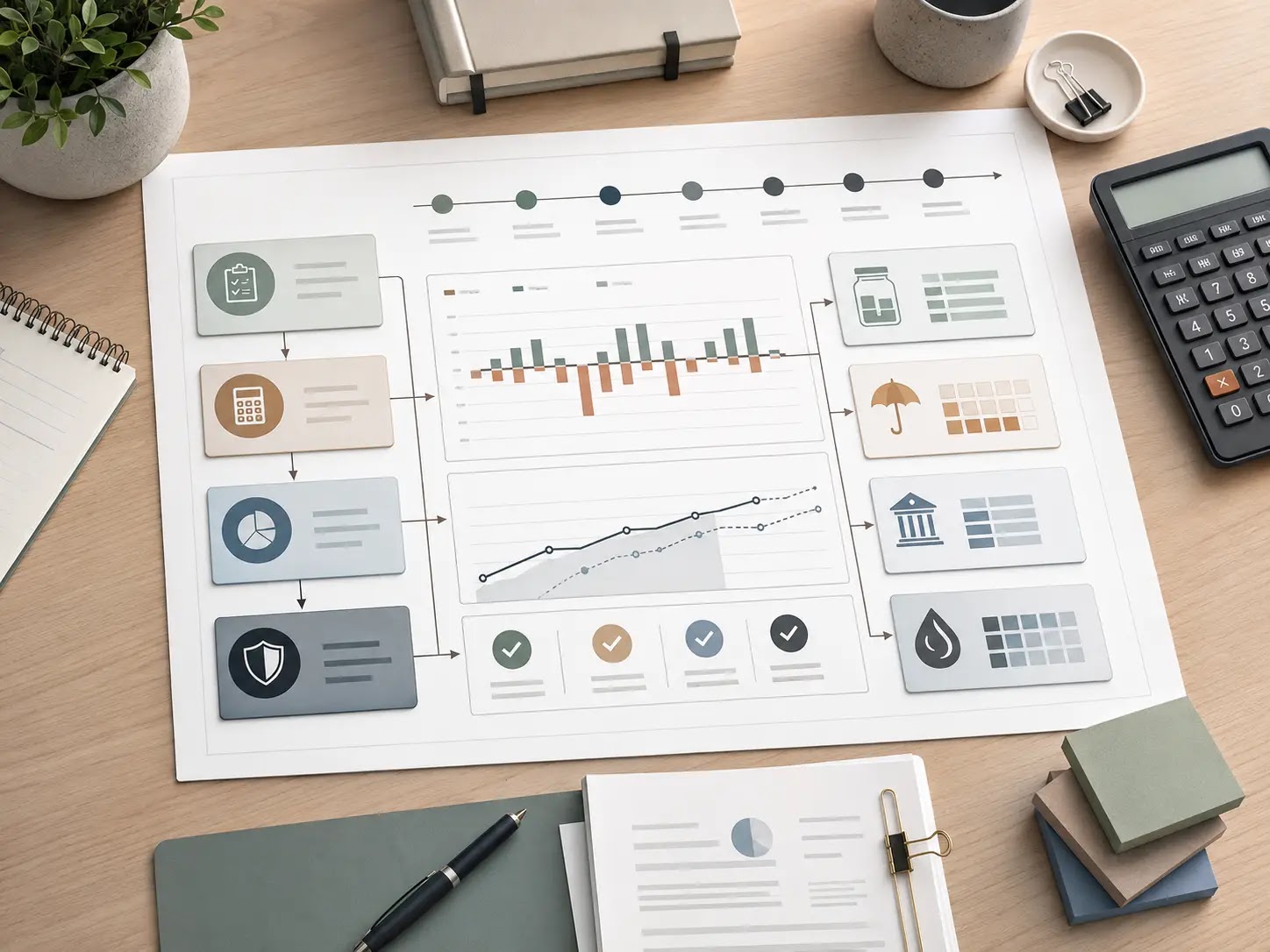
What should you do next after comparing vending machine lease vs buy?
Practical recap: lease if you want lower upfront cash pressure, a faster test of locations, or more flexibility; buy if you have stronger working capital, want to keep more long-term value, and can handle repairs, downtime, and route service yourself. The better fit depends on machine count, inventory needs, route mileage, commission terms, and how much operating risk you can support.
Decision readiness scorecard
| Planning item | Ready when | Why it matters |
|---|---|---|
| Startup cash | You have room for equipment, installation, first inventory, and a reserve for repairs or slow ramp-up. | Helps you judge whether a buy model is realistic or whether leasing protects cash flow. |
| Route efficiency | Your locations are close enough to limit wasted drive time and service costs. | Route mileage can change the economics of either structure. |
| Repair capacity | You can handle maintenance, vendor coordination, and downtime without disrupting operations. | Buying shifts more responsibility to the operator. |
| Location terms | You understand commissions, access rules, contract length, and any machine placement conditions. | Location terms can outweigh the machine price decision. |
| Growth plan | You know whether you want to scale quickly, stay flexible, or build toward a larger route. | Scaling goals influence whether capital preservation or ownership matters more. |
Next planning steps before you commit
- List each target location and estimate service frequency, route mileage, and restock needs.
- Compare the full cash need for lease and buy paths, including inventory, repairs, and working capital.
- Review vendor terms for machine condition, maintenance responsibility, buyout terms, and installation support.
- Check whether the locations you want can support the machine type and product mix you plan to sell.
- Test the impact of downtime, service delays, and commission changes on your operating margin.
- Decide whether your priority is lower upfront risk or stronger long-term ownership.
Final takeaway: For a U.S. vending machine founder or buyer, the right choice is the one that fits your cash position, route design, and operating capacity—not just the machine price.


