
Vending Machine Financial Assumptions Appendix
A practical U.S. planning guide for vending machine financial assumptions appendix, built for founders, buyers, and operators comparing assumptions before committing capital.

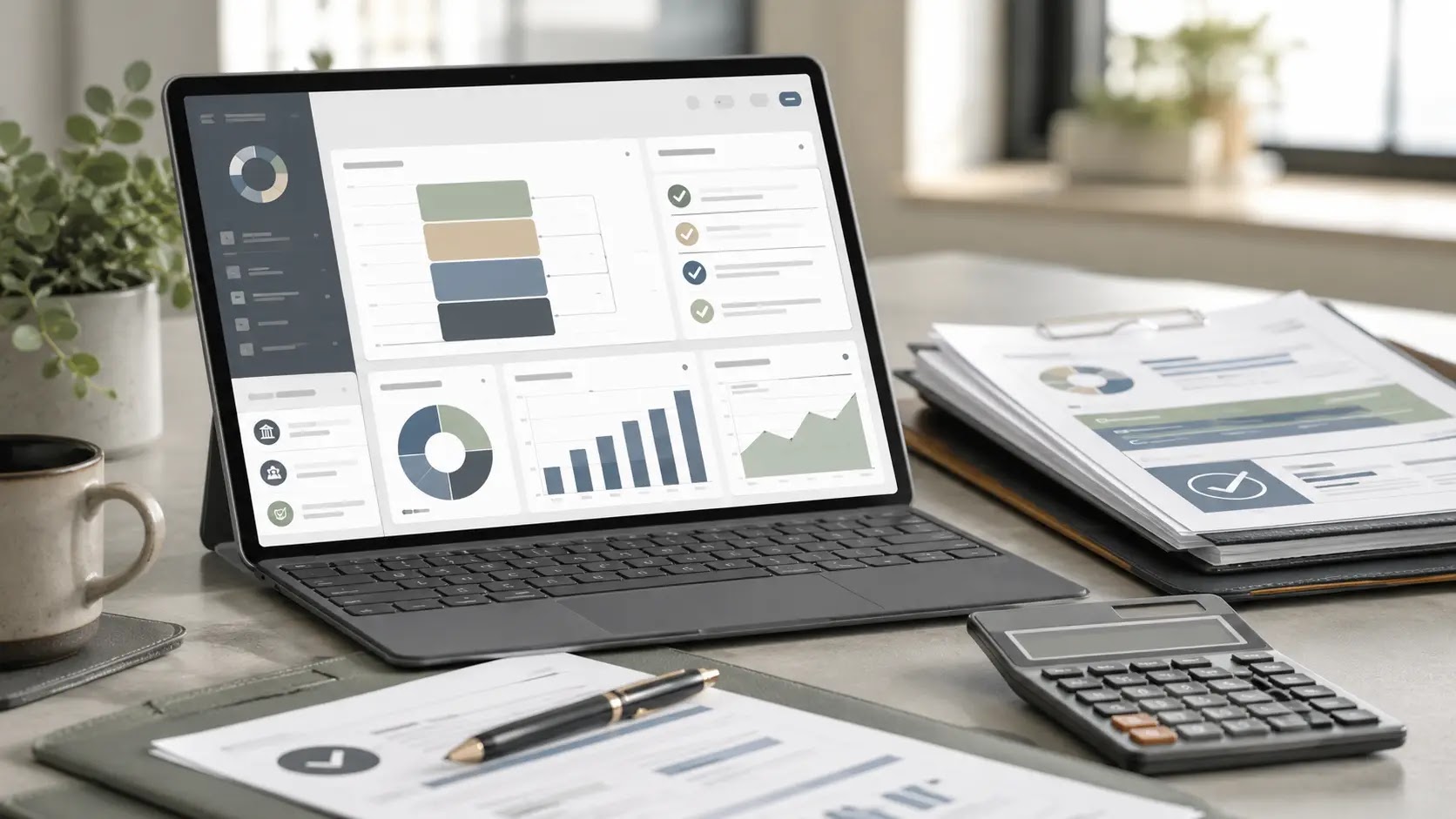
What should a Vending Machine Financial Assumptions Appendix cover?
If you are building a vending machine business plan, buying a route, or preparing a funding package, the assumptions appendix is where the model becomes credible. It should explain the inputs behind machine count, route coverage, inventory turns, commissions, repairs, payment processing, and working capital so a lender, partner, or buyer can see how the numbers were built.
For a U.S. vending business, the biggest mistake is treating the model like a generic retail forecast. Vending performance changes by location mix, product mix, machine type, service frequency, and local vendor terms. A strong appendix does not promise results; it documents the assumptions that need to be tested against current quotes, site terms, and route data.
Use this section to separate what you know from what still needs verification. That makes the business plan, financial model, pitch deck, and startup checklist easier to align before you commit to machines, inventory, or route acquisition.
| What the reader is deciding | What must be verified locally |
|---|---|
| Whether the route or startup plan is viable enough to underwrite | Site terms, foot traffic, machine placement rules, service expectations, and current vendor pricing |
| Whether the funding request is sized correctly | Machine cost quotes, inventory needs, repair reserve, route mileage, and working capital needs |
- Lease and site access assumptions
- Machine and install equipment assumptions
- Inventory mix, pricing, and shrink assumptions
- Labor, service time, and route mileage assumptions
- Repairs, downtime, and maintenance reserve assumptions
- Permits, commissions, and local operating requirements
- Working capital and funding-readiness assumptions
Next, the practical framework will break these assumptions into the categories that belong in the appendix and show how each one affects the model.

What assumptions should go into a vending machine financial appendix?
For a U.S. vending machine business plan, this appendix should translate the route into documented inputs: machine count, placement terms, inventory, service frequency, mileage, repair reserve, software, and working capital. The goal is not to guess a perfect outcome; it is to show lenders, partners, and buyers how the model was built and which inputs still need local verification.
Use the appendix to separate what is known now from what must be confirmed before funding, purchase, lease signing, or launch. That makes the plan easier to defend in a pitch deck and easier to update when actual route performance starts coming in.
Which assumptions usually matter most?
The most decision-sensitive inputs are usually the ones tied to route economics: how many machines will be deployed, where they will be placed, how often they will be serviced, what inventory must be carried, and what it costs to keep each location supplied and working.
| Planning area | Question to answer | Input to collect | Model impact | Verification source |
|---|---|---|---|---|
| Machine deployment | How many machines are actually in scope for the launch or acquisition? | Machine count, machine type, condition, and any planned replacements | Drives startup spend, maintenance load, and revenue capacity | Seller records, supplier quotes, inspection notes, route list |
| Location terms | What does each location require from the operator? | Placement terms, commission or rent structure, exclusivity, access hours | Affects gross margin and route profitability | Signed agreements, draft location terms, operator correspondence |
| Sales assumptions | What level of sales per machine is reasonable for the target locations? | Observed sales history, product mix, seasonality notes, traffic pattern | Sets revenue, inventory demand, and cash flow timing | Historical sales reports, route logs, location-level records |
| Inventory purchasing | What products will be stocked and how often will they be reordered? | Wholesale pricing, pack sizes, reorder cadence, product mix | Determines cost of goods sold and cash tied up in inventory | Supplier quotes, distributor catalogs, past purchase invoices |
| Route mileage and service time | How much driving and labor does each route require? | Miles per stop, stops per route, service frequency, refill time | Impacts fuel, labor, and route capacity | Route maps, GPS logs, time study, owner/operator experience |
| Repairs and upkeep | What level of maintenance should be budgeted? | Repair reserve, parts needs, technician rates, expected wear | Supports operating expense and replacement planning | Service invoices, equipment age, supplier service terms |
| Payment and software | What systems are needed to track sales and collections? | Telemetry, card processing, route software, cash handling process | Adds recurring operating cost and improves reporting accuracy | Vendor proposals, software demos, processor terms |
| Working capital | How much cash is needed to operate before the route stabilizes? | Opening inventory, fuel, deposits, repair reserve, initial float | Determines funding need and runway | Startup budget, lender checklist, acquisition closing schedule |
How should a founder document the assumptions?
- List every machine, route, and location that will be included in the business plan or acquisition model.
- Attach source documents for each major input, including seller statements, supplier quotes, location terms, and service records where available.
- Separate confirmed inputs from estimated inputs so the funding package shows what is verified and what still needs local confirmation.
- Build the model from operational drivers first: sales per machine, service cadence, inventory turns, mileage, and repair reserve.
- Note any assumptions that could change quickly, such as location commission, payment processing terms, or vendor pricing.
- Record the date and source for each assumption so the appendix can be updated before lender review, due diligence, or launch.
Documentation tip: For funding readiness, assumptions should read like a working paper, not a pitch claim. If a term depends on a landlord, supplier, processor, or location owner, keep the source attached so the model can be reviewed and revised quickly.
Next, use these documented inputs to test how changes in sales, commissions, route mileage, repairs, and inventory needs affect cash flow, break-even timing, and funding requirements.
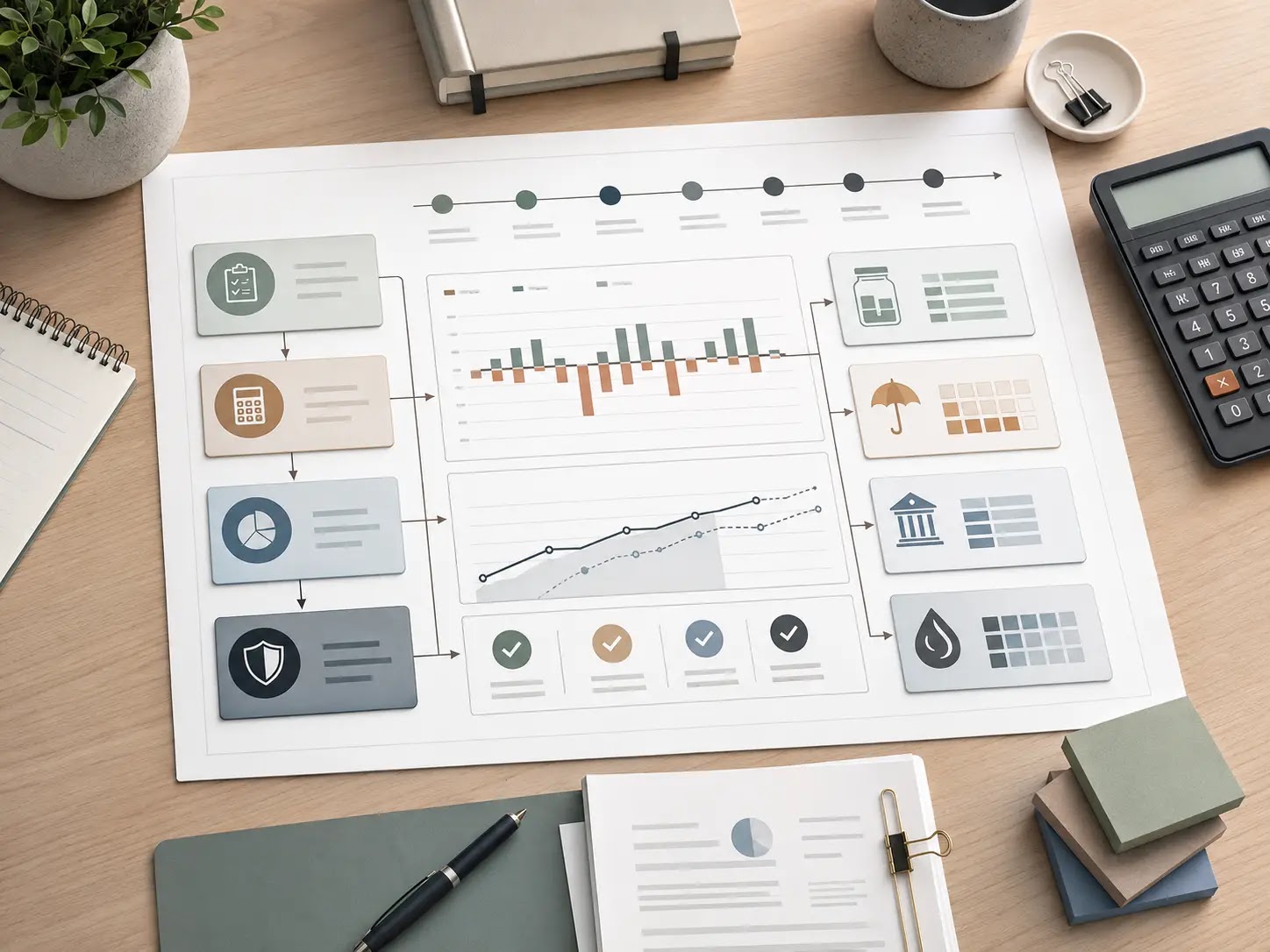
Which assumptions matter most in a vending machine model?
What usually moves the answer
For a U.S. vending machine plan, the model is usually most sensitive to machine count, average sales per stop, product mix, route mileage, commissions, repair frequency, and working capital timing. A route can look attractive on paper and still miss cash targets if sales are uneven, restock labor is higher than expected, or commission and service costs are understated.
Where founders get surprised
Common misses include startup inventory, spare cash for repairs, payment fees, software subscriptions, fuel, spoilage, and the lag between buying inventory and collecting enough sales to refill it. If you are buying an existing route, confirm what is actually included in the sale and which vendor terms or machine conditions will change after closing.
Planning inputs to verify before you trust the numbers
| Assumption | What to collect | Model impact | Why it matters | Verify with |
|---|---|---|---|---|
| Startup cost | Machine purchase or lease quote, delivery, setup, first inventory order, payment device costs, and any route acquisition price | Initial funding need and cash runway | Understating launch cash is a common reason new routes stall early | Current vendor quotes and seller documents |
| Sales per machine | Expected transactions, average price per vend, and product mix by location type | Revenue and gross margin | Small changes in sales volume can change break-even materially | Observed location data, seller history, or test period results |
| Commissions and location fees | Any percentage split, flat placement fee, or marketing contribution required by the host site | Contribution margin | Location economics can look strong until commission is included | Lease terms, placement agreement, or host invoice |
| Route mileage and service time | Drive distance, stop count, restock time, and trip frequency | Fuel, labor, and route capacity | More remote routes can require more working capital and operator time | Mapped route plan and actual stop times |
| Repairs and downtime | Expected maintenance reserve, service call frequency, and replacement parts exposure | Operating expense and lost sales | Machine reliability affects both cash flow and customer satisfaction | Machine condition report, technician quotes, and service logs |
| Inventory cycle | Reorder timing, spoilage risk, and product lead times | Working capital need | Inventory ties up cash before revenue is realized | Supplier terms and restock schedule |
Simple planning calculator: stress-test the route before you commit
Use this as a worksheet for your financial model. Replace every placeholder with current quotes, seller records, or verified local data.
| Input | Illustrative placeholder | Formula / use | Decision question |
|---|---|---|---|
| Number of machines | [enter count] | Drives total startup cost and route labor | How many machines can you actually service on your schedule? |
| Average monthly sales per machine | [enter amount] | Machines × sales per machine = monthly revenue | Is the location mix strong enough to support the route? |
| Average gross margin | [enter %] | Revenue minus inventory cost | Does the product mix leave room for commissions and service? |
| Monthly fixed overhead | [enter amount] | Software + storage + insurance + admin + debt service | What costs stay even when sales dip? |
| Variable route costs | [enter amount] | Fuel + repair reserve + payment fees + commissions | How much does each service day really cost? |
| Available startup cash | [enter amount] | Cash runway = available cash ÷ average monthly burn | Do you have enough cushion for slower-than-expected ramp-up? |
How to read the output
| Scenario | Assumption pattern | What it tells you |
|---|---|---|
| Conservative | Lower sales, higher commissions, more repair time, slower inventory turns | Tests whether the route survives a realistic downside case |
| Base case | Seller history or observed traffic with normal service and maintenance | Shows the likely planning case for lender or investor materials |
| Upside case | Strong locations, efficient routing, and better-than-average mix | Shows the ceiling, but should not drive funding decisions alone |
Risk checklist: what to pressure-test before using the model
- Sales assumptions rely on seller reports, not just optimistic foot traffic estimates.
- Commission, placement, or vending share terms are fully reflected in margin.
- Route miles, fuel use, and service time match the actual stop schedule.
- Machine repairs, downtime, and replacement parts have a cash reserve.
- Inventory is funded ahead of sales so restocking does not create a liquidity squeeze.
- Working capital covers the gap between initial deployment and stable collections.
Practical takeaway: if your vending model only works under one optimistic assumption set, it is not ready yet. Tighten the inputs, rebuild the downside case, and confirm the route can still fund inventory, repairs, and owner cash needs.
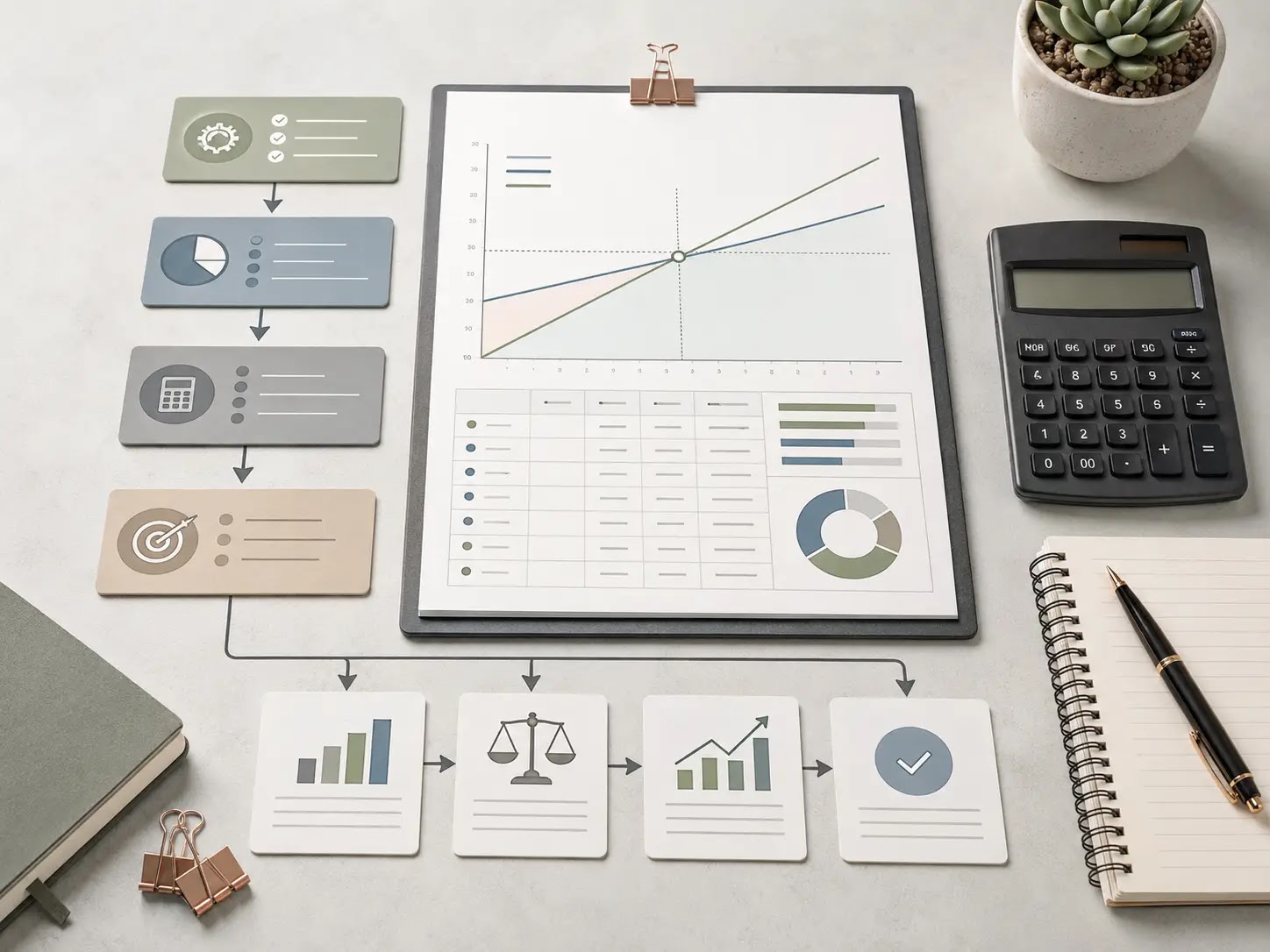
What should you do next with these vending machine assumptions?
The practical takeaway is simple: do not treat vending as a “machine purchase” decision only. Your assumptions need to cover route mileage, refill frequency, product mix, spoilage or shrink, repairs, commissions, software, and working capital so the model reflects how the business will actually run.
If those inputs are still uncertain, the safest next step is to document them in one place, test a few scenarios, and verify the local numbers before you commit capital or sign a lease, location agreement, or equipment order.
Readiness scorecard: are your assumptions usable yet?
| Checkpoint | What “ready” looks like |
|---|---|
| Machine count and type | You know how many units you plan to buy or place and what product mix each one needs. |
| Location economics | You have a working assumption for traffic, sales potential, and any revenue share or commission. |
| Operating cadence | You have estimated route mileage, restock frequency, and labor time per stop. |
| Cost stack | You have included inventory, repairs, payment processing, software, insurance, and other recurring costs. |
| Working capital | You have enough cash modeled to cover inventory, repairs, and early operating gaps. |
| Funding package | Your assumptions are organized well enough for a lender, investor, landlord, or advisor to review. |
Next planning steps
- Collect the local inputs that still vary: machine prices, stocking costs, commissions, utility or space terms, software fees, and repair quotes.
- Separate startup costs from ongoing operating costs so the funding need is clear.
- Check whether route mileage, labor time, and refill frequency change the economics more than the machine price itself.
- Run at least one conservative, base, and stronger case before you rely on the model for a decision.
- Document every assumption source so the plan can be reviewed or updated later.
- Confirm that your numbers make sense for the specific city, site type, and vendor terms you are evaluating.
A business plan, financial model, pitch deck, checklist, and startup toolkit can help organize these assumptions, compare scenarios, and document the plan for partners, lenders, landlords, or advisors.
Final takeaway: for a U.S. vending machine founder or buyer, the best decision is the one built on verified local inputs, realistic route operations, and a funding plan that leaves room for inventory and repairs—not just the machine purchase itself.


