
Vending Machine Equipment Costs: Buy, Lease, or Finance?
A practical U.S. planning guide for vending machine equipment costs: buy, lease, or finance?, built for founders, buyers, and operators comparing assumptions before committing capital.

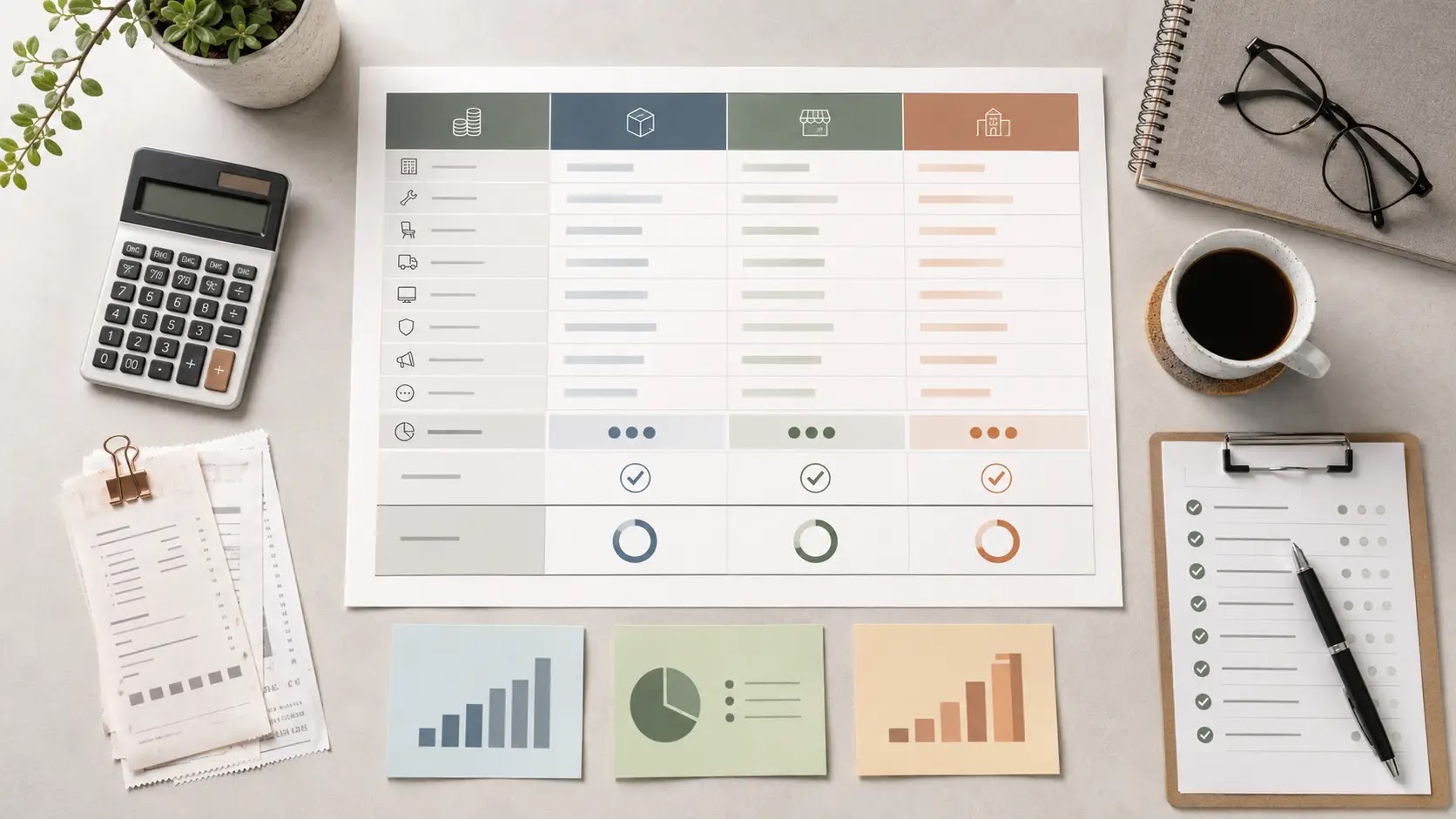
Should you buy, lease, or finance vending machine equipment?
For most U.S. vending startups, the right answer depends less on the sticker price of the machine and more on how much cash you need to preserve for inventory, route mileage, repairs, and the first months of operations. Buying can simplify ownership and usually gives the most control; leasing or financing can reduce upfront cash pressure, but vendor terms, maintenance responsibility, and total cost over time need to be checked carefully.
If you are comparing options for a launch, acquisition, or funding conversation, treat the equipment decision as part of the full operating model—not just the machine itself. The real question is how the purchase method affects working capital, setup speed, service calls, software, and the ability to keep locations stocked and profitable.
| What the reader is deciding | What must be verified locally |
|---|---|
| Whether to buy, lease, or finance equipment | Vendor quotes, contract terms, repair obligations, delivery and installation charges, and any required deposits or minimums |
| How much startup cash to hold back | Inventory needs, route mileage, expected service frequency, location commissions, software fees, and working capital needs for the first months |
| Whether a location can support the machine | Site access, power or connectivity needs, placement rules, permit requirements, and any landlord or host-site restrictions |
What assumptions usually move the answer?
- Lease/buildout: placement, utility access, and any site preparation needed before installation.
- Equipment: machine type, condition, smart features, payment hardware, and service requirements.
- Labor: restocking time, cleaning, maintenance, and route coverage.
- Menu economics: product mix, spoilage or waste risk, and pricing flexibility by location.
- Permits: local operating, location, health, or other requirements that vary by market.
- Working capital: cash reserved for inventory, repairs, downtime, and uneven early sales.
- Funding readiness: how clearly you can document assumptions for lenders, partners, or a pitch deck.
In other words, the cheapest machine option is not always the lowest-risk launch option. The better choice is the one that fits your cash position, location pipeline, and operating plan after local quotes and terms are verified.
Next, the practical framework shows which inputs to collect first so you can compare buy, lease, and finance on the same assumptions.
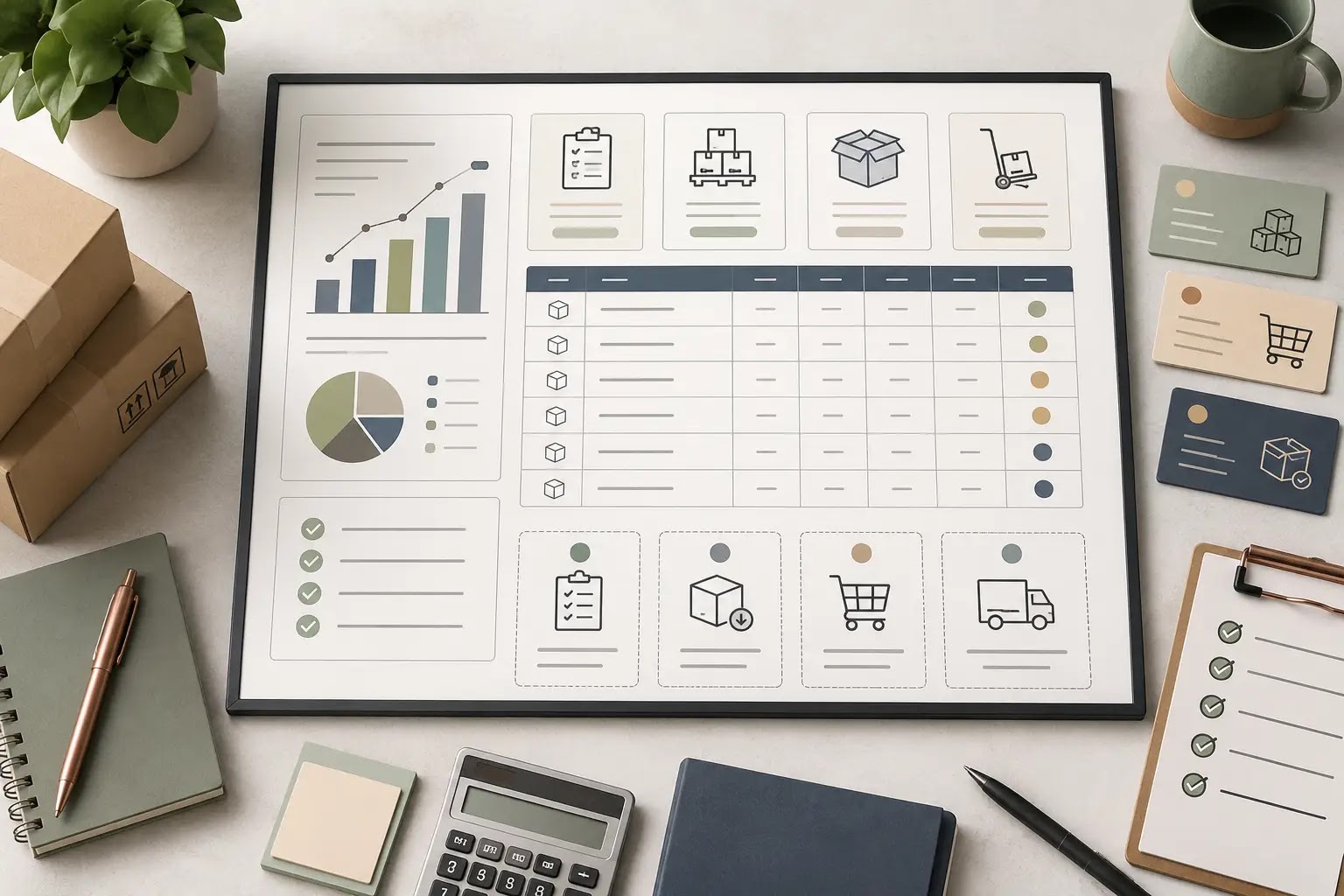
What should a vending machine founder document before choosing buy, lease, or finance?
For a U.S. vending machine launch, the practical question is not just what a machine costs, but which costs are tied to the equipment decision and which follow the route after day one. A usable plan separates the machine quote from delivery, installation, payment hardware, software, repairs, starter inventory, and any route vehicle needs.
Build the cost frame around the equipment decision
| Planning area | Question to answer | Input to collect | Model impact | Verification source |
|---|---|---|---|---|
| Machine type and condition | Is the unit new, used, refurbished, or specialized for cold products? | Vendor quote, machine condition, capacity, accepted payment types | Initial cash need, replacement timing, service frequency | Vendor quote, product spec sheet, inspection notes |
| Delivery and installation | What is included in drop-off, setup, leveling, and placement? | Freight, liftgate, installation fee, access requirements | Startup cash requirement and launch timeline | Vendor terms, delivery quote, site walkthrough |
| Payment hardware | Does the machine need cashless readers, bill validators, or coin modules? | Hardware cost, activation terms, transaction service terms | Upfront cost and recurring processing expense | Vendor terms, processor quote, device documentation |
| Software and telemetry | Will remote monitoring, inventory alerts, or route management be required? | Subscription fee, device compatibility, reporting features | Monthly operating cost and labor planning | Software quote, demo, service agreement |
| Repair and warranty coverage | Who handles breakdowns and what parts are excluded? | Warranty length, labor coverage, common wear items | Repair reserve and downtime risk | Warranty terms, service provider estimate, technician review |
| Starter inventory | How much stock is needed before the first route run? | SKU mix, fill levels, spoilage risk, supplier terms | Working capital requirement and replenishment cadence | Supplier quote, test route plan, operator assumptions |
| Route vehicle and transport tools | Will you need a van, cargo space, dolly, hand truck, or shelving? | Vehicle availability, fuel use, maintenance, loading equipment | Operating cost, route capacity, service efficiency | Vehicle records, mileage log, equipment quote |
| Location-specific setup items | Does the site require electrical, space, or access modifications? | Outlet needs, clearances, after-hours access, site rules | Launch timing and site setup cost | Location agreement, site walkthrough, landlord or manager confirmation |
How do you turn quotes into documented assumptions?
- Collect at least one quote for each machine type you may buy, lease, or finance, and note what is included versus excluded.
- Separate one-time startup costs from recurring costs: delivery, installation, software, processing, repairs, and restocking.
- List all equipment needed to operate the route, not just the machine itself: payment hardware, transport tools, spare parts, and any vehicle support.
- Record vendor terms exactly as written for deposits, payment timing, warranties, service coverage, and return or cancellation rules.
- Document route assumptions that affect equipment choice, including product mix, refill frequency, mileage, and whether cold storage or special handling is needed.
- Tag each assumption as verified, quoted, or estimated so the financial model can show confidence levels clearly.
- Compare buy, lease, and finance using the same scope of costs so the decision is not distorted by missing delivery, software, or repair items.
Which assumptions matter most before you build the model?
For vending, the equipment decision changes both startup cash and operating rhythm. A purchased machine may reduce monthly obligations but increase upfront capital. A lease or financing structure can preserve cash, but the real comparison only works if the quote includes service terms, required deposits, and any hardware or software add-ons.
Once these inputs are documented, the next step is to translate them into buy-versus-lease-versus-finance scenarios, repair risk, and working-capital pressure in the financial model.
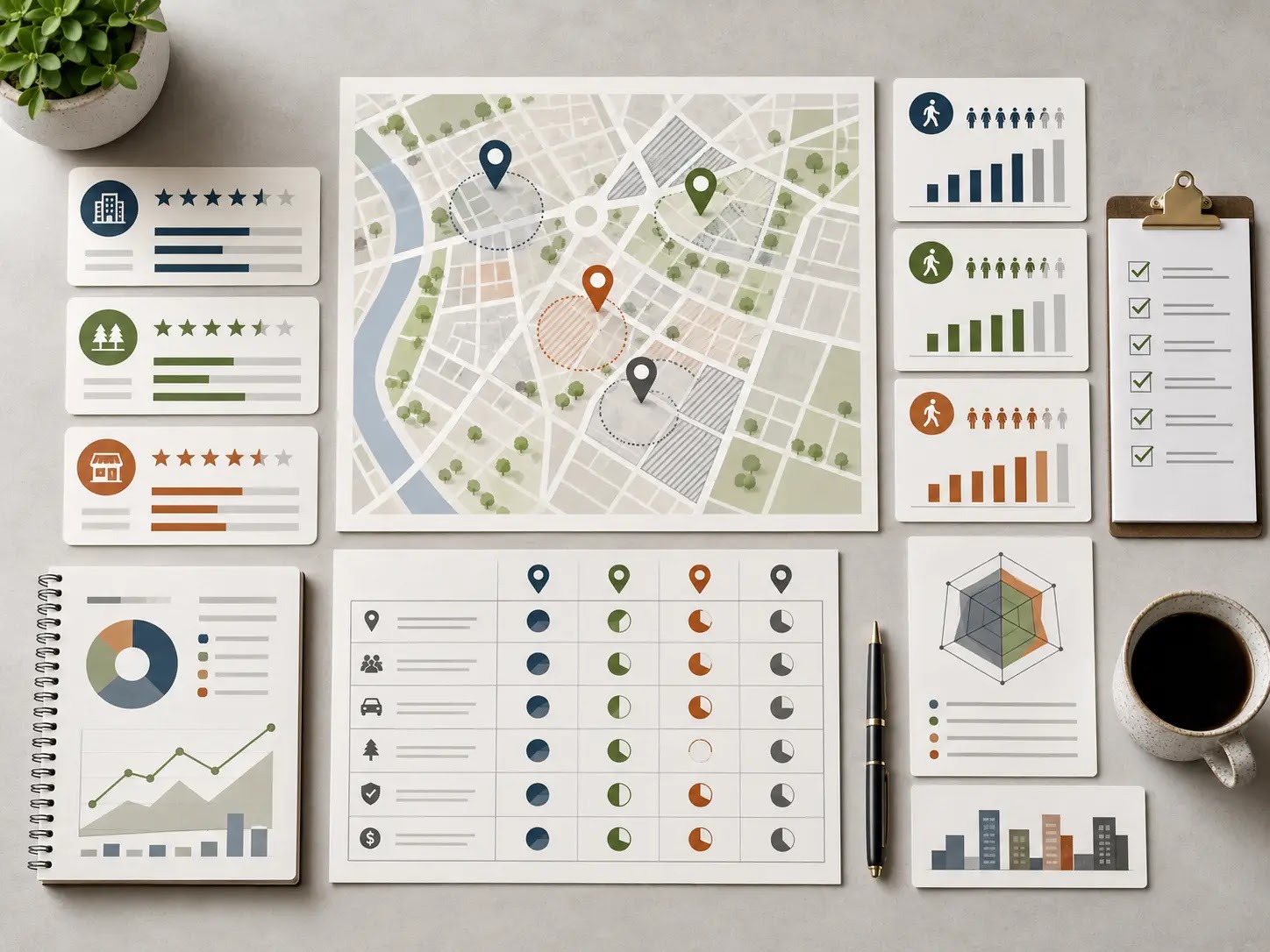
How do buy, lease, and finance choices change the startup model?
For a U.S. vending startup, the equipment decision changes more than the purchase price. It changes how much cash you need on day one, how much fixed monthly burden you must cover, and how much working capital remains for inventory, repairs, and route growth. A cheaper opening cash outlay can still be the weaker option if the monthly payment, commissions, and service costs push break-even too high for the route density you can actually support.
The practical question is not just “what is the machine price?” It is whether your route can absorb the full stack of costs: equipment, setup, inventory, telemetry or software, commissions, maintenance, fuel, and labor coverage. Buy usually reduces recurring obligations. Lease or finance can preserve cash, but it raises the pressure on monthly sales and can tighten vendor-terms dependence.
Risk and assumption pressure points
- Vendor quote quality: machine class, condition, warranty, delivery, and install scope all affect the true startup cash need.
- Route density: low stop density can make labor, fuel, and service time expensive even if equipment costs are modest.
- Location commissions: a strong site can justify higher recurring fees, but those fees must be modeled before you sign.
- Product mix: lower-margin items raise the number of vends needed to cover fixed costs.
- Downtime and repairs: a larger repair reserve improves resilience, especially for used equipment or multi-site routes.
- Working capital: inventory, change management, and replacement parts can consume cash faster than first-time buyers expect.
Tradeoff summary for founders
Buy: easier to understand operationally, but it concentrates cash at the start and can limit the buffer you need for inventory and route growth.
Lease or finance: helps preserve opening cash, but the recurring payment must be covered even in slower months or weaker locations.
Best-fit check: the right structure is usually the one that leaves enough runway after setup to absorb repairs, commissions, and a conservative sales ramp.
Calculator-style planning worksheet
Visible warning: These are illustrative placeholders only. Replace them with current vendor quotes, local route terms, and verified operating data before you rely on the result.
| Planning input | Placeholder to replace | Why it matters |
|---|---|---|
| Machine count | Enter planned number of machines | Drives total equipment spend, service time, and route complexity. |
| Equipment cost per machine | Enter current quote by machine type and condition | Sets the base purchase, lease, or finance amount. |
| Initial inventory per machine | Enter opening stock value by location plan | Affects opening cash need and early replenishment cadence. |
| Freight, install, and setup | Enter vendor and contractor quotes | Can materially change the true launch budget. |
| Monthly lease or finance payment | Enter quoted payment and any fees | Turns a one-time equipment cost into a fixed monthly burden. |
| Software or telemetry | Enter subscription and connectivity cost | Impacts reporting, restocking efficiency, and monthly burn. |
| Location commission or share | Enter site-specific agreement terms | Directly reduces contribution margin per vend. |
| Average contribution margin per vend | Enter selling price minus product cost | Key input for break-even and funding need. |
| Route labor coverage | Enter stops, time per stop, and loaded labor cost | Shows whether owner labor or hired labor fits the route economics. |
| Repair and spare-parts reserve | Enter monthly reserve target | Protects cash runway when equipment is down or service is delayed. |
| Working capital buffer | Enter the cash reserve you want to hold after launch | Helps absorb slow ramps, refunds, spoilage, and unexpected service needs. |
| Output | Simple formula | How to use it |
|---|---|---|
| Total startup cash need | Equipment cash outlay + inventory + freight/install + permits/fees + opening buffer | Use this to test whether you can launch without starving the route of operating cash. |
| Monthly fixed burden | Lease/finance payment + software + commissions + repair reserve + route labor + fuel | Use this to compare buy versus monthly-payment structures on a like-for-like basis. |
| Break-even sales volume | Monthly fixed burden ÷ contribution margin per vend | Use this to see how many vends the route must generate before you have room for profit. |
| Cash runway | Available working capital ÷ monthly burn | Use this to judge whether the launch can absorb a slow start, downtime, or route delays. |
Scenario pressure test
| Scenario | Cash need | Monthly burden | Planning takeaway |
|---|---|---|---|
| Buy | Higher upfront | Lower recurring payment pressure | Fits founders with stronger cash reserves and a longer opening buffer. |
| Lease | Lower upfront | Higher fixed payment exposure | Works when preserving cash matters more than minimizing monthly obligations. |
| Finance | Lower than full purchase, but not zero | Depends on term, fees, and structure | Useful when you want ownership eventually but need to protect working capital now. |
What to verify before you finalize the model
- Written machine quotes for the exact model, condition, warranty, and delivery scope.
- Any lease or financing terms that change the monthly burden, buyout option, or upgrade path.
- Site commissions, revenue-share language, and payment timing.
- Route labor assumptions, including who services the machine and how often.
- Inventory replenishment cadence, spoilage risk, and product-mix assumptions.
- Repair reserve, spare-part needs, and downtime expectations for the specific machine type.
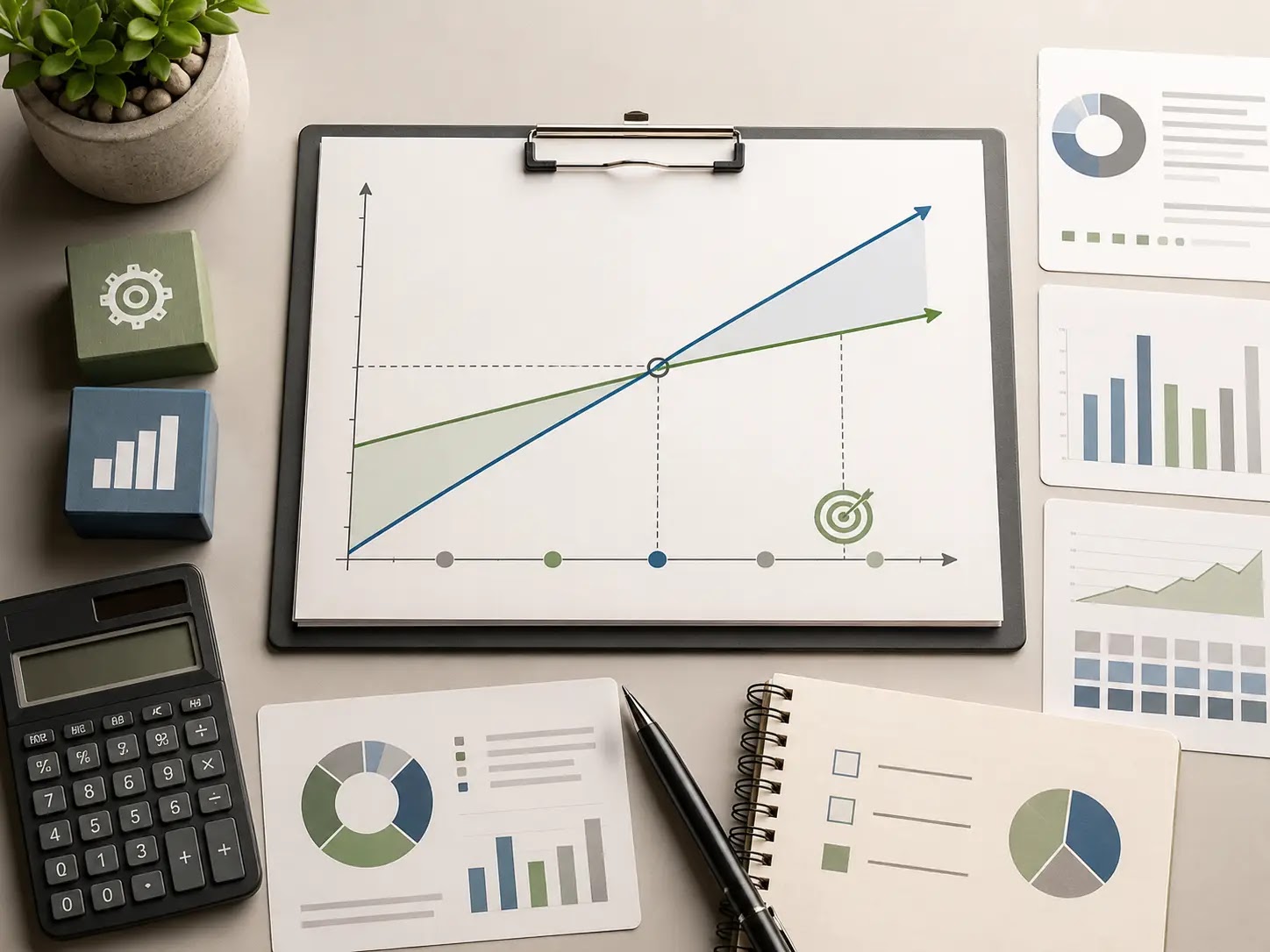
What should you do next: buy, lease, or finance?
The practical answer is to choose the option that best matches your cash position, launch timeline, and operating risk. Buy if you want control and a simpler long-term cost structure. Lease or finance if preserving cash matters more than owning outright on day one. In every case, the decision should be based on machine quotes, installation costs, software, inventory, route mileage, repairs, commissions, and working capital—not just the headline price.
Decision readiness scorecard
| Readiness item | What to confirm | Why it matters |
|---|---|---|
| Vendor quotes | Machine price, delivery, installation, setup, software, warranty, and service terms | Shows the real startup cost, not just the sticker price |
| Operating plan | Inventory replenishment, route mileage, labor time, and repair reserve | Drives monthly cash needs and break-even pressure |
| Payment structure | Up-front cash required, monthly payments, deposit, buyout, and termination terms | Determines whether the option fits your runway |
| Working capital | Cash available for inventory, maintenance, commissions, and slow ramp-up periods | Prevents a launch that is underfunded after equipment purchase |
| Scenario fit | Best-case, base-case, and conservative cash flow under each option | Helps compare risk before you commit |
Next planning steps
- Collect at least one current quote for each machine type you may buy, lease, or finance.
- List every launch cost that is easy to miss: freight, setup, software, initial inventory, and spare parts.
- Estimate route mileage, service time, and repair exposure for the locations you are considering.
- Compare total cash outlay versus total payment obligation under each funding option.
- Review vendor terms carefully, including maintenance responsibilities, warranties, late fees, buyout language, and early termination conditions.
- Test the decision in a conservative financial model before you sign or place an order.
- Keep a working capital cushion so the first refill cycle and early repairs do not strain launch cash.
Final takeaway: for a U.S. vending machine founder or buyer, the best equipment decision is the one that fits your real launch cash, operating plan, and risk tolerance after all vendor terms and local costs are verified.


