
How to Price Vending Machine machines and locations
A practical U.S. planning guide for how to price vending machine machines and locations, built for founders, buyers, and operators comparing assumptions before committing capital.

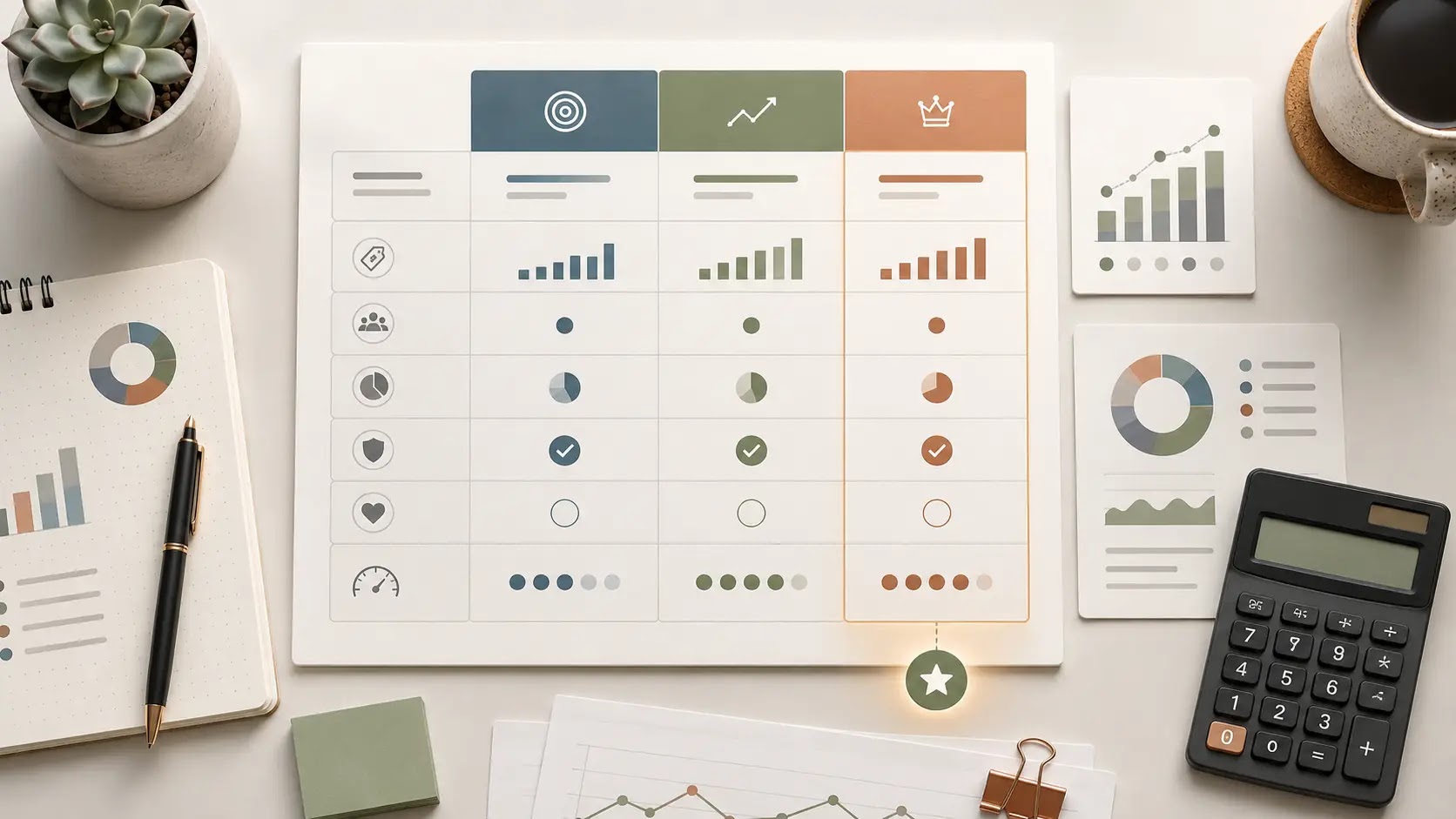
How should you price vending machines and locations?
If you are buying, launching, or expanding a U.S. vending machine route, the practical answer is that pricing should be tied to the economics of the machine and the location—not just the sticker price of the equipment or a flat commission percentage. The same machine can support very different economics depending on foot traffic, product mix, stocking frequency, repair exposure, and whether the site charges a commission or other access terms.
For planning purposes, treat pricing as a decision about total margin, not a single number. A location that looks attractive on sales volume can still underperform if route mileage, labor, spoilage, payment processing, inventory mix, or service interruptions are high. The right pricing approach is the one that fits your operating model and leaves room for working capital.
Because vending economics vary by market, property type, and vendor terms, the first step is to document the assumptions that affect machine cost, location cost, and expected net margin before you commit to an offer or a route purchase.
| What the reader is deciding | What must be verified locally |
|---|---|
| How much to pay for a machine or location relationship | Current equipment condition, expected sales mix, route density, lease terms, commissions, and local vendor pricing |
- Lease and access terms: site rent, commission structure, duration, and any exclusivity or renewal limits
- Equipment condition: machine age, service history, repair risk, and replacement timing
- Labor and route time: stocking frequency, service labor, and travel mileage between stops
- Menu economics: product mix, margins, spoilage risk, and payment-processing costs
- Permits and local requirements: any city, county, or property-specific rules that affect operations
- Working capital: inventory, spare parts, cash float, and early operating reserves
- Funding readiness: whether the offer can be supported by lender, investor, or owner cash assumptions
With those assumptions named up front, the next step is to turn them into a practical pricing framework that compares machine economics, location quality, and operating risk side by side.
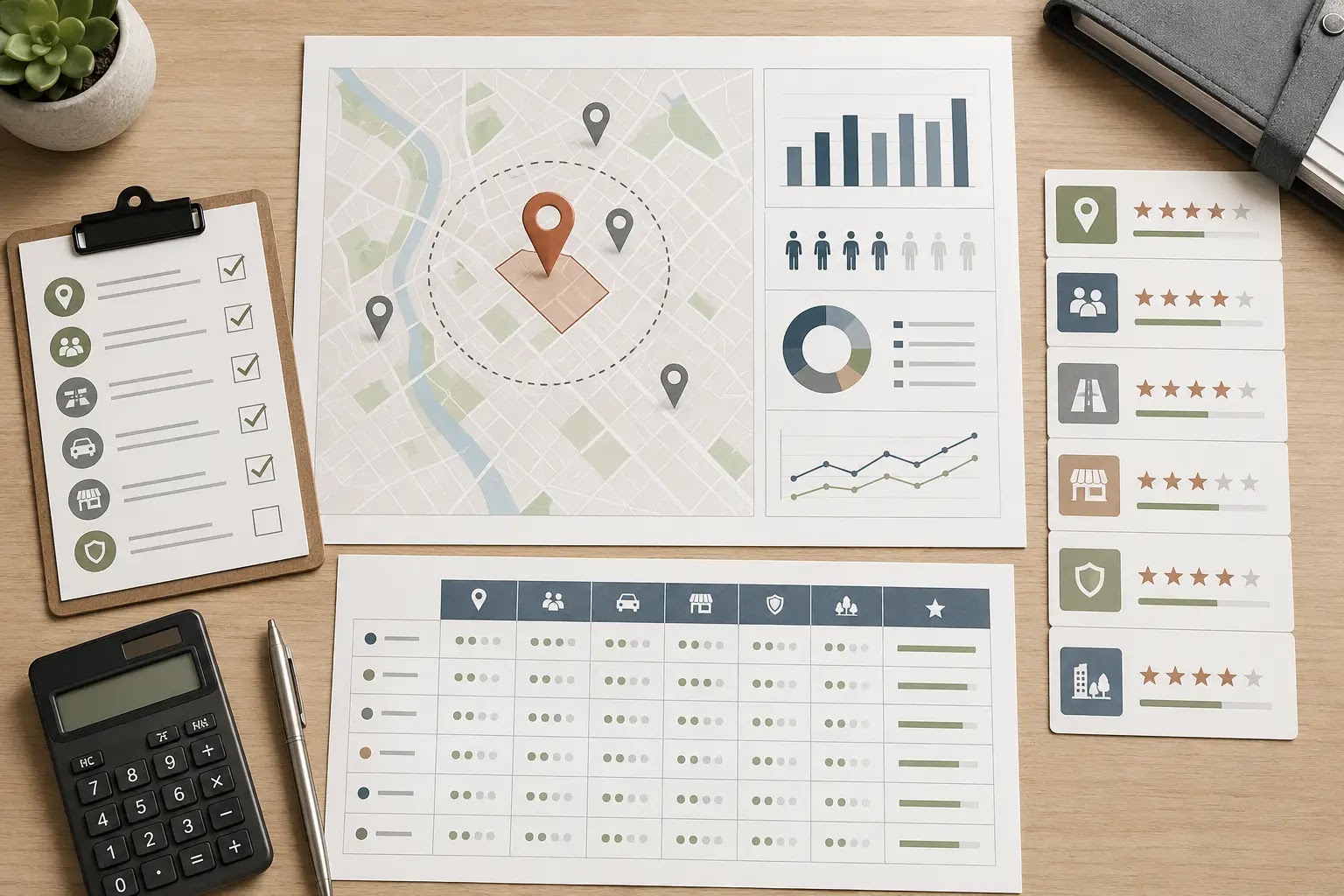
How should you build the pricing framework for vending machines and locations?
For a U.S. vending business, pricing is rarely just the sticker price on the machine. It is the combined cost of the equipment, the location terms, the product mix, and the service burden that comes with keeping the route stocked and working.
The practical question is whether a machine-location pair can support enough margin after commissions, inventory, repairs, mileage, payment processing, and working capital needs. That is why the best pricing decisions start with documented assumptions, not a single “good deal” number.
Which inputs actually move the price?
| Planning area | Question to answer | Input to collect | Model impact | Verification source |
|---|---|---|---|---|
| Machine acquisition | What exactly are you buying? | Machine type, age, condition, included parts, payment hardware, warranty or refurbishment needs | Upfront capital need, repair reserve, launch timing | Seller invoice, inspection notes, maintenance records |
| Product mix | What will this location actually sell? | Expected product categories, package sizes, brand requirements, supplier cost sheets | Gross margin, inventory turns, spoilage risk | Supplier quotes, site walkthrough, prior sales data if available |
| Location compensation | What does the site owner expect in return? | Flat rent, commission, revenue share, free placement, contract term | Recurring site expense, break-even sales level | Draft location agreement, owner discussion, comparable local terms |
| Traffic and sell-through | How much volume can the site support? | Customer type, foot-traffic proxy, hours of access, nearby alternatives, historical sales if a takeover | Units sold, stockout frequency, reorder timing | On-site observation, seller records, telemetry data |
| Route service burden | How costly is it to keep the machine stocked? | Route miles, visit frequency, access constraints, labor time, loading conditions | Fuel, labor allocation, route efficiency, service margin | Route map, site access check, time study |
| Payment and software | What tech is required to run the account? | Card reader, cash acceptor, telemetry, software platform, processor terms | Transaction cost, reporting quality, cash handling risk | Vendor quote, processor terms, device specs |
| Repairs and downtime | How fragile is the machine-location pair? | Service history, parts availability, technician access, expected downtime risk | Maintenance reserve, lost sales exposure | Service logs, technician input, parts lead time |
What should your research-to-assumptions workflow look like?
-
Separate the machine from the location.
Document the one-time equipment cost and the recurring location cost as different decisions, because each one affects the model in a different way.
-
Record the site facts before you price anything.
Capture the customer type, access hours, placement constraints, nearby competition, and whether the site supports snacks, beverages, or a mixed assortment.
-
Build the product assumption set.
List the categories and package sizes you expect to stock, then note any location-specific requirements that change margin or turnover.
-
Confirm the location compensation structure.
Write down whether the site wants a flat fee, a commission, a revenue share, or no compensation, and note the term length and any vendor obligations.
-
Estimate the service burden.
Document route mileage, restock frequency, labor time, parking or loading limits, and any issue that could increase missed visits or overtime.
-
Collect the payment and software inputs.
Note whether the machine needs card acceptance, telemetry, cash handling, or route software, and request current vendor terms instead of assuming standard pricing.
-
Capture repair and replacement risk.
Write down the machine’s condition, service history, and any known part or technician constraints so you can set a realistic maintenance reserve.
-
Source every assumption.
Tag each line item with where it came from: seller statement, on-site observation, supplier quote, contract draft, or machine records.
Once those inputs are documented, you have the right handoff into Block 3: turning the pricing framework into scenario economics, margin tradeoffs, and risk checks for the financial model.

What do pricing assumptions do to the vending model?
For vending machines, the price question is not just retail markup. Location commission, expected sales mix, route mileage, repair frequency, payment fees, and working capital can change the economics more than the sticker price on the products. A machine that looks attractive on sales volume can still underperform if it needs heavy service or expensive site terms.
Why the financial model shifts fast
Price assumptions affect both revenue and cost. Higher-margin items can improve unit economics, but they may also sell more slowly. A stronger location can justify better pricing, while a weak location may need lower prices, smaller product assortment, or a different machine type to stay viable.
Assumptions to lock before you trust the numbers
- Expected sales per machine and per location
- Product mix and average selling price
- Location commission or revenue share terms
- Route mileage, fuel, and labor coverage
- Repair reserve, software, and payment processing fees
- Opening inventory, service frequency, and cash buffer
How should you pressure-test the economics?
| Model item | Input to collect | Planning formula | Why it matters | How to verify |
|---|---|---|---|---|
| Monthly gross sales | Sales per machine or per site | Units sold × average selling price | Drives revenue and inventory need | Comparable locations, test placement, route records |
| Gross margin | Product cost and price mix | Sales minus product cost | Shows whether pricing covers operating costs | Supplier quotes and current product invoices |
| Location commission | Percentage or flat site fee | Sales share owed to the site | Can change which locations are worth pursuing | Signed location agreement or draft terms |
| Route operating cost | Fuel, labor, service time, mileage | Variable route cost per stop or per month | Weak routes can erase thin margins | Route map, service schedule, labor estimate |
| Monthly contribution | Revenue and operating costs | Gross sales minus variable costs | Funds fixed overhead and debt service | Scenario model with conservative assumptions |
| Funding need | Startup costs and working capital | Startup outlay plus cash buffer minus owner cash | Helps size the capital request | Vendor quotes, deposit requirements, opening inventory plan |
| Cash runway | Starting cash and monthly burn | Available cash divided by net monthly burn | Shows how long the business can absorb slow sales | Model conservative sales and service assumptions |
What does the sensitivity check show?
Conservative case
Use lower sales, higher commission, and more route time. This case helps you see whether the machine or location still works if traffic is weaker than expected.
Base case
Use your most defensible location estimate, current product costs, and realistic service frequency. This is the case most lenders, partners, and buyers will want to understand first.
Upside case
Use stronger sales or a better product mix, but do not let the optimistic case drive the purchase or location offer. It is useful for upside, not for safety.
| Scenario | Sales assumption | Commission pressure | Route burden | Planning use |
|---|---|---|---|---|
| Conservative | Lower than expected | Higher | Higher | Stress test and cash buffer check |
| Base | Expected | Standard | Moderate | Primary pricing and funding view |
| Upside | Higher | Lower | Lower | Stretch case for expansion planning |
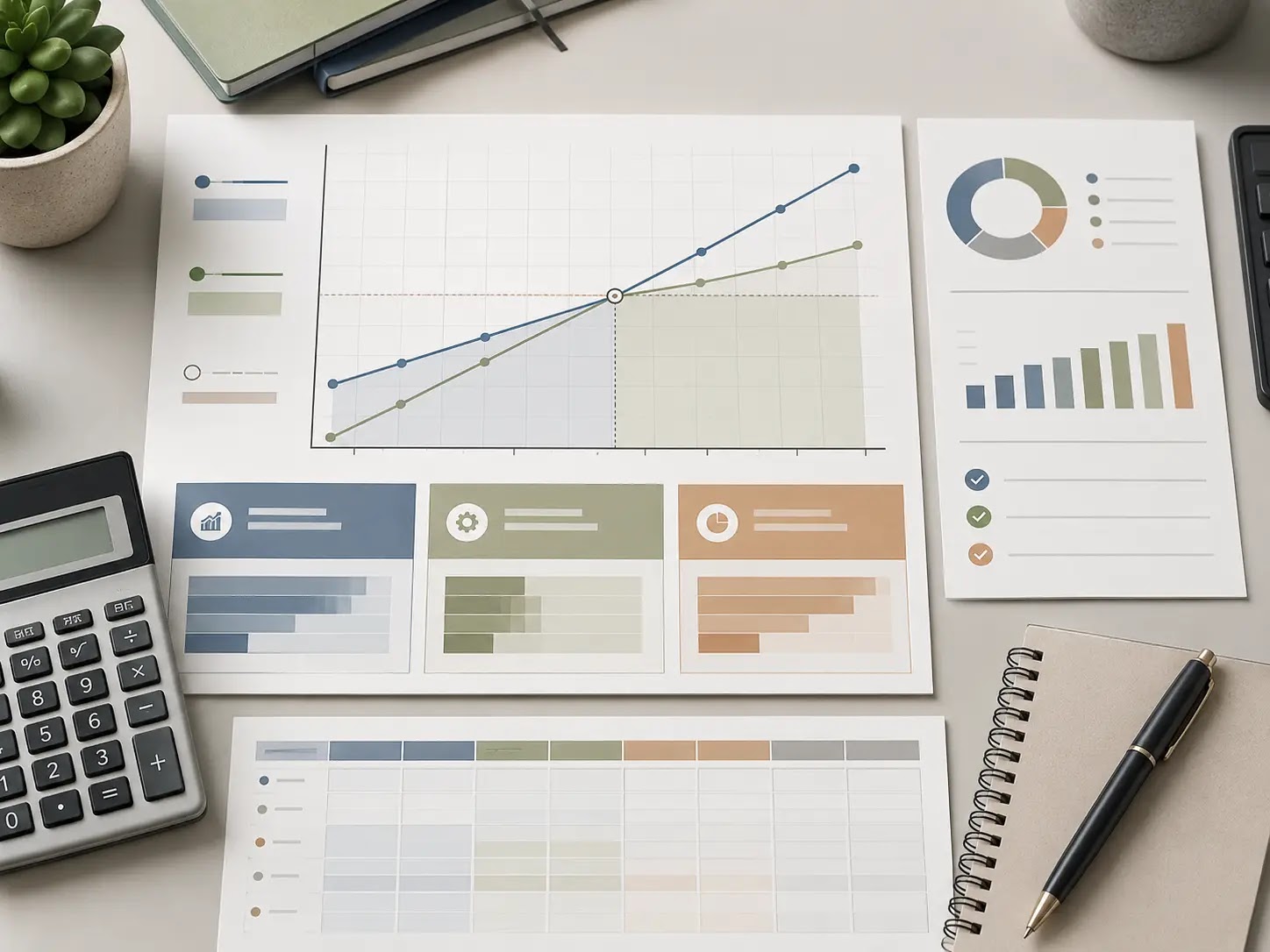
What should you do next before you price a vending machine route or location?
For a U.S. vending machine business, pricing is not just the sticker price on a machine or the commission on a location. It is the result of machine cost, route density, inventory turnover, repair risk, software, labor, mileage, and working capital needs. The practical answer is to price each machine and each location against the cash it can realistically support, then verify the local terms before you commit.
In short: the best pricing decision is the one that still works after you include restocking, servicing, spoilage, downtime, and any location-specific fees or revenue share. Those inputs vary by market and should be checked with current local sources and vendor terms.
Decision recap
- Price the machine based on total acquisition and setup cost, not purchase price alone.
- Price the location based on expected sales, route efficiency, and the cost of serving it.
- Test whether commissions, rent, and service frequency still leave enough margin.
- Build in repairs, spoilage, payment processing, and working capital from day one.
- Verify local terms before using any location estimate in a deal, loan request, or launch plan.
Readiness scorecard
| Checkpoint | What you need to confirm | Why it matters |
|---|---|---|
| Machine economics | Purchase price, setup cost, payment system, and expected maintenance load | Sets the baseline for payback and financing needs |
| Location economics | Foot traffic quality, category fit, commission terms, and access for servicing | Determines whether the site can support your target margin |
| Operating cost load | Inventory, mileage, labor, spoilage, repairs, and software | Shows the true cost to keep the route running |
| Cash cushion | Working capital for restocking, delays, breakdowns, and slow ramp-up | Helps prevent avoidable strain after launch or acquisition |
| Verification | Current local market rates, lease or location terms, and vendor conditions | Prevents pricing from relying on stale or generic assumptions |
Next planning steps
- List each machine and location separately so pricing reflects real operating differences.
- Capture the assumptions that change the result: sales volume, route miles, repair frequency, commission, and inventory mix.
- Stress-test the weakest locations first to see whether the route still holds margin.
- Confirm local vendor terms, landlord expectations, and any market-specific requirements before final pricing.
- Use the result to decide whether to buy, place, renegotiate, or pass on the machine or site.
Planning bridge: A business plan, financial model, pitch deck, checklist, and startup toolkit can help you organize assumptions, compare scenarios, and document the pricing logic for partners, lenders, landlords, or advisors. They are planning tools, not approval guarantees.
Final takeaway: If a machine or location only looks good before you include service time, route mileage, repairs, commissions, and working capital, it is not priced correctly yet. Verify the local terms, run the numbers by location, and choose the option that still works after real operating costs are included.


