
Vending Machine Vendor and Supplier Planning
A practical U.S. planning guide for vending machine vendor and supplier planning, built for founders, buyers, and operators comparing assumptions before committing capital.

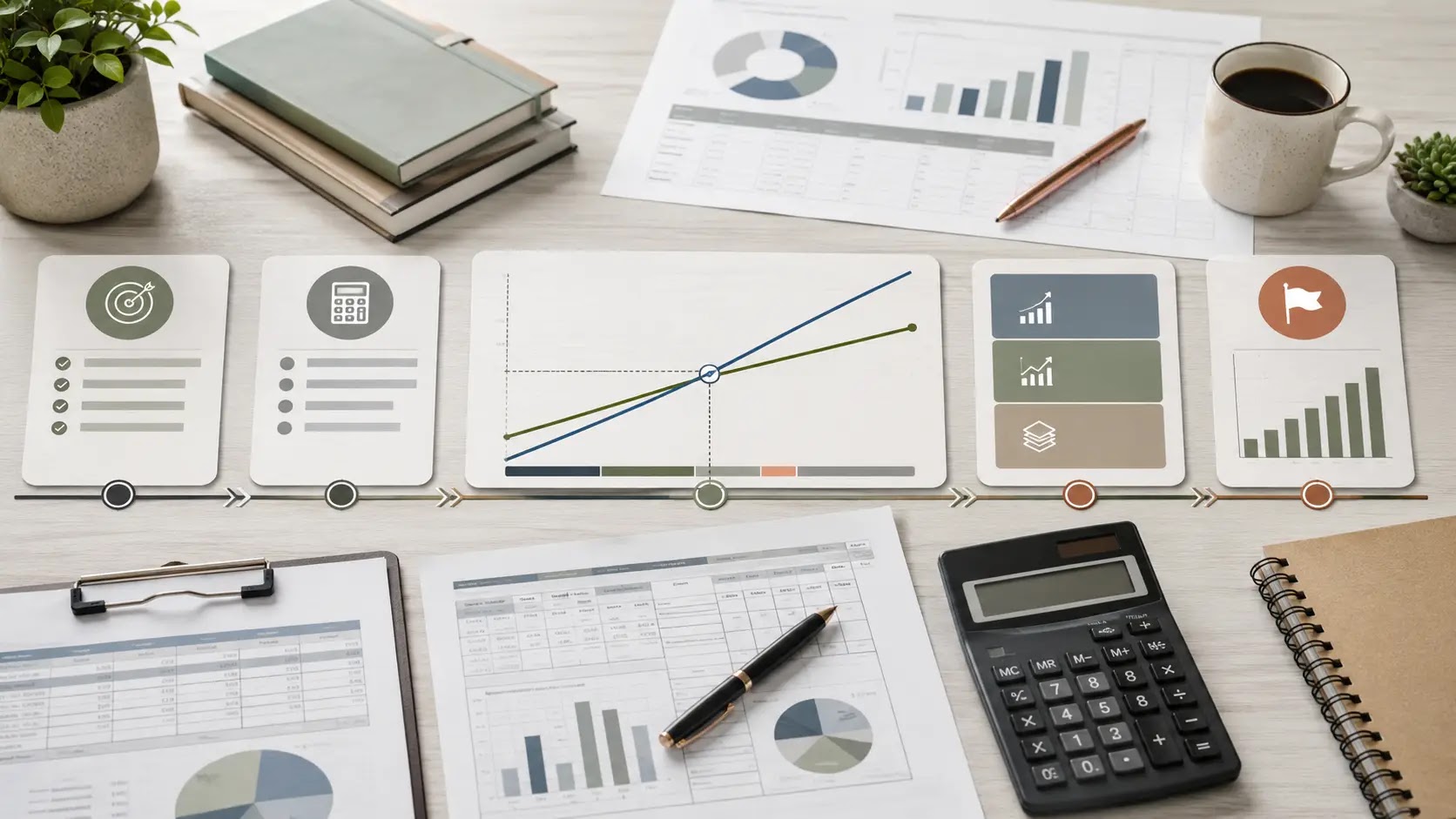
How should you plan vending machine vendors and suppliers for a U.S. vending business?
If you are buying or launching a route, vendor and supplier planning is really a margin decision: which machines you will place, which products you can source reliably, and whether the location still works after commissions, route mileage, repairs, software, and replenishment time are included.
The practical goal is to match the machine type and product mix to the location’s traffic pattern and operating burden. A stronger-looking location can still be weak on paper if supplier terms are unstable, product turns are slow, or service calls and restocking runs are too costly for the route density.
For U.S. founders and buyers, the key is to document the assumptions you can control and verify the ones that vary by market: equipment pricing, product availability, placement terms, service expectations, local permits, and working capital needs. That is the difference between a usable plan and a guess.
| What the reader is deciding | Which machines, suppliers, products, and service model can support a profitable route or location set. |
|---|---|
| What must be verified locally | Equipment pricing, product costs, commissions, rent or placement terms, route mileage, repair response, software fees, permits, and funding conditions. |
- Lease and buildout: space fit, electrical access, loading access, and any landlord conditions.
- Equipment: machine type, used versus new condition, serviceability, and parts availability.
- Labor: restocking time, route density, service frequency, and repair coverage.
- Menu economics: product cost, price point, shrink, spoilage, and mix by location.
- Permits and approvals: local requirements that may affect placement or operation.
- Working capital: cash needed for inventory, deposits, repairs, and early-stage downtime.
- Funding readiness: whether the assumptions are organized well enough for a lender, buyer, or investor review.
The next section turns these local variables into a practical planning framework so you can test the business assumptions before you commit.
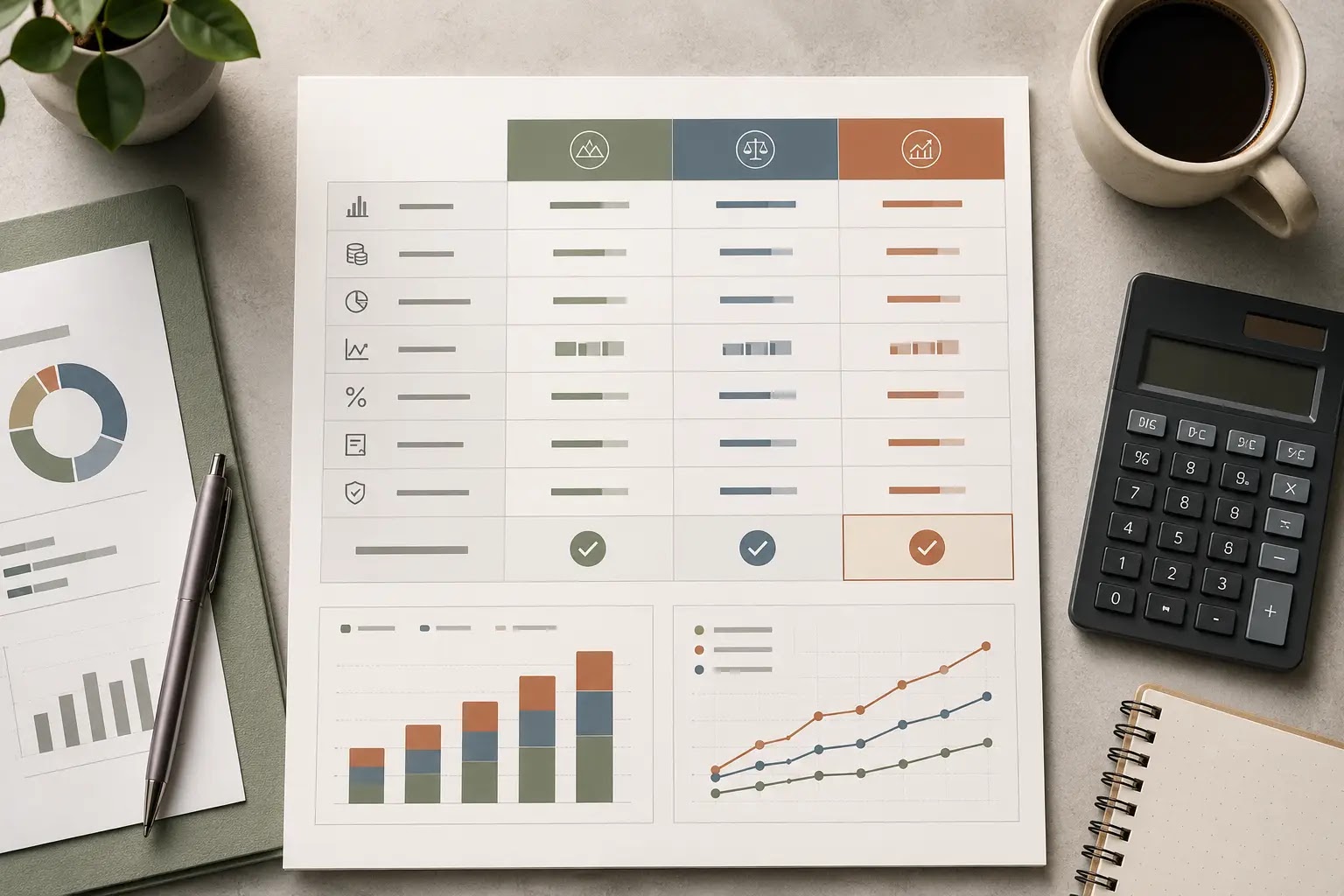
How should a vending machine founder structure vendor and supplier planning?
Use this framework to turn product, menu, and pricing choices into documented assumptions before you commit to routes, equipment, or a launch budget. For vending, the supplier plan is not just “who sells the product”; it shapes assortment, refill frequency, spoilage risk, cash tied up in inventory, and the prices your route can actually support.
What planning inputs matter most for menu, product, and pricing?
| Planning area | Question to answer | Input to collect | Model impact | Verification source |
|---|---|---|---|---|
| Product mix | Which categories will this route sell best: drinks, snacks, healthy items, or specialty items? | Location type, customer segment, nearby food options, restock frequency | Sales mix, gross margin profile, spoilage risk | Location walkthrough, site contact, observed foot traffic, competitor machines |
| Price points | What retail prices can the location support without reducing velocity? | Expected price bands by item type, customer sensitivity, competitive pricing | Revenue per vend, margin per item, cash collection assumptions | On-site competitor checks, supplier catalog, operator interviews |
| Supplier terms | What are the minimum order sizes, case packs, and payment terms? | MOQ, case pack count, lead times, payment timing, freight terms | Working capital need, inventory days, cash conversion cycle | Distributor quotes, manufacturer terms, written vendor confirmations |
| Route replenishment | How often will the machine need to be serviced and restocked? | Estimated unit turns, slot count, refill cadence, route geography | Labor hours, mileage, fuel, service cost per stop | Route test plan, pilot inventory counts, map review |
| Freshness and waste | Which items are likely to expire or go stale before they sell? | Shelf life, storage needs, turnover expectations, climate exposure | Shrink, write-offs, reorder timing, assortment limits | Supplier spec sheets, internal test run, product labels |
| Machine compatibility | Will the products fit the machine type and vend reliably? | Package dimensions, weight, temperature needs, machine configuration | Slot utilization, stockouts, service issues, product returns | Machine specs, sample inventory, technician input |
| Location economics | Do commissions, fees, or revenue-share terms change the product lineup? | Location fee structure, commission schedule, exclusivity terms | Net margin by location, break-even volume, pricing flexibility | Draft location agreement, operator benchmarks, site manager discussions |
| Equipment and storage support | Does the product plan require extra storage, refrigeration, or pickup capacity? | Storage space, cold-chain needs, backstock volume, delivery constraints | Facility cost, spoilage risk, inventory carrying cost | Warehouse quotes, machine requirements, storage walkthrough |
How do you move from research to documented assumptions?
- Start with the location type. Separate office, gym, school-adjacent, warehouse, apartment, and transit-style stops, because each one changes what people buy and how fast inventory turns.
- Build a short product shortlist. List the items you think the machine should carry, then group them by margin, shelf life, and vend reliability instead of by brand preference.
- Collect supplier terms in writing. Ask for case packs, minimum orders, lead times, freight treatment, and payment timing so inventory needs and reorder timing can be modeled correctly.
- Check package fit and machine compatibility. Confirm dimensions, temperature requirements, and machine configuration before assuming a product can be stocked profitably.
- Test pricing against the site. Compare your proposed retail price with nearby alternatives, then note which items can carry premium pricing and which need to stay value-oriented.
- Estimate replenishment frequency. Translate expected unit sales into route stops, labor time, and mileage so the menu decision reflects operating cost, not just gross margin.
- Document waste exposure. Flag items that may stale, melt, expire, or sell unevenly, then treat them as higher-risk assumptions in your plan.
- Lock the assumption sheet. Record the chosen items, supplier sources, price bands, and reorder rules so the same inputs can flow into the financial model and pitch materials.
What should be verified before the model is finalized?
- Supplier availability for the exact items you want to stock
- Written terms for minimum order size and delivery timing
- Product dimensions and machine compatibility
- Expected route stop frequency for each location type
- Item-level pricing assumptions tied to actual site conditions
- Spoilage, shrink, and slow-turn risk for each category
Next step: use these documented supplier and menu assumptions in Block 3 to test margin, working capital, and route economics under different sales and refill scenarios.
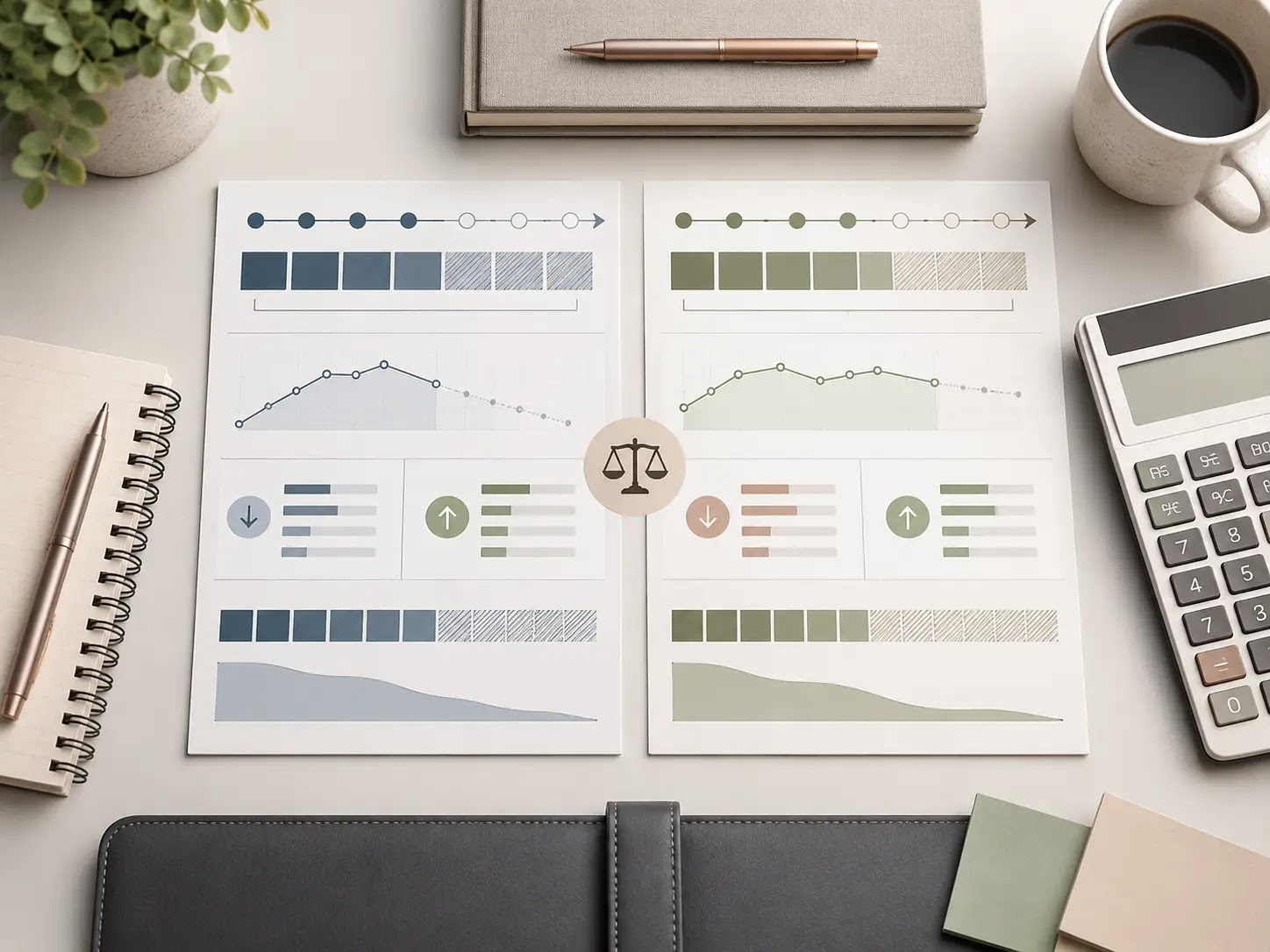
How should vendor and supplier choices flow into the financial model?
For a vending machine business, supplier decisions do more than set product cost. They change startup funding needs, inventory cash tied up on day one, route mileage, refill frequency, repair exposure, and the amount of labor needed to keep machines stocked. Treat every quote as a model input, not a final answer.
Planning takeaway
If a supplier quote lowers unit cost but increases minimum order size, delivery fees, or replacement lead time, the cash-flow effect can be worse than the sticker price suggests.
What to hold constant
Use the same assumptions for machine count, average fill level, route frequency, and service reserve when comparing suppliers. Otherwise the model will hide the real tradeoff.
Build the plan around verified inputs: machine purchase or lease terms, first-order inventory, commission structure, payment terms, software fees, expected maintenance, and the labor time needed to cover routes. Those items affect both break-even sales and cash runway.
Simple planning calculator
Replace every placeholder with current quotes and local data. The formulas below are useful for comparing supplier offers and funding needs before you finalize a forecast.
| Metric | Simple planning formula | What to verify |
|---|---|---|
| Startup funding need | Machines + first inventory + delivery/setup + software + working capital reserve | Current supplier quotes, freight or install charges, and any deposit or minimum-order terms |
| Monthly fixed burn | Route labor + software + storage + insurance + maintenance reserve + commissions | Local labor rates, commission expectations, and service contract terms |
| Break-even sales | Monthly fixed burn ÷ gross margin | Product mix, resale price, spoilage, shrink, and vendor cost per unit |
| Cash runway | Available cash ÷ monthly cash burn | How much cash is left after inventory buys, deposits, and equipment payments |
| Labor coverage | Stops per route ÷ refill time per stop | Travel time, route density, restocking frequency, and downtime for repairs |
| Pricing mix effect | Higher-margin items can lift margin, but may change velocity and refill cadence | What sells at each location, not just what looks profitable on paper |
What the model should stress-test
| Scenario | Supplier / operating assumption | Likely model effect | Decision risk |
|---|---|---|---|
| Conservative | Higher commission, smaller route density, more frequent service stops | Higher labor and lower margin; break-even rises | Underestimating cash needs and route time |
| Base | Verified supplier quote, standard refill cadence, typical downtime reserve | Most realistic planning case for funding and launch discussions | Assuming perfect machine uptime or ideal locations |
| Upside | Better product mix, stronger sales per stop, lower repair burden | Improves margin and runway | Overbuilding the plan around best-case locations |
Risk checklist for supplier and vendor planning
- Minimum order quantities: can tie up cash in inventory before locations are proven.
- Lead times: can delay opening dates, repairs, or machine refreshes.
- Compatibility: parts, payment systems, and software may not work across every machine model.
- Commission or placement terms: can compress margin more than the product spread suggests.
- Route inefficiency: long drives between stops can turn a good product mix into a weak labor return.
- Service reserve: unplanned maintenance can quickly change the cash runway if it is not budgeted.
For lenders, landlords, or partners, these assumptions should sit in the same file as your pitch deck and financial model so the supplier quotes, route assumptions, and working-capital needs stay aligned.
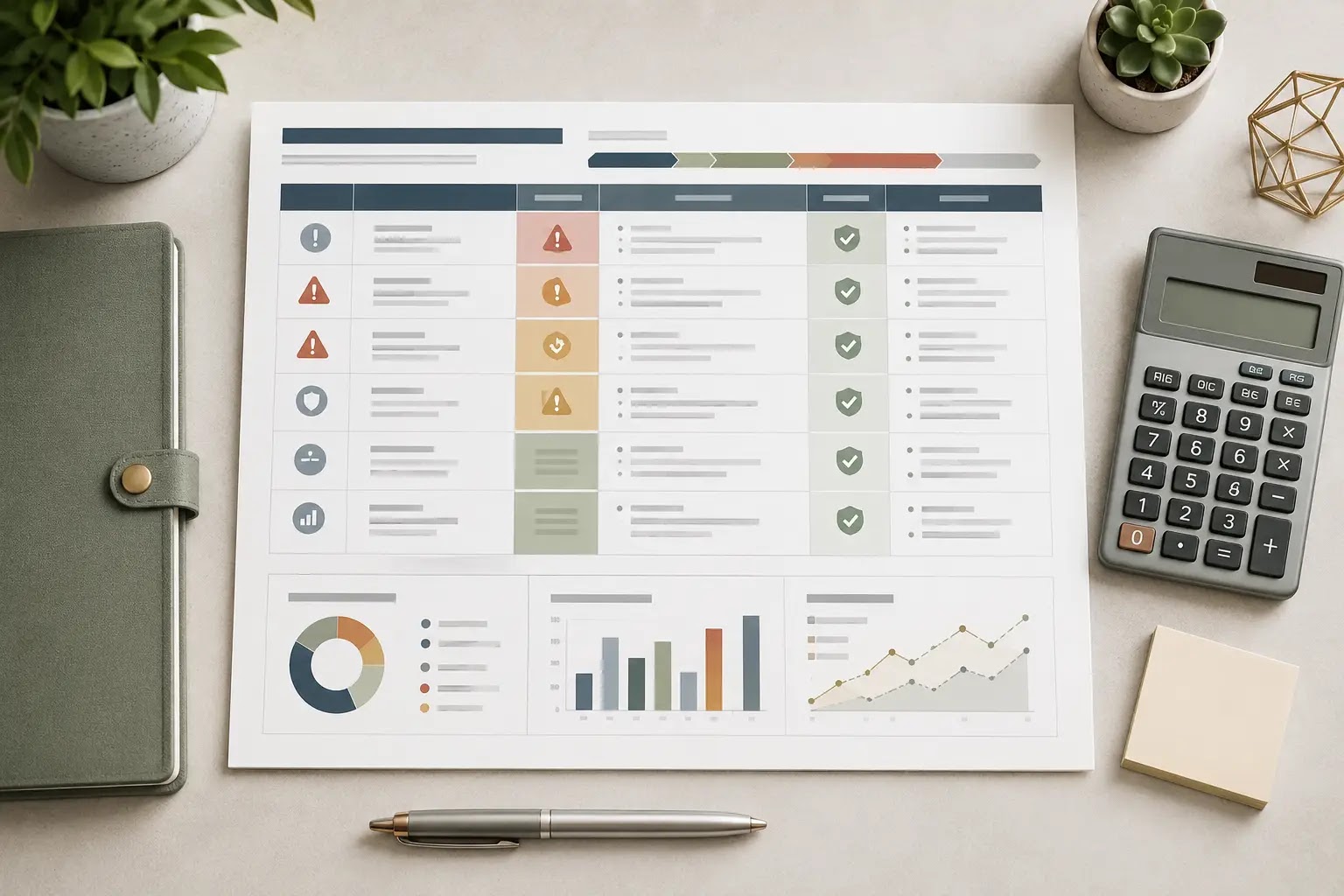
What should you do next before choosing vendors and suppliers?
If the machine choice, route plan, product mix, and supplier terms all support the same margin story, you are close to a workable vending setup. If any one of them is still uncertain, keep the decision open until you verify location demand, inventory access, service response, and working capital needs.
For U.S. founders and buyers, the practical path is simple: confirm the locations, validate the products they can reliably support, compare supplier and repair terms, then test whether the route can carry the cost of stock, fuel, commissions, and downtime.
Readiness scorecard
| Decision area | Ready when you have | Why it matters |
|---|---|---|
| Machine fit | Confirmed machine type matches the site, product, and traffic pattern | Limits wasteful equipment choices |
| Supplier terms | Written terms for pricing, minimums, lead times, and delivery method | Protects margins and refill timing |
| Service support | Repair process, response expectations, and parts access are clear | Reduces downtime risk |
| Inventory plan | Restock schedule and product list reflect demand and shelf life | Supports sell-through and cash flow |
| Route economics | Fuel, mileage, labor, and visit frequency are built into the model | Shows true operating margin |
| Working capital | Enough cash to buy stock, cover repairs, and absorb slow starts | Prevents early strain |
Next planning steps
- Confirm the exact machine format you need for each target location.
- Request supplier quotes and compare product quality, fill sizes, and reorder terms.
- Map route mileage, refill frequency, and repair coverage into the operating plan.
- Check whether commissions, rent splits, or placement fees change the margin case.
- Stress-test the plan for slower sales, stockouts, and equipment downtime.
- Verify local costs, vendor terms, and market prices with current sources before you sign or buy.


