
Vending Machine Vendor Access and Delivery Workflow
A practical U.S. planning guide for vending machine vendor access and delivery workflow, built for founders, buyers, and operators comparing assumptions before committing capital.

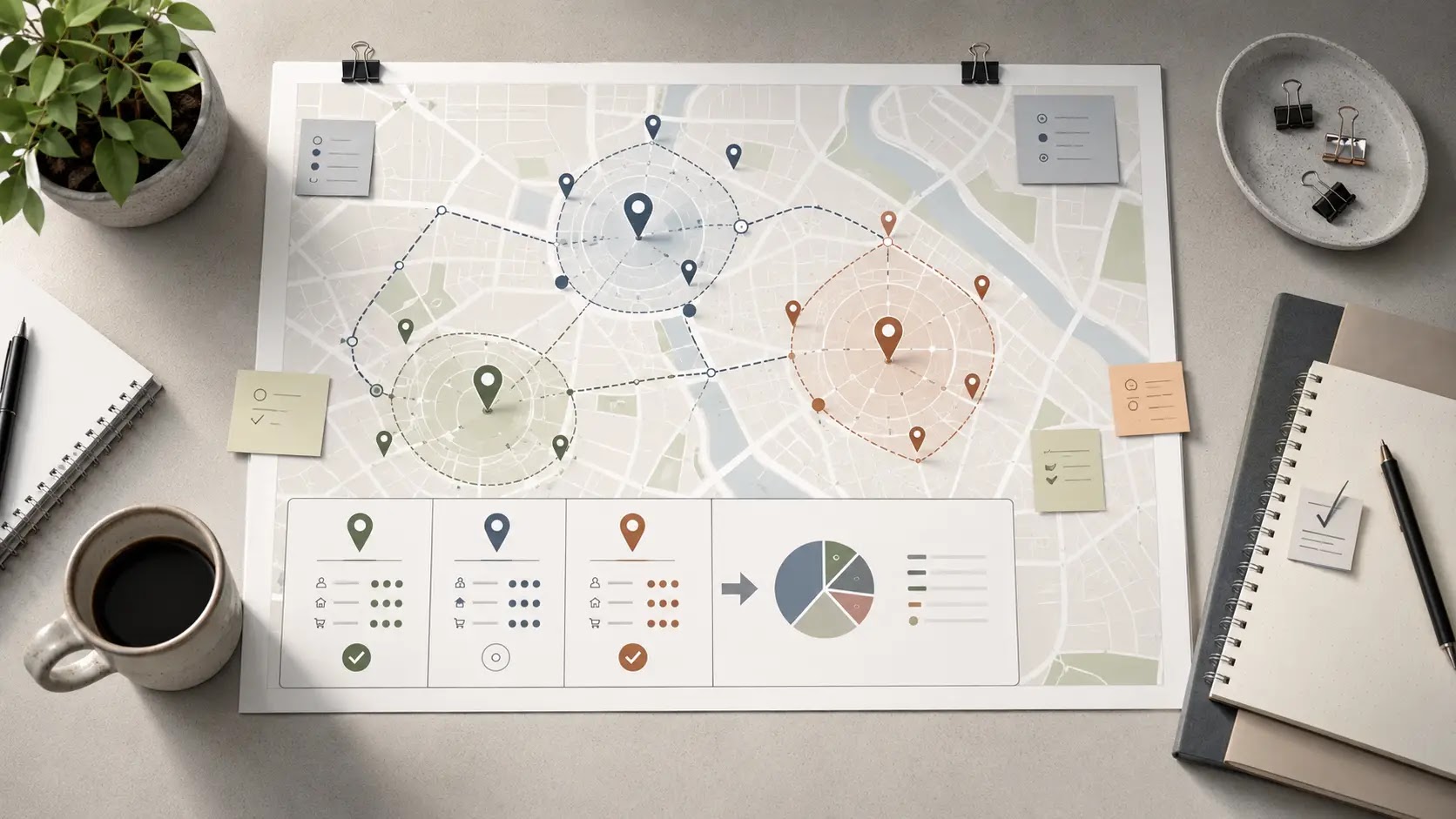
What does a vending machine vendor access and delivery workflow really require?
If you are buying or launching a vending machine route, the practical question is not just where the machines go. It is whether you can secure reliable access, move equipment safely, stock it consistently, and support the route without creating avoidable cost in mileage, labor, repairs, or downtime.
The workflow affects both startup feasibility and acquisition value because it changes route density, delivery frequency, stocking labor, and working-capital needs. A route that looks attractive on paper can become harder to run if access windows are limited, dock rules are strict, commissions are high, or machines need more service than expected.
For planning purposes, treat vendor access and delivery as a chain of assumptions: site access, machine placement, stocking cadence, inventory handling, service response, and payment terms. Each one can shift the economics, so the local facts matter more than a generic vending template.
Quick decision frame
| What the reader is deciding | Whether the route can be accessed, serviced, and delivered efficiently enough to support the planned machine count and operating model. |
|---|---|
| What must be verified locally | Site access rules, delivery windows, machine placement terms, commission expectations, equipment fit, inventory handling, and any permit or landlord requirements. |
The best early read is whether the route supports repeatable delivery without excessive dead time, extra trips, or avoidable service interruptions. That usually depends on the actual site layout, the machine mix, and the terms you negotiate with location owners or managers.
- Lease/buildout: space, access path, power, loading area, and any site-specific placement terms
- Equipment: machine size, condition, transport needs, and maintenance exposure
- Labor: stocking time, travel time, route coverage, and repair response capacity
- Menu economics: product mix, spoilage risk where relevant, and refill frequency
- Permits and site rules: local requirements, landlord approval, and operating restrictions
- Working capital: inventory float, fuel, repairs, and launch-period cash needs
- Funding readiness: documentation, assumptions, and lender or investor questions if expansion money is involved
Next, the practical framework shows how to translate those access and delivery assumptions into a route plan you can test before you commit.
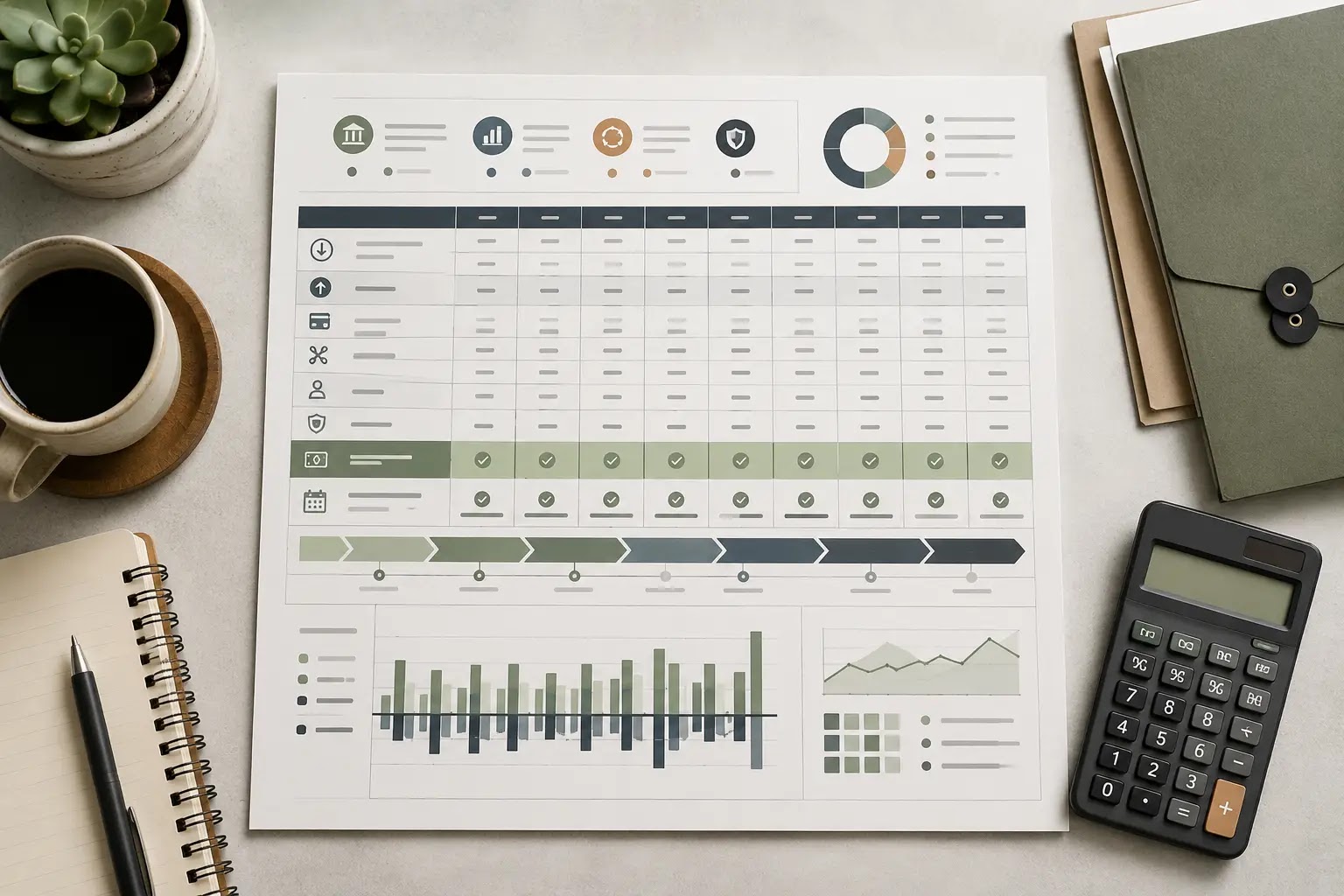
What should a vending route and delivery workflow be built around?
Turn access, delivery, and service constraints into documented assumptions
For vending machine route and territory planning, the core question is not just whether a location can sell. It is whether you can reach, service, restock, and repair the machine without creating avoidable mileage, labor, inventory, or access problems. That means each candidate site should be evaluated for delivery path, entry restrictions, stocking frequency, machine access windows, and the practical cost of getting product in and cash out.
| Planning area | Question to answer | Input to collect | Model impact | Verification source |
|---|---|---|---|---|
| Site access | Can the machine be reached during your service window? | Building hours, entry restrictions, elevator or dock access, badge or escort requirements | Affects service timing, labor hours, and whether the stop is practical | Location contact, leaseholder, property manager, or site manager |
| Delivery path | How will product and equipment get to the machine? | Parking distance, cart use, stairs, freight access, door width, route sequence | Changes stocking time, handling effort, and route efficiency | Site walk-through and delivery-day observation |
| Service cadence | How often will the machine need stocking or service? | Expected product turnover, shelf capacity, refill frequency, maintenance visit cadence | Drives mileage, labor scheduling, and inventory holding needs | Comparable locations, operator interviews, and early sales logs |
| Inventory mix | What items can be stocked without creating slow-moving inventory? | Product mix, case-pack sizes, shelf fit, expiration sensitivity, preferred brands | Impacts shrink, cash tied up in inventory, and reorder timing | Supplier catalogs, test fills, and first-month sales records |
| Machine uptime | How quickly can repairs be handled? | Technician availability, spare parts list, vendor support terms, downtime escalation path | Affects lost sales, emergency labor, and route disruption | Equipment vendor, technician, and warranty or service agreement |
| Route density | Do the stops cluster enough to make the territory efficient? | Map of stops, drive time between sites, cluster size, backtrack risk | Changes fuel, labor utilization, and the number of machines a route can support | Route map, navigation data, and on-site travel test |
| Territory rights | Are there placement or exclusivity limits that affect expansion? | Site control terms, manager approval process, competing vendor exposure, renewal timing | Shapes growth path and the risk of losing access | Signed agreement, email confirmation, or route acquisition records |
| Payment and cash handling | How will cash, cards, or telemetry be managed on route? | Payment mix, telemetry system, cash pick-up schedule, deposit process | Impacts software cost, collection time, and reconciliation labor | Payment processor terms, software setup, and accounting workflow |
How should a founder move from site research to documented assumptions?
- Map the territory first. Group candidate locations by drive time, access type, and likely service cadence instead of treating each machine as isolated.
- Walk the delivery path. Note parking, entry points, loading obstacles, hours of access, and anything that makes a stop slower than expected.
- Document stocking frequency assumptions. Estimate how often each machine will need refills based on traffic, product mix, and shelf capacity.
- Record the labor minutes per stop. Separate drive time, restock time, money collection, and any cleaning or simple repair time.
- Log inventory requirements. Capture case-pack sizes, minimum reorders, and any products that may sit too long for the location profile.
- Check repair access and vendor support. Identify who services the machine, how parts are sourced, and how downtime will be handled.
- Note territory or lease constraints. Save any written terms that affect exclusivity, placement rights, or removal timing.
- Convert everything into an assumptions sheet. Keep one source of truth for route mileage, service cadence, labor inputs, and inventory turnover so the model can be tested later.
What should be documented before the financial model is built?
By the end of this step, you should have a route-ready assumptions set that ties each machine to a location, a service pattern, and a delivery path. That documentation is what allows later model checks on labor, mileage, inventory turnover, and working capital to stay grounded in the actual territory plan.
Next: use these route and delivery assumptions in Block 3 to test the financial model implications, territory tradeoffs, and risk points before you commit to the route.
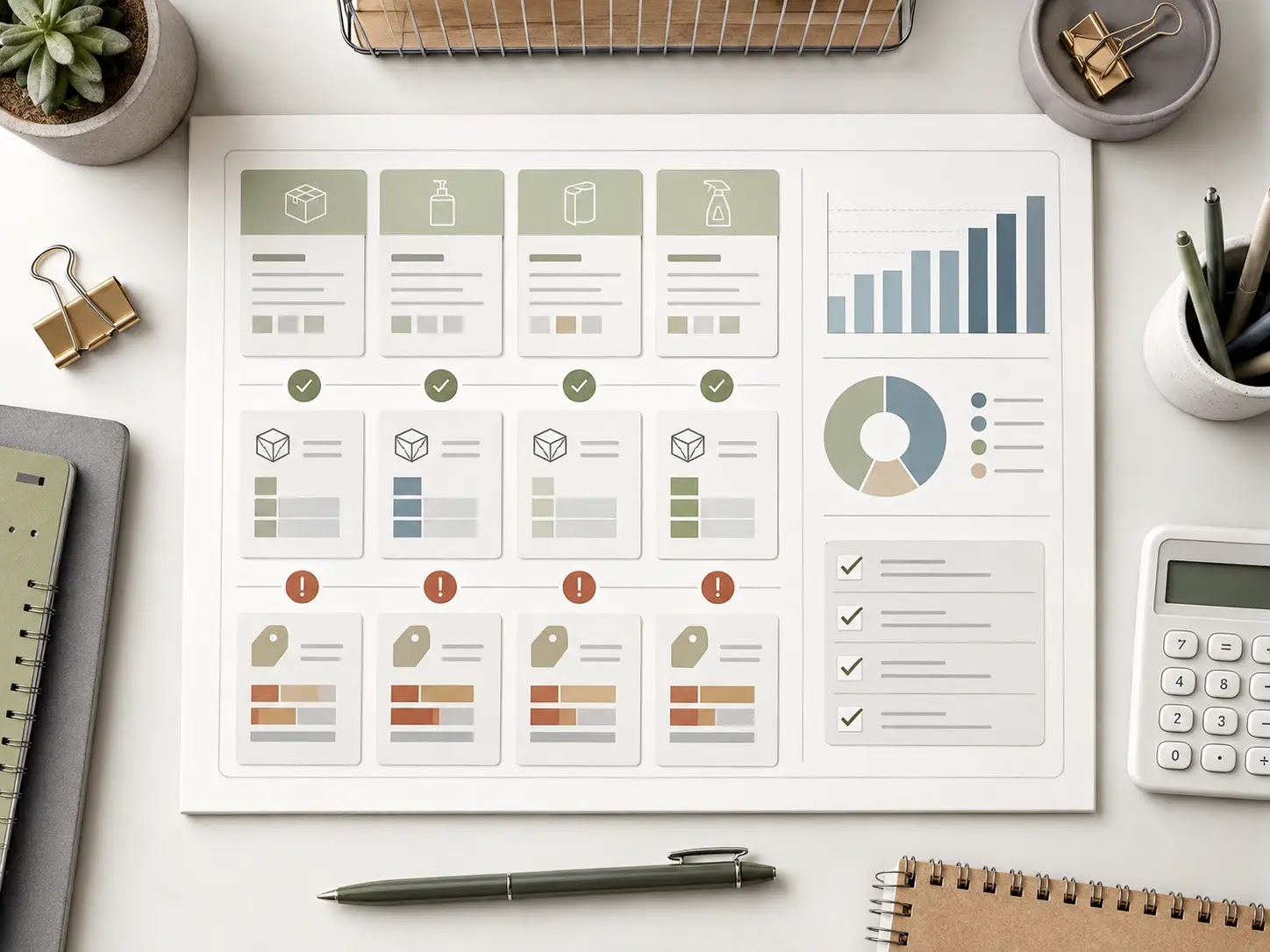
What tradeoffs should you pressure-test before you commit to vending machine access and delivery?
For a vending machine buyer or founder, the biggest planning mistake is treating access as a simple yes-or-no issue. Vendor access, delivery distance, dock rules, elevator use, after-hours entry, and refill windows all affect route mileage, labor time, service frequency, and how quickly the machine can generate usable cash flow. A location that looks strong on foot traffic can still be weak if access is slow, restricted, or expensive to service.
The same is true on the delivery side. If machines must be staged, wheeled long distances, or installed with special site rules, the business may need more labor, more buffer inventory, and more working capital than the first draft of the model assumes. That also changes repair response time, outage risk, and how much route density you need before the route becomes efficient.
Use the next stage of planning to compare operating paths rather than assume one “standard” route. The key question is not only whether you can place the machine, but whether you can keep it stocked, serviced, and profitable under the actual lease terms, vendor terms, and site access conditions.
Scenario: easy access, short stops
Sites with clear loading access and predictable refill windows usually support tighter route planning and lower labor waste. The model is more sensitive to machine uptime and product mix than to access friction.
Scenario: limited access, longer carry distance
Long walks, stair carries, or restricted dock times can increase service time and raise staffing pressure. This affects labor assumptions, fuel and mileage planning, and the number of machines one operator can realistically support.
Scenario: mixed delivery windows and site rules
When some locations allow flexible restocking and others require narrow windows, route efficiency becomes uneven. That can change repair prioritization, inventory staging, and how much cash reserve is needed for unplanned trips.
| Planning risk | Why it matters | Assumption affected | How to verify |
|---|---|---|---|
| Restricted site access | Can increase service time and reduce the number of stops per route | Labor hours, route density, fuel, overtime buffer | Confirm dock rules, key access, elevator use, and service windows with the site contact |
| Long delivery carry or setup time | Raises installation and restock effort beyond what the machine count alone suggests | Startup labor, launch schedule, working capital | Walk the delivery path on-site and document the real time needed for loading and placement |
| Slow repair response | Out-of-service machines can reduce sales and strain customer relationships | Uptime assumption, maintenance reserve, spare parts plan | Ask vendors and technicians about service windows, parts availability, and response expectations |
| Unclear commission or access terms | Can change margin and whether the site still fits the route economics | Net revenue, site profitability, payback timing | Review the site agreement and confirm any revenue share or access charges in writing |
| Inventory staging mismatch | Can force extra trips or create stockouts if refill timing is too optimistic | On-hand inventory, reorder timing, cash tied up in stock | Map sales patterns against delivery frequency and test whether one route pass can cover the site |
| Software and tracking gaps | Without accurate route data, decisions about machine performance and restock timing are weaker | Reporting reliability, labor planning, machine-level assumptions | Check whether telemetry, cash tracking, or route software captures the data you need |
Local verification: regulations, costs, vendor terms, lease terms, financing conditions, access rules, and service requirements vary by market and should be confirmed with current local sources, site contacts, and any relevant professionals before you finalize assumptions.
Once these risks are documented, the final step is not to guess the answer—it is to translate the verified constraints into a short action checklist. That checklist should tell you what to confirm, what to revise in the model, and what to carry forward into launch planning.
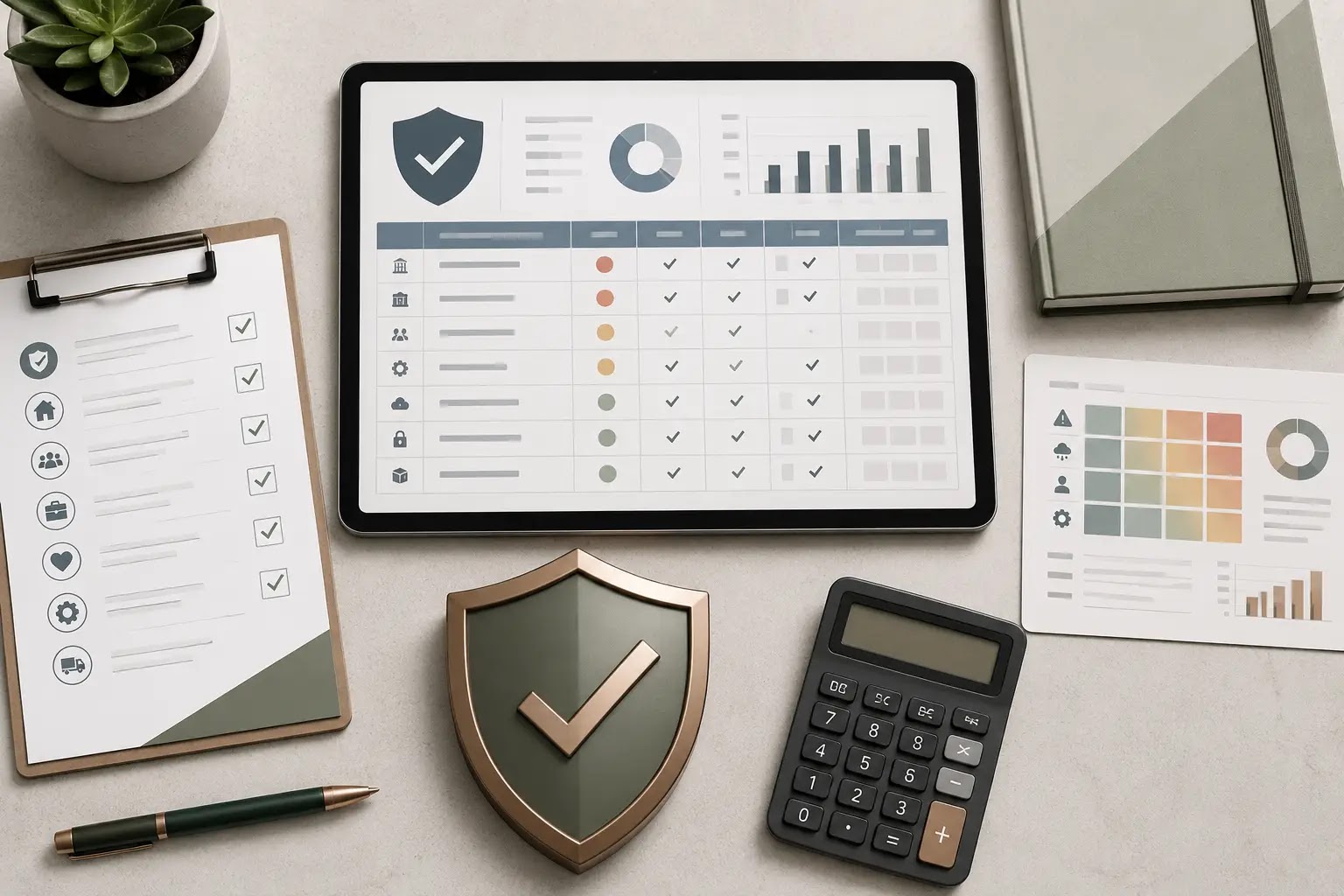
What should you confirm before moving forward with a vending route?
If the route has clear vendor access, workable delivery windows, and enough room in the numbers after commissions, mileage, repairs, software, and inventory handling, it may be worth pursuing. If any of those pieces are uncertain, the decision is usually to pause and verify before you buy machines, sign a lease, or commit working capital.
For a U.S. vending machine founder or buyer, the practical path is simple: confirm where machines can go, how product gets delivered, what the route costs to operate, and whether the launch has enough cash to absorb slow starts and unexpected service calls.
| Planning area | What to confirm | Ready if you can answer |
|---|---|---|
| Location access | Who controls placement, service hours, and entry rules | You can explain how the machine will be stocked and serviced without disrupting the site |
| Delivery workflow | Route order, unloading path, and refill timing | The route can be covered efficiently with the vehicles and staff you plan to use |
| Operating cost | Fuel, labor, commissions, repairs, software, and inventory carry | Your model includes the main cost drivers for the route |
| Working capital | Cash needed for stock, maintenance, and early-stage turnover | You can fund the launch without relying on immediate break-even |
| Local verification | Lease terms, site rules, and vendor requirements | Current local terms have been checked with the relevant source |
Next steps
- Map each target site by access method, delivery window, and likely refill frequency.
- List the route costs you need to test: mileage, labor, repairs, commissions, software, and inventory movement.
- Confirm who approves placement, who handles building access, and what site conditions affect delivery.
- Check whether the route still works if one stop becomes harder to service or less profitable.
- Verify local lease terms, vendor terms, and any site-specific requirements with current sources.
- Make sure your cash plan covers machines, product, service time, and early operating variance.
If you are turning this into a lender, landlord, or partner conversation, a business plan, financial model, pitch deck, checklist, and startup toolkit can help organize assumptions, compare route scenarios, and document the plan clearly.
Bottom line: a strong vending route is not just about placement access; it is about whether delivery, service, and working capital all support the route after real-world costs and local terms are verified.


