
Vending Machine Security and Safety Setup Checklist
A practical U.S. planning guide for vending machine security and safety setup checklist, built for founders, buyers, and operators comparing assumptions before committing capital.

What does a vending machine security and safety setup checklist need to cover?
If you are choosing locations, buying a route, or preparing a launch, the practical answer is simple: your security and safety setup needs to protect machine uptime, inventory, and people while still fitting the site’s lease or placement rules. For vending, that usually means verifying access, anchoring and placement needs, payment reliability, visibility, product protection, and the service path for restocking and repairs.
This checklist also belongs in the numbers. Security and safety choices can affect theft exposure, maintenance frequency, route mileage, commissions, and the working capital needed to keep machines stocked and serviced. If you are building a plan for lenders, landlords, or partners, document each assumption before you treat the route as ready.
Quick decision frame
| What the reader is deciding | Which machines and locations are safe, practical, and worth the route commitment. |
|---|---|
| What must be verified locally | Site access, lease or placement terms, utility availability, security expectations, permit needs, and vendor or landlord requirements. |
At this stage, the goal is not to finalize every operating detail. It is to separate locations that look workable on paper from those that create avoidable security, safety, or cash-flow strain after install.
- Lease or placement terms that affect access, hours, and responsibilities
- Equipment condition, anchoring, alarms, payment hardware, and locks
- Labor needs for stocking, cleaning, and response to service issues
- Menu economics and product mix relative to theft and spoilage exposure
- Permits, site rules, and any local requirements tied to installation or food handling
- Working capital for inventory, repairs, fuel, and route continuity
- Funding readiness, including whether the assumptions are organized well enough for a lender or investor review
With those baseline assumptions in view, the next section turns them into a practical framework for checking route and territory fit.
How should you map vending machine security and safety into route and territory assumptions?
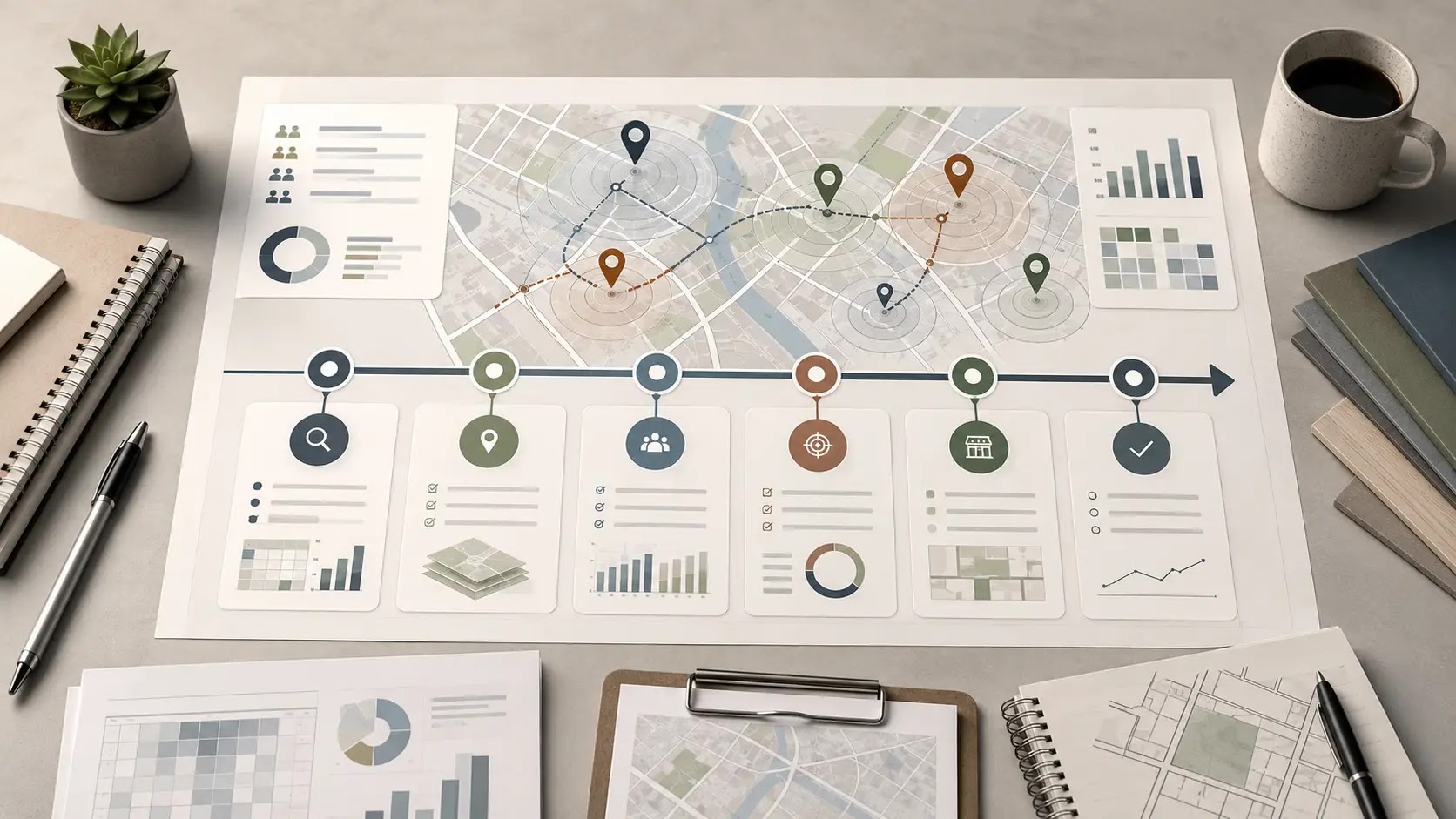
If you are choosing sites or buying a route, the practical question is not just whether a location is “good.” It is whether the site’s access, visibility, damage risk, hours, and service conditions fit a route you can actually operate with predictable restocking, maintenance, and cash-handling routines.
Use the checklist below to turn each location into documented assumptions before you commit to a lease, route purchase, or placement agreement.
What to test at each location before you treat it as part of the route?
| Planning area | Question to answer | Input to collect | Model impact | Verification source |
|---|---|---|---|---|
| Site access | Can you reach the machine during the hours needed for stocking, service, and cash collection? | Building access rules, manager contact, entry windows, badge or key requirements | Route frequency, labor time, missed-service risk | Location contact, written site agreement, on-site visit |
| Visibility and supervision | Is the machine in a monitored or high-traffic area, or isolated enough to raise tamper risk? | Foot traffic pattern, line of sight, nearby staff presence, camera coverage | Theft and vandalism risk, insurance and repair assumptions | Walk-through, property manager, security staff |
| Physical security | What hardware is needed to reduce tampering, tipping, forced entry, or unwanted movement? | Anchoring options, locks, mounting surface, anti-tip needs, machine weight limits | Startup equipment list, maintenance planning, replacement reserve | Equipment specs, installer, supplier guidance |
| Lighting and surroundings | Does the location support safe nighttime or off-hours service visits? | Lighting quality, exterior access, parking, nearby hazards, weather exposure | Route timing, service safety, loss exposure | Site visit at operating hours, property staff |
| Emergency response | Who handles a jam, break-in, power issue, or injury concern, and how fast? | Escalation contacts, lockout process, after-hours response path | Downtime assumption, repair schedule, backup vendor coverage | Site agreement, service contract, internal SOP |
| Cash handling | Will the machine use cash, cashless payment, or both—and how will proceeds be protected? | Payment mix, collection frequency, deposit process, access to payment devices | Collection labor, shrink risk, bank handling workflow | Processor terms, machine configuration, internal controls |
| Inventory safety | Does the product mix create spoilage, breakage, or temperature-control risk? | Product list, storage requirements, expiration tracking, restock cadence | Waste, shrink, replenishment frequency, working capital | Supplier specs, product labels, storage plan |
| Route density | Can nearby locations be grouped to reduce driving while keeping service reliable? | Map of sites, travel time, stop sequence, service windows | Mileage, labor efficiency, vehicle wear, territory viability | Route map, directions test, site scheduling |
| Lease or placement terms | Do the terms clearly define access, commissions, responsibility for damage, and removal rights? | Commission language, maintenance obligations, termination rights, site responsibilities | Margin, risk allocation, exit flexibility | Written agreement, landlord or operator review |
How do you move from location research to documented assumptions?
- Map each target site. Record address, hours, access restrictions, and the practical route order for restocking and collection.
- Inspect the physical setup. Note lighting, visibility, camera coverage, floor surface, anchoring options, and any hazards that affect safe service.
- Document security controls. List locks, anti-theft hardware, cash protection steps, payment-device safeguards, and who has access to keys or codes.
- Confirm service workflow. Write down who opens the site, who receives issues, how jams are reported, and what happens after hours.
- Capture inventory and spoilage assumptions. Match the product mix to storage needs, restock cadence, and any temperature or breakage concerns.
- Test route density. Compare drive time, stop sequence, and service windows so the territory can be operated without excessive dead miles.
- Review the written terms. Confirm placement, lease, or route-transfer language for commissions, damage responsibility, access rights, and exit terms.
- Convert notes into model inputs. Save the assumptions in a format you can reuse in the financial model, pitch deck, and operating checklist.
What should be documented before you treat a route as launch-ready?
- Each machine has a defined access procedure and service window.
- Security controls are matched to the site’s visibility and tamper risk.
- Route stops are clustered in a way that reduces travel inefficiency.
- Cash handling or cashless setup is clearly assigned and tracked.
- Inventory storage and restock timing fit the product mix.
- Repair, downtime, and escalation steps are written down.
- Lease or placement terms have been captured in a form you can model.
Once these assumptions are documented, the next step is to stress-test them in the financial model: downtime, route mileage, theft or damage exposure, repair frequency, commission terms, and working capital are where the real tradeoffs show up.
What are the main tradeoffs in a vending machine security and safety setup?
For a vending route, security and safety planning is really a site-selection and operating-cost decision. A machine placed in a monitored, well-lit location may reduce tampering risk, but it can also come with stronger site rules, higher commission expectations, tighter access windows, or different lease terms. A more flexible location may be easier to start, but it can raise exposure to theft, damage, and service interruptions.
The practical question is not whether a machine can be secured in the abstract; it is whether the site can support the setup you need for inventory control, cash handling, machine uptime, and safe access for restocking and repairs. Those choices affect route mileage, service frequency, equipment specs, payment hardware, remote monitoring, and working capital needs.
Founders and buyers should stress-test the assumptions behind each location: who controls access, who is responsible for damage, how often the machine will be inspected, and what systems are needed to reduce shrink or downtime. The right answer can differ by location type, product mix, and whether the route is being built from scratch or acquired.
Scenario check: how security and safety choices change the route model
- Higher-traffic site: stronger sales potential, but greater exposure to tampering, accidental damage, and restocking pressure.
- Low-supervision site: more operating flexibility, but higher risk of unnoticed issues, slower response times, and greater loss from cash or product problems.
- Cash-heavy setup: simpler hardware, but more labor, more handling risk, and more dependence on secure collection procedures.
- Cashless-forward setup: may improve tracking and reduce cash handling, but it introduces device, network, and vendor-term dependencies.
- Remote or spread-out route: can widen territory options, but travel time makes security incidents and service calls more expensive to absorb.
| Planning risk | Why it matters | Assumption affected | How to verify |
|---|---|---|---|
| Theft or tampering | Can cause cash loss, product loss, and downtime that disrupts route performance. | Shrink, repair frequency, and service labor | Review site history, inspect physical access points, and confirm who monitors the area. |
| Poor lighting or visibility | Raises the chance of misuse, damage, and lower deterrence for after-hours access. | Security equipment needs and site suitability | Visit the location at different times and document lighting, traffic flow, and sightlines. |
| Unsafe access for service | Can make restocking or repairs slower, more expensive, or operationally impractical. | Route mileage, labor time, and service schedule | Confirm dock rules, keys, alarms, entry windows, and any escort requirements with the site contact. |
| Payment device or connectivity issues | Can interrupt sales tracking and reduce the value of cashless transactions. | Hardware budget and software/vendor terms | Test signal strength, device compatibility, and provider support terms before committing. |
| Product safety exposure | Temperature, contamination, or damaged packaging can create product loss and complaints. | Equipment specs, inventory rotation, and inspection cadence | Match machine type to product requirements and confirm monitoring and cleaning procedures. |
| Lease or site-rule conflict | Restrictions can limit machine placement, access hours, security hardware, or maintenance timing. | Site feasibility and operating flexibility | Review the written agreement and verify operational rules with the property contact. |
Local verification: local rules, costs, vendor terms, lease terms, and financing conditions vary by market and should be checked with current local sources before you commit to a site, machine spec, or route plan.
Use these tradeoffs to decide whether a location deserves a more secure machine, a different payment setup, a tighter service cadence, or a different route strategy altogether. If the assumptions do not hold up in the field, the site may still work, but the economics and operating burden should be revised before launch.
With those risks and assumptions documented, the next step is the final action checklist: the short set of decisions and verification items that should be completed before you move forward.
What should you verify before you buy, place, or launch the route?
For a vending machine security and safety setup, the practical decision is not just whether the machine works. It is whether the location, hardware, service routine, and replacement plan can support the route without avoidable loss, downtime, or surprise costs.
Use the checklist below to confirm the route is ready for real operating conditions, then translate those assumptions into your business plan and financial model.
| Readiness question | What to confirm | Decision impact |
|---|---|---|
| Is the location secure enough for the machine type? | Entry control, visibility, lighting, and how the machine will be monitored or checked. | Changes theft risk, service frequency, and insurance assumptions. |
| Can the machine be anchored and protected? | Stability, placement, access to power, and any anti-tamper hardware or enclosure needs. | Drives equipment choices and install cost assumptions. |
| Are service and refill routes practical? | Mileage, stop density, access times, and how often inventory checks are needed. | Shapes labor time, fuel, and working capital needs. |
| Are commissions and site terms acceptable? | Location fees, revenue share, service expectations, and who handles damage or outages. | Affects gross margin and break-even planning. |
| Is there a plan for repairs, outages, and inventory loss? | Vendor response time, spare parts, lock/security procedures, and incident logging. | Reduces downtime risk and protects cash flow. |
Next-step checklist
- Recheck each target site for access, visibility, and practical security before signing or renewing a placement agreement.
- Document the machine’s physical protection needs, including anchoring, locking, and any site-specific safeguards.
- Map route mileage, stop order, and refill frequency so labor and fuel assumptions reflect real service time.
- List expected site terms, commissions, and maintenance responsibilities in writing before finalizing the route.
- Build a short loss-and-downtime plan covering theft, damage, product spoilage, cash handling, and repair turnaround.
- Update the financial model with inventory, repairs, software, and working capital assumptions tied to the route plan.
- Verify local rules, permit needs, lease terms, insurance requirements, and vendor conditions with current local sources.
Planning note: If the checklist is getting complex, a business plan, financial model, pitch deck, checklist, and startup toolkit can help organize assumptions, compare scenarios, and document the route for partners, lenders, landlords, or advisors.
Final takeaway: A strong vending machine launch is usually the one with the clearest site terms, the most realistic service plan, and the least ambiguity around security, safety, and working capital.


